

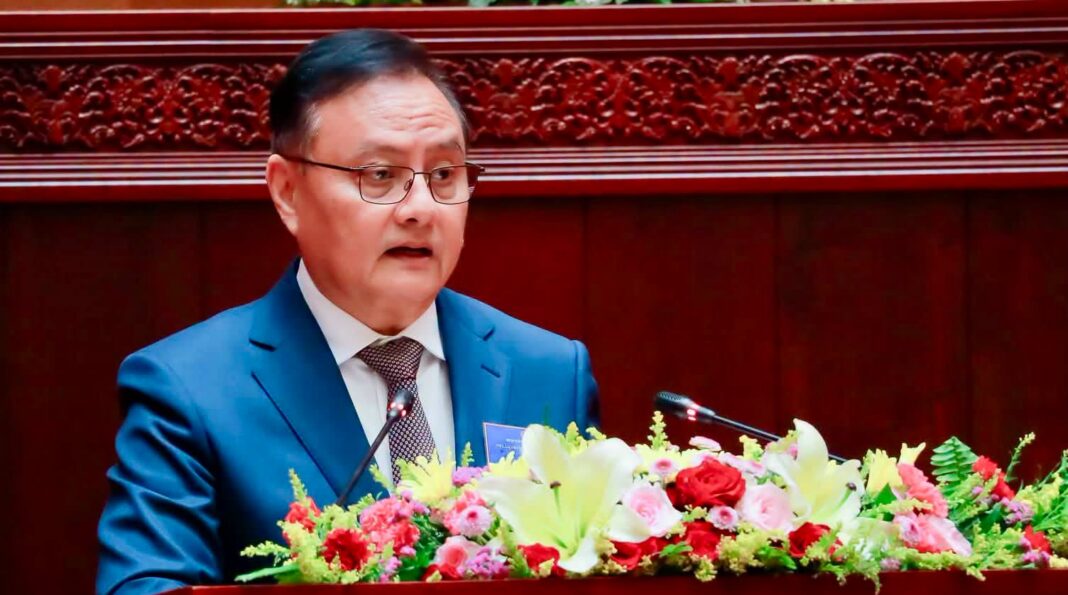
Laos has collected approximately USD 12 million in digital taxes from global technology companies since introducing its digital tax system in late 2024, according to Deputy Prime Minister and Minister of Finance Santiphab Phomvihane.
The tax applies to foreign digital service providers without a physical presence in Laos, including Microsoft, Facebook, YouTube, and Netflix. Under the system, overseas companies providing digital services to Lao consumers must register and pay taxes under Lao law.
Santiphab said the digital tax forms part of a broader tax modernization program launched in 2020 to strengthen state revenue collection by reducing cash-based payments, improving tax compliance, widening the tax base, and bringing more businesses into the formal economy.
The reforms have also introduced digital tools such as the TaxRIS tax administration system and computerized accounting platforms to improve tax collection and reduce revenue leakage.
According to Santiphab, TaxRIS now manages more than 195,000 registered businesses nationwide, allowing tax authorities to register taxpayers, monitor compliance, process tax returns, and collect revenue more efficiently.
Revenue collected through the system has increased by 251 percent since its introduction in 2020, representing average annual growth of more than 20 percent, he said.
The government’s modernization efforts also extend to customs administration. Santiphab said Laos has deployed the Smart Customs system at international border checkpoints, where a centralized electronic platform now processes import and export declarations digitally.
The system has helped customs revenue grow by an average of 34 percent annually over the past three years by improving efficiency and strengthening import tax collection.
The reforms support Laos’ broader fiscal strategy. Earlier this year, the government announced a target of collecting approximately LAK 554.4 trillion (USD 24.5 billion) in state revenue by 2030, equivalent to about 21 percent of GDP, while improving tax administration, strengthening fiscal sustainability, and reducing public debt.
