

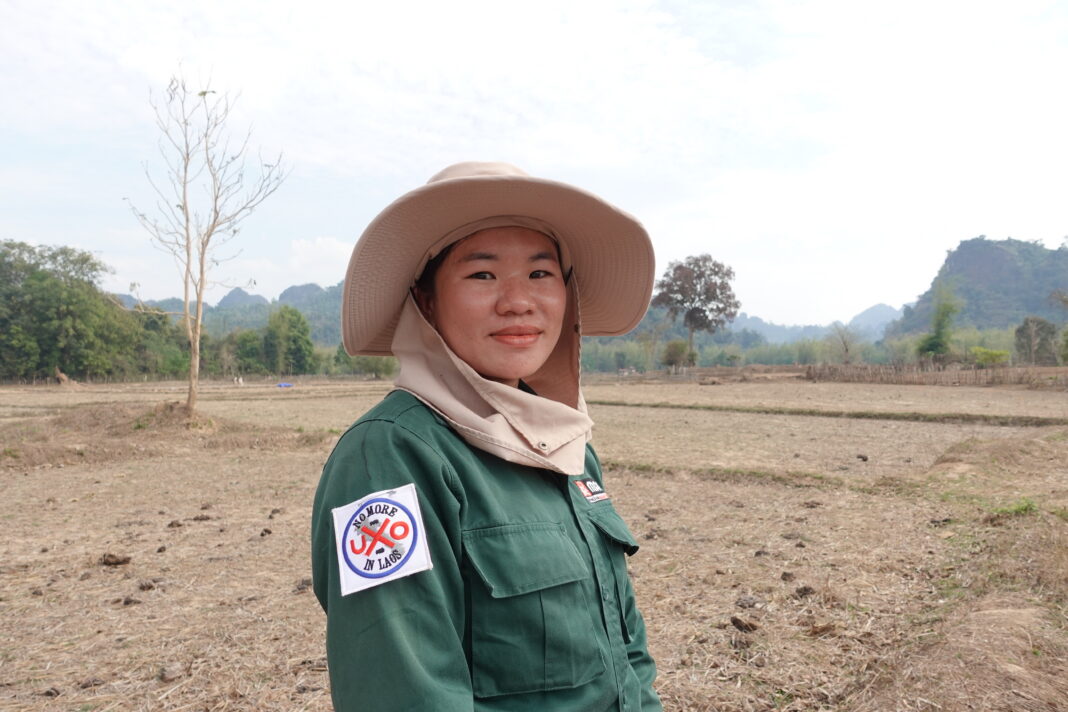
A jewelry collection made with women who clear bombs for a living is putting Laos’ unexploded ordnance crisis back in the conversation.
Beneath the soil of northern and central Laos, more than 80 million unexploded cluster munitions lie buried in the fields.
They are what remains of the Secret War, the covert American bombing campaign that made Laos the most heavily bombed country per capita in history.
Between 1964 and 1973, the United States dropped more than two million tonnes of ordnance on Laos, much of it cluster bombs designed to scatter and, in vast numbers, fail to detonate.
Fifty years on, communities in provinces like Xieng Khouang and Khammouane still cannot safely farm their land, build homes, or let children roam freely. Accidents still happen daily.
The Mines Advisory Group (MAG) has been working to clear that legacy since 1994, training and deploying demining teams across the country’s most contaminated ground. A significant part of that workforce is women.
A new jewelry collection is trying to change that.
When Deminers and Artisans Sit Together
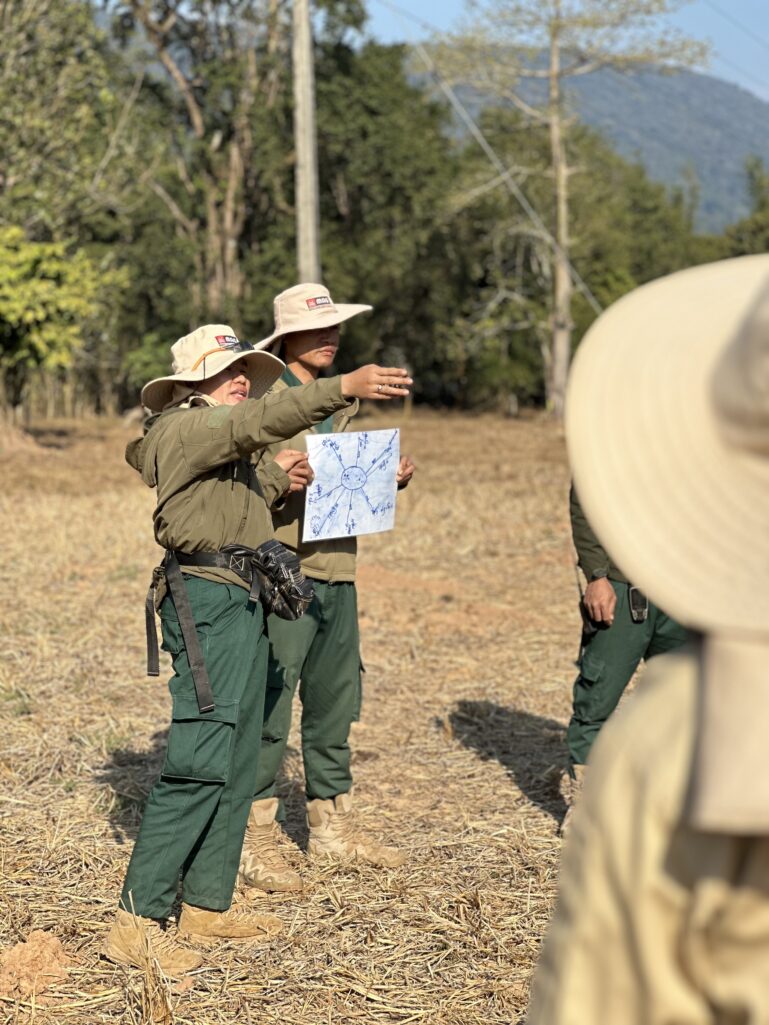
Eight female deminers from MAG sat down with the team at Interwoven, a Vientiane-based store known for contemporary and community-rooted design, to figure out how to turn their working lives into something people could wear. What came out of those sessions was seven pieces tracing the demining process from the first survey of a field to the moment cleared land is handed back to a community.
“At Interwoven, our work usually focuses on contemporary and local community art, so merging our style with the technical world of MAG was an exciting but deep challenge,” said Dianna Youtmanelin, Store Manager at Interwoven. “We wanted to make art that told stories of survival and safety, not just beauty.”
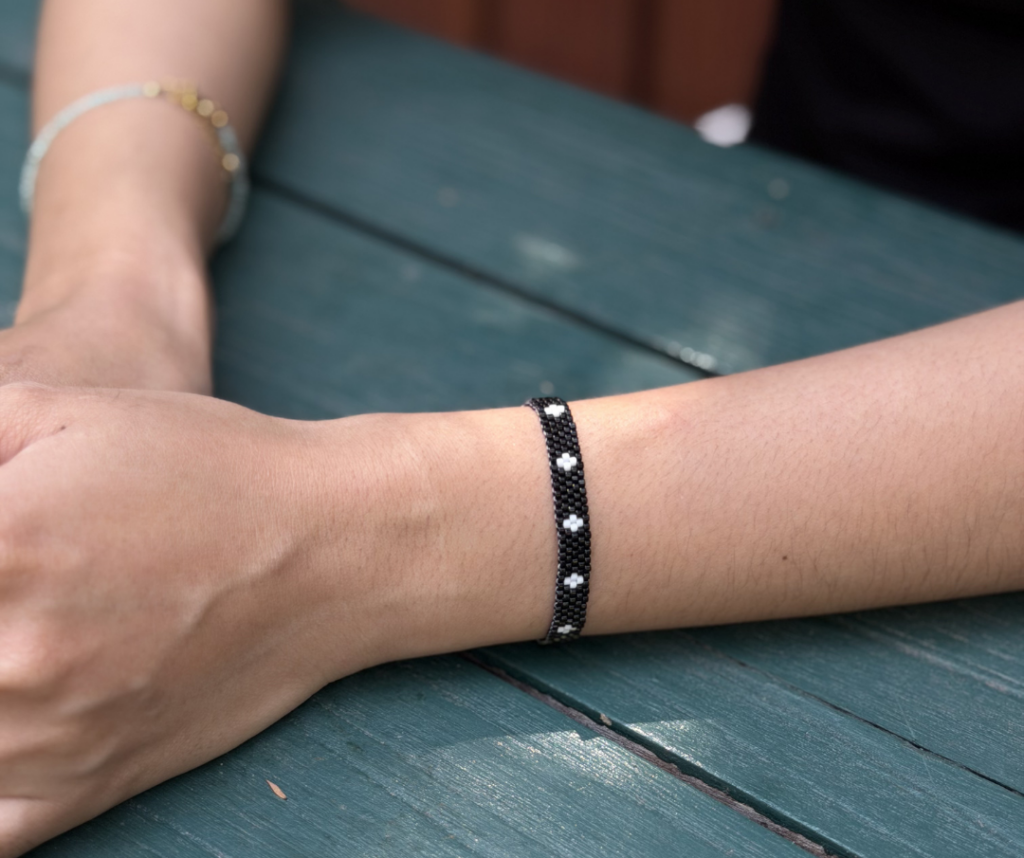
The collection also pushes back against one of the more persistent assumptions around UXO awareness products in Laos, that they should be made from melted bomb scraps.
It is a well-intentioned idea that MAG says misses the point.
What’s the Point?
“We want to reduce the demand for real bomb materials,” said Dala Soutthichak, MAG’s Communication Coordinator. “These pieces of metal have been in the ground for over 50 years. They are contaminated with chemicals and carry a history of tragedy.”
Instead, the pieces use mixed-colour beads to map the clearance journey, shifting attention from the weapons to the people removing them.
“This collection represents our journey of UXO clearance, especially the strength of our medics team and communities who are very brave to work in the field,” said Khamlar Sibounheuang, MAG Team Leader from Khammouane.
The project works with local artisans and vulnerable communities creates employment for young women who might otherwise face pressure to seek work abroad, in conditions that can expose them to trafficking.
For the deminers involved, the collection is just another record of what they do every day, in fields that most people will never see, clearing ground that families have been waiting decades to get back.
