

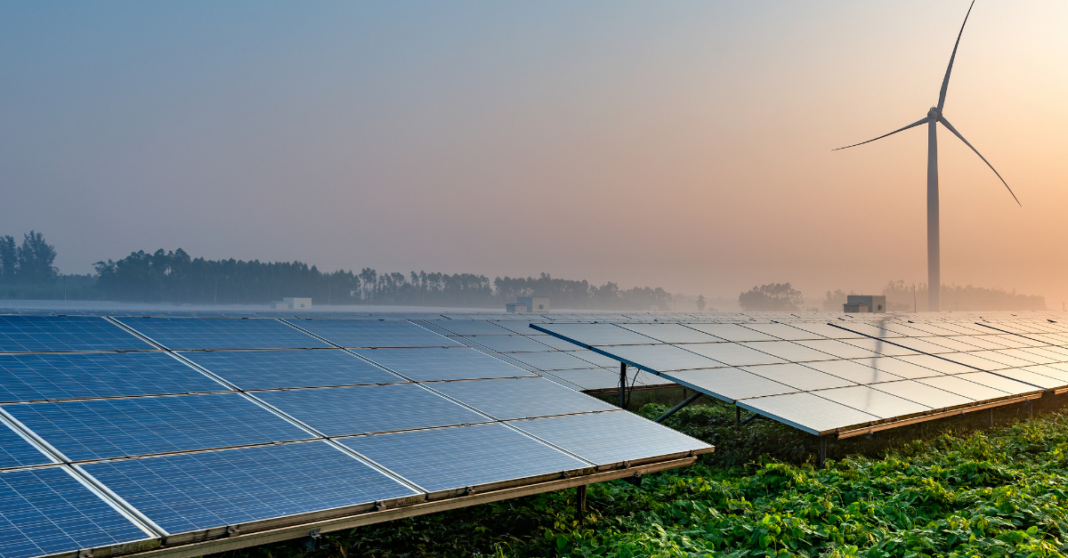
Authorities in Champasak signed a concession agreement on 3 July with a private company to develop a 5-megawatt (MW) solar power project in Pathoumphone district.
The project forms part of Laos’ efforts to expand renewable energy, improve electricity supply in rural areas, and strengthen the national power grid.
Xaysomboun Chaloensub Road-Bridge Construction and Mining Company will develop the facility in Namphak village, covering 62,668 square meters.
The company will invest USD 2.5 million in the project under a 25-year concession and began construction immediately after the agreement was signed.
The project is the latest in Laos’ expanding solar energy program. As of late 2025, Electricité du Laos (EDL) was advancing 12 large-scale solar projects nationwide with a combined installed capacity of 680 MW.
Government officials said small-scale solar projects will be prioritized across the country in 2026 to strengthen local electricity supply and support the continued growth of the renewable energy sector.
Latest of a Series of Solar Projects
In late April, authorities approved the 5-MW Fangdaeng solar project in Champasak’s Phonthong district. Phonthong Solar Company is developing the USD 2 million project under a Build-Own-Operate model and will connect it to Laos’ 22-kilovolt grid.
Meanwhile, neighbouring Salavanh Province is developing a 9.5-MW solar project across three districts. Led by VS Solar One Co., Ltd., construction began on 29 May and is expected to finish by the end of 2026.
Only a few months earlier, in February, Laos’ state electricity enterprise signed an agreement with a South Korean private company to study the development of a 100-megawatt solar power project in Oudomxay Province.
Planned for Namhin Reservoir in Xay district, the project would generate around 160 gigawatt-hours of electricity annually, supplying the equivalent of about 100,000 households, with most power exported to Vietnam.
The new planned projects follow the launch of Laos’ largest solar farm in Oudomxay in late 2025, reinforcing the country’s growing role as a renewable energy hub serving regional electricity markets.
