

TOKYO, Sept. 24, 2026 /PRNewswire/ — Chronic kidney disease (CKD) is often called a “silent disease” because its early stages may cause few noticeable symptoms. Taiwan has one of the world’s highest burdens of end-stage renal disease requiring hemodialysis. Approximately 1.5 million Taiwanese adults are estimated to have Stage 3–5 CKD, yet fewer than 10% of patients are aware of their condition. These challenges highlight the need for reliable tools that support earlier risk identification and precision disease management.
Leadgene Biomedical, a Taiwanese developer of antibodies and diagnostic technologies, was invited to the 9th Japanese Society of Uremic Toxin (JSUT) Symposium in Tokyo this May. During the event, Dr. Fang Teh-Chao, Professor of Nephrology at Taipei Medical University, presented “Precision Management of Protein-Bound Uremic Toxins in Chronic Kidney Disease: The Role of Indoxyl Sulfate Monitoring.”
Dr. Fang explained that conventional renal assessments, including serum creatinine and estimated glomerular filtration rate (eGFR), may not show significant changes until considerable kidney damage has occurred. Increasing research on the gut–kidney axis indicates that gut microbiota imbalance can contribute to the production of protein-bound uremic toxins (PBUTs). Among these, indoxyl sulfate (IS) is recognized as an important biomarker associated with renal decline and systemic inflammation.
Because IS binds strongly to blood proteins, it is difficult to remove through conventional clearance mechanisms. Evidence suggests that IS levels begin to rise during Stage 3 CKD. Accurate and consistent monitoring may therefore help clinicians evaluate disease status and identify opportunities for earlier intervention.
Leadgene’s Indoxyl Sulfate (IS) ELISA Kit attracted considerable attention at the symposium. Compared with conventional methods requiring sophisticated instruments and complex workflows, the kit is designed to improve testing efficiency and reproducibility, making routine IS monitoring more accessible to medical and research institutions.
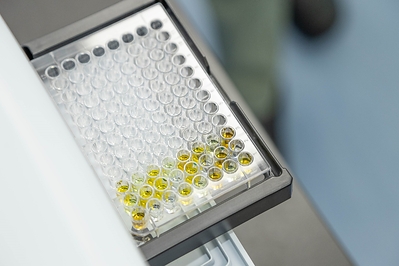
Precision indoxyl sulfate (IS) testing serves as a vital adjunct in assessing renal function, bridging the gap left by traditional biomarkers to secure a critical window for early clinical intervention. (Image: Leadgene Biomedical)
Precision CKD management is also moving toward an integrated approach involving dietary fiber, nutritional adjustments, microbiome modulation, and continuous biomarker monitoring.
Dr. Yung-Chun Chuang, Chairman of Leadgene Biomedical, said the symposium demonstrated Taiwan’s growing contribution to precision renal care. “Our goal is to bring Taiwan-developed innovations to the global stage,” he stated. The Leadgene® Indoxyl Sulfate (IS) ELISA Kit has received regulatory approvals in the EU, Taiwan, Australia, Singapore, and Vietnam, while the company continues to advance into the Japanese and U.S. markets.
Leadgene aims to help translate gut–kidney axis research into practical tools for earlier clinical assessment and more informed CKD management.
