

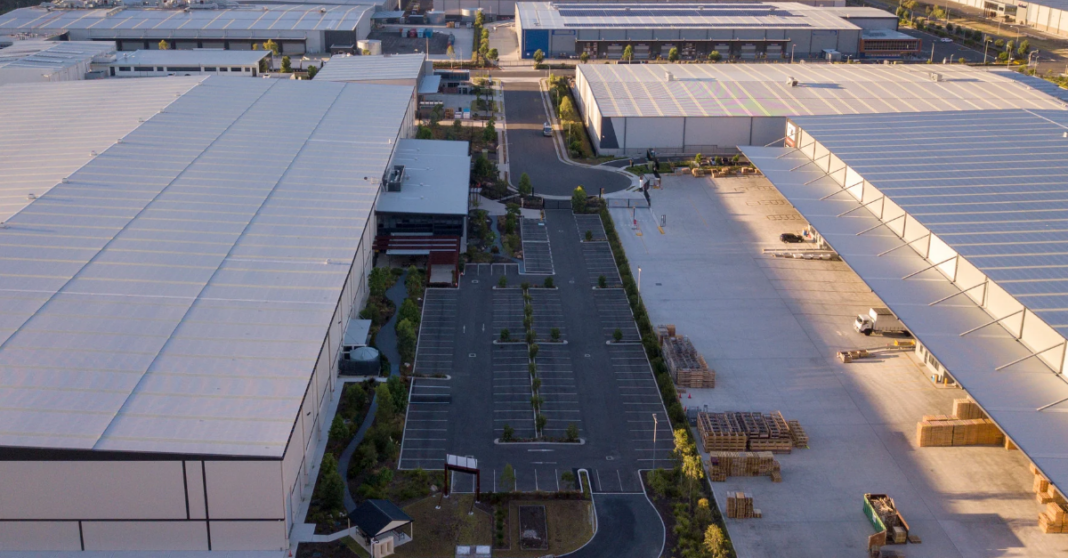
Attapeu authorities discussed potential South Korean support for developing a 580-hectare industrial zone during a meeting with South Korean Ambassador Lee Jeong-hyop on 11 November.
The zone was among several provincial priorities outlined during the talks, alongside agricultural processing, energy and mining, tourism, and transport services.
Discussions also covered three South Korean private investment projects valued at a combined USD 411.2 million. Two involve the power sector, while the third is a road construction project under a build-operate-transfer arrangement.
Under that model, the investor would operate the road for a fixed period before transferring it to the Lao government.
Provincial authorities identified agriculture and forestry, particularly processing agricultural products for export, as areas where South Korean assistance could support local development.
They also outlined a strategic plan to develop Road 18B into a cross-border transport corridor connecting trade with neighboring Vietnam and Cambodia. The plan aims to expand trade, investment, and related services.
Wider infrastructure projects, including the Laos-Vietnam Railway and the expansion of logistics parks and dry ports, are expected to improve access to international markets and reduce transport costs for agricultural exports.
Agricultural Cooperation
The talks follow earlier agricultural cooperation between Laos and South Korea, including a memorandum of understanding signed in 2024 for a feasibility study on vegetable cultivation and sericulture, or silk production. The study also covered establishing a small processing facility in Attapeu.
Separately, the second K-Green Agro Partnering Forum, held in Vientiane on 18 June, produced memoranda of understanding involving representatives of the Korea Trade-Investment Promotion Agency.
One pilot project will support exports of Lao-grown chili peppers and cabbage to South Korea, covering cultivation assistance, quality management, and export verification.
Forum participants also discussed how South Korean expertise in smart farming and data-based planning could help Lao farmers improve productivity, expand high-value crop exports, and respond to climate-related challenges.
Other pilot projects discussed at the forum involved artificial intelligence in livestock management and the cultivation of disease-free seedlings.
