BEIJING, April 3, 2026 /PRNewswire/ — A delegation of government officials, financial executives and business leaders attending the 2026 Global South Financiers Forum recently visited Ningbo, east China’s Zhejiang Province, touring the city’s advanced technology facilities and intangible cultural heritage sites.
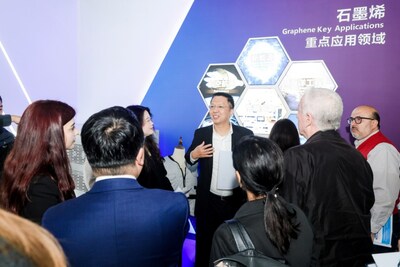
Photo shows the delegation of 2026 Global South Financiers Forum visiting the National Graphene Innovation Center in Ningbo, east China’s Zhejiang Province.
The group’s first stop was the National Graphene Innovation Center, a key research hub for China’s strategic new materials sector. Staff members there introduced the latest applications of graphene technology across energy efficiency, healthcare and industrial equipment.
A graphene-enhanced cooling vest designed to reduce heat stress for outdoor and factory workers drew particular attention, with delegates stopping to examine it closely.
“This is what technology should look like, not just data in a laboratory, but something that genuinely improves the working conditions of ordinary people,” said Luis René Fernández Tabío, a professor at the University of Havana.
Carlos Huerta, director of the Nogales Industrial Park in Mexico, said the visit gave him a new understanding of Ningbo’s capabilities. “I had not expected Ningbo to have advanced this far in new materials. This opens up real possibilities for deeper cooperation between our two countries in this sector,” he said.
The delegation also visited the Red Peony International Home. Participants painted peony motifs using traditional brush techniques, a process many found meditative.
“A flower has many layers, just like a culture,” said Luz María García, executive director of the Chilean Technology Information Association. “The process slowed me down. I think that is what you call ‘craftsman spirit.'”
At a local artisan village in Zhenhai District, delegates made Ningbo’s traditional glutinous rice dumplings and tried bamboo weaving alongside local craftspeople. They then visited the Ningbobang Museum, which chronicles the city’s history as a major port since ancient times and the rise of the globally influential “Ningbo merchant” community.
“The way they went out into the world back then shares much in common with what we discuss today about Global South cooperation, building connections on the basis of trust,” Tabío said.
SHENZHEN, China, April 3, 2026 /PRNewswire/ — AIRSEEKERS, the Master-Crafted Oasis Creator, today unveiled the Tron & Tron SE series. As the definitive “All-Round Flagship,” the AIRSEEKERS series mark a paradigm shift from simple lawn care to professional-grade estate stewardship.
AIRSEEKERS Tron and Tron SE Series
All-Round Flagship Mower: Elevating Lawn Vitality through Intelligent Performance
The Tron & Tron SE series sets a new industry benchmark with its pioneering FlowCut™ technology, a system that transcends traditional mowing to foster a self-sustaining lawn ecosystem. Engineered with dual-layer blades rotating at 3,000 RPM, the mower generates a powerful X-shaped vortex that aligns grass blades for a surgical cut before pulverizing them into micro-particles 30% smaller than the industry standard. This ultra-fine mulch is reinjected into the turf as a potent natural fertilizer, enhancing soil moisture retention by 25% and demonstrably increasing lawn density. By integrating precision cutting with automated nutrient recycling, the Tron and Tron SE series delivers a visibly lusher, healthier lawn, cementing its status as a flagship solution for professional-grade garden management.
Precision Navigation and AI Vision for Enhanced Lawn Care
The Tron & Tron SE series redefines autonomous mowing by anchoring its intelligence in the ultimate lawn care experience. Beyond mere navigation, it executes a streamlined, all-in-one workflow—integrating vacuuming, dividing, cutting, and mulching into a single mission. This operational excellence is anchored by the 300° Universe View for Tron & 140° Universe View for Tron SE, part of a sophisticated AI Vision navigation system that ensures Smart & Precise Safety.
By leveraging AI-powered perception, the Tron & Tron SE series can rapidly identify over 150 types of objects, providing proactive obstacle detection around pets, people, and garden structures. This visual mastery is bolstered by NRTK technology and auto-mapping, eliminating external antennas and enabling a full system setup in under five minutes. By merging rapid-deployment AI with aerodynamic precision, the Tron & Tron SE Series transforms complex robotic navigation into a seamless, high-performance solution for professional-grade lawn health.
Model Selection and Use Scenarios
The Tron and SE Series are tailored to diverse user scenarios and yard scales.
AIRSEEKERS TRON SE:
Positioned as an entry-level professional mulching robot, the Tron SE is designed for standard-sized yards. It focuses on automating core lawn maintenance tasks, such as manual mowing and grass clippings disposal, by utilizing the “Mulch-to-Nutrient” system.
AIRSEEKERS TRON:
The flagship Tron model is engineered for complex landscapes and premium estate maintenance. Compared to the SE, it features higher-precision positioning and enhanced processing power. This series is designed for users requiring more advanced autonomous navigation and professional-grade soil nurturing across diverse terrain conditions.
Pricing and Availability
AIRSEEKERS is pleased to announce that the Tron & Tron SE Series will be available for purchase starting April 3, 2026, at 20:00 HKT / 7:00 AM EDT / 13:00 CEST through the official online store.
Early Bird Offer: From April 3 to April 30,at 20:00 HKT / 7:00 AM EDT / 13:00 CEST, customers can enjoy exclusive launch discounts on the official AIRSEEKERS website.
Region
Product Series
MSRP
Early Bird Price
Savings
North America
TRON
$1,999
$1,299
$700
The EU
TRON
€1,999
€1,799
€200
The EU
TRON SE
€1,399
€1,049
€350
Markets & Regions
AIRSEEKERS Tron: North America: Available in United States, Canada
Europe: Available in Germany, French, Poland, Austria, Czech Republic, Lithuania, Belgium, Luxembourg, Netherlands, Denmark, Hungary, Italy, Slovakia, Slovenia, Ireland, Portugal, Spain, Sweden, Croatia, Estonia, Finland, Latvia, Bulgaria, Greece, Romania
AIRSEEKERS Tron SE: Europe: Available in Germany, French, Poland, Austria, Czech Republic, Lithuania, Belgium, Luxembourg, Netherlands, Denmark, Hungary, Italy, Slovakia, Slovenia, Ireland, Portugal, Spain, Sweden, Croatia, Estonia, Finland, Latvia, Bulgaria, Greece, Romania
AIRSEEKERS integrates technology with user needs to advance smart homes and gardens, aiming to bring smarter, greener living to families worldwide and become a key force in the global smart home ecosystem. AIRSEEKERS aims to accelerate the global shift from traditional, labor-intensive lawn care—reliant on fuel-powered engines that cause pollution and noise—towards a sustainable, clean energy–powered, and fully digitalized ecosystem for smarter lawn management.
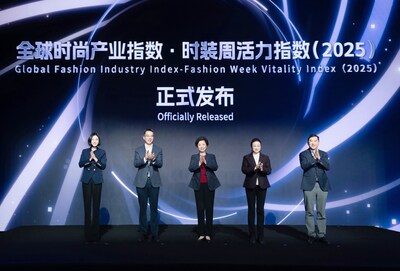
BEIJING, April 3, 2026 /PRNewswire/ — Shanghai Fashion Week has risen to the fourth place globally, overtaking New York, according to a report released Thursday in Shanghai. The Global Fashion Industry Index-Fashion Week Vitality Index Report (2025), issued by China Economic Information Service, describes Shanghai as the fastest-growing node city in the global fashion landscape.
Paris and Milan fashion weeks retained the top two positions globally. London and Shanghai ranked third and fourth, with commercial vibrancy and digital transformation cited as their core competitiveness.
For the first time, the report added a “commercial trade activity” indicator to quantify each fashion week’s ability to integrate commercial resources and convert them into market transactions. Shanghai Fashion Week recorded 1,217 trade brands, second only to Paris, and operated seven digital trade platforms which is the highest figure among all eight fashion weeks surveyed.
The report noted persistent gaps. Shanghai Fashion Week’s 23 product categories and average transaction price of 420 U.S. dollars represent only 64 percent and 54 percent of Paris Fashion Week’s figures respectively, reflecting a market still dominated by mid-range and emerging brands but with significant growth potential.
In the elements aggregation dimension, Paris and Milan led with 429 and 387 participating brands and 544 and 529 events respectively, while Shanghai hosted around 200 events and distinguished itself through new brand participation. In industry influence, Shanghai ranked first globally in the number of designers, and its innovation trend score also placed near the top.
China’s apparel and fashion retail market reached nearly 460 billion U.S. dollars in 2025, maintaining its position as the world’s largest single market. Global fashion e-commerce penetration rate rose from 18 percent in 2020 to approximately 36 percent in 2025, surpassing 45 percent in emerging markets.
On sustainability, approximately 72 percent of global consumers said they were willing to pay a premium for sustainable products, with most accepting a markup of 5 to 10 percent. The report devoted a dedicated chapter to artificial intelligence, noting that 58 to 60 percent of global fashion retailers have integrated AI into operations and marketing.
The report concluded that Shanghai Fashion Week is at a critical transition from scale expansion to capability upgrading, and should deepen integration of local culture, contemporary design and haute couture to strengthen its role as a commercial hub connecting design with consumption.
Industry Leaders, Regulators, and Innovators to Convene in Bangkok at the Intersection Where Digital Assets and Traditional Banking Enter a New Era of Collaboration
BANGKOK, THAILAND – Media OutReach Newswire – 3 April 2026 – the world’s leading fintech show and the place where money does business, today announced the introduction of The Intersection Stage at Money20/20 Asia happening on April 21-23 at the Queen Sirikit National Convention Center in Bangkok bringing together the region’s most powerful voices across banking, payments, digital assets, and financial innovation.
This year’s theme, “From Infrastructure to Impact – Where Technology Meets Humanity,” underscores how the Intersection Stage will explore the real-world outcomes of Traditional Finance and Decentralized Finance convergence across APAC, addressing how banks, fintechs, and emerging technologies are reshaping the global financial ecosystem. The stage brings together leaders from major financial institutions and well-known fintech companies to discuss how innovation, regulation, and new financial infrastructure are transforming areas such as digital assets, trust and cybersecurity, and cross-border payments. [1]
Siva Kumar, APAC Legal Director, Sumsub, said, “The convergence of TradFi and DeFi can only succeed if trust, identity, and compliance evolve alongside technology. Asia is leading this shift by adopting regulatory models that enable innovation without compromising security. At Sumsub, we’re witnessing institutions accelerate digital identity and verification standards at unprecedented speed. The Intersection Stage brings these critical stakeholders together to turn regulatory progress into real‑world impact.”
Speakers include Siddharth Gupta of Bank of America, Dhiraj Bajaj of Standard Chartered Bank, Fangfang Jiang of the International Finance Corporation, Ran Goldi, SVP Payments & Network, Fireblocks and Kaushik Sthankiya of Kraken, who will share insights on regulatory innovation, digital asset adoption, developments in stablecoin, tokenization, blockchain‑enabled settlement, and how new payment rails are enabling faster and more efficient cross-border transactions.
For decades, Traditional Finance aimed to protect the system while Decentralized Finance wanted to reinvent it. Today, these two worlds are converging where digital money moves faster than ever, said Danny Levy, EVP & Managing Director for APAC & the Middle East at Money20/20. The Intersection Stage brings together the regulators and innovators driving the frameworks that will guide the next decade of global finance.”
The broader 2026 program also features keynote speakers such as Joseph Chan, Under Secretary for Financial Services and the Treasury of the Government of Hong Kong SAR; Shahril Azuar Jimin, Group Chief Sustainability Officer at Maybank; and Sunita Kannan, Global Head of AI Product & Strategy at Microsoft, underscoring the calibre of leadership shaping the future of finance across the region.
From Asia’s pioneering regulatory sandboxes and CBDC initiatives to the Genius Act in the US to MiCA in Europe. Regulated institutions like AMINA Bank are at the forefront of this transformation, particularly in navigating the evolving regulatory landscape across key markets.
Cora Ang, Head of Legal & Compliance APAC, AMINA Bank said, “Asia is demonstrating what responsible innovation truly looks like. As digital assets, tokenization, and new payment rails gain momentum, strong legal and compliance frameworks are essential to scaling them safely. At AMINA Bank, we see the region embracing this balance with clarity and ambition. The Intersection Stage at Money20/20 Asia is the perfect forum to advance these conversations and align the industry on what the next generation of financial infrastructure should be.”
Key Sessions on The Intersection Stage
Day 1: Tuesday 21 April, at 15:40 – Banking on Digital Transformation 101
By Barbaros Uygun, Chief Executive Officer, Mox Bank Limited, Jessica Lam, Group Chief Strategy Officer, WeLab, Vivien Tan, Senior Vice President, Alliance Bank Malaysia, Andy Wu, General Manager, Hong Kong, Yusys Technologies, Rupa Ramamurthy, Senior EVP, Banking Operations, TP
Day 1: Tuesday, 21 April 2026 at 12:00 – Building the Golden Record for Tokenised Asset Markets
By Etelka Bogardi, Partner, Reed Smith Singapore, Aaron Gwak, CEO & Founder, Libeara, Alvin Chia, Head of Digital Assets Innovation APAC, Northern Trust, moderated by Tanzeel Akhtar, Journalist, Morley Sterling LLC
Day 2: Wednesday, 22 April 2026 at 10:00 – The Rise of Blockchain and Stablecoin Payment Rails
By Tran Hung, CEO, Uquid, Paul Veradittakit, Managing Partner, Pantera Capital, Maggie Wu, Co-Founder & CEO, VelaFi, Facilitated by Amanda Pecanha, Chief Compliance Officer, Trace Finance
Day 2: Wednesday 22 April, 15:45 – How Digital Asset Ecosystems Will Redefine Money
By Dhiraj Bajaj, Global Head of FI, Transaction Banking, Standard Chartered Bank, Julia Zhou, Chief Operating Officer, Caladan, Giorgia Pellizzari, Chief Product Officer & Head of Custody, Hex Trust, Dr. Karin Boonlertvanich, Executive Vice President, KASIKORNBANK & Chairperson of the Board, Orbix Group
Day 3: Thursday, 23 April 2026 at 10:25 – Money’s Next Evolution, Stablecoins, CBDCs and the New Payment Stack
By Rahul Advani, Global Co-Head of Policy, Ripple, Lissele Pratt, Founder, Capitalixe, Bhau Kotecha, Co-Founder, Paxos Labs, Maria Oldham, COO, Yellow Card, moderated by David Birch, Global Ambassador, Consult Hyperion
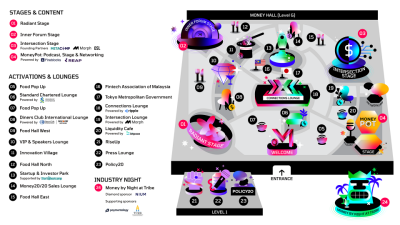
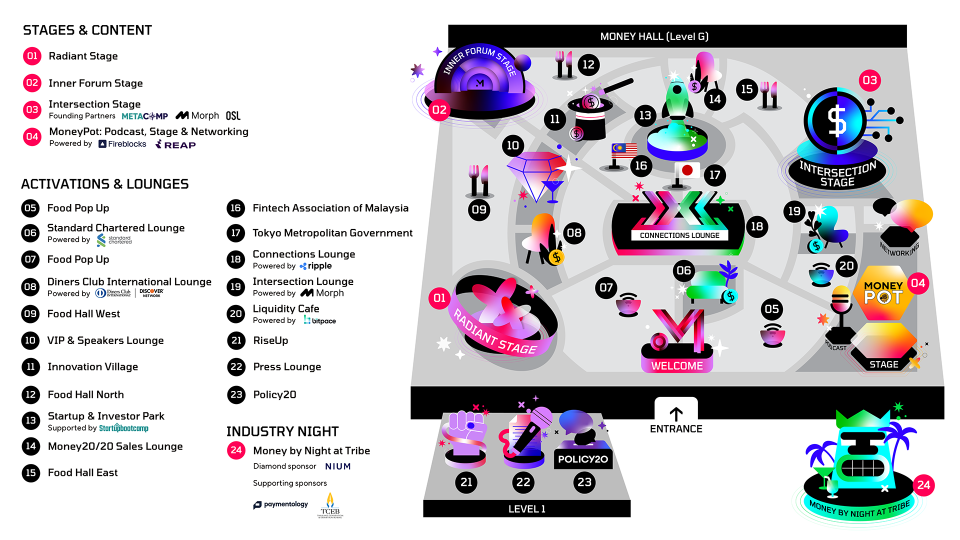
Alongside the Intersection Stage, Money20/20 Asia will feature three additional stages: The Radiant Stage, uniting Asia’s most influential industry voices; The Inner Forum Stage for deep‑dive sessions and workshops; and The MoneyPot Stage that also includesfor live podcasting and networkingexperiences, creating a comprehensive ecosystem for learning, debate, and collaboration.
The show brings together leaders from more than 120 banks and the world’s largest payment providers, including Standard Chartered, Bank of America, Citi, Deutsche Bank, Maybank, and J.P. Morgan to name a few. Experts from leading payment providers including Visa, Nium, Thunes, Mastercard, Razorpay, PayPal, and Fiserv will discuss the evolution of payments across the region.
The show will also host the Startup & Investor Park, where 20 standout APAC startups will connect with global investors, enterprise partners, and decision‑makers, and compete for the Golden Ticket to the 2026 Startupbootcamp Sustainability Singapore Accelerator. [2]
Attending media can register for a press pass: HERE and the full agenda HERE.Hashtag: #Money20/20
The issuer is solely responsible for the content of this announcement.
HANGZHOU, China, April 3, 2026 /PRNewswire/ — A research team led by Zhen-Xing Endowed Professor Jian Yang at the School of Life Sciences, Westlake University, together with collaborators, published their latest findings in Nature on April 1. The study innovatively developed a pangenome-informed genome assembly (PIGA) method. By combining a cost-effective hybrid sequencing strategy of long and short reads, the team successfully constructed a pangenome for over a thousand individuals. This achievement breaks through the limitations of previous small-sample pangenomes and provides a critical foundational infrastructure for medical and population genetics research.
Since the completion of the Human Genome Project, single linear reference genomes (such as GRCh38) have served as the foundation for biomedical research. However, the genetic backgrounds of human individuals vary significantly, and a single reference genome cannot capture the full extent of genetic diversity across populations. This leads to complex forms of genetic variations, such as structural variants (SVs) and tandem repeats (TRs), being overlooked in traditional analyses. To address this challenge, researchers proposed the concept of a pangenome—a collection of genome sequences representing the genetic diversity of a population.
While advancements in long-read sequencing have enabled the assembly of high-quality diploid genomes, the high costs of sequencing have limited the sample sizes of previous pangenomes to only a few dozen individuals. Such small sample sizes are insufficient to accurately estimate the frequency of genetic variants in populations or to resolve low-frequency variants and high-complexity regions. Therefore, developing a cost-effective pangenome construction strategy for large-scale populations has become an urgent requirement for resolving the functional impact of complex variants and enhancing clinical diagnostics.
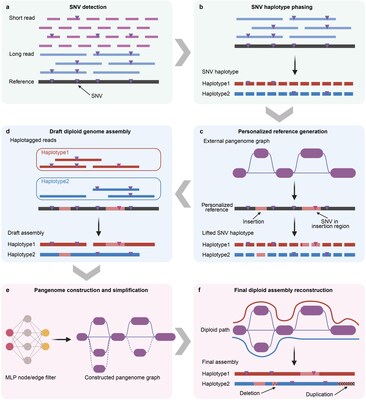
Yang’s team has long been dedicated to methodological research in statistical genetics, genomics, and the big data analysis of human complex traits. By developing efficient computational methods, the team has consistently tackled core challenges in processing large-scale genomic data. Analysis tools developed by the team, such as GCTA-GREML, SMR, and gsMap, have been widely adopted globally. To address the challenge in constructing large-scale pangenomes, the research team developed the pangenome-informed genome assembly (PIGA) workflow (Fig. 1). Unlike de novo assembly approaches, which rely on sequencing data from individual samples, PIGA adopts a pangenome-guided framework to integrate sequence information across the entire cohort. It fully leverages a cost-effective hybrid sequencing strategy based on modest-coverage Illumina short-read and PacBio long-read whole-genome sequencing (WGS) data. This approach substantially reduces sequencing costs while enabling the assembly of genomes from modest-coverage data, thereby providing a practical new technical pathway for future population-scale hybrid sequencing studies.
Applying this method, the research team constructed the world’s largest human pangenome to date, comprising 1,116 diploid genomes with a mean quality value (QV) of 46. The pangenome identified 405.3 million base pairs (Mb) of non-reference sequences absent from current references (GRCh38 and CHM13). Notably, the team annotated 26.2 Mb of these sequences as functional genic and predicted regulatory elements, greatly expanding our understanding of the non-reference sequences in the human genome.
Fig. 1. The pangenome-informed genome assembly (PIGA) workflow.
Leveraging the large-scale assembly dataset, the researchers compiled a comprehensive catalog of genetic variation. In addition to 35.4 million small variants, the catalog captured a wide range of complex variants, including 110,530 SVs, 485,575 TRs, and 0.86 million nested variants embedded within non-reference sequences.
Using this catalog, the team characterized medically relevant variations at multiple scales (Fig. 2), including gene-altering SVs, pathogenic TR expansions, gene cluster variations, and HLA gene haplotypes. These findings indicate that the 1KCP variant catalog provides an important reference for the clinical screening of pathogenic mutations.
By integrating gene expression data, the team conducted pan-variant expression quantitative trait loci (eQTL) mapping. They identified 3,256 eQTLs involving complex variants (SVs, TRs, and nested variants), elucidating the regulatory complexity of these diverse variant types.
Together, this study significantly advances our understanding of complex genetic variants and their functional implications, establishing a new paradigm for human health research and pangenome studies in other species.
Ph.D. student Yifei Wang and Research Assistant Professor Zhongqu Duan are the co-first authors of the study. Professor Jian Yang is the last author. This work was supported by the National Natural Science Foundation of China, the National Key R&D Program, the Zhejiang “Pioneer & Leading Goose” Program, and the New Cornerstone Science Foundation. Computational resources were provided by the High-Performance Computing Center at Westlake University.
Professor Jian Yang’s research group is dedicated to developing statistical genetics and bioinformatics methods. By deeply analyzing genomic and multi-omic data from large-scale population cohorts, they aim to uncover the genetic architecture and molecular mechanisms underlying complex diseases, translating these discoveries into novel strategies for disease diagnosis, drug target discovery, and precision medicine.
SANYA, CHINA – Media OutReach Newswire – 3 April 2026 – As tropical sea breezes blend with Eastern charm, a journey from Malaysia to China’s island paradise is now more convenient and exciting than ever. On April 2, the Sanya Tourism Development Bureau of China’s Hainan Province signed a strategic cooperation agreement with Tourism Malaysia. This partnership will further strengthen tourism collaboration between the two destinations during “Visit Malaysia Year 2026” and jointly enhance promotional efforts. Tourism Malaysia has officially become a “Strategic Tourism Promotion Partner of Sanya.”
In addition, the Sanya Tourism Development Bureau has entered into cooperative exchanges with the Malaysian Association of Tour and Travel Agents (MATTA) and the Malaysian Budget Hotel Association (MBHA) to strengthen synergy in tourism management, product development, and visitor exchange. The newly established Sanya Tourism Overseas Promotion (Malaysia) Liaison Office will serve as a one-stop information and booking platform for Malaysian travelers, reinforcing Sanya’s position as a preferred gateway to China.
Seamless Entry, Fully Upgraded Travel Convenience
Visa-free access with zero barriers
Under China’s visa-free policy for Hainan, Malaysian citizens may enter with only a passport and stay for up to 15 days—no prior visa, financial proof, or invitation letter is required, allowing for truly spontaneous getaways.
Faster flights, greater efficiency
Direct flights from Kuala Lumpur to Sanya take just about three hours, with high occupancy rates during peak seasons reflecting strong demand. Plans to launch direct flights from Penang and Kota Kinabalu to Sanya are under discussion, promising greater accessibility and cost-effective travel options.
Streamlined clearance procedures
Efficiency is prioritized with paperless self-declaration at both Phoenix Cruise Port and Sanya Phoenix International Airport, significantly reducing clearance time. International arrival halls support payments via all major international credit cards, ensuring seamless transactions.
Comprehensive multilingual support
Multilingual support is in place across Sanya—from bilingual signage at attractions and hotels to a dedicated foreign-language service line via the 12345 hotline. The multilingual official website visitsanya.com provides comprehensive information, guaranteeing smooth communication for Malaysian tourists.
Exceptional Value: Exclusive Promotions for Malaysian Visitors
To offer a more value-packed holiday experience, Sanya has prepared tailored benefits and significant discounts, from customized packages to special Asian Beach Games offers, demonstrating its warm hospitality.
The newly established Sanya Tourism Overseas Promotion Liaison Office, in collaboration with the Malaysian Budget Hotel Association and the Malaysian Association of Tour and Travel Agents, will launch specially curated travel packages that align with local preferences.
On Trip.com, the “Travel with the Asian Beach Games” promotion features discounted Sanya tourism products, covering hotels, attractions, and holiday packages, with exclusive offers for the Malaysian market.
The 2026 Asian Beach Games bring additional surprises: popular attractions like Wuzhizhou Island and Atlantis Sanya offer tickets at up to 73% off . Hotel rooms across categories—family, couples, and resort suites—enjoy discounts of up to RMB 5,899. Local delicacies and international cuisines are available at discounts of around 48% , promising a delightful culinary journey.
Moreover, 118,000 Asian Beach Games tickets are now on sale globally. With just a few clicks online, visitors can secure their seats to experience the excitement of the 6th Asian Beach Games up close.
Diverse Experiences for Every Traveler
Sanya offers far more than just sun and sand. Whether traveling with family, as a couple, or with friends, everyone can find their ideal way to enjoy the destination.
For families :
Atlantis Sanya Water Park, ranked among the “2026 Global Top 20 Water Parks” and tied for seventh place worldwide with Universal Orlando’s Volcano Bay, offers endless aquatic fun for children, while parents can explore the adjacent world-class duty-free complex for shopping and leisure.
For Adventure Seekers:
Wuzhizhou Island, known as “China’s Premier Diving Base,” features crystal-clear waters with visibility up to 27 meters and abundant coral reefs. A variety of water sports, including diving, parasailing, and jet skiing, deliver an adrenaline-filled coastal experience.
For Culture and Wellness:
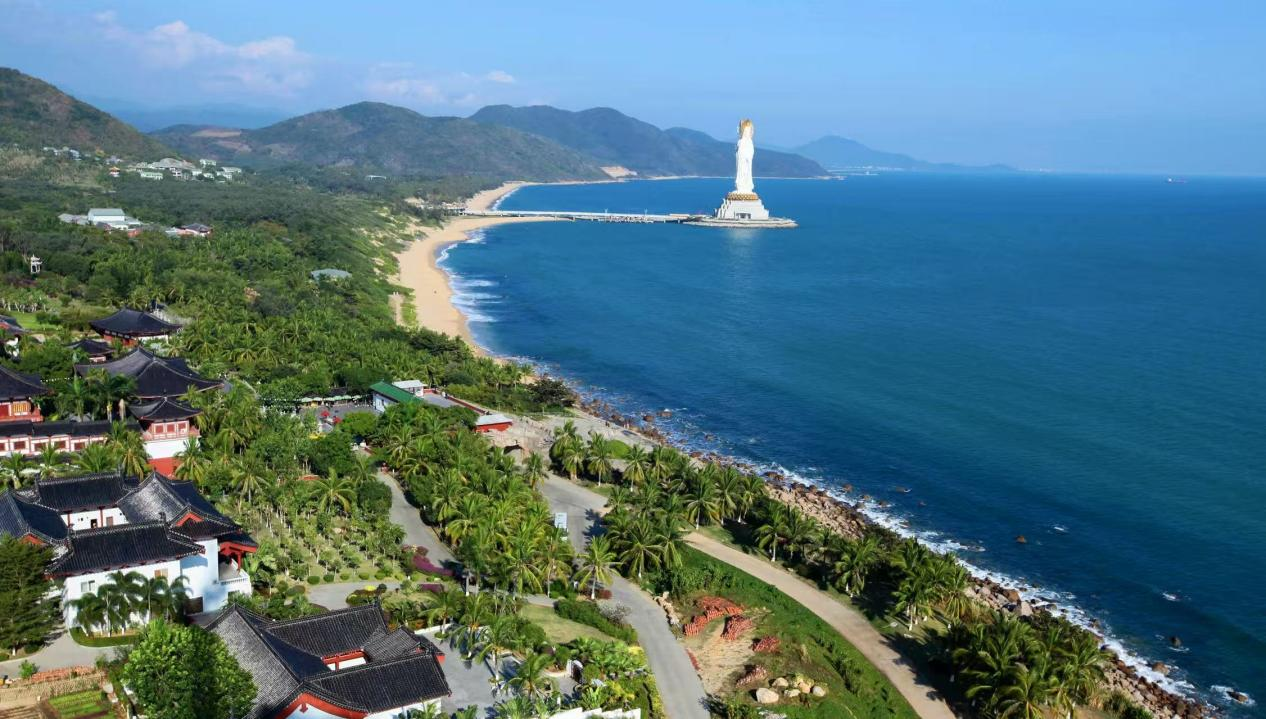
The 108-meter-tall Guanyin statue at Nanshan and immersive Li and Miao ethnic cultural experiences provide a harmonious blend of spiritual reflection and cultural discovery.
For Luxury and Retail: Sanya’s world-class duty-free complex brings together international brands, art exhibitions, and immersive experiences, creating a high-value shopping and lifestyle destination.
Sanya’s commitment to visitor convenience, diverse offerings, and tailored benefits continues to strengthen its appeal among Malaysian travelers. Since the beginning of this year, Hainan has welcomed a remarkable 204% increase in Malaysian tourist arrivals, making Malaysia one of the fastest-growing Southeast Asian source markets for Sanya.From visa-free access and direct flights to enhanced services and multifaceted experiences, Sanya is positioning itself as a leading gateway for Malaysian tourists to China.
As the Hainan Free Trade Port continues to develop, tourism cooperation between Sanya and Malaysia is poised to deepen, evolving from one-way attraction to mutual engagement.For those planning their first trip to China, Sanya offers an ideal starting point—where azure seas, golden shores, modern amenities, and heartfelt hospitality come together to create the perfect tropical escape.
DUBAI, UAE, April 3, 2026 /PRNewswire/ — Bybit, the world’s second-largest cryptocurrency exchange by trading volume, has announced the latest instalments of the Bybit Alpha Trading Fiesta. From now until June 22, 2026, participants can compete for 600,000 USDT in rewards across four seasons (Season 6 to Season 9), with a chance to snag the top prize of 8,000 USDT in the trading competition segment in each round.
Recording over $150 million in trading volume since its commencement, the Bybit Alpha Trading Fiesta has been celebrated by thousands of alpha hunters. From now until April 20, 2026, Bybit Alpha Trading Fiesta Season 6 offers two reward mechanisms catering to traders of varying experience levels. Parallel to a competitive leaderboard, the Alpha Lucky Draw offers an alternative reward track for everyday traders:
Alpha Lucky Draw: Featuring a 50,000 USDT prize pool, Bybit Alpha users can earn lucky draw tickets and win up to 100 USDT by completing their first trade or liquidity farming order on Bybit Alpha, or achieving their daily trading volume target.
Alpha Trading Competition: With 100,000 USDT in prizes up for grabs, the competitive segment is for avid traders who aim to win big on leaderboards. The top 100 leaders will receive tiered rewards with 4,000 USDT, 6,000 USDT, and 8,000 USDT in rewards for the top three traders respectively.
How it works: After signing up for the Fiesta in each Season, users simply need to select their preferred tokens and trade on Bybit Alpha with their Unified Trading Account balance
As cryptocurrency markets evolve and traders seek to diversify beyond mainstream tokens, Bybit Alpha emerges as a gateway to alternative opportunities. The platform offers participants access to innovative and the latest trending projects. With Bybit Alpha Trading Fiesta, Bybit reinforces its commitment to empowering traders with tools that unlock competitive advantage and portfolio diversification.
The crypto trading community spans across varying risk appetites and trading horizons. Through Alpha, Bybit positions itself as a partner in traders’ evolution, delivering infrastructure that bridges the gap between retail participation and institutional-grade trading sophistication. As the Crypto Ark, Bybit is dedicated to supporting traders at every stage of their crypto journey.
Bybit Alpha Trading Fiesta Returns with 600,000 USDT in Rewards
Terms and conditions apply. For details of participation requirements and restrictions, users may visit: Alpha Trading Fiesta Season 6
#Bybit / #TheCryptoArk / #IMakeIt
About Bybit
Bybit is the world’s second-largest cryptocurrency exchange by trading volume, serving a global community of over 80 million users. Founded in 2018, Bybit is redefining openness in the decentralized world by creating a simpler, open and equal ecosystem for everyone. With a strong focus on Web3, Bybit partners strategically with leading blockchain protocols to provide robust infrastructure and drive on-chain innovation. Renowned for its secure custody, diverse marketplaces, intuitive user experience, and advanced blockchain tools, Bybit bridges the gap between TradFi and DeFi, empowering builders, creators, and enthusiasts to unlock the full potential of Web3. Discover the future of decentralized finance at Bybit.com.
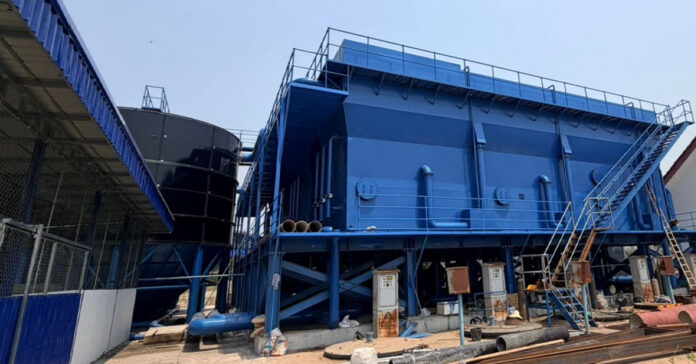
Thatkhao Water Treatment Plant in Sisattanak district, Vientiane Capital. 2 April 2026.
Tap water has not been running for over a month in Khamngoy village, Vientiane’s Xaysettha district, residents noticed.
But that’s not the only affected area.
“The tap water in Sivilay, Xaythany district, has not been running for three weeks,” another resident wrote on Facebook.
Authorities acknowledged the shortfall and said they are working to address the ongoing challenge.
On 2 April, Vientiane Water Supply State Enterprise began operations at the Thatkhao Water Treatment Plant, a new addition to the capital’s water infrastructure.
Situated in Sisattanak district beside the Mekong River, the plant now feeds into the city’s piping system with a production capacity of 20,000 cubic metres per day. Construction began in mid-2025, and the facility is now fully operational.
The plant is expected to improve water access across several nearby villages, including Dongpalan, Phonsinouan, Phonthan, and Saphanthong, and could also benefit parts of the neighbouring Chanthabuly and Xaysettha districts.
The opening comes at a critical time.
Tap water shortages remain a recurring problem in the capital, particularly between March and May, when temperatures peak and the Mekong River, the city’s main raw water source, runs at its lowest.
According to the Department of Water Supply, current production stands at around 370,000 cubic metres per day against a demand of roughly 400,000, leaving about 10 percent of the city unserved.
The gap is felt on the ground. In Xaysettha district, residents of both Sengsawang and the neighbouring Khamngoy village have been without water for weeks, a situation that mirrors last year.
A second new plant in Thapha village, also in Sisattanak, is more than 90 percent complete and will add another 20,000 cubic meters per day. The existing Chinaimo Water Plant in the same district is also being upgraded, from 80,000 to 120,000 cubic meters per day, with completion expected by 2028.





 https://www.visitsanya.com/