Home Blog Page 717

Samsung Biologics completes acquisition of GSK’s manufacturing facility in Rockville, Maryland

  • Adds 60,000 liters of drug substance capacity, bringing the total to 845,000 liters
  • Marks Samsung Biologics’ geographical diversification and establishes its first U.S. manufacturing presence, expanding regional client support
  • Plans further investments to add capabilities and strengthen long-term operations at the Rockville site

INCHEON, South Korea and ROCKVILLE, MD., March 31, 2026 /PRNewswire/ — Samsung Biologics (KRX: 207940.KS), a leading contract development and manufacturing organization (CDMO), today announced the completion of its acquisition of a manufacturing facility in Rockville, Maryland from GSK, establishing the company’s first manufacturing presence in the United States.

The Rockville site comprises two cGMP manufacturing plants with a combined 60,000-liter drug substance capacity, supporting both clinical and commercial biologics production across multiple manufacturing scales. With this addition, Samsung Biologics’ total global manufacturing capacity increases to 845,000 liters.

Samsung Biologics will continue supplying the products previously manufactured at the site to GSK under the terms of the agreement, and the site will transition to serve additional contract manufacturing needs. Samsung Biologics also plans further investments to expand the site’s capacity and upgrade technologies, reinforcing its long-term commitment to advancing a more resilient global supply chain and improving patient access to critical medicines.

“This represents a meaningful step in expanding our U.S. manufacturing footprint. The addition of the Rockville site strengthens our ability to operate a geographically diversified manufacturing network, and we are thrilled to officially welcome more than 500 colleagues at the site to the Samsung Biologics family,” said John Rim, President and CEO of Samsung Biologics. “The Rockville team brings deep expertise and strong operational experience that will further strengthen the site as part of our global manufacturing network. As a CDMO, our mission is to help our partners bring important therapies to patients worldwide, and this site will play a pivotal role in that mission while ensuring continuity and upholding the high standards our clients expect.”

The completion follows the previously announced agreement to acquire the facility on December 22, 2025.

About Samsung Biologics Co., Ltd.

Samsung Biologics (KRX: 207940.KS) is a leading contract development and manufacturing organization (CDMO), offering end-to-end integrated services that range from late discovery to commercial manufacturing.

With a combined biomanufacturing capacity of 785,000 liters across Bio Campus I and II in Korea, and 60,000 from the acquisition of a manufacturing facility in Rockville, Maryland, U.S., Samsung Biologics holds total global manufacturing capacity of 845,000 liters. The company has also secured land for Bio Campus III, laying the groundwork for future capacity expansion to support next-generation therapies and emerging modalities.

Samsung Biologics leverages cutting-edge technologies and expertise to advance diverse modalities, including multispecific antibodies, fusion proteins, antibody-drug conjugates, and mRNA therapeutics.

By implementing the ExellenS™ framework across its manufacturing network with standardized designs, unified processes, and advanced digitalization, Samsung Biologics ensures plant equivalency and speed for manufacturing continuity.

Samsung Biologics’ global manufacturing and commercial network spans Korea, the U.S., and Japan. Samsung Biologics America supports clients based in the U.S. and Europe, while its Tokyo sales office serves the APAC region. Samsung Biologics continues to invest in new capabilities to maximize operational and quality excellence, ensuring flexibility and agility for clients. The company is committed to the on-time, in-full delivery of safe, high-quality biomedicines, as well as to making sustainable business decisions for the betterment of society and global health.

For more information, visit https://samsungbiologics.com/

Media contacts

Samsung Biologics

Claire Kim, Senior Director cair.kim@samsung.com
Becky Lee, Director brite.lee@samsung.com

New General Level Health Claim for Soy in Australia and New Zealand

New Claim Reaffirms the Positive Role of Soy Protein for Heart Health

CHESTERFIELD, Mo., March 31, 2026 /PRNewswire/ — The U.S. Soybean Export Council (USSEC) and Soy Nutrition Institute Global (SNI Global) applaud a new general level soy heart health claim in Australia and New Zealand.1 Similar claims already exist in the United States,2 Canada,3 and Japan,4 further reinforcing soy protein’s role in supporting heart health worldwide.

The approved claim states: “Consuming 20–25 g of isolated soybean protein from foods or beverages daily, as part of a healthy, balanced diet, contributes to heart health by supporting healthy cholesterol levels.”

Isolated soy protein, derived from soybeans, contains 90% protein and is a high-quality protein, providing all nine essential amino acids in the amounts needed by children and adults.5 It can enhance the nutritional value of foods and beverages such as bars, cereals, baked goods, meat alternatives, and fortified plant-based milks. Just one to two servings of soy foods per day—like a soy protein bar (~17g protein) or beverage (15–20g protein)—can provide 20–25g of soy protein.

Heart disease remains a global health concern, and abnormal cholesterol levels are a key risk factor.6 Research supports soy protein’s cholesterol-lowering effects.7 Soy foods promote heart health by providing high-quality protein that helps reduce total and LDL cholesterol while being naturally low in saturated fat.

“Around 60% of Australian adults and a significant portion of New Zealanders have abnormal blood lipid levels; therefore, a soy-inclusive diet presents a practical nutrition strategy to help maintain optimal cholesterol levels and heart health,” said Alan Barclay, PhD, lead author of the Food Standards Australia New Zealand (FSANZ) submission.

Under FSANZ regulations, general level health claims must be scientifically supported, meet stringent nutrient profiling criteria and can appear on food labels and associated marketing materials in Australia and New Zealand.

“The recognition of soy protein’s heart health benefits reinforces the value U.S. Soy delivers, from farmers growing sustainable soybeans to companies producing nutritious soy foods and oil worldwide,” said Will McNair, USSEC’s Director of Soy Foods and Oil.

IFF’s Food Ingredients business unit supported the advancement of this general level health claim, underscoring its commitment to expanding the accessibility and impact of soy-based nutrition across Australia and New Zealand. IFF will lead its implementation across the region.

Partially funded by USDA FAS and the United Soybean Board

Media Contacts:
Kerrey Kerr-Enskat, USSEC
kenskat@ussec.org

Sarah Alsager, SNI Global
Sarah.alsager@sniglobal.org

1 Food Standards Australia New Zealand, Notified Food Health Relationships to Make a Health Claim, January 2026
2 Code of Federal Regulations, title-21/section-101.82, October 1999
3 Summary of Health Canada’s Assessment of a Health Claim about Soy Protein and Cholesterol Lowering, Government of Canada, March 2015
4 Food for Specified Health Uses (FOSHU), Ministry of Health, Labour and Welfare, Approved FOSHU Products Chart, Retrieved February 2026
5 Hughes, G.J., Ryan, D.J., Mukherjea, R. and Schasteen, C.S., “Protein digestibility-corrected amino acid scores (PDCAAS) for soy protein isolates and concentrate: Criteria for evaluation,” J. Agric. Food Chem., 59, 12707-12712. Dec 2011.
6 Soy + Heart Health, United Soybean Board, July 2022
7 The Journal of Nutrition, Blanco Mejia S, Messina M, Li SS, Viguiliouk E, Chiavaroli L, Khan TA, Srichaikul K, Mirrahimi A, Sievenpiper JL, Kris-Etherton P, Jenkins DJA. A meta-analysis of 46 studies identified by the FDA demonstrates that soy protein decreases circulating LDL and total cholesterol concentrations in adults. J Nutr. 2019;149(6):968-981. doi:10.1093/jn/nxz020.

Enabot Introduces EBO Max, an AI-Powered Family Robot Designed to Think, Learn, and Care

Featuring an embodied AI brain, long-term memory, and natural language interaction, EBO Max brings a new level of awareness and companionship to modern homes.

SHENZHEN, China, March 31, 2026 /PRNewswire/ — Enabot, a pioneer in family companion robotics, today announced the launch of EBO Max, its most advanced home robot to date. Powered by a new AI brain, EBO Max is designed to think, learn, and adapt within the home—bringing intelligent assistance, family companionship, and home monitoring into a single mobile device

Enabot Introduces EBO Max, an AI-Powered Family Robot Designed to Think, Learn, and Care

At the core of EBO Max is an upgraded AI brain capable of multimodal perception, contextual understanding, and long-term memory. By combining vision, voice, and environmental awareness, the robot can interpret situations and make dynamic decisions while carrying out tasks in the home.

Unlike traditional smart cameras or voice assistants, EBO Max is built to move. With intelligent navigation, it can locate family members or pets, check different areas of the home, and identify potential changes or unusual activity.

It is also capable of executing multi-step tasks with minimal input. Users can assign tasks remotely, interact through voice, and receive personalized reminders. The robot can also perform scheduled or condition-based tasks, adapting to different daily scenarios.

Designed for everyday family life, EBO Max supports a wide range of real-world use cases. Users can connect via two-way video, check in on loved ones, monitor pets, or receive alerts when something changes at home, such as possible falls. With 4K imaging, it can also capture important moments and provide timely reminders based on routines.

Over time, EBO Max builds familiarity with its environment through long-term memory, allowing it to respond more naturally and efficiently as it learns household patterns.

With its combination of mobility, AI intelligence, and human-centered design, EBO Max reflects Enabot’s vision of creating robots that not only assist—but naturally integrate into the home.

The EBO Max is available for pre-order at $549.99 ($50 OFF) on the Enabot website.

About Enabot
Enabot believes our lives can be improved by intelligent family bots. Our vision of a technology-driven world is positive, with robots being part of the solutions to daily problems, allowing people to focus their time on what matters the most: to be there for the ones we love. By connecting people, we are dedicated to promoting love, companionship and sharing.

Discover more about Enabot here.

Dalton Pharma Services Expands Aseptic Powder Fill-Finish Capacity with RoboFil™ system in Toronto

A fully automated aseptic fill-finish platform delivers greater speed, flexibility, and quality for the manufacturing of clinical supplies and commercial products.

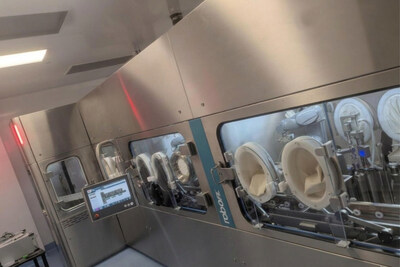
TORONTO, March 31, 2026 /PRNewswire/ — Dalton Pharma Services today announced the successful installation of its RoboFil™ aseptic powder fill-finish system at its Toronto, Canada facility. This fully automated, isolator-based platform expands Dalton’s aseptic powder fill-finish capacity and further strengthens the company’s position as a market leader.

Dalton's RoboFil™ - Robotic Fill/Finish
Dalton’s RoboFil™ – Robotic Fill/Finish

Dalton’s RoboFil™ line is purpose-built for aseptic powder fill-finish programs where dose accuracy, process consistency, and sterility assurance are paramount. By combining robotic handling with isolator technology, the platform helps minimize the needs for operator interventions, a primary contamination risk in aseptic operations, while enabling rapid, efficient changeovers between vial formats. This flexibility supports both development-stage batches through to repeatable GMP production campaigns.

Dr. Jixing Wang, President of Dalton Pharma Services, said:

“RoboFil™ reflects Dalton’s commitment to investing in advanced technologies that enable our clients to execute aseptic powder fill-finish with confidence. This Annex 1–aligned robotic isolator platform expands both our capacity and our operational flexibility, supporting programs from early clinical supply through scalable commercial manufacturing.”

About Dalton Pharma Services: Dalton Pharma Services is a full-service Contract Development and Manufacturing Organization (CDMO) based in Toronto, Canada. With 37 years of proven performance, Dalton’s single-site model integrates API development and cGMP manufacturing, formulation, aseptic fill/finish, and in-house QC/microbiological testing under a unified Quality Management System (QMS). Powered by a globally diverse team representing 40+ nationalities, including 44 MS/PhDs, and supported by 3,000+ successful production campaigns, Dalton partners with biotech and pharmaceutical companies worldwide to accelerate life-enhancing therapies from development through commercial supply.

For more information, visit: Dalton Website

Media Contact
Muhammad Haris
Marketing Manager
mharis@dalton.com


Celebrate an Easter at The Ritz-Carlton, Bali

BALI, Indonesia, March 31, 2026 /PRNewswire/ — The Ritz-Carlton, Bali, the premier luxury beachfront destination in Nusa Dua, invites guests to indulge in a sophisticated celebration filled with coastal elegance, gourmet dining, and unforgettable family moments.

Link to images: https://marrstar.ent.box.com/s/r1acsilpgbelivoy83nr5dd0lrqiozzj/folder/372477896788

Nestled along the pristine shores of Sawangan Beach, The Ritz-Carlton, Bali offers the perfect setting to embrace the joy of the season. From exclusive Easter-themed experiences to exquisite culinary delights, the hotel has curated a holiday getaway designed to delight guests of all ages.

Experience an elegant Easter Brunch, held in our oceanfront restaurant, The Beach Grill. Guests can enjoy a lavish buffet featuring locally sourced seafood and premium meats, spring-inspired dishes, and decadent desserts, accompanied by live music and stunning views.

“Our goal is to create a serene and luxurious Easter experience where families can relax, reconnect, and make memories,” said Go Kondo, General Manager of The Ritz-Carlton, Bali. “With our stunning location and thoughtful amenities, we’re proud to be the ideal destination for a coastal holiday celebration.”

Easter Brunch at The Ritz-Carlton, Bali is available on Easter Day, Sunday 5 April 2026, priced at IDR 1,500,000++ per person at The Beach Grill. Children aged 3 and under dine for free, and those between 4 and 12 receive 50% off.

To book your Easter stay or learn more about seasonal events, visit http://ritzcarltonbali.com/.

About The Ritz-Carlton, Bali
Built on a sprawling 12.7 hectares white beach front and elevated cliff top settings, The  Ritz-Carlton, Bali feature 313 oceanfront suites and villas, enjoying the unobstructed view of the Indian Ocean and the resort’s lush garden. Completing the experiences, a glass elevator connects the cliff and the beach-front, five restaurants and bars, The Ritz-Carlton Ballroom and meeting facilities, a wedding chapel, as well as The Ritz-Carlton Spa. Ladies and gentlemen at The Ritz-Carlton, Bali is proudly presents the timeless charms of Indo-Balinese hospitality.

About The Ritz-Carlton Hotel Company, LLC 
Delivering the Gold Standard in service in coveted destinations around the world, The Ritz-Carlton Hotel Company, LLC currently operates more than 120 hotels in over 35 countries and territories. From iconic urban destinations to stretches of paradise in untouched corners of the earth, The Ritz-Carlton offers the opportunity for true discovery and transformative escapes that stay with guests long after they depart. Committed to thoughtful innovation, The Ritz-Carlton encompasses two groundbreaking brand extensions, Ritz-Carlton Reserve and The Ritz-Carlton Yacht Collection. Ritz-Carlton Reserve is a collection of rare estates set apart from the world, where personalized care and cultural immersion are paramount. The Ritz-Carlton Yacht Collection translates the brand’s legendary service and hospitality for sea, reimagining the ultra-luxury cruising category. For more information or reservations, visit the company website at www.ritzcarlton.com, for the latest company updates, visit news.marriott.com and to join the live conversation, use #RCMemories and follow along on Facebook, Twitter, and Instagram. The Ritz-Carlton Hotel Company, L.L.C. is a wholly-owned subsidiary of Marriott International, Inc. (NASDAQ:MAR). The Ritz-Carlton is proud to participate in Marriott Bonvoy®, the global travel program from Marriott International. The program offers members an extraordinary portfolio of global brands, exclusive experiences on Marriott Bonvoy Moments and unparalleled benefits including complimentary nights and Elite status recognition. To enroll for free or for more information about the program, visit marriottbonvoy.com. The Ritz-Carlton is committed to supporting the destinations where it operates through Community Footprints, the company’s social and environmental responsibility program.

Gan & Lee Pharmaceuticals’ Once-Weekly Basal Insulin GZR4 Injection Meets Primary Endpoints in Two Pivotal Phase 3 Clinical Trials: SUPER-1 and SUPER-2

BEIJING and BRIDGEWATER, N.J., March 31, 2026 /PRNewswire/ — Gan & Lee Pharmaceuticals (SSE: 603087) today announced that two pivotal phase 3 clinical trials, SUPER-1 and SUPER-2, evaluating investigative once-weekly insulin GZR4 Injection, have successfully met their pre-specified primary endpoints. After 26 weeks of treatment, once-weekly GZR4 demonstrated statistically significant superior efficacy in reducing glycated hemoglobin A1c (HbA1c)* compared with once-daily insulin glargine U100 (Lantus®) and once-daily insulin degludec (Tresiba®).

SUPER-1: Trial in Insulin-Naïve Patients with Type 2 Diabetes Mellitus

SUPER-1 is a 52-week (26-week main phase plus 26-week extension phase), phase 3, treat-to-target trial investigating the efficacy and safety of once-weekly GZR4 versus once-daily insulin glargine U100 (Lantus®), both in combination with non-insulin anti-diabetic treatment, in 588 insulin-naïve Chinese adults with type 2 diabetes mellitus (T2DM) across 84 medical sites in China (ClinicalTrials.gov Identifier: NCT06767735).

The trial met its primary endpoint. GZR4 demonstrated statistically significant superiority in HbA1c reduction versus insulin glargine U100: after 26 weeks of treatment, the estimated mean change in HbA1c from baseline was -1.45% in the GZR4 group versus -1.22% in the insulin glargine U100 group, with a statistically significant estimated between-group treatment difference of -0.23%. GZR4 also achieved a significantly higher rate of safe glycemic target attainment: the treatment group outperformed the insulin glargine U100 group on the clinically relevant composite endpoint of achieving HbA1c <7.0% or ≤6.5% without experiencing clinically significant (Level 2) or severe (Level 3) hypoglycemia.

Once-weekly GZR4 demonstrated a favorable safety and tolerability profile. No severe (Level 3) hypoglycemic events occurred in either treatment group.

SUPER-2: Trial in Patients with Type 2 Diabetes Mellitus Previously Treated with Basal Insulin

SUPER-2 is a 26-week, phase 3, treat-to-target trial investigating the efficacy and safety of once-weekly GZR4 versus once-daily insulin degludec (Tresiba®), with or without concomitant non-insulin anti-diabetic treatment, in 631 Chinese adult patients with T2DM previously treated with basal insulin across 82 medical centers in China (ClinicalTrials.gov Identifier: NCT06767748).

The trial met its primary endpoint. GZR4 demonstrated statistically significant superiority in HbA1c reduction versus insulin degludec: after 26 weeks of treatment, the estimated mean change in HbA1c from baseline was -1.00% in the GZR4 group versus -0.58% in the insulin degludec group, a statistically significant estimated between-group treatment difference of -0.42%. GZR4 also delivered a significantly higher rate of safe glycemic target attainment, outperforming the insulin degludec group on the composite endpoint of achieving HbA1c <7.0% or ≤6.5% without clinically meaningful (Level 2) or severe (Level 3) hypoglycemia.

Once-weekly GZR4 demonstrated a favorable safety and tolerability profile. No severe (Level 3) hypoglycemic events occurred in either treatment group.

Detailed results from SUPER-1 and SUPER-2 are planned for presentation at this year’s scientific conference and will be submitted for publication in peer-reviewed international academic journals. Additional findings from the GZR4 Injection’s ongoing clinical program are expected to be released over the following 12 months.

*Glycated hemoglobin A1c (HbA1c): A biomarker that reflects average blood glucose levels over the preceding 2 to 3 months and is the gold-standard endpoint for evaluating the efficacy of anti-diabetic treatment.

The above data are derived from the modified Intention-to-treat (mITT) Set and Safety Set (SS) under the treatment policy. 

Dr. Chen Wei from Gan & Lee Pharmaceuticals remarked:

“We are thrilled to report positive top-line results from the SUPER-1 and SUPER-2 trials. This robust dataset confirms that GZR4 delivers statistically significant superiority over the active comparators on the primary endpoint of HbA1c reduction, with an overall safety profile closely aligned with that of marketed once-daily basal insulins. These findings position GZR4 as a promising, enhanced option for patients with T2DM who require basal insulin therapy.

As a novel once-weekly insulin, GZR4 Injection has demonstrated compelling best-in-class potential. The SUPER phase 3 pivotal clinical program includes four randomized, active-controlled, treat-to-target trials conducted across China in approximately 2,120 adults with inadequately controlled T2DM, to deliver a systematic evaluation of the efficacy and safety of once-weekly GZR4 versus once-daily basal insulins.

Compared with once-daily formulations, once-weekly GZR4 delivers a more than 85% reduction in annual injection frequency, with no need for an additional loading dose. This simplified regimen is engineered to improve treatment adherence, optimize long-term glycemic control, and drive meaningful, sustained improvements in the quality of life for people living with diabetes.

At a time when industry players are scaling back investment in insulin research and development, Gan & Lee Pharmaceuticals is accelerating the development of GZR4. This progress fully embodies our unwavering commitment to pioneering innovation in diabetes care, and our steadfast dedication to safeguarding patient health.”

About the SUPER Clinical Program

The SUPER program is a large-scale global phase 3 clinical development program for GZR4 Injection, a proposed once-weekly basal insulin by Gan & Lee. To date, four phase 3 clinical trials have been initiated in China:

  • SUPER-1: A 52-week trial enrolling 588 insulin-naïve adults with T2DM, comparing the efficacy and safety of once-weekly GZR4 Injection versus once-daily insulin glargine U100 (Lantus®), both in combination with non-insulin anti-diabetic treatment.
  • SUPER-2: A 26-week trial enrolling 631 adults with T2DM previously treated with basal insulin, comparing the efficacy and safety of once-weekly GZR4 Injection versus once-daily insulin degludec (Tresiba®), with or without concomitant non-insulin anti-diabetic treatment.
  • SUPER-3: A 26-week trial enrolling 580 patients with T2DM previously treated with basal-bolus insulin therapy, comparing the efficacy and safety of once-weekly GZR4 Injection versus once-daily insulin glargine U100 (Lantus®) in combination with insulin aspart, with or without concomitant non-insulin anti-diabetic treatment.
  • SUPER-8: A 26-week trial enrolling 300 patients with T2DM previously treated with basal insulin, comparing the efficacy and safety of GZR4 Injection versus insulin icodec (Awiqili®), with or without concomitant non-insulin anti-diabetic treatment.

About GZR4 Injection
GZR4 Injection is an investigational ultra-long-acting once-weekly basal insulin analog independently developed by Gan & Lee Pharmaceuticals to cover the basal insulin requirements for a full week with a single subcutaneous injection. GZR4 Injection is designed to help people with diabetes overcome barriers to injection, initiate and sustain insulin therapy earlier, optimize long-term diabetes management, and improve quality of life. Completed phase 3 clinical trial results show that once-weekly GZR4 Injection is superior to once-daily insulin glargine U100 and insulin degludec in reducing HbA1c levels in adult patients with T2DM. The global clinical development of GZR4 Injection is currently in the phase 3 stage.

Forward-looking statements
Forward-looking statements are based on our expectations and assumptions as of the date of the statements. Actual results may differ materially from those expressed in these forward-looking statements due to a variety of factors, and we can give no assurance that such results will be achieved in the future. We undertake no obligation to update or revise any forward-looking statements, whether as a result of new information, future events, or otherwise.

NUH LAUNCHES INNOVATION HUB TO ACCELERATE SMART SOLUTIONS AND TRANSFORM HEALTHCARE DELIVERY

By driving a robust culture of innovation, the hub will provide a collaborative space to test and scale solutions with partners, speeding progress in patient care and operations

SINGAPORE, March 31, 2026 /PRNewswire/ — The National University Hospital (NUH) has launched the NUH Innovation Hub, a collaborative space designed to accelerate healthcare transformation through partnerships and AI-driven solutions, tackling head on the challenges presented by an ageing population, a shrinking workforce and rising healthcare costs.
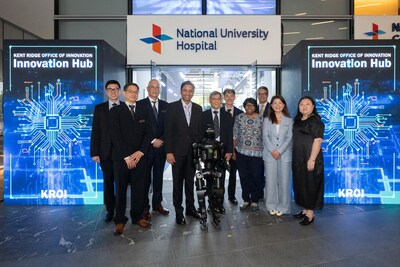
The launch of the NUH Innovation Hub was officiated by Mr Dinesh Vasu Dash (fourth from left), Minister of State at the Ministry of Culture, Community and Youth & Ministry of Manpower. The Hub is a key milestone in the NUHS cluster's collective push to accelerate transformation.
The launch of the NUH Innovation Hub was officiated by Mr Dinesh Vasu Dash (fourth from left), Minister of State at the Ministry of Culture, Community and Youth & Ministry of Manpower. The Hub is a key milestone in the NUHS cluster’s collective push to accelerate transformation.

Driven by the Kent Ridge Office of Innovation (KROI), which was established in April 2024, the NUH Innovation Hub reflects NUH’s broader mission as an academic medical centre to foster a strong spirit of innovation and incorporate digital solutions across patient care and operations. It is part of the broader endeavour for innovation within the National University Health System (NUHS) and underscores the cluster’s continuing efforts to accelerate transformation and emerging solutions.

The launch of the NUH Innovation Hub, officiated by Mr Dinesh Vasu Dash, Minister of State at the Ministry of Culture, Community and Youth & Ministry of Manpower, will serve as a springboard for budding smart solutions, providing a real-world validation site for technologies by MedTech and AI startups.

“The NUH Innovation Hub is anchored on what is best for the patient,” says Professor Aymeric Lim, Chief Executive Officer, NUH. “An ageing population, growing care complexity, and a workforce stretched by demand. These are not challenges we can simply work harder to solve. We must work smarter, and ask better questions about how we can do better for those under our care. The Hub brings together our people and our partners to translate the bold ideas that startups and researchers bring to our doorstep.”

Ms Sandy Ho, Assistant Chief Operating Officer (Plans and Strategy), NUH, who also co-chairs KROI, says: “Embracing a spirit of innovation enables us to stay agile amid challenges, adopt strategic thinking and drive positive outcomes. By forging partnerships with government agencies, such as the Infocomm Media Development Authority (IMDA), local start-ups, regional and global organisations, we can reimagine healthcare delivery, streamline operations, and elevate patient care.”

One of these global partnerships is the newly minted Singapore–Shanghai Medical Innovation Centre (SSMIC), formally launched by NUH and the Ruijin Hospital, Shanghai Jiao Tong University School of Medicine (RJH) in October 2025[1]. The NUH Innovation Hub will house the SSMIC Singapore office, drawing upon the combined expertise of both NUH and RJH, in accelerating innovations such as Chimeric Antigen Receptor (CAR) T-cell therapy, and 3D printing in orthopaedics.

A plaque marking the launch of the SSMIC will be unveiled at the opening ceremony, commemorating a strategic alliance for translational research, proof-of-concept innovation, and bilateral knowledge exchange.

Strengthening strategic partnerships through academia and industry collaborations

As part of the official opening, NUH will also formalise two strategic partnerships through Memoranda of Understanding (MOU) signed with the National University of Singapore (NUS) College of Design and Engineering (CDE) and Elsevier (Singapore) Pte Ltd respectively, reinforcing the NUH Innovation Hub’s role as a nexus for academia-industry-healthcare collaborations.

The partnership with NUS CDE will focus on joint capability development across NUH and CDE, creating opportunities for hands-on learning, interdisciplinary collaboration, and applied innovation. Through structured programmes and experiential learning, the collaboration will enable a two-way exchange of clinical insights and engineering expertise, strengthening innovation capabilities, while developing future-ready talent across both institutions.

In parallel, the collaboration with Elsevier will focus on studying the adoption and user experience of AI‑based search engines for clinical content. The partnership aims to gain insights into how clinicians and healthcare professionals use AI‑enabled tools to access trusted medical knowledge, supporting clinical work and strengthening evidence‑based practice across NUH. Insights from this collaboration will help to shape how such tools are used in real‑world clinical settings, where they add the most value, and where safeguards are required. This is to ensure AI tools support, rather than replace, clinical judgment.

Together, these strategic partnerships underscore NUH’s commitment to advancing innovation through talent development, research excellence, and the responsible adoption of AI, while deepening collaboration across academia, industry, and healthcare.

Pioneering smart AI solutions for patient care and operational efficiency

One of the technologies that will be showcased at the official opening of the NUH Innovation Hub, is KROI’s flagship innovation, MedBot, a virtual pharmacy assistant that uses generative AI to provide patients with medication information before prescription collection.

MedBot was developed to alleviate workflow pressures arising from manpower shortage and high patient volumes at NUH. Across NUH outpatient pharmacies and the satellite pharmacies, some 2,500 prescriptions are dispensed daily. Each patient counselling session ranges from three to 20 minutes, which contributes to a longer waiting time for patients.

Since its launch in July 2025 at the Kent Ridge Wing pharmacy, the MedBot has progressively been rolled out to the satellite pharmacy at the National University Centre for Oral Health, Singapore. The advent of MedBot has enabled savings of 28 man-hours monthly and annual savings of about $15,400. Post surveys also showed that almost 96 per cent of users felt comfortable proceeding with their medications after receiving MedBot’s guidance, which incorporates robust safety guardrails in its design.

Another impactful AI-driven solution that has transformed healthcare delivery at NUH is the ED Summarizer, conceptualised to alleviate the mounting pressures for clinicians within the Emergency Department, who often spend significant time on documentation across multiple systems.

The ED Summarizer consolidates diagnoses, treatments, investigations, and clinical notes into coherent reports whilst seamlessly integrating with NUH’s electronic medical record system. It incorporates rigorous human-in-the-loop processes with safety guardrails to maintain clinical oversight and validation. This enables seamless continuity of care across departments and frees clinicians to focus on patient interactions. The integration of the ED Summarizer in the department’s work processes has reduced at least 50 per cent of clinicians’ documentation time, allowing the medical team more time for patient care.

Building synergy, scaling solutions

Beyond providing an incubator for AI-solutions developed internally, like MedBot and ED Summarizer, the NUH Innovation Hub will also serve as a sandbox for technology partners and start-ups to co-create and scale emerging technologies, such as digital twins, genomic medicine, and Internet-of-Things-assisted wearable devices, which have the potential to reduce healthcare costs and improve population health outcomes.

The NUH Innovation Hub works closely with IMDA through its Open Innovation Platform, to tap into the local startup ecosystem to identify clinical and operational challenges within the institution. One of the challenges that has been highlighted include the need to enhance the efficiency and accuracy of skin prick testing to help diagnose allergic conditions, through digital measurement and documentation, to aid staff in managing high patient volumes, while ensuring a smooth experience for patients.

The NUH Innovation Hub is also concurrently collaborating with IMDA on two other projects, including an immersive fire preparedness training curriculum for staff, integrating the unique and complex challenges fire emergencies in hospital settings can present, as well as building an integrated digital platform to streamline clinical education operations.

Within the NUHS academic health system, the NUH Innovation Hub is partnering the Digital Advanced Technology Accelerator at the Yong Loo Lin School of Medicine, National University of Singapore, to explore the possibility of organising a hackathon with startups, with the aim of advancing health through digital solutions that meet real market demands.

Along the same vein, the NUH Innovation Hub has also been designed to support staff training, directly building capabilities and enhancing uptake of AI solutions that are rolled out across NUH.

“Talent development is a crucial aspect of our work, in driving leadership, deploying AI responsibly and increasing AI literacy, which will enable us to nimbly navigate evolving challenges in the healthcare landscape,” says Ms Ho. “To date, more than 3,400 of our staff have attended innovation-related training programmes.”

By fostering a robust spirit of innovation and cultivating an environment of co-creation and rapid validation, KROI and the NUH Innovation Hub ensure that innovations – from AI tools to system-level changes – are not only feasible but also scalable, ultimately driving healthcare transformation across the cluster, and delivering meaningful impact to the communities it serves.

About the National University Hospital­

The National University Hospital (NUH) is Singapore’s leading university hospital. While the hospital at Kent Ridge first received its patients on 24 June 1985, our legacy started from 1905, the date of the founding of what is today the NUS Yong Loo Lin School of Medicine. NUH is the principal teaching hospital of the medical school.

Our unique identity as a university hospital is a key attraction for healthcare professionals who aspire to do more than practise tertiary medical care. We offer an environment where research and teaching are an integral part of medicine, and continue to shape medicine and transform care for the community we care for.

We are an academic medical centre with over 1,200 beds, serving more than one million patients a year with over 50 medical, surgical and dental specialties. NUH is the only public and not-for-profit hospital in Singapore to provide trusted care for adults, women and children under one roof, including the only paediatric kidney and liver transplant programme in the country.

The NUH is a key member of the National University Health System (NUHS), one of three public healthcare clusters in Singapore. For more information, visit www.nuh.com.sg

Follow us on

Facebook | Instagram | LinkedIn | TikTok | YouTube



Xiao-I Corporation Provides Further Update on Shanghai Xiao-I’s Patent Infringement Lawsuit Against Apple

SHANGHAI, March 31, 2026 /PRNewswire/ — Xiao-I Corporation (NASDAQ: AIXI), a leading developer of AI solutions, today provides an additional material update on its variable interest entity (VIE)’s ongoing patent infringement lawsuit against Apple Computer Trading (Shanghai) Co., Ltd., Apple Inc., and Apple Computer Trading (Shanghai) Co., Ltd. (collectively, “Apple”) (the “Lawsuit”). The Lawsuit centers on allegations that Apple infringed on the VIE’s intellectual property rights related to core artificial intelligence technology, with the legal proceedings having advanced through key appellate stages since the Company’s last update.

As previously disclosed on November 1, 2024, the Shanghai High People’s Court convened the second session of hearings in the case on that date, following the conclusion of the trial phase on July 31, 2024. Subsequent to this hearing, on September 3, 2024, Apple filed appeals with the Supreme People’s Court of the People’s Republic of China (the “Supreme People’s Court”), in which Apple sought a ruling to invalidate the core AI patents of Xiao-I’s VIE that form the basis of the infringement claims in the Lawsuit.

On March 27, 2026, the Supreme People’s Court rendered its final second-instance judgments on Apple’s appeal. In the ruling, the Supreme People’s Court formally rejected Apple’s application to have Xiao-I’s VIE’s relevant patents declared invalid and affirmed the legality and validity of such patents in full. This judgment constitutes a final and binding ruling under the laws of the People’s Republic of China, with no further right of appeal available to either party in respect of the patent validity determination.

While Xiao-I Corporation remains confident in the merits of its case, there can be no assurance as to the ultimate outcome of the remaining proceedings against Apple, there is no guarantee that the Company will be awarded any financial compensation. Investors are strongly encouraged to conduct their own due diligence and review all relevant information before making investment decisions.

Xiao-I will keep shareholders and the public informed of any material further developments, if any, in a timely manner.

About Xiao-I Corporation

Xiao-I Corporation is a leading cognitive intelligence enterprise in China that offers a diverse range of business solutions and services in artificial intelligence, covering natural language processing, voice and image recognition, machine learning, and affective computing. Since its inception in 2001, the Company has developed an extensive portfolio of cognitive intelligence technologies that are highly suitable and have been applied to a wide variety of business cases. Xiao-I powers its cognitive intelligence products and services with its cutting-edge, proprietary AI technologies to enable and promote industrial digitization, intelligent upgrading, and transformation. For more information, please visit: www.xiaoi.com.

Forward-Looking Statements

This press release contains forward-looking statements as defined by the Private Securities Litigation Reform Act of 1995. Forward-looking statements include statements concerning plans, objectives, goals, strategies, future events or performance, and underlying assumptions and other statements that are other than statements of historical facts. When the Company uses words such as “may,” “will,” “intend,” “should,” “believe,” “expect,” “anticipate,” “project,” “estimate” or similar expressions that do not relate solely to historical matters, it is making forward-looking statements. Forward-looking statements are not guarantees of future performance and involve risks and uncertainties that may cause actual results to differ materially from the Company’s expectations discussed in the forward-looking statements. These statements are subject to uncertainties and risks including, but not limited to, the following: the Company’s ability to achieve its goals and strategies, its future business development, financial condition, and results of operations, product and service demand and acceptance, reputation and brand, the impact of competition and pricing, changes in technology, government regulations, fluctuations in general economic and business conditions in China, and assumptions underlying or related to any of the foregoing and other risks contained in reports filed by the Company with the U.S. Securities and Exchange Commission (“SEC”). For these reasons, among others, investors are cautioned not to place undue reliance upon any forward-looking statements in this press release. Additional factors are discussed in the Company’s filings with the SEC, including under the section entitled “Risk Factors” in its annual report on Form 20-F filed with the SEC on April 30, 2024, as well as its current reports on Form 6-K and other filings, all of which are available for review at www.sec.gov. The Company undertakes no obligation to publicly revise these forward-looking statements to reflect events or circumstances that arise after the date hereof.