Home Blog Page 467

Cleveland Clinic, RIKEN, and IBM Model a 12,635-Atom Protein – the Largest Known to Be Simulated with Quantum Computers

Milestone simulation of biologically meaningful molecules expands quantum-centric supercomputing’s role as a scientific tool

YORKTOWN HEIGHTS, N.Y. and CLEVELAND, May 5, 2026 /PRNewswire/ — Scientists at Cleveland Clinic, RIKEN, and IBM (NYSE: IBM) have used IBM quantum computers and two of the world’s most powerful supercomputers to simulate protein complexes spanning up to 12,635 atoms. These are the largest-known simulations of biologically meaningful molecules performed with quantum hardware yet, and signal that quantum computers are maturing into useful scientific tools which can help solve fundamental problems in biology, chemistry, and life sciences.

Researchers at IBM, Cleveland Clinic, and RIKEN used quantum-centric supercomputing to model the protein trypsin, a 12,635-atom protein and the largest known to be simulated with quantum computers. (Credit: IBM, Cleveland Clinic, and RIKEN)

The results were achieved in part by an innovative algorithm that optimizes how quantum and classical computers can work together, a framework known as quantum-centric supercomputing. Using this approach, the team captured the behavior of two biochemically relevant proteins that are roughly 40 times larger than what this same method could initially achieve just six months ago. Additionally, the accuracy of the simulations in a key step of the workflow improved by up to 210 times over this same period.

The decision to explore if quantum computers could offer value in the simulation of protein complexes was motivated by challenges faced today by researchers when studying how a drug candidate could bind to a protein. This can be one of the most difficult and expensive problems in life sciences research, and one that today’s existing computational methods have struggled to exactly solve as molecules increase in size. Doing so accurately and early in the discovery process could meaningfully shorten drug development timelines that currently can stretch over a decade and require substantial investment to produce a single medicine.

“This work marks an important advance and underscores quantum computing’s emerging role on systems of relevance to drug discovery,” said Kenneth Merz, Ph.D., lead author of the study and staff scientist in Cleveland Clinic’s Computational Life Sciences Department. “By crossing the 12,000-atom barrier, we have significantly expanded the scale of biologically meaningful molecular simulations possible with quantum computing and demonstrated a framework for applying these methods to scientifically relevant problems at a larger scale.”

“For years, quantum computing has been a promise. Now, quantum computers are producing results that matter to science,” said Jay Gambetta, Director of IBM Research and IBM Fellow. “The systems we simulated here are the kind of molecules that biologists and chemists work with in the real world. Quantum computers are no longer proving they are viable tools – they are proving they can contribute meaningful results in quantum-centric supercomputing architectures.”

The breakthrough research, reported in a pre-print study, builds on a series of milestones from the three institutions. This includes work on the cover of Science Advances that introduced techniques to model electronic states in molecules, first demonstrated on iron sulfides, and more recently, the 303-atom benchmark molecule called Trp-cage – the first-known full quantum-centric simulation made of 20 amino acids.

Quantum and Classical Computers, Working in Tandem

This approach – what IBM calls quantum-centric supercomputing – pairs quantum processors with classical computers so each computational tool can solve the parts of a problem where it excels. In this work, classical computers deconstructed the protein-ligand complexes into computable fragments. IBM’s 156-qubit IBM Quantum Heron processors, running within the IBM quantum computers at both Cleveland Clinic in the United States and RIKEN in Japan, calculated the quantum-mechanical behavior of those pieces in tandem with two of the most powerful classical supercomputers – Fugaku at RIKEN and Miyabi-G, operated by the University of Tokyo and the University of Tsukuba. The strength of IBM’s quantum hardware was essential to the accuracy and success of the computation, which required up to 94 qubits running nearly 6,000 quantum operations within certain parts of the simulation. Results were reassembled on classical computers to obtain a complete representation of the molecule.

As published on arXiv, the jump in scale was made possible by both algorithmic innovation and access to cutting-edge computing infrastructure. The novel quantum-classical hybrid algorithm, coined EWF-TrimSQD, dramatically reduced computational overhead and accelerated the ability to directly represent the chemistry of these molecular systems on quantum hardware. As a result, the frontier for what is possible with quantum-centric supercomputing has been pushed forward to previously inaccessible molecule sizes, and there is a clear path to further increase the size and accuracy of such calculations.

A Step Towards Drug Discovery

The team views this work as a starting point. Looking ahead, the ability to scale simulations of molecular systems with accuracy is a step towards helping researchers better predict how medicines may interact with protein targets. Computational improvements in drug discovery rest on two fundamental capabilities: first, modeling the movement of atoms as biological processes unfold; and second, accurately computing their energies, for which these results provide evidence that quantum‑centric supercomputing can support.

As quantum computers advance, integrating them into computational workflows could offer higher accuracy in energy calculations at larger scales, and potentially open the door to simulating enzyme catalysts, drug mechanisms, and other molecular behaviors that today can only be studied through experimentation.

More broadly, this breakthrough marks a shift in what quantum computing means to science. For most of its history, the field of quantum computation has measured progress in qubits, gates, and error rates. Now, its capabilities can also be measured by the size and significance of the problems it can help to solve.

For more information on this milestone, visit: https://www.ibm.com/quantum/blog/cleveland-clinic-riken-chemistry

Research Support

This research is supported by NEDO (New Energy and Industrial Technology Development Organization), an organization under the jurisdiction of Japan’s Ministry of Economy, Trade and Industry (METI)’s “Research and Development of Quantum-Supercomputers Hybrid Platform for Exploration of Uncharted Computable Capabilities” (Project Leader: Mitsuhisa Sato) as part of the “Project for Research and Development of Enhanced Infrastructures for Post 5G Information and Communications Systems (JPNP20017).”

About IBM

IBM is a leading global hybrid cloud and AI, and business services provider, helping clients in more than 175 countries capitalize on insights from their data, streamline business processes, reduce costs and gain the competitive edge in their industries. Thousands of governments and corporate entities in critical infrastructure areas such as financial services, telecommunications and healthcare rely on IBM’s hybrid cloud platform and Red Hat OpenShift to affect their digital transformations quickly, efficiently and securely. IBM’s breakthrough innovations in AI, quantum computing, industry-specific cloud solutions and business services deliver open and flexible options to our clients. All of this is backed by IBM’s legendary commitment to trust, transparency, responsibility, inclusivity and service.
For more information, visit https://research.ibm.com.

About Cleveland Clinic

Cleveland Clinic is a nonprofit multispecialty academic medical center that integrates clinical and hospital care with research and education. Founded in 1921 by four renowned physicians with a vision of providing outstanding patient care based upon the principles of cooperation, compassion and innovation, Cleveland Clinic has pioneered many medical breakthroughs, including coronary artery bypass surgery and the first face transplant in the United States. Cleveland Clinic is consistently recognized in the U.S. and throughout the world for its expertise and care. Among Cleveland Clinic’s 83,000 employees worldwide are more than 6,600 salaried physicians and researchers, and 21,900 registered nurses and advanced practice providers, representing 140 medical specialties and subspecialties. Cleveland Clinic is a 6,725-bed health system that includes a 173-acre main campus near downtown Cleveland, 23 hospitals, 300 outpatient facilities, including locations in northeast Ohio; Florida; Las Vegas, Nevada; Toronto, Canada; Abu Dhabi, UAE; and London, England. In 2025, there were 15.9 million outpatient encounters, 343,000 hospital admissions and observations, and 336,000 surgeries and procedures throughout Cleveland Clinic’s health system. Visit us at clevelandclinic.org. Follow us at x.com/CleClinicNews. News and resources are available at newsroom.clevelandclinic.org.

Media contacts

Brittany Forgione
IBM
Brittany.Forgione@ibm.com

Erin Angelini
IBM Research Communications
edlehr@us.ibm.com

Alicia Reale-Cooney
Cleveland Clinic
realeca@ccf.org  
216.408.7444

Researchers at IBM, Cleveland Clinic, and RIKEN have rapidly scaled the size of molecules they can model using quantum-centric supercomputing. Their progression from simple chemical systems of just 10 atoms to biologically important proteins with more than 12,000 atoms illustrates how quantum computers — working alongside the world’s most powerful classical supercomputers — are beginning to tackle the kinds of complex molecular systems relevant to biology and chemistry.
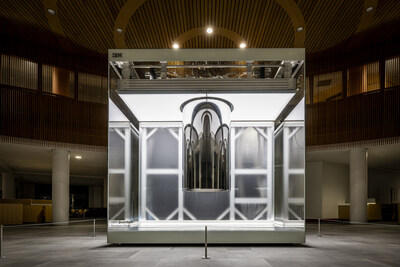


The IBM quantum computer installed at Cleveland Clinic in Ohio. (Credit: IBM and Cleveland Clinic)


IBM Corporation logo.


KC GLOBAL MEDIA DISTRIBUTION ANNOUNCES NEW DRAMA “A CONTROVERSIAL ENTERTAINER” TO PREMIERE WORLDWIDE

The new Taiwanese drama to air on Netflix, iQIYI, NOW TV and Singtel beginning in May

TAIPEI, May 5, 2026 /PRNewswire/ — KC Global Media Distribution has announced the upcoming worldwide premiere of the new ten-episode Taiwanese series “A Controversial Entertainer.” The highly anticipated comedic drama, which was introduced by KC Global Media Distribution at last year’s Asia TV Forum & Market (ATF), is set to premiere on Netflix, iQIYI and NOW TV on May 15. Singtel will follow June 8. Additional territories will be announced in the near future.

The highly anticipated Taiwanese comedy drama “A Controversial Entertainer” is set to premiere on Netflix, iQIYI and NOW TV on May 15.

“A Controversial Entertainer” follows the story of Pan Hao, a petty gangster whose insatiable desire for diamonds leads him into the confines of a psychiatric hospital. Amidst the frenzy of being pursued, he and a group of people each with their own hidden stories, take refuge in a male escort club. In a turn of absurd and glamorous fate, they transform into five sought-after escorts. The cast includes Shih Chih Tian, Wes Lo, Alex Chou, Ben Wu, Marcus Chang and Chen I. The show will air in Mandarin with English subtitles.

“We are delighted by the strong momentum ‘A Controversial Entertainer’ has gained following our KC Global Media distribution showcase at ATF 2025,” said Bonnie Wiryani, Vice President, Revenue and Head of Content Sales, KC Global Media. “The level of interest not only reinforces our commitment to championing Asian content but also opens up opportunities for remakes and localized adaptations across the globe, with several partners already expressing keen interest in this title. We look forward to bringing the content to audiences around the world.”

KC Global Media’s latest global deal reinforces its continued commitment to growing its distribution arm, expanding strong creative partnerships, and delivering a diverse lineup of high-quality stories with broad international appeal, shining a spotlight on Asian storytelling.

Trailer:
https://youtu.be/WwUc7mqSUn8?si=GPVUt9b5fTCIdXmZ

About KC Global Media

KC Global Media Entertainment LLC is a global multi-media company headquartered in the United States, with offices in Singapore, Taiwan, Malaysia, China, The Philippines, and South Korea. The brainchild of former Sony executives Andy Kaplan and George Chien, KC Global Media Asia (KCGM Asia) is Asia’s leading entertainment hub through the production, distribution and programming of quality, ground-breaking content. Backed by over three decades of industry experience, KCGM Asia boasts an impressive portfolio of premium brands in Asia, including English-language general entertainment network AXN, Japanese anime content network Animax, Korean general entertainment network, ONE, Japanese entertainment network, GEM, English language general entertainment FAST network, KCM, and AXN Sports.

KCGM Asia also expanded its distribution footprint by announcing a joint venture with JOURNY of NextTrip, Inc., bringing luxurious travel-lifestyle content across India, Southeast Asia, Australia and New Zealand, creating a powerful source of travel inspiration with a reach of 250 million viewers. By combining award-winning and well-loved entertainment formats with extensive knowledge and insight into the Asia Pacific market, KCGM Asia is paving the way for a new standard of entertainment in Asia and beyond.

Website: www.KCGlobalMedia.com | Facebook: @KCGlobalMedia | Instagram: @KCGlobalMediaAsia | LinkedIn: @KCGlobalMediaAsia

Think 2026: IBM Makes Digital Sovereignty Operational with General Availability of IBM Sovereign Core

New capabilities help enterprises, governments, and service providers operationalize digital sovereignty with continuous compliance and control across hybrid environments

BOSTON, May 5, 2026 /PRNewswire/ — At Think 2026, IBM (NYSE: IBM) today announced the general availability of IBM Sovereign Core, a new software platform designed to help organizations build and operate AI-ready sovereign environments and verify their control — giving enterprises and governments an end-to-end approach to digital sovereignty.

IBM Corporation logo.

As AI adoption accelerates, digital sovereignty has become a critical requirement, extending beyond data residency to include control over infrastructure, operations, and AI systems. Organizations must balance maintaining necessary authority with the pace of innovation, while facing increasing scrutiny from regulators, auditors, and boards. Yet most platforms can struggle to provide consistent, auditable answers to these requirements — creating a gap between policy and operational reality.

“AI has made sovereignty a runtime requirement, not a policy statement. With IBM Sovereign Core, organizations don’t have to choose between deploying AI at speed and verifying their control. Sovereignty shouldn’t be a constraint on innovation — with the right software foundation, it’s an enabler of it,” said Dinesh Nirmal, SVP, IBM Software.

Defining Digital Sovereignty for the AI Era
IBM defines digital sovereignty across four pillars:

  • Operational Sovereignty — Control over how environments are operated
  • Data Sovereignty — Control over data at rest, in use, and in motion
  • Technology Sovereignty — Open, modular architecture that avoids vendor lock-in
  • AI Sovereignty — Control over where models run and how inference is governed

Together, these pillars form the foundation of IBM’s unified approach to digital sovereignty—bringing control across operations, data, technology, and AI.

A Unified Approach for Digital Sovereignty
IBM Sovereign Core introduces a new model for operational sovereignty, where governance, compliance, and control are built into the system from the start to enable organizations to scale AI while maintaining their sovereignty, trust, and operational independence. IBM Sovereign Core delivers an integrated sovereign software platform that combines control plane, identity, security, compliance, and AI execution functions operate within a single deployment model.

Key capabilities include:

  • Customer-operated control plane enabling full authority over configuration, operations, and lifecycle management
  • In-boundary identity, encryption, and data services, ensuring all access, secrets, keys, logs, and audit evidence remain under customer control
  • Continuous compliance monitoring and evidence generation, providing real-time audit readiness
  • Preloaded regulatory frameworks to accelerate company defined compliance postures across regions and industries
  • Governed AI execution, ensuring models, inference, and agent operations run within defined sovereign boundaries
  • Open, modular architecture built on open standards, supporting portability and avoiding vendor lock-in

Together, these capabilities establish a sovereign control plane that enables organizations to operate environments and verify their control across data, operations, and AI.

Continuous, Verifiable Compliance
IBM Sovereign Core enables organizations to move from static compliance models to dynamic continuous, verifiable compliance models that are verifiable. Integrated monitoring, drift detection, and automated evidence generation allow organizations to:

  • Validate compliance in real time
  • Maintain audit-ready evidence within the sovereign boundary
  • Reduce reliance on manual validation and point-in-time audits

This ensures sovereignty is not only defined, but observable, enforceable, and provable at scale.

AI Governance Within Your Sovereign Boundary
As AI systems become central to enterprise operations, governance must extend beyond data to include models, inference, and agent behavior. IBM Sovereign Core enables organizations to deploy and operate AI models, agents, and inference workloads entirely within the sovereign boundary, ensuring their:

  • Control over where AI processing occurs
  • Traceability of model execution and decisions
  • Governance over access, updates, and lifecycle management

This ensures that AI systems operate with accountability, transparency, and control, even in highly regulated environments.

Extensible Ecosystem and Deployment Flexibility

Built on open, enterprise-grade technologies like Red Hat OpenShift and Red Hat AI, IBM Sovereign Core enables organizations to extend existing investments across hybrid and partner environments.

 IBM Sovereign Core includes an extensible catalog that organizations can curate for their own users, with their own applications, or populated with pre-vetted IBM, third-party and open source software and services from an ecosystem of software and infrastructure partners that includes: AMD, ATOS, Cegeka, Cloudera, Dell, Elastic, HCL, Intel, Mistral, MongoDB, and Palo Alto Networks.

CPU, GPU, and AI inference environments can be provisioned using standardized templates and automated configuration profiles, enabling teams to deploy and manage workloads consistently across sovereign regions while maintaining alignment to their compliance and sovereignty requirements.

Designed for Regulated Regions, Enterprises and Governments
IBM Sovereign Core is designed for organizations that require greater control, flexibility, and compliance across sensitive workloads.

  • Enterprises can run regulated applications and AI workloads within controlled environments
  • Governments and public sector organizations can support sovereign operations for critical services
  • Service providers and regional cloud operators can deliver sovereign cloud and AI services at scale

Across these use cases, IBM Sovereign Core enables organizations to innovate with AI while maintaining demonstrable authority over their systems, data, and operations. IBM Sovereign Core is now generally available.

Supporting Quotes
“Control and compliance have long been barriers to enterprise AI adoption,” said Marjorie Janiewicz, Chief Revenue Officer at Mistral AI. “IBM Sovereign Core delivers a ready-to-deploy foundation that allows our models to operate within trusted boundaries from day one, enabling organizations to accelerate AI adoption while maintaining full control over their data. We’re pleased to be the first model provider partner for Sovereign Core to certify our frontier models and support enterprise customers globally.”

“AI is reshaping how nations, governments and enterprises operate, making digital sovereignty not just a policy discussion, but a leadership priority,” said Philip Guido, EVP & Chief Commercial Officer, AMD. “As organizations deploy AI at scale, control over technology becomes increasingly critical. Together with IBM and Red Hat, we’re enabling clients to exercise greater autonomy and flexibility in their digital sovereignty choices across the full IT stack through an open, secure and transparent approach.”

“As organizations navigate increasingly complex compliance and regulatory requirements, we’re seeing strong demand for digital platforms and software that allows sensitive data to remain within controlled, compliant boundaries,” said Gaetan Willems, VP Cloud & Digital Platforms, Cegeka. “Partnering with IBM to offer a pre-architected solution through our in-country environment enables us to deliver enterprise-ready software to our clients, while allowing them to address local compliance standards.”

“As part of our strategic alliance with IBM, Deloitte is focused on enabling a Sovereign Core technology stack that supports clients in building secure, scalable, and compliant cloud ecosystems. Leveraging IBM’s platform capabilities alongside Deloitte’s deep regulatory and transformation expertise, we help organizations address critical imperatives such as data localization, security, regulatory compliance, and India’s DPDP requirements.”  — Vinay Prabhakar  Chief Commercial Officer Deloitte AP & National Sales & Alliances Leader Deloitte South Asia

“India deserves cloud infrastructure that is sovereign by design. At NxtGen, that has always been our operating principle and our promise to customers: superior performance, lower TCO, and zero trade-offs on compliance. The IBM Sovereign Core collaboration is a direct expression of that commitment, bringing secure, compliant cloud capabilities built for India’s regulatory reality.” — A S Rajgopal, MD & CEO, NxtGen

“The ability to establish—and prove—control over data, models and operations is quickly becoming a differentiator for trust, resilience and innovation in AI adoption,” said Bill Pearson, vice president of data center and AI software, Intel Data Center Group. “Establishing sovereign AI frameworks, spanning open hybrid architectures and transparent governance, requires a foundation built for performance, security, and control. Intel continues to innovate with technologies such as Intel Xeon 6 processors and Intel TDX to provide in‑use protection for data and AI workloads across environments with CPU and GPUs to support sovereign infrastructure initiatives like IBM Sovereign Core.”

Supporting Materials
Blog: IBM Sovereign Core: The new end to end system for Sovereign AI
IBM Sovereign Core Product Page
IBM Sovereign Core Ecosystem Catalog
IBM Sovereign Core Compliance Center
Statement of Direction for IBM Sovereign Core

About IBM
IBM is a leading provider of global hybrid cloud and AI, and consulting expertise. We help clients in more than 175 countries capitalize on insights from their data, streamline business processes, reduce costs and gain the competitive edge in their industries. Thousands of governments and corporate entities in critical infrastructure areas such as financial services, telecommunications and healthcare rely on IBM’s hybrid cloud platform and Red Hat OpenShift to affect their digital transformations quickly, efficiently and securely. IBM’s breakthrough innovations in AI, quantum computing, industry-specific cloud solutions and consulting deliver open and flexible options to our clients. All of this is backed by IBM’s long-standing commitment to trust, transparency, responsibility, inclusivity and service.

Visit www.ibm.com for more information.

Media contact:

Kate Lehman
IBM
Kate.Lehman@ibm.com


Laos Steps Up ASEAN Diplomacy Ahead of Regional Summit

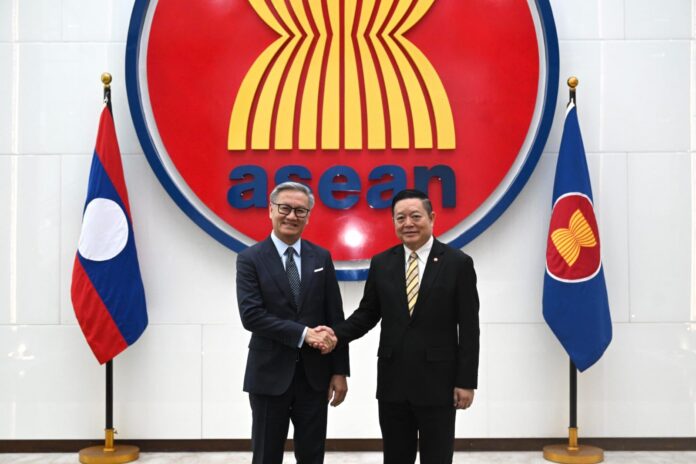
ASEAN Secretary-General Kao Kim Hourn received Lao Deputy Prime Minister and Foreign Minister Thongsavanh Phomvihane at the ASEAN Secretariat. (Photo: ASEAN)

Laos is intensifying its regional diplomacy efforts ahead of the 48th ASEAN Summit, with senior officials engaging partners across Southeast Asia to strengthen cooperation and coordination.

Deputy Prime Minister and Foreign Minister Thongsavanh Phomvihane visited Indonesia from 4 to 5 May, where he met Indonesian Foreign Minister Sukiyono to review bilateral relations and expand cooperation across key sectors.

Both sides highlighted nearly 70 years of diplomatic ties and agreed to deepen cooperation in trade, investment, tourism, and human resource development. They also discussed preparations for the 70th anniversary of diplomatic relations in 2027.

The visit also included meetings with business leaders and friendship associations to promote investment and strengthen people-to-people ties, alongside a visit to PT Pupuk Indonesia to explore potential economic cooperation.

ASEAN Engagement Expands

During the trip, Thongsavanh also met ASEAN Secretary-General Kao Kim Hourn at the ASEAN Secretariat. Discussions focused on ASEAN priorities, regional developments, and ongoing community-building efforts.

He also held talks with the Committee of Permanent Representatives and presented a rosewood carving of Laos’ iconic landmarks to the ASEAN Secretariat, stressing Laos’ cultural and diplomatic engagement within the bloc.

Focus Shifts to Cebu Summit

The diplomatic outreach comes as Prime Minister Sonexay Siphandone prepares to attend the 48th ASEAN Summit and related meetings on 7–8 May in Cebu, Philippines.

The summit, held under the theme “Shaping the Future of ASEAN Together,” will bring together regional leaders to discuss cooperation, economic integration, and shared challenges.

Sonexay is also expected to hold bilateral meetings with several ASEAN counterparts on the sidelines, as Laos continues to strengthen its role within the regional grouping.

Officials say the recent engagements reflect Laos’ continued focus on building stronger partnerships within ASEAN while advancing both bilateral and regional cooperation.

Lao National Arrested in Thailand with 249kg of Methamphetamine

Thai authorities arrested a Lao national after seizing 249 kilograms of methamphetamine along the Mekong River border, according to local reports. (Photos: Matichon)

Thai authorities arrested a Lao national on 2 May after intercepting a boat carrying 249 kilograms of crystal methamphetamine across the Mekong River, Thai media reported.

The suspect, identified as Tom Sasaengbong, 24, from Don village in Paksan district, Bolikhamxay Province, was detained in Bueng Kan Province. Authorities said officers tracked a long-tail boat crossing the river with its engine turned off before moving in to make the arrest. Two other individuals fled the scene by swimming back across the river.

Officers recovered eight sacks of crystal methamphetamine weighing a total of 249 kilograms, with two found on the riverbank and six remaining on the boat.

Thai law provides for severe penalties for large-scale narcotics trafficking, including life imprisonment or the death penalty, depending on the court’s ruling.

Investigators are continuing efforts to identify and locate other individuals linked to the case.

The arrest follows a separate bust six days earlier in neighboring Nong Khai, where authorities seized another 248kg of crystal meth smuggled from Laos inside durian and tea packaging. Together, the two seizures total nearly 500 kilograms, exposing the scale of drug trafficking along the Mekong River corridor.

Make Summer Cleaning Effortless with ECOVACS’ All-in-One Solutions at Great Deals


MUMBAI, INDIA – Media OutReach Newswire – 5 May 2026 – ECOVACS Robotics, a global leader in home service robotics, is raising comfort this season with its Summer Holiday Campaign, bringing smarter, faster, and hands-free cleaning to Indian homes. Convenient, effortless and designed for modern city hustlers, their all-in-one solutions empower consumers to come home to spotless spaces without lifting a finger.

ECOVACS is rolling out limited-time, high-impact deals on Amazon India from 8th to 13th May, with discounts of up to 75%, making this the perfect moment for first-time consumers to switch from manual to intelligent cleaning and upgrade their routines with cutting-edge technology. ECOVACS’ entry-level range makes that transition seamless.

ECOVACS Robotics Summer Sale

From everyday dust to hard-to-reach corners and even windows, ECOVACS Robotics cleaning solutions deliver full-home coverage, blending intelligent technology with powerful performance and seamless automation to take the stress out of summer cleaning.

The DEEBOT N50 Pro OMNI brings this vision to life with a powerful combination of vacuuming and intelligent mopping, effortlessly tackling dust, debris, and pet hair across all floor types. With up to 300 minutes of runtime, anti-hair tangle technology, and intuitive app-enabled controls, users can easily customize schedules, zones, and cleaning modes right from their smartphones or wearable devices—making smart living feel truly effortless.

Enhancing this experience further is the All-in-One OMNI Station, which streamlines maintenance with automated mop washing and drying, auto-refill, and dust emptying—delivering a hygienic, hands-free cleaning routine that keeps your home consistently fresh with minimal effort.

For homes with more compact layouts, the DEEBOT MINI is also part of the lineup. Designed to take up less space while still offering the All-in-One OMNI Station and a hands-free cleaning experience, this is another ideal choice for users seeking efficiency without compromising on performance.

As modern homes face rising levels of dust and pollution, maintaining cleanliness in homes goes beyond just floors. Windows, constantly exposed to outdoor dust and changing weather conditions, require equal attention to keep living spaces truly spotless. ECOVACS’ WINBOT robotic window cleaners address this by effectively removing dust, rain stains, and pollution buildup, leaving windows crystal-clear and helping your home shine from the inside out.

Beyond windows, the WINBOT MINI is also designed to clean a wide range of glass surfaces, including glass panels, balcony glass, and shower screens — ensuring comprehensive coverage across vertical spaces in the home.

Its compact and slim design enables it to access and clean areas that are often difficult to reach, such as narrow windows, spaces behind grills or railings, and other tight or confined surfaces. This makes it a practical solution for urban homes where accessibility can be a challenge.

Explore ECOVACS’ Summer Holiday deals to unlock special, limited-time pricing. Make the switch smarter this summer—to faster, easier, and more effective deep cleaning—at your fingertips. Visit ECOVACS’ official marketplace to grab these can’t-miss deals!

Hashtag: #ECOVACS

The issuer is solely responsible for the content of this announcement.

Cellenkos Announces FDA Clearance of Investigational New Drug (IND) Application for Phase 1b/ 2a Trial of CK0802 in Steroid-Refractory Graft-versus-Host Disease (GVHD)

Multicenter, open-label study will evaluate the safety and preliminary efficacy of CK0802, a first-in-class, off-the-shelf Treg therapy, in patients with steroid-refractory GVHD

HOUSTON, May 5, 2026 /PRNewswire/ — Cellenkos®, Inc., a clinical stage biotechnology company, pioneering allogeneic, tissue-targeted regulatory T cell (Treg) therapies, today announced that the U.S. Food and Drug Administration (FDA) has cleared its Investigational New Drug application to initiate a Phase 1b/ 2a clinical trial of CK0802 for the treatment of patients with steroid-refractory graft-versus-host disease (GVHD).

Steroid-refractory GVHD represents a critical unmet need in post-transplant care. While allogeneic stem cell transplants are curative for many blood cancers, the procedure carries the risk of GVHD—a condition where donor cytotoxic T cells “misfire,” recognizing the patient’s healthy organs as foreign and launching a systemic attack. This typically manifests as severe skin rashes, debilitating diarrhea, and liver failure.

Current first-line treatment relies on high-dose intravenous steroids. However, steroids act as a “blunt instrument,” suppressing the aggressive T cells while simultaneously depleting the healthy immune system, leaving patients vulnerable to life-threatening infections. In nearly 50% of cases, steroids fail to calm the immune attack. Currently available second-line therapies often struggle to provide lasting results, frequently hampered by severe immunosuppression and hematologic toxicities. Due to these limitations, patients face a poor prognosis, with two-year survival rates currently stagnating at approximately 30%. Novel therapies are urgently needed.

“FDA clearance to advance CK0802 into a Phase 1b/ 2a trial marks a hopeful step forward for patients facing the dire prognosis of steroid-refractory GVHD,” said Simrit Parmar, MD, MSCI, Founder of Cellenkos, and Faculty, Texas A&M, School of Engineering and Medicine (EnMed). “CK0802 is uniquely qualified to function under intense inflammatory stress, resetting the patient’s immune system, and de-escalating donor T-cell attack without the toxicities typically associated with broad-spectrum immunosuppression.”

About the CK0802 Phase 1b/ 2a Study
The multicenter, open-label Phase 1b/ 2a trial is designed to evaluate the safety, tolerability, and preliminary efficacy of multiple infusions of CK0802.

  • Target population: Patients with GVHD who have failed to respond adequately to systemic corticosteroid therapy following allogeneic stem cell transplantation.
  • Primary endpoint: Safety and early efficacy of CK0802 as assessed by overall response rate (ORR) at Day 29.

The trial is scheduled to commence in the second half of 2026, with a clinical readout anticipated in early 2027.

How can CK0802 treat Steroid Refractory GVHD?
In cases of steroid-refractory GVHD, patients face a life-threatening “vicious loop” of injury and inflammation. This condition is driven by aggressive donor T cells that relentlessly attack the recipient’s organs, triggering the release of inflammatory cytokines that further fuel the disease’s progression. CK0802 Tregs are designed to break this cycle. Hardwired to remain resilient even under intense inflammatory conditions, CK0802 delivers a concentrated dose of “young,” highly functional regulatory T cells (Tregs). These cells employ a multi-faceted biological approach to suppress runaway inflammation at the source, actively promoting long-term immune stability.

  • Direct Suppression: By releasing suppressor cytokine, IL-10, CK0802 Tregs apply “molecular brakes” to the immune system, inhibiting pro-inflammatory mediators (TNF-α, IL-6, IL-12, and IL-17), preventing further tissue injury.
  • Indirect Starvation: CK0802 Tregs act as “cytokine sinks,” utilizing high-affinity surface receptors to rapidly consume, IL-2, a survival cytokine for aggressive T cells. By draining this lifeline, CK0802 effectively starves and depletes the cytotoxic T cells responsible for attacks on target organs.
  • APC Neutralization: CK0802 Tregs take aim and neutralize Antigen-Presenting Cells (APCs), which are the primary drivers of GVHD. By silencing these “masterminds”, CK0802 extinguish the “cytokine storm” and resolve the inflammatory chaos, to establish durable immune homeostasis.
  • Infectious Tolerance Induction: Beyond immediate action, CK0802 retrain the patient’s endogenous regulatory T cells, recruiting the host’s immune system to sustain long-term healing and maintain equilibrium.

“Clearance of our IND application is a major milestone for Cellenkos and confirms that the FDA is satisfied with the clinical, preclinical and manufacturing data submitted in support of CK0802, further validating our CRANE® manufacturing platform,” said Tara Sadeghi, Chief Operating Officer of Cellenkos. “This trial will provide critical data to guide the design of future, pivotal studies. We believe that CK0802 will be a transformational therapy for steroid refractory GVHD patients who tragically have limited options today.”

Acting as an immunological “crusader,” CK0802 is specifically trained to thrive within intense inflammatory environments and home directly towards injured tissues to suppress donor-driven immune attacks, effectively re-establishing immune homeostasis.

CK0802 Phase 1 Trial Outcomes
Results from a randomized, placebo-controlled trial demonstrate that CK0802 Tregs are a safe and highly effective treatment for critically ill COVID-19 ARDS patients, requiring mechanical ventilation and vasopressor support, thought to be driven by severe “cytokine storm” inflammation, like that seen in GVHD. All patients had failed traditional steroid therapy. Bayesian regression analysis revealed a probability of beneficial effect (PBE) of 89.7% for being alive and extubated at day+28 in recipients of multiple infusions of CK0802 at a fixed dose of 100 million Tregs compared to placebo. Long-term data showed a 98.6% PBE for overall survival at the one-year mark, alongside significant improvements in cognitive function and general quality of life six months after hospital discharge in favor of CK0802 at the same dose. These findings suggest that CK0802 could fundamentally shift the prognosis for patients facing the most life-threatening respiratory complications of the virus.

About CK0802
Derived from qualified U.S. public cord blood units in compliance with 21 CFR Part 1271, CK0802 is a pioneering, “off-the-shelf” cryopreserved Treg therapy. Featuring a robust shelf life of nearly three years, this investigational treatment is designed for immediate intravenous administration without the logistical delay of HLA matching. This “ready-to-use” capability is critical for steroid-refractory GVHD patients, where rapid intervention is essential for survival and every hour counts.

At the core of the CK0802 are “supercharged,” intelligent regulatory T cells (Tregs) that preserve their cellular naivety. This unique state facilitates rapid in vivo proliferation, enabling the cells to expand aggressively once inside the patient to mount a powerful suppression of the rogue elements. Furthermore, these cells possess a specialized “target readiness” that drives a gain of function; allowing for the swift resolution of dysregulated inflammation—the primary biological driver of GVHD—restoring balance to the immune system when it is needed most.

About Graft-versus-Host Disease
Graft-versus-host disease (GVHD) remains one of the most significant and life-threatening complications following allogeneic hematopoietic stem cell transplantation. Approximately 11,000 allogeneic stem cell transplants are performed annually in the United States, and 80,000 worldwide. Despite modern prophylactic measures, acute GVHD occurs in approximately 50% of transplant recipients, and chronic GVHD impacts between 30% and 70% of patients, severely affecting long-term quality of life and non-relapse mortality. Current standard-of-care treatments rely heavily on high-dose corticosteroids, yet these interventions are only effective in roughly 50% of cases. For those with steroid-refractory disease, the prognosis is often dismal, with 2-year survival rates historically recorded near 30%, highlighting a critical unmet medical need for novel, more effective therapeutic options.

About Cellenkos®, Inc.
Cellenkos® is a Houston-based, fully integrated, biotechnology company focused on developing transformative Treg therapies for inflammatory diseases and autoimmune disorders. Cellenkos was granted US patent (US12472182B2) on November 18, 2025, for their technology covering “Compositions comprising regulatory T cells and methods of producing and using them”. Leveraging its proprietary CRANE® technology, Cellenkos develops off-the-shelf Treg product candidates designed to suppress inflammation and support tissue repair. The company’s pipeline includes candidates for aplastic anemia (CK0801); amyotrophic lateral sclerosis, dementia, and psoriasis (CK0803); and myelofibrosis, type 1 diabetes, and inflammatory bowel disease (CK0804).

For more information, please visit www.cellenkosinc.com.

Media and Investor Contact: contact@cellenkosinc.com

Forward-Looking Statements
This press release contains forward-looking statements regarding the clinical development of CK0802. These statements are subject to risks and uncertainties that could cause actual results to differ materially from those projected.

New Publication Demonstrates TLX250-Px (Zircaix®) Potential in Diagnosing Kidney Cancers Beyond ccRCC

MELBOURNE, Australia and INDIANAPOLIS, Ind., May 5, 2026 /PRNewswire/ — Telix Pharmaceuticals Limited (ASX: TLX, NASDAQ: TLX, “Telix”) today announces the publication of a new independent analysis of Phase 3 ZIRCON trial data in European Urology[1], demonstrating that TLX250‑Px (Zircaix®[2], 89Zr-girentuximab) PET/CT[3] imaging may be highly predictive of renal malignancy across all subtypes, not limited to clear cell renal cell carcinoma (ccRCC).

Recognizing that carbonic anhydrase IX (CAIX) expression is also observed in other renal cancer subtypes[4], this subsequent analysis conducted by international investigators who participated in ZIRCON Phase 3 trial[5], evaluated centrally reviewed imaging and pathology data to explore whether tracer uptake in renal masses correlated with malignancy beyond ccRCC.

The analysis demonstrated that positive PET findings were highly predictive of malignancy overall, including in non-clear cell renal cell carcinoma (nccRCC), with a reported positive predictive value (PPV) of 98% (95% CI, 96–99), sensitivity of 82% (95% CI, 82–90), and specificity of 87% (95% CI, 81–93). These exploratory scientific findings suggest TLX250-Px has applications beyond the detection of ccRCC in primary renal masses and may have implications to management of nccRCC.

Aboubacar Kaba, MD, urologist at the University of California, Los Angeles and corresponding author, commented: “This analysis shows that when TLX250-Px PET/CT is positive, it is highly predictive of renal malignancy, including beyond ccRCC. Thus, the utility of this test may be important in distinguishing more hypoxic, and therefore, aggressive disease from indolent tumors with clear treatment implications. This may provide an additional tool to aid in risk stratifying or guiding patient and clinician decisions in the treatment of renal masses.”

Dr. David N. Cade, Group Chief Medical Officer at Telix, added: “Publication of these data in European Urology reflects the scientific strength of the ZIRCON trial and the robustness of its central imaging and pathology review. While ZIRCON was designed to address ccRCC, this analysis supports continued evaluation of TLX250-Px PET imaging across a broader spectrum of renal malignancies, with potential application in the management of patients with non-clear cell RCC. Furthermore, essentially all false-positives for ccRCC in the ZIRCON study have now been shown to be other malignant kidney cancer subtypes, reducing the risk of overtreatment and further supporting clinical adoption.”

The full paper is available at: https://www.europeanurology.com/article/S0302-2838(26)02037-3/fulltext.

These findings are based on exploratory analyses and were not the basis of Telix’s Biologics License Application (BLA) submission for TLX250-Px, which focuses exclusively on detection of ccRCC in primary renal masses.

About TLX250-Px

TLX250-Px is a PET imaging candidate under development for the diagnosis and characterization of ccRCC, and included in leading international guidelines for renal imaging[6]. It works by specifically binding to carbonic anhydrase IX (CAIX), a validated target protein expressed on >95% of ccRCC cells[7], to produce images with high tumor-to-background ratio and high intra- and inter-reader consistency.

Telix’s pivotal Phase 3 ZIRCON trial evaluating TLX250-Px in 300 patients, of whom 284 were evaluable, met all primary and secondary endpoints, including showing 86% sensitivity and 87% specificity and a 93% positive predictive value (PPV) for ccRCC across three independent radiology readers[8]. Telix believes this demonstrated the ability of TLX250-Px to reliably detect the clear cell phenotype and provide an accurate, non-invasive method for diagnosing and characterizing ccRCC.

ZIRCON-X, a noninterventional, prospective, post hoc study using imaging data from ZIRCON, found that almost half of all patients (48.6%) would have undergone a change in clinical management if imaged with TLX250-Px, compared with baseline standard-of-care (SOC) imaging, and that more than 20% could potentially have avoided an invasive biopsy[9].

For more on TLX250-Px and Telix’s theranostic kidney cancer program, click here.

TLX250-Px has not received a marketing authorization in any jurisdiction.

[1] Kaba et al. Eur Urol. 2026: https://doi.org/10.1016/j.eururo.2026.03.003

[2] Brand name subject to final regulatory approval.

[3] Positron emission tomography/computed tomography.

[4] Baniak et al. Histopathology. 2020; Büscheck et al. Urol Oncol. 2018. Klatte et al. ClinCancer Res Off J Am AssocCancerRes. 2009.

[5] Zirconium in Renal Cancer Oncology, ClinicalTrials.gov ID: NCT03849118.

[6] SNMMI/EANM/ACNM Procedure Standard/Procedure Guideline on the Use of Molecular Imaging for Renal Mass Characterization (October 2025), available at: https://jnm.snmjournals.org/content/early/2025/10/09/jnumed.125.271332.abstract

[7] Stillebroer et al. Eur Urol. 2010.

[8] Telix ASX disclosures November 7, 2022. Shuch et al. Lancet Oncology. 2024.


About Telix Pharmaceuticals Limited

Telix is a global biopharmaceutical company focused on the development and commercialization of radiopharmaceuticals with the goal of addressing significant unmet medical need in oncology and rare diseases. Telix is headquartered in Melbourne (Australia) with international operations in the United States, United Kingdom, Brazil, Canada, Europe (Belgium and Switzerland) and Japan. Telix is listed on the Australian Securities Exchange (ASX: TLX) and the Nasdaq Global Select Market (NASDAQ: TLX).

Visit www.telixpharma.com for further information about Telix, including details of the latest share price, ASX and U.S. Securities and Exchange Commission (SEC) filings, investor and analyst presentations, news releases, event details and other publications that may be of interest. You can also follow Telix on LinkedIn, X and Facebook.

Telix Investor Relations (Global)

Ms. Kyahn Williamson

SVP Investor Relations and Corporate Communications

kyahn.williamson@telixpharma.com

Telix Investor Relations (Australia)

Ms. Charlene Jaw

Associate Director Investor Relations

charlene.jaw@telixpharma.com

Telix Investor Relations (U.S.)  

Ms. Annie Kasparian  

Director Investor Relations and Corporate Communications  

annie.kasparian@telixpharma.com 


Media Contact

Eliza Schleifstein
917.763.8106 (Mobile)
Eliza@schleifsteinpr.com

Legal Notices

Cautionary Statement Regarding Forward-Looking Statements.  

You should read this announcement together with our risk factors, as disclosed in our most recently filed reports with the Australian Securities Exchange (ASX), U.S. Securities and Exchange Commission (SEC), including our Annual Report on Form 20-F filed with the SEC, or on our website.

The information contained in this announcement is not intended to be an offer for subscription, invitation or recommendation with respect to securities of Telix Pharmaceuticals Limited (Telix) in any jurisdiction, including the United States. The information and opinions contained in this announcement are subject to change without notification.  To the maximum extent permitted by law, Telix disclaims any obligation or undertaking to update or revise any information or opinions contained in this announcement, including any forward-looking statements (as referred to below), whether as a result of new information, future developments, a change in expectations or assumptions, or otherwise. No representation or warranty, express or implied, is made in relation to the accuracy or completeness of the information contained or opinions expressed in the course of this announcement.

This announcement may contain forward-looking statements, including within the meaning of the U.S. Private Securities Litigation Reform Act of 1995, that relate to anticipated future events, financial performance, plans, strategies or business developments. Forward-looking statements can generally be identified by the use of words such as “may”, “expect”, “intend”, “plan”, “estimate”, “anticipate”, “believe”, “outlook”, “forecast” and “guidance”, or the negative of these words or other similar terms or expressions. Forward-looking statements involve known and unknown risks, uncertainties and other factors that may cause our actual results, levels of activity, performance or achievements to differ materially from any future results, levels of activity, performance or achievements expressed or implied by these forward-looking statements. Forward-looking statements are based on Telix’s good-faith assumptions as to the financial, market, regulatory and other risks and considerations that exist and affect Telix’s business and operations in the future and there can be no assurance that any of the assumptions will prove to be correct. In the context of Telix’s business, forward-looking statements may include, but are not limited to, statements about: the initiation, timing, progress, completion and results of Telix’s preclinical and clinical trials, and Telix’s research and development programs; Telix’s ability to advance product candidates into, enroll and successfully complete, clinical studies, including multi-national clinical trials; the timing or likelihood of regulatory filings and approvals for Telix’s product candidates, including TLX250-Px, manufacturing activities and product marketing activities; Telix’s sales, marketing and distribution and manufacturing capabilities and strategies; the commercialization of Telix’s product candidates, if or when they have been approved; Telix’s ability to obtain an adequate supply of raw materials at reasonable costs for its products and product candidates; estimates of Telix’s expenses, future revenues and capital requirements; Telix’s financial performance; developments relating to Telix’s competitors and industry; the anticipated impact of U.S. and foreign tariffs and other macroeconomic conditions on Telix’s business, including as a result of war or other geopolitical conflicts; and the pricing and reimbursement of Telix’s product candidates, if and after they have been approved. Telix’s actual results, performance or achievements may be materially different from those which may be expressed or implied by such statements, and the differences may be adverse. Accordingly, you should not place undue reliance on these forward-looking statements.

Trademarks and Trade Names. All trademarks and trade names referenced in this press release are the property of Telix Pharmaceuticals Limited (Telix) or, where applicable, the property of their respective owners. For convenience, trademarks and trade names may appear without the ® or ™ symbols. Such omissions are not intended to indicate any waiver of rights by Telix or the respective owners. Trademark registration status may vary from country to country. Telix does not intend the use or display of any third-party trademarks or trade names to imply any affiliation with, endorsement by, or sponsorship from those third parties.

©2026 Telix Pharmaceuticals Limited. All rights reserved.