Home Blog Page 530

Akeso Announces Global First-in-Class Trispecific Antibody AK150 Enters Clinical Trials: A Triple-Target Approach to Overcome Immunotherapy Resistance

HONG KONG, March 16, 2026 /PRNewswire/ — Akeso, Inc. (9926.HK)  (“Akeso” or the “Company”) announced today that its proprietary first-in-class trispecific antibody, AK150 (ILT2/ILT4/CSF1R), has received Investigational New Drug (IND) clearance from the National Medical Products Administration (NMPA) for clinical trials in patients with advanced solid tumors.

AK150 is currently the only ILT2/ILT4/CSF1R trispecific antibody under development globally and is also Akeso’s first trispecific molecule to enter the clinical stage. Engineered via Akeso’s leading AI-driven drug discovery platform and its proprietary Tetrabody technology, AK150 stands as a global first-in-class innovation, once again demonstrating the company’s deep expertise and strong R&D capabilities in the field of multispecific antibody therapeutics.

ILT2, ILT4, and CSF1R exhibit high expression levels in various solid tumors, particularly prominent in tumor types with significant immunosuppressive microenvironments, including non-small cell lung cancer, hepatocellular carcinoma, pancreatic cancer, and some refractory breast cancers. Although current single- or dual-target therapies against macrophage related targets (such as those targeting ILT2, ILT4, or CSF1R) have shown some potential globally,  they still fall short of fully breaking the immunosuppressive network of the tumor microenvironment. This underscores an urgent need for multi-target synergistic innovative therapies capable of multi-dimensional immune remodeling to improve anti-tumor efficacy—especially to overcome the clinical challenge of traditional immunotherapy’s insensitivity to “cold tumors”.

By simultaneously targeting ILT2, ILT4, and CSF1R, AK150 enables synergistic anti-tumor activity through coordinated modulation of both innate and adaptive immune systems. It holds high therapeutic potential not only for hot tumors but also for converting “cold tumors” into “hot tumors”, thereby fundamentally improving tumor responsiveness to immunotherapy.

CSF1R, ILT2, and ILT4 each play important immunomodulatory roles in the tumor microenvironment, together constructing a complex immunosuppressive network. The synergistic blockade of these three targets can relieve immune suppression at multiple levels.  AK150 depletes immunosuppressive myeloid cells by CSF1R blockade, while simultaneously releasing the “molecular brakes” on remaining myeloid populations by ILT2 and ILT4 blockade. Meanwhile, ILT2 blockade by AK150 also has the potential to activate CD8+ T cells and Natural Killer (NK) cells, enhancing the anti-tumor immune response. This innovative design holds promise for addressing key challenges in solid tumor drug development.

About AK150
AK150 is a proprietary, humanized anti-CSF1R, ILT2, and ILT4 trispecific antibody developed by Akeso. By binding to CSF1R, AK150 blocks the interaction between CSF1R and CSF1/IL-34, thereby inhibiting CSF1R-dependent survival of myeloid cells, eliminating M2-like TAMs; By binding to ILT2/ILT4, AK150 blocks the interaction between ILT2/ILT4 and HLA-A/B/C/E/G, relieving immunosuppression of myeloid cells, and restoring the activity and function of NK cells and CD8+ T cells. Therefore, by synergistically blockade CSF1R/ILT2/ILT4, AK150 achieves multi-pathway blockade of both innate and adaptive immunity, enabling multi-dimensional relief of immunosuppression in the tumor microenvironment and overcoming the limitations of poor clinical efficacy by single-target drugs. . Preclinical animal models have demonstrated that AK150 exhibits dose-dependent tumor inhibition across all tested dosage groups.

About Akeso
Akeso (HKEX: 9926.HK) is a leading biopharmaceutical company committed to the research, development, manufacturing and commercialization of the world’s first or best-in-class innovative biological medicines. Founded in 2012, the company has established a robust R&D innovation ecosystem centered on its proprietary Tetrabody multi-specific antibody platform, Dual-Shield Antibody-Drug Conjugates (ADCs), Dual-Lock T-cell engager (TCE), Tissue-Smart siRNA, Cell Therapies, and Flex-Nano mRNA platforms. Supported by a global-standard GMP manufacturing infrastructure and a highly efficient, integrated commercialization model, the company has evolved into a globally competitive biopharmaceutical focused on innovative solutions. With fully integrated multi-functional platform, Akeso is internally working on a robust pipeline of over 50 innovative assets in the fields of cancer, autoimmune disease, inflammation, metabolic disease and other major diseases. Among them, 27 candidates have entered clinical trials (including 15 bispecific/multispecific antibodies and bispecific ADCs. Additionally, 7 new drugs are commercially available. Through efficient and breakthrough R&D innovation, Akeso always integrates superior global resources, develops the first-in-class and best-in-class new drugs, provides affordable therapeutic antibodies for patients worldwide, and continuously creates more commercial and social values to become a global leading biopharmaceutical enterprise.

Forward-Looking Statements
This announcement by Akeso, Inc. (9926.HK, “Akeso”) contains “forward-looking statements”. These statements reflect the current beliefs and expectations of Akeso’s management and are subject to significant risks and uncertainties. These statements are not intended to form the basis of any investment decision or any decision to purchase securities of Akeso. There can be no assurance that the drug candidate(s) indicated in this announcement or Akeso’s other pipeline candidates will obtain the required regulatory approvals or achieve commercial success. If underlying assumptions prove inaccurate or risks or uncertainties materialize, actual results may differ materially from those set forth in the forward-looking statements.

Risks and uncertainties include but are not limited to, general industry conditions and competition; general economic factors, including interest rate and currency exchange rate fluctuations; the impact of pharmaceutical industry regulation and health care legislation in P.R.China, the United States and internationally; global trends toward health care cost containment; technological advances, new products and patents attained by competitors; challenges inherent in new product development, including obtaining regulatory approval; Akeso’s ability to accurately predict future market conditions; manufacturing difficulties or delays; financial instability of international economies and sovereign risk; dependence on the effectiveness of the Akeso’s patents and other protections for innovative products; and the exposure to litigation, including patent litigation, and/or regulatory actions.

Akeso does not undertake any obligation to publicly revise these forward-looking statements to reflect events or circumstances after the date hereof, except as required by law.


Foresight in volatility: APAC executives’ early pivot to regional trade provides critical buffer against global shocks

SINGAPORE – Media OutReach Newswire – 16 March 2026 – Months before the current geopolitical crisis hit global markets, Asia Pacific (APAC) executives had begun shielding their businesses by shortening supply chains and focusing on regional trade. Forvis Mazars’ C-suite barometer 2026: Adapting in uncertainty shows this proactive approach, alongside with efficiency-driving AI investments, is now key to navigating today’s global challenges.
While the number of APAC leaders expecting revenue growth had dropped to 67% (down from 80% in 2025) ahead of this year, underlying business confidence had notably strengthened to 41% (up from 30% in 2025). This contrast, lower growth expectations yet stronger confidence, highlights a resilience paradox: leaders are separating financial outlook from global turmoil, actively reinventing their operations to endure anticipated shocks rather than waiting for conditions to improve.
Key findings for APAC:
  • Measured confidence amidst geopolitical volatility: Amidst ongoing geopolitical volatility, APAC leaders remain acutely aware of the shifting landscape. Notably, 29% cite geopolitical instability and social unrest as a top trend impacting their organisation over the next 12 months, outpacing the global average of 26% and tying with regulatory pressures. Consequently, growth expectations are tempered: while 83% still anticipate positive growth in 2026, this trails the global average of 92% and marks a decline from 84% in 2025.
  • Expansion turns inward: Driven by geopolitical and tariff risks, expansion plans have shifted to regional neighbours, with China (36%), Australia (29%) and Hong Kong (29%) as the top destinations.
  • AI is a net job creator: Defying global displacement fears, 43% of APAC leaders say AI has created new roles in their organisation, significantly outpacing the 28% who say it replaced them.
  • The sustainability gap: While 91% are confident in meeting reporting compliance, only 73% feel prepared to manage the actual physical impacts of climate change.
The APAC resilience paradox: Building structural resilience despite lower revenue expectations
The anticipated dip in revenue expectations was primarily driven by converging pressures that have only intensified: economic uncertainty, political instability and intensifying competition. Yet, this foresight did not dampen investment. In a clear sign that businesses are fortifying their foundations, investment in human capital remains strong across the region, with 63% of APAC respondents plan to increase spending on acquiring new talent and 68% intend to upskill their workforce.
APAC’s underlying optimism is supported by a high level of operational readiness. Even as geopolitical instability remains a top concern, 76% of executives express confidence in their organisation’s preparedness to manage it. This sentiment extends to navigating supply chain challenges (85%) and new regulatory requirements (91%), showing that leaders are turning global disruptors into manageable areas of control.

Rick Chan, Managing Partner Singapore, Head of Audit & Assurance APAC and Member of Group Governing Board, Forvis Mazars, observed, “Asia Pacific has always had to move fast. The region’s businesses are built on agility – on reading the market, adjusting quickly and staying close to customers. That DNA is proving invaluable right now. The data shows leaders are transitioning from short-term firefighting to building lasting resilience. By investing in localised supply chains and AI, they are taking highly practical steps to insulate their operations against escalating geopolitical risks and secure long-term growth.”
The strategic pivot: strengthening intra-regional trade
The barometer reveals a fundamental change in how APAC firms plan to grow. Rather than facing global trade barriers head-on, executives are pivoting to markets closer to home. The top three expansion destinationsareChina (36%), Australia (29%) and Hong Kong (29%).
This inward shift is a direct, data-driven response to rising global tensions. A striking 67% of APAC leaders who revised their expansion plans this year cited geopolitical instability as the primary driver, making it the top catalyst for changing global strategies. Furthermore, 42% cite costs and operational issues due to tariffs as their biggest challenge when entering new markets. Facing these dual threats, APAC businesses have pragmatically shortened their supply chains to secure growth in neighbouring markets where geopolitical and tariff risks are more manageable.

The growth engine: AI as a workforce catalyst
In an environment where operational margins are under pressure, AI has become a critical tool for efficiency. Notably, the data indicate that AI is a net job creator in the region. 43% of APAC C-suite leaders report that AI has already prompted the creation of new roles, compared to 28% who report job replacements.

While 47% of executives rank AI as their top technology priority, their approach is disciplined. APAC leaders are prioritising high-impact applications such as forecasting (65%), knowledge acquisition, banking and retrieval (61%), client services, recommendations, relationships (61%), and operational efficiency, including automation (60%). Interestingly, they are achieving these gains with leaner investment; 41% (versus 35% globally) allocate less than 10% of their budget to AI, suggesting a focus on cost-effective, high-return AI adoption.
The blind spot: the sustainability gap – compliance versus operational resilience
While the report highlights strategic maturity in technology and trade, it reveals a critical disconnect in sustainability. Although 91% of APAC executives express confidence in meeting sustainability reporting compliance, only 73% feel prepared to manage the actual physical and operational impacts of climate change. This disparity indicates that while they are confident in meeting regulatory expectations, the priority now is to bridge the gap between compliance and reality, specifically by strengthening supply chains and building physical resilience against tangible climate risks.
Chester Liew, Partner, Head of Risk Consulting & Sustainability, Forvis Mazars in Singapore, said, “High confidence in reporting compliance is an encouraging baseline, but paperwork does not protect operations. The foresight APAC leaders are demonstrating in navigating geopolitical risks must now be urgently applied to climate risks. With regulatory timelines providing some breathing room, the prudent next step is to pivot resources from disclosure to physical defence – ensuring that supply chains and physical assets can actually withstand extreme weather and emerging environmental shocks.”
Forvis Mazars’ 2026 C-suite barometer survey captures insights from 3,012 senior executives worldwide prior to the US-Israeli war with Iran in February 2026. This independent research was conducted in October and November 2025 and captures the views of C-suite leaders at for-profit organisations with annual revenues of over US$1 million across 40 countries, including 260 respondents from seven markets in the Asia-Pacific region: Australia, China, Hong Kong, India, Japan, Singapore and South Korea. Findings reflect executive sentiments at the time of fieldwork.

Hashtag: #ForvisMazars #ForvisMazarsSingapore #APACBusiness #BusinessOutlook2026 #ExecutiveInsights #LeadershipTrends #AIAdoption #DigitalTransformation #Sustainability #ClimateResilience


The issuer is solely responsible for the content of this announcement.

Forvis Mazars in Singapore

About Forvis Mazars in Singapore
Forvis Mazars Group SC is an independent member of Forvis Mazars Global, a leading professional services network. Operating as an internationally integrated partnership in over 100 countries and territories, Forvis Mazars Group specialises in audit, tax and advisory services. The partnership draws on the expertise and cultural understanding of over 40,000 professionals across the globe to assist clients of all sizes at every stage in their development. Forvis Mazars in Singapore is part of the Forvis Mazars Group. Our clientele benefits from the combined expertise of 400+ Singapore-based professionals and our international team.

About Forvis Mazars APAC
Present in Asia Pacific since 1997, Forvis Mazars operates in more than 15 countries and territories in the region and draws on the expertise of over 10,100 professionals in more than 60 offices. We work as one integrated team, leveraging expertise, scale and cultural understanding to deliver exceptional and tailored services in audit and accounting, as well as tax, financial advisory, outsourcing, consulting, sustainability and legal services.

| |

USI and EugenLight Technologies to Showcase Comprehensive Optical Communication Solutions at OFC 2026

SHANGHAI, March 16, 2026 /PRNewswire/ — USI, a global leader in electronic design and manufacturing services, will participate in the Optical Fiber Communication Conference and Exhibition (OFC 2026) together with its subsidiary EugenLight Technologies Co., Ltd. (EugenLight). The event will take place March 17–19 at the Los Angeles Convention Center.

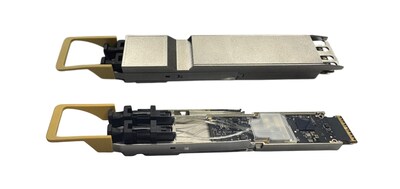
At the exhibition, USI will present its latest 1.6T IMDD optical transceiver solution designed for next-generation data center networking. EugenLight will also showcase a comprehensive range of advanced optical communication components, including 800G and 1.6T high-speed silicon photonics engines for data communications, ELSFP light sources supporting UHP class, coherent transmission ITLA devices for C, L, and C+L bands, telecom-grade hermetically sealed 400G LR4 and ER4 OSA components, and Fast Tunable Laser devices designed for fiber sensing applications. Visitors are welcome to explore these technologies at Booth #2319.

1.6T OSFP 2xDR4 Optical Transceiver Module

The 1.6T optical module showcased by USI adopts the OSFP form factor and integrates an advanced 3nm DSP. The transmitter (Tx) incorporates a silicon photonics-based Photonic Integrated Circuit (PIC), while the receiver (Rx) integrates a Transimpedance Amplifier (TIA) and PIN photodiodes. Using PAM4 modulation, the module supports DR8 and 2×DR4 architectures and also features a 2×FR4 compatible design. The transmission distance supports 500 meters to 2 kilometers, making it well suited for high-speed optical interconnects in data center environments.

Leo Tai, AVP of USI’s R&D Center, commented:”USI has industry-leading capabilities in high-speed signal integrity and power integrity (SI/PI) design, as well as advanced thermal simulation and optical simulation using Zemax. In addition, we have strong expertise in high-speed PCB design utilizing mSAP and substrate PCB technologies. USI also operates dedicated optical communication laboratories for module performance verification, including optical eye diagram measurements using high-speed sampling scopes and bit error rate testing using BERT equipment.”

Beyond its R&D strengths, USI also provides comprehensive one-stop services from design to mass production, helping customers accelerate product commercialization. USI’s manufacturing capabilities for optical modules include high-density SMT processes, KGD flip-chip, and die/wire bonding production lines with full testing and validation. The company also supports optical device assembly, covering chip-on-carrier, sub-mount integration, laser, lens, isolator, FAU, and active alignment processes, along with optical assembly and optical module testing capabilities. These end-to-end capabilities enable USI to deliver complete solutions from design and development to high-volume manufacturing.

Welcome to download detailed product information and learn more about optical interconnect technologies of USI and EugenLight.

https://videocdn.usiglobal.com/video/download/2026_OFC_eBrochure.pdf
https://videocdn.usiglobal.com/video/news/EugenLight_2026_Profile.pdf
https://videocdn.usiglobal.com/video/news/EugenLight_2026_Catalog.pdf

About USI (601231.SH)

USI, Universal Scientific Industrial (Shanghai) Co., Ltd., is a global leader in electronic design and manufacturing as well as a leader in the field of SiP (System-in-Package) technology. Our production and service locations span four continents: Asia, Europe, the Americas, and Africa, offering customer diversified electronic products with D(MS)2 services: Design, Manufacturing, Miniaturization, Industrial software, and hardware Solutions, as well as material procurement, logistics and maintenance Services. USI is a subsidiary of ASE Technology Holding Co., Ltd. (TWSE: 3711, NYSE: ASX). To learn more, please visit www.usiglobal.com and engage with us on LinkedIn and YouTube.

Digital Edge Secures Indonesia’s Largest Data Center Green Loan of US$665 Million to Advance AI-Ready Hyperscale Campus

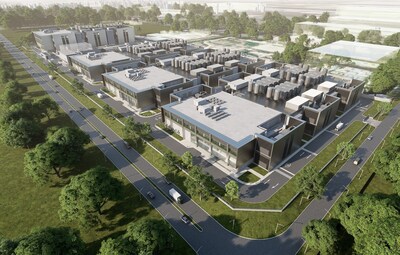
SINGAPORE, March 16, 2026 /PRNewswire/ — Digital Edge today announced the successful close of a US$665 million green loan. The loan will support the development of the first phase of its 500MW CGK Campus in the GIIC Industrial Estate in Bekasi – a US$4.5 billion multi-phase investment and one of Indonesia’s largest AI-ready hyperscale data center campuses.

Digital Edge AI-Ready CGK Campus

Structured under Digital Edge’s Green Financing Framework, this transaction marks the largest green loan ever secured for a data center project in Indonesia and directly supports the company’s ambition to achieve carbon neutrality by 2030, reinforcing its leadership in delivering sustainable, next-generation AI- and hyperscale-centric digital infrastructure in Asia-Pacific.

Purpose-built to support AI and data-intensive workloads with resilient, energy-efficient performance, the CGK campus has been sustainably designed to target a market-leading annualized PUE (power usage effectiveness) of 1.25, achieve LEED certification, incorporate recycled water systems, and integrate renewable energy to reduce overall carbon intensity.

This green loan financing was led by BNP Paribas, Clifford Capital, Crédit Agricole CIB, DBS, Mizuho, OCBC, PT Bank Central Asia Tbk, and SMBC as Mandated Lead Arrangers, with each institution committed to advancing responsible infrastructure investment in line with Indonesia’s broader decarbonization ambitions. Crédit Agricole CIB, DBS, and PT Bank Central Asia Tbk also acted as Green Facility Coordinators.

“From empowering businesses with high performance, AI-ready digital infrastructure to advancing innovative solutions that reduce environmental impact, this financing underscores Digital Edge’s leadership in sustainable digital infrastructure. This has been achieved with the strong support of both existing and new lending partners who share our commitment to responsible growth,” said Jonathan Walbridge, Chief Financial Officer of Digital Edge.

About Digital Edge

Where performance meets sustainability, Digital Edge powers Asia-Pacific’s digital transformation with reliable, secure, and sustainable infrastructure. Headquartered in Singapore and backed by Stonepeak, the company delivers high-performance data center and fiber solutions for hyperscalers and enterprises across nine countries in Asia Pacific. With 1.8GW of secured IT power, Digital Edge empowers businesses to scale rapidly and responsibly in a connected, energy-efficient future.

Visit www.digitaledgedc.com for more information.

Media Contact

Digital Edge
Geraldine Lim
geraldine.lim@digitaledgedc.com

LSBF Singapore Campus Secures EduTrust Renewal, Backed by Strong Student Outcomes and Award-Winning Workforce Initiatives

SINGAPORE, March 16, 2026 /PRNewswire/ — The London School of Business and Finance (LSBF) Singapore Campus has successfully renewed its EduTrust Certification, reinforcing its position as a trusted private education institution committed to academic excellence, student success, and workforce development since establishing its Singapore campus in 2011.

The renewal reflects LSBF’s continued investment in people, innovation, and student success — with measurable improvements across staff engagement, student satisfaction, and institutional capabilities.

A key strength recognised during the assessment was LSBF’s strategic approach to human capital development. The institution’s workforce initiatives have also received national recognition, including the Tripartite Alliance Award 2025, alongside achieving the Progressive Wage Mark for its commitment to fair and progressive employment practices.

Beyond workforce initiatives, LSBF continues to prioritise student engagement, career readiness, and well-being. The institution organised a wide range of community initiatives — including International Women’s Day activities, sports tournaments, and corporate social responsibility projects with Food from the Heart and Willing Hearts — achieving an impressive 96.7% average satisfaction rating among participating students.

Students also benefit from structured career development workshops, industry talks, and counselling support services, with satisfaction for student support services exceeding institutional benchmarks.

To further enhance the learning environment, LSBF invested approximately S$900,000 in technology and facility upgrades, supporting modern teaching practices and an improved campus experience.

The renewal of our EduTrust certification is a strong affirmation of LSBF Singapore’s commitment to excellence in education, workforce development, and student experience,” said Rathakrishnan Govind, CEO of LSBF Global. “We will continue to invest in learning environments, industry-relevant programmes, and a supportive academic community that empowers our students to thrive in a rapidly evolving global economy.

The renewal also highlights the important role private education institutions play in strengthening Singapore’s position as a global education hub. By maintaining rigorous quality standards and investing in workforce and student outcomes, institutions like LSBF contribute to building a trusted and high-quality private education sector that supports lifelong learning and international talent development.

With the renewed certification, LSBF Singapore remains focused on advancing educational quality, strengthening industry partnerships, and delivering transformative learning experiences for students from Singapore and around the world.


Trial to test mild hyperbaric oxygen therapy during active treatment for aggressive brain cancer

LISMORE, Australia, March 16, 2026 /PRNewswire/ — Australian researchers from Southern Cross University (SCU) and the Melbourne Integrative Oncology Group (MIOG) will launch a clinical study investigating whether hyperbaric oxygen therapy (HBOT) can safely support patients undergoing treatment for high-grade glioma, one of the most aggressive forms of brain cancer.

Backed by a $1 million philanthropic gift from an anonymous donor, the collaborative research will examine whether delivering oxygen in a pressurised environment during active cancer treatment can improve treatment effectiveness, patient wellbeing, treatment tolerance and recovery.

The trial is the first of its kind in Australia and is also believed to be the first globally to investigate mild hyperbaric oxygen therapy (1.35 ATA, which is a substantially lower pressure than conventional hospital hyperbaric treatment) combined with molecular hydrogen in an oncology setting.

Hyperbaric oxygen therapy involves breathing concentrated oxygen inside a pressurised chamber, allowing oxygen to dissolve more readily into the bloodstream and reach tissues that are typically oxygen-deprived.

Solid tumours, including aggressive brain cancers, are often hypoxic (low oxygen). This low-oxygen environment can make cancer cells more resistant to radiotherapy, impair normal tissue healing, and contribute to more aggressive tumour behaviour.

Because radiotherapy partly relies on oxygen-dependent mechanisms to damage cancer cells, researchers have long hypothesised that improving tissue oxygenation could enhance treatment effectiveness while reducing side effects.

HBOT is already used in Australian hospitals to treat radiation injuries such as osteoradionecrosis (radiation-damaged bone) and soft-tissue radionecrosis – the death of healthy tissue caused by high-dose radiation therapy. However, its use during active cancer treatment remains limited and is not part of routine oncology care.

This study shifts the focus from rehabilitation after treatment to potential supportive use during treatment, addressing a significant evidence gap.

While previous oncology studies have used high-pressure medical HBOT (2–3 ATA), this trial will investigate mild hyperbaric therapy, which operates at lower pressure and may carry a different safety and tolerability profile.

Mild HBOT has previously shown beneficial outcomes in non-oncology settings, including poor circulation, sports tissue injuries, post-concussion syndromes and Parkinson’s disease.

Professor Jon Wardle, Foundation Director of the National Centre for Naturopathic Medicine (NCNM) at Southern Cross University, said the study represents a significant step forward for evidence-informed integrative oncology.

“As interest in therapies such as hyperbaric oxygen continues to grow, it is essential that we generate high-quality evidence to inform clinical decision-making,” he said.

“Partnering with MIOG allows us to investigate HBOT in a real-world clinical environment while maintaining strong academic and research standards.”

A broadcast-ready media kit, including high-resolution imagery and b-roll of the hyperbaric oxygen chamber, is available here: https://we.tl/t-EWFFmcwvIM  


SIM Global Education Highlights Holistic Student Life Experience Beyond the Classroom


SINGAPORE – Media OutReach Newswire – 16 March 2026 – The university experience today extends beyond academic programmes and classroom learning. Increasingly, students and parents are paying closer attention to the broader environment that supports a student’s development, including well-being resources, opportunities to build community and access to career preparation. Higher education institutions in Singapore are responding by placing greater emphasis on holistic student development alongside academic rigour. Student life, encompassing campus activities, personal support services and career development initiatives, play an important role in shaping students’ overall university journey.

Over at Singapore Institute of Management Global Education (SIM GE), student life is designed to complement academic learning through a holistic ecosystem known as Life @ SIM. The initiative brings together co-curricular activities, wellness and counselling support, and career development resources to support students throughout their academic journey. Community engagement forms a key pillar of student experience. SIM GE offers more than 80 student clubs and societies across sports, performing arts, cultural groups, entrepreneurship and community service. These student-led activities provide opportunities for students to pursue personal interests, develop leadership and teamwork skills while building connections with peers, across programmes, partner universities and an international cohort of students.

Wellbeing support is another important aspect of campus life. Recognising that university life can present academic and personal pressures, SIM GE provides wellness programmes and counselling services aimed at supporting students’ mental and emotional wellbeing. Workshops and resources are designed to help students manage stress, build resilience and develop essential soft skills that support both academic and personal growth.

Career readiness is also integrated into the student journey. Through SIM Career Connect, students have access to career advisory services, skills workshops and networking opportunities with industry partners. These initiatives aim to help students strengthen their employability while still in university and align their academic pathways with long-term career goals.

Campus facilities and shared spaces further support student interaction and collaboration outside formal academic settings. Study areas, collaborative spaces and venues for student activities provide environments where students can exchange ideas, grow their cultural quotient and build a sense of community.

As higher education expectations continue to evolve, institutions are increasingly expected to support students not only academically but also personally and professionally. By integrating community engagement, wellbeing support and career development into the student journey, SIM GE aims to provide an environment that prepares students for both their future careers and the broader challenges of a highly inter-connected but ever-changing world.

References:

  1. Singapore Institute of Management. – https://www.sim.edu.sg/degrees-diplomas/overview
  2. Singapore Institute of Management. Co-Curricular Activities and Student Clubs –
    https://www.sim.edu.sg/degrees-diplomas/life-at-sim/co-curricular-activities
  3. Singapore Institute of Management. Career Connect / Career Services –
    https://www.sim.edu.sg/degrees-diplomas/life-at-sim/career-services
  4. SIM Global Education. Student Life and Campus Experience –
    https://project1095.simge.edu.sg

SINGAPORE – Media OutReach Newswire – 11 March 2026 -Hashtag: #SIMGlobalEducation #SIMGE #GlobalEducation #InternationalDegree #CareerReady #FutureSkills

The issuer is solely responsible for the content of this announcement.

About SIM Global Education

SIM Global Education (SIM GE) is a leading private education institution in Singapore and the region. We offer more than 140 academic programmes ranging from diplomas and graduate diploma programmes to bachelor’s and master’s degree programmes with some of the world’s most reputable universities from Australia, Canada, Europe, United Kingdom, and the United States. SIM GE’s cohort is made up of 16,000 full- and part-time students and adult learners, of which approximately 36% are international students hailing from over 50 countries.

SIM GE’s holistic learning approach and culturally diverse learning environment aim to equip students with knowledge, industry skills and employability competencies, as well as a global perspective to succeed as future leaders in a fast-changing, technologically driven world.

For more information on SIM Global Education, visit

Three Years of TripGenie: How Travellers Around the World are Using AI Differently

  • TripGenie’s third anniversary milestone: AI-assisted bookings surge 400% year-on-year
  • Use of real-time AI tools such as menu assistant and live translation increase by around 300% year-on-year
  • Regional insights: Asia favours last-minute AI guidance; Europe and North America plan early

SINGAPORE, March 16, 2026 /PRNewswire/ — As AI becomes an everyday part of travel planning, one thing is increasingly clear: while the technology may be global, how travellers use it is anything but uniform. New data from TripGenie, Trip.com’s AI travel assistant, reveals that three years of real-world usage have surfaced new patterns in how travellers plan, decide and navigate their journeys.


What began as a functional tool has evolved into a trusted end-to-end travel companion, and in doing so, has revealed how culture, geography and travel habits shape the role AI plays across the travel journey.

Cultural Differences in AI Use

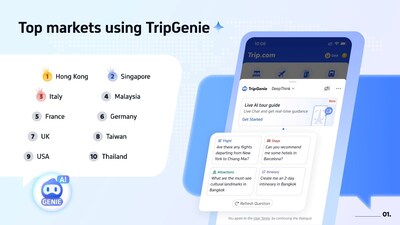
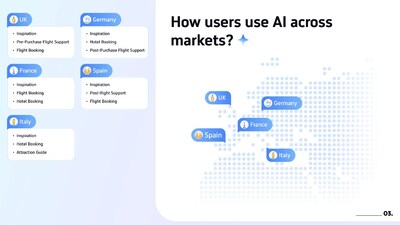
AI usage shows that planning rhythms vary significantly by market, reflecting unique travel behaviours. For instance, travellers from Hong Kong, Singapore, Malaysia, Italy and France use AI the most during their travel experience.


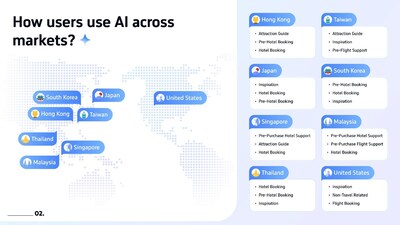
Data shows that travellers in highly connected, short-haul travel markets tend to interact with TripGenie more often per trip, relying on it as a real-time decision-making partner. This includes pre-hotel bookings, attraction guides, and in-destination inspiration, reflecting the fast-paced travel styles seen in markets like Hong Kong, Singapore and Malaysia.


In contrast, travellers in parts of Europe and North America typically engage AI earlier in the planning cycle. In markets such as Germany and the United Kingdom, planning windows are longer and more deliberate, with travellers consulting TripGenie weeks in advance. Most of these inquiries are for flight and hotel products, helping to reduce risk and provide reassurance before booking. 


Decision speed also varies sharply. For example, travellers in South Korea and Taiwan often finalise hotel bookings just days before departure, with AI supporting decisions surrounding location and nearby amenities. While a general trend across Asia, Japan is an exception, with travellers typically booking accommodation weeks in advance, reflecting a preference for certainty and early confirmation.

Southern European markets such as Italy, France and Spain sit between these two ends of the spectrum, displaying moderately spontaneous booking behaviours.

Using AI across the Travel Journey

Travellers increasingly use AI across multiple stages of their journey, with TripGenie data showing that users are moving from broad exploratory questions to focused booking and itinerary-related decisions, signalling that AI is becoming an integral part of travel planning.

TripGenie AI-assisted order volume on Trip.com increased by around 400% year-on-year, indicating a deeper reliance on AI for inspiration and bookings.

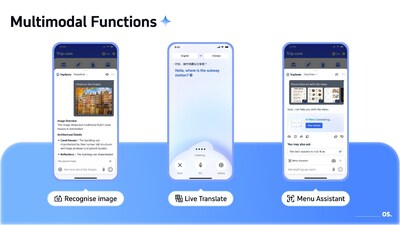
Use of core TripGenie tools, such as hotel comparison, menu assistance, and live translation, increased by around 300% year-on-year, signalling that travellers now use AI as a reliable tool across a trip, rather than a one-off search feature.


Moreover, pre- and post-sales service inquiries now account for around a quarter of all interactions. Travellers are increasingly comfortable relying on TripGenie to handle nuanced, real-world scenarios, from itinerary changes to in-destination questions.

AI: A Trusty Guide for Smart Decisions

As travel decisions become more complex, AI helps travellers reduce uncertainty at every step, from exploring options and asking questions to choosing with confidence.

Nearly 60% of TripGenie interactions are now booking-related, spanning hotels, flights and attractions. Travellers frequently ask practical questions to seek reassurance: Does this hotel meet their needs? Is the location safe? Does this travel policy apply?

Moreover, beyond conversational interaction, users also progress to compare travel options, such as TripGenie’s hotel comparison feature, which streamlines the process and reduces the number of clicks needed by 80%, and fosters higher engagement with a 45% increase in 7-day AI revisit rates.

How Travellers Use AI Across Key Travel Products

When it comes to travel, three basic things are needed: a flight, somewhere to stay and something to see. But how AI is used across these products differs greatly.

Flights: AI has become a useful tool to clarify concerns. Over half of travellers frequently consult AI to confirm lounge eligibility, baggage rules and premium services before booking. This is because such information is often scattered across airline websites, credit card terms and fine print, making it time-consuming to interpret without AI assistance.

Accommodation: AI reduces risk by verifying facilities, distances and suitability across a wide range of accommodation types. Among users who used TripGenie’s hotel comparison tools, over half selected a hotel that directly matched the AI’s recommendation. By allowing travellers to quickly confirm policies and property details that would otherwise require cross-checking multiple sources or contacting hotels directly, AI helps reduce booking uncertainty.

Attractions: Attractions-related queries are increasingly centred on cultural moments, unique experiences, and overall tourist value. Many turn to AI for real-time inspiration, asking what to do today, which experiences are worth their time, or how to explore a destination like a local. This reflects AI’s strength in providing contextual and narrative-driven insights, helping travellers understand the cultural meaning and experiential value behind attractions

Beyond Text: The Rise of Multimodal AI Travel

As travel unfolds in real time, travellers are increasingly engaging with TripGenie beyond text alone. Globally, a growing share of users now upload images to support their queries, from menus and street signs to landmarks, hotel rooms and transport information. Revisit rates among these users remain high, with a 7-day revisit rate twice that of the platform as a whole.


This shift reflects how travellers experience the world: visually, intuitively and often in unfamiliar environments. Notably, users who engage with image-based interactions show significantly higher short-term revisit rates than the platform average, signalling strong satisfaction and deeper trust.

Despite different use patterns, one thing remains consistent: across markets, TripGenie supports local travel behaviour rather than reshaping it. Whether supporting long-term planners or last-minute decision-makers, Trip.com’s AI adapts seamlessly across the travel journey, reinforcing its position as a globally available yet locally nuanced travel companion.

(end)

About Trip.com

Trip.com is an international one-stop travel service provider, available in 24 languages across 39 countries and regions in 35 local currencies. Offering an extensive hotel and flight network of more than 1.5 million hotels and flights from over 640 airlines, along with over 300,000 attraction and tour products, Trip.com covers 3,400 airports in 220 countries and regions. Trip.com‘s world-class 24/7 multilingual customer service helps to ‘create the best travel experience’ for its millions of customers worldwide. To book your next trip, visit Trip.com.