Home Blog Page 6146

The New Moon: A New Platform Celebrating A Discerning Approach To Wellness Rituals

A sophisticated, minimalist edit of objects to enhance home and self-care rituals, coupled with a focused content offering that delves into contemporary wellness culture


HONG KONG SAR – Media OutReach – 24 March 2021 – The New Moon is a new retail and content platform. The distinctive online space seeks to bring a sense of luxury and avant-garde style to the world of wellness, with an succinct edit of products chosen as much for form as function.

The New Moon’s edits can guide you in selecting the correct gift for the modern mystic in your life

The New Moon’s curated boutique presents the items that become an indispensable part of any wellness journey; objects that are minimalist and luxurious, selected to elevate the home while bringing forth positive energy through the principles of good design. The approach further extends from the tangible to the intangible – through an explorative editorial platform, The New Moon will also investigate wellness practices through the eyes of healers, practitioners, industry luminaries and real women.

As the founder of an interior design firm, Kaye Dong was driven to create The New Moon after noticing a dearth of design-driven home-rituals items that added visual gratification to her home altar, deciding to pull together an edit of sophisticated objects that unite form, function and the flow of energy. These range from diffusers and incense burners to healing crystals, as well as an inspiring selection of books that cover a variety of wellness topics, from moon bathing to astrology, mindfulness to slow living, all selected with a highly discerning eye.

BRANDS

Many of the brands found on The New Moon are conceived with passion and intention from creatives whose imagination crosses disciplines, or artisans who are influenced by other fields.

Left to right: Hyssop Concrete Dome Diffuser by Photogenics + Co., Circa Mineral Incense Burner by Cinnamon Projects; Cubic Oil Burner by Addition Studio

The line-up includes minimal yet subversive diffusers and scented products by LA-based model agency Photogenics + Co.; geometrically riveting incense stands by branding firm Cinnamon Projects; Brutalist, sculptural stone aromatherapy burners by furniture designer Addition Studio; and a series of ornate, gilded nesting bowls by ceramicist Christina Liu that have been custom created for The New Moon.

OUR EDIT

The New Moon has created an edit of gifting suggestions that follow themes relevant to the modern urban sophisticate.

And a little extra zen is surely welcome in every household. Aromatherapy and crystals that promote relaxation are a perenial good choice – we recommend kyanite or the more unusual black amethyst, and oils such as Japanese scent specialist @aroma’s For Rose Dream to assist in easy slumber.

Those who need a little bit of luck in love will feel an immediate connection to spodumene kunzite, a healing crystal that allows its recipient to accept love, from others as well as the self. For daily confidence and guidance, using the beautifully illustrated Inner Compass Cards is a reassuring way to start every day with a positive attitude to manifest love.

Grounding is also of great importance, in order to set strong foundations and achieve goals. Stone aromatherapy burners from Addition Studio have a natural grounding effect, while stones such as black tourmaline can assist in connecting to the earth. Bodha’s Vibration Perfume No. 1 plunges the olfactory sense into a stable, natural environment.

With the trials and tribulations of 2020, cleansing rituals are of particular importance to clear negative energies, leaving room to usher in positivity and new beginnings. Our palo santo is larger than the average, with more oils infused into each stick, making for a more fragrant session. Besides clear quartz, stones such as vivianite, hematite and glass fluorite also have natural cleansing abilities.

Website: http://thenewmoon.com

Instagram: thenewmoon

Please download high-resolution images here.

Technology for Change Week Asia highlights the need to close the gaps in digital inclusivity across the region

A virtual week exploring the issues affecting over 5 billion citizens in Asia – the built environment, access to education and reskilling, and food security.


HONG KONG SAR – Media OutReach – 24 March 2021 – The Economist Events hosted its inaugural Technology for Change Week Asia virtually on March 8th-12th 2021. The event brought together more than 70 cross-industry expert speakers and 1,800 delegates from both private and public sectors to discuss how technology and data-driven solutions can ensure that no adult or child is left behind in an increasingly digital world.

The virtual week kicked off with a live ministerial keynote to discuss how territories in Asia can strive to be regional and global leaders in driving connectivity and digital inclusivity. S. Iswaran, Minister of communications and information, Minister-in-charge of trade relations, Republic of Singapore shared:

“Digitalisation is a means to an end, and therefore, by digital inclusion, what we [Singapore] mean is every citizen and member of society must feel that they have a place in this digital economy and they stand to benefit. If you are an SME owner, this is not just a play for the big boys, you too can benefit and in fact digitalisation is a great democratiser of the economy, creating fantastic new opportunities to access the market.”

Echoing Minister Iswaran later in the day, Dan Neary, Vice-president, Asia-Pacific, Facebook commented: “In early stages, while many think SMEs will be disproportionately impacted by the pandemic in a negative sense due to lack of resources, what we are seeing is while catastrophic impact has been serious, the pivot to digital transformation is more pronounced among the SMEs than their global counterpart, which is inspirational.”

The second day of the event welcomed Audrey Tang, digital minister, Taiwan. Expressing her excitement for the future of Taiwan in co-creating social innovation with citizens, she shared:

“My hope is that more people will see democracy as a type of technology, a social technology that improves beyond just each person contributing through this every 4 year [the election], and can contribute at a much higher bit-rate of democracy using the day-to-day democratic participation as we have been deploying.”

The week also touched on digital education. On day three, Nadiem Makarim, Minister of education and culture, Republic of Indonesia highlighted that the limits of technology in education has never been so strongly proven than through the pandemic:

“The science and research disprove the wish that AI could solve the issues we are facing in education. The emotional and physical presence of adult as mentor within a face-to-face interaction in the classroom is mission critical, and therefore the most important impact of technology has got to be enhancing and empowering the capability every teacher, principal and parent to be able to learn what it means to be a facilitator in the learning of a child.”

The full week of discussions came to an exciting conclusion with a live Q&A featuring questions from the audience to speakers from WWF, social sentiment analyst BrandsEye, decentralized AI network SingularityNET, and the National University of Singapore. The day was then concluded by Jason Wincuinas, senior editor, thought leadership Asia, The Economist Intelligence Unit’s remark: “The major headwinds of gaps in connectivity, digital inclusivity and digital fluency have been highlighted and need to be closed through proactive collaboration between public and private sectors”.

Key topics addressed at this year’s event were:

  • Is technology a force for good?
  • The gaps in digital inclusivity, digital fluency and connectivity
  • How best to foster the ethical adoption of digital platforms
  • How to implement shared values and authentic sustainability initiatives in organisations
  • Where impact and ESG investment is most needed

Chaired by The Economist Group’s editors, the event featured industry expert speakers including:

  • S. Iswaran, Minister of communications and information, Minister-in-charge of trade relations, Republic of Singapore
  • Audrey Tang, Digital minister, Taiwan
  • Nadiem Makarim, Minister of education and culture, Republic of Indonesia
  • Taesik Yoon, Deputy Minister, International Affairs, Ministry of Economy and Finance, Republic of Korea
  • Lew Chuen Hong, Chief executive, Infocomm Media Development Authority Singapore
  • Krittee Manoleehagul, Managing director, Tencent Thailand and General manager, Tencent International Business Group
  • Tim Minahan, Executive vice president, business strategy and chief marketing officer, Citrix
  • Dan Neary, Vice-president, Asia-Pacific, Facebook
  • Oliver Tonby, Chairman, Asia, McKinsey & Company
  • Mario Knoepfel, Head, Sustainable Investing Advisory, Asia-Pacific, UBS Global Wealth Management
  • Michele Lemmens, Head of business sustainability and Chief technology officer, Asia-Pacific, Tata Consultancy Services

and many more

View the final agenda.

Technology for Change Week Asia is supported by McKinsey & Company, Asian Development Bank, Citrix, Kearey, NEC, Tata Consultancy Services, Tencent and Infocomm Media Development Authority.

On-demand access to Technology for Change Week Asia is available. For online registration and event details, please visit the website: techforchange.economist.com

To engage with Technology for Change Week Asia on social media, use #EconTechForChange in your conversations and follow @EconomistEvents.

About The Economist Events

We gather the world’s top thinkers to build insights and exchange views on the issues that define our world. With a uniquely global perspective, we create over 100 unusually high-level and engaging live and virtual events each year. Our aim is to bring clarity to complex problems, inspire ideas and help our audiences make better decisions.

Visit events.economist.com for more information.

About McKinsey & Company

We help organizations across the private, public, and social sectors create the Change that Matters most to them. From the C-suite to the front line, we partner with our clients to transform their organizations, embed technology into everything they do, and build enduring capabilities. With exceptional people in 65 countries, we combine global expertise and local insight to help you turn your ambitious goals into reality. For more information, visit www.mckinsey.com/business-functions/operations/how-we-help-clients/service-operations

About Asian Development Bank

ADB is committed to achieving a prosperous, inclusive, resilient, and sustainable Asia and the Pacific, while sustaining its efforts to eradicate extreme poverty. Established in 1966, it is owned by 68 members—49 from the region. Its main instruments for helping its developing member countries are policy dialogue, loans, equity investments, guarantees, grants, and technical assistance. For more information, visit www.adb.org

About Citrix

Citrix builds the secure, unified digital workspace technology that helps organizations unlock human potential and deliver a consistent workspace experience wherever work needs to get done. With Citrix, users get a seamless work experience and IT has a unified platform to secure, manage, and monitor diverse technologies in complex cloud environments. For more information, please visit www.citrix.com

About Kearney

As a global consulting partnership specializing in strategic operations and transformation across industries in more than 40 countries, our people make us who we are. We’re individuals who take as much joy from those we work with as the work itself. Driven to be the difference between a big idea and making it happen, we help our clients break through. Visit www.kearney.com.

About NEC

NEC Corporation has established itself as a leader in the integration of IT and network technologies while promoting the brand statement of “Orchestrating a brighter world.” NEC enables businesses and communities to adapt to rapid changes taking place in both society and the market as it provides for the social values of safety, security, fairness and efficiency to promote a more sustainable world where everyone has the chance to reach their full potential. For more information, visit NEC at www.nec.com.

About Tata Consultancy Services

Tata Consultancy Services is an IT services, consulting and business solutions organization that has been partnering with many of the world’s largest businesses in their transformation journeys for over 50 years. A part of the Tata group, India’s largest multinational business group, TCS has over 443,000 of the world’s best-trained consultants in 46 countries. The company generated consolidated revenues of US $22 billion in the fiscal year ended March 31, 2020, and is listed on the BSE (formerly Bombay Stock Exchange) and the NSE (National Stock Exchange) in India. TCS’ proactive stance on climate change and award-winning work with communities across the world have earned it a place in leading sustainability indices such as the Dow Jones Sustainability Index (DJSI), MSCI Global Sustainability Index and the FTSE4Good Emerging Index. For more information, visit us at www.tcs.com

About Tencent

Tencent is a global company that uses technology to enrich the lives of internet users and assist in the digital transformation of industries through its diverse list of products and services. The company stands by its vision and mission of “Value for Users, Tech for Good” and aims to promote technological innovation and cultural vitality to help industries digitally upgrade and collaborate towards sustainable development of society. Shares of Tencent (00700.HK) are listed on the Main Board of the Stock Exchange of Hong Kong. For more information, visit www.tencent.com

About Infocomm Media Development Authority

The Infocomm Media Development Authority (IMDA) leads Singapore’s digital transformation with infocomm media. To do this, IMDA will develop a dynamic digital economy and a cohesive digital society, driven by an exceptional infocomm media (ICM) ecosystem – by developing talent, strengthening business capabilities, and enhancing Singapore’s ICM infrastructure. IMDA also regulates the telecommunications and media sectors to safeguard consumer interests while fostering a pro-business environment, and enhances Singapore’s data protection regime through the Personal Data Protection Commission. For more news and information, visit www.imda.gov.sg or follow IMDA on Facebook IMDAsg and Twitter @IMDAsg.

Huntkey Releases 20W Mini PD Charger

SHENZHEN, CHINA – Media OutReach – 24 March 2021 – Huntkey, a leading provider of power solutions, has recently released its new smart phone charger – the 20W Mini PD Charger. It is equipped with one USB-C charging port to deliver fast charging speeds.

The charger provides optional charging outputs including 5V3A and 9V2.22A according to the charging device. It is well-suited for iPhone 8 or later models. According to lab testing results, it is able to charge an iPhone 12 to 50% within 30 minutes when it is paired with a Huntkey MFI-certified cable.

It is compatible with PD3.0 charging protocol to intelligently charge a smart phone with a fastest possible charging speed. Apart from iPhones, it will be also fit for other brands of smart phones, and even tablets. To ensure charging safety, it provides 5 different charging protections – Over Current Protection, Over Voltage Protection, Over Heat Protection, Over Charging Protection and Short Circuit Protection.

It’s stylish and designed like a mini cube, measuring a dimension of 30*30*30mm, which is smaller than the iPhone’s original chargers. It features a 2-pin plug and supports 100-240V input power, meaning it can be directly used in many countries apart from Vietnam. For more information, please visit: https://en.huntkey.com/product/20w-usb-c/

About Huntkey

Founded in 1995, Huntkey is a leading provider of PC power supplies, power strips, surge protectors, laptop adapters, phone chargers, monitors and air purifiers. Huntkey is an Asia renowned brand, a member of The International Power Supply Manufacturer’s Association (PSMA) and China Power Supply Society (CPSS). Including three total nearly 1,000,000 square meters industrial parks, Huntkey is one of the most famous brands and largest companies in mainland China. It is headquartered in Shenzhen, with branch companies in the US, Japan and Hong Kong, and with cooperating factories in Vietnam, Brazil, Argentina and India.

In 2020, Huntkey introduces its latest photocatalyst air purifier – the desktop air purifier globally. The desktop air purifier is designed portable and can efficiently remove chemical vapors, odors, haze particles, and many more air pollutants. Check them out via: https://en.huntkey.com/products/air-purifiers/

Allianz: Companies Need to Prepare for More Political Disturbances and Violence Ahead

  • Significant increase in the number of riots, demonstrations and vandalism, as terrorism events decline, means civil unrest is now the main political risk exposure for companies, resulting in significant losses and insurance claims.
  • Impact of political violence can cause business disruption beyond physical property damage. Covid-19 pandemic is likely to fuel further disturbances.
  • Business continuity planning needs to explicitly address civil unrest, particularly in exposed sectors such as retail.
  • AGCS sees increasing interest in specialist political violence cover to mitigate risks.

JOHANNESBURG/LONDON/MUNICH/NEW YORK/PARIS/SAO PAULO/SINGAPORE – Media OutReach – 24 March 2021 – Anti-lockdown demonstrations in Germany, “Black Lives Matter” protests in the US or arson attacks on cell phone towers in the UK: Damages, disturbances and, ultimately, losses from riots, protests, vandalism or other forms of civil unrest are now among the main political risk exposure for companies, with the ongoing impact of the Covid-19 pandemic likely to drive further activity, according to the latest issue of Global Risk Dialogue from Allianz Global Corporate & Specialty (AGCS). Business continuity planning needs to proactively address political violence risks, particularly in highly-exposed sectors such as retail.

“Fortunately, large scale terrorism events have declined drastically in the last five years. However, the number, scale and duration of riots and protests in the last two years is staggering and we have seen businesses suffering significant losses,” says Bjoern Reusswig, Head of Global Political Violence and Hostile Environment Solutions at AGCS. “Civil unrest has soared, driven by protests on issues ranging from economic hardship to police brutality which have affected citizens around the world. And the impact of the Covid-19 pandemic is making things worse – with little sign of an end to the economic downturn in sight, the number of protests is likely to continue climbing.”

Civil unrest as a key business risk

Causing physical damage, business interruption or loss of revenues, civil unrest incidents are becoming a more significant risk for companies in the current environment, as reflected in the findings of the Allianz Risk Barometer 2021. In the annual global risk survey, ‘political risks and violence’ returned to the top 10 risks for the first time since 2018. This risk trend is supported by recent research findings which predict the ranks of global protesters to swell over the next two years: Verisk Maplecroft, a research firm specializing in global risk analytics, expects 75 countries to experience an increase in protests by late 2022. Of these, more than 30 – largely in Europe and the Americas – will likely see significant activity. Political violence also caused significant insurance claims in 2020. While the protests, following the death of George Floyd at the hands of the Minneapolis police, which occurred in 140 US cities over the spring, were mostly peaceful, the arson, vandalism and looting that did occur will cost the insurance industry at least US$1bn to $2bn in claims, according to Axios.

Businesses do not have to be direct victims of civil unrest to suffer financial losses. Revenues can suffer if the surrounding area is cordoned off for a prolonged time or while infrastructure is repaired to allow reentry of customers, vendors and suppliers. For example, during the “yellow vest” demonstrations, shops along the Champs-Élysées in Paris were looted and heavily damaged, which drove customers away. After only a few weeks of demonstrations, the French retail federation reported that retailers nationally had lost $1.1bn in revenue.

Covid-19 pandemic likely to fuel further violence

The Covid-19 pandemic is a key driver behind the rise of civil unrest as it has both magnified underlying long-standing grievances and given them a focal point. The pandemic has negatively affected political stability, increasing polarization and bringing into sharp relief issues surrounding equality, worsening labor conditions and civil rights.

“Unfortunately, the risk of riots and violence is likely to become more acute because of Covid-19,” says Michael Stone, a risk consultant for AGCS North America. “The measures governments have used to combat the coronavirus have had a significant socioeconomic impact and frustration is growing in large population segments. The impact is particularly evident in the US, where the social safety net is not as comprehensive as elsewhere. People are concerned. Job, health and income security are all gone. They’re more likely to demonstrate and have a shorter fuse, so it isn’t surprising that anti-lockdown demonstrations can turn violent.”

The fact that the pandemic has enabled conspiracy theories to flourish among sections of population also prepares the ground for future turbulence – and even physical damage in some cases, according to Reusswig. One theory that baselessly links 5G technology with the coronavirus resulted in a series of arson attacks on cell phone towers in the UK and other European countries.

Growing need for business continuity planning

Preparation against political violence risks is key – in particular for exposed sectors such as retail. During two days of “Black Lives Matter” demonstrations in late May in Chicago, almost every storefront on Michigan Avenue, which includes the “Magnificent Mile” shopping district, sustained damage. Businesses need to review their business continuity plans (BCP). Typically, these only focus on national catastrophes, but there is a growing need for BCPs to address political disturbances and other types of disruption like cyber incidents. Having defined, and tested, procedures in place is crucial – these should focus on staff, clients and include general communication and social media plans.

Companies should also review their insurance policies. Property policies may cover political violence claims in some cases but insurers also offer specialist coverage to mitigate the impact of strikes, riots and civil commotion via the specialist political violence market. “Previously this coverage was seen as a ‘nice to have’ for clients and ‘nothing to be overly concerned about’ by insurers. However, this has changed since 2018, as both the frequency and severity of these events has increased significantly. We see growing interest and demand for political violence covers from companies,” says Reusswig.

About Allianz Global Corporate & Specialty

Allianz Global Corporate & Specialty (AGCS) is a leading global corporate insurance carrier and a key business unit of Allianz Group. We provide risk consultancy, Property-Casualty insurance solutions and alternative risk transfer for a wide spectrum of commercial, corporate and specialty risks across 10 dedicated lines of business.

Our customers are as diverse as business can be, ranging from Fortune Global 500 companies to small businesses, and private individuals. Among them are not only the world’s largest consumer brands, tech companies and the global aviation and shipping industry, but also satellite operators or Hollywood film productions. They all look to AGCS for smart answers to their largest and most complex risks in a dynamic, multinational business environment and trust us to deliver an outstanding claims experience.

Worldwide, AGCS operates with its own teams in 31 countries and through the Allianz Group network and partners in over 200 countries and territories, employing over 4,400 people. As one of the largest Property-Casualty units of Allianz Group, we are backed by strong and stable financial ratings. In 2020, AGCS generated a total of €9.3 billion gross premium globally.

www.agcs.allianz.com

Cautionary Note Regarding Forward-Looking Statements

The statements contained herein may include statements of future expectations and other forward-looking statements that are based on management’s current views and assumptions and involve known and unknown risks and uncertainties that could cause actual results, performance or events to differ materially from those expressed or implied in such statements. In addition to statements which are forward-looking by reason of context, the words “may”, “will”, “should”, “expects”, “plans”, “intends”, “anticipates”, “believes”, “estimates”, “predicts”, “potential”, or “continue” and similar expressions identify forward-looking statements.

Actual results, performance or events may differ materially from those in such statements due to, without limitation, (i) general economic conditions, including in particular economic conditions in the Allianz Group’s core business and core markets, (ii) performance of financial markets, including emerging markets, and including market volatility, liquidity and credit events (iii) the frequency and severity of insured loss events, including from natural catastrophes and including the development of loss expenses, (iv) mortality and morbidity levels and trends, (v) persistency levels, (vi) the extent of credit defaults, (vii) interest rate levels, (viii) currency exchange rates including the Euro/U.S. Dollar exchange rate, (ix) changing levels of competition, (x) changes in laws and regulations, including monetary convergence and the European Monetary Union, (xi) changes in the policies of central banks and/or foreign governments, (xii) the impact of acquisitions, including related integration issues, (xiii) reorganization measures, and (xiv) general competitive factors, in each case on a local, regional, national and/or global basis. Many of these factors may be more likely to occur, or more pronounced, as a result of terrorist activities and their consequences.

The matters discussed herein may also be affected by risks and uncertainties described from time to time in Allianz SE’s filings with the U.S. Securities and Exchange Commission. The company assumes no obligation to update any forward-looking statement.

Laos Only ASEAN Country With Zero Covid Deaths

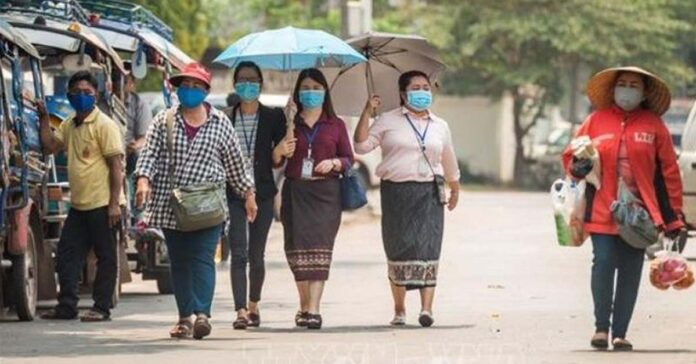
Lao People in Face Masks to Prevent Covid-19 in Laos

Laos has become the only country in ASEAN with zero deaths attributed to the Covid-19 coronavirus.

New Prime Minister To Address Seven Urgent Issues in Laos

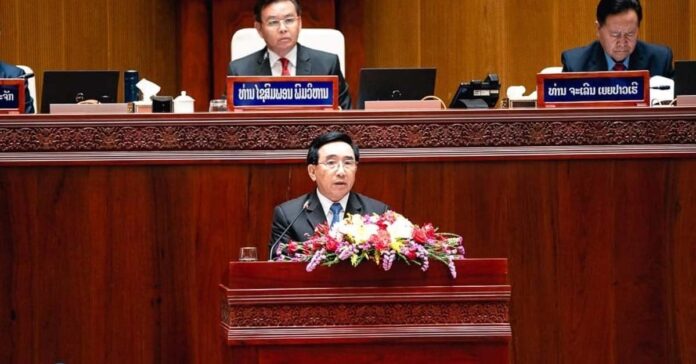
Prime Minister Phankham Viphavanh to Address Seven Issues in Laos
Prime Minister Phankham Viphavanh to address seven major issues.

Newly-elected Prime Minister Phankham Viphavanh has raised seven urgent issues that his government will address over the next five years.

SUMMIT ASCENT HOLDINGS LIMITED REPORTS 2H & ANNUAL 2020 RESULTS

SUNCITY BECAME SUMMIT ASCENT’S PARENT COMPANY TdC ADJUSTED EBITDA TURNED POSITIVE IN 2H 2020 AS A RESULT OF SOLID LOCAL RUSSIAN BUSINESSES IN MASS & ELECTRONIC GAMING DIVERSIFY INTO THE PHILIPPINES


HONG KONG SAR – Media OutReach – 23 March 2021 – SUMMIT ASCENT HOLDINGS LIMITED (“Summit Ascent”, the “Group” or “Company”) (Hong Kong Stock Exchange code: 102) today reported results for the six months and twelve-month periods for the year ended 31 December 2020. All amounts are expressed in HKD unless otherwise stated.

2H & FULL YEAR ANNUAL 2020 RESULTS HIGHLIGHTS:

Summit Ascent: Suncity has Every Reason to Back Up Summit Ascent as Suncity is now the Parent Company of Summit Ascent

  • Summit Ascent became a subsidiary of Suncity Group Holdings Limited (“Suncity”, HKEx: 1383) since October 2020, and Suncity is dedicated to help Summit Ascent’s businesses as Suncity now owns 69.66% of Summit Ascent
  • Summit Ascent increased holdings of Tigre de Cristal to approximately 77.5%, from previously 60% since November 2020
  • Full Year Group Total Revenue of HK$211.2 million, down 60% year-on-year
  • Full Year Profit Attributable to Owners of the Company of HK$10.0 million, down 88% year-on-year

Tigre de Cristal: Solid Local Mass & Electronic Gaming Businesses when Borders were Closed; Adjusted EBITDA Turned Positive in 2H 2020; Cost-Cutting Initiative in Place

  • Tigre de Cristal recorded a decent recovery in mass and electronic gaming businesses in 2H
  • Full Year Net Revenue from gaming operations of HK$202.9 million, down 58% year-on-year
  • Full Year Total Gross Gaming Revenue (“GGR”) of HK$249.7 million, down 69% year-on-year
  • Full Year negative Adjusted EBITDA of HK$14.7 million, compared to a positive Adjusted EBITDA of HK$214.8 million in 2019
  • 2H Adjusted EBITDA of HK$7.4 million, down 93% year-on-year and turned from negative Adjusted EBITDA of HK$22.1 million in 1H to positive
  • Average Hotel occupancy was 12% during weekends and 19% during weekdays in 2020

Balance Sheet: Solid and Liquid Balance Sheet; Zero Gearing

  • As at 31 December 2020, bank balances and cash were at HK$1,562.3 million
  • The Group had no outstanding bank borrowing throughout the year; Gearing ratio was 0%

2H & FULL YEAR ANNUAL 2020 RESULTS HIGHLIGHTS (cont’d):

Development Update: Tigre de Cristal Phase I upgrade ready; Phase II Planning & Design on its Way; Diversifying into the Philippines

  • Tigre de Cristal Phase I upgrade ready – Brand-new Suncity VIP room, restaurants and a new private club are now ready;
  • Phase II planning & design on its way – minor delays due to COVID-19; Continue development works with Phase II
  • Diversifying into the Philippines – Invest in one of the fastest -growing Asian gaming jurisdictions in Asia, the Philippines, through the investment in 6% coupon convertible bonds in SunTrust

A Letter from Mr. Chau Cheok Wa, Chairman

Dear fellow Summit Ascent shareholders,

COVID-19 has undoubtedly been the biggest disruptor to our business when a number of governments have issued entry restrictions, visa suspensions and quarantine measures for travellers and Tigre de Cristal was required to suspend its operation temporarily for almost 4 months last year. 2020 was far from perfect, yet, I am grateful to the Russian government’s swift and decisive actions taken to protect the citizens during the pandemic. I could not have expressed my gratitude enough for the joint efforts of the Russian government, the local Primorsky Krai government, the medical and research staff as well as the citizens of Vladivostok, who cooperated to comply with the hygiene and anti-epidemic measures. Without them, Tigre de Cristal would not have been allowed to resume operation in July 2020. Safety is of paramount importance to us, and we will deliver all necessary precautionary measures recommended by the authorities to ensure a worry-free entertainment experience for our guests.

Amidst the doom and gloom, we remain focused on executing operationally while vigorously managing our costs. Since the implementation of the Group-wide cost-cutting initiative, we have realised savings without significantly impacting our service quality or making large scale redundancies. While Tigre de Cristal delivered a full-year negative Adjusted EBITDA of HK$14.7 million in 2020, I am glad to report a silver lining – Since the reopening in mid-July, not only did Tigre de Cristal manage to breakeven on a month-on-month basis, it also delivered a positive Adjusted EBITDA in the second half of 2020, thanks to strong local demand for high-quality entertainment and hospitality services. Electronic gaming and mass table volumes have almost returned to the pre-pandemic levels, a testament that confirms my belief that Summit Ascent is worth investing for the long-term because Tigre de Cristal is an integrated resort well-loved by both local Russians and tourists. In addition, I am also pleased to report a Net Profit Attributable to Owners of the Company of HK$10.0 million, though primarily non-cash in nature, it sets a good start for Summit Ascent’s future development.

Since October 2020, Summit Ascent became a subsidiary of Suncity Group Holdings Limited (“Suncity”, stock code: 1383), which holds approximately 69.66% of Summit Ascent. Now being the parent company, Suncity has every reason to back up Summit Ascent to ensure that it can leverage on the resources under the Suncity umbrella. I am also pleased to announce that a new Direct VIP business will be set up, tapping into the nearby Korean, Japanese and Southeast Asian markets. On one hand, this new business could help Summit Ascent achieve vertical integration, a move to boost returns in the high-roller market. On the other hand, Summit Ascent is backed by a team of sophisticated professionals with years of experiences in the gaming sector that lends a helping hand on credit risk management.

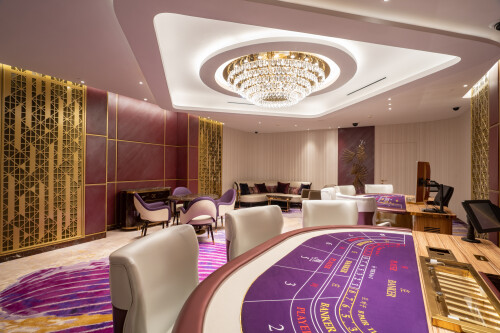
Though the Tigre de Cristal Phase II development progress has been inevitably affected by the COVID-19 outbreak, our team is busy working together to reimagine the brand-new, awe-inspiring Phase II. Not only will Phase II triple the number of the existing hotel rooms and double the number of its existing gaming facilities, it will also encompass novel non-gaming entertainment ideas such as a state-of-the-art heated swimming pool allowing indoor pool-side parties with virtual reality and e-sports concepts to happen all-year-round. Guests will also be treated with the finest wine and European cuisine, fusing with Asian favourites that our Asian guests love best. Together, we will make Tigre de Cristal the shiniest gem in North Asia yet to be uncovered.

Geopolitically, I am pleased to see that the Russian and the Chinese governments continue to maintain sublime business relationships – the Belt and Road Initiative, the Siberia Gas Pipeline Project, the Eurasian High-Speed Railway as well as the Russian government’s direction to set up Vladivostok as the Northeast Asian hub, all of these have created unprecedented favourable business environment for Summit Ascent. Through unfaltering commitment to develop future phases of Tigre de Cristal, we fully endorse the Russian government’s ambition to create an iconic tourist destination in the Far East whilst creating thousands of new jobs in the region.

I am also thrilled to introduce the opportunity for Summit Ascent to diversify and participate in the development of another fast-growing gaming jurisdiction in Asia, through the investment of convertible bonds in a 51%-owned subsidiary of Suncity, Suntrust Home Developers, Inc. (“SunTrust”), where Summit Ascent may have the option to become a direct shareholder of SunTrust when the Westside City Project in the Philippines comes to fruition. Westside City Project will be the unequalled integrated resort in Manila in terms of its design, scale and connectivity throughout the entire Entertainment City. Tigre de Cristal in North Asia, together with Suncity’s other strategic investments in integrated resorts in South and Southeast Asia, form a portfolio of integrated resorts in alliance. All eyes await when the international borders may reopen, as I am confident that with Suncity chipping in, Tigre de Cristal will leap like a tiger and dazzle a crystal in the near future.

Finally, I would like to extend my gratitude to our Russian team, our Hong Kong team, our directors, our staff, our shareholders, our suppliers, our investment partners and our customers for going through a tough 2020. We are prepared to ride the tide together, forging ahead for many more years to come.

Mr. Alvin Chau Cheok Wa

Chairman

SUMMIT ASCENT HOLDINGS LIMITED

Hong Kong, 23 March 2021

Market Review

In Russia, the Russian Federal Government stopped all tourist arrivals from 16 March 2020[1] with limited international flights resumed only until July. The issuance of tourist visas, including visas in the form of an electronic document, has also been temporarily suspended. Until December, borders were open to only 14 countries. All non-essential businesses were mandated to close from 28 March 2020 and were allowed to be reopened gradually later. Russia’s GDP declined by 3.1%[2] year-on-year in 2020. Net inflows of foreign direct investment (FDI) was US$1.4 billion in 2020, down 95% year-on-year. In 2020, total tourism arrivals in Primorye decreased 86% year-on-year to 132,228[3]. The Russian Federation has begun COVID-19 vaccinations in Moscow in December 2020, and has already approved mass use in other cities including Vladivostok, where Tigre de Cristal is located.

Group Financial Results

Revenue and Segment Reporting

The Group operates only in one operating and reportable segment, i.e. the gaming and hotel operations in the IEZ Primorye of the Russian Far East. Almost all non-current assets of the Group are located in the Russian Federation. Accordingly, the Group does not present separate segment information other than entity-wide disclosures.

Revenue of the Group, comprising revenue from gaming operations and hotel operations, was HK$211.2 million in 2020, down 60% compared to HK$532.8 million in 2019. Such decline was primarily due to the temporary suspension of the gaming operations of Tigre de Cristal in the second quarter of 2020 and the number of foreigners visiting our property plummeted after governments of various countries have issued travel restrictions, visa suspensions and quarantine measures for travellers due to the COVID-19 pandemic.

Adjusted EBITDA of Tigre de Cristal

Adjusted EBITDA generated by Oriental Regent, a 77.5% owned subsidiary of the Company operating our integrated resort in the Russian Far East, Tigre de Cristal, is used by management as the primary measure of operating performance of our gaming and hotel operations, which is a non-IFRS financial measure and defined by the Company as Earnings Before Interest, Income Tax, Depreciation and Amortization, and excluding Company corporate expenses and the non-cash items such as unrealized exchange differences and fair value gains or losses on financial instruments.

In the first half of 2020, the Group recorded a negative Adjusted EBITDA of HK$22.1 million, mainly due to the temporary suspension of operations of Tigre de Cristal from 28 March 2020. In the second half of 2020, Tigre de Cristal reported a turnaround after its resumption of operations on 16 July 2020 and generated a positive Adjusted EBIDTA of HK$7.4 million, which offsetting partially the negative figure in the first half year and resulting in a negative Adjusted EBITDA of HK$14.7 million for the full year 2020.

Gaming Operations

Tigre de Cristal recorded Gross Gaming Revenue of HK$249.7 million in 2020, down 69% year-on-year. Our Gross Gaming Revenue (“GGR”), represented the amount of money players wagered minus the winning payouts to them, before commissions rebated, discounted or complimentary products and services provided and redeemable points earned under the loyalty programs, consisted of the following:

Share of

Share of

2020

HK$’000

GGR

%

2019

HK$’000

GGR

%

Rolling chip business

52,171

20.9%

441,260

54.2%

Mass table business

92,679

37.1%

185,145

22.7%

Electronic gaming business

104,886

42.0%

188,290

23.1%

Total GGR

249,736

100.0%

814,695

100.0%

Rolling chip business

Our rolling chip business primarily targets foreign players. The table below sets forth the key performance indicators of our rolling chip business in 2020 on a quarterly basis.

(HK$’million)

Q1 2020

Q2 2020

Q3 2020

Q4 2020

FY2020

FY2019

Rolling chip volume

1,167

25

100

63

1,355

15,215

Gross win

47

3

2

–

52

441

Less: Rebate

(31)

(1)

(2)

–

(34)

(319)

Net win after rebate

16

2

–

–

18

122

Gross win rate%

4.03%

12%

2%

0%

3.84%

2.90%

Daily average number of tables opened

(Note)

15

5

5

4

8

22

Note: Excluding the period of suspension from 28 March to 13 April and 22 April to 15 July 2020.

Rolling chip volume (measured as the sum of all non-negotiable chips wagered and lost by players) at Tigre de Cristal was HK$1.4 billion in 2020, representing a decrease of 91% compared to 2019. Net win after all commissions rebated directly or indirectly to customers from rolling chip business decreased by 85% to HK$18 million in 2020, compared to HK$122 million in 2019. Gross win rate percentage(represented the ratio of gross win to rolling chip volume) increased from 2.90% in 2019 to 3.84% in 2020.

Mass table business

Our mass table business targets both the foreign tourists and the local market. The table below sets forth the key performance indicators of our mass table business in 2020 on a quarterly basis.

(HK$’million)

Q1 2020

Q2 2020

Q3 2020

Q4 2020

FY2020

FY2019

Mass table drop

136

5

105

116

362

751

Net win

33

1

21

27

82

174

Net win rate %

24.3%

20%

20%

23.3%

22.7%

23.2%

Daily average number of tables opened (Note)

24

17

23

23

23

27

Note: Excluding the period of suspension from 28 March to 13 April and 22 April to 15 July 2020.

Mass table drop (measured as the sum of gaming chips purchased or exchanged at the cages) decreased by 52% to HK$362 million in 2020, compared to HK$751 million in 2019. Net win from mass table business decreased by 53% to HK$82 million in 2020, compared to HK$174 million in 2019. Net win rate percentage (represented net win as a percent of mass table drop) decreased slightly from 23.2% in 2019 to 22.7% in 2020.

Electronic gaming business

Our electronic gaming business primarily targets the local Russian market. The table below sets forth the key performance indicators in 2020 on a quarterly basis.

(HK$’million)

Q1 2020

Q2 2020

Q3 2020

Q4 2020

FY2020

FY2019

Electronic gaming volume

782

28

664

743

2,217

3,404

Net win

39

2

32

30

103

186

Net win rate %

5%

7.1%

4.8%

4%

4.6%

5.5%

Daily average number of electronic gaming machine deployed (Note)

317

157

234

285

277

336

Note: Excluding the period of suspension from 28 March to 13 April and 22 April to 15 July 2020.

Electronic gaming volume (measured as the total value of electronic gaming credits wagered by players) was HK$2.2 billion in 2020, decreased by 35% compared to HK$3.4 billion in 2019. The electronic gaming business recorded net win of HK$103 million, down 45% compared to HK$186 million in 2019. The net win rate percentage decreased to 4.6% in 2020 from 5.5% in 2019. The average number of electronic gaming machines deployed decreased by 18% to 277 in 2020, compared to 336 in 2019.

Hotel Operations

Revenue from hotel operations, being largely dependent on foreign guests, decreased to HK$8.3 million in 2020 or by 84% compared to 2019. Average hotel occupancy rates dropped substantially to 12% (2019: 88%) during weekends and 19% (2019: 63%) during weekdays in 2020.

Development Update

Tigre de Cristal, Russia


Tigre de Cristal Phase I upgrade has already been completed. A brand-new Suncity VIP room has been already set up and is now operational. A new authentic hotpot restaurant and a new club are opened to welcome guests.

Phase II planning and construction are well underway except minor delays due to COVID-19. When Phase I & II are both running, Tigre de Cristal will triple in its number of rooms, and double in number in its gaming facilities.

Westside City Project, Philippines

Through investing in the convertible bonds in Suntrust Home Developers, Inc. (“SunTrust”), Summit Ascent has exposure to the Westside City Project in the Philippines. The main design has already been completed. Piling works in Westside City Project has also been completed. Megawide has been appointed as the main contractor in Manila, the Philippines for the Westside City Project. Construction works at the site is going on at full steam. Westside City Project is expected to be ready in 2023.

When all phases of Westside City Project are ready, it will consist of:

  • Approximately 400 gaming tables
  • Over 1,200 electronic gaming machines
  • Over 450 five-star hotel rooms
  • Approximately 1,000 car park spaces
  • Pool club & leisure club etc.

Westside City Project will be integrated with the shopping malls, theatres, restaurants, and shopping streets, etc. to be built by Suncity’s partner Westside / Travellers. They will also build additional hotel rooms, a shopping mall, a Grand Opera House, restaurants, a theatre district and an additional of approximately 2,000 car park spaces.

Selected Major Awards

Awards

Institution

TIGRE DE CRISTAL, RUSSIA

Corporate Travel Awards 2020

(Hotel Resort of the Year)

CEO Today Magazine

Winner of the XVI Business Prize of Primorsky Krai (Company of the Year 2019)

Zolotoy Rog

Top 5 nominees of “Russia’s Leading Resort 2019”

World Travel Awards


Outlook

We believe that the COVID-19 outbreak to a certain extent will continue to impact all parts of the Group’s operations in the near future. On the bright side, we are pleased to witness the start of the vaccination programme for our staff members in Tigre de Cristal in the Russian Federation. We are also confident that the vaccination will be rolled out worldwide before long and people around the globe will no longer be restricted by quarantine, flight or visa constraints.

We remain positive to our business environment on the long-term. After becoming the Company’s largest shareholder in 2019, Suncity has assisted Tigre de Cristal in upgrading its hardware and facilities as well as its software and service standards. Going forward, in addition to the existing rolling chip business, Tigre de Cristal will strive to introduce a brand-new Direct VIP segment using Suncity’s network and expertise. The success of this segment will ride on Tigre de Cristal’s proximity to the Japanese and Korean markets, as these two markets are relatively untapped in Northern Asia, and the up-and-running of Tigre de Cristal Phase II in full scale, which will triple the current number of guest rooms, and double the number of gaming tables and electronic gaming machines.

Through the investment in the SunTrust convertible bonds, the Group is diversifying into the Philippines gaming market, one of the fastest-growing Asian gaming jurisdictions. When the Main Hotel Casino is completed, the integrated resort will be running at a similar scale as the other operators currently in Entertainment City Manila. Based on Suncity’s successful experience in the gaming industry, we are confident that Westside City Project will be one of the best integrated resorts in the Philippines in terms of facilities, design and amenities.

In the meantime, during the COVID-19 pandemic, the Group has implemented a stringent cost control programme across the board. For instance, split shifts and flexible working hours were implemented in Tigre de Cristal, still without significantly affecting customer experience. The Group continues to proceed at full speed on the development of Tigre de Cristal Phase II but the continual impact of the COVID-19 has affected the progress of the pre-construction phase, including design, procurement of construction materials, and tendering. We are currently targeting an opening of the first stage of Tigre de Cristal Phase II in 2023. When the pandemic is over, the Group will be well-positioned to capture the long-awaited recovery in the high-quality entertainment demand in Asia and can benefit from revenge spending by virtue of the strengthened synergy developed among the Suncity group of companies and the Group’s access to Suncity’s proprietary customer database.

The Group continues to remain optimistic in the sector in the very long term.

[1] Russia Federal Agency for Tourism

[2] Federal Office for State Statistics

[3] The Border Service of the Federal Security Service of the Russian Federation

About Summit Ascent Holdings Limited (HKEx stock code: 102)

Summit Ascent Holdings Limited (“Summit Ascent”) is a subsidiary of Suncity Group Holdings Limited (HKEx stock code: 1383). Summit Ascent holds 77.5% in Tigre de Cristal, currently one of the largest integrated resorts located in the Primorye Integrated Entertainment Zone of the Russian Far East. Situated midway from the Vladivostok International Airport to Vladivostok city, the administrative centre of the Russian Far East, Tigre de Cristal is ideally located geographically in the heart of Northeast Asia.

Summit Ascent holds a gaming license granted by the Russian government for an indefinite period, and Tigre de Cristal has opened for business since late 2015, offering a broad range of gaming options on a 24/7 basis. Tigre de Cristal has been certified as a five-star hotel with retail offerings, food and beverage outlets, private club, and named “Russia’s Leading Resort” by World Travel Awards.

For more information about Summit Ascent, please visit https://www.saholdings.com.hk/eng/

Government Work Report to Promote the Steady Development of Real Estate Market

Cushman & Wakefield Releases Interpretation of Real Estate Policies in the 2021 China Government Work Report


BEIJING, CHINA – Media OutReach – 23 March 2021 – Cushman & Wakefield (NYSE: CWK), a leading global real estate services firm today released their China’s Two Sessions 2021: Interpretation of Real Estate Policies in the 2021 Government Work Report paper. Sabrina Wei, Chief Policy Analyst, Cushman & Wakefield, pointed out that key policies in the 2021 Government Work Report will promote the sustained development of the office, retail, logistics and residential markets in China, and help stabilize land prices, housing prices and market expectations from both the supply and demand sides.


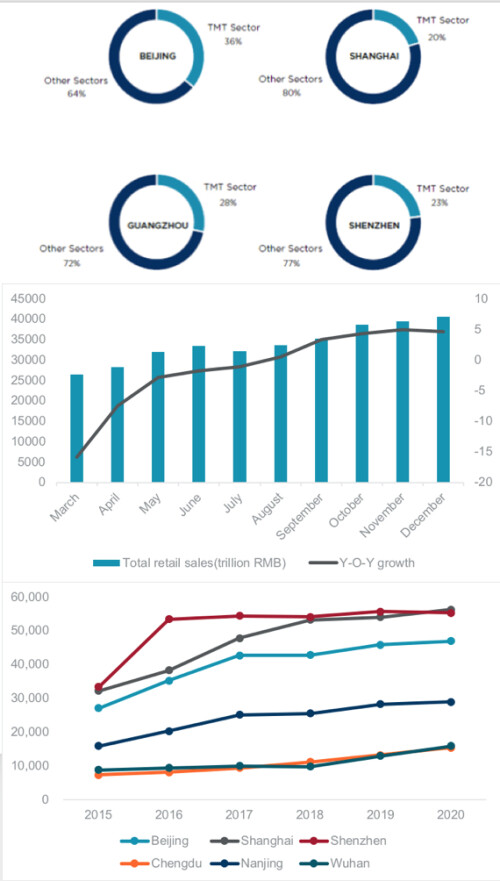
Figure 4. Total retail sales of consumer goods in 2020

Figure 6: Residential price trends in major cities, 2015 to 2020 (RMB / sq m)


The TMT industry can be expected to continue to be a backbone of the office leasing market into the future.


The government’s policy support in the fields of science and technology innovation will certainly help drive the development of the office market. Since its accession to the WTO, China has continuously expanded its investment into technology R&D. Data from the National Bureau of Statistics show that China’s expenditure on research and development in 2019 reached RMB2.21 trillion, 3.8 times that of 2009 and 17 times the investment in 2002. In 2020, the number of patent applications from China at the World Intellectual Property Organization numbered 68,720, despite the COVID-19 pandemic, making China the world’s leader for patent applications for two consecutive years.

In Tier 1 cities, the TMT industry has played a central role in the office leasing market over the past five years, with the TMT industry’s share of office leasing in Beijing, Shanghai, Guangzhou and Shenzhen in 2016-2020 reaching 36%, 20.3%, 28.3% and 23% respectively. With the continued implementation of policies encouraging research and innovation, the TMT industry can be expected to continue to be a backbone of the office leasing market into the future.

The retail sector will witness a strong rebound and emerging retail property development opportunities.


Integrating the strategy of expanding domestic demand with deepening the supply-side structural reform will promote the development of commercial real estate. The supply-side reform policies implemented in the 13th Five-Year Plan period have achieved their key objectives. The measures of “cutting overcapacity, destocking, deleveraging, reducing costs and improving weak links” have effectively cut excessive production capacities and stocks and diminished enterprise debt.

After the adjustments made in the five years during the 13th Five-Year Plan period, the serious mismatch between consumer demands and market supply was greatly improved. Of the development goals for 2021, “Adhering to the strategic base point of expanding domestic demand and fully exploring the potential of the domestic market” is an important factor towards realizing the economic dual circulation model first introduced by President Xi Jinping. Total retail sales of consumer goods fell significantly in 2020 due to the impact of COVID-19. However, as the pandemic gradually came under control domestically retail sales recovered somewhat, with y-o-y growth returning to positive territory in August 2020 and reaching 4.6% y-o-y by the end of 2020 (Figure 4).

With the pandemic effectively controlled domestically the retail sector is now expected to see a strong rebound in 2021, accompanied by development opportunities for the retail property market. Mall landlords took the opportunity presented by the spike in vacancy during the pandemic period to adjust and upgrade brand mixes and positioning, and sectors such as luxury goods, new energy vehicles, “Guochao” trend homegrown brands (an emerging retail influence incorporating aspects of Chinese style, culture and nostalgia into product design) and on-trend F&B can be expected to demonstrate strong growth in the post-pandemic period, in turn boosting business development opportunities for retail projects.

The development of cross-border e-commerce will drive the development of logistics properties.


Data from the United Nations Conference on Trade and Development (UNCTAD) shows that China’s cross-border B2C sales reached US$79 billion in 2017, ranking second after the United States worldwide. However, this figure accounted for just 3.5% of total exports and 7.5% of B2C sales, lower than the global average of 10.7%.

The government work report for 2021 highlights the development of cross-border e-commerce, aiming to realize a high-quality import and export structure, further expand consumption, promote the development and upgrading of an open economy, and create new economic growth points. The development of cross-border e-commerce will undoubtedly boost demand for logistics properties, in turn promoting the development of the industrial and logistics real estate market, especially in regions where import and export trade is the main economic driver.

Table 1. Ranking of global cross-border B2C e-commerce sales

Ranking

Country/region

Cross-border B2C sales (100 million US dollars)

Proportion of total export (%)

Proportion of B2C sales (%)

1

United States

1,020

6.6

13.5

2

China

790

3.5

7.5

3

United Kingdom

310

7.0

15

4

Japan

180

2.6

12.2

5

Germany

150

1.0

17.1

6

France

100

1.8

10.6

7

Canada

80

1.8

12.7

8

Italy

40

0.7

16.2

9

South Korea

30

0.5

3.8

10

Netherlands

10

0.2

5

Sum of the top 10

270

3.0

10.7

Global

412

2.3

10.7

Source: UNCTAD

Continued urbanization will benefit the regional retail property market.


Urbanization will continue to serve as an important driver of stable and long-term economic development in China. The urbanization rate surpassed the 60% milestone in 2019 to reach 60.6%. In the past decade, an average of 17.86 million people has moved from rural areas into China’s cities every year.

The 14th Five-Year Plan does point to an adjustment in strategy, with a lower rate of continuing urbanization to prevail. However, there is still considerable room for growth to achieve the eventual target of a stable urbanization rate of 70%. A likely scenario could still see 16 million people moving to cities every year. Under this premise, city renewal and the planned implementation of inter-provincial urban agglomerations and city clusters will be a key development trend. For the real estate market, the continuing movement of rural populations into cities will increase housing demand and stimulate consumption, in turn benefiting the regional retail real estate market.

For the first time, the government work report proposes to help resolve housing problems experienced by new urban registered citizens and young people in big cities, where subsidized accommodation and homes with common property rights will become the key development initiative. Sustained high residential prices in Tier 1 cities have seriously eroded residents’ spending power or opportunities for business startups. High accommodation costs have specifically impacted new urban residents and younger age groups, diminishing their overall quality of life. In contrast, emerging Tier 2 cities have been becoming increasingly attractive to new college graduates and young talent in recent years, drawn by stable housing prices and lower living costs. In 2020, new home prices in Chengdu and Wuhan were less than 30% of those in Shanghai and Shenzhen. Prices in Nanjing were around 50% of those in Shanghai and Shenzhen (Figure 6). In order to tackle the housing problem faced by new urban citizens and young people in big cities, the government is expected to supply more leasable housing in areas where demand is concentrated. The development of the leasing market is expected to focus more on the expansion of accommodation available for long-term leasing, with the government implementing supportive fiscal and financial policies.

Sabrina Wei, Chief Policy Analyst of Cushman & Wakefield said: “Twenty twenty-one is the first year of the 14th Five-Year Plan, and it is also when the foundations for China’s economic and social development for the next five years will be laid. The key policies in the Plan will be implemented this year, with the roll-out of measures and actions gradually commencing. We expect that the central objectives of the Plan – strengthening science and technology sectors, fully exploring the consumption potential of the domestic market, developing cross-border e-commerce, maintaining the principle that homes are not for speculation, developing the long-term housing leasing market, and effectively addressing the accommodation needs of new urban residents and young people – will significantly influence the sustained development of the office, retail, logistics and residential markets in China.”

Please click here to download the report

About Cushman & Wakefield

Cushman & Wakefield (NYSE: CWK) is a leading global real estate services firm that delivers exceptional value for real estate occupiers and owners. Cushman & Wakefield is among the largest real estate services firms with approximately 53,000 employees in 400 offices and 60 countries. Across Greater China, 22 offices are servicing the local market. The company won four of the top awards in the Euromoney Survey 2017, 2018 and 2020 in the categories of Overall, Agency Letting/Sales, Valuation and Research in China. In 2019, the firm had revenue of $ 8.8 billion across core services of property, facilities and project management, leasing, capital markets, valuation and other services. To learn more, visit www.cushmanwakefield.com or follow @CushWake on Twitter.