Home Blog Page 6285

Underweight Kids On Road To Recovery with Nutrition, Ante-Natal Efforts

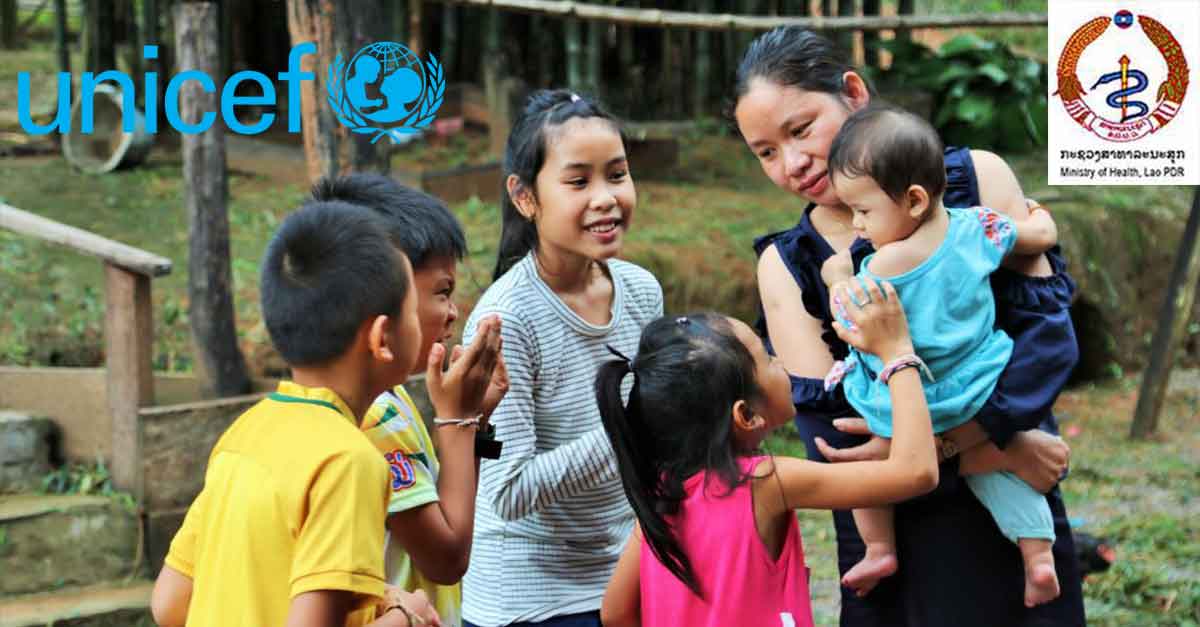
Nutrition makes for a happier five month-old Loulli with her mother and family members.
Five month-old Loulli is easy to smile and respond to her playful sister and cousins, despite her recent diagnosis with moderate acute malnutrition. To address this, her mother Khamvilay has doubled her efforts to breastfeed her and give nutritious complementary food and the therapeutic meals from UNICEF. (UNICEF/UN0248332/Saycon)

Nutrition is still an issue in developing countries including Laos.

Causing delayed growth and resulting in long-term impairments if not addressed, is both a result and cause of poverty in rural areas including Savannakhet’s Xepon.

In Laos, UNICEF supports the Ministry of Health to help mothers and children in disadvantaged communities to access key health and nutrition services, including antenatal care and immunization to achieve the Sustainable Development Goals (SDGs), Mike Saycon writes.

After her daughter was diagnosed with malnutrition, a mother commits to restoring her health.

Loulli has just woken up from her nap, eager to play with her older sister and cousins. At eight months old, she is full of energy and laughter and tries to stand on her feet. But until recently, her story was very different.

Three months ago, Loulli was getting recurrent fevers and weighed noticeably less than the other children in the neighbourhood. At first, her mother simply attributed Loulli’s low weight to her poor appetite.

“She seemed healthy and was growing taller, but had little appetite for breastmilk or for other food.” Khamvilay says.

But as the bouts of fever and lack of appetite continued, her mother became increasingly worried and took her to the hospital.

Loulli was diagnosed with Moderate Acute Malnutrition, or low weight-for-height. The condition can increase children’s risk of dying.

A group of children look at a mother holding an infant, Lao PDR
Five-month-old Loulli is easy to smile and respond to her playful sister and cousins, despite her recent diagnosis with moderate acute malnutrition. To address this, her mother Khamvilay has doubled her efforts to breastfeed her and give nutritious complementary food and the therapeutic meals from UNICEF.  (UNICEF/UN0248332/Saycon)

Nutrition averting serious health problems

In addition to treating Loulli, doctors and nurses at the hospital monitored Khamvilay’s health to be sure she was also healthy. The mother was initially worried that her daughter’s condition was caused by her low milk supply, but staff assured her this was not entirely the problem, and introducing other nutritious foods could help.

After leaving the hospital, Khamvilay redoubled her efforts to breastfeed her daughter. She also started feeding her rice porridge mixed with mashed vegetables and SuperKid (a mix of vitamins and minerals added to food to prevent micronutrient deficiencies, which UNICEF provides to local health centres.

Around 45% of the deaths among children under five globally are linked to nutrition.

Today Loulli is well on her way to recovery. She has gained 1.3 kg in just three months, growing to 7.3 kg. “Still slow compared with other children,” says a nurse who attended to Loulli at the clinic, “but I am confident she is on a steady recovery – especially with the way she responds to stimuli around her environment, and her level of energy.”

If left untreated, Loulli could have suffered in the long run. Undernutrition can harm brain development irreversibly, weaken health and immunity making children susceptible to infections and diseases, hinder performance in school, and decrease productivity as an adult. Even worse, around 45% of the deaths among children under five globally are linked to undernutrition.

A baby smiles, Lao PDR
Loulli is well on her way to recovery.

The urban-rural divide

Khamvilay now vows to continue breastfeeding Loulli, although she says she may have to stop when her daughter reaches 18 months. This is still below the recommended two-year threshold, but she will have to return to her job as a secondary school teacher.

For working mothers like Khamvilay, there are ways to get around this: she can either take advantage of the Government policy of an hour-long break to return home and feed Loulli, or she can express milk in advance and keep it in the freezer.

But there is wide disparity in access to maternal and child health care in Laos, and women from poorer, rural villages often do not have these options.

Only around half of rural women get sufficient antenatal care, while coverage for women in urban areas is 90%.

In rural areas, many of the health centres are too far away and women cannot afford to take the time off work or have no means of transport.

In other cases, their husbands, mothers or other family members may keep them from seeking medical care.

And because most women in poorer villages do not have any form of maternity leave, they are forced to choose between working and breastfeeding their children, and often choose the former.

Investing in health centres, especially in remote areas, and increasing the number of skilled health workers is essential. But equally important is to keep mothers informed of the services that are available to them, and changing the attitudes that prevent them from providing proper nutrition to their newborns.

UNICEF supports the Ministry of Health to help mothers and children in disadvantaged communities to access key health and nutrition services, including antenatal care and immunization.

As part of this effort, UNICEF and partners raise awareness and provide counselling on infant and young child feeding practices, including breastfeeding.

UNICEF also helped the Government develop a nutrition communication strategy for social and behaviour change, as well as a parenting package to be rolled out in 2019.

For more, visit  unicef.org/stories/preventing-harmful-effects-malnutrition-lao-pdr
 

Tourism Access, Urban Services Improvements Attract $US125.5 Million Boost via ADB in Laos

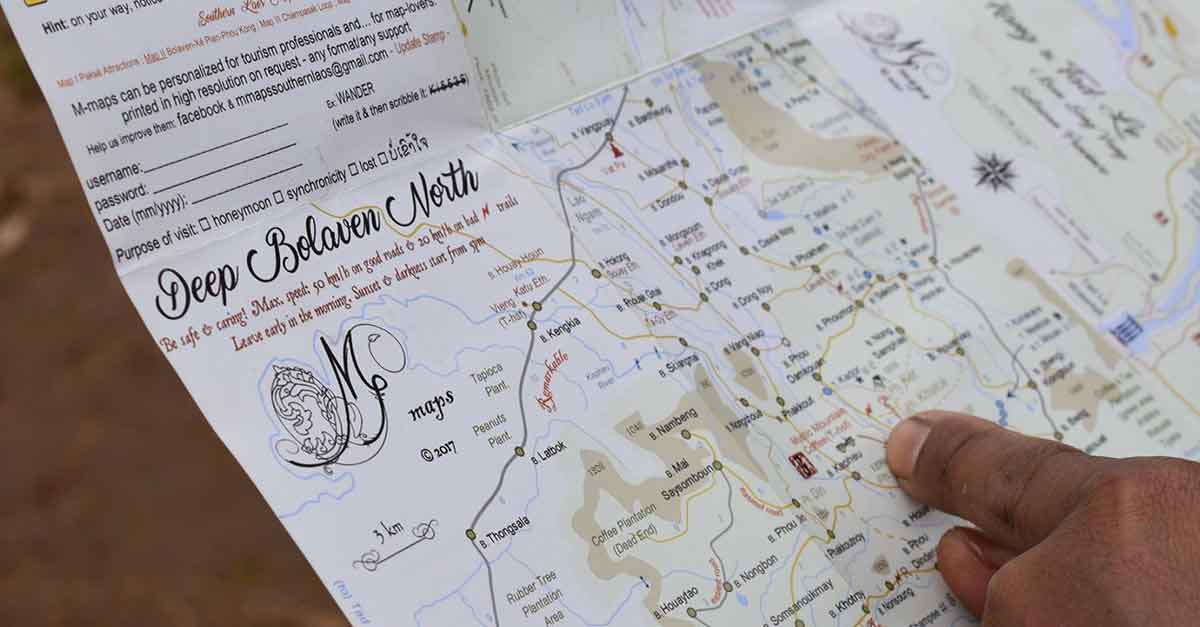
Tourist Map of Bolaven, Champasak Province
ADB, Lao PDR Sign Deals to Improve Tourism, Urban Services (image via Laos Briefly)

Better roads to ease access to tourist hotspots, improved urban water supplies and sewage treatment are among the sweeteners revealed in the announcement of funds totalling $125.5 million for three projects in the tourism and urban sectors announced by the Asian Development Bank (ADB) and the Lao Government.

Agreements were signed by Deputy Minister of Finance Ms Thipphakone Chanthavongsa and ADB Country Director to the Lao PDR Mr Yasushi Negishi at a ceremony in Vientiane. Representatives of the nation’s Ministry of Finance; Ministry of Planning and Investment; Ministry of Public Works and Transport (MPWT); Ministry of Information, Culture, and Tourism (MICT); and other line ministries also attended the event.

The announcement comes after the ADB forecasted a revision in Laos’ economic growth rate to 6.6% as floods dampened prospects in September’s Asian Development Outlook (ADO) 2018.

Managing urbanization, tourism, attracting investments for vibrant, livable cities and towns 

“Vibrant, livable cities and towns play an important role in the development of industry and services, particularly manufacturing, agribusiness and tourism”, Asian Development Bank‘s Lao PDR Country Director Mr Yasushi Negishi told the gathering.

“The three grants demonstrate ADB’s commitment to help the Lao PDR sustainably manage urbanization, tourism, and attract investments that create good jobs in a wide range of economic sectors, helping the country to be eligible to graduate from the least developed country status.”

The $47 million grant for the Second Greater Mekong Subregion (GMS) Tourism Infrastructure for Inclusive Growth Project will support MICT’s efforts to rehabilitate last mile access roads to tourism destinations, improve tourist-related urban environmental services, and enhance sustainable tourism management in Louangphabang, Vientiane, and Champasak provinces. The grant was approved by ADB’s Board of Directors in August 2018.

The project’s climate resilient transport and urban infrastructure investments and support for tourist-related capacity building are designed to boost tourism development and deepen the Lao PDR’s economic integration with neighbors in the GMS and Association of Southeast Asian Nations (ASEAN).

Meanwhile, a $48 million grant for the Fourth GMS Corridor Towns Development Project to improve urban environmental services, including the construction of wastewater treatment plants and sewerage networks, solid waste management, and river embankments for flood protection in two corridor towns of Pakxan and Thakhek will be implemented by MPWT.

Approved in September 2018, the project will also support the preparation of town master plans with climate-resilience and gender-responsive measures for both areas to support growth and regional connectivity.

A third grant, amounting to $30.5 million, is an additional funding for an ongoing ADB-assisted Water Supply and Sanitation Sector Project also to be implemented by MPWT.

This additional financing will expand access to safe and reliable water supply and sanitation services in six towns in Attapeu, Xekong, Huaphan, and Luang Prabang provinces, as well as improve the operational and financial efficiency of provincial water utilities in the provinces.

According to the Bank’s press statement, the “ADB is committed to achieving a prosperous, inclusive, resilient, and sustainable Asia and Pacific, while sustaining its efforts to eradicate extreme poverty. Established in 1966, it is owned by 67 members—48 from the region. In 2017, ADB operations totaled 32.2 billion, including $11.9 billion in co-financing.”

Maybank Foundation Expands Silk Weaving Centre in Laos

Maybank Women Weavers Laos

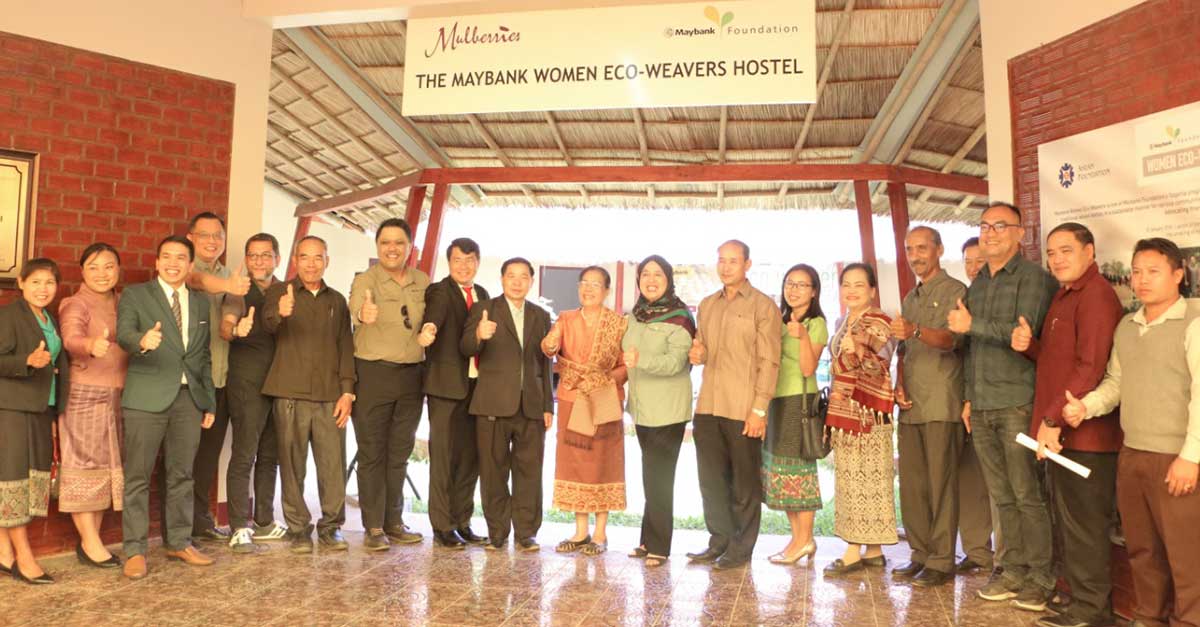
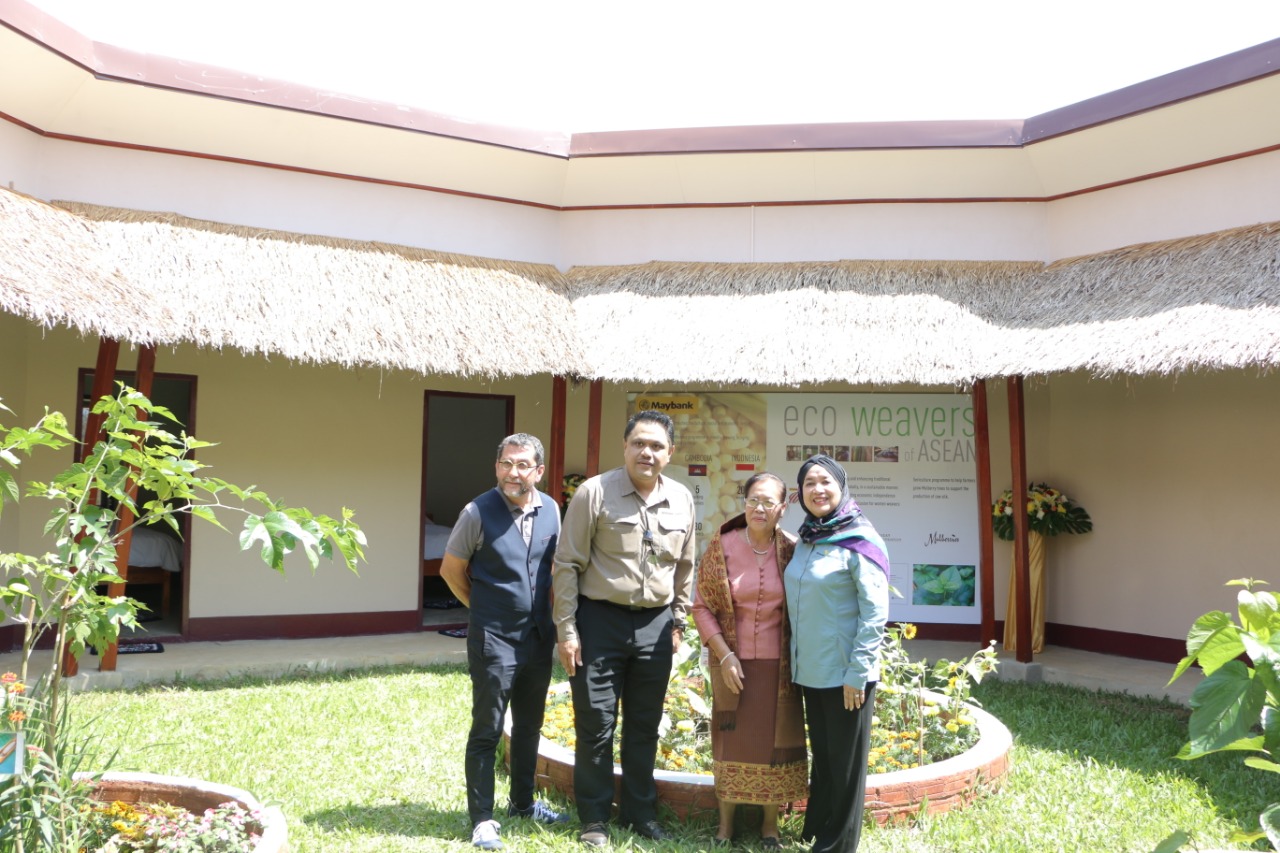
Maybank Foundation has expanded its Maybank Women Eco-Weavers centre in Laos with the addition of a hostel for the women who are being trained in this traditional skill.

The construction of the weaving centre, located in the Xiangkhouang Province of Laos, some 386 kilometres away from Vientiane, began in January this year as part of Maybank Foundation’s breakthrough initiative, a first-of-a-kind regional programme which provides business opportunities and empowers underprivileged women weavers and mulberry farmers to become financially independent.

The setting up of this new hostel is to address the transportation and geographical problems faced by the trainees, some of whom have to travel for up to two days to reach the farm to attend the 15-day on-site training programme. The hostel will be able to accommodate 20 trainees at any one time and also comes with a meeting room for use during their training session.

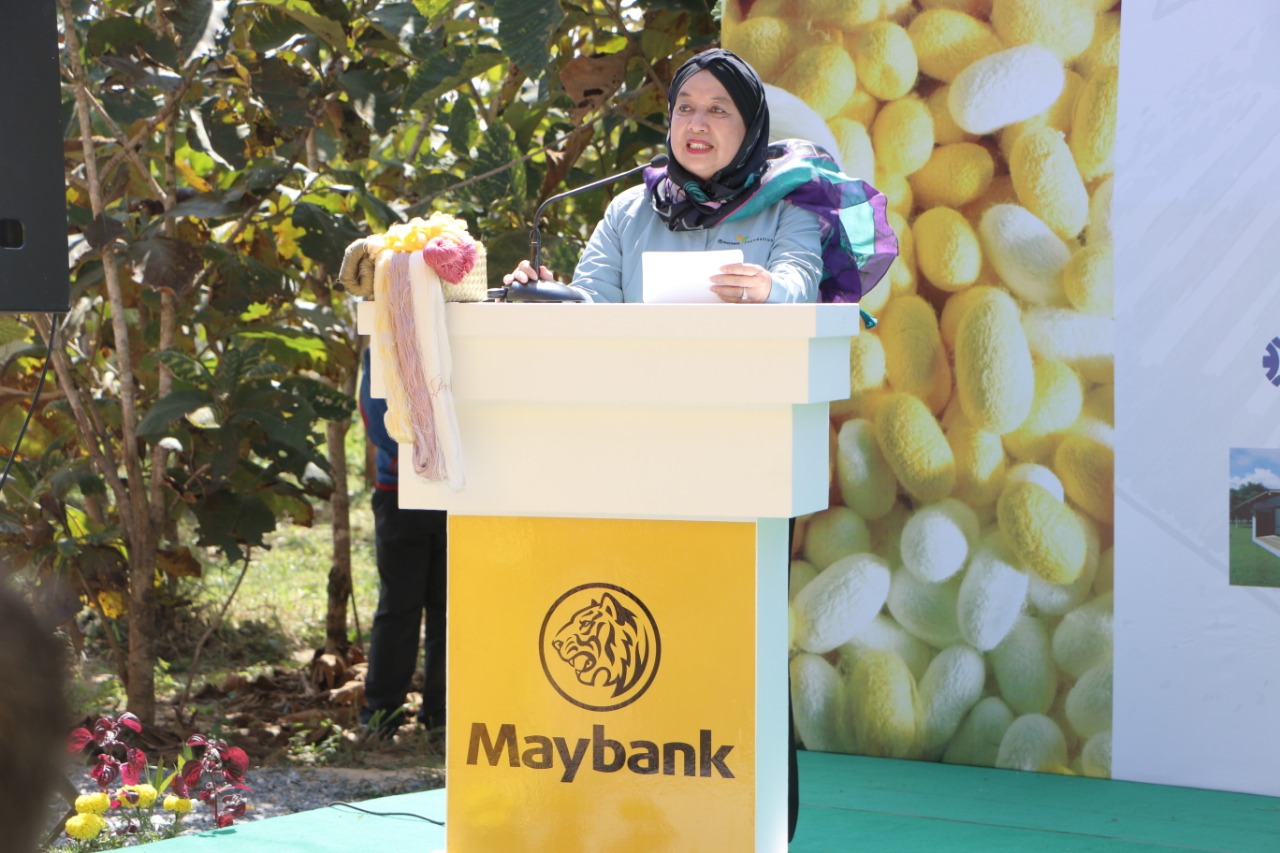
Maybank Speaker

The launch of the hostel was officiated by Datuk Mohaiyani Shamsudin, Chairman of Maybank and Maybank Foundation and Madam Kommaly Chantavong, founder of Mulberries, a social enterprise which is Maybank Foundation’s partner in Laos. It was held at the Mulberries Farm in Xiangkhouang Province, a flat but high plateau in the mountainous north-east of Laos.

Also present at the launch were Bounhom Thepthani, Cabinet Deputy of the Governor’s Office, Xiengkhouang Province; Sivilay Sengchalern, Paek District Governor, Xiengkhouang Province; Visone Xaysongkham, Head of the Bank of Lao PDR, North Branch, Xiengkhouang Province; Johan Arief Jaafar, First Secretary of the Malaysian Embassy and Colonel Mohd Mahmud Ahmad, Defence Attaché, Embassy of Malaysia as well as Shahril Azuar Jimin, the CEO of Maybank Foundation.

Speaking at the event, Datuk Mohaiyani said, “I am pleased to see how we have developed ever since we started this programme in 2016, beginning in Cambodia and then Indonesia. The Maybank Women Eco-Weavers initiative is not only exceptional in its objective to preserve, sustain and promote traditional textile making techniques highlighting the ASEAN identity but also to help disadvantaged women achieve economic independence which is in line with our mission to humanise financial services.”

“Another unique feature of this programme is that it is designed to also support the ecosystem of textile weaving, including by supporting small farming families by growing mulberry trees, in which the leaves are essential for silk worm rearing,” Datuk Mohaiyani added.

Maybank Participants at Hostel

Meanwhile, Shahril said that through the training, capacity building and production-related financial incentives, these women are given the opportunity to help themselves and their families become economically stable and financially inclusive.

“To further demonstrate our seriousness in ensuring the sustainability and continuity of this programme as well as the empowerment of these women weavers, Maybank Foundation has not only provided financial aid to support the project but also invested time and effort to ensure the rigorous training is beneficial in the development of the women weavers. This is to ensure that they can continue to create a financially conducive environment for their dependents in hopes of continuing with their livelihoods in this challenging environment.”

The Maybank Women Eco-Weavers programme was launched in 2016 and is currently running in three countries namely Cambodia, Indonesia and Laos. To date, this programme has successfully trained a total of 345 women providing them with an average monthly income between USD100 to USD240. Maybank hopes to also expand the programme soon in Malaysia.

The Maybank Women Eco-Weavers programme aims to help sustain local heritage and culture, build the capacity of new weavers and promote traditional textiles globally in a sustainable manner. The programme is endorsed by the ASEAN Foundation and showcases Maybank Foundation’s role towards a more inclusive ASEAN, by strengthening women’s empowerment and gender equality in the region, to support the ASEAN Community Vision 2025

Maybank Foundation is the corporate responsibility arm of the Maybank Group, which seeks to positively impact communities in markets that Maybank operates. The Foundation’s programmes are focused on six key pillars which are Education, Community Empowerment, Healthy Living, Arts & Culture, Environmental Diversity and Disaster Relief.

Football Fans Look to Coach V. Sundramoorthy to Spark Magic in Laos’ Lineup

Laos Football Coach Sundramoorthy
Laos Football Coach V. Sundramoorthy

Famed for audacious feats on the field on behalf of his native Singapore as a striker in the late 1980’s and into the 1990s, the former player now coach V. Sundramoorthy is set to guide a Laos national men’s team on the rise ahead of the 2018 AFF Suzuki Cup.

Known for a penchant for scoring from bicycle kicks and backheels that left opponents guessing in his playing days, Laos fans would be forgiven for hoping a bit of the coach’s trademark flair rubs off on their national team.

The V. Sundramoorthy appointment comes as Laos prepares to square up against Mongolia in the Lao capital Vientiane on October 16 in a warm-up friendly before the AFC Suzuki Cup.

The 53-year-old coach has declared that Laos must take full advantage of being able to play two of their four home matches on home soil for the first time.

“I can’t speak for the players but for me it’s very exciting and I’m really looking forward to the challenge,” AFC Suzuki Cup official website reported V. Sundramoorthy as saying.

“To be honest I know we are in a tough group with Vietnam, Malaysia, Myanmar and Cambodia however I believe that in football anything is possible.

“What I can assure you is that each and every player will give their best and that the team will play collectively as a strong unit and by hosting the AFF Suzuki Cup it gives us a great opportunity for Laotians to showcase their talent to the public.

“We have many young and talented players here in Laos and the aim will be to use their individual strength to forge a collective strength as a team.

“For me, I want to send a clear message to our fans and that’s we need you to be the 12th player on the pitch by lending your strong support.”

“We are going to take things one game at a time and put up a good performance in every match we play and as I said it will also be great to have the support of the local crowd behind the players. If we do that I can promise you that we will be a tough opponent for any team.”

Singaporean compatriot and Laos Football Federation’s departing technical director, Mike Wong, talked up Coach V. Sundramoorthy’s the three-year appointment, reported Fox Sports Asia.

“Laos have now got a good coach with valuable international exposure on a three-year contract. This brings stability to the Laos national team and is a huge step forward,” Wong reportedly told FOX Sports Asia.

“Sundram knows the regional opponents well and he will groom the next generation of Laos youngsters to be ready for national team duty.”


Laos Vs Mongolia
Laos Vs Mongolia, October 16 18:30 in Vientiane, Laos coached by V. Sundramoorthy of Singapore.

Laos’ South 2 North Run Arrives in Capital as Countrywide 1569km Charity Amble Continues

South 2 North Run for Attapeu Provincial Hospital, Luang Prabang Children's Hospital

A run from one end of Laos to the other arrived in the nation’s capital Vientiane Sunday afternoon for a good cause – improving health care at both ends of the country.

Locals on foot, bicycle and other forms of transportation could be seen joining the long distance runners on their journey past city landmarks like That Luang stupa, Patouxai Victory monument and down to the Mekong Riverside via live video footage shared by organisers on Facebook.

The event is being held to raise money for Attapeu Provincial Hospital and Luang Prabang Friend’s Hospital For Children.

According to the organisers, South to North charity run (Attapeu to Phongsaly) is the biggest feat ever to be pursued in Laos.

The group of dedicated and concerned runners is to take an exciting journey by running 1,569 km within 16 days starting 7th-26th October 2018.

• Purposes of this campaign/Beneficiaries:

To raise fund to support provincial hospital in Laos:
Attapeu Provincial Hospital and Luang Prabang Children Hospital

• When and Where?

Starting from the South, Attapeu province up to the North, Phonsaly Province of Laos – a Total running distance of 1,569 KM over the course of 16 days, starting from the 7th Oct – 26 Oct 2018.

• Who are the runners?

There four main runners: 1. Mr. Inthy Deuansavanh (Lao), 2. Mr. Carlo Bacalla (PHL), 3. Mr. Daniel Ose (GER), and 4. Mr. Carl Loyd Fernican (Ban Der) (PHL).

In addition to these four runners, there are also numbers relay-runners who will be joining the distance along the 1,569 KM route.

• How can people help? 
There are 3 ways to support this campaign:
1. Become one of our sponsors (Please see the sponsorship packages)
2. Raise funds in your organization, group or association and donate to this charity
3. Donate individually via our Crowdrise Page ‘South to North Laos Charity Run’
https://www.crowdrise.com/…/campaign/south-to-north-laos-ch…

Or via bank transfer. Details below:
You can donate directly via the bank transfer:

• Transferring note “Donate to S2N”
• Please take a screen capture of your transfer slip and send along with your photo to our Admin’s Whatsapp +85620 99 862 688.
• We will post on S2N Facebook Fan Page to appreciate your kindness and also inspire others to donate for this good cause.

Bank name:
BCEL Bank Acc Name: Events for Good
Acc (Kip): 010-110-001-140-755-001
Acc (USD): 010-110-101-140-755-001

Bank address: No. 01, Pangkham Rd, Xieng Nguen, Chanthabouly, Vientiane, Laos

http://www.facebook.com/S2Nlaos/videos/582709908829464/

http://www.facebook.com/S2Nlaos/videos/2170648076542893/

Risk-Informed Development Road to Reducing Hazards Threatening Lives in Climate Change Age

Disaster Risk Reduction
Disaster Risk Reduction Day Image Credit JICA Laos / Saiyavong Phommachack

“Hazards are not disasters (yet) they can wreak havoc and become disasters when people are vulnerable.

“Risk-informed development planning can ensure that vulnerability to natural hazards is minimized.”

This was the message as news media in Laos carried an opinion piece to mark International Day for Disaster Risk Reduction and the ASEAN Disaster Management Day on October 13 inked by the United Nations, European Union and World Bank.

It comes just a week after the landmark 2018 report of the UN Intergovernmental Panel on Climate Change (IPCC) released on Monday. The report revealed the latest forecasts on a future expected to see the intensity and regularity of extreme weather events on the rise.

“This year’s theme of “Reducing disasters’ economic losses” is more relevant than ever, and a key agenda item for Lao PDR,” the article read.

The call to understand the true costs of disasters was previously reported by the Laotian Times in an article entitled “Counting the Costs: Disaster Needs in Laos Accumulate as Gov, UN, EU, WB Calculate Impacts in September.

Read the opinion piece for International Day for Disaster Risk Reduction in full below…

———-

Risk-informed Development

Assessing damages, losses and needs following a disaster

is the first step towards preventing and reducing

the impact of future natural hazards

by UN in Lao PDR, World Bank in Laos, EU in Laos

“We mark the International Day for Disaster Risk Reduction and the ASEAN Disaster Management Day every year on 13 October.

In Lao PDR – in the aftermath of tropical storms Sontinh and Bebinca and floods across all provinces – this day gives us an opportunity to raise awareness on disaster risk reduction, while securing and sustaining the participation of all.

This year’s theme of “Reducing disasters’ economic losses” is more relevant than ever, and a key agenda item for Lao PDR.

One of the three criteria for the country’s graduation from Least Developed Country status by 2024 is the Economic Vulnerability Index, which measures resilience to shocks and instability. There are concrete opportunities for Lao PDR to achieve this target by making disaster risk reduction an integral part of its development trajectory.

We jointly support this ambitious goal by working in close partnership with national and international stakeholders, as well as local communities.

Building back better

After a disaster, the primary focus is on how to respond to the needs of the affected communities and recover quickly and effectively. Reconstruction needs to be aligned with the principles of building back better, not only to ensure that livelihoods can be restored quickly but also to reduce the risks of future disasters. Doing so ensures that people are better equipped and better prepared to withstand shocks.

Global evidence shows that when countries rebuild stronger, faster and more inclusively, they can reduce the magnitude of the impact of future disasters on people’s livelihoods. During disaster recovery and reconstruction, risk management can be integrated across many sectors. Examples include implementing climate-resilient agricultural practices, reinforcing critical infrastructure, integrating risk management into investment decisions and budgets, and strengthening risk reduction policies.

Cooperation and innovation for response and recovery

Before reconstruction can start, it is crucial to assess damages, losses and needs, including the resources needed for the recovery phase. The Government of Lao PDR launched a nationwide Post-Disaster Needs Assessment on September 24th to inform the development of a Disaster Recovery Framework. This framework ensures that the response phase links up with early-, medium-, and long-term recovery activities and facilitates coordinated support from the international community, civil society, and the private sector.

The Post-Disaster Needs Assessment follows a well-tested methodology developed by the United Nations Development Group, the World Bank and the European Commission, and underpins cooperation mechanisms between agencies with complementary capacities.

It includes innovative approaches – such as satellite imagery to collect “big data” that can allow rapid geographic and spatial analysis.

The process is led by the Government out of the Ministry of Labour and Social Welfare and is inclusive of all stakeholders, including vulnerable social and ethno-cultural groups.

Risk-informed development

The shared goal is for Lao PDR to better address and contain the impact of future disasters.

Reaching this objective requires better integrating risk management into vulnerable sectors, strengthening preparedness and exploring innovative financial solutions, such as disaster risk insurance mechanisms.

Investing in resilience pays off at multiple levels: it saves lives and reduces the magnitude of destruction and losses. It also generates co-benefits, such as improving the quality of development and promoting sustainable approaches to tackle the impact of climate change.

The Post-Disaster Needs Assessment field work is currently underway across the country, with focus on the hardest hit provinces. Findings are expected by the end of October and will inform high-level discussions on both national planning and international development assistance.

Hazards are not disasters. They can wreak havoc and become disasters when people are vulnerable. However, risk-informed development planning can ensure that vulnerability to natural hazards is minimized. This, in turn, will increase the resilience of the people of Lao PDR, so that tragedies of recent extent are contained to the extent possible.”

This article was co-authored by the United Nations in Lao PDR, the World Bank Lao PDR and the Delegation of the European Union to the Lao PDR.

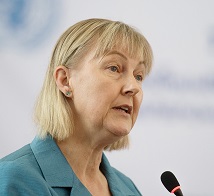
Ms Kaarina Immonen
Ms. Kaarina Immonen is the Resident Coordinator of the United Nations in Lao PDR and the UN Development Programme’s Resident Representative. Ms. Immonen started her career in the UN in 1991 and has been serving in the Lao PDR since 2014.

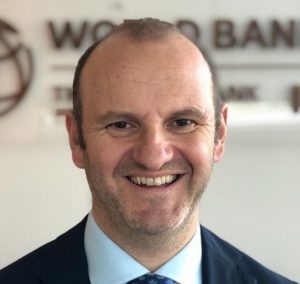
Mr. Nicola Pontara

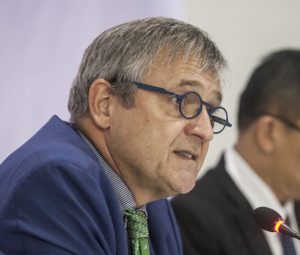
World Bank’s Mr. Nicola Pontara is Country Manager for Lao PDR. He joined the World Bank in 2000, and has been based in Lao PDR since July of this year. Mr. Pontara holds a PhD in Economics from the University of London (SOAS).Mr Leo Faber

Mr. Leo Faber is the first resident Ambassador of the European Union to the Lao PDR and has been serving since 2016. Mr. Faber holds a Master’s degrees in Sinology, Classical and Modern Chinese Philology, and European History.


Chipping In: Disaster Response, Humanitarian Aid No One Way Street in Laos

Natural disaster reponse
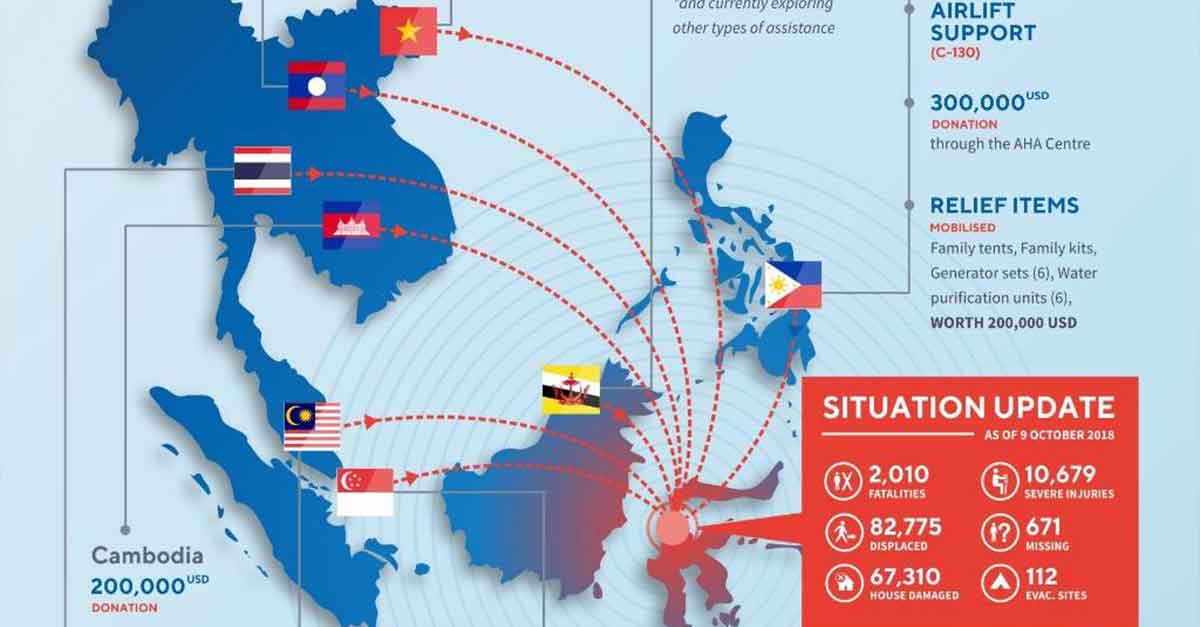
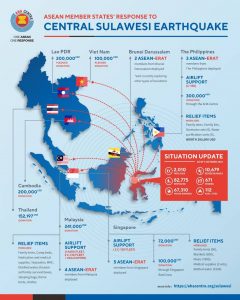
ASEAN Sulawesi earthquake natural disaster response

Disasters. Alas, Laos gets its fair share of natural calamities, often seen in the form of floods and the occasional typhoon.

In times of crisis and also to prevent future calamities, Laos as a least developed country has been in receipt of greatly valued assistance from a multitude of generous benefactors.

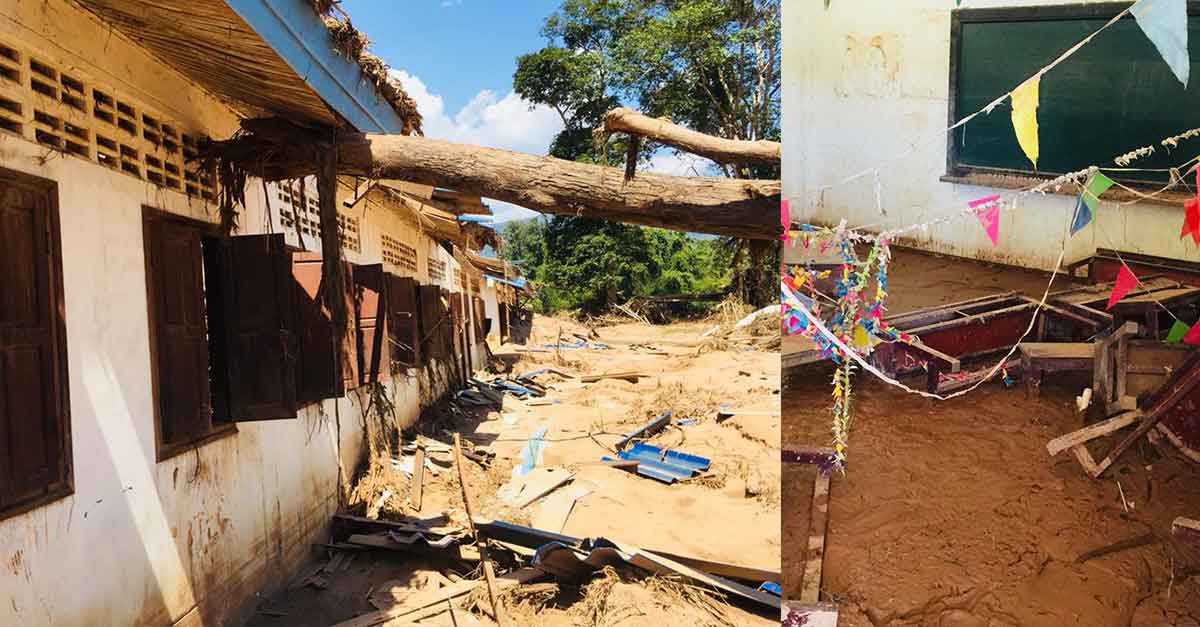
This has very much been the case in the aftermath of July 23’s dam collapse following Tropical Storm Son Tinh, resulting in flash flooding that took lives and livelihoods in the nation’s southern province of Attapeu.

What may be less known is that the country is also donor during times of crisis abroad.

Now, as fellow ASEAN member Indonesia works to address the devastating Palu earthquake and tsunami-related natural disaster on the island of Sulawesi, Laos is also one of the contributors to the rebuilding effort.

Lao News Agency KPL reported a donation of US$100,000 on Monday.

ASEAN response to Sulawesi, Indonesia natural disaster.
ASEAN-wide response to Sulawesi, Indonesia earthquake, tsunami-related natural disaster relief effort.

The country has also sent assistance contributions to even more disaster-prone places like Japan, turning the traditional aid donor-recipient relationship on its head.

Laos made a contribution of funds in order to assist in flood and landslide natural disaster that hit western Japan, including much of Hiroshima prefecture earlier this year. It was not the first time.

The country made a similar donation as far back at the Tohoku triple disaster of earthquake, tsunami and nuclear crisis all the way back in March 2011.

While Laos is likely to remain a net aid recipient for the foreseeable future, it is worth remembering that we can all give a little assistance to our family, friends and neighbours in time of need.

To follow updates and all the latest on disaster response in the immediate region, follow up via the ASEAN Coordinating Centre for Humanitarian Assistance on disaster management (AHA Centre).

AHA is an inter-governmental organisation which aims to facilitate cooperation and coordination among ASEAN Member States and with the United Nations and international organisations for disaster management and emergency response.

World Day Against Death Penalty: EU Notes “de facto moratorium” in Laos

World Day against the Death Penalty
EU supports World Day against the Death Penalty, October 10, in Laos.

The European Union has restated a commitment to work with all countries including Laos to encourage moves toward achieving a global abolition of the death penalty, a government-sanctioned practice whereby a person is killed by the state as a punishment for a crime.

In a statement on October 10 to mark 16th Day Against The Death Penalty also carried in the print version of English daily Vientiane Times and other news media outlets, the European Union welcomed the fact that no sentence of capital punishment had not been carried out in Laos for more than a quarter of a century as well as a reduction in capital crimes in Laos from 18 to 12.

The EU statement read:

World Day against the Death Penalty

“Today the European Union and its Member States reaffirm their strong commitment for the global abolition of the death penalty.

The EU and its Member States encourage all states to work together and support initiatives that will help see an end to the use of this punishment, once and for all. As a sign of its unwavering support to eradicating capital punishment, the EU together with more than 60 countries agreed to step up the pace of its efforts and work towards a United Nations instrument, such as a binding convention, to stop the trade in instruments for torture and the death penalty. Along the same lines, the European Union will co-host the 7th World Congress against the Death Penalty in Brussels next year.

Today 143 states, almost three quarters of the world countries, including all European Member States, have rejected the death penalty. The arguments for executing criminals have been demystified. Capital punishment is often perceived as a measure to deter people from committing severe crimes, including for drug related crimes, but in fact there is no evidence for this argument.

Furthermore, the death penalty imposes an irrevocable sentence. We must bear in mind that no justice system is immune to judicial error. On the contrary, there is considerable evidence that many mistakes have been made in sentencing people to death. We are also convinced that even the most serious crimes do not deprive the perpetrator of the ‘dignity of the person,’ and that decent prisons are capable of fully protecting citizens from dangerous criminals.

In Laos, a de facto moratorium on the death penalty has been applied even though the death penalty is still retained in the legislation. However, no executions have been carried out for more than 25 years.

While a de jure moratorium on the death penalty is still not being considered, we welcome the abolitionist voices that have been recently heard in the plenary sessions of the National Assembly and that the number of crimes punishable by the capital sentence has been reduced from 18 to 12.

Nevertheless, the Penal Code still prescribes death penalty for crimes, including drug-related crimes that do not meet the threshold of the ‘most serious crimes’ as intended by the International Covenant on Civil and Political Rights (ICCPR). Laos recognizes the importance of this Covenant and the fundamental values thereof.

The EU renews its calls to take effective steps to bring the world closer to ridding itself of this ultimate cruel, inhuman, irrevocable and degrading punishment.”

Signed by the European Union Delegation to the Lao PDR and the Embassies of Germany, Luxemburg, France and United Kingdom.