Home Blog Page 6459

Dengue Fever Outbreak Far From Over

Dengue Fever Laos

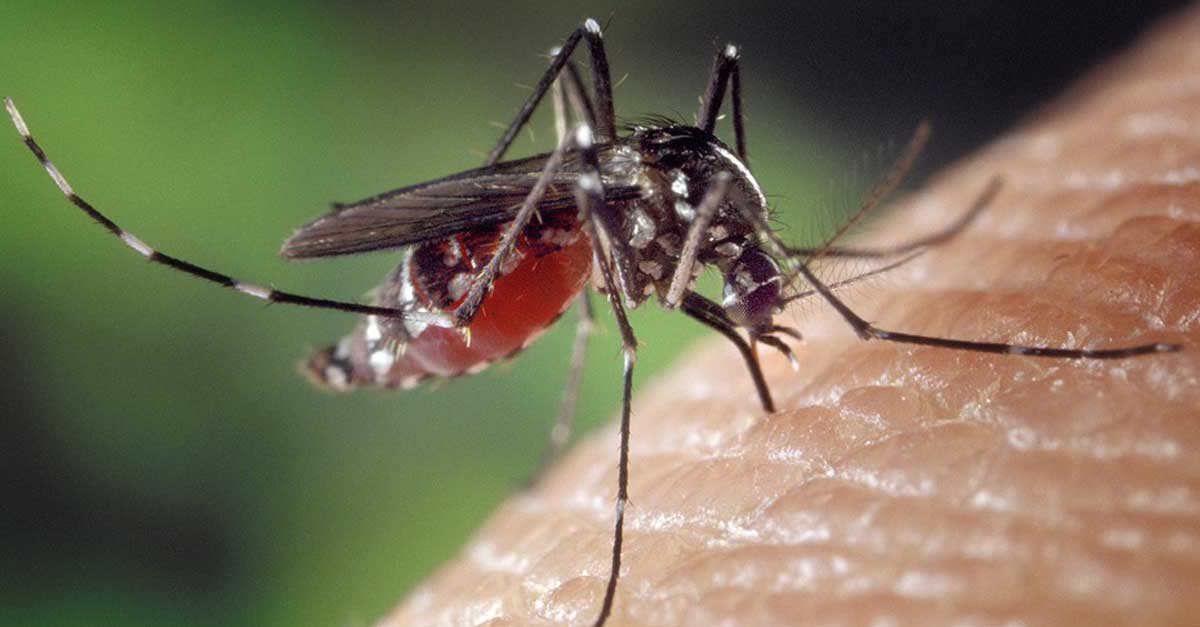
The fight against dengue fever in the capital is proving to be an uphill battle, as the figure of outbreaks reported has more than doubled in just one month.

Dengue fever cases in Vientiane have inflated from 332 to 696 cases just from May thru June of this year, with one death reported. During the same period last year there were no reports of any outbreaks in the capital.

Year-to-date dengue fever infections nationwide have increased from 1,760 to 3,000 cases from May thru June, along with five deaths being recorded in the country.

Authorities are particularly concerned that dengue cases have been reported in the capital at an alarming higher rate than any other provinces across the country. These figures contrast from January 1 to June 30 of 2016 when only 249 cases  were reported for the entire country.

Acting Director of the National Centre for Laboratory and Epidemiology under the Ministry of Health, Dr Onechanh Keosavanh stated that openly reporting outbreaks is one of the main approaches in responding to dengue, adding that increasing public awareness is one of the strategies to reduce the risk of dengue transmission.

Local officials and health authorities continue to highly urge people to clear potential mosquito breeding sites around their homes and workplaces to help control the spread of the virus, stressing that local communities need to keep their surroundings clean, while focusing on killing mosquitoes and their larva inside and near these areas. Any still water that collects in jars, vases and dishes should be thrown out. Schools, hospitals, factories, hotels, restaurants, tourist facilities and offices are advised to organize cleaning activities to remove any sources of stagnant water to slow mosquito breeding.

According to the Ministry of Health, reported cases for 2017 are slightly higher than the 1,716 cases reported for 2014, however is still lower when compared to the same period in the epidemic years of 2010 and 2013.

2013 was particularly challenging with 15 out of 17 provinces reporting dengue at startling epidemic levels and resulted in 95 deaths from a total of 44,171 reported dengue cases.

US Grants over 3 Million USD to UXO Project

rice
rice

The US government has signed a Memorandum of Understanding (MoU) granting 24 billion kip (US$3,026,000) to Laos, in support of a rural development project through Unexploded Ordnance clearance in Xieng Khuang province.

The grant will contribute to the non-technical and technical aspects of surveying and clearing unexploded ordnances in the Xieng Khuang districts of Nonghet, Khoun and Phaxay. The project is being funded by the Office of Weapons Removal and Abatement, U.S Department of State (WRA) and will run for a year.

The MoU was signed on June 30, at a ceremony in Vientiane between the Director General of the National Regulatory Authority for the UXO/Mine Action sector in Laos, Mr Phoukhieo Chanthasomboun, and Country Director of the Mines Advisory Group (MAG) in Laos, Ms Blossum Gilmour with the US Ambassador to Laos, Ms Rena Bitter, in attendance.

At the ceremony, Ms Blossum stated that funding for the project will be used to increase access to safe land in Xieng Khuang, through land release activities. Over the 12 months covered in the grant, the MAG will clear and release over 3,4 million square meters of land for safe and productive use. Non-technical surveying will also be completed in 94 villages and technical surveying will be conducted on a minimum of 46.8 million square meters of land.

Deputy Head of Labour and Social Welfare Department in Xieng Khuang province, Mr Chanthy Khiewmala said, “Xieng Khuang is one of the most UXO contaminated provinces in the country. Since 1994, MAG and other organizations have so far cleared and destroyed UXO from 11,600 hectares with 622,756 UXO devices destroyed”.

The National Regulatory Authority (NRA) for the UXO/Mine Action Sector has set a target to clear UXO from 28 percent more land this year as compared to 2016.

Last year, the Lao National Unexploded Ordnance Programme (UXO Lao), with the support of international organizations and the government, cleared devices from 2,500 hectares and  plans to increase the area to more than 3,200 hectares this year.

Of the land set to be cleared, 92.5 percent is utilized for agriculture, such as coffee farming and rice cultivation, as well as land needed for new agricultural activity. Land needed for the construction of schools, irrigation and dispensaries accounts for the remaining 7.5 percent.

According to reports, a total of 100,434 UXO devices were detected and destroyed last year, of which 81,773 were cluster bombs. Ten UXO-related accidents killed five people and injured 16 others.

During the second Indochina War (1964-1973), more than two million tonnes of UXO were dropped on Laos, making it the most heavily-bombed country per capita worldwide.

Lao Statistics Aims for International Standards by 2020

laos
laos

On June 29th, a seminar on scientific statistics was held at the Center for International Cooperation and Training and under the theme, “enhancing production unity and political statistics publication”.

The Lao Statistics Bureau (LSB), under the Ministry of Planning and Investment, has successfully created a strategic development plan of sustainable national statistics for 2016-25 and its vision for 2030, along with the completion of the amended law on Statistics approved by the National Assembly (NA) last month.

The national statistics system will be modified and implemented in accordance with international standards by 2020, and is regarded as a measure for achieving socio-economic development, industrialization and modernization.

This system is considered another step towards integrating with international standards and will be an index for Sustainable Development Goals (SDG Index).

During the meeting, General Director of the National Statistics Department and Head of the LSB, Mr Samaichanh Boupha, stated that the purpose of the seminar was to highlight the significance of statistical analysis and to educate on scientific statistics and knowledge exchange that can apply to all sectors, ministries and localities.

He added, “It is a preliminary idea to encourage and promote those interested in statistics science and those people are usually using the information of the official statistics.”

The two-day gathering included a seminar that released new methods of statistical work, particularly presenting the topic on statistical science in a semi-academic manner to statisticians, and an exhibition of the statistics work where various statistics departments and divisions of each province had brought their pieces of work to display on the occasion to celebrate National Statistics Day.

At the seminar event, representatives of line ministries, departments and various international development partners, and donors  were invited to hear about the progress of the implementation of statistics affairs in Laos.

Aroma Banana Farms Banned in Vientiane Province

banana plantation
banana plantation

Effective September 17, investors looking to grow aroma bananas in Vientiane province will no longer be able to obtain the necessary permit for it.

Since 2013, aroma banana farms have dominated more than 400 hectares of land in Hin Heub, Vang Vieng and Feuang districts in Vientiane Province alone, and are primarily invested in by Chinese venture capitalists.

Director of the Vientiane Provincial Agriculture and Forestry Department, Phouvong Bounzou, clarified that investors who currently own and operate a banana farm are required to accelerate harvesting their produce and cease growing the fruit by September, or replace the farms with other commercial trees.

Authorities will use strict measures in accordance with Lao law to punish those who are found guilty of violating the new rules.

An estimated 319 hectares of 412 hectares have bananas growing on land owned by local people under concessional agreements between investors and locals, while the rest are under concessional agreements between investors and the government.

Agricultural production plays an important role in food security in the province, as it is a main source of income for local citizens.

However, the new law may be in response to the poisonous pesticides repeatedly found in the country’s soil and water sources, that are widely employed by farm owners to control insect pests, though this has not been confirmed by officials.

Lao Airlines Searches for Overseas Shareholders

Lao Airlines Flight to Japan

Government officials have announced that they are in the process of pursuing a strategic partner for the state-owned enterprise, Lao Airlines, in an effort to improve operational efficiencies across its portfolio.

However, despite the push for an outside investor, government spokesman, Mr Chaleun Yiapaoher has clarified that Laos  will not seek to abandon the carrier as a whole.

Speaking on the topic Mr Chaleun stated, “The government’s improvement intention is not to sell [the whole enterprise], but to seek overseas airline shareholders.”

The report claims several investors have expressed an interest in Lao Airlines and are currently conducting a due diligence of the company.

Lao Airlines is the official national airline of Laos, headquartered in Vientiane. It operates four A320-200s, three ATR72-500s, and three ATR72-600s on scheduled passenger flights to Luang Namtha, Luang Prabang, Oudomxay, Pakse, Savannakhet, and Xieng Khouang domestically. Internationally , the airline travels to Bangkok Suvarnabhumi, Busan, Changzhou, Chengdu, Chiang Mai, Guangzhou, Hanoi, Ho Chi Minh City, Kunming Changshui, Seoul Incheon, and Siem Reap.

Flights to Oudomxay Detoured to other Northern Provinces

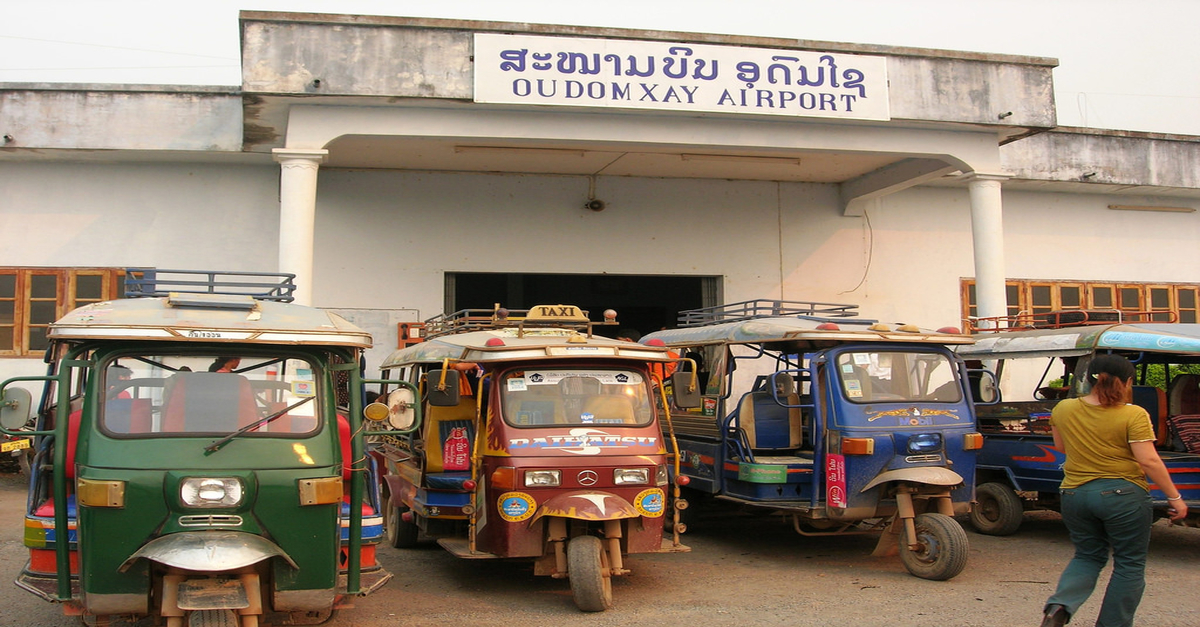
oudomxay airport
oudomxay airport

Due to upgrades to the airstrip and apron at Oudomxay Airport, travelers looking to visit the Northern province will be detoured to the airports in Luang Namtha or Luang Prabang province.

The temporary delay will be in effect from July 1 thru to October 1, and should not cause too much disruption to travelers heading North, as Lao Airlines will be increasing flights to the two substitute airports in Luang Namtha and Luang Prabang.

The interruption to operations at Oudomxay Airport was announced by the Lao Airports Authority (LAA) under the Civil Aviation Department of the Ministry of Public Works and Transport earlier in the week.

Director General of Lao Airports Authority (LAA), Mr Somboun Daosavanh revealed that the upgrade was necessary to patch damaged surfacing both on the runway and the apron, that serves as a maneuvering and parking area for aircrafts. “Last year, a summer storm hit the province, causing direct impact to the runway surface due to the rainwater,” he said.

Mr Somboun also stated that the Oudomxay Airport had undergone upgrades as recent as 2014, which included improvements to the runway, a new terminal and other essential facilities. However, due to low quality infrastructural work, additional repairs are necessary.

The government has allocated over 500 million kip to completely resurface the runway as part of ongoing improvements.

Officials speculate that the improvement of the runway at Oudomxay Airport should help address any concerns by authorities and airlines and ensure the safety of passengers.

Meanwhile, travelers looking to reach Oudomxay province, can take a flight directly to the Luang Prabang or Luang Namtha airport, and continue on to Oudomxay either by bus or by car.


Mother and Children Hospital Equipped to Handle Difficult Pregnancies by 2018

babybump
babybump

Expectant mothers who experience a ‘difficult pregnancy’ will no longer have to seek medical facilities across the border into neighboring countries anymore.

A ‘difficult pregnancy’ is a broader term that can lead to a ‘high risk pregnancy’, which in some cases can potentially put the mother, the developing fetus, or both at higher-than-normal risk for complications during or after the pregnancy and birth.

In previous years, Lao hospitals have lacked the proper channels for expectant mothers who have had difficult pregnancies, usually resulting in the mother-to-be being sent to Thailand to consult Thai hospitals, or in more unfortunate cases common to low income families, losing the baby.

However, in an effort to provide women with consultation and services for  difficult pregnancies, the Mother and Children Hospital is developing a new Consulting Center for Difficult Pregnancy Status, in hopes that expectant mothers will have a facility they can depend on when facing pregnancy complications.

According to the General Director of the Mother and Children Hospital, Dr Sivongxay Chanthavongsack, the hospital has added a laboratory complex installed with modern equipment and technology and is scheduled to be completed by 2018.

The Mother and Children Hospital was established in 1993, with a mission to provide medical care to pregnant women and children across the country. The hospital originally opened its doors to the public with only  70 beds available, however after the center is completed, an estimated 250-300 beds will be accessible to patients.


Coffee Giant Dao-Heuang Owes 27 Billion kip to Lao Farmers

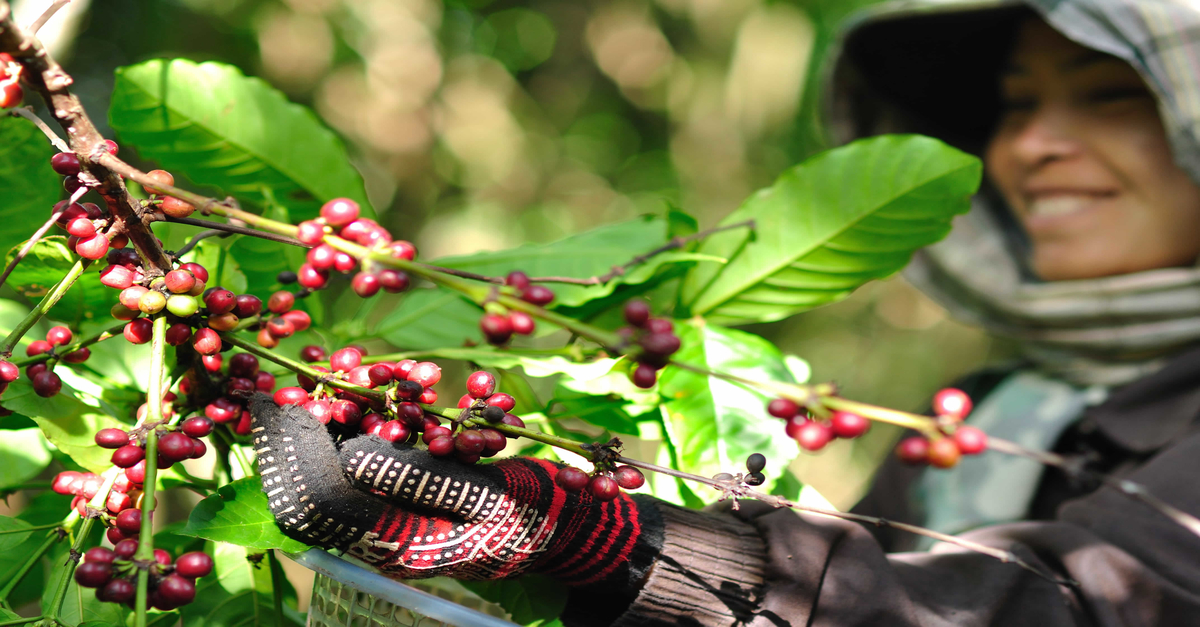
coffee beans
coffee beans

After falling several months behind in payments for raw beans, one of the largest firms in Laos, Dao-Heuang Group, has racked up  an estimated 27 billion kip in debt owed to 2000 of the country’s coffee farmers.

According to the Champassak provincial Industry and Commerce Department, after paying off other significant debts, representatives for the company have vowed to pay off coffee growers next.

At a meeting called by the department last week, the company’s representatives were invited to join a discussion with farmers to identify solutions to the problem.

After receiving a letter of petition from the representative for coffee growers in Champassak province, the Ministry of Industry and Commerce announced that the provincial Industry and Commerce Department would cooperate with the relevant sector in attempt to resolve the issue.

Dao-Heuang Group remains the dominant coffee buyer in Laos, leaving many coffee growers with very few alternatives to sell their product as demands from other companies remain limited. The company assures debts will be paid, however has not presented a timeline as to when.

Coffee continues to be an essential commercial export crop in Laos, and the nation’s product remains popular among people domestically, while increasingly seeing demand from the international market as well. It is exported to China, Taiwan, Italy, Japan, Spain, Poland, Germany, the US, France, Belgium, Sweden, Thailand and Vietnam.

However, challenges for the industry linger as the world price for coffee has dropped considerably over the past few months.

According to the Lao Coffee Association, robusta beans are down from US$2,100 in March to US$2,014 in June.  

The higher grade Arabica have been seeing an even more dramatic dip, previously selling at US$ 3,100 in March before falling to US$2,500 a tonne in June.

The value of coffee exports through the Lao Coffee Association has reached 21,000 tonnes, evaluating at more than US$50 million.

More and more investors from several countries are investing in coffee farms across the country including those from Vietnam, Thailand, the Republic of Korea, Chinese Taiwan, Singapore and India.