Home Blog Page 661

From Coal Mining to Agriculture: An Ecological Initiative at a Chinese Coal Mine


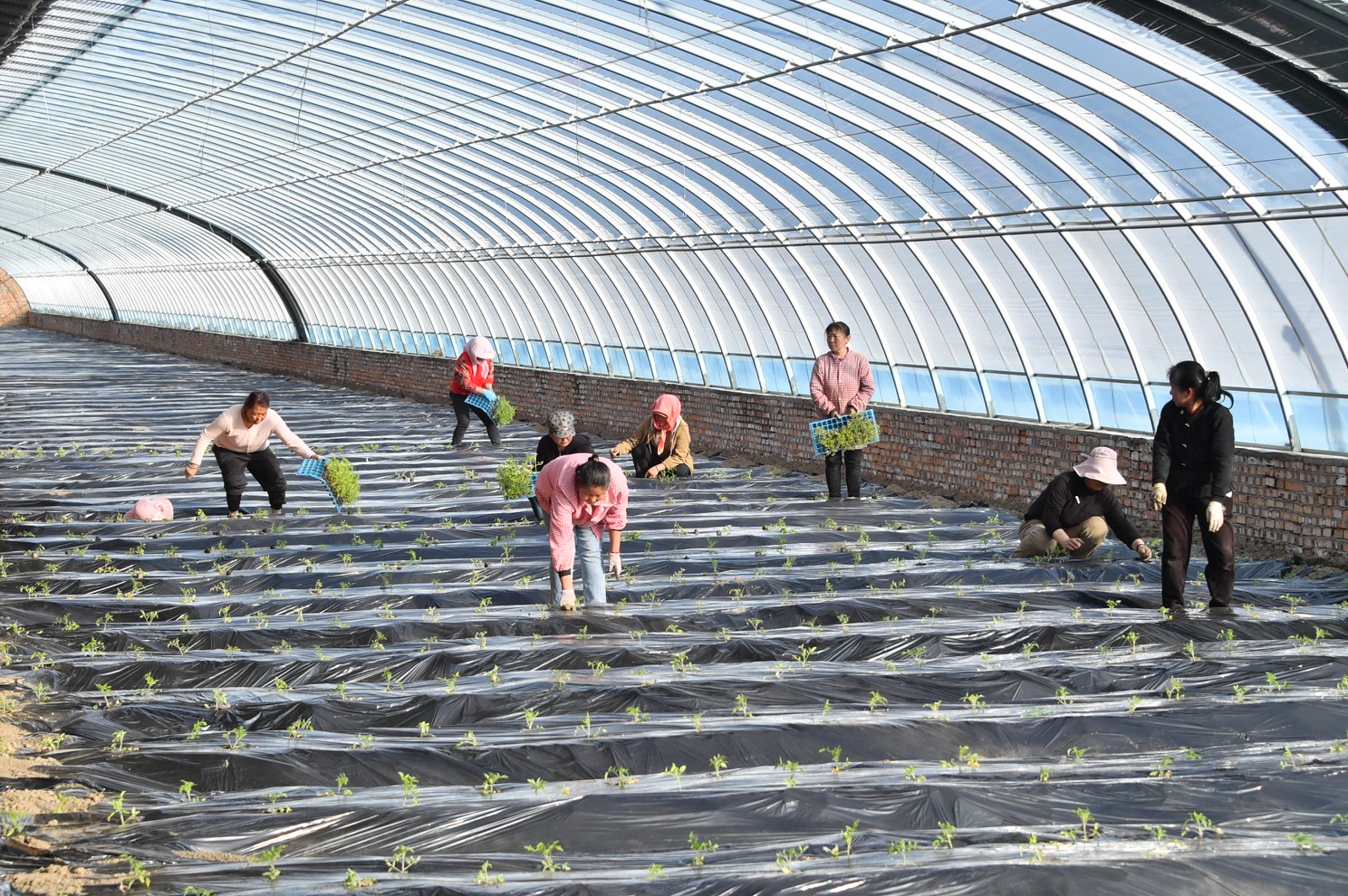
ORDOS, CHINA – Media OutReach Newswire – 22 April 2026 – On April 20, 2026, a new batch of watermelon seedlings was transplanted in the greenhouses within the reclamation area of Minda Coal Mine, located in Dongsheng District, Ordos, Inner Mongolia. This open-pit coal mine has an annual production capacity of 8 million tons.

In late spring, workers in the coal mine reclamation greenhouses actively plant seedlings to make the most of the farming season.

This scene is not from a typical ecological farm’s spring planting but represents a significant transformation taking place within a traditional coal enterprise.

Minda Coal Mine is the largest open-pit mine in Dongsheng District, producing up to 8 million tons of coal annually. Just a few hundred meters away, mining operations continue as usual; meanwhile, on the other side, 300 greenhouses flourish all year round, and the livestock area produces 6,000 pigs, 2,000 heads of cattle, 4,000 sheep, and 10,000 chickens annually.

This transformation began in 2018. Initially, the goal was simple: to provide mine workers with safe, locally produced vegetables and meat. Seven years later, this integrated “planting and breeding circular chain” has achieved tangible economic results. In 2025, the agricultural output value reached 12 million yuan, benefiting 150 farming households in Tongchuan Town, with each household seeing an average annual income increase of 30,000 yuan. The ecological supermarket in Toudao Lane, Dongsheng District, which opened just five months ago, now serves approximately 300 customers daily, with daily sales exceeding 10,000 yuan.

The challenges here extend beyond deciding what to plant.

Situated on the Ordos Plateau, Minda Coal Mine experiences less than 400 millimeters of annual rainfall, with drought occurring nine years out of ten. The reclamation area initially consisted largely of stripped rock and soil, with organic matter content as low as 0.2%. To address this, the mine invested 150 million yuan to construct 11 water storage ponds that collect rainwater from slopes, roads, and rooftops, creating a “rainwater bank” with a total capacity of 5,000 cubic meters, achieving 100% utilization of collected rainwater. Soil quality was enhanced through screening, backfilling, and the application of biological fertilizers, increasing the organic matter content across 14,000 mu of reclaimed land from 0.2% to 1.5%.

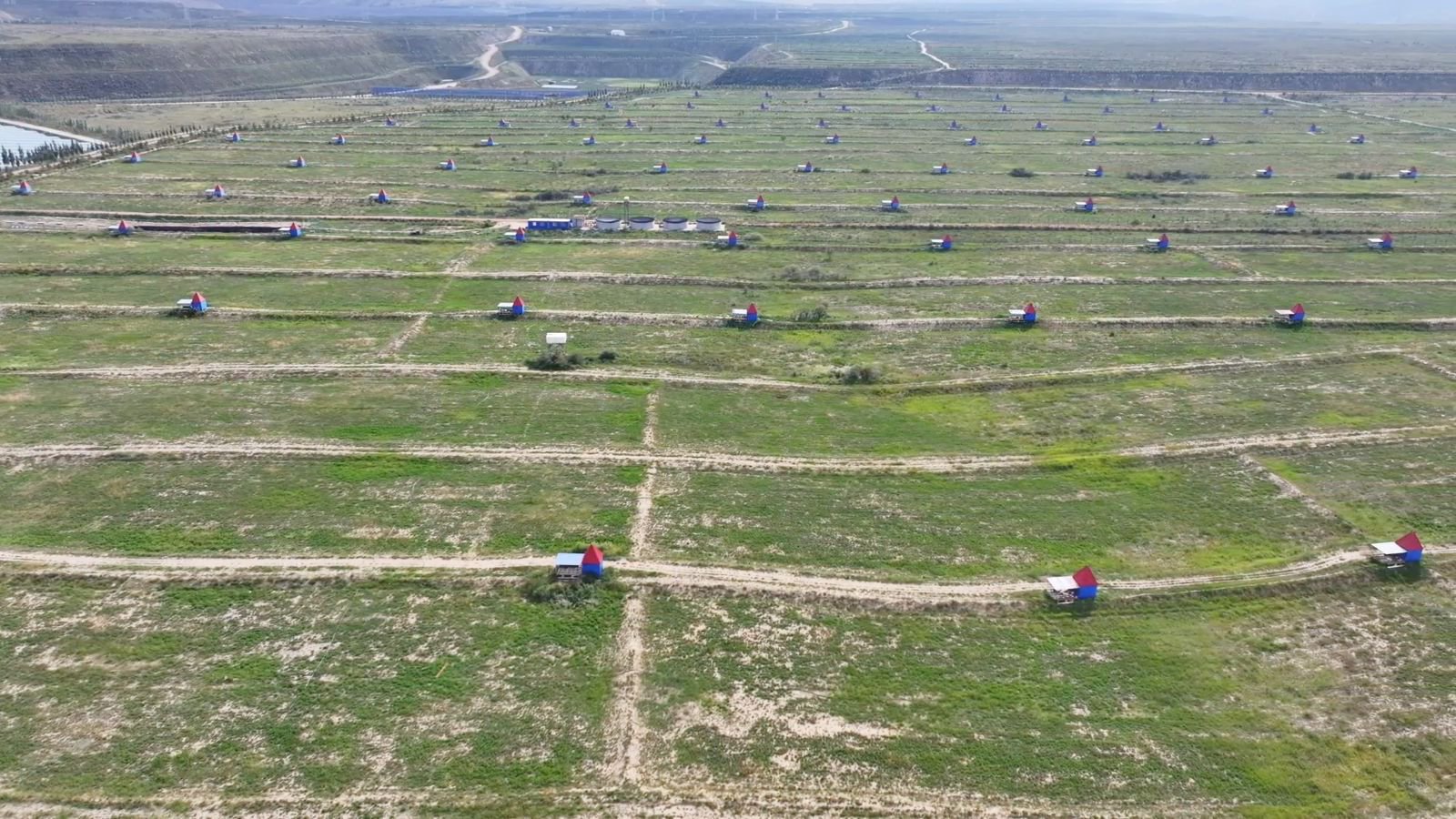
In the reclamation area, rows of chicken coops are neatly arranged, with tens of thousands of free-range ecological chickens roaming freely.

“Coal will eventually run out, but the land must be preserved for future generations.” A statement from the head of Minda Coal Mine highlights a long-term challenge faced by resource-dependent regions.

Currently, Dongsheng District has achieved an 87% green mine certification rate, completed reclamation greening of 820 hectares, and manages 1,525 hectares of goaf areas. New industries such as sea buckthorn cultivation, photovoltaics, agriculture, and animal husbandry have been established in the reclamation area. Where coal mining once accounted for 90% of income, ecological agriculture now contributes 18%, with projections of an increase to 35% by 2027. Plans are underway for slaughterhouses, food processing plants, feed factories, fertilizer plants, and breeding bases.

From coal mining to farming, from the “rainwater bank” to supermarket shelves, the spring of 2026 at Minda Coal Mine offers a promising answer to a common question in China’s resource-based regions: after underground resources are depleted, how can above-ground advantages be sustainably leveraged?
Hashtag: #DongshengDistrictIntegratedMediaCenter

The issuer is solely responsible for the content of this announcement.

TAT unveils the inspiration behind “feel all the feelings,” showcasing “LISA’s” attire and local artisanal products intertwining Thai heritage and culture within every scene


BANGKOK, THAILAND – Media OutReach Newswire – 22 April 2026 – The Tourism Authority of Thailand (TAT) has unveiled the official behind-the-scenes VDO of its latest TVC, “feel all the feelings,” featuring Lalisa “LISA” Manobal as the Amazing Thailand Ambassador. The campaign aims to comprehensively convey the charm and emotional depth of Thai tourism. In addition to the inherent beauty of various tourist destinations, it also features meticulously curated “fashion and locally-made handicrafts.” These elements enrich the narrative by profoundly reflecting Thai identity, way of life, and cultural aesthetics.

TAT - feel all the feelings - BTS01

Transcending mere apparel or accessories, the fashion showcased in this TVC serves as a platform where fashion intricately interweaves emotions, sentiments, and the beauty of Thai culture. Through a seamless blend of contemporary design and traditional Thai heritage, attires and accessories worn by “LISA”—crafted by Thai designers and brands—present the charm of stylish, modern Thai fashion into the spotlight.

Epitomising simplicity and Harmony with the surrounding vistas through a White Ensemble from Muscovy Studio

Defined by its graceful lines and fluid silhouette, the look evokes a sense of seamless integration with the landscape, poised for new horizons in travel. Muscovy Studio has re-envisioned traditional “Thai wickerwork”, incorporating its structural essence into the sleeves and shoulders to create a modern, commanding, and charming aesthetic. The addition of tie-dye detailing at the hem introduces a sense of motion, while the ensemble’s versatile design allows it to transition from a functional mini-dress to a sophisticated mermaid-cut gown. This layered approach, combined with a palette of white and warm undertones, offers a fresh perspective on contemporary Thai fashion.

Radiating An Eternal Brilliance with A Golden Gown from UNKUNIYA
This masterpiece of craftsmanship features a palette of gold woven with exquisite precision, highlighting graceful, intricate curves. The upper bodice is designed with an elegant bateau neckline, adorned with meticulously layered sequins that shimmer with every movement. This is perfectly complemented by a fluid, sweeping skirt that drapes with effortless elegance. The result is a look of profound luxury and enchantment, designed to radiate with a captivating, multi-dimensional glow even in the softest candlelight.

Presenting a new dimension of Thai attire with an ASAVA Golden Silk Strapless Ensemble
This is a reimagination of traditional textile charms through a contemporary lens. ASAVA masterfully integrates international fashion structures with Thai silk, featuring a bodice meticulously crafted with corset-inspired tailoring that reflects the precision of Western haute couture. The lower half is defined by a striking balloon skirt, which provides sophisticated volume and depth, while a layered golden cape adds a final touch of luxury and fluid elegance.

Translating Thai Wickerwork into Contemporary Fashion, resonating with Creative Energy, through A Cream Ensemble by VASSANA
This ensemble elegantly reflects the refinement of Thai wisdom and craftsmanship through intricate three-dimensional detailing on both the bodice and skirt. By reinterpreting ‘wickerwork’—a precious local handicraft—through a contemporary lens, the design creatively transforms bamboo into a sophisticated fashion statement. The upper bodice features a strapless design crafted from ‘Tok’ (bamboo strips), traditionally used for weaving farmers’ hats, which are meticulously tailored and arranged. Meanwhile, the skirt incorporates bamboo fibres woven into a minimalist yet striking pattern, adding depth and a modern identity to the look. The entire ensemble harmoniously weaves together artistic value and cultural narrative, while the natural bamboo-inspired palette further accentuates the charm of Thai wickerwork. The ensemble is completed with a ‘Khanom Jeeb’ (pleated dumpling) style wicker bag, inspired by traditional ‘Uba’ floral tassels, offering an elegant and stylish take on applied Thai heritage.

LISA’s fashion looks are elevated to perfection by glowing golden accessories from SARRAN
These pieces convey the vibrancy and vitality of nature, inspired by the beauty of Thai flora, specifically a symbol of faith like ‘Dok Rak’ (Crown Flower). The collection reflects a narrative of a journey that brings Thai beauty, culture, and identity to the global stage. Inspired by the historic voyages of Thai ambassadors during the Ayutthaya period—an era when Siamese representatives crossed oceans to forge international alliances—the collection translates the Thai spirit into wearable art. By reinterpreting traditional ‘Phuang Malai’ (garlands) and ‘Uba’, it seamlessly bridges Thai cultural heritage with a contemporary global context.”

In addition to the fashion, eye-catching items featured in the TVC, though simple, possessed rich narratives, and were well-sourced from Thai communities. They were meticulously selected to establish an authentic atmosphere as well as to vividly reflect the local way of life and identity. These items include:

Palm Leaf Fans: Handicraft Heritage from Buriram Province – A Breeze of Simplicity that Evokes Emotion
Traditional handheld fans, still in use in many homes, are considered staples. They symbolise calmness, gentleness, and an unhurried pace of life. The “Phat Bai Tan” (Palm Leaf Fans) from Ban Non Ma-Nga, Sakae Sub-District, Satuek District, Buriram Province is an ancient Thai folk wisdom heritage passed down through generations. These hand fans are crafted locally from “Bai Tan” (Palmyra Palm leaves) and they are distinguished by their unique, striking colour schemes achieved through a meticulous arrangement of young and mature leaves. These ‘Phat Bai Tan” evidently demonstrate Thai artisanal skills at every stage, from material selection and sorting, product shape development, to the creation of diverse patterns to elevate both product values and local wisdom. Praised as a cherished household item for many to this day, a Palm leaf fan is known to be a widely accessible and highly affordable Thai handicraft which possesses exquisite and beautiful details.

Chang Moi Rattan Chairs and Basketry Crafts, Chiang Mai Province – The Allure of Thai Artisanship
Concurrently, wicker chairs epitomise the comfort and warmth characteristic of Thai homes. They are considered among the foremost handcrafted furniture pieces, frequently employed as primary decorative items in both residential settings and cafes, thereby imparting a relaxing and warm ambience to interior spaces. Specifically, “Chang Moi Rattan Chairs” represent a distinctive local handicraft from Chiang Mai province. These chairs, with their innovative forms, are a distinctive integration of natural “Honey Rattan” and unique techniques of skilled artisans. A diverse range of designs is available spanning from traditional artistry to modern styles that cater to contemporary preferences. They reveal an inherent charm of simplicity, classic appeal, and natural beauty, coupled with durability and practicality. Furthermore, they reflect the intrinsic value of natural materials and the long-inherited artistry of Thai communities.

Pakakayo Shoulder Bag, A Local Wisdom from Mae Hong Son Province – Ethnic Identity in Textile Handicrafts
The hand-woven shoulder bags of the Pakakayo community are distinguished by their “traditional weaving techniques,” which represent the inherited wisdom and culture of the tribe, passed down through generations. Each textile piece embodies the community’s spirit, merging with nature through the creation of patterns and colours that not only add visual depth to the scene but also harmoniously narrate the profound connection between people and the land. This encompasses natural dyeing, weaving, and the meticulous creation of patterns using unique techniques, all performed by the villagers’ own hands. The continuation of the Pakakayo people’s weaving wisdom has also been extended to contemporary fashion products, perfectly catering to the lifestyles of the younger generation. For both Thai and international visitors, these Pakakayo shoulder bags are not merely handicraft items available for purchase, but they also offer a travel experience rich in cultural narratives, an opportunity to learn about community life, and to immerse oneself in the beauty of textiles that truly convey the tribe’s history and identity.

Rooster Bowl, a Renowned Product of Lampang Province – A Return to Memories on the Thai Dining Table
Just mentioning the Rooster Bowl, it evokes images of steaming hot rice. The “Rooster Bowl” has been a symbol of Thai households for over a century and it is also a significant historical evidence of Chinese porcelain. Furthermore, it has been registered as a Geographical Indication (GI) in Thailand, owing to the exceptionally suitable properties of Lampang’s white clay for ceramic production. These ceramic bowls possess distinctive quality and patterns, typically hand-painted with a chicken alongside peonies and banana trees. In Chinese culture, the “chicken” symbolises diligence and abundance. Despite the closure of numerous Rooster Bowl factories and a growing preference among younger generations for alternative tableware, a passionate group remains dedicated to the preservation of the Lampang Rooster Bowl, having established the Lampang Ceramic Association to safeguard this cultural heritage. For both Thai and international visitors, the “Rooster Bowl” is not just a rare collectible item, but it also offers a cultural journey experience, allowing one to appreciate the beauty of porcelain, learn about traditional craftsmanship, and immerse oneself in the perfectly integrated Thai-Chinese cultural heritage and local way of life.

Bo Sang Umbrella, San Kamphaeng District, Chiang Mai Province – The Vibrant Artistry of Lanna Handicrafts
The “Bo Sang Umbrella,” a handmade umbrella made by Saa paper, has become a global icon from San Kamphaeng District of Chiang Mai province. For more than a century, the district has been known as the world-renowned origin and production hub for Saa paper umbrellas. The legendary and distinctive manufacturing process also represents Thai wisdom passed down through many generations. Characterised by its distinctive, vibrant, and beautiful Lanna art patterns, combined with thorough attention to every detail, the “Bo Sang Umbrella” transcends its function as a sunshade or rain protector; it is a living work of art that vividly reflects the spirit of the Northern Thai people. The essence of the “Bo Sang Umbrella” lies in its delicate production process, from the selection of high-quality natural materials such as Saa paper, to its assembly with precisely carved and shaped bamboo frames. Three distinct types are available: Saa paper umbrellas, silk umbrellas, and cotton umbrellas. Presently, this classic beauty continues to serve as a notable inspiration for new artists and designers who adapt it into contemporary works that seamlessly integrate with modern lifestyles. Beyond its artistic aesthetic value and practical utility, the “Bo Sang Umbrella” is an integral component of the community’s culture and economy, having provided livelihoods and income for local residents for decades. The craftsmanship is also celebrated annually through the “Bo Sang Umbrella and San Kamphaeng Handicrafts Festival,” held every January, which attracts both Thai and international visitors to observe the traditional production process, purchase umbrellas as souvenirs, and experience the charm of this vibrant handicraft village.

The TVC “feel all the feelings“ is therefore not merely an invitation to embark on a journey through Thailand to encounter a myriad of experiences and emotions waiting to be discovered by visitors, but it also presents an opportunity for Thais to experience and appreciate the inherent value of everyday objects and community items that reflect the foundation of Thai identity as perceived through the eyes of Lalisa “LISA” Manobal, the Amazing Thailand Ambassador.

The behind-the-scenes VDO of ” feel all the feelings ” is currently available at official Amazing Thailand channel: https://www.youtube.com/watch?v=2hbFUwU5z98

Contact Information
International Public Relations Division
Tourism Authority of Thailand
Tel: +66 (0) 2250 5500 ext. 4545-48
Fax: +66 (0) 2250 0246
E-mail: prdiv3@tat.or.th
Website: www.tatnews.org

Reference Link: https://www.tatnews.org/2026/04/tat-unveils-the-inspiration-behind-feel-all-the-feelings-showcasing-lisas-attire-and-local-artisanal-products-intertwining-thai-heritage-and-culture-within-every-scene/

Hashtag: #AmazingThailand #AmazingThailandAmbassador #AmazingThailandxLISA #FeelAllTheFeelings


The issuer is solely responsible for the content of this announcement.

Dell Technologies Highlights AI PCs and Workstations as the Next Phase of Enterprise AI in Asia Pacific

The AI Compute Continuum: from intelligent endpoints to advanced AI workloads


SINGAPORE – Media OutReach Newswire – 22 April 2026 – Dell Technologies (NYSE: DELL) today outlined how enterprise AI adoption across Asia Pacific (APAC) is moving from experimentation to implementation, with 48% of organisations with more than 500 employees in the region already deploying AI PCs and 95% expecting workstations to play a critical or important role in AI initiatives over the next two years. Together, these trends point to a more distributed AI environment – one that brings intelligence closer to users while supporting increasingly complex and compute-intensive workloads.

Two IDC InfoBriefs, commissioned by Dell Technologies and Intel reinforce this shift – Future-Ready Workforce: The Strategic Case for AI PC Adoption and Powering Future-Ready Computing with Workstations: Built for AI. Built for You. The research highlights growing enterprise momentum behind both intelligent endpoints and higher-performance systems as organisations shape the next phase of AI adoption.

For Dell, this shift reflects a broader industry trend toward aligning the right compute resources with specific workload requirements, as organisations balance intelligent endpoints for everyday productivity with high-performance systems designed for advanced AI and professional use cases. Enterprise AI deployments are increasingly spanning client devices, edge environments and the data centre, reflecting a more distributed approach across the IT environment.

AI PCs: Bringing intelligence closer to everyday work

AI PCs are becoming a core component of the modern workplace, enabling AI workloads to run directly on the device to deliver faster, more responsive user experiences while reducing reliance on continuous cloud connectivity. This approach also supports enhanced data privacy and security, provides IT teams with greater control over deployment and management across device fleets, and enables more consistent scaling of AI capabilities across the workforce.

The IDC research commissioned by Dell Technologies and Intel underscores this momentum. As AI becomes embedded in day-to-day work, device strategy is shifting accordingly. 89% of APAC organisations now consider AI capabilities a very important factor in future PC purchasing decisions.

In Singapore, 54% of organisations have already deployed AI PCs – 12% higher than the regional average – highlighting strong early adoption momentum. Southeast Asia’s AI PC adoption is outpacing the regional average by 6%, driven by the ability to adopt new technologies without legacy constraints, strong infrastructure in markets like Singapore, favourable market conditions and supportive government initiatives.

APAC Organisations with over 50% AI PCs in their fleet report saving 2.17 hours per employee per day, a 30% productivity increase compared to using AI on traditional PCs. AI PCs are enabling a new class of enterprise use cases – from real-time collaboration and report generation to natural language search and content creation – delivering tangible productivity gains.

In practical terms, this can translate into faster proposal turnaround for sales teams, quicker analysis cycles for finance and operations, streamlined drafting for HR, faster document review for engineering teams, and more responsive support for customer-facing employees. As organisations prepare for more autonomous and agentic AI in hybrid work environments, AI PCs are increasingly becoming the governed way to scale intelligent experiences across the workforce – safely, consistently, and with clearer business impact.

Four out of five APAC organisations expect AI PCs to drive adoption of agentic AI, with the same proportion agreeing they enhance control and security for these applications. The broader momentum is clear: within APAC, 84% of organisations expect AI PCs to increase employee productivity, while 78% cite security benefits and 77% highlight cost advantages of running AI locally.

This shift is leading to a tangible investment. Across APAC, 65% of organisations are willing to pay a premium of 10% or more for AI PCs, reflecting their role as core infrastructure for enterprise AI.

Workstations: Powering advanced AI and specialised workloads

While AI PCs distribute intelligence across the workforce, workstations continue to serve as the performance backbone for more demanding workloads – particularly as organisations shift more AI development on-premise. Developers, engineers, designers, and data teams rely on workstation-class systems for AI model development, simulation, rendering, data preparation, and other compute-intensive activities that require reliability, low latency, and sustained performance.

The IDC research on workstations reflects this reality. 95% of organisations across APAC expect workstations to play a critical or important role in AI initiatives over the next two years, while 50% would choose a workstation as their preferred device for AI development, and 97% of organisations agree workstations are high-performance devices that fuel innovation for the organisation by empowering teams to explore cutting-edge technology like AI and Machine Learning models.

Across Southeast Asia, 92% of organisations surveyed reported higher productivity among workstation users, while 52% expect the share of workstations in their fleet to grow over the next five years. Organisations in this part of the region also reported workstation use for data preparation (66%), model fine-tuning (62%), and foundational model training (55%), underscoring the role of high-performance systems in advanced AI and professional workloads.

Use cases vary by sector – from engineering and architecture workflows in manufacturing, to content rendering in media, software development in technology, and risk modelling in financial services. AI has become the top technical computing use case for workstations, supporting the full lifecycle from data preparation (62%) and model training (60%) to fine-tuning (59%), deployment (44%) and inference (29%).

This also shifts the conversation from upfront device price to total cost of ownership – including lifecycle longevity, scalability, performance consistency, and risk reduction. As AI initiatives move closer to production, workstations are increasingly seen as long-term platforms that can scale with evolving workloads, rather than short-term tools for experimentation.

Toward an AI compute continuum that supports the next phase of enterprise AI

Together, AI PCs and workstations form an AI compute continuum, supporting everything from everyday productivity to advanced AI development and professional workloads across the enterprise.

For organisations across Asia Pacific, the next phase of AI will not be defined by a single environment or device category, but by the ability to place the right workload on the right compute. AI PCs are extending AI into everyday workflows, while workstations are helping organisations industrialise more advanced, compute-intensive, and specialised AI use cases. Combined, they give leaders a more practical foundation for scaling AI with greater speed, control, and long-term value.

Perspectives:

“AI is changing where work happens and where intelligence needs to live,” said Jacinta Quah, vice president, client solutions group, Asia Pacific, Japan and Greater China (APJC), Dell Technologies. “AI PCs and workstations are not simply device categories in a refresh cycle – they are foundational platforms built for the next phase of enterprise AI era. AI PCs bring intelligence to everyday workflows, at the fingertips of employees where data is generated. Meanwhile, workstations provide the performance and control needed for more specialised, compute-intensive workloads. Together, they enable organisations to scale AI more effectively, strengthen security and privacy, and drive meaningful business outcomes.”

“AI is placing new demands on compute, requiring both local intelligence and high-performance processing to work seamlessly together,” said Jack Huang, regional sales director, PC client commercial and channel, Asia Pacific and Japan, Intel. “As AI workloads become more diverse, organisations need silicon innovations and platforms that can support both efficient on-device experiences and more demanding workstation use cases. Together with Dell, we are helping to enable the next phase of enterprise AI with technologies built for responsiveness, efficiency and scale.”

“The speed at which AI models are being compressed to run on-device has been remarkably fast,” said Bryan Ma, vice president, client devices, IDC. “In the next year or two, very robust models will run on PCs that far exceed today’s capabilities. At the same time, organisations continue to depend on high-performance workstations for advanced AI development and specialised workloads, reinforcing a more distributed AI environment across the enterprise.”

Research Methodology:
The findings are based on two IDC InfoBriefs:

  • IDC InfoBrief, sponsored by Dell Technologies and Intel, Future-ready Workforce: The Strategic Case for AI PC Adoption, Doc. #AP242547IB, January 2026
  • IDC InfoBrief, sponsored by Dell Technologies and Intel, Powering Future-Ready Computing with Workstations: Built for AI. Built for You, Doc. #AP242550IB, February 2026

Future-ready Workforce: The Strategic Case for AI PC Adoption is based on a survey of 720 IT and business decision-makers across Asia Pacific organisations with more than 500 employees. Powering Future-Ready Computing with Workstations: Built for AI. Built for You surveyed 960 IT and business decision-makers in the region to assess workstation adoption, usage, and their role in enterprise AI strategies.
Hashtag: #DellTechnologies

The issuer is solely responsible for the content of this announcement.

About Dell Technologies

(NYSE: DELL) helps organisations and individuals build their digital future and transform how they work, live and play. The company provides customers with the industry’s broadest and most innovative technology and services portfolio for the AI era.


Students take climate action into their own hands at NLCS (Singapore)’s Earth Week

Earth Week brings together students and sustainability practitioners through 26 workshops; culminates in a Service and Sustainability Summit to explore how early action can shape a more sustainable future


SINGAPORE – Media OutReach Newswire – 22 April 2026 – Climate change increasingly calls for shifts in behaviour and collective responsibility, and education is taking on a more central role in shaping how individuals understand and respond to environmental challenges from a young age.

At North London Collegiate School (NLCS) (Singapore), this conversation comes to life through its annual Earth Week, where students, educators and sustainability practitioners come together to explore how knowledge and community engagement can contribute to meaningful environmental and social impact.

Held from 20 April to 24 April 2026, the week-long programme culminates in the Service and Sustainability Summit, a platform designed to connect students with real-world perspectives on climate action. It brings together members of the school community alongside environmental organisations and advocates, such as Waterways Watch Society of Singapore, Plastify, and SPCA Singapore, creating space for dialogue, reflection and practical learning.

Two of Malaysia’s beloved and renowned artists, Lee Oscar and Celine Tan from CO2–Karbondioxida, will lead a keynote presentation as well as a hands-on workshop where students will be able to create the Singapore skyline using fabrics from pre-loved clothing. It becomes a meaningful way to weave in the stories of the clothing items to channel their creativity sustainably.

The Earth Week initiatives reflect a growing recognition that sustainability education must extend beyond awareness. As environmental issues become more complex and immediate, there is increasing emphasis on equipping students not only with knowledge, but also with the ability to make informed decisions and take responsibility for their actions.

During the summit, students will be able to choose from 26 workshops spanning waste management, water sustainability, circular systems and environmental stewardship, with sessions led by external partners, teachers, Senior School students and members of the parent community. Topics range from Singapore’s water journey and plastic recycling systems to composting, urban farming and e-waste, with many workshops designed to be hands-on. Beyond this, students are also leading their own initiatives, with the school’s sustainability society, Greenwave, driving projects from renewable energy awareness to supporting local environmental and animal welfare organisations, reflecting a growing sense of ownership over the issues they study.

“Schools have always been places where knowledge is built, but increasingly, they must also be where values are formed and tested. Sustainability is not something students will only encounter in the future, it is already shaping the world they are growing into. Our role is to give them the space to engage with these issues early, to think critically, and to understand that their actions, however small, carry weight,” said Sophie Davies, Vice Principal, Safeguarding and Inclusion, NLCS (Singapore).

The Service and Sustainability Summit serves as the focal point of the week, featuring keynote sharing sessions, discussions and student-led engagements that encourage participants to reflect on the role individuals and communities play in shaping a more sustainable future.

“For many students, environmental issues can feel distant or overwhelming. What programmes like Earth Week and the summit aim to do is make these challenges more tangible and relatable, while ensuring that every student feels they have a role to play. It is also about inclusion, creating an environment where different perspectives are valued, and where students can build confidence in contributing to conversations that affect their communities and their future,” said Agathe Avila, Environment and Sustainability coordinator, NLCS (Singapore).

As Singapore continues to advance its sustainability agenda, initiatives such as Earth Week highlight the role that schools can play in nurturing a sense of responsibility and long-term thinking from an early age. Grounding learning in real-world contexts and encouraging active participation reflects a broader approach to education, one that prepares students not only academically, but as informed and engaged members of society.

The week concludes with a reminder that meaningful progress on environmental issues will depend not only on systems and policies, but also on individuals who are prepared to act with awareness and intent.
Hashtag: #NLCS


The issuer is solely responsible for the content of this announcement.

About North London Collegiate School (Singapore)

Founded in August 2020, North London Collegiate School (Singapore) is a British international school offering the academically ambitious NLCS curriculum, followed by the International Baccalaureate’s Middle Years Programme and culminates in the IB Diploma Programme.

Drawing upon 175 years of educational heritage from its founding school in the UK, NLCS (Singapore) nurtures individuals to be intellectually curious, socially confident, and grounded in compassion. Every student is known, challenged, and celebrated through a rigorous academic framework, rich co-curricular opportunities, and exceptional pastoral care.

Situated on Depot Road, the school is part of a global family of schools committed to educational excellence and developing global citizens.

Sprite Lands Back in the Heart of Street Culture in ASEAN & South Pacific with Launch of New Global Platform ‘It’s That Fresh’

Rolling out across more than 15 diverse markets in ASEAN & South Pacific, Sprite’s new global platform brings a dynamic new look, an iconic brand sound, and bold cultural partnerships rooted in spicy food, basketball, music

SINGAPORE – Media OutReach Newswire – 22 April 2026 – Sprite®, the world’s No. 1 lemon-lime soft drink, is entering its boldest, freshest chapter yet in ASEAN & South Pacific. With the launch of ‘It’s That Fresh,’ Sprite reaffirms its role as the region’s choice for ultimate refreshment — introducing a vibrant new visual identity, an iconic and ownable Sprite Sound, and fresh locally-resonant cultural collaborations that meet people at the heart of everyday street culture.

From bustling sari-sari stores in the Philippines and warungs in Indonesia, to late-night mamak stalls in Malaysia and supermarket aisles in Australia and New Zealand, Sprite has long been part of how people across the region cool down, connect, and express themselves. It’s That Fresh brings this shared heritage together under one global platform, brought to life in ways that reflect the spirit, taste, and energy of ASEAN & South Pacific.

A Fresh Platform, Brought to Life Locally

‘It’s That Fresh’ unifies Sprite’s brand expression across 180 markets globally. In ASEAN & South Pacific the platform comes to life through a culturally grounded expression, anchored in spicy food, basektball, and music, and supported by a refreshed logo, bold new packaging, and the Sprite Sound.

“Sprite is more than just a drink—it’s part of how people experience refreshment in the heat, through food, sport, and shared moments,” said Mark Dee, Category Marketing Sr. Director of Sparkling Flavors for Coca-Cola ASEAN & South Pacific. “It’s That Fresh celebrates authenticity, originality, and the bold spirit of the region’s youth, bringing global brand strength together with local culture in a way that feels real and relevant.”

Spicy Food First: Where Refreshment Meets Real Heat

Spicy food sits at the heart of street food culture across ASEAN & South Pacific – from hawker centers and night markets to local eateries adn late-night favorite spots. For Gen Z in the region, spice is more than a flavor; it’s a shared experience that brings people together.

Building on this deep cultural connection, Sprite is leaning further into its ‘Hurts Real Good with Sprite’ platform in the region – celebrating the joy of bold, spicy flavors paired with the ultimate refreshment. Sprite complements some of the region’s most loved dishes, from tom yum and laksa to satay and other street-food favorites, delivering crisp lemon-lime refresment that cuts through the heat.

Global and local partnerships will bring this to life through creator-led content, live experiences, and Sprite & Spicy bundle offers—all rooted in the everyday way people enjoy food across the region.

Basketball: Community, Expression and Local Experience

Basketball continues to be a powerful form of self-expression and community connection across ASEAN & South Pacific. In 2026, Sprite will continue to support basketball at the local level, building on its long-standing presence in the sport through partnerships and experiences that celebrate creativity, individuality, and the energy of the game. These efforts reflect Sprite’s commitment to showing up where culture lives, consistently and authentically.

A Dynamic New Look & Sound

Sprite’s refreshed visual design marks the return of the iconic Lymon symbol, updated for a new era and paired with the a bold white Sprite wordmark as one unified hero asset. Flanking both Sprite and Sprite Zero Sugar, the design system uses dynamic movement, liquid cues, and new packaging that radiates the unmistakable green-and-white palette, joined by black cues on Sprite Zero Sugar to ensure clear choice for consumers. The new look will roll out across coolers, street stalls, and supermarkets across ASEAN & South Pacific starting this month. will

Meanwhile, music remains a key part of Sprite’s global DNA and its connection to youth culture. In the region, music plays a supporting role, amplifying moments of refreshment, creativity, and self-expression across platforms and experiences.

At the center of this is the Sprite Sound—a new, iconic ownable brand sound and sonic identity designed to be instantly recognizable, much like a signature audio cue. Created in partnership with globally-renowned music producers but designed to connect with regional and youth music culture in ASEAN & South Pacific, the Sprite Sound serves as the audio shorthand for Sprite refreshment.

Bold Innovations to Watch Out For

Sprite keeps innovating with launches that respond to the evolving tastes and latest trends of the region. In 2026, consumers can look forward to:

  • Sprite Chill Lemon Mint: tapping into consumer demand for multi-sensorial refreshment, we’re bringing intense refreshment to fans in new and unexpected ways. . Sprite Chill Lemon Mint will be launched across selected markets, offering an unique cooling sensation and ultimate refreshment.
  • Sprite + Tea:inspired by the viral social trend of consumers steeping tea bags in Sprite, Sprite + Tea reflects the brand’s commitment to listening to consumers and translating cultural moments into scalable innovation that will be launched in ASP starting with this year
  • Sprite Lime Mint: dialing up refreshment to cut through the heat and humidity of South East Asia, we’ve elevated Sprite’s iconic lemon‑lime fizz with a touch of soft, cool mint, creating a drinking experience that is more than just a beverage, it’s a reset that cools you down.

Availability of these varieties and other flavour options, including Zero Sugar, will vary by market. For specific products near you, visit Sprite.com.

Stay Refreshed

For more on ‘It’s That Fresh,’ follow Sprite’s journey on Instagram, TikTok and YouTube, or visit Sprite.com.

Hashtag: #Sprite

The issuer is solely responsible for the content of this announcement.

Lao Deputy Prime Minister Saleumxay Meets Xi Jinping in Beijing

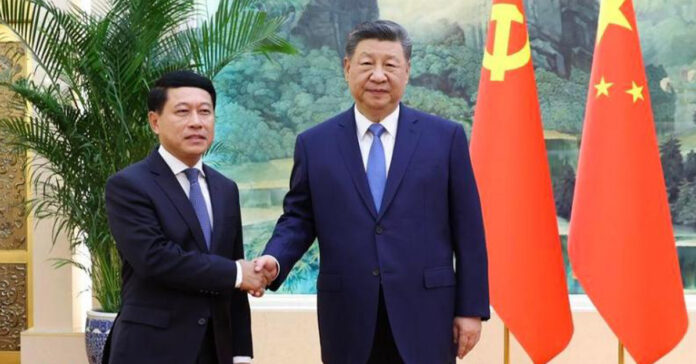
Xi Jinping, general secretary of the Communist Party of China Central Committee and Chinese president, meets with Saleumxay Kommasith, who is the special envoy of General Secretary of the Lao People's Revolutionary Party Central Committee and President of Laos Thongloun Sisoulith, at the Great Hall of the People in Beijing, capital of China, on April 21, 2026. (Xinhua/Huang Jingwen)

Deputy Prime Minister Saleumxay Kommasith visited Beijing as Special Envoy of President Thongloun Sisoulith, meeting with China’s top party and state leadership in a visit that reaffirmed the enduring strategic partnership between the two countries.

On 21 April, Saleumxay met with Chinese President Xi Jinping at the Great Hall of the People, conveying a personal letter from President Thongloun. 

As 2026 marks both the 65th anniversary of Laos-China diplomatic ties and the Year of Laos-China Friendship, Xi called it a year of significant opportunity for bilateral relations, urging both sides to uphold long-term stability, forward thinking, good neighborliness, and comprehensive cooperation, and to advance the Laos-China community with a shared future toward high standards, high quality, and high levels.

On the same day, Saleumxay met with Chinese Foreign Minister Wang Yi. 

Wang pledged China’s support in aligning development strategies, advancing whole-industry-chain cooperation in minerals and electricity, and assisting Laos in economic transformation and industrial growth. Saleumxay expressed Laos’ readiness to expand cooperation in connectivity, energy, and minerals, and to jointly celebrate the 65th anniversary of diplomatic relations.

Prior to the meeting with Xi and Wang, Saleumxay on 20 April met with Minister Liu Haixing at the International Department of the Communist Party of China Central Committee. Both sides commended the visit as a strong gesture of inter-party strategic communication and committed to deepening cooperation in party building, state governance, and the Laos-China community.

Throughout the visit, Saleumxay reaffirmed Laos’ unwavering support for the one-China principle and its full endorsement of China’s four global initiatives, underscoring Vientiane’s deep commitment to its partnership with Beijing.


Policy20 at Money20/20 Asia 2026: Asia’s Leaders Call for Co-Creation as Finance Enters a New Era of Sovereign Intelligence


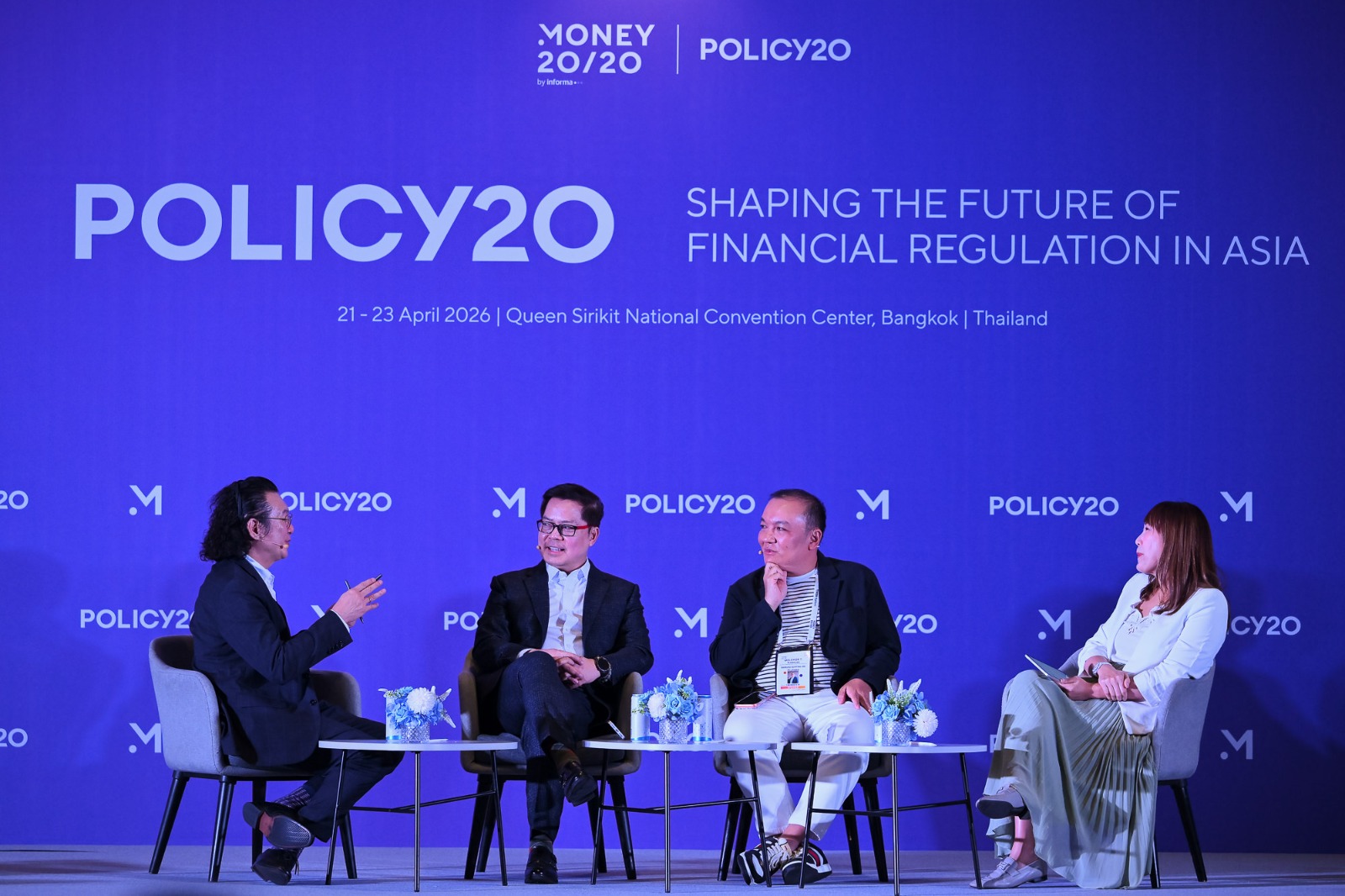
BANGKOK, THAILAND – Media OutReach Newswire – 22 April 2026 – Money20/20, the world’s leading fintech show and the place where money does business, is hosting Policy20 as part of Money20/20 Asia in Bangkok happening on April 21-23 at the Queen Sirikit National Convention Center. Policy20 brings together over 80 leading policymakers, regulators, and industry leaders from all across Asia. The summit addresses the rapid convergence of technology, finance, and regulation, and the urgent need for collaborative approaches to navigate this evolving landscape.

Policy20 at Money20/20 Asia 2026: Asia’s Leaders Call for Co-Creation as Finance Enters a New Era of Sovereign Intelligence

A key highlight of the programme was a closed-door Governors’ and Chairs’ Strategic Roundtable on “Sovereign Intelligence,” where senior policy leaders, financial regulators, and central bank governors convened under Chatham House Rule to address the challenge of maintaining national policy autonomy in an era of AI and digital finance.

The session reached consensus on three strategic pillars:

  1. Sovereignty via Strategic Standards: National policy autonomy is best protected through proactive participation in global standards, ensuring our regional values are embedded in the code of the next financial system.
  2. Harmonised Resilience: The future of cross-border financial rails must be built on shared governance protocols that also respect national priorities.
  3. Proactive Oversight: There is a sense of commitment to moving to “Intelligence-Led Governance,” leveraging the same AI and real-time data tools we oversee to safeguard our national financial health.


Ian Fong, VP of Content – Asia, Money20/20, said
: “Today’s consensus signals that the region’s policy and regulatory leaders are moving from observation to production-grade governance. They are not just managing technology; they are defining the blueprint for how sovereign intelligence will safeguard the future of global finance.”

The Shift to Co-Creation & Trust

A dominant theme emerging from Policy20: the future of financial systems in Asia will be built not just on innovation, but on trust, collaboration, and intelligent infrastructure.

One of the most striking insights was the industry-wide shift from traditional regulatory models toward co-creation. Regulators are increasingly positioning themselves as enablers rather than enforcers, working alongside the private sector to design frameworks that evolve in real time with technological advancements. This marks a fundamental move away from static, compliance-led approaches toward dynamic, partnership-driven regulation.

At the same time, trust has become the cornerstone of financial innovation. As digital ecosystems expand, trust is derived from transparent systems, strong governance, and regulatory alignment, particularly as AI and digital assets continue to outpace traditional regulatory cycles.

Infrastructure with Purpose

The discussions also highlighted that innovation without usability is problematic. Discussion points centered on the idea that true financial inclusion in Asia depends on intelligent infrastructure, systems that are not just accessible, but intuitive and affordable enough to remove friction for underserved populations at scale.

A Multi-Rail Future

Looking ahead, Policy20 experts outlined a multi-rail financial ecosystem where tokenised deposits, stablecoins, and traditional banking coexist. The takeaway was clear: the future is not about one dominant model, but achieving seamless interoperability, through shared cross-border standards and frameworks.

Scale vs. Safety

Ultimately, the discussions underscored a regional commitment to balancing speed with safety. While innovation is accelerating, regulators and industry players alike emphasised that growth must not come at the expense of consumer protection, financial stability, or accountability. There was a strong agreement that meaningful adoption, not just access, has become the ultimate measure of success, with a focus on whether financial innovation is genuinely improving lives.

As Policy20 continues, one message is clear: Asia is no longer just adapting to the digital age; it is defining the global blueprint for responsible regulation.

Hashtag: #money20/20 #fintech #bangkok

The issuer is solely responsible for the content of this announcement.

About Money20/20

Launched by industry insiders in 2012, Money20/20 has rapidly become the heartbeat of the global fintech ecosystem. Over the last decade, the most innovative, fast-moving ideas and companies have driven their growth on our platform. Mastercard, Airwallex, J.P. Morgan, SHIELD, GCash, Stripe, Google, Marqeta, VISA, Adyen, Checkout.com and more make transformational deals and raise their global profile with us. Money20/20 attracts leaders from the world’s greatest VC firms, banks, regulators and media platforms: convening to cut industry-shaping deals, build world-changing partnerships and unlock future-defining opportunities in Bangkok (23-25 April 2024), Amsterdam (4-6 June 2024) and Las Vegas (27-30 October 2024). Money20/20 also recently launched , a Digital Intelligence product containing the deepest and widest repository of fintech startup data in the world. Money20/20 is where the world’s fintech leaders convene to grow their businesses. Money20/20 is part of Ascential plc. Follow Money20/20 on and for show developments and updates. We’re Where Money Does Business.

Follow Money20/20 on for show developments and updates.

You can also find us on at Money20/20.

Fiuu Now Offers Tap to Pay on iPhone for Merchants in Malaysia to Accept Contactless Payments

An easy, secure, and private way to accept contactless payments with only an iPhone and the Fiuu Virtual Terminal iOS app, no additional hardware needed.


SHAH ALAM, MALAYSIA – Media OutReach Newswire – 22 April 2026 – Today Fiuu, which is powering payments in Southeast Asia, now enables its merchants in Malaysia to seamlessly and securely accept in-person contactless payments with Tap to Pay on iPhone. Tap to Pay on iPhone allows merchants to accept all forms of contactless payments, including contactless credit and debit cards, Apple Pay, and other digital wallets, using iPhone and the Fiuu Virtual Terminal (VT) iOS app – no additional hardware or payment terminal needed. This launch follows their December 2025 launch of Tap to Pay on iPhone in Singapore.

Fiuu Now Offers Tap to Pay on iPhone for Merchants in Malaysia to Accept Contactless Payments

Using Tap to Pay on iPhone is easy, secure, and private. With Tap to Pay on iPhone, at checkout, merchants will simply prompt the customer to hold their contactless payment near the merchant’s iPhone, and the payment will be securely completed using NFC technology.

Apple’s Tap to Pay on iPhone technology uses the built-in security and privacy features of iPhone to help protect your business and customer data. Apple doesn’t store card numbers or transaction information on the device or on Apple servers, so merchants and customers can rest assured that their data stays theirs.*

“The future of commerce is not about choosing between online and offline payments, it is about enabling both seamlessly,” said Eng Sheng Guan, CEO of Fiuu. “With Fiuu VT iOS app and Tap to Pay on iPhone, we are giving merchants a true omnichannel payment experience that enables their customers to pay through their preferred channels, including Apple Pay. Businesses such as Allbirds Malaysia, Hedgren, Herschel Supply Co., Hydro Flask, and Kipling are leveraging these capabilities to streamline operations and deliver better customer experiences across every touchpoint.”

Tap to Pay on iPhone enables Fiuu’s merchants to use a contactless payment acceptance solution that is easy to set up and use. Merchants can unlock contactless payment acceptance within minutes through the Fiuu VT iOS app on an iPhone 11 or later, running the latest version of iOS.

For more information on Fiuu Virtual Terminal, please visit https://fiuu.com/virtual-terminal.

*Encrypted card numbers are temporarily stored on iPhone only for transactions made in Store and Forward mode.

Hashtag: #Fiuu

The issuer is solely responsible for the content of this announcement.