

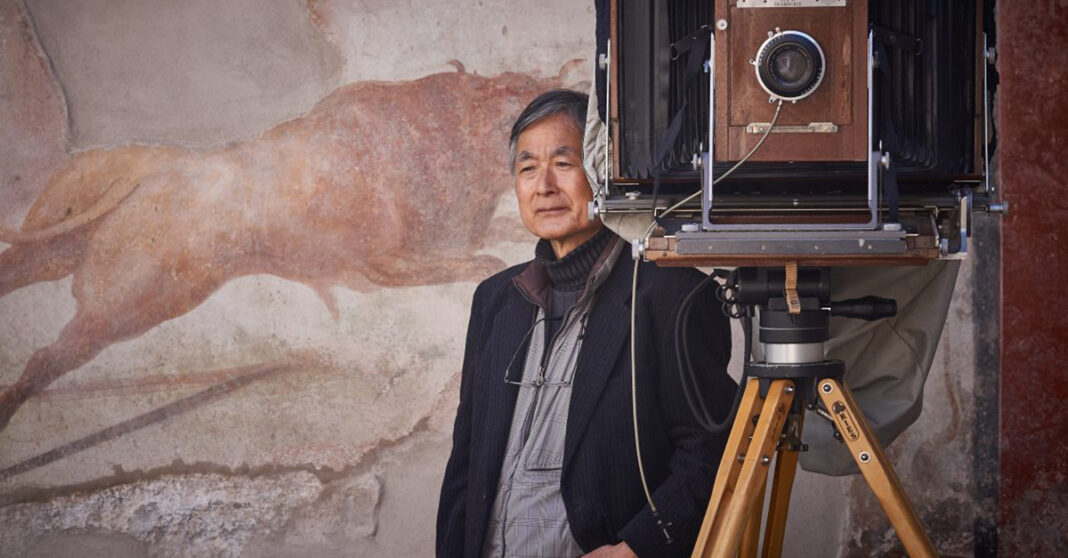
Kenro Izu never planned to build hospitals. The Japanese photographer spent years travelling the world to photograph ancient stone monuments. But one trip to Cambodia changed the direction of his life, leading him to build two children’s hospitals and persuade others to believe in an idea they could not yet see.
In 1993, Kenro travelled to Cambodia to photograph the temples of Angkor. During his time there, he witnessed the death of a young girl whose family could not afford medical care. The charity he later founded estimates that treatment would have cost around USD 2.
“Seeing that was just heartbreaking,” he said.
Kenro decided he wanted to build a hospital where children could receive treatment regardless of their families’ ability to pay. He had no medical background, major financial backing, or established organization to make it happen.
He just had ten friends in the United States and Japan who were willing to support him.
Ten Friends and a Gallery Wall
In 1996, Kenro founded Friends Without A Border, establishing offices in New York and Tokyo. He began raising money by selling his photographs of Angkor through galleries. According to the charity, the sales generated around USD 300,000 in 1996 and 1997.
The idea was there, but turning it into a hospital required people to put their faith in something that did not yet exist.
Angkor Hospital for Children opened in Siem Reap in 1999. For Kenro, it was proof that the project had moved beyond the idea stage.
“We’re not talking about the dream,” he said. “We have a real hospital running.”
The challenge then was no longer whether a photographer could help build a hospital, but whether the model could work somewhere else.
Taking the Idea to Laos
In 2013, Kenro began looking for a site for a second hospital, weighing medical needs, safety, and political stability. Luang Prabang offered land behind the provincial hospital, allowing local doctors to learn from the pediatric team next door.
Lao Friends Hospital for Children opened in 2015. Since then, it has treated more than 200,000 children free of charge, and now sees more than 45,000 young patients a year.
“People travel for hours to get to this hospital,” said Dutch photographer Adri Berger, who has lived in Laos for almost 20 years and regularily works with the hospital. “The location was very important because it gave people in the northern regions better access to healthcare.”
Some families travel two, three, or even four hours for treatment, he witnessed.
“Kenro’s story is proof that art can make a difference, in many different ways” Berger said. “Kenro Izu used his photography to raise money for hospitals that have provided free medical care to hundreds of thousands of children.”
Building a Hospital Is Only the Beginning
Keeping a hospital running is harder than building one, according to Kero’s experience.
“To maintain the hospital, it costs more than double what it takes to build a hospital,” he said.
Kenro hopes to hand management of the Laos hospital to a local organization in about 15 years, but he worries about finding someone who can take over his role and keep the work going.
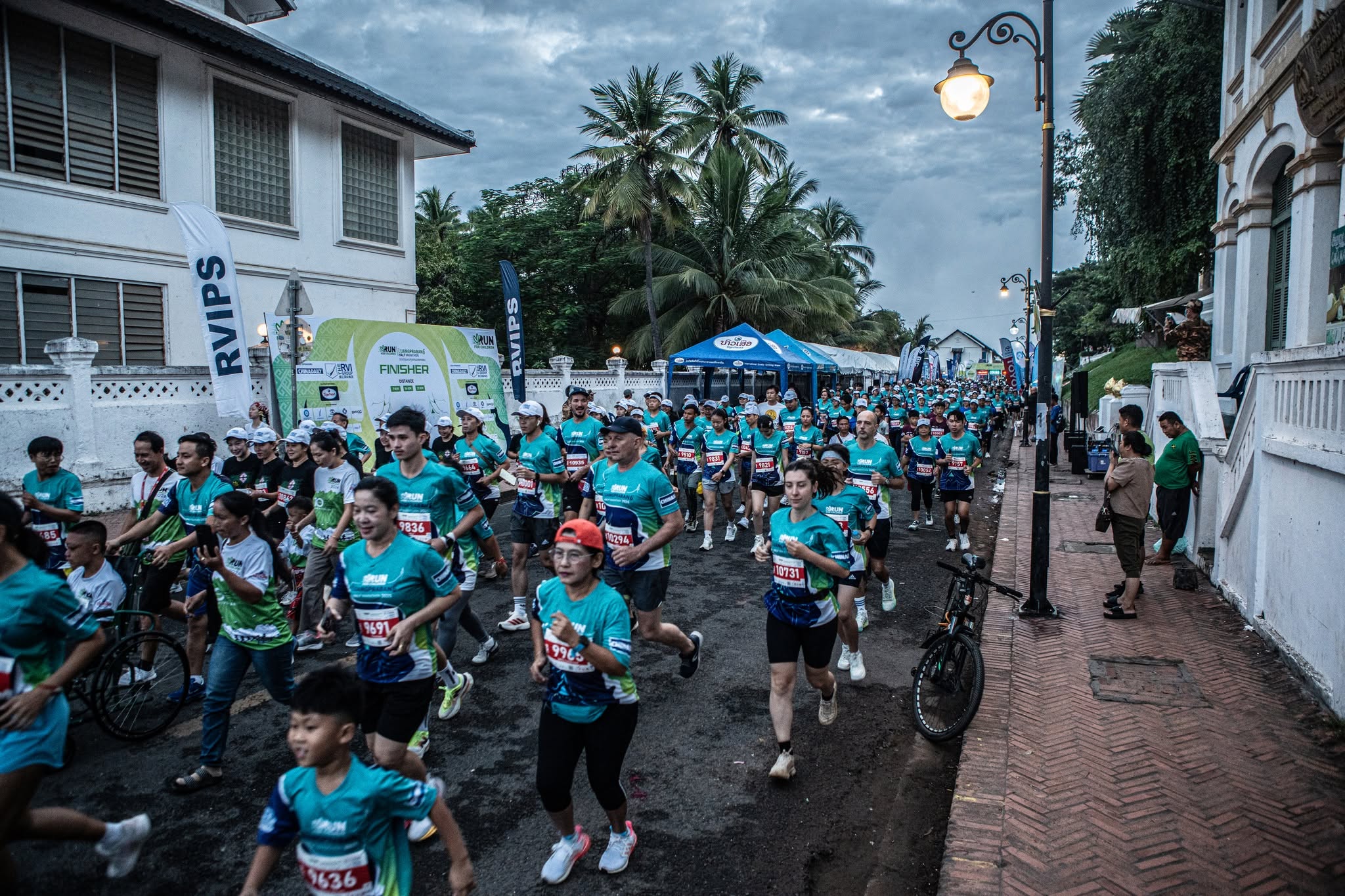
Fundraising remains essential. The Luang Prabang Half Marathon, also known as the Run for Children, drew more than 3,000 participants last year. This year’s race is scheduled for 24 October.
Izu is also telling his story through a 90-minute documentary, Art Can Make a Difference. Its crowdfunding campaign raised EUR 50,905 (USD 56,930) from 50 backers in 50 days. He hopes the film will inspire young artists to use their work to make a difference.
