

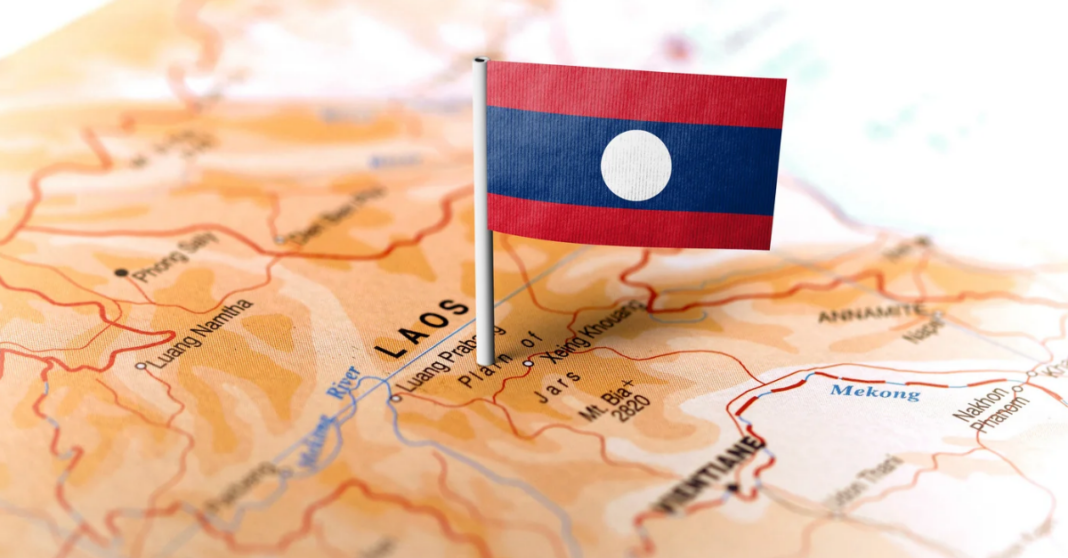
On 24 November, Laos formally left the United Nations’ Least Developed Countries (LDC) category, ending 55 years on the list it joined in 1971.
Laos first met graduation thresholds in 2018 and cleared all three criteria in 2021: income, human assets, and economic and environmental vulnerability. The UN General Assembly then gave it a five-year preparatory period instead of the standard three years because of COVID-19.
The UN Conference on Trade and Development said the country made progress on income, health and education. It said Laos is the first Southeast Asian country and the ninth in the world to leave the LDC list.
Unlike Singapore, Thailand and Vietnam, which were never classified as least developed countries, Laos spent 55 years on the UN list before graduating in November 2026
Cambodia, Myanmar and Timor-Leste are the only ASEAN members still on the list.
Decades of progress
Laos has made positive progress in reducing poverty from 46 to 15 percent, improving healthcare and education, and expanding access to electricity from 1993 to today. The economy also grew steady over the past decade, averaging 5.6 percent annual growth from 2015 to 2025, according to state media.
Deputy Foreign Minister Anouparb Vongnorkeo and UN Resident Coordinator Bakhodir Burkhanov wrote in a joint op-ed that graduation does not end the fight against poverty. They said Laos must keep pursuing development as a developing country and aims to reach upper-middle-income status by 2055.
Challenges ahead
Graduation will move some trade, financing and technical support onto less generous terms.
The two officials said most changes will phase in over three to four years, with the transition running through 2029.
Nearly two-thirds of Lao goods exports go to ASEAN and its free trade partners and should keep duty-free access, the UN said, but agricultural exports to China and garments sold to the European Union may face adjustments.
The economy grew 4.8 percent in 2025, and average inflation eased to 7.7 percent. The World Bank projects further growth but higher inflation for 2026.
High public debt also limits the government’s room to invest. The World Bank estimated public and publicly guaranteed debt at about 87 percent of GDP in 2025.
To ensure a smooth transition, then-Prime Minister Sonexay Siphandone ordered ministries on 6 August to carry out 12 actions to ease the effects of graduation. One action is a plan to qualify by 2029 for an European Union trade scheme that lets Lao exporters sell to Europe with lower or no tariffs.
The UN General Assembly is also considering a resolution that asks partner countries to keep trade support in place until 2031.
