

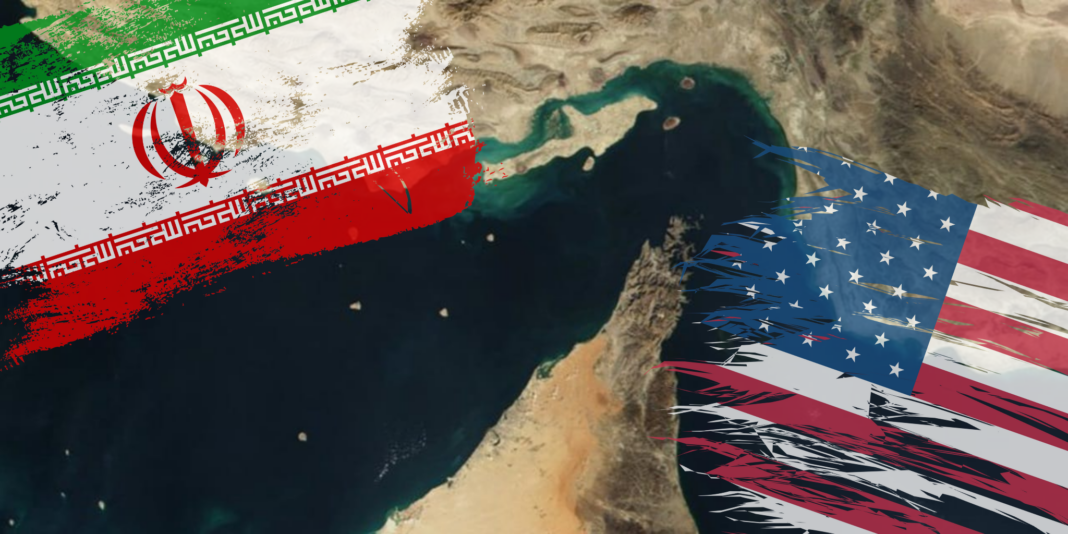
The Ministry of Foreign Affairs of Laos has expressed satisfaction over the signing of a Memorandum of Understanding between Iran and the United States aimed at easing tensions and advancing efforts to resolve conflict in the Middle East.
In a statement issued by a ministry spokesperson, Laos welcomed the agreement reached on 15 June, calling it a positive step toward reducing hostilities and reopening dialogue between the two countries.
Laos also congratulated Pakistan and other involved countries for their key role in helping to mediate the conflict and support negotiations.
According to the statement, the Ministry of Foreign Affairs hopes the memorandum will serve as a starting point for continued talks and long-term peace and stability in the Middle East.
Months of Negotiations
The Memorandum of Understanding follows several months of direct and indirect negotiations between Iran and the United States after tensions escalated in early 2026.
The crisis deepened after maritime incidents in the Gulf and retaliatory strikes linked to regional allies, which disrupted shipping routes and raised global concern over energy supplies passing through the Strait of Hormuz.
On 7 March, the United States, Israel, and Iran agreed to a two-week ceasefire in the Middle East, temporarily pausing fighting and reopening key oil shipping lanes through the Strait of Hormuz. The agreement, brokered with Pakistan’s involvement, was aimed at stabilising a rapidly escalating conflict that had triggered global energy disruptions.
The war began on 28 February after US and Israeli strikes in Iran killed Supreme Leader Ali Khamenei, prompting Tehran to shut the Strait of Hormuz and launch retaliatory attacks on Israeli territory and US military bases across the region. The Strait carries around one-fifth of global oil supply, and its closure immediately sent shockwaves through international energy markets.
Impact on Laos
For Laos, the impact was severe. As Thailand supplies more than 97 percent of its refined fuel, Bangkok’s partial suspension of exports on 1 March contributed to a nationwide shortage. Although Laos and Myanmar were exempt from the full ban, deliveries still fell significantly. Within weeks, Laos faced its worst fuel crisis in years.
Diesel prices surged by 163 percent. Petrol prices also jumped more than 80 percent, with frequent adjustments throughout March. At the peak of the crisis, over half of Laos’ fuel stations shut down, causing long queues and shortages that disrupted transport, farming, and electricity supply.
The Lao government responded with tax cuts, emergency fuel distribution, and rationing measures, while also importing fuel from Vietnam and Thailand to stabilise supply. These interventions gradually eased shortages, and most stations have since reopened.
