

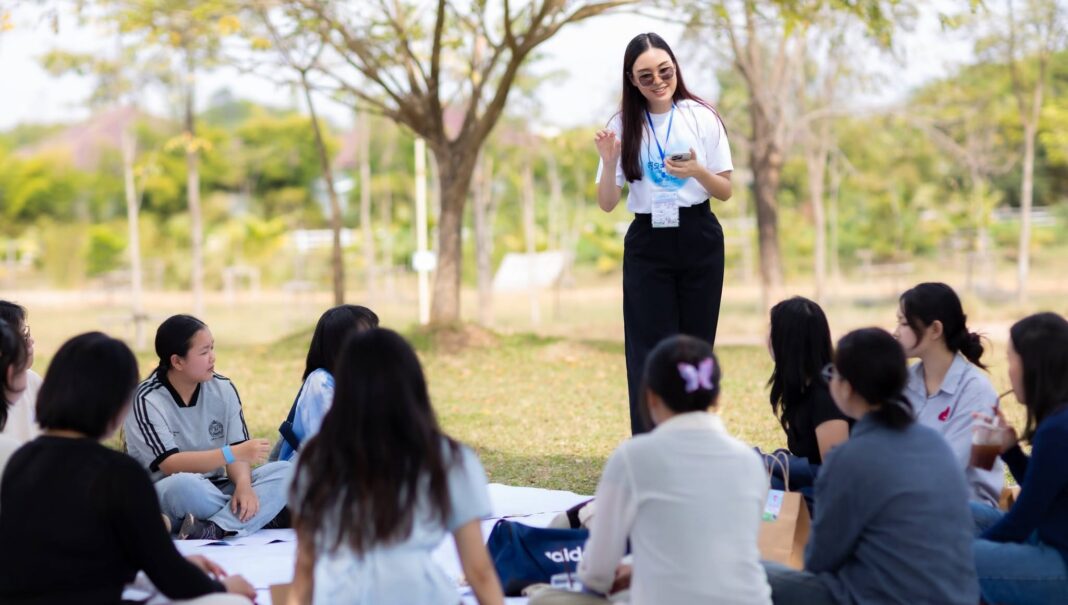

Mental health challenges often go unnoticed in Laos, where people experiencing anxiety and emotional distress may seek help for physical symptoms instead. Stigma, cultural beliefs, and a shortage of specialists make it harder for locals to get the care they need.
According to the World Health Organization (WHO), the suicide mortality rate in Laos was 4.6 per 100,000 people in 2021, down from 5.7 in 2000. However, the country still lacks regularly updated national data on mental health.
Dr. Chantharavady Choulamany, president of the Lao Mental Health Association (LMHA), said the latest official figures date back to 2021, making it difficult to assess the full scale of the problem.
The Signs People Miss
Anxiety and persistent worry are among the most common mental health concerns Dr. Chantharavady encounters in her clinical work.
Many people do not recognise their experiences as mental health problems. Instead, they visit doctors with headaches, body aches, or difficulty sleeping, without realising that these symptoms may be linked to emotional distress.
Mental health problems can have several causes, including genetics, physical health, childhood experiences, financial difficulties, job loss, and loneliness. Often, several pressures build up over time.
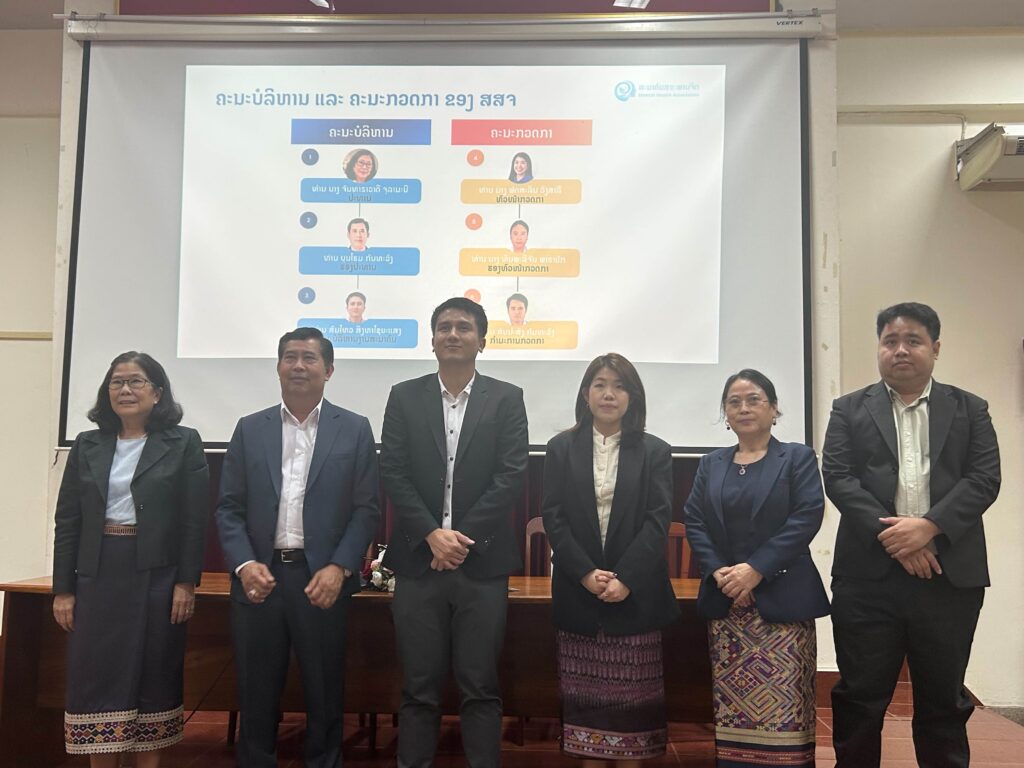
To tackle this issue, a group of senior medical doctors, former hospital directors, academic leaders, mental health advocates, and individuals with lived experience set up the Lao Mental Health Association. The project was officially launched on 28 October to help address these gaps and make mental health support more accessible.
Its five-year plan aims to move some care beyond hospitals and into communities, schools, and homes. Rather than relying only on specialist services, the association plans to train general practitioners, district health staff, and village health volunteers to provide basic psychological first aid and listen to people experiencing distress.
Other plans include a free national crisis helpline with WhatsApp support for young people and a revolving fund to help local clinics provide essential psychiatric medicines.
The association also hopes to build partnerships and secure long-term support for its community programs.
For Dr. Chantharavady, the goal is to make mental health support easier to access and help people seek care without fear of judgment.
Stigma Keeps People From Seeking Help
Social stigma and cultural beliefs can make it difficult for people to discuss mental health or seek professional support.
Some families see mental illness as punishment for bad karma or actions in a past life. Others fear being judged, labelled as mentally ill, or bringing shame to their families. In some cases, families hide relatives experiencing mental health problems rather than seek treatment.
Financial concerns and a lack of support close to home create further barriers, the doctor said.
Even when residents seek help, continuing treatment can be difficult. Some stop taking medication or attending appointments once they feel better, without understanding that mental health conditions may require ongoing care, much like diabetes or high blood pressure.
Pressure on Young Workers
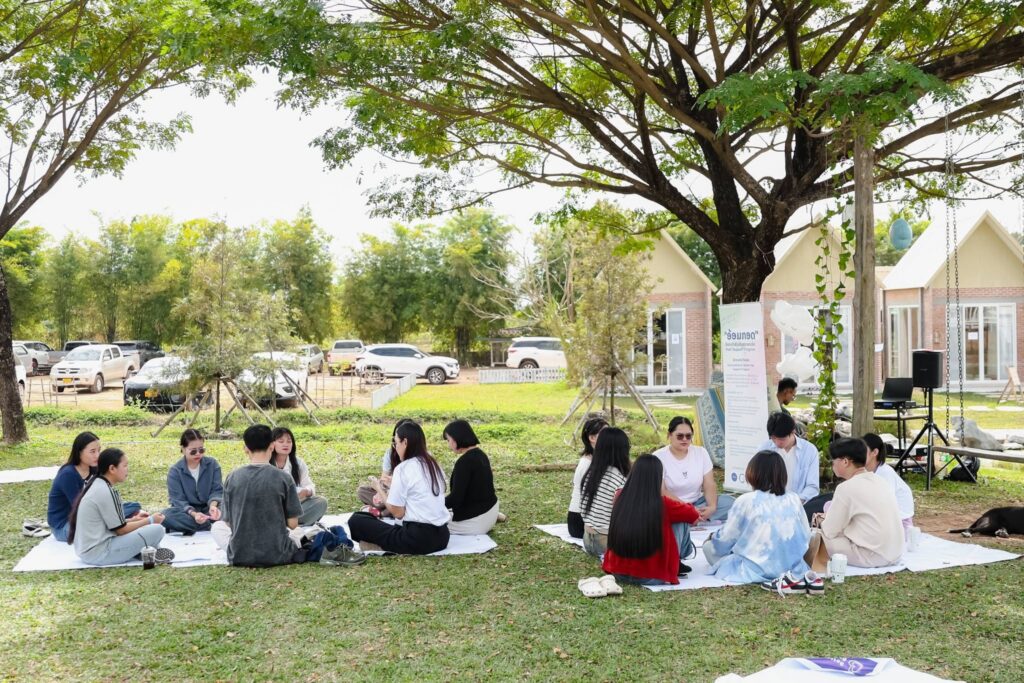
Young people are also facing growing emotional pressure as they enter the workforce, according to Dr. Chantharavady
She said younger generations have different expectations of their workplaces, including greater transparency, mental health support, and a healthier balance between work and personal life.
When employers maintain rigid working conditions and fail to respond to these expectations, young workers may experience stress, anxiety, and burnout.
A Shortage of Mental Health Specialists
To add to the challenges, access to professional care remains limited across Laos. The country has just three practicing psychiatrists, with two more currently studying the specialty abroad psychiatrists in the country , according to Dr. Chantharavady, leaving few specialists available to serve a population of more than seven million.
Specialist psychiatric care has cantered on just two facilities in Vientiane: Mahosot Hospital and Military Hospital 103.
For people living in remote provinces, getting treatment can mean paying for travel to the capital. Others go without care altogether.
Contact information for LHMA:
Phone Number: 020 55512121
Email address: mha.laopdr@gmail.com
