Home Blog Page 1560

Everest Medicines Announces 2030 Strategy and Increase in Shareholdings by Directors and Substantial Shareholder

SHANGHAI, Dec. 15, 2025 /PRNewswire/ — Everest Medicines (HKEX 1952.HK, “Everest”, or the “Company”), a biopharmaceutical company focused on the discovery, clinical development, manufacturing, and commercialization of innovative therapeutics, today announced the launch of its 2030 Strategy, outlining a comprehensive five-year roadmap to drive sustainable growth. Under this strategy, the Company aims to further deepen its product pipeline, maximize the value of its commercial platform, and advance the globalization of its research and development (“R&D”) and commercialization capabilities.

In parallel, the Company also announced that certain Directors and a substantial shareholder have increased their shareholdings in the Company. On December 12, 2025, Mr. Wei Fu, Non-executive Director, Honorary Chairman of the Board and a substantial shareholder of the Company; Mr. Yifang Wu, Executive Director and Chairman of the Board; Mr. Rogers Yongqing Luo, Executive Director and Chief Executive Officer; and Mr. Ian Ying Woo, Executive Director, President and Chief Financial Officer, collectively acquired 846,659 ordinary shares of the Company through open-market transactions, for a total consideration exceeding HK$38 million, representing an average price of approximately HK$45.01 per Share. In addition, the Company has been informed that CBC Group, a substantial shareholder of the Company, has further undertaken that it plans to increase its shareholding by not more than 1% in aggregate in the following three to six months, subject to the market conditions and compliance with applicable laws and regulatory requirements.

The Board believes that a voluntary share purchase through on-market acquisitions of Shares by the Directors and the undertaking given by CBC Group signify strong confidence in the future prospects and long-term development of the Company.

2030 Strategy Overview

The Company’s 2030 strategy sets out a dual-engine approach to deliver predictable near-term growth and value creation through commercialization of existing assets, business development partnerships, and in-house R&D milestones, while driving long-term growth and value creation through in-house R&D and discovery, as well as global commercial expansion. Everest Medicines will continue to strengthen its leadership in core therapeutic areas, advance the development and commercialization of innovative therapies, and build a globally competitive biopharmaceutical company with sustainable growth.

Everest Medicines focuses on renal, autoimmune, critical care, cardiovascular, and ophthalmic disease area, advancing its pipeline through a combination of in-licensed innovative assets and in-house R&D. By 2030, the Company aims to build a high-value commercial product portfolio while selectively expanding into additional valuable therapeutic areas with blockbuster potential.

The Company has established a portfolio of three commercial products and continues to develop a fully integrated commercial platform covering the entire product lifecycle. By 2030, Everest Medicines targets annual revenue exceeding RMB 15 billion, including approximately RMB 9 billion from its existing pipeline and RMB 6 billion from newly in-licensed assets, while also exploring potential out-licensing opportunities. Revenue is expected to grow at a compound annual growth rate (CAGR) of over 50% from 2025 to 2030 and to remain above 15% thereafter. Over the same period, the number of commercial products is expected to exceed 20, including NEFECON®, Velsipity®, XERAVA®, cefepime–taniborbactam, and Lerodalcibep.

To support its international growth, Everest Medicines is advancing a global strategy focused on strengthening regulatory and clinical development capabilities, while progressively building commercial infrastructure across Europe, the United States, and emerging markets. By 2030, the Company aims to drive growth through a combination of overseas out-licensing and direct commercialization, accelerating its global expansion.

Through this strategy, Everest Medicines aims to strengthen its position in core therapeutic areas and innovative drug R&D, while building a globally competitive biopharmaceutical company with sustainable growth.

As a major shareholder of NovaBridge Biosciences, holding approximately 16% of its issued share capital, the Company will collaborate with NovaBridge Biosciences to identify high-quality assets and enhance global R&D and commercialization capabilities through complementary strengths and resources.

“The 2030 Strategy reflects Everest Medicines’ clear vision for commercialization, R&D, and global expansion, and reinforces the Company’s ability to deliver sustainable value. Since its founding in 2017, the Company has built a strong foundation through in-licensing innovative assets, completing its IPO, and executing a dual-engine strategy focused on high-potential therapeutic areas and strong commercialization and R&D capabilities,” said Mr. Wei Fu, Honorary Chairman of the Board of Everest Medicines and CEO of CBC Group. “CBC Group will continue to leverage its global resources and ecosystem to support the Company’s growth, spanning pipeline advancement, platform building, and organizational expansion. The recent share purchases by the Directors and CBC Group’s announced intention to increase its shareholding further demonstrate strong confidence in Everest Medicines’ long-term prospects.”

“The 2030 Strategy marks a key milestone for Everest Medicines, guiding growth through BD partnerships and in-house R&D to build a larger commercial portfolio and pursue new high-potential blockbuster opportunities. Leveraging its BD capabilities and the CBC ecosystem, the Company plans to add three-to-five late-stage, high-value assets annually, aiming for peak sales within three years of reimbursement, with more than 20 new assets expected to contribute around RMB 6 billion by 2030 and RMB 30 billion by 2035. Our strong balance sheet and cash flow from commercial activities will support the implementation of our strategic initiatives.” said Mr. Yifang Wu, Chairman of the Board of Everest Medicines. “We will also continue to advance our in-house R&D platforms and, through our collaboration with Hasten, strengthen the late-stage pipeline and market reach.”

“Everest has established a scalable commercialization platform integrating medical, access, marketing, and sales capabilities,” said Mr. Rogers Yongqing Luo, Chief Executive Officer of Everest Medicines. “As a chronic disease therapy, NEFECON® generated over RMB 1 billion in sales during the first three quarters of its first full year following commercial launch, validating our commercial effectiveness. Building on this success, we will extend our commercial model and expertise from renal and anti-infective therapies to additional therapeutic areas, while advancing our in vivo mRNA CAR-T and mRNA tumor vaccine platforms, addressing unmet medical needs in China and globally.”

About Everest Medicines

Everest Medicines is a biopharmaceutical company focused on discovering, developing, manufacturing and commercializing transformative pharmaceutical products and vaccines that address critical unmet medical needs for patients in Asian markets. The management team of Everest Medicines has deep expertise and an extensive track record from both leading global pharmaceutical companies and local Chinese pharmaceutical companies in high-quality discovery, clinical development, regulatory affairs, CMC, business development and operations. Everest Medicines has built a portfolio of potentially global first-in-class or best-in-class molecules in the company’s core therapeutic areas of renal, autoimmune, critical care, cardiovascular, and ophthalmic diseases. For more information, please visit its website at www.everestmedicines.com.

Forward-Looking Statements

This news release may make statements that constitute forward-looking statements, including descriptions regarding the intent, belief or current expectations of the Company or its officers with respect to the business operations and financial condition of the Company, which can be identified by terminology such as “will,” “expects,” “anticipates,” “future,” “intends,” “plans,” “believes,” “estimates,” “confident” and similar statements. Such forward-looking statements are not guarantees of future performance and involve risks and uncertainties, or other factors, some of which are beyond the control of the Company and are unforeseeable. Therefore, the actual results may differ from those in the forward-looking statements as a result of various factors and assumptions, such as future changes and developments in our business, competitive environment, political, economic, legal and social conditions. The Company or any of its affiliates, directors, officers, advisors or representatives has no obligation and does not undertake to revise forward-looking statements to reflect new information, future events or circumstances after the date of this news release, except as required by law.
Thai Specialty Oils Leader Targets Vietnam’s Booming Tire and Rubber Manufacturing Sector with High-Performance Process Oil Solutions

HANOI, Vietnam, Dec. 15, 2025 /PRNewswire/ — As Vietnam’s rubber and plastic products sector surges with 24.9% annual growth in 2024 and tire production exceeding 30 million units annually—90% destined for export markets—P.S.P. Specialties Public Company Limited, Thailand’s leading specialty oils manufacturer with over 30 years of expertise, is expanding into Vietnam’s dynamic manufacturing landscape with specialized process oil solutions. The market entry capitalizes on Vietnam’s emergence as the world’s second-largest footwear exporter with USD 22.9 billion in exports and the tire industry projected to reach 52 million units by 2033, and the country’s USD 188 million industrial rubber market growing at 4.02% CAGR through 2028—creating unprecedented demand for high-performance process oils.

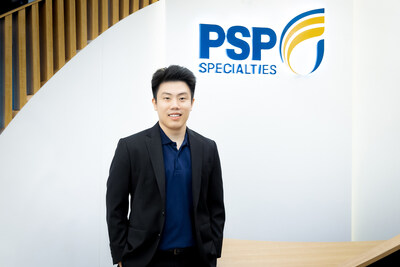
Mr. Sakesan Krongphanich, Deputy Chief Executive Officer of P.S.P. Specialties Public Company Limited

Capitalizing on Vietnam’s Rubber Manufacturing Leadership
Mr. Sakesan Krongphanich, Deputy Chief Executive Officer of P.S.P. Specialties Public Company Limited, emphasized Vietnam’s strategic importance. “Vietnam has emerged as a dominant force in Southeast Asia’s rubber manufacturing sector. The convergence of world-class tire production, leading footwear manufacturing, and expanding industrial applications creates exceptional opportunities for specialized process oil solutions,” said Mr. Sakesan.

Three Strategic Market Segments
Tire Manufacturing: Vietnam’s tire manufacturers produce over 30 million units annually, with exports forecast to reach 52 million units by 2033. Major facilities require consistent supplies of aromatic, naphthenic, and TDAE process oils.

Industrial Rubber: Vietnam’s market serves automotive components, construction materials, and electronics manufacturing with growing demand for specialized process oils.

Footwear Industry: With 2,200 footwear companies producing USD 22.9 billion exports in 2024, Vietnam serves global brands. Process oils provide flexibility, durability, and surface finish quality demanded internationally.

Comprehensive Product Portfolio
PSP Specialties offers solutions tailored to Vietnamese manufacturing: Aromatic Process Oils deliver compatibility with natural rubber for tire manufacturing. Naphthenic Process Oils provide Low-PAHs content meeting EU directives. TDAE represents non-carcinogenic alternatives aligning with Vietnam’s Extended Producer Responsibility regulations implemented April 2024.

Competitive Advantages
PSP Specialties brings 44 million liters of annual rubber process oil capacity with 45% market share in Thailand, leading global and local tire manufacturers. Strategic facilities in Thailand and Myanmar enable efficient logistics. The company plans to introduce bio-based process oils by mid-2026.

Supporting Sustainable Manufacturing
“Vietnamese manufacturers increasingly face sustainability and environmental requirements from European buyers,” Mr. Sakesan emphasized. “Our Low-PAHs, non-carcinogenic process oils meet European Union standards while maintaining superior performance.”

“PSP Specialties is committed to becoming a trusted partner for Vietnam’s rubber manufacturing industry,” Mr. Sakesan concluded. “We provide technical consultation that enables manufacturers to optimize production efficiency and meet international standards.” 

About P.S.P. Specialties Public Company Limited
P.S.P. Specialties Public Company Limited (PSP), listed on the Stock Exchange of Thailand, is a leading specialty oils manufacturer with over 30 years of experience and more than 300 specialized formulations serving industrial applications worldwide. For more information: https://specialtyoils.psp.co.th

Global Brands Reinforce Confidence in Asia’s Luxury Yachting Market as J.P. Morgan Private Bank Returns to Singapore Yachting Festival 2026

SINGAPORE, Dec. 15, 2025 /PRNewswire/ — The Singapore Yachting Festival (SYF) will return from 23 to 26 April 2026 at ONE°15 Marina Sentosa Cove with its largest edition yet. Organised by ONE15 Events Management, the expanded showcase will feature more yachts, global launches, and deeper industry engagement, reaffirming Singapore’s position as a leading hub for Asia’s growing yachting market.

In a strong endorsement of this momentum, J.P. Morgan Private Bank has renewed its role as Official Bank Partner for SYF 2026. “J.P. Morgan Private Bank is delighted to renew our partnership with the Singapore Yachting Festival as Official Bank Partner for the second year. This collaboration reflects our longstanding sailing heritage and our commitment to excellence, innovation, and creating meaningful experiences that align with our clients’ passions. We look forward to celebrating the spirit of yachting with the vibrant community in Singapore and across the region,” said Harshika Patel, Chief Executive Officer, J.P. Morgan Private Bank in Asia.

Damen Yachting has also reaffirmed its support as a major sponsor of the Superyacht Lounge for a second year, following strong visibility and positive outcomes at SYF 2025. Their continued backing reinforces SYF’s value as a strategic platform and highlights rising demand for superyachts across Asia.

To build anticipation, SYF will launch a regional outreach campaign featuring activation events in Indonesia, Thailand and Singapore. These engagements aim to connect with luxury consumers, high net worth guests, and industry stakeholders while strengthening SYF’s profile as a must-attend event.

SYF 2026 will introduce exclusive VIP luncheons and cocktail receptions aboard superyachts, offering buyers private networking opportunities and curated culinary experiences by private chefs.

Exhibitors confirmed include Azimut Yachts, Boat Lagoon Yachting, DCH Marine, Ferretti Group, Leopard Catamarans and Simpson Marine. Attendance is expected to exceed 13,000 visitors from Singapore, Asia, and global markets, reinforcing Singapore’s role as a pivotal hub for yacht builders, distributors, and discerning buyers.

Ahead of the Festival, the Southeast Asia Yachting Conference will take place on 21–22 April at ONE°15 Marina, featuring sessions on market outlook, charter trends, superyacht activity, AI-driven innovation, decarbonisation, and regional case studies.

The prestigious Yacht Style Awards returns on 22 April, bringing together 350 VIPs, yacht owners, and industry leaders to celebrate excellence in yacht design, innovation, and ownership experiences.

Media Kit: here.

Hero Esports Transforms Beijing’s National Stadium into Record-Breaking Mobile Esports Tournament

  • 62,196 fans attended the 10th annual King Pro League (“KPL”) Grand Finals, the largest attendance at a single esports event
  • Hosted by Tencent and organized by Hero Esports, the Honor of Kings tournament drew crowds from both China and overseas including, but not limited to, Thailand and Australia
  • China is home to an esports user base of over 495 million[1]

SHANGHAI, Dec. 15, 2025 /PRNewswire/ — As the year draws to a close, Hero Esports celebrates the record-breaking success of the KPL 2025 Grand Finals, hosted by Tencent and organized by Hero Esports. 62,196 fans attended the 10th annual KPL Grand Finals at Beijing’s National Stadium, known as the Bird’s Nest, to set a Guinness World Record for the ‘largest attendance at a single esports event’.


One Video Takes You Back To The KPL 2025 Grand Finals!

Honor of Kings is both China’s most popular mobile game and the world’s most-played mobile multiplayer online battle arena (MOBA) game.

With tickets selling out in just 12 seconds, the Grand Finals drew a diverse audience. Less than 15% of attendees were local to Beijing, with over 85% traveling from across China and countries such as Vietnam, Thailand, the Philippines and Australia.

The event provided a significant boost to local businesses, with restaurant sales in nearby commercial areas surging 177% year-on-year and hotel bookings rising 143% during the event.

Since the launch of the KPL in 2016, both the league and mobile esports have experienced unprecedentedly fast growth. However, for Hero Esports, investing in mobile gaming and Honor of Kings was a calculated bet from the start.

“About ten years ago, when we founded Hero Esports, we built our vision around two assumptions about the future,” said Danny Tang, CEO and co-founder of Hero Esports, during an interview at the KPL Grand Finals.

“First, we believed that esports would become the future of sports, and we wanted to help build that future. Second, we believed mobile esports would be the engine driving that transformation. From day one, Honor of Kings stood out to us as the title that could take mobile esports to the next level.”

Bringing mobile esports to a world-class stadium like the Bird’s Nest, with its 204,000 square meters of floor area and 258,000 square meters of total construction space, was no small feat. Unlike traditional sporting events, esports competitions demand more from venues: larger and higher-resolution screens, cutting-edge presentation methods, and immersive experiences for fans.

To celebrate nine years with the KPL and Honor of Kings’ tenth anniversary, Hero Esports delivered a landmark opening ceremony that fused cultural artistry with cutting-edge innovation. Inspired by traditional Chinese embroidery, the show transformed an embroidered dragon into a stunning 3D illusion and concluded with a full augmented reality (“AR”) spectacle inside the Bird’s Nest.

Using ten movable mechanical screens, real-time tracking and synchronized effects across 6,000 stage lights and 180,000 lighting parameters, Hero Esports set a new benchmark for live esports production.

The KPL Grand Finals 2025 has become one of the most talked-about esports events of the year, drawing massive attention both onsite and online. The spectacle captivated millions, with key moments from the opening ceremony and the championship match spreading rapidly across social platforms. Several clips went viral—most notably the AR dragon sequence, which alone amassed over millions of likes on Instagram—demonstrating the global reach and cultural resonance of the event.

Providing an outlook on the future of the global esports industry, Danny Tang said: “This is just the first decade of esports’ 100-year journey. The KPL 2025 Grand Finals is both a milestone and a new beginning. We are incredibly excited for what comes next.”

About Hero Esports

Founded in 2016, Hero Esports is the biggest esports company in Asia, producing more than 7,000 matches every year that captivate an online fan base of over 800 million. Headquartered in Shanghai and employing more than 1,100 employees, Hero Esports boasts a global presence encompassing 12 office locations and eight top-tier esports arenas. Hero Esports offers a comprehensive suite of esports services, including tournament organization, marketing solutions, community development, and more.

[1] 2025 China Esports Industry Report, released by the China Audio-Video and Digital Publishing Association


CEO Vlog Ep.3 | 9 Years of KPL, 1 Unforgettable Night at the Bird‘s Nest

Philips Evnia Joins Forces with Sonic Racing: CrossWorlds to Bring Gamers the Perfect Fusion of Speed and Visual Brilliance


HONG KONG SAR – Media OutReach Newswire – 15 December 2025 – Premium gaming monitor brand Philips Evnia today announced its collaboration with Sonic Racing: CrossWorlds, unveiling the new Evnia 27M2N5501UK. The partnership merges ultra-fast refresh performance, stunning visuals, and advanced Nature-Eyecare Circular Polarization Technology with TUV certificates to deliver an immersive gaming experience that balances speed and comfort.

Philips Evnia Joins Forces with Sonic Racing: CrossWorlds to Bring Gamers the Perfect Fusion of Speed and Visual Brilliance - Evnia 27M2N5501UK
Philips Evnia Joins Forces with Sonic Racing: CrossWorlds to Bring Gamers the Perfect Fusion of Speed and Visual Brilliance – Evnia 27M2N5501UK

Unleash Lightning-Fast Visuals and Master Every Move
Powered by Fast IPS technology, the 27M2N5501UK delivers a blazing 320Hz refresh rate and 0.3ms Smart MBR response time for ultra-smooth gameplay. In Sonic Racing: Cross Worlds’ adrenaline-fueled races, every drift, turn, and acceleration is rendered with crisp precision. With Low Input Lag, players can react faster and claim the winning edge in every match.

Nature-Eyecare Circular Polarization for Lasting Comfort

The Nature-Eyecare Circular Polarization Technology with TUV certificates simulates natural light to effectively filter harmful blue light while maintaining color accuracy and brightness. It reduces visual fatigue and discomfort, allowing gamers to stay focused and comfortable during long play sessions.

The monitor also features SoftBlue, LowBlue Mode and Flicker-Free technology for additional eye protection during extended gameplay.

Brilliant Visuals that Bring Every Race to Life

With DisplayHDR 400 certification and support for 1.07 billion colors, covering 94% DCI-P3 and 100% sRGB, the 27M2N5501UK delivers a visual feast of lifelike contrast and depth. Every glowing racetrack, dazzling boost, and light burst in Sonic’s universe comes vividly to life on the screen.

Smart Gaming Features for Precision and Control

Built for competitive play, the monitor includes Smart Crosshair, Stark ShadowBoost, and Smart Sniper for enhanced accuracy and visibility. Through the Evnia Precision Center software, gamers can easily customize settings to match their personal play style.

Brand Quote

“At Philips Evnia, we strive to give gamers the best of both worlds — exceptional visual performance and a naturally comfortable viewing experience. Our collaboration with Sonic Racing: CrossWorlds showcases how speed and comfort can truly go hand in hand.”

Product Highlights

Features Details
Panel 27吋 QHD Fast IPS
Refresh rate 320Hz + 0.3ms Smart MBR
Eye-care technology Nature-Eyecare Circular Polarization with TUV certificates, SoftBlue,LowBlue Mode, Flicker-Free
Color 94% DCI-P3 / 100% sRGB / DisplayHDR 400
Game mode Smart Crosshair, Stark ShadowBoost, Smart Sniper
Software Evnia Precision Center

Hashtag: #PhilipsGaming #EVNIA #gaming #gamingmonitor #27M2N5501UK #sonicracingcrossworlds


The issuer is solely responsible for the content of this announcement.

About Philips Evnia

Philips Evnia is a premium gaming monitor brand from Philips, redefining the gaming experience with a blend of innovation, aesthetics, and comfort — empowering gamers to play longer, see clearer, and feel better.

About Sonic Racing: CrossWorlds

Sonic Racing: CrossWorlds is a brand-new title crafted by an elite crew of SEGA racing game developers. Zoom across land, sea, and air in high-octane, unpredictable races where courses change with each lap!

The game offers the series’ biggest roster to date, featuring 23 characters from the Sonic series and DLC racers from beyond the Sonic universe—including Hatsune Miku, Joker (Persona 5 Royal), and Ichiban Kasuga (Like a Dragon) will be hitting the track alongside characters from Minecraft, SpongeBob SquarePants, and PAC-MAN as DLC racers.

Gadgets add strategic depth to the way you race, letting you personalize your vehicle with over 70 different effects. Mix up combinations to devise your own unique playstyles and shortcuts!

Race against players from around the world—and also across gaming platforms, thanks to crossplay support. There’s a variety of online features to enjoy, including World Match—a race between up to 12 players, team-oriented Festival events, and Time Trial.

Moutai Returns to its Origin of World Fame, 110 Years from its Debut on Panama Expo

SAN FRANCISCO, Dec. 15, 2025 /PRNewswire/ — On December 7th and 8th, visitors lined up to see the wonder of a Moutai themed event at the Palace of Fine Arts in San Francisco. Moutai, the renowned Chinese baijiu brand, made its debut outside China on Panama Expo in the city 110 years ago. By celebrating the 110-year-anniversary, Moutai restated its commitment to indulging spirit lovers around the globe and demonstrated the brand philosophy sitting on aging. The grand event offered an immersive and engaging experience to know about the Chinese baijiu, past and present.


I. Returning to the Origin: Coordinates of a Liquor and a City in Time

The bond between Moutai and San Francisco dates a long while back.

In 1915, the Panama-Pacific International Exposition was held in San Francisco. This world’s fair, the largest in the first half of the 20th century, lasted nearly 10 months, becoming a collective memory for San Franciscans and an early celebration of globalization, as well as the starting point for Moutai’s global expansion. Moutai,  stored in the earthenware jars, traveled across the ocean and made its international debut here, winning a Gold Medal. This has long been written into the shared  history of the brand and the City of San Francisco.

A century later, in 2015, San Francisco’s then-mayor Edwin Lee designated November 12 as “San Francisco Moutai Day,” recognizing the brand’s role in fostering cultural exchange between China and the United States and strengthening local economic ties. The milestone made Moutai the first eastern brand to be honored with an official commemorative day in a major Western city – marking its evolution from a diplomatic spirit to a global cultural emblem.

By 2025, Moutai had grown into a global spirits powerhouse with a market value approaching 282 billion U.S. dollars, and had become one of China’s most recognizable cultural ambassadors.

These three milestones clearly outline Moutai’s wake to become a world-class player.  Moutai’s global journey began with that 1915 Medal won in San Francisco. For a long time since 1949, Moutai had served as a cultural envoy in China’s diplomatic events, extending China’s warm hospitality to guests like President Nixon and those at the Geneva Conference. With the climbing of Moutai’s production capacity, the famous baijiu has been gaining popular appreciation, and breaking its diplomats exclusive status. Today, Moutai is purposefully cultivating its world market while standing fast in its core production region and embracing ESG value, and a global community of “Moutai Aficionados” is gradually coming into being.

The return of the Moutai delegation, led by Group Vice General Manager Zhang Guichao, to its world fame origin in San Francisco is a latest move to stronghold the brand’s global aspirations and a kind gesture to the northern American market.

II. Discovering Shared Memories: Activating Brand Resonance Through Historical Depth

The two-day cultural exhibition, “San Francisco: In Search of Our Shared Memories,A Chinese Brand’s Perspective on 1915,” was led by a replica of a 1915 Exposition commemorative postcard and unfolded through four chapters: “Shared Memory of 1915,” “A World Progressing in 1915,” “Moutai at the 1915 Expo,” and “Setting Sail for 2025.” This structure systematically brought this century-spanning memory back to life, creating a vivid and interactive dialogue space.


Guests enjoyed Moutai cocktails at the bar in the prologue hall, in a relaxed atmosphere filled with jazz music and began their exploration. American “Moutai Aficionados” enthusiastically viewed and discussed with their peers. The transcending from a commercial activity to a cultural event illustrates the wide recognition and trust Moutai has gained over the past century.

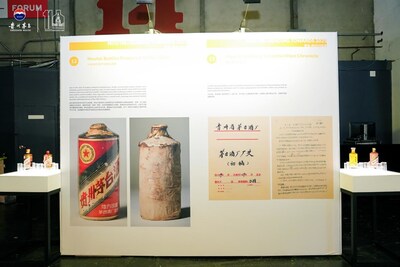
A unique art installation named Jinshan recreated the historical moment of the opening of the Panama Canal in moving projection, taking viewers back to that era of industrial wonders. The screen paneled wall, which recorded 31 participating countries and 18 million visitors in Panama Expo, also drew in crowds.

From the photos of the Chishui River wharf, by which Moutai was made, in the early 20th century, to the first employee roster of Moutai, the handwritten factory history, and finally that precious Expo medal, these tangible exhibits enabled the American public not only to “see the story”, but also to “touch history”, and to feel the Chinese national brand’s holding fast on craftsmanship and ecological values.

The brilliance of the exhibition lay in skillfully integrating Moutai’s brand history into the urban memory of San Francisco and the civilizational history of World Expos, providing a panoramic perspective for the century-old story. This method of showcasing “shared memory” effectively bridged cultural barriers, transforming Moutai from a historical award winner into an active storyteller and witness to history.

According to cultural scholars in San Francisco, this exhibition filled in a gap in the local memory of the Expo by providing an Eastern perspective. Moutai used material objects and vivid narratives to prove that cultural heritage and compelling brand stories could break cultural boundaries.” For Moutai, the grand narrative of the exhibition itself was a direct expression of “Moutai embracing the world and growing in sync with global civilizations, and its vision.” It made faded old photographs, authentic historical documents, precious archival materials, and warm urban memories interplay and shine, ultimately converging into a “cultural memory event” that the public could perceive, participate in, and inherit.


III. Toasting at “Moutai Night”: Crafting Shared Value Through Aroma

On the evening of December 7, Kweichow Moutai hosted a Moutai Night to commemorate the 110 Years Journey to the World, honoring the 1915 Panama-Pacific International Expo Gold Medal and the 2015 Establishment of the ‘San Francisco Moutai Day’.

Guests of distinguished political and business backgrounds from the United States, along with Chinese diplomats to the US, Moutai’s American distributors and aficionados attended the celebration.

Moutai Group Chairman Chen Hua welcomed guests via video at the gala. “San Francisco is where our global story began,” said Chen. “From here, Moutai’s reputation spread and grew, evolving into the world’s leading spirits brand and a truly global icon of Chinese craftsmanship.” Chen noted that Moutai is made using one of the oldest and most intricate fermentation methods in the world, with every drop reflecting generations of Chinese skill and tradition. He also warmly invited guests to visit Guizhou to experience the unique terroir behind Moutai.

Representatives from the Chinese Consulate and San Francisco City Government congratulated Moutai on its dual-anniversary and recognized its positive role in promoting understanding, friendship and cooperation between China and the U.S.

During the banquet, guests enjoyed baijiu and fine cuisine along with meticulously arranged stage shows, including a short film named 1915 to 2025: Kweichow Moutai: A 110 Years Journey to the World. The Chinese and Western cultural elements in shows made an attempt to formulate shared value and raised heated talks among guests.

Through its series of events in the United States, Moutai demonstrates its commitment to actively integrating into the local market and takes the initiative to act as a friendly envoy promoting cultural exchange between the two countries.

From now on, when people recall the glory of San Francisco in 1915, the aroma of Moutai will become an indispensable footnote in those memories. As a world-renowned brand refined through millennia-old craftsmanship, Kweichow Moutai’s journey with the world continues to intertwine with global cultural progress – together distilling the next century-long chapter.


A New Deal for the Mekong

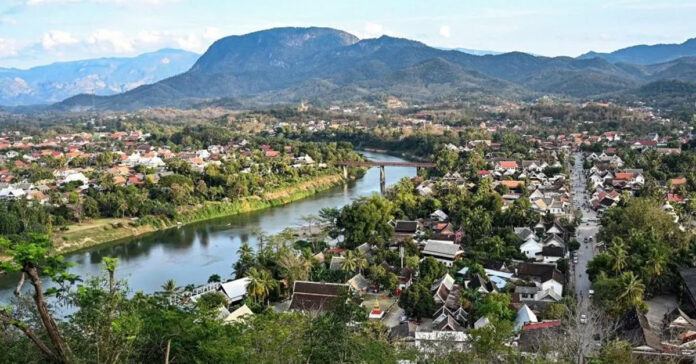
A general view of the Mekong river in Luang Prabang. (Photo by TANG CHHIN Sothy / AFP)

By Anoulak Kittikhoun – Imagine the Mighty Mekong Basin not as a source of friction among riparian countries but as a platform of joint management and development across ASEAN. To make this happen, a new deal is needed that involves multiple countries across different sectors.

Anoulak Kittikhoun, a Lao former CEO of the Mekong River Commission, argues that treating the Mekong as an interconnected system, rather than a patchwork of national interests, could help ASEAN transform the river into a model of regional cooperation, sustainability, and shared prosperity. The commentary was published through Fulcrum, a platform of the ISEAS – Yusof Ishak Institute, on 11 December.

Rising on the Tibetan Plateau and running some 4,800 kilometres through six countries, Southeast Asia’s largest river makes Thailand and Vietnam two of the world’s top rice exporters, powers Laos as the “battery of ASEAN” and sustains Cambodia as the largest inland fishery producer on earth. As a cultural artery, the Mekong ties together fabled cities from China’s Xishuangbanna and Thailand’s Chiang Rai to Luang Prabang in Laos, and onward to the industrialising hubs of Phnom Penh in Cambodia and Can Tho in Vietnam. For most non-riparian ASEAN states, Mekong rice is likely on many dinner tables and for Malaysia and Singapore, Mekong-generated electricity has started to flow into their grids. Every year, millions of Southeast Asians travel to experience the river’s landscapes. In short, the Mekong is a strategic asset for all ASEAN countries, not only for those along its banks.

However, these benefits have been under immense pressures. Rapid hydropower and infrastructure development is reshaping river flows, sediment and fish migration. Meanwhile, climate change is intensifying droughts and floods, impacting energy production, rice cultivation, fisheries, livelihoods, and the ecosystems that support tourism. Geopolitical competition has created multiple Mekong cooperation frameworks – from Mekong River Commission (MRC) to Lancang Mekong Cooperation (LMC) and Mekong-US Partnership – which collectively contribute to, but sometimes fragment, the governance of the basin.

While cooperation under the MRC has yielded positive achievements, there is a growing sense that the great river is being overworked but under-governed. Various actors from riparian states and partners to NGOs and academics have called for more investment in solar and wind systems instead of in dams, scrutiny of projects such as Cambodia’s Funan Techo canal, the strengthening of Mekong governance, and the bringing together of ASEAN to engage more on Mekong issues.

Approaches that focus on a single issue (such as managing floods) or sector (such as mitigating dam impacts) or bilateral matters (such as between only Cambodia and Vietnam) will only see partial results, however. More importantly, they will not transform the Mekong.

What is needed are proposals that show a strategic vision for what the Mekong could be, with bold leadership. Such a vision could support good development in all Mekong countries, meet the needs of non-Mekong countries, and determine what trade-offs are acceptable to increase connectivity and interdependence among concerned parties.

For inspiration, we can go back to the past. In the 1970s, the UN-backed Mekong Committee prepared an Indicative Basin Plan that tabled a suite of multi-purpose Mekong projects designed to benefit all four riparian countries through hydropower (primarily for Laos and Cambodia), flood control (primarily for Vietnam), irrigation (primarily for Thailand), and navigation (for all four states). Those plans were never realised due to conflicts, but they showed that the basin can be thought of as a single system rather than a chain of separate national projects. Today, a new deal could help to revive that basin-wide, multi-country, and multi-sector vision. The riparian states in ASEAN at present may lean on more technical knowledge, environmentally friendly technologies, and financial resources (including from non-Mekong countries).

Several concrete strategies can be pursued. First, the coordinated operation of Lancang-Mekong dams is critical. Today, many Chinese and Lao reservoirs release and withhold water according to energy demands and in response to extreme weather events. This practice often exacerbates floods (when dams must release additional water when typhoons hit their reservoirs) and droughts (when dams must store whatever water they can in a ‘dry’ wet season to have enough for generating energy in the dry season). A rules-based coordination regime, supported by real-time data and advanced modelling and forecasting, could systematically increase total energy output, help mitigate downstream floods and droughts, and support dry-season irrigation. Crucially, if timed correctly, this can ensure the ‘reverse flow’ or expansion of the Tonle Sap (which sustains fisheries) during the wet season, while providing fresh water to Vietnam’s delta (to counter salinity intrusion in the dry season).

Second, any new major project on the Mekong should be a genuine joint endeavour between two or more governments. The region has examples of cross-border energy investment and trade, but most dams are still financed as national projects, though with foreign investment. Taking inspiration from the Itaipu binational project between Brazil and Paraguay, Laos and Thailand could, for example, develop mainstream projects as shared assets with joint ownership, cost-sharing, and allocation of shares (not just compensation) to local communities. Future schemes involving Myanmar, Laos and China could follow the same template. All such projects could engage MRC technical guidance early, adhere to MRC procedures, undergo independent technical review, and incorporate social standards and joint environmental monitoring.

Third, better coordination of existing dams, along with the development of joint projects, would provide incentives to forego any national projects with high transboundary environmental costs. It would allow a greater focus on expanding wind and solar energy schemes, which Laos has started to do with two 600-megawatt (MW) wind complexes (Monsoon and Truong Son), a 1,000-MW solar project (Oudomxay), and additional 240–300 MW floating solar plants planned on reservoirs. All this increase in capacity will benefit the region. The export of Mekong energy from Laos to Singapore forms part of the broader ASEAN Power Grid (APG) concept and could be further advanced with subsea cables from Cambodia and/or Vietnam to Singapore. Thailand and Malaysia would need to show ASEAN solidarity by treating electricity generated in the Mekong not as bilateral imports but as part of a shared regional resource, with arrangements that spread costs and benefits. Non-riparian ASEAN members like Singapore could take a leadership role in realising the APG, as they already import significant amounts of Mekong rice and have begun importing Mekong-sourced renewable energy.

Fourth, with coordinated storage operations and joint development, the Mekong could potentially serve as a continuous waterway from China down to Cambodia and Vietnam. Compared to road and rail, river navigation can offer greater benefits, as demonstrated by Europe’s Rhine and the Danube, including lower carbon dioxide (CO₂) emissions, reduce energy usage, and lower air pollution, noise and accidents. A fully navigable Mekong could enhance the economic viability of Cambodia’s proposed Funan Techo Canal, provided it is developed through a cooperative approach involving upstream Laos and downstream Vietnam via the MRC. This would likely require bypass solutions around the Khone Falls (an unrealised French colonial-era dream of unimpeded upriver travel). If coordinated upstream operations also benefit Vietnam’s delta, Hanoi would have an incentive to support navigation improvements for Laos and Cambodia. Landlocked Laos, which already has northern access to the Chinese market via the Laos-China Railway, would likely be interested in southern access to the sea through Mekong navigation as part of its ‘land-link’ strategy.

Fifth, a new deal featuring a better managed river flow, the development of beneficial joint projects, the cancellation of harmful ones, and enhanced energy connectivity will enable the conservation of the Mekong’s critical ecosystems and biodiversity, while supporting tourism and sustainable finance. Forests, waterfalls, and towns along the Mekong – including “twin cities” straddling borders – can be promoted from source to sea. Protected forests, parks, floodplains and wetlands can generate nature-based carbon credits for markets in Singapore and beyond.

The proposed new deal can only materialise with bold leadership and coordinated action across institutions and countries. The MRC, LMC Water Centre, Mekong Institute, and ASEAN should work together on the technical design of such a package, carefully study relevant aspects, and present proposals at ministerial meetings and leaders’ summits. Development partners and multilateral banks could contribute with finance and negotiation support. Unlike in the past when the Mekong often divided East from West, upstream from downstream, and mainland from maritime Southeast Asia, the “Mother of Rivers” has the potential to unite ASEAN and its partners in a new era of shared prosperity. This can happen only if the region moves from developing individual projects to forging a collective bargain that reflects the river’s scale and significance.

Hobart Airport sets new standard in aviation compliance with OneReg

AUCKLAND, New Zealand, Dec. 15, 2025 /PRNewswire/ — Hobart Airport is leading the way in aviation safety and compliance, partnering with aviation compliance platform OneReg, replacing traditional spreadsheets and manual processes with a tailored, real-time digital system built for long-term scalability.

This transformation marks a significant milestone for Tasmania’s busiest airport, which serves over 2.8 million passengers annually and supports a diverse mix of operations including passenger, freight, charter, aeromedical, and Antarctic flights.

Amid major infrastructure upgrades including a $130 million runway enhancement to accommodate larger aircraft and a $200 million terminal expansion set to double capacity, the need for a smarter, more integrated compliance solution became clear. OneReg’s platform equips Hobart Airport to manage growing operational complexity while further supporting safety and operational efficiency.

Working closely with OneReg, Hobart Airport ensured the new system reflected its own workflows, terminology, and operational structure.

The new system centralises reporting, automates workflows, and provides live dashboards that give airport teams – from frontline staff to senior managers – instant visibility into operations. It has also improved audit readiness, reduced administrative burden, and increased staff engagement. 

“Before OneReg, our compliance and safety reporting lived across multiple systems and spreadsheets,” said Sam Merlo, Operations Compliance Coordinator at Hobart Airport. “What used to take days now takes minutes. OneReg has streamlined our processes, supporting day-to-day operational decisions.”

OneReg’s platform, already purpose-built for aviation, was then configured to Hobart’s specific needs, featuring a single landing page, role-based access, and automated notifications that streamline compliance across the board.

“We worked closely with Hobart Airport to implement a solution that reflected their operational language and structure,” said Clinton Cardozo, CEO at OneReg. “This wasn’t a plug-and-play install – it was a co-designed system that supports Hobart Airport’s strategic growth and compliance goals.”

“That’s how we approach every partnership: by responding to each customer’s unique needs and leveraging the flexibility of the OneReg platform to deliver meaningful, scalable compliance outcomes specific to the organisation.”

The rollout was led by Hobart’s Safety & Compliance team, with support from IT and Operations, and technical integration managed by OneReg.

As Hobart Airport continues to expand its infrastructure and capabilities, OneReg provides the digital backbone to ensure that safety and compliance evolve in lockstep.

OneReg is more than a compliance system – it’s the foundation for smarter airport operations, supporting safety, sustainability, and continuous improvement.

For more information on Hobart Airport’s compliance transformation, read the full case study here.

About OneReg: 

With OneReg, compliance isn’t a checkbox – it’s a state of being that reduces the time, complexity, and human resource cost of staying safe and compliant. The result is safer, smarter, more sustainable aviation. For more information, visit: www.onereg.com.