Home Blog Page 165

KuMining Broadens Access to Proof-of-Work Infrastructure with KAS Cloud Mining

PROVIDENCIALES, Turks and Caicos Islands, Aug. 25, 2026 /PRNewswire/ — As Proof-of-Work mining becomes increasingly dependent on specialized hardware, energy resources and professional operations, direct participation remains out of reach for many individual users. KuMining, the cloud mining platform powered by global cryptocurrency exchange KuCoin, today announced the launch of KAS Cloud Mining, further expanding its multi-asset mining ecosystem and providing eligible users with a simpler way to access professional KAS mining infrastructure.


KAS is the native asset of Kaspa, a Proof-of-Work blockDAG network. As new KAS enters circulation through mining, access to hashrate allows users to participate in the network’s block production and security process, offering an alternative to purchasing the asset directly on the secondary market.

With KAS mining now primarily reliant on specialized ASIC hardware, users would otherwise need to purchase and transport equipment, secure suitable power and hosting, configure mining pools, and manage ongoing maintenance. KuMining brings these operational requirements together in a streamlined cloud mining experience, creating an accessible path between buying KAS and operating a physical mining setup.

Eligible users can select contracts ranging from 7 to 360 days and receive variable daily KAS mining output based on their purchased hashrate and applicable product rules. The pool-based model provides a more continuous and observable experience than probability-based solo mining, while removing the need to own or operate mining equipment.

KAS Cloud Mining also adopts KuMining’s “mine first, pay electricity later” model. Users pay the applicable hashrate fee upfront, while electricity charges are settled over time. This reduces initial cash requirements and provides greater cash-flow flexibility, without implying lower total mining costs.

“Mining should be accessible to anyone who wants to participate, not limited to those with the resources to purchase and operate specialized equipment,” said Jolie Du, Chief Operating Officer of KuMining. “By introducing KAS Cloud Mining, we are giving more users a simpler path into professional Proof-of-Work mining while taking another step in the expansion of KuMining’s multi-asset ecosystem. Our goal is to connect professional infrastructure with everyday users through a transparent and integrated experience.”

Integrated with KuCoin, KuMining enables users to receive and manage mining output without navigating separate mining pools, wallets and exchanges. The launch further extends KuMining’s Trade → Earn → Mine journey and reinforces its role as an accessible gateway to professional mining infrastructure.

KAS Cloud Mining is now available to eligible users here.

About KuMining

KuMining is a leading cloud mining platform developed by KuCoin, one of the world’s top cryptocurrency exchanges. Dedicated to democratizing mining, KuMining offers secure, efficient hashrate services to users globally, backed by cutting-edge infrastructure and seamless integration with KuCoin’s ecosystem.

Follow KuMining on X | Telegram

CLO Virtual Fashion Resolves Major US Patent Infringement Case, Secures Settlement Against Style3D

NEW YORK, Aug. 25, 2026 /PRNewswire/ — CLO Virtual Fashion (“CLO”), the leading innovator in 3D garment design technologies, secured an agreement that concludes its U.S. patent infringement lawsuit against Zhejiang Lingdi Digital Technology Co., Ltd. (also known as Linctex), the company behind Style3D. The legal action, initiated in 2023, alleged that Linctex engaged in willful and unauthorized use of CLO’s patented technology. The lawsuit sought damages and injunctive relief to halt infringement of three of CLO’s patents in the U.S. As part of the resolution, Linctex has admitted that the accused Style3D Studio software infringes upon CLO’s asserted patents (U.S. Patent Nos. 10,733,773, 11,410,355 and 11,222,448). In addition, Linctex has also admitted that CLO’s asserted patents are valid and enforceable. Other terms of the settlement remain confidential.

CLO Virtual Fashion Resolves Major US Patent Infringement Case, Secures Settlement Against Style3D

For over 15 years, CLO has earned the trust of many industries – including fashion design, garment production, automotive, home goods, filmmaking, VFX and gaming among others – through a relentless commitment to research and development and a culture of innovation. To protect the company’s ideas and inventions, CLO maintains a substantial portfolio of patents and intellectual property across the globe, including in the United States, Europe, South Korea, and China. CLO remains unwavering in its commitment to the protection of its proprietary technology and intellectual property.

“CLO has spent years and invested substantial resources and energy into developing groundbreaking solutions that have revolutionized numerous industries,” said Simon Kim, CEO of CLO Virtual Fashion. “The protection of intellectual property is not just about our business; it’s about maintaining the value of great ideas and fostering an environment of fair competition and innovation that benefits everyone. In this age of digitization, it is vital to safeguard the work of creators and inventors to ensure the healthy and sustainable growth of industry. This outcome demonstrates our commitment to that principle and to our user community.”

Renowned for its user-centric development, CLO has empowered many industries to embrace 3D design. In 2024, the Company’s commitment to research and innovation was recognized when Co-Founder Jaden Oh was presented with an Academy Award for contributions to filmmaking through the development of CLO’s Marvelous Designer software. CLO is steadfast in continuously improving and innovating its products and services for its users and clients.

Youth voices drive Asia‑Pacific green‑energy ties at Shenzhen gathering

SHENZHEN, China, Aug. 25, 2026 /PRNewswire/ — Youth leaders from 13 Asia‑Pacific countries and regions took center stage in Shenzhen, South China’s Guangdong province, on Aug 21, as over 60 experts, scholars, young delegates and journalists gathered for the “Asia‑Pacific Youth Gathering: Building a Shared Future Through Energy” event. Co‑hosted by the China International Publishing Center, CSG Shenzhen Power Supply Bureau and CSG Digital Media Technology, the event was supported by partners including the Shenzhen Youth Federation and the APEC Sustainable Energy Center.


Youth voices drive Asia Pacific green energy ties at Shenzhen gathering

During the event, youth representatives visited the 110 kV Chunhui Substation — the country’s first zero-carbon smart educational substation — and the HQB Museum, gaining on-site insights into Shenzhen’s green energy layout and industrial transformation.

The event also featured story-sharing sessions and roundtable discussions, focusing on green and low-carbon transition, regional connectivity, and the coordinated development of electricity and computing power to tap into youth wisdom for the Asia‑Pacific’s common development.

Chhoeun Raksmey, director of the Department of Portable Water Policies at the Ministry of Industry, Science, Technology, and Innovation of Cambodia, said during a story-sharing session that the green and low-carbon transition requires coordinated efforts from governments, private enterprises, research institutions and communities.

Wirun Phichaiwongphakdee, director of the Thailand-China Research Center of the Belt and Road Initiative, cited grassroots success stories: a Thai woman achieving financial independence with help from the Chinese Consulate General in Khon Kaen to run a hair salon, and Thai agricultural experts partnering with villagers in Du’an, Guangxi, to solve pomelo‑growing challenges. “This is what cooperation means to me — sharing our best experiences to jointly solve developmental problems,” he said.

Macao’s Alex Choi, co-founder and executive director of MTEL Telecommunications, underscored the importance of digital infrastructure and youth innovation in industrial upgrading. Fan Siran from CSG Shenzhen Power Supply Bureau briefed on the Guangdong-Hong Kong-Macao Greater Bay Area’s green power outlook, in which nearly 60 percent of electricity will come from green sources by 2030.

Discussions also covered cross‑border energy links, with the China-Laos 500 kV interconnection project cited as a win-win practice that increases two-way power-exchange capacity from 50,000 kilowatts to 1.5 million kW and delivers 3 billion kWh of clean power annually.

Yang Bo from CSG Lancang-Mekong International noted that grid connectivity is only the first step — enabling electricity to flow freely in the market is the key. He added that continued efforts to advance regional cross-border grid connectivity will enable the efficient allocation of clean power across the region.

On computing-electricity synergy, Wang Hai, assistant professor at Nanyang Technological University, Singapore, called for a shift from one-way supply to two-way synergy between electricity and computing. Zhang Qian from CSG Shenzhen Power Supply Bureau, who has 12 years of overseas experience, proposed capitalizing on the Greater Bay Area’s advantages in technology, application scenarios and talent to build an AI-plus-energy innovation hub for the Asia-Pacific region.

OP-ED: How Laos Can Capture More From Regional Trade

How Laos Can Capture More From Regional Trade By: Mehmet Enes Beşer

OP-ED by Mehmet Enes Beşer

On 22 June, Laos and Cambodia opened a new agricultural transit route at Thanaleng Dry Port, allowing Cambodian durian, mangoes, rice and other agricultural products to cross Laos by road before continuing to China on the Laos-China Railway.

The new route reportedly cuts the journey for perishable goods from almost 20 days to about one week. It is a practical example of how Laos is using its growing rail and road connections to link producers in neighbouring countries with larger regional markets.

As more goods move through the country, there is scope to build a wider network of logistics, storage, processing and other services around the railway, allowing Lao businesses to take part in and benefit from growing regional trade.

The Laos-China Railway provides an important foundation for this expansion. But connectivity alone does not automatically create new businesses or higher-value economic activity. Farmers and small businesses also need reliable access to roads, storage facilities, customs services, financing and markets.

A World Bank assessment of the railway’s potential found that the connection could significantly increase Lao incomes over the long term, provided the country also improves border procedures, feeder roads, cargo handling and competition in multimodal logistics.

These supporting services are particularly important for agricultural trade. A farmer may have access to a fast railway connection, but still struggle to use it if produce cannot reach a collection point efficiently, requires refrigerated storage or faces delays during inspection.

Building Around Existing Connections

Laos has already made progress in developing the infrastructure needed to support the railway.

Thanaleng Dry Port now combines customs clearance, warehousing, container handling and transfers between standard-gauge and metre-gauge railways. Its operator reports that around 2,000 vehicles enter or leave the facility each day.

The facility is also working to improve cargo consolidation, an important part of making cross-border transport more efficient. Import-heavy traffic can leave trucks returning without cargo, while stronger Lao exports could help create more balanced flows in both directions.

The railway’s freight network has expanded rapidly since operations began in late 2021. By June 2026, it had carried more than 80 million tonnes of freight, while the number of goods transported had grown from just over 10 commodity categories at launch to more than 3,800.

Cold-chain logistics have also created new opportunities. Refrigerated trains connecting China, Laos and Thailand have transported fresh produce to Chinese markets in as little as three days. China imported more than 185,000 tonnes of fruit through the railway in the first half of 2026, up 73.1 percent from the same period a year earlier.

These developments suggest that Laos is already becoming an increasingly important transport link in regional supply chains. The next step is to ensure that more Lao producers and businesses can participate in those supply chains.

That could include expanding shared packhouses and cold-storage facilities, improving product testing and certification, strengthening digital customs systems and helping smaller businesses consolidate shipments.

The goal would not necessarily be to build large new facilities everywhere. Smaller, commercially viable services located around existing railway and logistics hubs could help businesses access the infrastructure that is already in place.

Supporting Lao Businesses

The challenge is particularly relevant for Laos’ small businesses.

The World Bank’s 2025 economic monitor found that improved road and railway connectivity was supporting transport services and exports, while domestic demand remained constrained. Its 2026 assessment of the private sector also highlighted limited access to finance, skills shortages and delays in border clearance among the challenges facing businesses.

For smaller agricultural producers, these constraints can make it difficult to take full advantage of new transport connections.

Better access to aggregation, packaging, testing, financing and logistics services could help more Lao businesses meet the requirements of regional markets. Over time, that could allow the railway to support not only the movement of goods through Laos, but also more processing and value-added activity within the country.

This does not mean Laos needs to replace its existing partners or build a separate system around the railway. Rather, the opportunity lies in making existing infrastructure work more effectively with local businesses and producers.

Where International Partners Can Help

International partners could play a role in this next stage by supporting technical training, agricultural processing, logistics services and equipment.

Türkiye is one potential partner. Its export-oriented machinery sector and experience in agricultural equipment could complement Laos’ existing cooperation with China and other countries. The Turkish Cooperation and Coordination Agency, or TİKA, has also worked in Laos on agriculture and capacity-building.

Rather than focusing on a single large project, cooperation could begin with smaller pilot projects around existing railway nodes. These could connect agricultural producers with shared processing or cold-storage facilities, while providing training for Lao technicians and businesses.

Any such projects would need to be based on local demand and commercial feasibility, with maintenance, training and financing considered from the beginning.

Türkiye’s recent status as an ASEAN Dialogue Partner also gives it an opportunity to develop practical cooperation with Southeast Asian countries. In Laos, that could mean contributing to areas where its technical and commercial expertise complements existing development efforts.

The broader opportunity, however, extends well beyond any single international partner.

The Laos-China Railway has already given the country a new connection to regional markets. As trade continues to grow, the challenge, and opportunity, is to build the businesses, services and skills that can grow alongside it.


Editor’s Note: This article was contributed by Mehmet Enes Beşer. Views and information presented are those of the author.

Mehmet Enes Beşer is a researcher focusing on ASEAN, and a graduate of Sociology in Boğaziçi University. His work examines Türkiye’s relations with Southeast Asian countries, particularly in the fields of economic development, industrial cooperation, and foreign policy.


Green GSM Philippines launches premium taxi, a 7-seat high-end electric taxi service


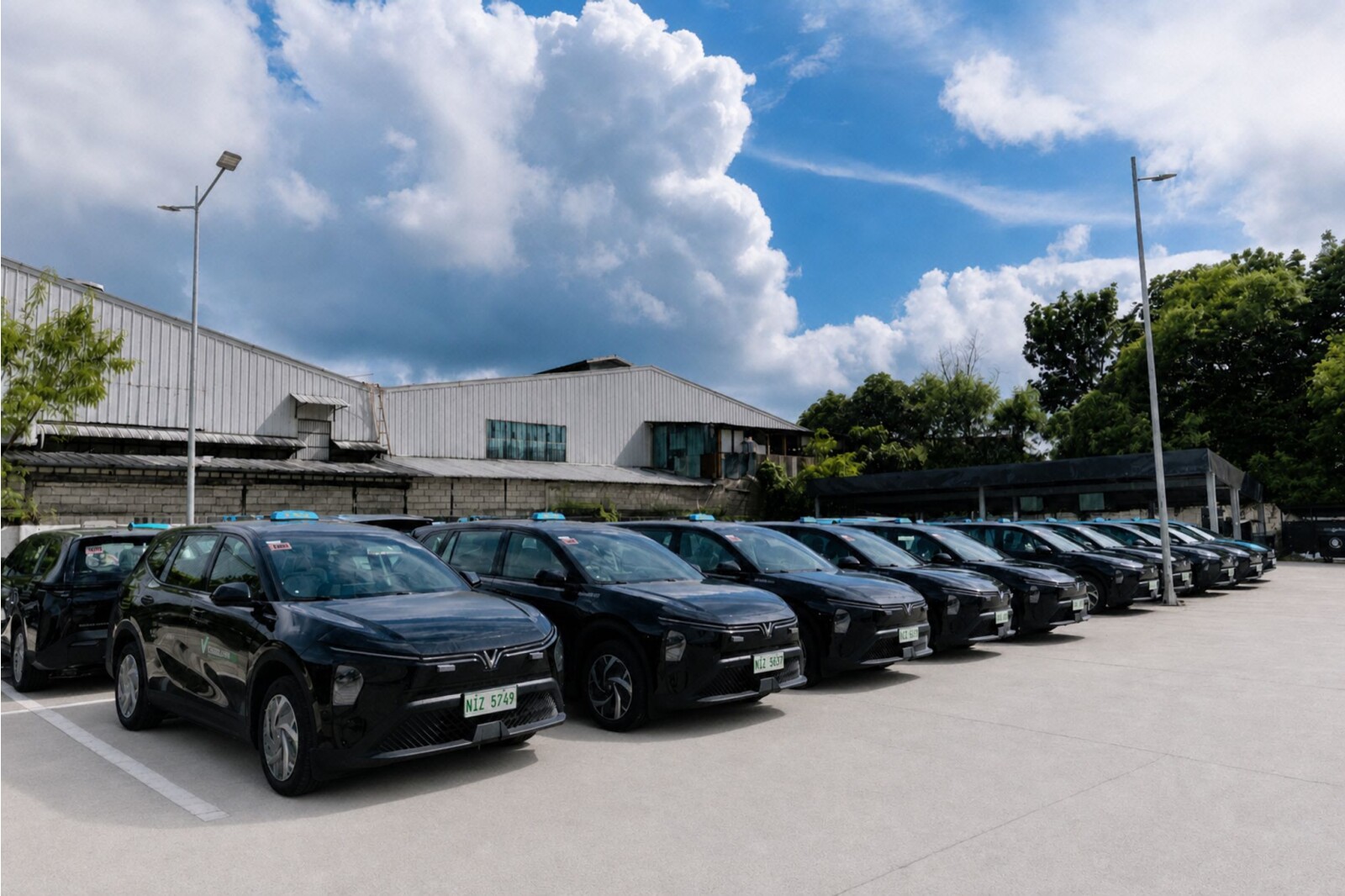
METRO MANILA, PHILIPPINES – Media OutReach Newswire – 25 August 2026 – Green GSM, an all-electric ride-hailing platform, today officially launched Premium Taxi, an upscale seven-seat taxi service in the Philippines. With an all-electric fleet of sophisticated and spacious VinFast Limo Green vehicles, the service is designed to deliver a comfortable and convenient travel experience, setting a new standard for the high-end electric taxi segment in the market.

Green GSM launches its Premium Taxi service in the Philippines.

As Green GSM’s second service tier in the Philippines after Green GSM Car, Premium Taxi offers a new mobility option for groups of up to six passengers, families, business travellers, passengers carrying multiple pieces of luggage, and customers seeking a smooth ride in a pleasant and relaxing environment.

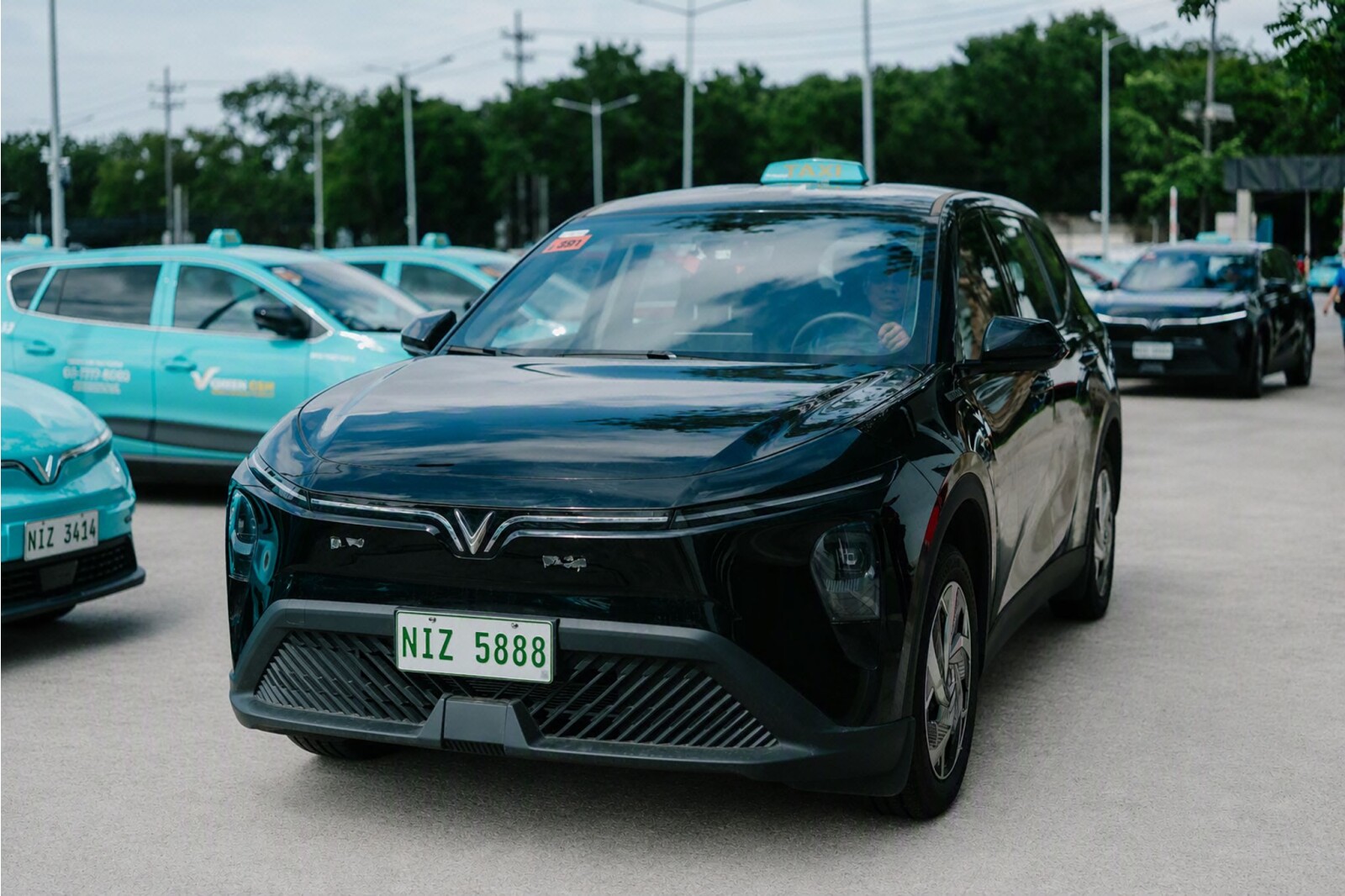
The entire Limo Green fleet is finished in black to reflect its high-end positioning, making it easily recognisable and distinguishable from the existing Green GSM Car service, which features a cyan color scheme. Alongside its modern exterior design and spacious seven-seat configuration with three rows, each Limo Green is equipped with amenities including automatic air conditioning, dedicated air vents for the two rear rows, and an air filtration system that helps keep the cabin pleasant and fresh.

Green GSM's Premium Taxi fleet exclusively uses VinFast Limo Green.
Green GSM’s Premium Taxi fleet exclusively uses VinFast Limo Green.

Alongside the three signature benefits of electric vehicle-zero emissions, no fuel odour and no engine noise-Green GSM’s Premium Taxi also delivers a five-star service experience through carefully-selected drivers who have received high ratings for service quality. Fares are transparently displayed through in-vehicle meters and on the Green GSM app, allowing customers to conveniently track their fares and trip information.

During its initial phase, Premium Taxi will operate in Makati, Taguig, Mandaluyong and Pasig City, serving travel needs across key business districts, commercial centres, hotels and transport hubs in Metro Manila. Customers can book through the Green GSM app, hail an available vehicle on the street, or contact the customer service hotline at 02-7777-8080.

VinFast Limo Green offers a spacious seven-seat configuration and a modern exterior design.

Ms. Le Thi Thu Trang, CEO of Green GSM Philippines, said: “Premium Taxi is not simply about providing more space. It is designed for journeys where comfort and attention to detail matter, from family trips and airport transfers to business engagements and special occasions. By combining the spacious interior of the VinFast Limo Green with professional drivers and Green GSM’s five-star service standards, we aim to give Filipino customers a high-end mobility option that is thoughtfully-delivered from the moment they book until the journey ends.”

With Premium Taxi, Green GSM expands its all-electric mobility portfolio in the Philippines to better meet customers’ diverse needs. Going forward, Green GSM will continue to enhance service quality while consistently upholding its “5 Green Promises”, with standards of professionalism, transparency and attentive customer care, thereby contributing to greener urban transportation.

Hashtag: #GreenSM

The issuer is solely responsible for the content of this announcement.

GREEN GSM IN THE PHILIPPINES

As of March 31, 2026, Green GSM had completed nearly five million trips and more than 32.6 million kilometres in all-electric vehicles in the Philippines. These journeys are estimated to have contributed to reducing approximately 6,263 tonnes of CO₂ emissions, equivalent to the amount absorbed by nearly 289,000 trees in one year, demonstrating the cumulative value of everyday green mobility choices.

CNPC E-Light Global Green Public Welfare Initiative Held in Three Asia-Pacific Locations


HONG KONG SAR; BANGKOK, THAILAND; SELANGOR, MALAYSIA – Media OutReach Newswire – 25 August 2026 – From 18 to 23 August, the CNPC E-Light Global Green Public Welfare Initiative was held in three locations: Hong Kong, China; Bangkok, Thailand; and Selangor, Malaysia. Themed “Climate Action and Ocean Conservation”, the initiative focused on three key areas—ecological protection, green and low-carbon development, and transnational people-to-people exchange—carrying out mangrove-planting activities, participating in exchanges at the World Sustainability Forum, and engaging with experts, scholars, and local residents in dialogue on ecological civilization to advance green and sustainable development.

1

During the period, the initiative brought together guests from government, business, cultural and educational sectors, as well as social welfare organizations across the three Asia-Pacific locations, attracting a cumulative total of more than 500 journalists, business representatives, and local community residents. Through multi-party collaboration and broad-based participation, the initiative set an example for international green public welfare and people-to-people exchange.

E-Light is an international communication brand innovatively developed by CNPC. With energy as its bond and culture as its bridge, the brand leverages cross-cultural exchanges, public welfare initiatives, public open days, and other practices to present, from multiple dimensions, the international image of Chinese energy companies as open, cooperative, and mutually beneficial. Since 2025, the E-Light brand has carried out 20 themed events in more than 20 countries worldwide.

In Hong Kong, China, the CNPC E-Light brand participated in the 12th World Sustainability Forum as a strategic partner. CNPC was invited to join the forum’s thematic dialogue, exploring pathways to sustainable development together with experts and scholars from home and abroad, and sharing the company’s practical achievements in urban energy security and low-carbon upgrading of energy infrastructure at a thematic sub-forum.

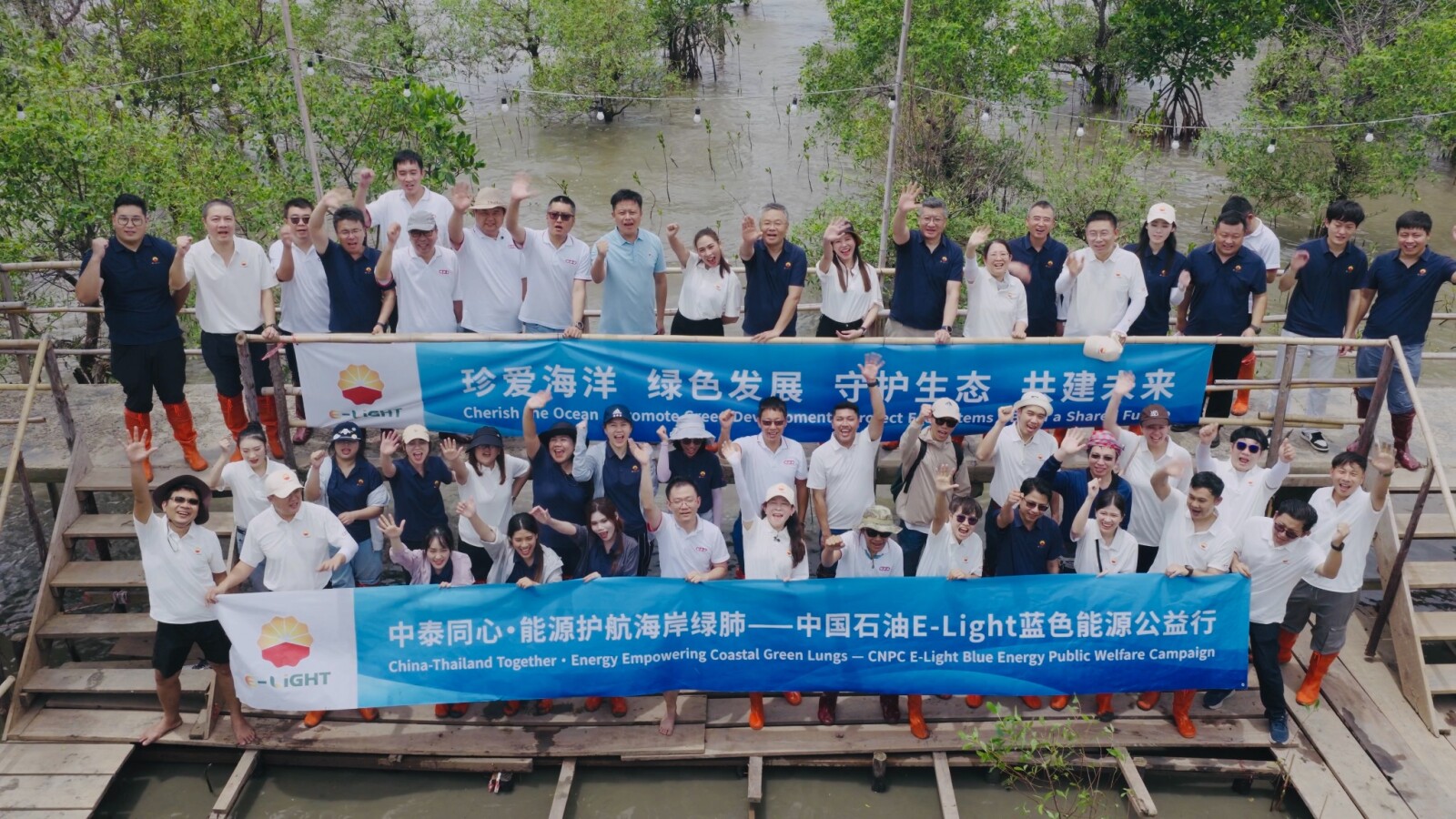
In Thailand, the CNPC E-Light initiative was held at Bang Pu Nature Education Centre in Samut Prakan, where mangrove-planting and ecological restoration activities were carried out, with local government representatives, members of the Thai community, and journalists participating in the event. On site, participants from all sectors jointly planted 180 mangrove saplings. Local resident Kollatee said after the event that she had genuinely felt CNPC’s commitment to environmental protection, and had gained a more direct understanding of the company’s active efforts to protect the environment and engage with the local community. Meanwhile, the CNPC E-Light Cultural Exchange Center (Thailand) was officially inaugurated at Nawamintrachinuthit Triam Udom Suksa Nomklao, a secondary school in Bangkok. Teacher Thanathip Sripal of the school said that through the event, everyone saw firsthand how friendly CNPC is, and students deepened their understanding of the importance of energy.

In Sijangkang Mangrove Park in Selangor, Malaysia, local government representatives, Chinese and Malaysian enterprises, journalists and business representatives, and community residents took part in the event, jointly planting more than 200 mangrove saplings to support the ecological protection and restoration of coastal wetlands. Prior to the event, CNPC had donated to and renovated the park’s boardwalk facilities, supporting local ecological development through concrete action. At the event, Suhaimi, director of the mangrove park, presented CNPC with a certificate of appreciation. Zang Wenbo, First Secretary of the Economic and Commercial Office of the Chinese Embassy in Malaysia, said that the cooperation between CNPC and Malaysia radiates the light of friendship, the light of cooperation, and the light of hope.

As an international integrated energy and chemical company, CNPC actively embraces ESG principles, continuously working with local governments, social welfare organizations, and partners across all sectors to steadily advance regional ecological protection and green and low-carbon development, build bridges for transnational people-to-people exchange and cooperation, and contribute to the joint development and shared benefits of global ecological civilization through pragmatic public welfare practices—fulfilling its role as an outstanding global corporate citizen.

https://www.facebook.com/share/v/1Ea4GTTrvx/
https://www.facebook.com/share/v/1ETEPLujLX/

Hashtag: #CNPC

The issuer is solely responsible for the content of this announcement.

Young Lao Chess Team Wins 12 Medals from Singapore

Sisouda Vanthanavong playing at the 24th ASEAN+ Age Group Chess Championships from 7 to 17 August in Singapore. (Photo: Vientiane Chess Academy)

Laos continues working to develop chess among younger generations. 

A group of young Lao players has returned from Singapore with 12 medals after gaining international experience against competitors from across Asia and beyond.

Team Laos competed in the 24th ASEAN+ Age Group Chess Championships from 7 to 17 August, earning wins across six podium finishes in Standard, Rapid and Blitz events.

The Lao delegation included 24 players, who competed against young chess players from Singapore, Vietnam, the Philippines, India, New Zealand and other countries.

In the Open U18 Standard team event, Kayden Sunjon Nguyen, Michael Sean Manalo and Kaysone Thongmanivong won bronze.

The Girls U18 team of Alana Kittikhoun, Ryzia Lei Zheysha Suelo and Sisouda Vanthanavong also won bronze in both the Rapid and Blitz team events.

Suelo Merlinda added three individual medals, winning silver in the Women’s 50 Rapid and Blitz events and bronze in Standard.

Where it All Started

For many of the young players, chess started at home, at school, or through pure curiosity.

Sean was introduced to the game by his peers, as chess became increasingly popular among his friends.

Kayden discovered it through chess content online, while Kaysone’s interest grew after watching The Queen’s Gambit in 2020.

“Around 2020, I was influenced by a show called The Queen’s Gambit”, Kaysone said. “I stopped for a while until I got into 7th grade. Playing on a physical board deepened my interest in chess.” 

Meanwhile, for Lei, chess was part of family life from an early age. Her father was a coach, while other members of the girls’ team said family members encouraged them to take up the game.

That mix of family influence, school friends and online content has helped bring more young people into the chess world.

Kayden Sunjon Nguyen playing at he 24th ASEAN+ Age Group Chess Championships from 7 to 17 August in Singapore. (Photo: Vientiane Chess Academy)

From Online Games to International Competitions

The young players have a set of training routines that they worked on before the Singapore competition.

“I mainly play online and do frequent puzzles,” Sean said. “I also learn certain chess patterns, as competing on a physical board is different from playing chess on your phone.”

Coach Robert has also provided the children with online learning materials.

For several young players, the tournament was their first opportunity to compete internationally, drawing different reactions from each player. 

“For me, since I saw my dad play all the time, I don’t really feel nervous or pressured,” Lei said.  “I mostly just have fun in tournaments, as the people I played against turn out to be my friends.”

“It was still nerve-wracking despite my years of competing experience, but it was fun nevertheless as I got to play with ‘the best of the best’,” Sean said. 

Beyond the Board 

For some, the tournament’s most memorable moments took place away from the board. 

Players said they met competitors from other countries, made new friends, and received advice from more experienced players. 

“Going to Singapore to compete was really great, as I got to explore a new country and its shopping district like Orchard,” Alana said.

Kaysone mentioned he remained in contact with friends he met during the championship.

The students also linked chess to skills used in school and daily life. 

They said the game had helped them develop focus, patience, logical thinking, and the ability to manage setbacks, coming back to Laos with a more mature mindset.

“It’s actually a privilege for us to play against strong players, despite the difficulty of the competition”, said Lei. “You don’t get to play with them all the time”.

One player said competitive chess had helped him become more mentally resilient and better able to accept losses.

“Playing against stronger players changes your thinking and maturity over time”, Sean said.

Meanwhile, Kayden said chess supported logical thinking in subjects such as mathematics and physics. 

“It helps me find various solutions to real-life problems,” Sisouda echoed. “If one doesn’t work out, there will always be alternatives.”

Laos’ Next Generation of Players

For Laos’ young chess players, the Singapore championship is only one step in a longer development path. 

 “For many chess players, competing at the Olympiad is a dream,” said Coach Robert, emphasizing the importance of exposing young players to international competition.

The delegation is expected to represent Laos at the 2026 FIDE Chess Olympiad in Samarkand, Uzbekistan, in September. 

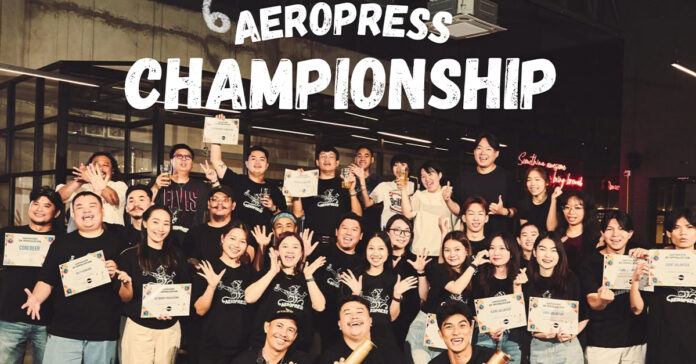
Daophet Lonluenglith Crowned Lao AeroPress Champion 2026

Daophet Lonluenglith won the Lao AeroPress Championship 2026, earning the chance to represent Laos at the World AeroPress Championship in Mexico this December. VIentiane, Laos. 22 August 2026. (Photo supplies)

On 22 August, organizers crowned Daophet Lonluenglith champion of the Lao AeroPress Championship 2026, capping a day-long competition at Corebeer in Vientiane Capital that drew an estimated 320 visitors, coffee professionals, and industry partners.

Thanaboun “Tinoi” Vongdeuane, owner of Khoon Coffee, and Sitthadeth “Pop” Champasith, owner of Slurp Coffee Co., hosted the event. Both have played active roles in building Laos’coffee and barista community through competitions, workshops, and industry events.

Vythavad Keobuakham finished as first runner-up, and Ananthavath Sihamontry took second runner-up.

The championship will also select Laos’ representative for the World AeroPress Championship, which will take place in December 2026 in Mexico.

Vithoun Sithimorlada, Deputy Director General of the Department of Micro, Small and Medium Enterprise Promotion (DOSMEP) , and Inpone Saenkhamty of the European Union in Laos attended the opening ceremony.

The Green CUP Project supported the event alongside DOSMEP, the Department of Agriculture, French Development Agency (AFD), the European Union, Global Gateway, and other sponsors and media partners.

Organizers said the championship underscored the growing potential of Lao coffee beyond raw bean production, giving Lao baristas a platform to showcase their skills and represent the country on the international coffee stage.