The HRTA 2026 EOR VendorFit Matrix highlights G-P’s technology leadership, AI-driven innovation and commitment to delivering exceptional customer experience
BOSTON, Sept. 11, 2026 /PRNewswire/ — G-P (Globalization Partners), the leader in AI-driven global employment, ranked No. 1 by industry analysts, today announced it has been named the top technology leader in the 2026 EOR VendorFit Matrix by HR Technology Advice (HRTA).
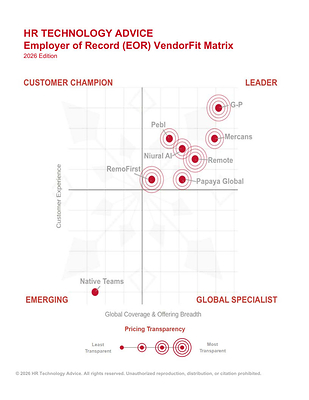
HR Technology Advice Employer of Record (EOR) VendorFit Matrix
“As the EOR market matures, G-P stood out — earning the top score in HR Technology Advice’s 2026 EOR VendorFit Matrix, driven by leadership in customer experience and global offering breadth, backed by strong AI-powered compliance capabilities,” said Chris Harvey, Chief Research Officer, HR Technology Advice.
This inaugural report recognizes G-P’s maturity in the Employer of Record (EOR) category, emphasizing the company’s commitment to providing compliance confidence and fostering long-term strategic partnerships through advanced platform capabilities:
Unmatched Infrastructure: Supports compliant hiring in 180+ countries, with 100+ wholly owned legal entities.
Proprietary AI & Global Compliance Engine: Pairs real-time regulatory monitoring via G-P Gia™ with in-country legal and HR experts to deliver proactive compliance guidance.
Agentic AI Workflows: Uses G-P Assist agentic AI to enable employers and employees to initiate and complete complex workflows within the platform, significantly reducing administrative burden.
“Being recognized (again) as a top technology leader in the EOR space validates our strategy of putting cutting-edge innovation at the center of global employment,” said Nat Natarajan, Chief Operating Officer, G-P. “We built our platform to transform how companies scale internationally by embedding intelligent AI and automated compliance into every workflow. We will continue to push the boundaries of global HR technology to solve our customers’ most complex global employment and compliance challenges.”
The 2026 HR Technology Advice EOR VendorFit Matrix offers a comprehensive evaluation of the leading Employer of Record solutions available to organizations of all sizes. This report assesses the top vendors across four dimensions – Global Coverage and Offering Breadth, Customer Experience and Outcomes, Technology and Integration, and Pricing Transparency – and places them within a two-axis analytical framework that reflects both the breadth of a vendor’s global capabilities and the quality of customer experience.
Download the full report and learn more about how G-P is leading the EOR industry here.
About HR Technology Advice HR Technology Advice is an analyst firm exclusively dedicated to HR technology. Their research is designed to help HR, Finance, and Global Operations leaders make confident, data-backed technology decisions —grounded in independent evaluation. Their reports and analysis are produced without financial influence from any participating vendor.
About G-P G-P (Globalization Partners) is the recognized leader in global employment, ranked No. 1 in every industry analyst report. G-P’s global employment platform delivers everything companies of all sizes need to manage the full employee lifecycle with its trusted Global HR Agent, G-P Gia, and AI-powered Employer of Record (EOR) and Contractor products. G-P supports teams in 180+ countries with more than a decade of global employment experience, the largest team of in-country HR, legal, and compliance experts, and its unmatched proprietary knowledge base.
G-P: Global Made Possible™ To learn more, please visit: g-p.com or connect with us via LinkedIn, X, Facebook or check out our Blog.
Research from UN Global Compact Networks in Canada, Mexico, and the USA and GlobeScan reveals companies are becoming more selective and strategic as pressure on corporate sustainability commitments grows
TORONTO, Sept. 11, 2026 /PRNewswire/ — Despite mounting economic, political and regulatory pressure on corporate sustainability, ambition among sustainability professionals across North America is proving more resilient than widely assumed. A new tri-national study finds that only 10 percent of respondents expect their organization’s sustainability ambition to decrease, while most expect it to increase, remain stable, or become more targeted.
Leading Through Uncertainty: The Evolving Role of Sustainability Professionals in North America, published by UN Global Compact Networks in Canada, Mexico and the USA, in partnership with GlobeScan, draws on survey responses from corporate sustainability professionals across all three countries, conducted in English, French and Spanish. The research finds that sustainability leadership in North America is evolving, with organizations becoming more selective in where they focus, how they communicate, and demonstrate progress. Other key findings include:
Business value is the defining test for sustainability leadership. 76 percent of respondents identify the ability to connect sustainability to business value as a crucial capability, meaning that industry leaders are expected to translate environmental and social priorities into strategy, operations, and finance.
Sustainability is moving closer to core business strategy. 61 percent of respondents say embedding sustainability into strategy and capital allocation should be a priority for sustainability leaders, pointing to a shift toward deeper business integration.
The role of sustainability professionals is expanding. Beyond technical expertise, the research also surfaces the growing importance of influencing leadership, working across functions and driving organizational change.
The research is based on a survey of 276 sustainability professionals with responsibility and expertise in corporate sustainability across North America. Conducted in English, French and Spanish, the results are weighted equally across Canada, Mexico and the USA. The full findings were presented at the virtual launch event on September 10, 2026. The complete report is now available to download here.
About UN Global Compact As a special initiative of the United Nations Secretary-General, the UN Global Compact is a call to companies worldwide to align their operations and strategies with Ten Principles in the areas of human rights, labour, environment and anti-corruption. Our vision is clear: to mobilize business to transform sustainability ambition into action at the scale the world demands. With more than 25,000 participants and a presence in over 100 countries through 5 Regional Hubs and more than 70 Country Networks and expansion territories, the UN Global Compact is the world’s largest corporate sustainability initiative.
About GlobeScan GlobeScan is an insights and advisory firm specializing in trust, sustainability, and engagement. We equip clients with insights to navigate shifting societal and stakeholder expectations, crafting evidence-based strategies that reduce risks and create value for their organizations and society. Established in 1987, we have offices in Cape Town, Dubai, Hong Kong, Hyderabad, London, Paris, San Francisco, São Paulo, Singapore, Tokyo, and Toronto. GlobeScan is a participant of the UN Global Compact and a Certified B Corporation. Learn more here.
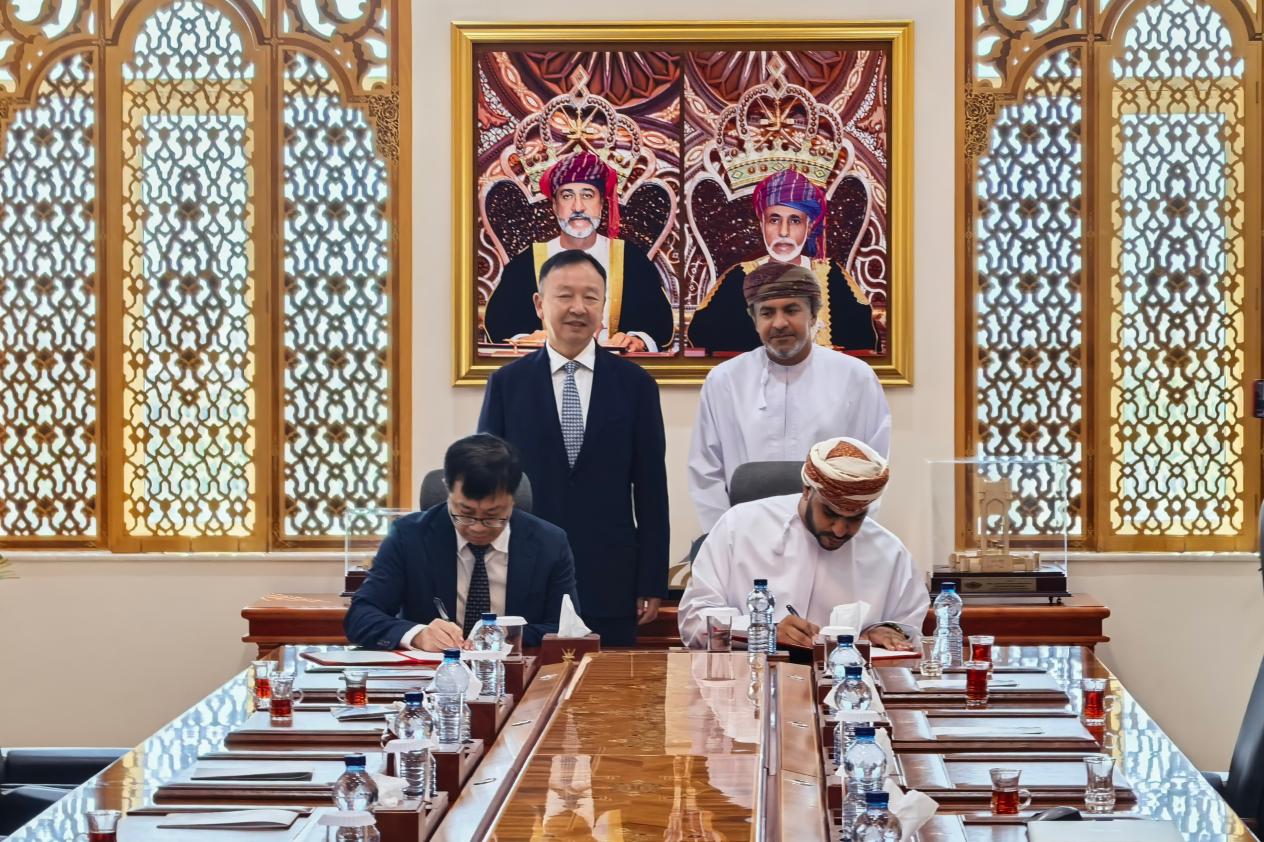
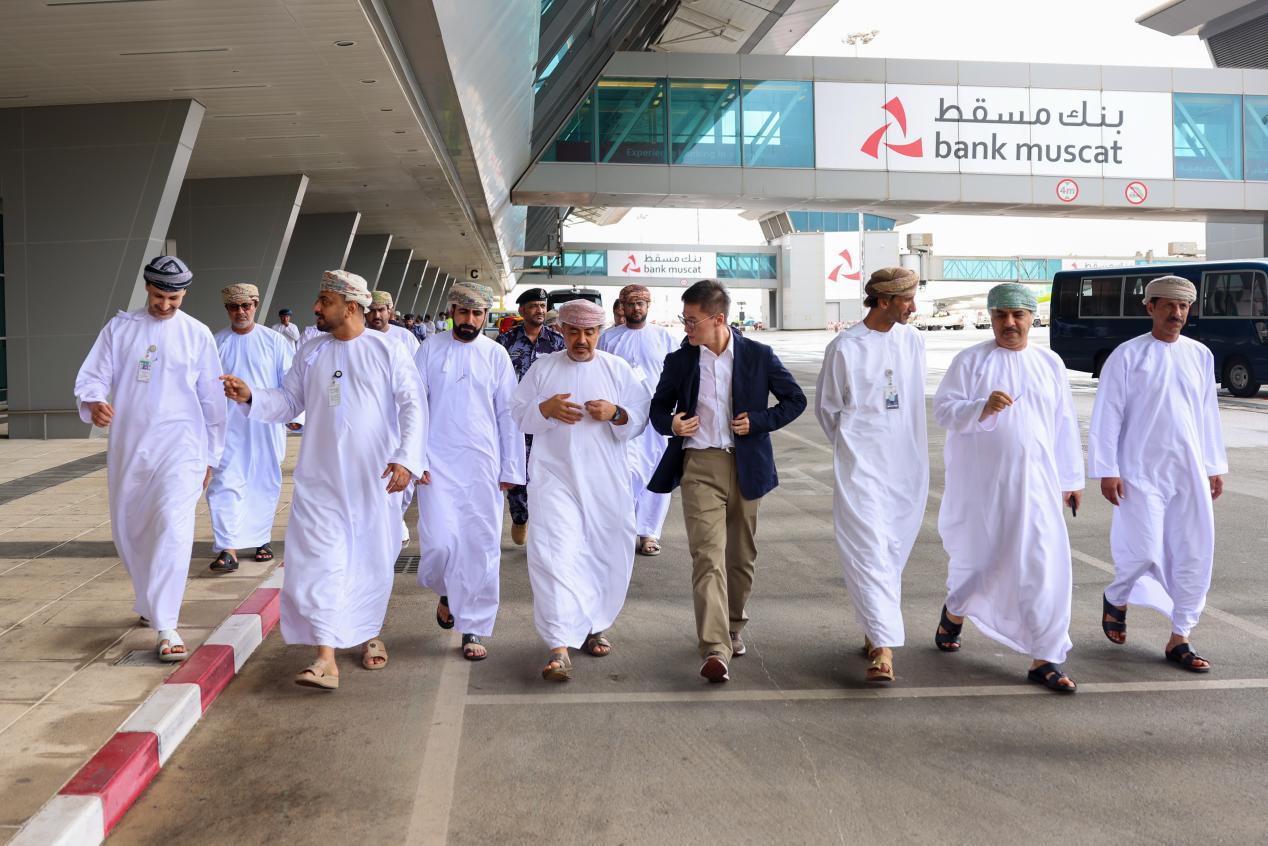
SALALAH, OMAN – Media OutReach Newswire – 10 September 2026 – On September 7, local time in Oman, witnessed by Bater, Executive Vice Governor of Hainan Province, and Khamis bin Mohammed Al-Shamakhi, Undersecretary for Transport at Oman’s Ministry of Transport, Communications and Information Technology (MTCIT), Maple Leaf and MTCIT signed a comprehensive agreement on the next phase of cooperation in autonomous driving. Officials from relevant Hainan provincial authorities and the Chinese Embassy in Oman attended the ceremony. Earlier that day, Maple Leaf founder and Chairman Liang Yi joined His Excellency Eng. Said bin Hamoud Al Maawali, Minister of Transport, Communications and Information Technology, and executives from Oman Airports for a test ride in a Maple Leaf autonomous shuttle at Salalah International Airport, completing all on-site validation procedures. Led by Maple Leaf and jointly organized by MTCIT and Oman Airports, the test represents an important official step in Oman’s deployment of smart and sustainable mobility technologies and a milestone for the operation of Chinese autonomous driving technology in the country. Future Fund Oman under the Oman Investment Authority (OIA) and Temple Water Capital are also accelerating Maple Leaf’s Series B financing round, worth tens of millions of US dollars.
The cooperation demonstrates how Hainan Free Trade Port technology companies can leverage local advantages to expand internationally. Maple Leaf previously received strategic investment from Chengmai, Hainan, and key policy support from Haikou, using Hainan as a base to expand its new energy vehicle and technology businesses overseas. At the Salalah Airport test site, officials from various Omani authorities experienced the vehicle firsthand. The test covered key functions including sensing and real-time monitoring, route recognition, environmental perception, and obstacle handling, comprehensively assessing the vehicle’s ability to operate safely and intelligently under real-world conditions using autonomous driving technology. After confirming the vehicle’s stable operation and efficient dispatching, His Excellency Al Maawali praised Maple Leaf’s technical capabilities and rapid deployment, describing it as “China speed.” From domestic trials and vehicle commissioning to airfreighting the vehicle to Muscat and quickly launching on-site tests, Maple Leaf’s execution efficiency earned strong recognition from the Omani side and led to a clear path for deeper cooperation.
His Excellency Al Maawali stated on site that Oman would fully support Maple Leaf’s participation in smart city, airport electrification, and energy transition projects. He set a specific target for the company to establish last-mile passenger and logistics networks across Muscat and Salalah within one year. MTCIT has also set an official timetable requiring Maple Leaf to begin commercial operations of autonomous vehicles in the third quarter of 2027. Under the plan, Maple Leaf will deploy 30,000 to 50,000 autonomous shuttles and driverless logistics vehicles across Oman over the next five years. The broader cooperation is expected to help Oman become the first of the six Gulf Cooperation Council countries to achieve transport electrification, commercial deployment of autonomous driving, and energy transition. The plan aims to position Oman as a regional benchmark for transport transformation in the Middle East, support the implementation of Oman Vision 2040, and align with the country’s 2050 net-zero target and the goals of the Sustainable Dhofar initiative.
Following the tests, Maple Leaf Chairman Liang Yi said that with investment from OIA, Oman’s sovereign investment fund, and Temple Water Capital accelerating, together with progress toward commercial operating licenses, Maple Leaf will use Oman as a regional hub to bring China’s successful autonomous driving experience to the wider Middle East and establish a proven model for smart mobility.
Hashtag: #MapleLeaf
The issuer is solely responsible for the content of this announcement.
HONG KONG – Media OutReach Newswire – 10 September 2026 – Sohar International has officially opened its Asia Pacific Office in Hong Kong, marking an important milestone in the Bank’s international growth journey and establishing an on-the-ground presence to deepen relationships with financial institutions, investors, businesses and strategic partners across Hong Kong and wider Asian markets.
The opening was marked by an official gala ceremony at Grand Hyatt Hong Kong, held in the presence of The Honourable Paul Chan Mo-po, Financial Secretary of the Hong Kong Special Administrative Region, as Guest of Honour; His Excellency Sheikh Abdulaziz Abdullah Al Hinai, Ambassador-at-Large, Ministry of Foreign Affairs; His Excellency Pankaj Khimji, Advisor for Foreign Trade and International Cooperation, Ministry of Commerce, Industry and Investment Promotion (MoCIIP); His Excellency Muneer Ali Nasser Al-Muneeri, Deputy President of the Oman Investment Authority for Operations; Mr. Said Mohamed Al-Aufi, Chairman of Sohar International; and Mr. Abdulwahid Mohamed Al Murshidi, Chief Executive Officer of Sohar International, alongside the Board of Directors and other senior representatives from Oman and Hong Kong, regulators, financial institutions, corporate and institutional clients, investors, trade organisations and members of the business community.
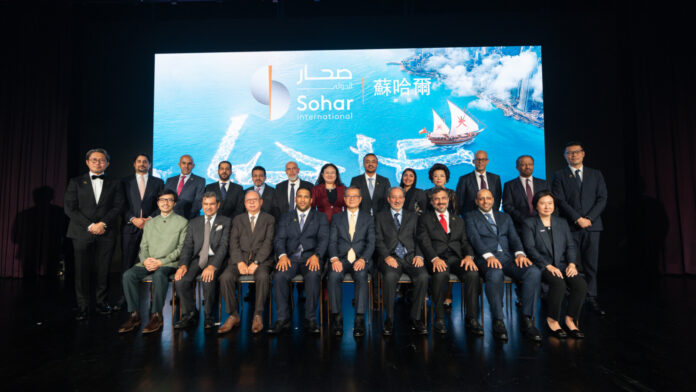
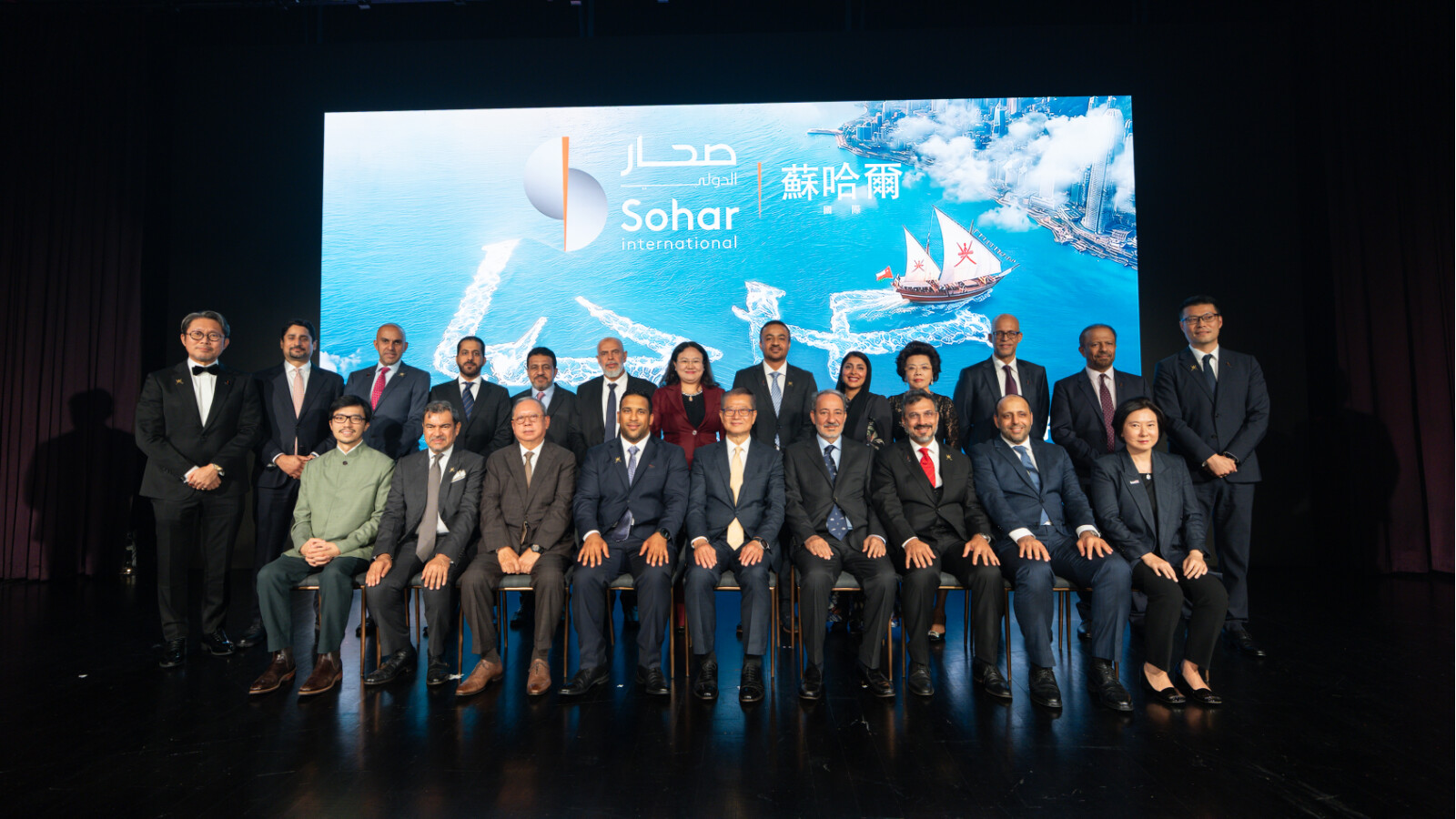
Senior representatives from Sohar International, Oman and Hong Kong gather to celebrate the opening of Sohar International’s Asia-Pacific Office in Hong Kong.
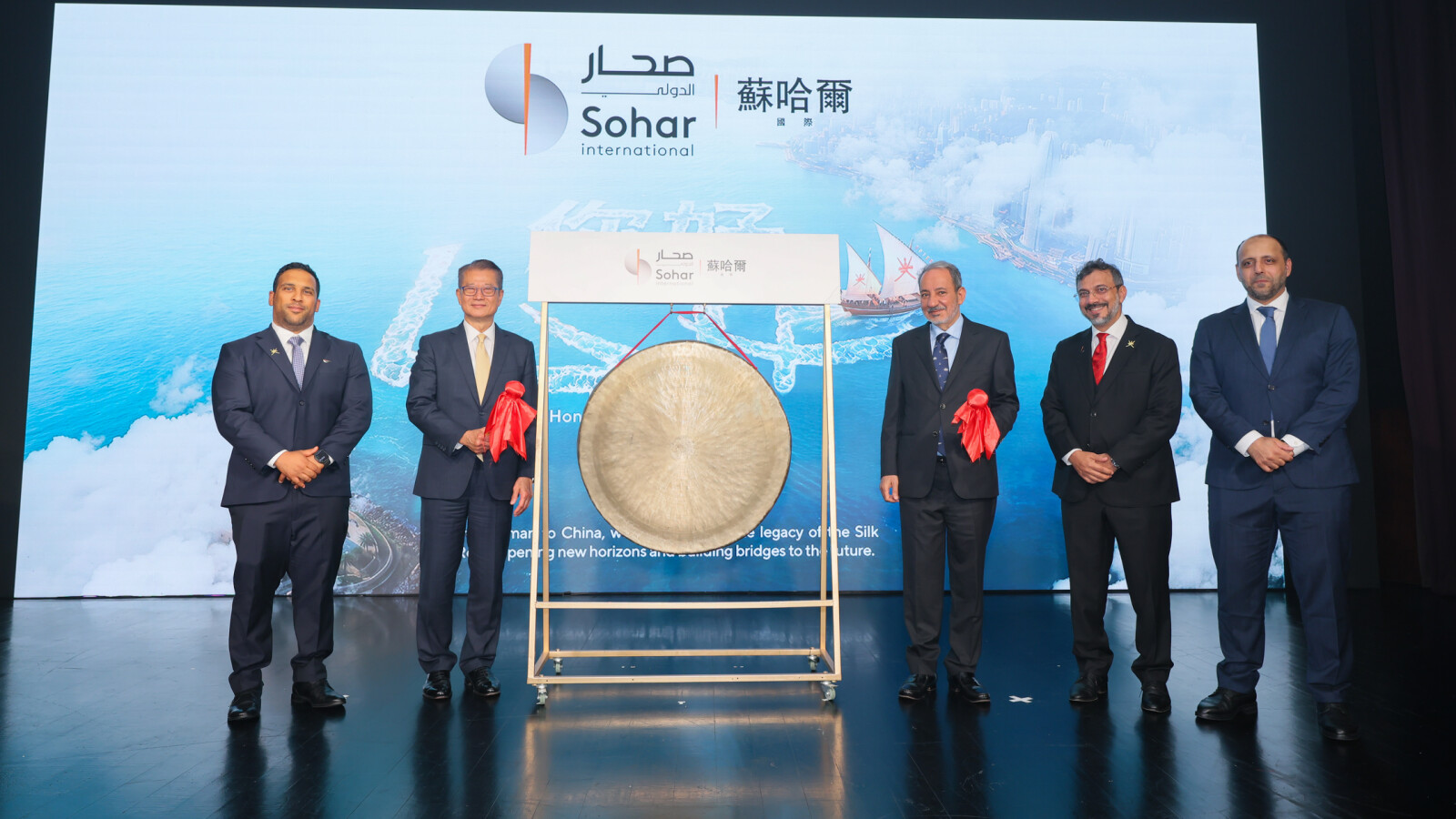
The Honourable Paul Chan Mo-po, Financial Secretary of the Hong Kong Special Administrative Region, joins senior representatives of Sohar International and Oman in striking the ceremonial gong, marking the opening of the Bank’s Asia-Pacific Office in Hong Kong and a new chapter of connectivity between Oman and Asia.
The launch follows Sohar International’s receipt of approval from the Hong Kong Monetary Authority in April 2026, followed by final approval from the Central Bank of Oman in May 2026 to establish the Asia Pacific Office. The new presence provides Sohar International with a platform to strengthen institutional relationships, deepen its understanding of Asian markets and develop greater connectivity between opportunities across the region and its clients and relationships in Oman.
On the sidelines of Sohar International’s participation in the 11th Belt and Road Summit in Hong Kong, the Bank signed two strategic Memoranda of Understanding, further demonstrating its commitment to strengthening business and investment connectivity between China, Asia, Oman and the wider GCC. The Bank signed an MoU with Templewater, an Asia- and GCC-focused alternative asset manager with a presence across Hong Kong, Singapore and Muscat. The partnership provides a framework to explore investment opportunities for eligible Sohar International clients, potential co-investments, project-financing opportunities, and banking services for Templewater’s portfolio companies operating in Oman.
Sohar International also entered into a strategic and reciprocal partnership with E-Fund, one of China’s leading asset management institutions, with a broad investment platform and a significant presence across China and international markets. The partnership positions Sohar International as E-Fund’s exclusive partner in Oman and the wider region, facilitating the marketing of E-Fund’s investment products through the Bank’s Asset Management and Origination & Placement businesses, while E-Fund will promote Sohar International’s investment and capital markets offerings to its client network in China.
Together, these partnerships represent early tangible outcomes of the Bank’s growing presence in Hong Kong and demonstrate its role in building institutional relationships, facilitating investment and capital flows, and creating new opportunities connecting China and Asia with Oman and the wider GCC.
Speaking at the opening ceremony, the Financial Secretary, Mr Paul Chan, highlighted that Hong Kong Special Administrative Region (HKSAR) Government warmly welcomes the opening of Sohar International’s representative office – the first presence of an Omani bank in Hong Kong, and Sohar International’s first office in Asia. Its arrival affirms confidence in Hong Kong as an international financial centre and a gateway connecting the Middle East, the Chinese Mainland and Asia. Oman’s strategic position along the maritime Belt and Road, combined with Hong Kong’s strengths in capital markets, asset and wealth management, banking, professional services and offshore Renminbi business, can facilitate trade, investment and project financing. Hong Kong-Oman collaboration is already taking good shape, including the Oman Investment Authority’s plan to participate in Hong Kong’s vibrant startup ecosystem by investing up to HK$250 million as a partner to the Innovation and Technology Venture Fund. Under the “one country, two systems” framework, Hong Kong serves as a “super connector” and “super value-adder”. HKSAR Government looks forward to deepening financial links with Sohar International, helping businesses find the right opportunities in the Gulf and across Asia, and turning new connections into lasting, mutually beneficial partnerships.
Commenting on the milestone, Mr. Abdulwahid Mohamed Al Murshidi, Chief Executive Officer of Sohar International, said: “Oman has looked east for centuries, building strong commercial and cultural connections across Asia, with Sohar playing an important role in this history. Today, we are building on that legacy in a modern economic context. Our presence in Hong Kong is a strategic step in Sohar International’s international growth, giving us closer access to one of the world’s most important financial and commercial centres and a stronger platform from which to engage with investors, financial institutions, businesses and strategic partners across China and Asia. Our objective is to turn this connectivity into tangible opportunities for Oman and our clients — attracting investment and capital into the Sultanate, supporting Omani businesses seeking to access Asian markets, and creating stronger channels for investment, trade, knowledge and business between Asia, Oman and the wider GCC. Hong Kong therefore represents more than a geographic presence for us; it is an important gateway through which Sohar International can build meaningful relationships and create value across these interconnected markets.”
The Director-General of Investment Promotion, Ms Alpha Lau, said that InvestHK is proud to have facilitated Sohar International’s setup in Hong Kong, from its business delegation to Oman in May 2025 to high-level government exchanges and local regulatory alignment. Beyond enriching Hong Kong’s banking sector, Sohar International’s arrival enables businesses to reimagine what the stronger investment ties between the Middle East and Asia can achieve, capitalising on the city’s strengths in fundraising, risk management, and professional services. Sohar International will also serve as a key partner for Chinese enterprises seeking to expand into Oman and the wider GCC.
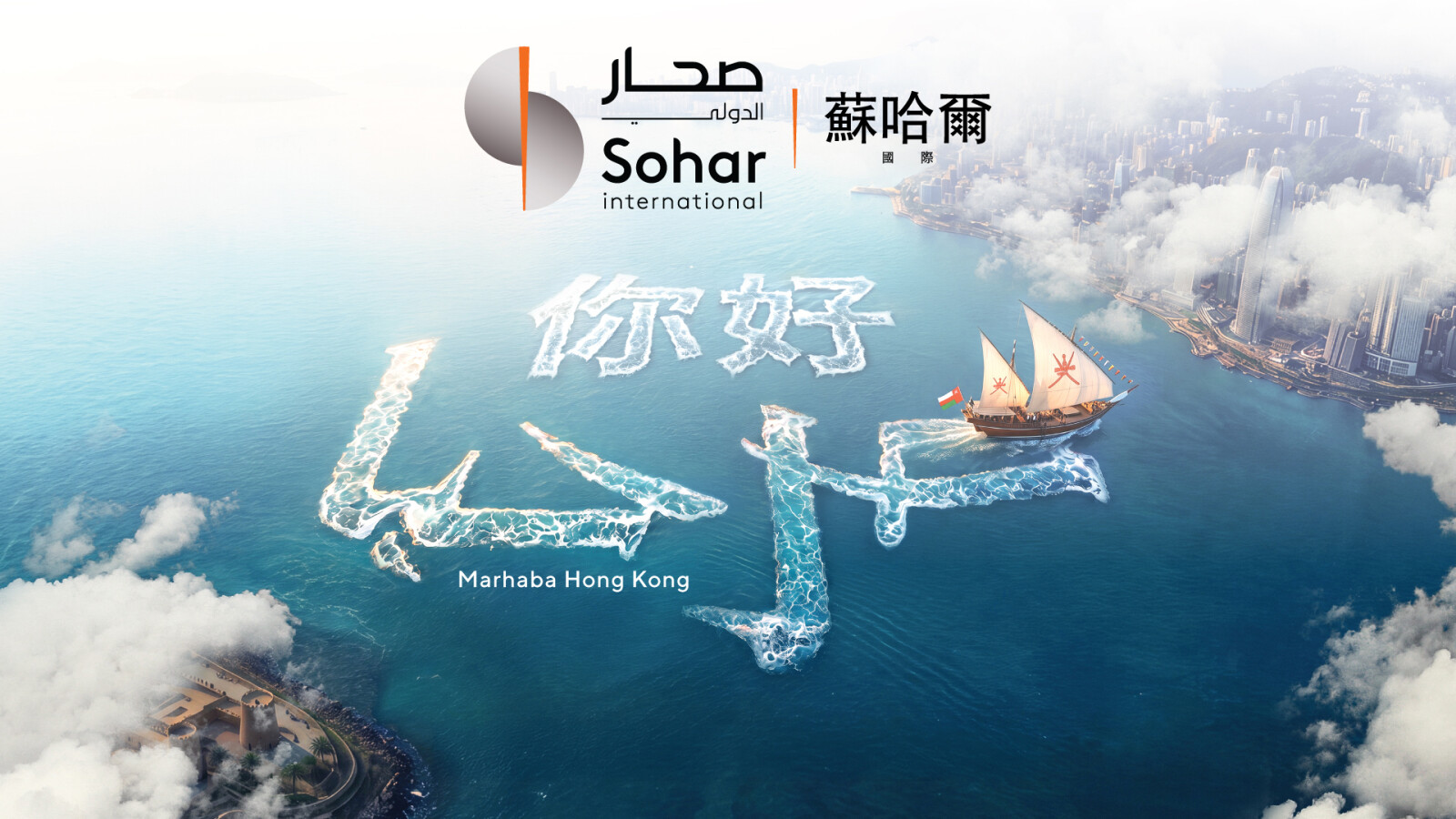
Sohar International’s presence in Hong Kong also reflects a much broader history of engagement between Oman and Asia stretching back more than a thousand years. Oman’s geographical position and maritime tradition placed its sailors, merchants and ports within extensive trading networks connecting the Arabian Peninsula with India, Southeast Asia and China. These routes formed part of the wider maritime networks now referred to as the Maritime Silk Roads, facilitating not only the movement of goods but also the exchange of knowledge, ideas, culture and commercial relationships between East and West.
Sohar played an important role within these historic networks. Historical research documented by UNESCO identifies Sohar as an important Omani trading port and entrepôt for vessels travelling between East and West. By the tenth century, it had developed into one of the region’s most significant trading centres, with archaeological evidence demonstrating commercial links with markets including China.
This historical context provides a meaningful backdrop to Sohar International’s presence in Hong Kong today. While the nature of connectivity has evolved from maritime trade to modern flows of capital, investment, technology, knowledge and enterprise, the importance of building enduring relationships between markets remains central to the Bank’s international strategy.
Hong Kong’s position as one of the world’s leading international financial centres, together with its connectivity with the Mainland and global markets, makes it a strategically important platform for Sohar International’s engagement with Asia.
Through its Asia Pacific Office, Sohar International aims to strengthen relationships with financial institutions, corporates, investors and strategic partners, while promoting greater awareness of the investment and business opportunities emerging within the Sultanate of Oman. The presence will also support the Bank in developing deeper market understanding and relationships that can benefit Omani clients and businesses seeking greater engagement with Asian markets.
The initiative reflects Oman’s broader economic direction under Oman Vision 2040, which places emphasis on private-sector development, international cooperation, investment and greater integration with the global economy. Sohar International’s international growth supports this direction by creating stronger financial and institutional links between Oman and strategically important international markets.
The Asia Pacific Office in Hong Kong also builds on the Bank’s expansion into the Kingdom of Saudi Arabia and represents a further step in Sohar International’s ambition to strengthen its regional and international presence and support its clients across increasingly interconnected markets.
The official opening ceremony brought together senior representatives from Oman and Hong Kong, reflecting the growing economic and institutional ties between the two markets. The Honourable Paul Chan Mo-po, Financial Secretary of the Hong Kong Special Administrative Region, addressed the occasion, followed by Mr. Abdulwahid Mohamed Al Murshidi, Chief Executive Officer of Sohar International.
The ceremony also celebrated the longstanding cultural ties between Oman and Asia, combining elements from both regions while showcasing Sohar International’s growth journey, expanding international presence and ambitions for the future.
Through its presence in Hong Kong, Sohar International aims to support greater two-way connectivity between Oman and Asia, helping bring international investors, institutions and opportunities closer to Oman while developing stronger relationships for Omani businesses across international markets.
The milestone further reinforces Sohar International’s broader ambition to contribute to bringing the best of Oman to the world and the best of the world to Oman.
The issuer is solely responsible for the content of this announcement.
About Sohar International:
Sohar International is guided by a clear vision to become a world-leading Omani service company that helps customers, communities, and people prosper and grow. With a purpose to help people ‘win’ by delivering responsive banking for their ever-changing world, the bank offers innovative solutions across Commercial and Investment Banking, Wealth Management, Islamic Banking, and more. Operating with a strong digital-first approach and an expanding regional footprint—including presence in the Kingdom of Saudi Arabia—Sohar International is committed to driving value through strategic partnerships and a dynamic customer experience. Learn more at www.SIB.om.
BERLIN, GERMANY – Media OutReach Newswire – 10 September 2026 – Following the debut of its SpaceMaster Built-in Oven Series at IFA 2026, Midea concluded its Berlin showcase with live cooking demonstrations and a clearer roadmap for the future of its built-in cooking business in Europe.
At IFA, the SpaceMaster Series put two technologies at the center of Midea’s cooking showcase: temperatures of up to 350°C and Graphene Turbo Hot Air technology. On Midea’s Culinary Stage in Hall 5.1, Michelin-starred chefs used the built-in ovens to prepare dishes live, demonstrating how high-temperature cooking and fast thermal response could translate from technical specifications into real culinary applications.
During an onsite Q&A at Messe Berlin, Midea executives also explained why pizza was selected as a key proof point for the SpaceMaster Series. Pizza places several demands on an oven at once, requiring intense heat, fast thermal response and precise temperature control to achieve a crisp exterior without burning. Midea positioned the 350°C pizza application as a way to address consumer expectations for shorter preheating times and restaurant-quality results at home.
At the core of the SpaceMaster Series is Midea’s Graphene Turbo Hot Air technology. The graphene heating element has a thermal response time of as little as 0.2 seconds, while the oven supports cooking temperatures of up to 350°C. Midea also re-engineered the thermal system, airflow and control algorithms as part of its broader approach to high-performance built-in cooking.
Beyond the technologies demonstrated at IFA, Midea outlined how SpaceMaster fits into its longer-term European product roadmap. Graphene is expected to serve as a common technology thread across its future premium built-in cooking portfolio. Plans include extending the technology to steam-combi models tailored for European artisanal bread baking, followed by space-saving compact formats for urban apartments.
This roadmap reflects Midea’s “design for Europe from Europe” approach. Its European R&D team leads local user research, engineering and compliance while collaborating with global R&D teams to translate regional cooking habits and kitchen requirements into product development.
Midea has set an ambition to become one of Europe’s top-three cooking brands within five years, spanning built-in ovens and freestanding cookers. Following its IFA 2026 showcase, the SpaceMaster Series is planned for market launch in 2027.
Hashtag: #Midea
The issuer is solely responsible for the content of this announcement.
About Midea & Midea MOA
Midea is a global technology group ranked No. 246 on the 2025 Fortune Global 500 and No. 39 among the world’s most valuable technology brands in the Brand Finance Top 100 2026. Midea has ranked No. 1 globally in microwave appliances for 10 consecutive years (Euromonitor, 2016–2025). Its Microwave & Oven Appliance (MOA) division generated USD 3.05 billion in revenue in 2025.
Midea operates seven global R&D centers, holds more than 5,500 granted patents and serves markets in more than 160 countries and regions.
The NPO Standards Industry Summit brought together global standards and industry giants, who reached a consensus on international NPO standards, laying a solid foundation for the industry upgrade and large-scale commercial use of NPO.
Multiple vendors from countries like China, the US, and Japan held a joint exhibition of connectors, NPO modules, and switches, strengthening industry confidence in building an open and prosperous NPO ecosystem.
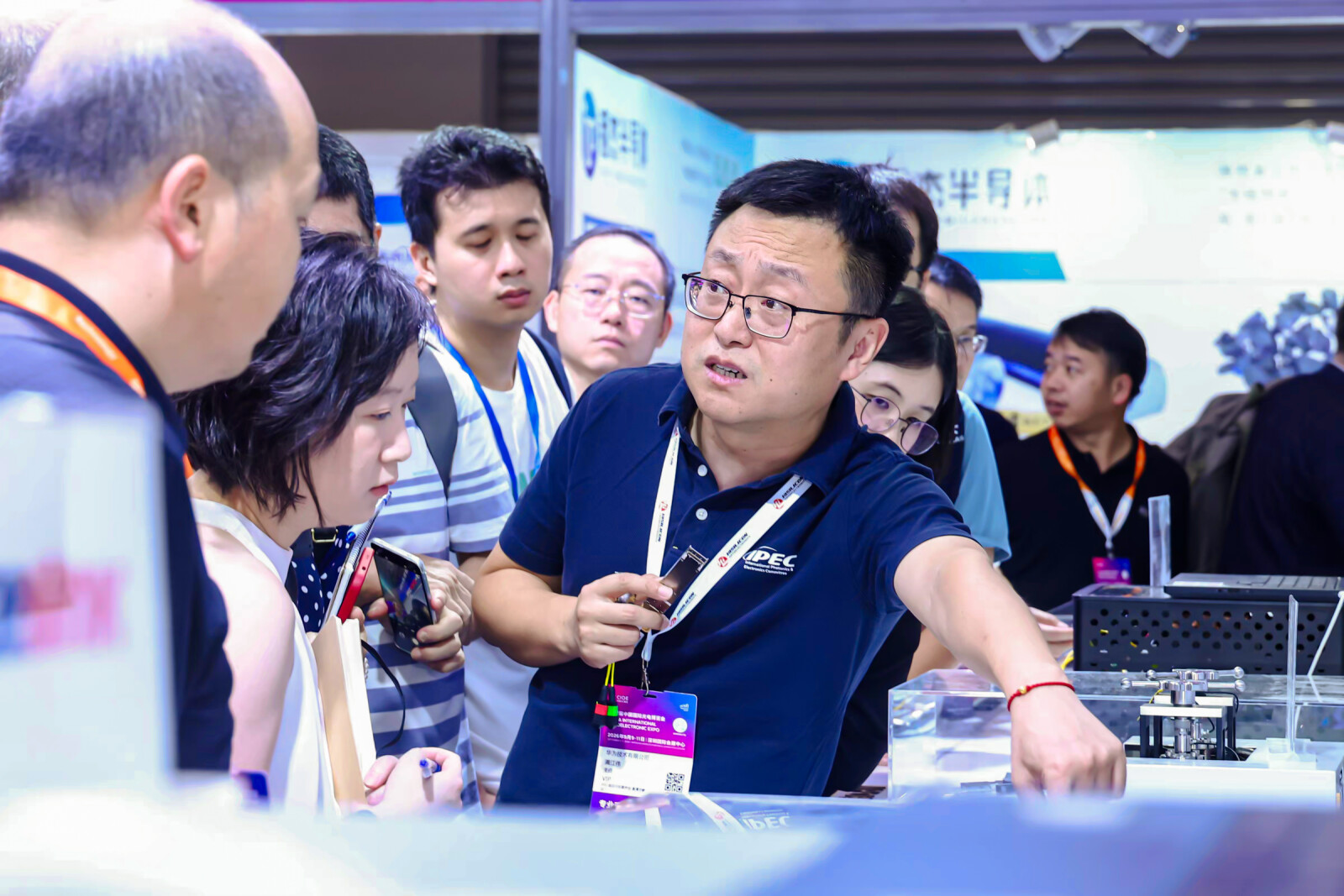
PARIS, FRANCE – Media OutReach Newswire – 10 September 2026 – On September 10, the NPO Standards Industry Summit, co-hosted by IPEC and OIF, was held at the Shenzhen World Exhibition & Convention Center. The event was attended by top players from across the global industry chain, including experts from OIF, CAICT, Tencent, Alibaba Cloud, Baidu, Huawei, Broadcom, SENKO, Amphenol, and Yamaichi. The summit focused on NPO evolution and international standards development, with in-depth discussions being held on topics like ecosystem upgrade and industry chain collaboration. Ultimately, a consensus on international NPO standards was reached at the summit, laying a solid foundation for the industry upgrade and large-scale commercial use of NPO.
Dr. Zhao Wenyu, Vice Chairman of IPEC and Deputy Director of the Technology and Standards Research Institute of China Academy of Information and Communications Technology (CAICT), emphasized: “As SuperPoDs continue to expand in scale, traditional optical modules are consuming huge amounts of energy, and co-packaged optics (CPO) faces constraints like a closed industry chain and complex operations and maintenance. In contrast, near-packaged optics (NPO) – with its excellent energy efficiency, a favorable trade-off in port density, and strong compatibility with existing pluggable ecosystems – is expected to become the preferred solution for SuperPoD interconnect in the near term, and coexist and evolve alongside CPO and other solutions in the long term. We call upon stakeholders across industry, academia, research institutions, and user groups, to join hands in developing NPO standards and driving the NPO ecosystem to evolve from ‘usable’ to ‘easy-to-use at scale'”.
Jiang Zhibin, the Optical Network Architect at Tencent, highlighted: “As SuperPoDs expand in scale and GPUs and switch chips increase their SerDes data rates, optical interconnect solutions will advance more rapidly towards 6.4T NPO.” Looking ahead, there is an urgent need to use opto-electronic collaborative design to overcome the challenges introduced by advanced packaging processes.
Dr. Man Jiangwei, Director of the Advanced Opto-Electronics Laboratory at Huawei, stated: “In exploring the optimal interconnect solution – NPO – for SuperPoDs, Huawei has launched the industry’s first high-bandwidth 7.2T NPO product and successfully conducted a demonstration of dynamic transmission at the IPEC exhibition booth. Furthermore, with the introduction of key technologies like built-in light sources and highly-integrated SiPh chips, this NPO product features ‘high bandwidth, high reliability, and high availability’ while achieving ‘low latency, low power consumption, and low cost’.”
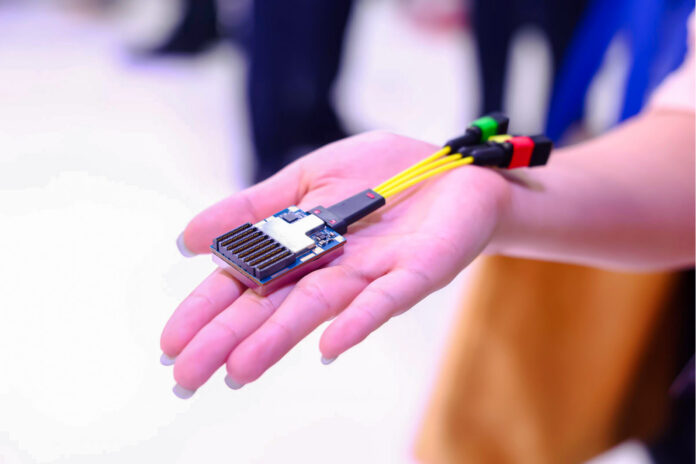
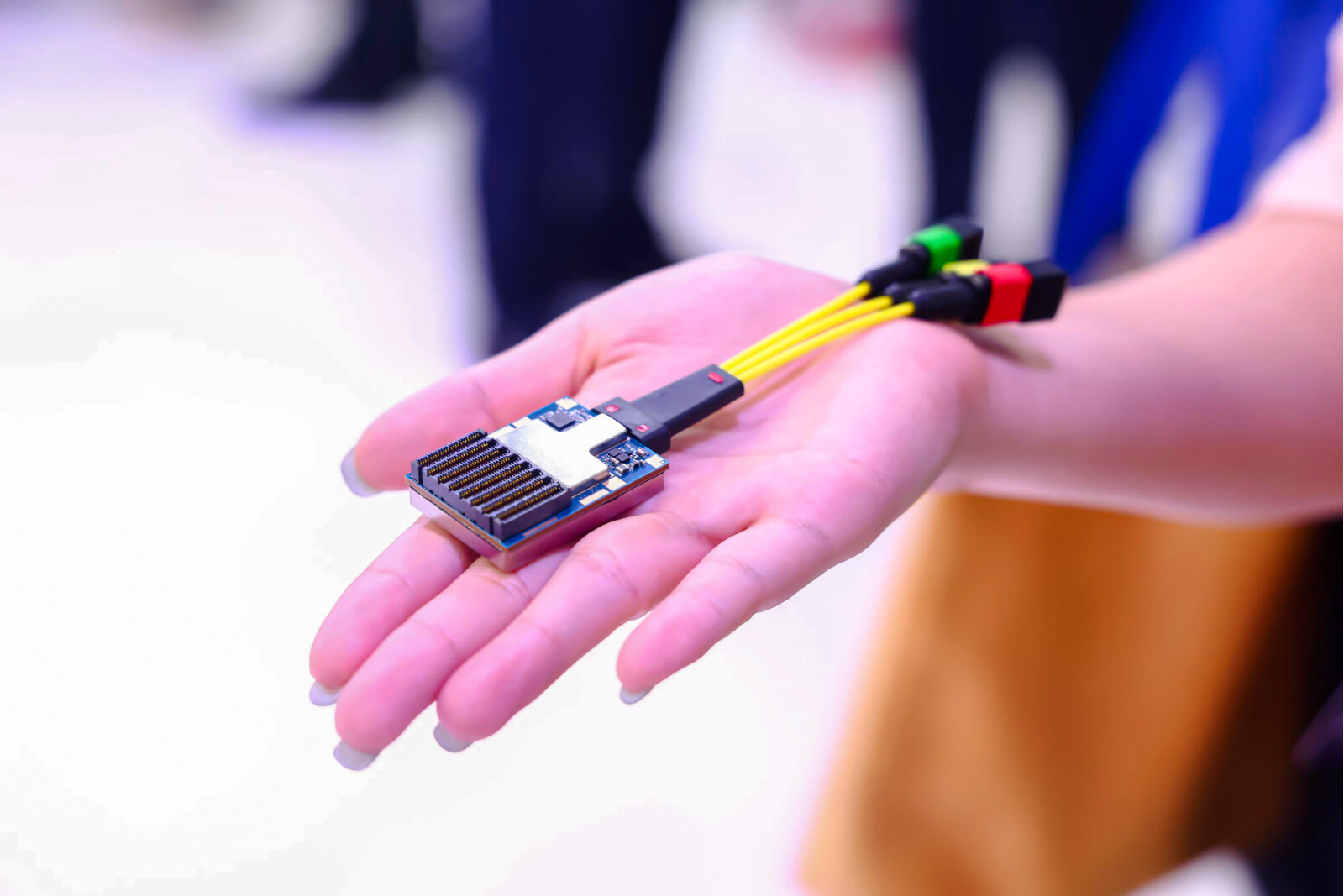
Meanwhile, at the China International Optoelectronic Exposition (CIOE), the IPEC booth showcased the latest achievements of the global NPO industry chain, particularly those from the US, Japan, and China. The display showcased high-density connector solutions from leading vendors in the US and Japan, as well as the NPO modules of various capacities developed by multiple Chinese vendors, alongside several NPO switches, demonstrating a high level of commercial maturity.
The success of this summit and exposition marks a milestone for the development of the global NPO industry. At the summit, a consensus was reached on international NPO standards and the paths for collaboration between standards organizations and the industry chain were streamlined, laying a solid foundation for the large-scale commercial use of NPO. Furthermore, the joint exhibition of industry ecosystem products has strengthened industry confidence in building an open and prosperous NPO ecosystem.
Hashtag: #Huawei
The issuer is solely responsible for the content of this announcement.
BANGKOK, THAILAND – Media OutReach Newswire – 10 September 2026 – In a world where economies are driven by knowledge, technology, and creativity, “innovation” has become a vital factor in boosting national competitiveness worldwide. One of the internationally recognized benchmarks for evaluating innovation potential is the Global Innovation Index (GII), published by the World Intellectual Property Organization (WIPO) in collaboration with international network partners. The index measures and compares the innovation capacity of countries around the globe across various dimensions, including R&D investment, infrastructure, education, business sophistication, technology, and innovation outputs.
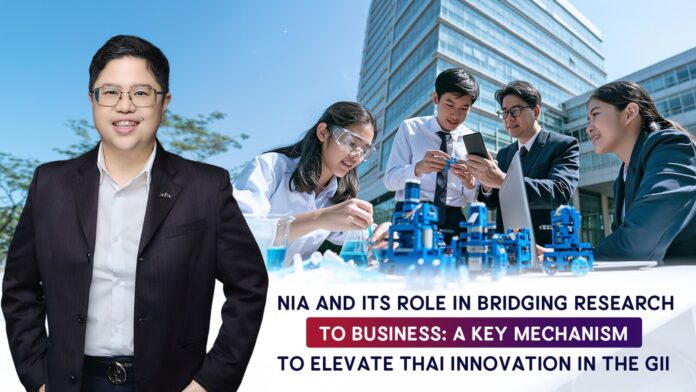
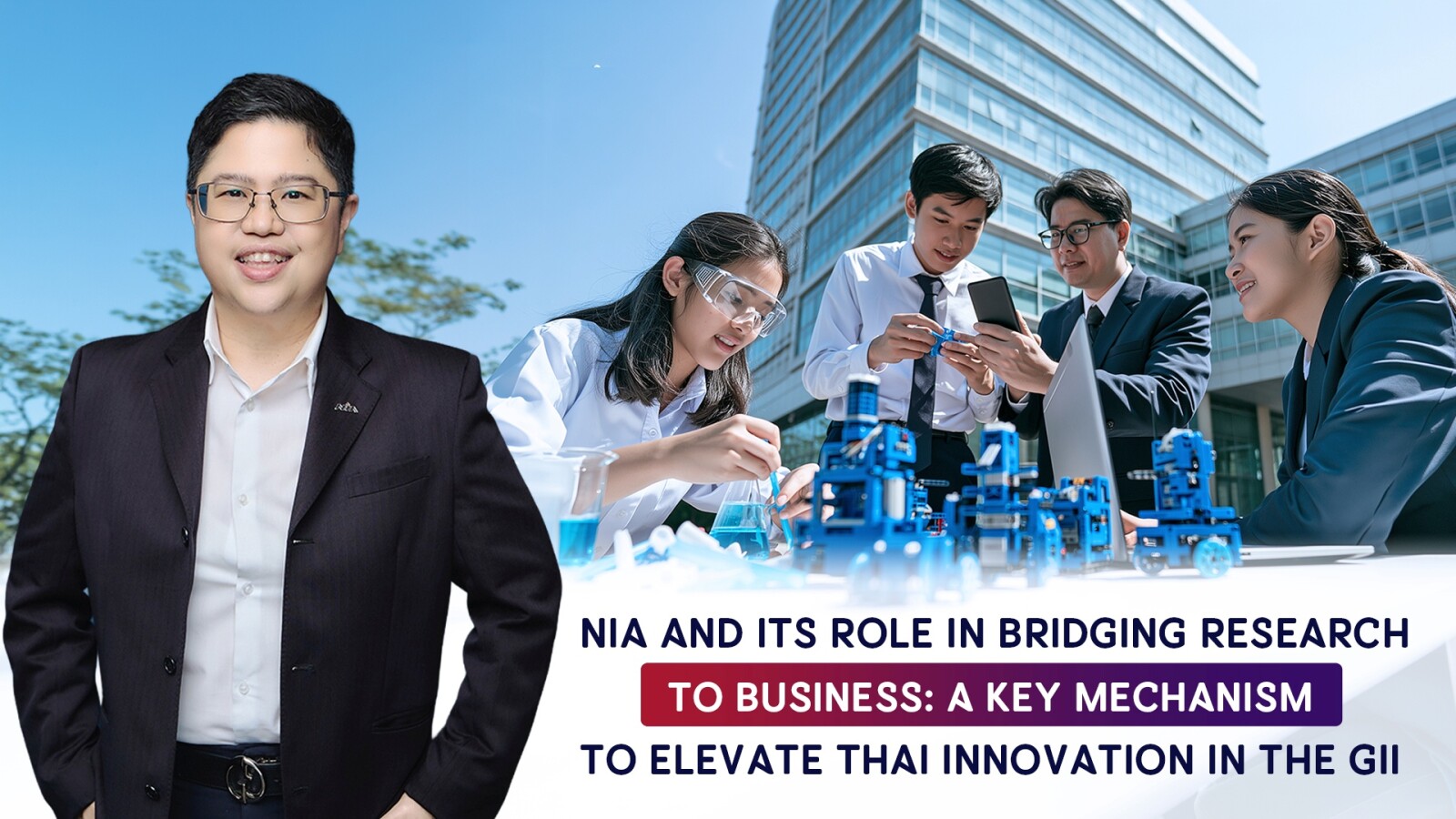
NIA and Its Role in Bridging Research to Business
According to the GII 2025 report themed “Innovation at a Crossroads,” the global innovation system is reaching a critical turning point. This comes amidst rapid advancements in emerging technologies—such as Artificial Intelligence (AI), clean energy, biotechnology, and digital systems—while nations simultaneously navigate economic challenges, technological competition, and geopolitical shifts.
Thus, the GII serves as more than just a national ranking; it is a crucial tool that reflects the strengths, weaknesses, and potential of each country’s innovation ecosystem. Thailand is ranked 41st globally and continues to perform above expectations relative to its economic development level (Innovation Overperformer) within the upper-middle-income group. The nation shows strong innovation potential, particularly in digital infrastructure, innovative business development, and the linkage of knowledge between academia and industry.
This ranking highlights Thailand’s progress toward an innovation-driven economy through the promotion of research and development, support for innovative entrepreneurs and startups, and the strengthening of the national innovation ecosystem. Key organizations like the National Innovation Agency (Public Organization) or NIA play a pivotal role in bridging collaboration among universities, the private sector, and government agencies to ensure research and technology are commercially deployed.
One of the key innovation indicators in the GII is “University–Industry R&D Collaboration,” which reflects the depth of joint research and development between academic institutions and industrial sectors—a fundamental driver for creating innovation and sustaining long-term national competitiveness.
Dr. Krithpaka Boonfueng, Executive Director of the National Innovation Agency (NIA), explained that the NIA acts as a crucial “Innovation Intermediary” among academia, private enterprises, government sectors, and financial institutions. Its mission is to facilitate the translation of knowledge, research, and technology into tangible commercial and social benefits. Currently, Thailand’s main challenge is not a shortage of research, but rather the “gap” between academic research and its industrial application. Many university research projects possess high potential but lack the supporting mechanisms for business prototyping, market testing, or connecting with entrepreneurs and investors. Therefore, the NIA’s role is essential in building platforms and support programs that enable efficient collaboration between universities and the business sector.
The NIA supports University–Industry R&D Collaboration across multiple dimensions, including providing innovation grants, incubating and accelerating deep-tech startups, creating collaborative networks between universities and private entities, and promoting Innovation Ecosystems in strategic sectors such as FoodTech, AgTech, HealthTech, ClimateTech, and Deep Tech. These areas heavily rely on combining academic expertise with market capabilities and industrial investment.
Furthermore, the NIA actively promotes “Open Innovation” and “Co-Creation”—core concepts aligned with the direction of GII 2025, which indicates that the global innovation system is entering an era of multi-stakeholder collaboration and co-creation. The NIA creates platforms to match industry demands with university research capabilities, while also supporting activities such as Hackathons, Accelerator Programs, Innovation Bootcamps, and Regulatory Sandboxes to test innovations in real-world environments.
Another key responsibility is developing “Innovation-Based Enterprises” and “Startups” originated from university research (University Spin-offs). Spin-offs serve as a major driver in leading innovative nations like the United States, South Korea, and China to turn university knowledge into global tech enterprises. The NIA offers early-stage support ranging from business model development and capital access to investor networking and market connection locally and internationally.
Trends in GII 2025 demonstrate that countries with strong university-industry collaboration consistently generate continuous innovation and maintain high competitiveness. Hence, the NIA operates not merely as an innovation support agency, but as a “systemic mechanism” that bridges the gap between research and business, connects knowledge with market demand, and drives Thailand toward a long-term, knowledge-based economy.
Ultimately, elevating Thailand’s performance in the University–Industry R&D Collaboration indicator requires concerted efforts among universities, the private sector, government entities, and innovation-enabling organizations like the NIA. Together, they build a comprehensive ecosystem covering knowledge creation, research, testing, investment, and market expansion—forming a solid foundation to boost the country’s future competitiveness.
Lessons Learned: Startup Success Through University–Industry R&D Collaboration
Mr. Krerkchai Panyabaramee, Managing Director of Tleum Co., Ltd., shared that the commercial application of advanced material technology—derived from R&D by Dr. Supan Yodyingyong from the Institute for Innovative Learning, Mahidol University, who holds a patent for “Synthesis of Silica Aerogel from Sodium Silicate Solution at Atmospheric Pressure”—stands as a clear case study of University–Industry R&D Collaboration. The business originated from translating pilot-scale research on Silica Aerogel within the university into industrial-scale manufacturing in partnership with the private sector.
Currently, Tleum Co., Ltd. has successfully commercialized Silica Aerogel into a diverse range of products, including heat-reflective paints for buildings and industrial applications, heat-resistant cement and materials, oil absorbents for spill remediation, and cosmetic ingredients. This demonstrates the immense potential of Thai Deep Tech in value creation through advanced materials and collaborative research.
This success was not achieved by any single entity, but through the synergy of academia, business, and supporting bodies like the NIA. The NIA stepped in to bridge knowledge gaps, provide resources, and mitigate technology development risks, allowing entrepreneurs to overcome cost, testing, and scaling limitations rapidly. This highlights the NIA’s role as an “Innovation Bridge” turning academic research into commercial reality.
Dr. Krithpaka concluded: “The ‘University–Industry R&D Collaboration’ indicator under Pillar 5: Business Sophistication measures the level of R&D collaboration between universities and industry in each country. It relies on data from the Executive Opinion Survey conducted by the World Economic Forum (WEF), which assesses business leaders’ perceptions regarding the quality and effectiveness of joint R&D efforts—specifically how well they meet industry needs, achieve practical application, and generate economic value.”
Therefore, this indicator does not merely evaluate the volume of research papers or joint projects; it reflects a country’s capacity to transform knowledge into economic impact through cross-sector collaboration—a core hallmark of a mature innovation ecosystem.
The case of Tleum Co., Ltd. serves as a clear illustration of this concept. By licensing pilot-scale research and patents for Silica Aerogel, the private sector scaled the technology into full industrial production, yielding various commercial products globally—ranging from heat-reflective coatings and heat-resistant materials to oil absorbents and cosmetics.
This outcome underscores the importance of the NIA as an Innovation Intermediary that reduces technical and financial risks for businesses. Beyond this case, the NIA continues to drive numerous initiatives—funding, networking, tech startup incubation, and University Spin-offs—ensuring academic innovations translate into market-ready products, services, and new ventures that deliver true economic impact and strengthen Thailand’s long-term competitive position.
New book on resilience, written by leading experts on the psychology of lawyer behavior, credits 30 years of Talogy’s Caliper Profile
PITTSBURGH, Sept. 10, 2026 /PRNewswire/ — Talogy, a global leader in talent management solutions, has been recognized for its pivotal role in advancing workplace resilience research in a new book Thin-Skinned: Why Lawyers Are So Low in Resilience and the New Science That Can Help.
Published by the American Bar Association, the book by leading legal psychology experts Dr. Larry Richard and Dr. D’Arcy Lyness credits 30 years of data from Talogy’s Caliper profile assessment as the foundation for its insights into high-stakes workforce performance.
Drawing from a database of 4.5 million Caliper assessments, the book highlights a central workplace paradox: the very traits required for exceptional job performance are often the exact traits that leave professionals vulnerable to stress. Specifically, Dr. Richard’s data shows that lawyers average just 30% on resilience, compared to 50% for the general public, with nine out of 10 scoring in the bottom half of the resilience scale. This is a pattern that has remained unchanged since 1994.
“In the three decades that we have been evaluating and coaching legal professionals, we have seen a clear pattern,” said Dr. Larry Richard. “Law schools admit, firms hire and clients reward individuals who demonstrate high skepticism, high urgency, high self-reliance and an intolerance for error. While those traits produce stronger legal documents and won cases, our research shows they also predict rumination, defensiveness, isolation and difficulty coping with criticism, stress and change.”
This dynamic extends far beyond law. Any workforce that hires and promotes for vigilance, perfection and precision under pressure faces the same risks, such as manufacturing safety leads, ICU charge nurses, compliance officers, federal investigators or public safety supervisors.
By using Talogy’s assessment data to view resilience as a measurable trait rather than a temporary mood, leaders across all organizations can act on three core operational insights:
Early risk detection: Identify psychological risk factors before they lead to turnover, prolonged absences, or safety incidents.
Separating skill from leadership: Recognize that a top individual performer is not automatically equipped to be a resilient leader.
Actionable intervention: Address workforce vulnerabilities directly using science-backed development strategies.
“The Caliper Profile measures the innate personality traits and behavioral motivations that dictate how individuals process stress, setbacks, and criticism,” said Nataliya Baytalskaya, Ph.D. and Managing Research Scientist at Talogy. “Low resilience is not a barrier, it is a developmental opportunity. By leveraging objective measurement, organizations can deploy targeted, evidence-based strategies that help high-performing teams adapt under pressure without sacrificing their operational edge.”
Authors to participate in exclusive LinkedIn Live session, September 30 at 12pm ET
Dr. Larry Richard and Dr. D’Arcy Lyness will join Talogy for a 30 minute conversation to uncover what the science of resilience can teach us about building stronger, more sustainable high-performing teams. Sign up.
Thin-Skinned: Why Lawyers Are So Low in Resilience and the New Science That Can Help is available through the American Bar Association:
To learn more about how Talogy and the Caliper Profile help organizations measure and build workforce resilience, visit Talogy.com.
About Talogy:
Talogy is proud to be one of the world’s leading talent management solution providers. Crafting personalized solutions to help select, develop, and transform talent and organizations worldwide.
Partnering with organizations to truly understand their challenges inside out to help them make the best data-driven people decisions.
Combining 75+ years of expertise, an extensive content library, and innovative technology, Talogy helps clients find, build, and grow the best talent.





 www.SIB.om



 https://www.nia.or.th/