Home Blog Page 2679

Harbour BioMed Reports 2025 Interim Results

CAMBRIDGE, Mass., ROTTERDAM, Netherlands and SHANGHAI, Aug. 27, 2025 /PRNewswire/ — Harbour BioMed (“HBM” or the “Company”; HKEX: 02142), a global biopharmaceutical company committed to the discovery and development of novel antibody therapeutics in immunology and oncology, today announced its interim results for the six months ended June 30, 2025.

Dr. Jingsong Wang, Founder, Chairman, and CEO of Harbour BioMed, commented: “In the first half of 2025, Harbour BioMed achieved several significant milestones. During the reporting period, the company’s profit grew more than fiftyfold year over year, demonstrating strong growth momentum. Out-licensing and collaborations based on our innovative products have contributed significantly to revenue growth and have become a recurring source of income.

These results underscore the sustainability of our ability to translate innovation into commercial value and reflect the success of our diversified business model, which includes strategic partnerships, licensing collaborations, platform collaborations, and innovation incubation. Leveraging our industry-leading Harbour Mice® platform and its extended 2.0 technology platform, Harbour BioMed has built a strong global collaboration ecosystem, positioning the Company as a cornerstone of global antibody drug development.

Looking ahead, we will continue to focus on innovation and accelerate the development of next-generation biologics to deliver better treatment options for patients worldwide.”

As of June 30, 2025, Harbour BioMed reported total revenue of approximately US$101.3 million for the first half of the year, representing a 327% increase year over year. Net profit reached approximately US$73.0 million, a 51-fold increase compared with the same period in 2024. The Company also reported a strong cash position of about US$320 million, a 92% increase since the end of the previous year.

During the reporting period, the company delivered strong performance, highlighting the success of its business model and solid financial position.

Advancing a Robust and Differentiated Pipeline

Harbour Therapeutics, a sub-brand parallel to Nona Biosciences, is now individually responsible for the development of the Company’s products pipeline on immunology and oncology. Harbour Therapeutics has established a rich and differentiated pipeline and continues to expand collaborations with leading global pharmaceutical companies and academic institutions to efficiently advance its programs. During the reporting period, several key clinical-stage projects achieved significant progress, alongside continued advancement of a robust portfolio of next-generation therapies.

Key products in the clinical stage include:

Batoclimab (HBM9161) is the first anti-FcRn monoclonal antibody completed Phase I to pivotal trials in China. As a novel, fully human anti-FcRn monoclonal antibody, batoclimab has the potential to be a breakthrough treatment option for a wide range of autoimmune diseases. In December 2023, the Company voluntarily planned to include additional long-term safety data and re-submitted the Biologic License Application (BLA) for batoclimab to the National Medical Products Administration of China (NMPA) in June 2024. In July 2024, NMPA accepted the BLA for batoclimab for the treatment of gMG. The Phase III pivotal clinical trial results of batoclimab were published in JAMA Neurology in March 2024, demonstrating sustained efficacy and safety with long-term use of batoclimab in the treatment of gMG.

HBM9378 is a fully human monoclonal antibody against thymic stromal lymphopoietin (TSLP) generated from the H2L2 Harbour Mice® platform. It binds to the TSLP ligand and inhibits the TSLP mediated signaling pathway by blocking the interaction between TSLP and TSLP receptor. TSLP is a well-validated cytokine that plays a key role in the development and progression of a wide array of immunological conditions, including asthma and chronic obstructive pulmonary disease (COPD), where its inhibition has demonstrated benefit in a wide array of inflammatory phenotypes. HBM9378 has been engineered to achieve an extended half-life and effector silencing and is subcutaneously administered.

  • The Company received IND approval of HBM9378 for moderate-to-severe asthma from the NMPA in February 2022 and completed a Phase I clinical trial in healthy subjects in China. In November 2024, the Company submitted an IND application for HBM9378 for COPD to the NMPA, which was approved in January 2025.
  • In January 2025, the Company and Kelun-Biotech entered into an exclusive license agreement with Windward Bio, under which Windward Bio was granted an exclusive license for the research, development, manufacturing and commercialization of HBM9378 globally (excluding Greater China and several Southeast and West Asian countries). In July 2025, Windward Bio initiated the global phase 2 POLARIS trial to evaluate the dosing, safety, and efficacy of HBM9378/WIN378 in patients with asthma. Initial data are expected in mid-2026.

Porustobart (HBM4003) is a next-generation, fully human heavy-chain-only anti-CTLA-4 antibody discovered and developed using the HCAb Harbour Mice® platform. It is also the first fully human heavy-chain-only antibody which entered clinical development globally. Compared with conventional CTLA-4 antibodies, porustobart has unique, favourable properties, including significant Treg cell depletion and optimized pharmacokinetics for improved safety. Additionally, by enhancing antibody-dependent cellular cytotoxicity (ADCC), porustobart increases the potential to selectively deplete intratumoral Treg cells, helping to overcome the efficacy and toxicity bottleneck of current CTLA-4 therapies. The Company has implemented a global development plan for multiple types of solid tumors with an adaptive treatment design for porustobart. Positive efficacy and safety data have been observed in the monotherapy trial targeting advanced solid tumors, as well as in combination trials with PD-1 inhibitors for melanoma, CRC, NEN and HCC. Final data from the study of HBM4003 in combination with toripalimab for advanced HCC were published in Clinical Cancer Research in August 2025. Data from the Phase II study of HBM4003 in combination with tislelizumab for the treatment of microsatellite stable (MSS) metastatic colorectal cancer will be presented at the ESMO Congress 2025.

HBM1020 is a first-in-class fully human monoclonal antibody generated from the H2L2 Harbour Mice® platform targeting B7H7. As a newly discovered member of the B7 family, B7H7 expression is found to be non-overlapping with PD-L1 expression in multiple tumor types, potentially playing a more significant role in tumor immune evasion. With its excellent product design and target features, HBM1020 presents great potential to address significant unmet medical needs for solid tumors. In September 2024, the Company presented the latest clinical data for patients with advanced solid tumors at the ESMO Congress 2024. The data demonstrated excellent safety and tolerability profiles for HBM1020. Of the 15 patients who received post-treatment tumor assessments, 7 patients (46.7%) achieved stable disease (SD), with two patients showing tumor shrinkage of 11% and 25%.

Key products in the next-generation innovation portfolio include:

HBM7004 is a novel B7H4xCD3 bispecific antibody. Using HBICE® bispecific technology and Harbour Mice® platform, this bispecific antibody was designed to provide innovative solutions for cancer immunotherapy from both efficacy and safety perspectives. The development of B7H4xCD3 bispecific HBICE® further consolidates the Company’s bispecific immune cell engager platform, demonstrating the HBICE® platform’s versatility and plug-and-play advantages. In preclinical studies, HBM7004 demonstrated an intratumor B7H4-dependent T cell activation manner. In multiple animal models, HBM7004 showed strong anti-tumor efficacy, remarkable in vivo stability, and reduced systemic toxicity. Additionally, in preclinical models, HBM7004 exhibited a strong synergistic effect when combined with a B7H4x4-1BB bispecific antibody at a low effector-to-target cell ratio, indicating an encouraging therapeutic window. The Company is currently conducting IND-enabling studies for HBM7004.

HBM7020 is a BCMAxCD3 bispecific antibody generated using the fully human HBICE® bispecific technology and Harbour Mice® platform. HBM7020 can crosslink targeted cells and T cells by binding to BCMA and CD3 on the cell surface, leading to potent T cell activation and cell elimination. By incorporating dual anti-BCMA binding sites for optimal cell targeting and monovalent-optimized CD3 activity to minimize CRS, HBM7020 demonstrated potent cytotoxicity with broad applications in both immunological and oncology diseases. In August 2023, HBM7020 obtained IND clearance from the NMPA to commence a Phase I trial for cancer in China. In 2024, the Company restructured its development strategy to target immunological diseases. In June 2025, Harbour BioMed entered global strategic collaboration with Otsuka. Under the terms of the agreement, Otsuka is granted an exclusive license to develop, manufacture, and commercialize HBM7020 globally, excluding Greater China (Mainland China, Hong Kong, Macau and Taiwan).

R2006 (CD19xCD3 bispecific antibody) and HBM7026 (BCMAxCD19xCD3 trispecific antibody) are two T-cell engagers (TCEs) in preclinical development. TCEs have emerged as an important therapeutic strategy for autoimmune diseases, as B-cell depletion has been shown to help restore immune system balance in multiple autoimmune conditions. TCEs can achieve deep depletion of B cells in peripheral blood, lymph nodes, and bone marrow, thereby resetting the immune system. Newly generated B cells subsequently return to a naïve and non-pathogenic state, potentially reducing inflammation and autoimmune responses. CD19 is a marker broadly expressed on precursor and mature B cells, while BCMA is highly expressed on mature B cells and plasma cells. Leveraging its fully human HCAb technology and optimized anti-CD3 antibodies, Harbour BioMed is developing TCEs with enhanced safety, reduced immunogenicity, and lower risk of cytokine release syndrome.

In March 2025, Harbour BioMed launched Élancé Therapeutics (“Élancé”). Harnessing Harbour BioMed’s proprietary HCAb-based bispecific antibody technology, Élancé aims to develop innovative therapies addressing key challenges in current obesity treatment, including muscle preservation and long-term efficacy. Élancé is building a metabolic disease pipeline of multiple preclinical bispecific antibody programs. By integrating dual-targeting strategies with enhanced safety profiles, these therapies have the potential to complement and expand upon existing treatment options, including various agonists of GLP-1 receptor, GIP receptor, and GCG receptor and further expand the boundaries of obesity treatment.

Harbour BioMed is leveraging its fully human antibody and HCAb platforms to develop next-generation biologics for central nervous system (CNS) disorders, including bispecific antibodies and other “Antibody-Plus (Ab+)” therapies. The pipeline in this area is currently under development, with the goal of creating more complex molecules to address the treatment challenges of CNS disorders, including neurodegenerative diseases and neuroinflammation.

Maximizing Platform Potential Through Diversified Collaborations

Harbour BioMed remains committed to global collaboration. In March 2025, the Company entered into a global strategic collaboration with AstraZeneca to discover and develop next-generation multi-specific antibodies for immunology, oncology and beyond. The strategic collaboration includes an option to license multiple programs utilizing Harbour BioMed’s proprietary Harbour Mice® fully human antibody technology platform in multiple therapeutic areas. Furthermore, AstraZeneca acquired 9.15% newly issued shares of Harbour BioMed with a $105 million equity investment. Harbour BioMed will establish an innovation center in Beijing, China to be co-located with AstraZeneca.

During the reporting period, Harbour BioMed also signed several licensing and collaboration agreements with global partners. In January 2025, the Company and Kelun-Biotech entered into a licensing agreement with Windward Bio for HBM9378/SKB378 (also known as WIN378), granting Windward Bio to research, develop, manufacture, and commercialize HBM9378/SKB378 globally, excluding Greater China and several Southeast and West Asian countries. In June 2025, Harbour BioMed entered a global strategic collaboration with Otsuka Pharmaceutical to advance the development of HBM7020, a BCMA x CD3 bispecific T-cell engager for the treatment of autoimmune diseases.

In February 2025, Harbour BioMed entered into a strategic collaboration with Insilico Medicine, a clinical-stage biotechnology company powered by generative AI, to accelerate the discovery of novel therapeutic antibodies by combining complementary strengths in antibody discovery and artificial intelligence.

Leveraging its technological advantages, Harbour BioMed established Nona Biosciences to better empower industry innovators and support collaborators by providing integrated solutions from “Idea to IND” (I to ITM). As a global biotechnology company, Nona Biosciences has established innovative platforms in antibody discovery, protein engineering, antibody-drug conjugation, HCAb-CAR screening, and drug delivery technologies, to accelerate the development of next-generation therapies across academic institutions, leading biotech companies, and multinational pharmaceutical companies.

In December 2024, Nona Biosciences entered into a collaboration with Kodiak Sciences (Nasdaq: KOD). This partnership aims to advance the discovery of novel multi-target antibodies to treat ophthalmic diseases, leveraging Nona’s proprietary Harbour Mice® fully human antibody platform. In the same month, Nona Biosciences announced a research collaboration and license agreement with Candid Therapeutics to discover next-generation TCEs. In the first half of 2025, Nona Biosciences further expanded its global partnerships, entering into collaborations with Invetx, the University of Alabama at Birmingham, Atossa Therapeutics, and Visterra, unlocking the potential of its proprietary platforms to support partners in advancing biotherapeutics pipeline development and related research.

In addition, Nona Biosciences continues to expand the capabilities of its technology platforms. In March 2025, Nona Biosciences launched Hu-mAtrIx™, an innovative AI-assisted drug discovery engine integrates seamlessly with the company’s proprietary Harbour Mice® technology platform, aiming to accelerate antibody discovery across multiple key therapeutic areas, including neurodegenerative and metabolic diseases, and more.

These collaborations further highlight the Company’s unique strengths in advancing innovation. Building on its industry-leading technology platforms and flexible business model, the Company will continue to expand capabilities, strengthen partnerships, and maximize platform value.

Incubating Breakthrough Therapies for the Future

Harbour BioMed continues to explore the scalability of its platform applications to fully unlock their potential. The Company is incubating several joint ventures focused on next-generation therapies, including multivalence antibodies, cell therapies, and more. By expanding the application scope of its platform technologies, Harbour BioMed aims to create additional value and accelerate next-generation innovation.

  • In November 2024 and July 2025, NK Cell-Tech (an incubated company of Harbour BioMed) announced the completion of its Series A++ and Series A+++ financing rounds, respectively, to further advance its pipeline development and clinical progress.
  • In February 2025, HBM Alpha Therapeutics, a joint venture between Harbour BioMed and Boston Children’s Hospital (an affiliate of Harvard Medical School), announced a strategic collaboration and license agreement with a business partner.
  • In March 2025, Harbour BioMed launched Élancé Therapeutics, a new venture leveraging the Company’s proprietary HCAb-based bispecific antibody technology to develop innovative therapies addressing key challenges in current obesity treatment, including muscle preservation and long-term efficacy. In addition, Élancé will refine and expand Nona Biosciences’ Hu-mAtrIxTM AI platform to support bispecific antibody discovery, with AI applications guiding antibody sequence discovery, enrichment, optimization, bispecific geometry design, and developability/immunogenicity/pharmacokinetics (PK) assessments, as well as patient biomarker studies.

Prospects and Outlook: Innovation and Collaboration

The achievements and growth momentum Harbour BioMed demonstrated in the first half of 2025 give us strong confidence in the future. Harbour BioMed has proven its ability to successfully navigate a complex market environment and is well-positioned to deliver innovative therapies for patients with immunology and oncology diseases in the near future.

Since its establishment, Harbour BioMed has been committed to developing innovative therapies for patients worldwide and has grown into an innovative biopharmaceutical company distinguished by its proprietary technologies and differentiated pipeline. In 2024, the Company successfully completed the BLA submission for HBM9161. Harbour BioMed will further accelerate the advancement of its portfolio, progressing multiple clinical trials for innovative programs which target both novel and established pathways, including HBM4003, HBM9378, and HBM1020. In addition, Harbour BioMed is expanding the capabilities of its platforms into immunology and inflammation, leveraging its powerful Harbour Mice® and HBICE® drug discovery engines to continue identifying novel high-quality candidates.

The value of Nona Biosciences’ antibody discovery platform and flexible collaboration model has been fully validated through a series of partnerships since its establishment in 2022. Building on this foundation, Harbour BioMed continues to strengthen global collaborations, offering one-stop solutions to academic institutions, biotech startups, and multinational pharmaceutical companies, and unlocking the full potential of its platforms through business partnerships. Looking ahead, Harbour BioMed will continue to advance its globalization strategy. As its preclinical products mature, the company expects to welcome more global collaboration opportunities in 2025.

Accordingly, Harbour BioMed will further optimize internal resource allocation, focus on advancing self-developed assets from its proprietary platforms, and continue expanding Nona Biosciences’ collaboration network—injecting fresh momentum into the Company’s long-term sustainable growth.

About Harbour BioMed

Harbour BioMed (HKEX: 02142) is a global biopharmaceutical company committed to the discovery and development of novel antibody therapeutics in immunology and oncology. The company is building a robust and differentiated pipeline through internal R&D capabilities, strategic global collaborations in co-discovery and co-development, and selective acquisitions.

Harbour BioMed’s proprietary antibody technology platform, Harbour Mice®, generates fully human monoclonal antibodies in both the conventional two heavy and two light chain (H2L2) format and the heavy chain-only (HCAb) format. Building upon HCAb antibodies, the HCAb-based immune cell engagers (HBICE®) bispecific antibody technology enables tumor-killing effects that traditional combination therapies cannot achieve. Additionally, the HCAb-based bispecific immune cell antagonist (HBICATM) technology empowers the development of innovative biologics for immunological and inflammatory diseases. By integrating Harbour Mice®, HBICE®, and HBICATM with a single B-cell cloning platform, Harbour BioMed has built a highly efficient and distinctive antibody discovery engine for developing next-generation therapeutic antibodies. For more information, please visit www.harbourbiomed.com.
Sigenergy Marks Topping-Out of New Smart Manufacturing Hub

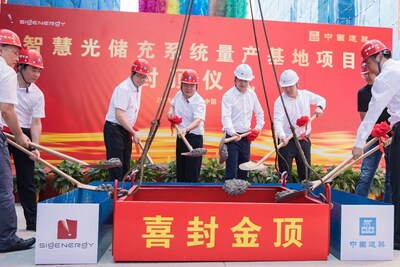
NANTONG, China, Aug. 27, 2025 /PRNewswire/ — Sigenergy today announced the topping-out of its smart manufacturing hub in Nantong, Jiangsu, China, marking a major milestone in the company’s global manufacturing expansion. Following the groundbreaking earlier this year, the project has reached another key stage toward production, bringing the facility closer to operational readiness.

Topping-Out Ceremony of Sigenergy’s Smart Manufacturing Hub in Nantong

As one of Sigenergy’s core production bases, the Nantong Smart Manufacturing Hub plays a pivotal role in the company’s globalization strategy. It will support large-scale delivery of inverters, residential and C&I energy storage systems (PACK), and energy gateways. Once completed, the facility is expected to produce over 300,000 units annually, providing strong manufacturing support to meet growing demand worldwide.

The facility spans approximately 7.67 hectares (115,000 m²), with an investment of around USD 70 million. It will feature modern production workshops, an R&D and design center, warehouses, a comprehensive office building, and supporting infrastructure. Designed as a next-generation smart factory, the Nantong hub integrates production, R&D, logistics, and operations in line with global best practices. It will set benchmarks in intelligent and digital manufacturing, incorporating a fully digitalized, closed-loop system and a full lifecycle quality traceability framework across supply chain, production, and logistics, ensuring that every process is visible, traceable, and controllable.

Sigenergy continues to advance both capacity expansion and product innovation. Its portfolio covers the world’s first 5-in-1 solar-storage-charging system (SigenStor), advanced C&I solar-storage solutions, and a full range of residential hybrid inverters and microinverters. This diverse lineup consolidates Sigenergy’s competitiveness in the distributed solar and storage sector and has already received strong traction and positive feedback in global markets.

XtalPi Holdings Announces 2025 Interim Results

SHENZHEN, China, Aug. 27, 2025 /PRNewswire/ —

Key Highlights from the Financial Report:

  • Revenue surged 404% year over year to RMB 517 million in the first half of 2025.
  • Adjusted net profit reached RMB 141 million, marking the company’s first-ever half-year profitability.
  • XtalPi was added to the MSCI China Small Cap Index, underscoring strong recognition of its investment value by the international capital markets.
  • Significant breakthroughs and milestones were achieved across multiple business lines.

Drug Discovery Solutions: The Deep Integration of Advanced AI and Robotics Driving New Growth for Our Business

During the reporting period, revenue from our Drug Discovery Solutions business soared by 615.2% year-over-year, from RMB 60.85 million in H1 2024 to RMB 435.2 million. This growth was driven primarily by substantial upfront payments from major collaborations and multiple pipelines hitting key milestones.

1)   Landmark Collaboration with Professor Gregory Verdine

In late June, we signed a strategic collaboration with renowned biopharmaceutical scientist Professor Gregory Verdine. The agreement provides for an initial payment of US$51 million for the first phase, with an additional US$49 million in potential payments, and variable payments of up to US$ 5.89 billion subject to reaching regulatory and commercial milestones, along with potential royalties based on a single-digit percentage of the annual net sales of the products. This collaboration represents a key achievement in our global strategy and further validates the industry-leading capabilities of our AI+robotics drug discovery platform.

2)   Multiple Pipelines Achieve Breakthrough Milestones

  • Chronic Disease Collaboration Ahead of Schedule: All three of our projects in collaboration with a leading biopharmaceutical company have successfully reached key milestones. Notably, a chronic disease program launched in 2024 achieved its PCC milestone a full quarter earlier than planned, highlighting the power of XtalPi’s fully integrated AI-computational-experimental platform in accelerating drug discovery.
  • PRMT5 Inhibitor PE-0260 Advanced to IND: In close collaboration with PharmaEngine, we successfully developed the first-in-class PRMT5 inhibitor PE-0260. PharmaEngine has now completed IND application and initiated clinical trials.
  • Prix Galien Award Nomination: The world’s first targeted therapy for diffuse gastric cancer, co-developed with incubated company Signet Therapeutics, was nominated for the prestigious Prix Galien Award for Best Biotechnology Product, often hailed as the “Nobel Prize of the pharmaceutical industry”. This was the only Asian pipeline nominated this year and only the fourth Chinese company to be nominated in the award’s 50+ year history.
  • Antibody Business Growth: Thanks to high-quality deliveries of previously placed orders, in the first half of 2025, we recorded antibody business revenue nearly double that of full-year 2024. In this area, we now have partnerships ongoing with several globally renowned pharmaceutical companies, with our role evolving from a service provider to platform-based co-developer, significantly increasing customer lifetime value.
  • Breakthroughs at XtalPi-incubated Leman Biotech: (1) Leman’s metabolically enhanced CD19 CAR-T therapy successfully treated multiple systemic lupus erythematosus (SLE) patients, while its solid tumor CAR-T program advanced rapidly toward investigator-initiated trial (IIT) readiness. (2) Leveraging AI-driven optimization and high-throughput experiments, we improved the binding affinity and immune activity of its core metabolic enhancers, enabling the project to advance into IIT preparation in the first half of 2025.

3)   Enhancing AI Capabilities to Create a Drug Discovery Superintelligence

  • We have developed over 200 AI models spanning molecular generation, free energy perturbation (FEP), property prediction, and crystal structure prediction. In the first half of 2025, building on our earlier strategic partnership with Pfizer, we continued to iterate and optimize these models while deepening our collaboration to co-develop a next-generation, AI-driven molecular simulation platform. Additionally, we are actively expanding the platform’s capabilities across diverse applications, including small molecules, peptides, and antibodies, to comprehensively empower Pfizer’s drug discovery efforts.
  • We launched a new Ultra mode for our AI antibody development platform XtalFold®, improving antigen-antibody complex prediction accuracy by approximately 10 percentage points. In July, our self-developed AI antibody drug structure modeling platform XtalFold® was honored one of the “Top 10 AI Innovations (Technologies/Products)” at the World Artificial Intelligence Conference (WAIC).
  • We initiated the development of a Molecular Glue platform built around a Design — Make — Test — Analyze (DMTA) closed-loop framework in new drug development. Our core Molecular Glue team is now in place and has established initial collaboration with key opinion leaders from both industry and academia. Meanwhile, the team is conducting in-depth discussions with multiple pharmaceutical companies on specific targets and screening strategies. Initial feedback has been positive, and partnership intentions are steadily progressing.
  • We launched PepiX™, a global-leading peptide and protein R&D platform that integrates generative AI molecular design, automated synthesis, trillion-scale peptide libraries, and high-throughput screening. Early results include:
    • In AI-driven cancer vaccine development, candidate molecules designed by the platform have demonstrated strong immunogenicity in preclinical animal models and are poised to enter clinical trials
    • Two independently developed oral peptide health products for blood sugar regulation and fat reduction have completed efficacy and toxicology evaluations and are now entering the regulatory approval process.
    • A successful first-in-class renal cancer target development project with National Cancer Centre Singapore (NCCS) is progressing to downstream efficacy validation.

We have also built a library of over 2,000 non-natural amino acid monomers, fully parameterized for computational modeling, enhancing molecular design and exploration.

  • At the AAAI (Association for the Advancement of Artificial Intelligence) 2025, we presented our breakthrough research mRNA2vec, an AI-driven technology that optimizes mRNA sequence design, enhancing expression levels and stability while addressing the high costs and lengthy timelines of traditional screening methods, establishing a new paradigm for intelligent mRNA designs.

Intelligent Robotics Solutions: AI and Robotics Driving a Transformation in Chemistry

Revenue from our Intelligent Robotics Solutions business grew 95.9% year-over-year to RMB 81.9 million in the first half of 2025, fueled by the rapid growth from our automated chemical synthesis services and our XtalPi R&D solutions.

1)   AI + Robotics Reshape the R&D Paradigm, Building Vertical Artificial Superintelligence

We have built a unique flywheel system integrating high-throughput experiments, high-quality data, and advanced AI models. Our robotics lab operates 24/7, generating vast volumes of high-quality data to power vertical AI models. This paradigm is transforming traditional R&D approaches, accelerating breakthroughs in both drug and material development.

Our AI models and robotic laboratory have been widely applied across the field of chemistry, significantly expanding the accessible chemical space, overcoming critical bottlenecks in drug and new material molecule development, and effectively accelerating delivery timelines. During the reporting period, we also made significant progress in several key technologies:

  • The Future of Chemistry: Innovation Breakthroughs Powered by Models and Data
    • In the chemical reaction stage, leveraging extensive experimental data from our robotics lab and knowledge graphs obtained via the LLM-powered literature search tool PatSight, we have successfully developed AI models for synthetic feasibility prediction and reaction condition recommendation covering common reaction types.
    • In practical applications, these models have boosted the success rate of predicting chemical reaction success rates to over 85%.
    • In the separation and purification phase, we developed reaction condition recommendation and yield prediction models tailored for condition screening, which have been successfully applied in multiple client projects. In two of these projects, yields exceeded 50%.
    • Additionally, we have completed the acquisition of Liverpool ChiroChem (LCC), a company with deep expertise in chiral chemistry, strengthening our capabilities in chemical space exploration. LCC boasts a world-leading library of chiral molecules and a high-quality database, offering significant advantages in molecular quality and diversity and providing strong data support for AI-driven exploration of the chiral chemical space.
  • Breakthrough in Embodied Intelligence: “NeoDispenser” Solves Key Challenges in Robotic Laboratories

In the first half of 2025, we achieved significant breakthroughs in robotic laboratories, notably advancing embodied intelligence technology. We successfully developed a new generation of modular robotic systems that integrate advanced visual perception, AI, and robotic technologies to tackle some of the most challenging problems in chemical research.

For example, our next-generation modular robot features our patented “NeoDispenser,” a flexible gripper that successfully mimics human hand operations with exceptional dexterity, earning recognition from top global clients. This design addresses three major industry challenges: (1) precise handling of trace powders; (2) overcoming traditional solutions’ poor adaptability to different powders; (3) eliminating intermediate containers to reduce costly material waste.

  • Multi-Agent Systems Driving a Revolution in Chemistry: From Massive Chemical Space Exploration to Fully Autonomous Decision-Making

In the first half of 2025, we successfully built a cost-effective, high-performance data platform capable of predicting synthetic feasibility across hundreds of billions of chemical compounds.

  • LLM-powered drug R&D data extraction — PatSight Patent Mining Platform Accelerates Structure Analysis

Our PatSight patent mining platform, jointly developed and iterated with the IDEA Research Institute, has achieved breakthrough progress powered by LLMs and deep neural network technologies. The platform can efficiently extract core data from literature and patents, such as molecular structures, activities, pharmacological effects, and reactions, with an accuracy rate of up to 97%, significantly enhancing the efficiency of structure analysis and data acquisition. PatSight overcomes the inefficiencies of traditional manual processing, providing high-quality public big data support for AI4S models in specialized domains. In the first half of 2025, the platform secured multiple procurement and collaboration agreements with domestic and multinational pharmaceutical companies.

  • By consistently upgrading the materials research platform and exploring applications across multiple material domains, we have continued to expand our technological applications across new chemical materials, including adhesives, coatings, electrolytes, catalysts, and advanced carbon materials. We have also secured orders from several leading companies in the materials sector, with overall project progress advancing smoothly.

2)   XtalPi R&D Solutions Achieve Global Commercial Breakthroughs

As our technological capabilities continue to grow, our XtalPi R&D solutions have gained strong customer recognition and are rapidly expanding into international markets. During the reporting period:

  • We signed a multi-million US Dollar agreement with South Korea-based JW Pharmaceutical, one of Asia’s leading pharmaceutical companies. Under the deal, XtalPi will deliver a comprehensive solution that includes a high-throughput automated synthesis workstation, an AI-driven reaction condition optimization system, and an intelligent analysis platform. Featuring Bayesian optimization algorithms, digital experiment management, and advanced automated lab technologies, this integrated solution will significantly boost synthesis success rates and repeatability while shortening drug development cycles. The collaboration will provide JW with a robust technological foundation to accelerate breakthrough pipeline development in oncology, metabolic diseases, and other key areas, fast-tracking more globally competitive drug candidates into clinical trials.
  • We signed a multi-million US Dollar cooperation agreement with Liangzhu Laboratory. Under this partnership, XtalPi and Liangzhu will collaborate on setting up a robotics-powered biomaterials laboratory, with XtalPi providing a smart robotics platform spanning their entire workflow from synthesis to testing.
  • We entered into a key partnership with Roche, under which XtalPi will integrate robotics, transport and barcode scanning modules, stacker cranes, and automated pallet and tube handling systems to enable automated sorting, high-throughput storage, and precise retrieval of molecular building blocks.

PROSPECTS AND OUTLOOK

We believe the future of scientific discovery lies in the seamless fusion of artificial intelligence, embodied intelligence, and human insight. We are boldly tackling challenges to unlock new frontiers, transforming technological barriers into breakthroughs and visionary ideas into impactful solutions. By building superintelligent systems for life and materials sciences, we seek to reshape the future of human civilization through a pioneering new research paradigm.

About XtalPi

XtalPi Holdings Limited (XtalPi, 2228.HK) was founded in 2015 by three physicists from the Massachusetts Institute of Technology (MIT). It is an innovative R&D platform powered by quantum physics, artificial intelligence, and robotics. By integrating first-principles calculations, AI algorithms, high-performance cloud computing, and standardized automation systems, XtalPi provides digital and intelligent R&D solutions for companies in the pharmaceutical, materials science, agricultural technology, energy, new chemicals, and cosmetics industries.

Investor Relations Contact:

In China:

XtalPi Holdings Limited
Investor Relations
Email: ir@xtalpi.com

Piacente Financial Communications
Tel: +86-10-6508-0677
Email: XtalPi@thepiacentegroup.com

In the United States:

Piacente Financial Communications
Brandi Piacente
Tel: +1-212-481-2050
Email: XtalPi@thepiacentegroup.com

Advancing DEL Technology for the Research Lab: HitGen Introduces OpenDEL™ 5.0

Start Your Journey to Access Vast Chemical Space

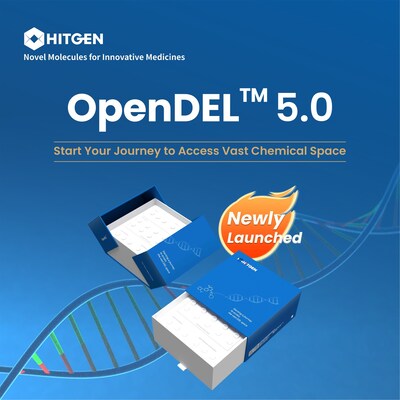
CHENGDU, China, Aug. 27, 2025 /PRNewswire/ — Developing new medicines demands smart technology and powerful tools. DNA-encoded library (DEL) technology, with its unique ability to rapidly screen billions of compounds to identify small molecule hits, has transformed drug discovery. HitGen Inc. is raising the bar with the introduction of OpenDEL™ 5.0 featuring a total of 4 billion diverse compounds designed to tackle challenging biological targets. OpenDEL™ 5.0 comes in a convenient kit format that is accessible to scientists in industry and academia alike.

HitGen OpenDEL 5.0
HitGen OpenDEL 5.0

Key Improvements:

Expanded Chemical Diversity: 4 billion Compounds

  • Increased Library Size: Now with 25% more compounds, OpenDEL™ 5.0 offers 3.8 billion small molecules compounds and 200 million peptide compounds to further expand chemical space for targeting protein-protein-interactions (PPI).
  • Encompassing Library Design: 59 distinct libraries provide a broad range of chemistries to address different types of targets and discovery challenges. 

Optional Macrocycle Library: Unlocking Challenging Targets

  • A dedicated macrocycle library: Available as an add-on, featuring 4-10 amino acids in the ring. Comes with a linear peptide control library.
  • Dual-Kit Flexibility: Choose between OpenDEL™-Small Molecules or OpenDEL™-Macrocycle – or combine both for maximum coverage.

Streamlined Workflow & Faster Access

  • Redesigned protocols: Intuitive visual guides simplify key steps, reducing onboarding time.
  • Expedited delivery: Next-day shipping available to minimize wait time

Begin Your Exploration Today

OpenDEL™ 5.0 is now available worldwide. Let HitGen help you with your next drug discovery breakthrough.

Visit www.hitgen.com or contact our team to learn more.

Namibox Set to Launch World’s First AI-Powered Learning Glasses

SHANGHAI, Aug. 27, 2025 /PRNewswire/ — Jinxin Technology Holding Company (the “Company”) (Nasdaq: NAMI), recently announced a deep collaboration with MICROLUMIN to co-develop the world’s first AI-powered learning glasses. By integrating artificial intelligence with wearable technology, the product aims to redefine the learning experience through cutting-edge innovation. It is scheduled to hit the market in the fourth quarter of 2025 and is expected to generate tens of millions of U.S. dollars in sales.

As a core brand under Jinxin Technology, Namibox has consistently placed user needs at the heart of its innovation efforts, exploring ways to deeply integrate technology into learning scenarios. Against the backdrop of rapidly advancing AI, AR, and digital human technologies, Namibox has continued to broaden its service offerings through its in-house developed digital education content engine. The introduction of AI-powered learning glasses represents yet another step in realizing its vision of “empowering learning through technology.”

Designed for multi-scenario learning and daily use, the AI learning glasses allow for efficient operation through voice commands and simple touch controls, offering truly hands-free functionality. The device incorporates features such as real-time photo capture, audio and video recording, multi-language translation, and intelligent Q&A. Equipped with a large AI model, it can analyze and extend content based on what the user sees and hears, delivering personalized learning support. Whether for language acquisition, classroom assistance, outdoor activities, or cultural exchange, the product adapts flexibly to diverse needs across age groups.

Industry analysts suggest that Namibox’s foray into smart learning hardware—following its earlier launch of parent-child learning screens—reflects not only a strategic product upgrade but also a forward-looking effort to build a boundless learning ecosystem. As AI continues to accelerate transformation in education, user-centric and technology-driven approaches have become key to maintaining competitiveness in the edtech sector.

With the product nearing its launch phase, Namibox is accelerating efforts in content partnerships and channel expansion. The release is expected to further solidify its leading position in the smart education industry and inject new momentum into the global digital education market.

About Jinxin Technology Holding Company

Headquartered in Shanghai, China, Jinxin Technology Holding Company is an innovative provider of digital content and interactive communication services. Through its flagship platform NamiBox, the Company delivers intelligent, engaging, and curriculum-aligned products powered by advanced AI, AR, and digital human technologies.

Jinxin Technology works closely with China’s leading textbook publishers and educational platforms, providing AI-generated digital content for primary and middle school students. Its distribution channels include:

NamiBox, the Company’s flagship learning app
Telecom and broadcast operators
Third-party educational devices

For more information, please visit the Company’s website at https://ir.namibox.com

Safe Harbor Statements

This press release contains forward-looking statements as defined under the U.S. Private Securities Litigation Reform Act of 1995. These statements are based on current expectations and assumptions, involve risks and uncertainties, and may differ materially from actual results. For further discussion of these risks and factors, please refer to the Company’s filings with the U.S. Securities and Exchange Commission.

For Investor and Media Inquiries, Please Contact:
Jinxin Technology Holding Company
Investor Relations Department
Email: ir@namibox.com


Fosun International Announces 2025 Interim Results: Steady Growth in Core Businesses with Accelerated Innovation and Globalization

2025 Interim Results Highlights:

  • Total revenue reached RMB87.28 billion, industrial operation profit amounted to RMB3.15 billion, and profit attributable to owners of the parent reached RMB661.2 million;
  • Consistently focused on core businesses. Total revenue generated by the four core subsidiaries amounted to RMB63.61 billion, accounting for 73% of the Group’s total revenue;
  • Investment in technology and innovation reached RMB3.6 billion. The global innovation system continued to gain momentum, resulting in a number of globally competitive innovations;
  • Innovative drug business ushered in a period of rapid growth. HLX43, a PD-L1-targeting antibody-drug conjugate (ADC) currently in global Phase II clinical trials, has demonstrated strong competitiveness and shows potential to become a broad-spectrum anti-cancer drug;
  • Global operational capabilities continued to improve. Overseas revenue reached RMB46.67 billion, accounting for 53% of total revenue;
  • Fully embraced artificial intelligence (“AI”) to deepen growth in core businesses such as pharmaceuticals and healthcare, cultural tourism, consumption, and financial services.

HONG KONG and SHANGHAI, Aug. 27, 2025 /PRNewswire/ — Fosun International Limited (HKEX stock code: 00656, “Fosun International”), together with its subsidiaries (“Fosun” or the “Group”), today announced its interim results for the six months ended 30 June 2025 (the “Reporting Period”).

In the first half of 2025, Fosun actively captured macroeconomic trends, maintained a clear strategic focus, and leveraged its strong capabilities in innovation and globalization to drive steady business development. Its long-term commitment to innovation led to multiple breakthroughs, with the innovative drug business entering a period of rapid growth. Globalization efforts continued to bear fruit. Overseas revenue contribution rose and expansion into emerging markets progressed steadily. In addition, Fosun fully embraced AI applications to empower its businesses, accelerating innovation and enhancing efficiency, while developing new growth points. Meanwhile, its “business streamlining, and advancements and exits” strategy delivered notable results, with asset structure further optimized and financial position remaining solid. During the Reporting Period, the Group’s total revenue reached RMB87.28 billion, industrial operation profit amounted to RMB3.15 billion, and profit attributable to owners of the parent reached RMB661.2 million.

The four core subsidiaries – Fosun Pharma, Yuyuan, Fosun Insurance Portugal and Fosun Tourism Group (“FTG”) – achieved a total revenue of RMB63.61 billion in the first half of 2025, accounting for 73% of the Group’s total revenue. Fosun Pharma’s profit attributable to parent amounted to RMB1.7 billion in the first half of the year, representing a year-on-year increase of 38.96%. Yuyuan’s core businesses stabilized and began to recover, with the jewelry and fashion segment generating RMB12.9 billion in operating revenue during the first half of the year, including RMB7.6 billion in the second quarter, representing a substantial quarter-on-quarter increase. Fosun Insurance Portugal saw steady growth in both domestic and international businesses, achieving a net profit of EUR133 million, representing a year-on-year increase of 27.6%. FTG’s global operational capabilities continued to improve. Its business volume reached a record high of RMB9.53 billion, and adjusted net profit grew 42.0% year-on-year.

Meanwhile, Fosun continued to optimize its asset portfolio, maintaining a solid financial position with ample cash reserves. As at the end of the Reporting Period, the total debt to total capital ratio stood at 53%, with debt ratio remaining at a healthy level. In May 2025, the international credit rating agency S&P affirmed Fosun’s credit metrics and maintained its rating outlook as “Stable”. The Group’s Hong Kong-listed companies in the Health segment saw a strong market capitalization performance in the first half of 2025, driving a revaluation of underlying asset values.

Guo Guangchang, Chairman of Fosun International, said: “In the first half of the year, we remained steadfast in implementing our core business-focused strategy. Our core segments—pharmaceuticals and healthcare, cultural tourism and consumption, financial services and insurance—delivered steady growth. In particular, we achieved several industry-leading breakthroughs in innovative drugs, which have not only been well received by the market but will also benefit more patients worldwide. Meanwhile, we continued to strengthen our global operating capabilities, allowing more competitive products and services to accelerate their expansion into international markets to serve a growing number of families.”

Innovative drug business ushers in a period of rapid growth, fostering multiple “China’s first” and the “World’s first” innovations

Innovation is a core competence that Fosun has accumulated over a long period of time and has consistently adhered to. During the Reporting Period, Fosun’s investment in technology innovation reached RMB3.6 billion and its global innovation system integrating “independent R&D + investment incubation + ecosystem collaboration” continued to gain momentum, fostering a series of globally competitive innovations.

In terms of therapeutic drugs, a total of 5 indications of 4 innovative drugs independently developed and licensed-in by Fosun Pharma were approved for launch both domestically and internationally, 4 innovative drugs had entered the pre-launch approval stage. Among them, the Class I new drug independently developed by Fosun Pharma, FUMAINING (luvometinib tablets), was approved for marketing in Chinese mainland, filling the treatment gap in the field of rare tumors. In August 2025, the small molecule orally administered DPP-1 inhibitor developed by Fosun Pharma achieved overseas licensing for a potential total of US$645 million.

Henlius’ HLX43 is a PD-L1-targeting antibody-drug conjugate (ADC) currently in global Phase II clinical trials. It is undergoing clinical studies for solid tumors such as non-small cell lung cancer (NSCLC) and thymic carcinoma in countries including China, the United States, Japan, and Australia. HLX43 has demonstrated notable competitiveness in terms of drug safety, efficacy, and R&D progress, and holds strong potential to become a broad-spectrum anti-cancer drug. At the upcoming World Conference on Lung Cancer in September 2025, ten cutting-edge studies featuring Henlius’ innovative products, including HLX43, have been selected for presentation. In addition, HLX22, an innovative anti-HER2 monoclonal antibody, was granted Orphan Drug Designation (ODD) by the European Commission (EC) for the treatment of gastric cancer, marking it as the first anti-HER2-targeted therapy for gastric cancer to receive ODD approval from both the EU and the US. Henlius is continuously expanding its innovation pipeline in disease areas like oncology and autoimmune, advancing a differentiated portfolio of potential best-in-class (BIC) and first-in-class (FIC) candidates.

In addition, breakthrough progress has been made in the fields of medical devices and diagnostics. Leveraging the “licensed medical devices” permission in Hainan, the Da Vinci SP endoscopic single orifice surgical system has completed real-world study reports across multiple specialties, helping accelerate its formal registration and approval process. Meanwhile, the operating entity of the “MRgFUS” (MR guided focused ultrasound) brain therapy system, Fosun Insightec, is steadily advancing the registration of new models and the expansion into new indications.

In the field of cultural and tourism consumption, construction of FTG’s Taicang Alps Resort Phase II project commenced in June 2025, which will feature an indoor ski facility boasting five “world’s firsts”. The project is scheduled to begin operations in June 2029.

Combining global resources with China’s capabilities, proportion of overseas revenue exceeds half of total revenue

Leveraging its business presence and profound industry operations in over 40 countries and regions around the world, Fosun’s overseas revenue saw steady growth. In the first half of 2025, overseas revenue reached RMB46.67 billion, accounting for 53% of the Group’s total revenue.

Henlius consistently achieved major breakthroughs in global operations during the Reporting Period. Its core innovative product HANSIZHUANG (serplulimab), the world’s first anti-PD-1 monoclonal antibody (mAb) approved for first-line treatment of small cell lung cancer (SCLC), recorded a global sales revenue of RMB597.7 million. In the first half of 2025, HANSIZHUANG received approvals in the EU, Singapore, Malaysia, the United Kingdom and India for first-line treatment of extensive-stage small cell lung cancer (ES-SCLC). Additionally, it was approved in Indonesia and Thailand for the treatment of squamous non-small cell lung cancer (sqNSCLC). To date, HANSIZHUANG has been successfully approved in nearly 40 countries and regions, covering nearly half of the world’s population. Henlius’ core breast cancer product HANQUYOU (trastuzumab), the “China-developed” mAb biosimilar approved in China, the EU, and the US, recorded a global sales revenue of RMB1.4442 billion in the first half of 2025. During the Reporting Period, HANQUYOU was newly approved in countries including Mexico, bringing its cumulative approvals to over 50 countries and regions worldwide.

During the Reporting Period, Henlius’ overseas products profits surged over 200%. Cash inflows from BD agreements exceeded RMB1 billion, surging 280% year-on-year. As the overseas sales volume of commercialized products continues to rise, the company expects significant growth in overseas revenue and profits for the full year of 2025, with strong momentum likely to continue into 2026.

Fosun rapidly advanced its pace of global expansion across more industries and business segments. Hainan Mining commenced pilot production at Phase 1 of the Bougouni lithium mine in Mali and will strategically initiate the planning of Phase 2 development. Leveraging its established projects such as the Bougouni lithium mine in Mali, Roc Oil oilfield project in Malaysia and the recently acquired oilfield project in Oman, Hainan Mining is accelerating the building of a “Minerals + Energy” network spanning West Africa, the Middle East, and Southeast Asia. Revenue from overseas operations has now increased to 57% of total revenue.

Following its overseas debut in Paris, France in late 2023, the Yuyuan Lantern Festival continued its overseas journey in 2025: In January, the themed lantern installation made a stunning appearance in Hanoi, Vietnam, commemorating the 75th anniversary of the establishment of diplomatic relations between China and Vietnam. In June, the Lantern Festival officially lit up at ICONSIAM, a renowned commercial landmark in Bangkok, Thailand, as part of the celebrations marking the 50th anniversary of the establishment of diplomatic relations between China and Thailand. In April 2025, Songhelou, a time-honored Chinese brand with a 268-year history, opened its first overseas restaurant in London, the UK, marking its debut on the international culinary stage.

At the same time, the global operations of Fosun’s overseas subsidiaries continued to grow. During the Reporting Period, Fosun Insurance Portugal’s international operations accounted for 28.2% of total consolidated business and overseas gross written premiums (“GWP”) reached EUR924 million. In July 2025, S&P initiated coverage on Fosun Insurance Portugal and assigned it an “A” rating, recognizing its high-quality and well-balanced business portfolio, continuous international expansion, solid financial performance, and strong capital adequacy.

During the Reporting Period, Club Med’s global performance once again reached a record high. Its business volume amounted to RMB9.25 billion, representing a year-on-year increase of 3.8%; operating profit reached RMB1.27 billion, up 11.0% year-on-year. With strong demand continuing for the summer vacation season and the upcoming snow season, bookings are expected to witness sustainable growth in the second half of 2025 and the first half of 2026.

While strengthening its foothold in traditional markets, Fosun accelerated its expansion into global emerging markets. Fosun Pharma reached a strategic cooperation with Saudi Arabia’s comprehensive healthcare group, Fakeeh Care Group, to jointly promote the local introduction of innovative therapeutic products in Saudi Arabia. Easun Technology formed a joint venture with Saudi enterprise, Khaled Juffali Company, to provide production line solutions for Saudi Arabia’s electric vehicle industry and has already received its first order. The German asset servicing entity, HAFS, will leverage Fosun’s global network to expand into emerging markets in the Middle East and Asia, strengthening its asset-light operating model.

Fully embracing AI to develop new growth points

Amid the rapid rise of AI, Fosun has proactively embraced the trend, deeply integrating AI technologies into its diverse business scenarios to accelerate innovation and enhance operational efficiency.

In the field of biopharmaceuticals, Fosun Pharma tapped into AI productivity across all business scenarios by adopting a dual-engine approach that combines “biopharmaceutical models + large language models”, building a knowledge platform to support high-quality AI applications. On the decision support front, Fosun Pharma launched the industry’s first decision intelligence platform, PharmAID. It integrates multiple global clinical information and pipeline databases, with data updated as frequently as T+1. The platform delivers higher content generation accuracy in the healthcare domain compared to general-purpose large models, and improves information extraction efficiency by 50% in areas such as R&D decision and evaluation, and pipeline optimization. 

In the field of cultural tourism and consumption, Club Med continued to advance AI-driven digital transformation. The G.M Copilot conversational AI assistant, which provides 24/7 instant and personalized service, has already expanded to 12 markets worldwide, including Brazil, France, Belgium, Singapore, and Malaysia. In August 2025, FTG entered into a full-stack AI collaboration with Alibaba Cloud to jointly develop the cultural tourism intelligent system, “AI G.O”, based on the Qwen3 model series. “AI G.O” is designed to optimize the entire vacation experience and enhance operational efficiency. It is scheduled for official launch at the end of September, with the first pilot program to be carried out at Atlantis Sanya.

In the field of finance services, Fosun Insurance Portugal leveraged its AI application system to comprehensively improve the efficiency of its entire business process and enhance data accuracy, driving rapid growth of its insurance business. During the Reporting Period, the total number of internet users of Fidelidade exceeded 2 million, representing nearly 20% of Portugal’s total population. By adopting AI technologies, the rate of fully automated processing for motor claims rose from 48% as at the end of 2023 to 66% as at the end of the Reporting Period.

In pursuit of new opportunities in fintech, Fosun Wealth accelerated its Web3 strategy. In July 2025, Finloop, independently incubated by Fosun Wealth, launched the FinRWA Platform (FRP). FRP is a globally leading one-stop solution for Real World Assets (RWA) technology, issuance and distribution, and Finloop is actively advancing multiple asset tokenization technology projects.

Committed to business for good, maintaining a leading ESG performance

During the Reporting Period, relying on Fosun’s continuous efforts in environmental, social, and governance (ESG) over the years, it was once again successfully included in S&P Global’s “Sustainability Yearbook 2025” and was selected as the top 1% in S&P Global’s “Sustainability Yearbook 2025 (China Edition)”. In addition, Fosun’s FTSE ESG score continued to outperform the global industry average and the national average, and it has been included in the constituent stocks of the FTSE4Good Index Series for four consecutive years.

In terms of social welfare, Fosun Pharma has consistently contributed the “China Solution” to the fight against malaria in Africa. As at the end of June 2025, its independently developed artesunate for injection had been used to treat more than 84 million patients with severe malaria worldwide. Additionally, Fosun Pharma had supplied over 420 million doses of artesunate for injection globally.

In terms of rural revitalization, as at the end of June 2025, the Rural Doctors Program had covered 78 counties in 16 provinces, cities and autonomous regions (including 21 key counties for national rural revitalization), supported 25,000 rural doctors, and benefited 16.34 million rural residents and 3 million rural families.

Looking ahead, Guo Guangchang stated: “In the face of both opportunities and challenges, we will remain focused on our core businesses, step up innovation efforts, and firmly advance our globalization strategy. Building on our long-established core capabilities, we are committed to driving Fosun’s sustainable growth, scaling new heights in our areas of strength, expanding our leadership across more business areas, and creating greater value for our shareholders and society.”

Neusoft Medical Systems Launches China’s First Photon-Counting CT with NMPA Approval

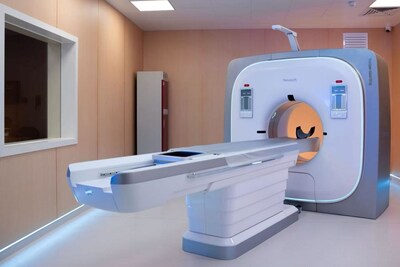
SHENYANG, China, Aug. 27, 2025 /PRNewswire/ — Neusoft Medical Systems today announced that its NeuViz P10 photon-counting CT has received market approval from China’s National Medical Products Administration (NMPA). This marks the first photon‑counting CT approved in China, and the world’s first wide‑body system equipped with an 8‑cm detector.

Neusoft Medical Systems Launches China’s First Photon-Counting CT with NMPA Approval

Photon-counting CT (PCCT)  is considered a breakthrough in next‑generation imaging. Unlike conventional CT scanners, which first convert X‑rays into light before generating digital images, the NeuViz P10 uses a cadmium zinc telluride (CZT) detector to capture and convert each X‑ray photon directly into a digital signal. This direct approach delivers images with far greater clarity, reduces radiation exposure for patients, and improves the ability to distinguish between different types of tissue.

For patients, these advances mean clearer visualization of tiny blood vessels in the heart, earlier detection of small tumors, more accurate identification of neurological conditions, and safer lung examinations with reduced exposure to radiation. The system’s ultra-high resolution also helps doctors detect diseases at earlier stages, when treatment can be more effective and outcomes significantly improved.

To maximize clinical and research value, the NeuViz P10 integrates four innovation platforms: NeuPhoton Counting, Photon Supersonic, Photon Intelligence, and Photon Research. Together, these platforms deliver faster scans, safer imaging, intelligent workflow support, and expanded opportunities for clinical research.

“The approval of NeuViz P10 is a milestone for China’s medical imaging industry and for global CT innovation,” said Patrick Wu, CEO of Neusoft Medical Systems. “This technology empowers radiologists with clearer images at lower doses, giving patients earlier and more accurate answers while delivering maximum clinical value for public health.”

About Neusoft Medical Systems

Neusoft Medical Systems is a global leader in medical imaging solutions and services. The company is dedicated to integrating AI technologies with medical imaging to deliver intelligent, efficient, precise, and reliable products and services. By building a comprehensive healthcare ecosystem, Neusoft Medical Systems enhances the accessibility and equity of global healthcare.

By the end of 2024, Neusoft Medical Systems had a presence in over 120 countries and regions, serving more than 14,000 customers, with a historical installed base exceeding 50,000 units.

Learn more about us: www.neusoftmedical.com/en


Rokid Officially Launches Rokid Glasses: The World’s Lightest Full-Function AI & AR Smart Glasses

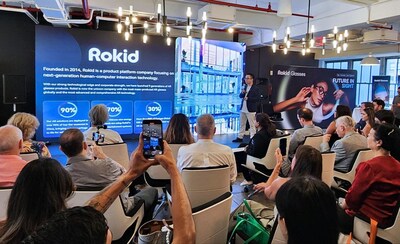
NEW YORK, Aug. 27, 2025 /PRNewswire/ — Rokid, a pioneer in human-computer interaction and augmented reality, today officially unveiled the Rokid Glasses in New York City, the world’s lightest full-function AI & AR smart glasses, marking a milestone in the evolution of wearable AI computing.

Rokid Glasses are lightweight (49g) AI-powered AR smart glasses with a built-in 12MP first-person camera, Micro LED waveguide displays, and integrated audio. Designed for both consumer and professional use, they offer real-time translation, object recognition, navigation, transcription, notifications, and other AI-driven functions in a discreet, all-day wearable.


The Rokid Glasses are the world’s lightest camera-equipped smart glasses that combine augmented reality visuals, audio, and AI-powered features in a single device. Built on the Qualcomm AR1 platform, they strike a balance of style, performance, and industrial-grade reliability, making them ideal for everyday life.

Built on Developer Power

Behind Rokid Glasses is the largest XR developer community in China, comprising over 15,000 developers and 5,000 corporate developers who have already leveraged Rokid’s open SDK and platform resources. This year, Rokid is taking this ecosystem to the global stage, aiming to bring over 1,000 overseas developers into its network. This expansion will include localized apps, use cases, and services for users worldwide.

Rokid has also partnered with over 50 universities worldwide, engaging more than 5,000 students and faculty through hackathons, certification programs, and training initiatives. To date, more than 200 academic and industry projects have been developed using Rokid’s SDK and cloud platform, supported by active developer groups and forums. This vibrant network ensures that Rokid Glasses is backed by a global platform that will drive next-generation Human-Computer Interactions.

Specialist Insights: Panel on AI Glasses

The launch featured the thought-leadership panel “From Mobile to Wearable: The Rise of AI Glasses”, where experts explored the shift from smartphones to wearable AI devices and the broader implications for communication, industry, and accessibility.

The panel featured Andrea Smith, technology journalist with CNN Underscored and former ABC News correspondent; Dr. Vasant Dhar, Professor at NYU Stern School of Business and the Center for Data Science and founder of SCT Capital Management; Dr. Orson Xu, Assistant Professor at Columbia University specializing in human-computer interaction and AI for health; and Dr. Shawn Shen, founder of Memories AI and former research scientist at Meta.

Topics ranged from the adoption curve of AI glasses to their impact on human-computer interaction, healthcare applications, privacy, trust, and the future role of wearable AI in society.

Podcast: AI Glasses For Social Good

As part of the launch, Rokid introduced a special podcast session titled “AI Glasses For Social Good.” This discussion featured Liang Guan, Head of Global Partnership Development at Rokid, in conversation with two executive speakers from CaringKind, New York City’s leading expert on Alzheimer’s and dementia caregiving.

CaringKind brings over 40 years of experience in supporting families and individuals affected by dementia, providing training, resources, and advocacy. Together, Rokid and CaringKind explored how AI-powered glasses can enhance accessibility, caregiving, and memory support, giving valuable applications for communities facing cognitive decline and related challenges.

Storytellers Kick Off Rokid World Tour

The launch also marked the beginning of Rokid’s “Dream Journey” World Tour, a global initiative designed to showcase how AI glasses integrate into real-life scenarios while fostering collaboration with creators worldwide.

The inaugural storytellers, Jesse Torres, Max Manausa, Jocelyn Chiu, and Liee Ying, will embark on dream itineraries funded by Rokid. From a skateboarder chasing foreign streets, to a tech analyst testing how wearables fit into fast-paced travel schedules, to a couple capturing the joy of their honeymoon, each will share their personal journeys through the lens of Rokid Glasses. Together, these stories will build a broader narrative that highlights the real-world impact of AI-powered wearables, moving beyond technical demonstrations to meaningful, human-centered experiences.

Kickstarter Momentum

Following the unveiling, Rokid Glasses reached 400,000 USD in just 8 hours on Kickstarter, demonstrating strong global demand for intelligent, lightweight wearable computing.

“Today’s launch is not the end of a journey – it is the beginning of a new chapter,” said Zoro Shao, Global General Manager of Rokid. “With Rokid Glasses, we are not only shaping the future of AR, but also creating a future where technology removes barriers and empowers everyone.”

Rokid Glasses is now available for early supporters on Kickstarter, offering backers the chance to be the first to experience the future of AI-powered wearable computing.

About Rokid

Rokid is a product-oriented platform company with a focus on human-computer interaction for over ten years. As a pioneer in augmented reality, Rokid develops both hardware and software for AR headsets and their surrounding ecosystem, with a mission to ensure that the magic of AI and AR leaves no one behind. With the largest XR developer community in China, its products are consistently regarded among the best wearable devices in the country. It has won the Las Vegas CES Innovation Award for three consecutive years and the German IF Design Award five times.