HONG KONG SAR – Media OutReach Newswire – 8 August 2024 – The annual Digital Entertainment Leadership Forum (DELF) 2024, organised by Cyberport, will be held from August 16 to 18 at the Cyberport campus. This year’s theme is “Imaginary Fairground: AI-Powered Entertainment in the Web 3.0 Era”. The event will feature industry forums, experiential zones, workshops, and competitions, allowing attendees to immerse themselves in a vibrant carnival atmosphere. Together, they will explore the innovative applications of AI in the digital entertainment and smart living domains, and personally experience the seamless integration of the virtual and physical realms.
The DELF 2024 Experience Zone will feature four major themes with nearly 50 experiential activities, bringing the public interactive and personalised entertainment experiences. The “Smart Lifestyle” theme allows attendees to experience ChatsOK, an interactive AI chatbot used for education and training, IFLYTEK’s AI simultaneous interpretation technology, as well as DIGITAL MUSE, a fusion of art and technology that generates personalised “Queen” images in real-time powered by AI. The “Robotics” section will highlight Unitree Robotics’ self-walking and running humanoid robots, Unitree H1, UBTech’s Walker X that can perform Tai Chi, and the “R2C2 ARC platform” that enables users to monitor, control, and distribute automated patrol and inspection tasks. In the “Sports & Gaming” theme, the Hong Kong-based “Z Challenger” uses geospatial data to recreate Hong Kong’s actual terrain, developing an immersive racing simulation game. The “Culture & Arts” theme will present the “Van Gogh DigiVillage”, using innovative art technology (Art Tech) to raise awareness of art, culture, and nature conservation, as well as showcase the works of the world’s first AI ink wash artist, A.I. GEMINI.
The three-day event will bring together representatives from leading digital entertainment companies and distinguished speakers to explore how emerging technologies such as AI, high-performance computing (HPC), and Web 3.0 are shaping the future of digital entertainment and smart living. Over 30 experts from international and local tech giants, including Microsoft, Cisco, Alibaba, Baidu, Foxconn, Xiaohongshu, Dell, NVIDIA, BytePlus, Meta, teamLab, 9GAG & Memeland, ESRI, FATface Production, member of OneCool Group, as well as the representatives from academic institutions such as the Hong Kong Polytechnic University, Hong Kong Baptist University, and Cornell University, will share their professional insights on leveraging AI, Web 3.0 and other technologies to drive the transformation of digital entertainment, cultural tourism, and smart living.
Dr Rocky Cheng, CEO of Cyberport, said, “AI and its applications are rapidly evolving and deeply integrating with various industries, becoming a critical driver for industrial upgrading and transformation. The AI ecosystem that Cyberport focuses on developing has become an engine for the growth of related industries. We have gathered 200 companies specialising in R&D, application, and infrastructure for AI and data science. At the same time, Cyberport, Hong Kong’s Web 3.0 hub, has been dedicated to promoting the development of related technologies. This year’s DELF 2024 will focus on the two major technology clusters of AI and Web 3.0, showcasing countless innovative ideas. Through technology, it aims to bring refreshing changes to everyday life, entertainment experiences, and operational models across various industries.”
To encourage the public to explore diverse digital entertainment experiences, DELF 2024 has prepared a “Play-to-Earn” activity that combines gaming and reward systems. Attendees can set up a “Play-to-Earn” platform account platform account prior to entering the event, and then complete tasks at the four major experiential zones to win over 300 prizes, including laptops, drones, camera gear, children’s robot, speakers, video game consoles, event tickets, dining vouchers, and leisure vouchers. In addition, the event will feature spectacular performances and competitions such as the AI Everywhere Robotics Esports Invitational 2024 (GBA), Elderly eSport Tournament & Experience Day, the From Player to Page English Writing Competition, Hong Kong Game Development – Competition, the award presentation ceremony of NEXX AI for Entertainment and more.
For detailed information about the Digital Entertainment Leadership Forum 2024 and the complete lineup of speakers, please visit: http://delf.cyberport.hk/ or refer to the attachment of this press release.
For high-resolution photos, please download via this link.
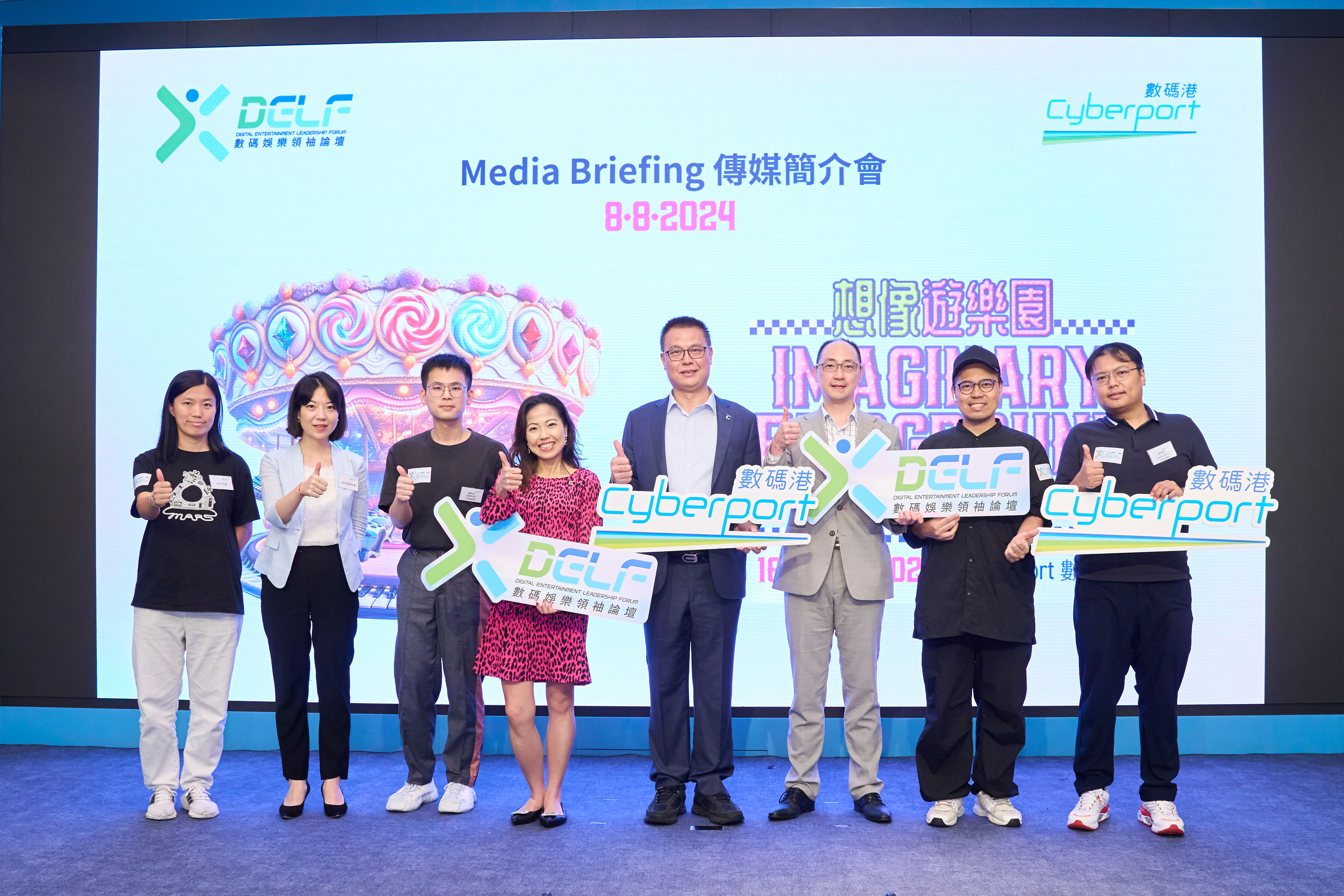
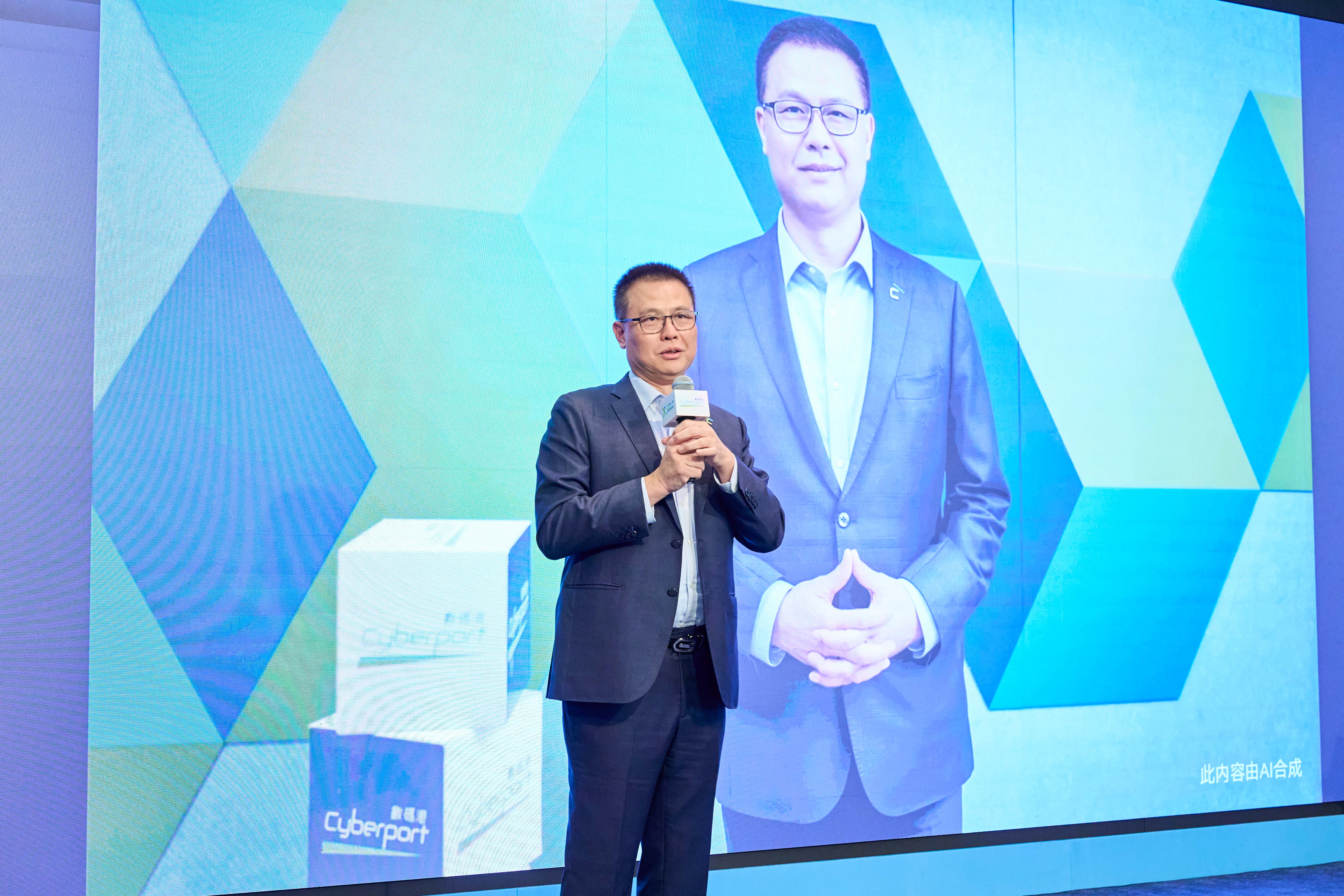
Photo 3: Georgina Chu, Chief Corporate Development Officer of Cyberport introduced the trend and insights of AI and digital entertainment in the media briefing session.
Photo 4: Terence Leung, Cyberport Senior Manager of Digital Entertainment of Cyberport shared the highlights of DELF 2024.
Photo 5 – 9: Cyberport invited five startup companies to showcase their projects during the media briefing session, including IFLYTEK’s Wonderful Question Classroom, ToyCloud’s AI Companion Robot, Laurry & Co.’s AI Training, HTC’s Exploring the Virtual Notre-Dame de Paris, MetaZ Lab’s AI Lingnan Cultural Traces.
Hashtag: #DELF
The issuer is solely responsible for the content of this announcement.
About Cyberport:
Cyberport is Hong Kong’s digital technology flagship and incubator for entrepreneurship with over 2,000 members including over 900 onsite and over 1,100 offsite start-ups and technology companies. It is managed by Hong Kong Cyberport Management Company Limited, wholly owned by the Hong Kong Special Administrative Region Government, and committed to the vision to inject new impetus into digital economy and smart city development through innovation and technology, and to connect enterprises to Mainland China and overseas markets. Cyberport strives to nurture a vibrant tech ecosystem by cultivating talents, promoting entrepreneurship among the youth, supporting start-ups, fostering technology industry development by promoting strategic collaboration with local, Mainland Chinese and international partners, and integrating new and traditional economies by accelerating digital transformation in public and private sectors.





 www.hkstp.org
 WikiEXPO