Home Blog Page 6099

Qualtrics’ Employee Experience Trends reveals top drivers of employee engagement in Malaysia in 2021

Annual report finds engagement drivers shifted in 2020


KUALA LUMPUR, MALAYSIA – Media OutReach – 23 March 2021 – New research released today by Qualtrics (Nasdaq: XM), the leader in employee experience (EX) and creator of the experience management (XM) category, has revealed significant shifts to the drivers of employee engagement in Malaysia in 2021.

According to the 2021 Malaysia Employee Experience Trends Report, feeling that my career goals can be met and being proud of the company’s efforts to have a positive impact on the world emerged as the top two drivers of employee engagement. Confidence in senior leadership to make the right decisions, feeling a sense of purpose from work, and feeling a sense of belonging rounded out the top five.

In contrast, last year’s engagement drivers were receiving recognition for good work, seeing a clear link between work and strategic objectives, opportunities for learning and development, manager support in career development, and confidence in senior leadership to make the right decisions.

Employee engagement in Malaysia increased

Despite the challenges faced by businesses and government in 2020, overall levels of employee engagement in Malaysia increased to 67% in 2020, from 54% in 2019. This is in line with the global average, which rose 13% in the last year (66% vs. 53%). Intent to stay with an organisation three years or more was 71%.

Well-being, which is an important contributor to overall EX, continues to be a priority for workers and is predicted to be a key trend for organisations in 2021. A sense of belonging is of particular importance in the context of well-being. Employees who feel like they belong are almost 5x more likely to rate their well-being favourably than those who feel like they don’t belong (78% vs. 16%).

Two-thirds (65%) of employees in Malaysia rated their overall well-being as favourable, which is just under the global average of 67%.

Lauren Huntington, EX Solutions Strategy, Qualtrics Southeast Asia, said: “2020 irreversibly changed the working world, and globally we saw engagement drivers shift considerably last year. As businesses and governments look forward to 2021 we expect to see these engagement drivers evolve once again as restrictions continue to change. To ensure teams are provided with the support and services they need in fast changing situations it is critical leaders are able to understand how emerging trends are reshaping the workplace, and what they can do to design and improve employee experience.”

Uncovering the experience gap

According to the Qualtrics study, 93% of employees believe it’s important their company listens, with 80% saying they have the opportunity to feedback. However, only 34% say their company acts on feedback well.

“While it’s pleasing to see employers listening to their teams, the study outlines the critical importance of acting on feedback. There is no one size fits all approach to improving the employee experience. By capturing responses from their teams across the entire employee lifecycle and in key moments that matter, businesses are able to design improved experiences.”

“The business impact of listening and acting on feedback is huge. When organisations do take action, scores increase across employee engagement (90%), wellbeing (87%) and intent to stay (87%),” said Huntington.

About the study

The 2021 Global Employee Experience Trends Report examined more than 11,800 full-time employees across 20 different countries around the world, to find out what’s changed in employee experience, and what is driving employee engagement in a post-COVID world. 292 respondents polled were from Malaysia.

To download the full 2021 Global Employee Experience Trends Report, please click here.

About Qualtrics

Qualtrics, the leader in employee experience and creator of the Experience Management (XM) category, is changing the way organizations manage and improve the four core experiences of business––customer, employee, product, and brand. Over 13,000 organizations around the world are using Qualtrics to listen, understand, and take action on experience data (X-data™)––the beliefs, emotions, and intentions that tell you why things are happening, and what to do about it. The Qualtrics XM Platform™ is a system of action that helps businesses attract customers who stay longer and buy more, engage employees who build a positive culture, develop breakthrough products people love, and build a brand people are passionate about. To learn more, please visit qualtrics.com.

Qualtrics’ Employee Experience Trends reveals top drivers of employee engagement in the Philippines in 2021

Annual report finds engagement in Philippines exceeds global average


MANILA, PHILIPPINES – Media OutReach – 23 March 2021 – New research released today by Qualtrics (Nasdaq: XM), the leader in employee experience (EX) and creator of the experience management (XM) category, has revealed the top drivers of employee engagement in the Philippines for 2021.

According to the 2021 Philippines Employee Experience Trends Report, feeling a sense of purpose from my work and having in place processes allowing employees to be as productive as possible emerged as the top two drivers of employee engagement. Continually improving the way work gets done, learning from mistakes as a company, and managers demonstrating a commitment to safety rounded out the top five.

Employee engagement in Philippines above global average

Despite the challenges faced by businesses and government in 2020 overall levels of employee engagement in Philippines were 77%, which exceeded the global average of 66%. Intent to stay in the Philippines aligned with the global average, with 70% of respondents saying they intended to stay with their organisation three years or more.

Well-being, which is an important contributor to overall EX, continues to be a priority for workers and is predicted to be a key trend for organisations in 2021. A sense of belonging is of particular importance in the context of well-being. Employees who feel like they belong are almost 3x more likely to rate their well-being favourably than those who feel like they don’t belong (82% vs. 30%).

Three-quarters (75%) of employees in the Philippines rated their overall well-being as favourable, which again exceeded the global average of 67%.

Lauren Huntington, EX Solutions Strategy, Qualtrics Southeast Asia, said: “2020 irreversibly changed the working world, and globally we saw engagement drivers shift considerably last year. As businesses and governments look forward to 2021 we expect to see these engagement drivers evolve once again as restrictions continue to change. To ensure teams are provided with the support and services they need in fast changing situations it is critical leaders are able to understand how emerging trends are reshaping the workplace, and what they can do to design and improve employee experience.”

Uncovering the experience gap

According to the Qualtrics study, 99% of employees believe it’s important their company listens, with 89% saying they have the opportunity to feedback. However, only 56% say their company acts on feedback well.

“While it’s pleasing to see employers listening to their teams, the study outlines the critical importance of acting on feedback. There is no one size fits all approach to improving the employee experience. By capturing responses from their teams across the entire employee lifecycle and in key moments that matter, businesses are able to design improved experiences.”

“The business impact of listening and acting on feedback is huge. When organisations do take action, scores increase across employee engagement (87%), wellbeing (84%) and intent to stay (78%),” said Huntington.

About the study

The 2021 Global Employee Experience Trends Report examined more than 11,800 full-time employees across 20 different countries around the world, to find out what’s changed in employee experience, and what is driving employee engagement in a post-COVID world. 500 respondents polled were from the Philippines.

To download the full 2021 Global Employee Experience Trends Report, please click here.

About Qualtrics

Qualtrics, the leader in employee experience and creator of the Experience Management (XM) category, is changing the way organizations manage and improve the four core experiences of business––customer, employee, product, and brand. Over 13,000 organizations around the world are using Qualtrics to listen, understand, and take action on experience data (X-data™)––the beliefs, emotions, and intentions that tell you why things are happening, and what to do about it. The Qualtrics XM Platform™ is a system of action that helps businesses attract customers who stay longer and buy more, engage employees who build a positive culture, develop breakthrough products people love, and build a brand people are passionate about. To learn more, please visit qualtrics.com.

Qualtrics’ Employee Experience Trends reveals top drivers of employee engagement in Indonesia in 2021

Annual report finds engagement & intent to stay in Indonesia exceeds global average


JAKARTA, INDONESIA – Media OutReach – 23 March 2021 – New research released today by Qualtrics (Nasdaq: XM), the leader in employee experience (EX) and creator of the experience management (XM) category, has revealed the top drivers of employee engagement in Indonesia for 2021.

According to the 2021 Indonesia Employee Experience Trends Report, feeling a sense of purpose from my work and continually improving the way work gets done emerged as the top two drivers of employee engagement. Having open and honest communication, opportunities for learning and development, and feeling proud of the company’s efforts to have a positive impact on the world rounded out the top five.

Employee engagement in Indonesia above global average

Despite the challenges faced by businesses and government in 2020 overall levels of employee engagement in Indonesia were 76%, which exceeded the global average of 66%. Intent to stay in Indonesia also exceeded the global average, with 79% of respondents saying they intended to stay with their organisation three years or more – compared to 70% globally.

Well-being, which is an important contributor to overall EX, continues to be a priority for workers and is predicted to be a key trend for organisations in 2021. A sense of belonging is of particular importance in the context of well-being. Employees who feel like they belong are almost 3x more likely to rate their well-being favourably than those who feel like they don’t belong (84% vs. 23%).

Three-quarters (75%) of employees in Indonesia rated their overall well-being as favourable, which again exceeded the global average of 67%.

Lauren Huntington, EX Solutions Strategy, Qualtrics Southeast Asia, said: “2020 irreversibly changed the working world, and globally we saw engagement drivers shift considerably last year. As businesses and governments look forward to 2021 we expect to see these engagement drivers evolve once again as restrictions continue to change. To ensure teams are provided with the support and services they need in fast changing situations it is critical leaders are able to understand how emerging trends are reshaping the workplace, and what they can do to design and improve employee experience.”

Uncovering the experience gap

According to the Qualtrics study, 95% of employees believe it’s important their company listens, with 78% saying they have the opportunity to feedback. However, only 44% say their company acts on feedback well.

“While it’s pleasing to see employers listening to their teams, the study outlines the critical importance of acting on feedback. There is no one size fits all approach to improving the employee experience. By capturing responses from their teams across the entire employee lifecycle and in key moments that matter, businesses are able to design improved experiences.”

“The business impact of listening and acting on feedback is huge. When organisations do take action, scores increase across employee engagement (89%), wellbeing (87%) and intent to stay (90%),” said Huntington.

About the study

The 2021 Global Employee Experience Trends Report examined more than 11,800 full-time employees across 20 different countries around the world, to find out what’s changed in employee experience, and what is driving employee engagement in a post-COVID world.484 respondents polled were from Indonesia.

To download the full 2021 Global Employee Experience Trends Report, please click here.

About Qualtrics

Qualtrics, the leader in employee experience and creator of the Experience Management (XM) category, is changing the way organizations manage and improve the four core experiences of business––customer, employee, product, and brand. Over 13,000 organizations around the world are using Qualtrics to listen, understand, and take action on experience data (X-data™)––the beliefs, emotions, and intentions that tell you why things are happening, and what to do about it. The Qualtrics XM Platform™ is a system of action that helps businesses attract customers who stay longer and buy more, engage employees who build a positive culture, develop breakthrough products people love, and build a brand people are passionate about. To learn more, please visit qualtrics.com.
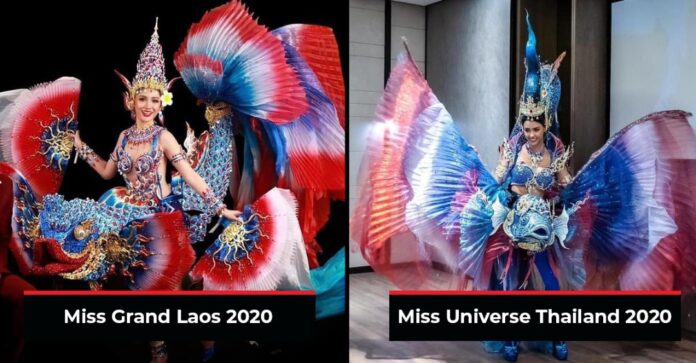
Laos and Thailand Beef over Fishy Pageant Costumes

Laos and Thailand beef over fishy pageant costumes

The national dress worn by Miss Grand Laos 200 has come under fire for its similarity to that worn as the national costume of Miss Universe Thailand 2020.

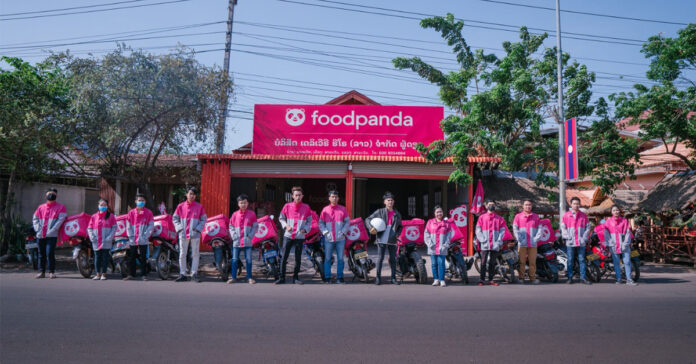
The Wait is Over! foodpanda Launches in Salavanh Province

Today, foodpanda launches their service in Salavanh District, Salavanh Province, which is the 11th province that foodpanda is providing its services to.

SGPomades Unveils Its Beautiful Website Redesign

SINGAPORE – Media OutReach – 23 March 2021 – SGPomades, a men’s grooming retailer, announced the launch of its newly redesigned sgpomades.com. The revamp allows for a more engaging user experience with enhanced navigation through a more modernistic & contemporary design.

The site’s simplified style, combined with improved optimization for all devices, informative content, and search functionality enables customers to streamline their shopping experience and make informed purchases with the brand.

“We’re proud to announce that our site has been optimized for enhanced user experience to allow our valued customers to navigate the site easily and hassle-free. On top of that, we’ve included helpful information on the various product categories like shaving cream and razor blades to help our customers make an informed decision”, said SGPomades founder, Mr Alvin Lim.

This site offers authentic high-end grooming and hairstyling products from all over the world, with many of the brands appointing SGPomades as their official distributor in Singapore.

Anyone in Singapore or Malaysia who is interested in getting their hands on these products can head over to their website for a wide selection of products at affordable prices.

“We aim to challenge the status quo of the limited men’s grooming and hair styling products from that small shelf in the corner of the drug store.”, said SGPomades founder, Mr Alvin Lim.

Why SGPomades Stands Out in The Sea of Online Retailers

As one of the leading men’s grooming retailers in South East Asia, they specialize in hair, shaving, face, and body essentials, and strive to provide quality products so that the men’s grooming regime will be an enjoyable ritual instead of a chore.

Apart from their huge online presence and wide array of highly sought-after men’s care products, SGPomades has 14 vending machines scattered all over Singapore that offer men’s grooming essentials and hair products.

“When you get customers texting you at 3 am asking if they can collect now, the vending machine idea somehow gets born. I concluded that if men are willing to drive all the way down to get a hair styling product at unearthly hours, convenience and timeliness of delivery is really important. I also made it a point to source for a vending machine that has a computer screen that is able to replicate the experience of browsing products on our website.”, said Mr Alvin Lim.

Source:https://www.slickandstyle.com/slick-talks-ep-05-interview-with-alvin-from-sgpomades/

About SGPomades

SGPomades is a men’s grooming retailer offering a comprehensive selection of the most high-end hair styling and grooming products from all over the world. They aim to challenge the status quo of the limited men’s grooming and hair styling products from that small shelf in the corner of the drug store.

Apart from being well known for being the go-to online retailer for hair products, they’ve also expanded into other men’s grooming products like face moisturizers , shaving creams , and shavers .

“I sure hope to see my business carry more than a hundred reputable brands and expand on our men’s grooming product categories. It is also in our cards to eventually own a cosmetics production factory and export our products internationally. I hope that in 5 years’ time everyone in Singapore will know of and see our company as a reputable men’s grooming retailer and level up to be like Sephora.”, said Mr Alvin Lim.

Source: https://www.slickandstyle.com/slick-talks-ep-05-interview-with-alvin-from-sgpomades/

Microsoft forecasts the Next Great Disruption as Hybrid Work

Exclusive research and expert insights reveal urgent trends for leaders to address as the next phase of work unfolds.


SINGAPORE – Media OutReach – 23 March 2021 – Microsoft Corp (NASDAQ: MSFT) (“Microsoft”) today announced the findings from its first annual Work Trend Index. Titled “The Next Great Disruption is Hybrid Work – Are We Ready?” the report uncovers seven hybrid work trends every business leader needs to know as we enter this new era of work. The report indicates that business leaders should resist the urge to see hybrid work as business as usual.

“The world is on the brink of a disruption as great as last year’s sudden shift to remote work: the move to hybrid — a blended model where some employees return to the workplace and others continue to work from home,” says Rosalind Quek, General Manager, Modern Workplace, Microsoft Asia. “Adapting to this new hybrid model will require rethinking of long-held assumptions. The choices you make today will impact your organization for years to come. It’s a moment that requires clear vision and a growth mindset. These decisions will impact everything from how you shape culture, to how you attract and retain talent, to how you can better foster collaboration and innovation.”.

The last year has fundamentally changed the nature of work and shows that we are on the cusp of workplace disruption. The study revealed the following trends among the workforce in Asia[1], Australia and New Zealand, and Japan:

  • More likely to change professional paths: 47 percent of workers in Asia are likely to consider changing employers (versus the 41 percent global average) and 56 percent are likely to consider a career change (versus the 44 percent global average). In Japan, this number is much lower, with only 38% of workers likely to consider changing employers within the year.
  • More connected with co-workers: 35 percent of workers in Asia experienced decreased interactions with co-workers (versus the 40 percent global average).
  • More free to be their authentic selves: 55 percent of remote workers in Asia and 50 percent in Australia and New Zealand say they are more likely to be their authentic selves at work compared to last year (versus the 44 percent global average).
  • More productive but exhausted and stressed: While 63 percent of workers in Japan say their productivity levels have remained the same compared to last year (versus the 40 percent global average), 48 percent of workers are feeling exhausted (versus 39 percent global average) and 45 percent feeling stressed (versus the 42 percent global average).
  • More employers prioritize work-life balance: 61 percent of workers in Australia and New Zealand think that their employer cares about their work-life balance (versus the 50 percent global average).
  • People are more likely to move now they can work remotely: 50% of remote workers in Australia and New Zealand are likely to move to a new location because they can now work remotely (versus 46% globally).

To help organizations through the transition, the 2021 Work Trend Index outlines findings from a study of more than 30,000 people in 31 countries and analyses trillions of aggregate productivity and labor signals across Microsoft 365 and LinkedIn. It also includes perspectives from experts who have studied collaboration, social capital, and space design at work for decades.

Seven global hybrid work trends every business leader needs to know

One thing is abundantly clear: Microsoft is urging businesses to recognize that work is no longer bound to traditional notions of time and space when it comes to how, when, and where we work.

  1. Flexible work is here to stay: 73 percent of workers surveyed want flexible remote work options to continue, while at the same time, 67 percent are craving more in-person time with their teams.
  2. Leaders are out of touch with employees and need a wake-up call: Research shows that 61 percent of leaders say they are thriving right now – 23 percentage points higher than those without decision making power.
  3. High productivity is masking an exhausted workforce: Fifty-four percent feel overworked. Thirty-nine percent feel exhausted. Australia and China were the only two countries where weekly meeting time didn’t triple YOY.
  4. Gen Z is at risk and will need to be re-energized: Sixty percent of this generation — those between the ages of 18 and 25 — say they are merely surviving or flat-out struggling.
  5. Shrinking networks are endangering innovation: Aggregate trends across billions of Microsoft Teams meetings and Outlook emails show interactions with our broader networks diminished with the move to remote work
  6. Authenticity will spur productivity and well-being: Coworkers leaned on each other in new ways to get through the last year. 1 in 6 (17 percent) has cried with a colleague, especially those in healthcare (23%), travel and tourism (21 percent), and education (20 percent).
  7. Talent is everywhere in a hybrid work world: Nearly half (46 percent) of those surveyed are planning to move to a new location this year, indicating that people no longer have to leave their desk, house or community to expand their career opportunities.

In addition to uncovering what’s at stake with the future of work, the Work Trend Index identifies five strategies for business leaders as they begin to make the necessary shift:

  • Create a plan to empower people for extreme flexibility
  • Invest in space and technology to bridge the physical and digital worlds
  • Combat digital exhaustion from the top
  • Prioritize rebuilding social capital and culture
  • Rethink employee experience to compete for the best and most diverse talent

“During this pandemic we’ve observed a swift acceleration of certain pre-COVID trends. But perhaps one of the most exciting trends is this rise in remote work. As opportunity is democratized with remote work and talent movement, we’ll see a spread of skills across the country and this is the time for business leaders to take the opportunity to access to different skills and talent not previously available to them.” – Karin Kimbrough, Chief Economist, LinkedIn

To view the full findings, visit Microsoft’s Worklab, a digital publication about the future of work.

[1] Surveyed countries for Asia include India, China, Hong Kong, Taiwan, Singapore, South Korea, Indonesia, Philippines, Malaysia, Thailand, and Vietnam

About WorkLab

WorkLab is a Microsoft digital publication devoted to illuminating the future of work, grounded in research and the lessons of the COVID-19 pandemic. By bringing together science-based insight and thoughtful, compelling stories on how work is changing, WorkLab’s mission is to start larger conversations about the future of work and help customers in the process.

About Microsoft

Microsoft (Nasdaq “MSFT” @microsoft) enables digital transformation for the era of an intelligent cloud and an intelligent edge. Its mission is to empower every person and every organization on the planet to achieve more.

Note to editors:

For more information, news and perspectives from Microsoft, please visit the Microsoft News Center at http://news.microsoft.com. Web links, telephone numbers and titles were correct at time of publication, but may have changed. For additional assistance, journalists and analysts may contact Microsoft’s Rapid Response Team or other appropriate contacts listed at https://news.microsoft.com/microsoft-public-relations-contacts.

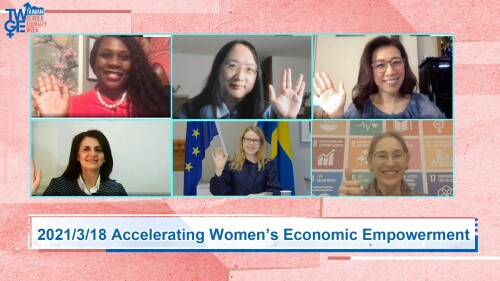
Accelerating Women’s Economic Empowerment Webinar: The post-COVID world offers new models of economic justice and empowerment for women

TAIPEI, TAIWAN – Media OutReach – 22 March 2021 – Organized by Taiwan’s Foundation for Women’s Rights Promotion and Development and the Ministry of Foreign Affairs, with support from the Taiwan Economic and Cultural Office in New York, the Accelerating Women’s Economic Empowerment Webinar, which was held on 18 March, focused on policies and programs to help women achieve equality in the post-pandemic future.

Speakers of the Accelerating Women’s Economic Empowerment Webinar.

“Women are bearing the brunt of the COIVD-19 crisis,” said Denise Scotto, vice president of the International Federation of Women in Legal Careers, as she opened on Accelerating Women’s Economic Empowerment Webinar.

However, the new models of working from home, and greater access to technology and the internet may point to how the gender divide can be bridged.

This was the message conveyed by speakers at the Accelerating Women’s Economic Empowerment webinar, which took place parallel to the United Nations’ Commission on the Status of Women and during Women’s History Month celebrations.

Headlining the event, Taiwan’s digital minister Audrey Tang discussed how to make the United Nations Sustainable Development Goal 5 on gender equality work in Taiwan.

Tang pointed out that Taiwan is the first country in Asia to legalize same-sex marriage, equal pay day has come down to February 20, and over 41% of legislators in Taiwan’s parliament are women.

Taiwan’s first transgender minister also testified that she had never suffered discrimination in her job. However, there are still areas where Taiwan has much to do. “Less than a quarter of STEM (Science, Technology, Engineering, Math) students in tertiary education are women,” said Tang.

Taiwan’s achievements in controlling the pandemic have been well documented. But one aspect that has not been widely reported is the gendered aspect to disease control.

Tang highlighted the example of a Taiwanese boy who was teased for coming to school with a pink mask when medical supplies were being rationed. The boy called the government hotline to complain, and the next day the health minister and his top officials all wore pink masks during the daily press briefing.

Tang said, “The health minister said it was fine for a boy to wear pink, and added that his favorite cartoon character was the Pink Panther.”

Technological advances are also helping level the playing field for young women, said Tang, sharing one initiative against plastic straws started by a 16-year-old Taiwanese woman. “She didn’t have to wait until she was 18 or join a political party,” said the digital minister, adding, “more and more young women and men are looking into e-participation and co-creation across sectors to create their own initiatives.”

The Swedish minister for gender equality’s state secretary Karin Strandås focused on applying a gender perspective to government policies and budgeting. “We must also focus on the role of men and boys as drivers for change,” said Strandås, “Men and boys in all their diversity must be part of transforming gender norms and inequality.”

Responding to the pandemic, Strandås said, “It is about building a better world and a better future for everyone.” Although it is possible for men to take as much parental leave as women, Sweden has yet to achieve full equality in the workplace. “Reforms are necessary for women to enter the labor markets,” said Strandås.

Strandås noted the link between economic inequality and domestic violence. “It is harder to leave a violent relationship if you are dependent on your partner,” the state secretary said.

Taiwan’s ambassador at large Lin Ching-Yi spoke about the role of women in law making. “The more female participation there is in politics, the more gender-based policy making there will be,” said Lin.

Talking about the danger women face on the frontline of the pandemic as nurses and cleaners, Lin said she was initially worried for their safety. Thankfully, Taiwan’s success in pandemic control has largely been down to gendered policy making. “All policies are based on gender equality,” said Lin, “so only ten nurses have been infected with COVID-19 in Taiwan.”

Other speakers shared their experiences in advancing women’s economic rights and independence, investing in women’s empowerment, and supporting marginalized women to earn, save money, and improve their health and wellbeing.

Algene Sajery, vice president of the Office of External Affairs at the US International Development Finance Corporation, outlined the Women’s Initiative which has catalyzed more than US$7 billion of investment in projects that are owned by women, led by women, or provide a product or service that empowers women.

Iliriana Gashi, executive director of Kosova Women 4 Women, talked about her organization’s efforts to finance women economically affected by the pandemic, working together with the government and international corporations to help women running small businesses.

Giving rights and more economic power to women is good for men too. “We are one human family, both men and women,” said Scotto, “so all of humanity is empowered by empowering women.”

Concluding the session, Lin said after the pandemic, global society will face new norms. There will be an opportunity to build different economic models through the internet or community models, and create new ways for women to participate equally.