Home Blog Page 1162

K-Beauty Goes Couture: COSRX Makes Its Haute Couture Backstage Debut with MISS SOHEE

WASHINGTON, Jan. 30, 2026 /PRNewswire/ — Global K-beauty leader COSRX continues to expand its presence on the haute couture stage as the official backstage hair sponsor for MISS SOHEE during Paris Fashion Week Haute Couture Spring/Summer 2026 on 29th January.

Backstage hair was overseen by internationally renowned hair artist Joana Neves, COSRX’s Global Hair Ambassador, whose expertise bridged the refined aesthetics of haute couture with K-beauty hair solutions proven in backstage environments.

COSRX and Global Hair Ambassador Joana Neves light up the backstage of MISS SOHEE Paris Fashion Week Haute Couture SpringSummer 2026

MISS SOHEE Backstage: COSRX Enters the Haute Couture Arena

MISS SOHEE, founded by designer Sohee Park, is a London-based haute couture house recognized for its refined craftsmanship and contemporary approach to couture. For the Spring/Summer 2026 collection, COSRX supported the show from backstage, providing performance-driven K-beauty hair solutions.

Widely regarded as one of the first occasions a K-beauty brand has supported backstage hair sponsorship within the haute couture calendar, the collaboration marks a notable moment as Korean beauty enters one of fashion’s most exclusive creative environments.

Presented under the theme “BREATHING FORMS,” the collection explored sculptural silhouettes softened by movement and fluidity — a signature approach that has established MISS SOHEE as a leading voice in contemporary couture. Since its Paris Haute Couture debut in Spring/Summer 2025, the house has rapidly gained global recognition, with designs worn by internationally celebrated figures including Anya Taylor-Joy, Beyoncé, Zendaya, Bella Hadid, and Florence Pugh.

For the show, COSRX worked alongside Joana Neves, COSRX Global Hair Ambassador, supporting the backstage hair team with its PEPTIDE-132 Hair Bonding Trio. Long dominated by European beauty houses, the haute couture backstage saw a meaningful shift through this partnership, marking a notable moment for K-beauty on the Paris couture stage.

About Joana Neves

Joana Neves is a London-based fashion hairstylist and Global Hair Ambassador for COSRX, working closely with the brand across Europe on professional education initiatives, backstage collaborations, and the development of performance-driven hair solutions for high-fashion environments. Recognized for her refined aesthetic and modern approach to hair artistry, she is a lead artist within the internationally renowned hair team led by Guido Palau, with an extensive portfolio that includes collaborations with Dior, Dolce & Gabbana, and Prada, as well as styling global icons such as Kendall Jenner, Lily Collins, and Dua Lipa.

About COSRX PEPTIDE-132 Hair Bonding Trio 

Backstage hair for the MISS SOHEE Haute Couture Spring/Summer 2026 show was supported exclusively by COSRX’s PEPTIDE-132 Hair Bonding Trio, selected by Global Hair Ambassador Joana Neves to meet the technical and aesthetic demands of a couture runway.

  • PEPTIDE-132 Ultra Perfect Hair Bonding Oil Serum
    A lightweight, high-performance bonding oil serum used to refine and finish backstage looks, delivering flexible control and couture-ready shine. Infused with patented PEPTIDE-132 to reinforce weakened areas of damaged hair.
  • PEPTIDE-132 Ultra Perfect Hair Bonding Shampoo
    A salon-grade formula that gently cleanses while strengthening compromised protein bonds, creating a balanced foundation for precision styling.
  • PEPTIDE-132 Ultra Perfect Hair Bonding Treatment
    An intensive treatment designed for mid-lengths and ends, improving softness, manageability, and resilience ahead of runway styling.

About COSRX

Founded in 2013, COSRX is a global skincare brand known for its “essentials-only” approach: highly effective ingredients, concentrated formulas, and affordable prices. Trusted by millions worldwide and powered by social media virality, COSRX has grown into one of the most influential K-beauty brands across skincare and haircare. COSRX is also on Instagram + TikTok.

Global Appeal 2026 Highlights Education as the Key to Ending Leprosy Stigma and Discrimination

–Launch Ceremony in Brussels Preceded by Royal Audience–

TOKYO, Jan. 30, 2026 /PRNewswire/ — The 2026 Global Appeal to End Stigma and Discrimination Against Persons Affected by Leprosy was launched in Brussels, Belgium on January 29 at an event co-hosted by Education International and the Sasakawa Leprosy (Hansen’s Disease) Initiative, in partnership with the Damien Foundation.

Now in its 21st year, the Global Appeal is an annual call to action aiming to mobilize different sectors of society to sign a collective pledge to eliminate the social barriers surrounding leprosy, also known as Hansen’s disease. With the participation of Education International, the global voice of teachers and education workers, this year’s appeal emphasized the transformative power of education in dispelling myths, reducing prejudice, and promoting inclusion.

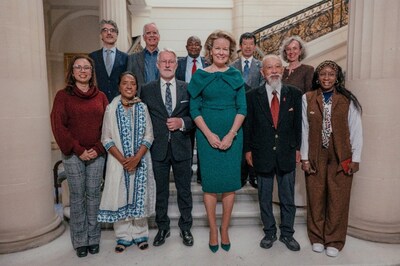
On the morning of the event, a delegation of persons affected by leprosy from Brazil, India, and Indonesia participated in a roundtable audience with Her Majesty Queen Mathilde of the Belgians at the Royal Palace in Brussels. At the launch ceremony, Dr. Jean-Pierre Baron Schenkelaars, former President of the Damien Foundation, read out a message from the Queen: “I warmly welcome the Global Appeal 2026, which unites key actors around dignity, inclusion, and the fight against leprosy-related stigma. By linking health, education, and equality, this Global Appeal reflects the spirit of the Sustainable Development Goals and deserves my full support.”

A delegation of persons affected by leprosy from Brazil, India, and Indonesia, together with other stakeholders, participated in a roundtable audience with Her Majesty Queen Mathilde of the Belgians © Palais Royal/Koninklijk Paleis – Loan Silvestre

About 80 participants attended the launch event at The Merode, which brought together persons affected by leprosy, educators, policymakers, health professionals, and civil society representatives to reaffirm a shared commitment to dignity, inclusion, and the principle of leaving no one behind.

Dr. Mugwena Maluleke, President of Education International, said, “Education International, representing over 33 million teachers and education support personnel worldwide, reaffirms its commitment to ending stigma and discrimination—including against persons affected by leprosy—through inclusive education, teacher empowerment, and the promotion of human rights and dignity for all learners.”

Mr. Takashi Kajiwara, Vice President of Education International and President of the Japan Teachers’ Union, emphasized that education empowers children to understand invisible threats, break prejudice, and grow up with zero tolerance for discrimination.

The ceremony featured several video messages, including one from Dr. Beatriz Miranda, UN Special Rapporteur on the elimination of discrimination against persons affected by leprosy and their family members. She noted that, although leprosy is curable, discrimination against those affected by the disease persists. “Ending discrimination is a matter of justice, essential for ensuring rights, social inclusion, and peace,” she said.

Another message was from Ms. Stefania Giannini, Assistant Director-General for Education at UNESCO, who said that education is one of the most powerful tools to advance dignity, equality, and social justice. “When teachers are supported and empowered, education becomes a transformative force that challenges fear and misinformation, promotes inclusion and solidarity, and ensures that no learner is left behind,” she said.

Ms. Maguette Ndiaye, Chair of the Oversight Committee of the 3rd Global Forum of People’s Organizations on Hansen’s Disease, spoke on behalf persons affected by the disease. She noted that although leprosy is curable, those who have experienced the disease continue to face stigma and discrimination. “Leprosy does not define a person,” she said, calling for awareness based on accurate information, the elimination of discrimination, and the protection of human rights, as well as collective efforts toward building an inclusive society.

Ms. Pascale Barnich, General Manager, the Damien Foundation, emphasized that “the elimination of leprosy is within reach. To achieve this, we must continue to support research in order to improve diagnosis, strengthen health systems, pursue poverty-reduction programs, and fight judgement and false beliefs that fuel stigma. Education, both here and elsewhere, is key: it can either reinforce exclusion or help build societies where differences are a strength and a force for a fairer world.”

Mr. Yohei Sasakawa, WHO Goodwill Ambassador for Leprosy Elimination, drawing on decades of field visits, emphasized the importance of access to education and the awareness that education brings. He said it was necessary to ensure that children and families affected by leprosy can attend school without barriers, and that communities, teachers, and students are equipped with accurate knowledge to dispel myths and prevent discrimination. “Education is essential to breaking the cycle of poverty and stigma, empowering affected individuals, and building inclusive societies,” he said.

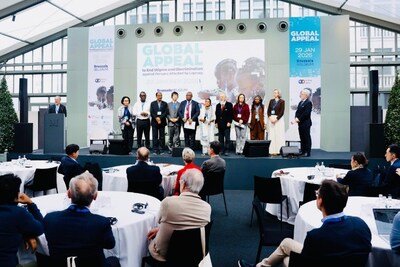
At the conclusion of the ceremony, the Global Appeal 2026 declaration was read aloud by Ms. Bimla Kujur, a person affected by leprosy from India, together with Dr. Mugwena Maluleke. The declaration highlights the role of education in breaking the cycle of stigma and discrimination, promoting knowledge and empathy, ensuring inclusion, and empowering teachers and students to safeguard human rights.

Ms. Bimla Kujur, representing persons affected by leprosy, reads the Global Appeal 2026 declaration together with Dr. Mugwena Maluleke, President of Education International.

Two special seminars followed the launch ceremony. Special Seminar 1: Perspectives from the Field, facilitated by Dr. Takahiro Nanri, Sasakawa Leprosy (Hansen’s Disease) Initiative, featured updates on the global leprosy situation and a dialogue with teachers’ union leaders from leprosy-endemic countries and persons affected by leprosy.

Special Seminar 2: Unlocking Education’s Power to End Leprosy-Related Stigma and Discrimination, facilitated by Dr. David Edwards, General Secretary of Education International, was a multi-stakeholder dialogue including representatives from UNESCO, the Damien Foundation, VVOB – education for development, and persons affected by leprosy from Brazil.

Dr. Nanri closed the event by reaffirming the central role of education: “Today, we confirmed one thing: education is the key. To end discrimination and share the truth about leprosy, we must harness the transformative power of education. Today is not the goal but the starting point for our work to eliminate discrimination once and for all.”

About leprosy
Leprosy, also known as Hansen’s disease, is an infectious disease that primarily affects the skin and peripheral nerves. In 2024, 172,717 new cases were reported worldwide. Although leprosy is curable, delayed diagnosis and treatment can result in permanent disability. Beyond the physical toll, many people who have experienced leprosy continue to face deep-seated stigma and systemic discrimination, which prevents them from participating fully in society.

About Sasakawa Leprosy (Hansen’s Disease) Initiative
The Sasakawa Leprosy (Hansen’s Disease) Initiative is a strategic alliance of WHO Goodwill Ambassador Yohei Sasakawa, the Sasakawa Health Foundation, and The Nippon Foundation for achieving a world without leprosy and problems related to the disease. Since 1975, the Initiative has contributed over US$200 million to support national leprosy programs through the WHO. It is also committed to empowering persons affected by leprosy and their organizations. The Initiative has played a key role in raising leprosy as a human rights issue at the UN, resulting in several resolutions to eliminate discrimination against persons affected by leprosy and their families.

About Education International
Education International is the Global Union Federation that brings together organizations of teachers and other education employees from across the world. Through our 375 member organizations, we represent more than 33 million teachers and education support personnel in 180 countries and territories.

About Damien Foundation
Damien Foundation is a Belgian medical non-profit organization that works to support people with tuberculosis and skin-related neglected tropical diseases such as leprosy and leishmaniasis.

For over 60 years, we have shared this expertise in the area of public health by building solid partnerships wherever we go, to support vulnerable populations and help advance research.

We work to strengthen healthcare systems in support of, and at the request of, the national authorities of 13 countries.

Our mission is to provide equal access to robust health services throughout the world including Belgium, ensuring that no one suffers or dies from diseases that can be prevented and cured.


WESTWELL Secured One of the Largest Orders for 60 Intelligent Container Tractors Equipped with Integrated Smart-Solution Battery-Swapping Station from WESTPORTS, One of ASEAN’s Mega Transhipment Hubs

Tweet Summary: WESTWELL secures another strategic port logistics victory in ASEAN!

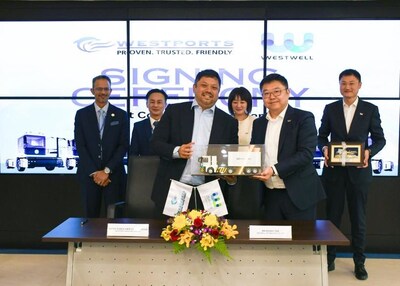
HONG KONG, Jan. 30, 2026 /PRNewswire/ — WESTWELL has recently signed a partnership project cooperation agreement with Westports Malaysia Sdn Bhd (WESTPORTS), Malaysia’s largest gateway container terminal with the country’s longest linear wharf, to deploy 60 of our self-developed E-Truck, intelligent, connected, new-energy heavy-duty trucks, and integrated with our PowerOnair battery swap stations at their terminal. This collaboration marked a new milestone in our partnership with WESTPORTS and will accelerate and facilitate WESTPORTS’s green transformation while also propelling WESTWELL’s next phase of intelligent logistics development in Southeast Asia.

Signing Ceremony
Signing Ceremony

WESTPORTS is Malaysia’s largest gateway container terminal and the largest port in Port Klang, strategically located along the Straits of Malacca with easy access to the Klang Valley, the largest hinterland in that country. With more than half its container volume consisting of transhipment boxes, it also plays a pivotal role in ASEAN and regional trade. In addition to being one of the three key mega transhipment hubs in Southeast Asia, WESTPORTS is also Malaysia’s largest bulk cargo port, handling various types of bulk cargoes and accommodating roll-on/roll-off (Ro-Ro) shipments.

WESTPORTS has a container terminal expansion plan that will eventually increase its annual container handling capacity from 14 million to 27 million TEUs per annum, thus further strengthening WESTPORTS’ position as Malaysia’s largest gateway port, a key regional mega transhipment hub, and contributing towards Port Klang being ranked as among the world’s top ten container ports. The expansion project also reinforces the strategic importance of boosting trade and logistics efficiency within Southeast Asia.

WESTWELL has established a long-standing partnership with WESTPORTS. In 2022, WESTPORTS commissioned WESTWELL’s flagship, self-developed Q-Truck autonomous truck, into service. In September 2024, WESTWELL was honoured to be recognised as the “Best Automation Equipment Partner” at WESTPORTS’ 30th Anniversary Gala Dinner, which was held in conjunction with the terminal’s groundbreaking ceremony for its expansion project. Now, the acquisition by WESTPORTS of 60 of WESTWELL’s self-developed E-Truck in a single order will further solidify the collaboration between the two companies.

WESTPORTS is an ESG-award-winning company and, to further its decarbonisation journey and green transformation initiative, the terminal has selected WESTWELL to implement a comprehensive deployment of 60 intelligently connected new-energy heavy-duty trucks (E-Trucks), equipped with PowerOnair battery-swapping systems, and the CSS charging management solutions.

WESTWELL’s E-Trucks will spearhead WESTPORTS’ gradual shift to electrify its fleet of terminal trucks, leveraging the former’s integrated smart solution with intelligent scheduling to crystallise its ambition to build an efficient, low-carbon-intensity, and cost-efficient port ecosystem.

The E-Truck features pure electric propulsion with a 282kWh high-capacity battery, capable of having an operating range of 150 kilometers. Unlike traditional diesel-powered units, the E-Truck will navigate the terminal with zero tailpipe emissions and low noise. Its direct-drive motor design and integrated thermal management system enhance transmission efficiency while significantly reducing energy consumption.

The PowerOnair smart battery-swap station serves as an energy charging hub, enabling a fully automated, 5-minute battery swap to mitigate heavy-duty truck downtime and enhance fleet operational efficiency. It also coordinates with the CSS Charging Scheduling Management System to optimize vehicle charging sequences. WESTWELL’s simulation results have demonstrated that its CSS charging scheduling also reduces the required number of charging requirements and waiting times, thereby improving the overall fleet deployment efficiency and operational uptime.

WESTWELL has committed to WESTPORTS that its collaboration ensured the deployment of complete vehicular equipment, proprietary system solutions, and localized end-to-end services throughout the entire lifecycle of the E-Truck — including maintenance, spare parts inventory, and system upgrades to ensure long-term, stable operation of all equipment and systems.

Datuk Ruben Emir Gnanalingam, the Executive Chairman of WESTPORTS, shared that, “WESTWELL has been our strategic partner throughout WESTPORTS’ terminal truck transformation journey. The deployment of 60 E-Trucks and smart energy solutions, coupled with its innovative technologies, will significantly enhance the terminal’s operational efficiency while reducing our carbon emission intensity. The E-Truck also supports and paves the way towards achieving our ambition of having a fully electrified expanded container terminal from CT10 to CT17, thereby marking an important milestone in our and Port Klang’s decarbonisation journey.”

Kenny Tan, Founder and Chairman of WESTWELL, stated: “WESTWELL highly values the strategic partnership with WESTPORTS. We are committed to bringing cutting-edge innovative technologies to port operations, with artificial intelligence and new energy as our core technologies, to develop more efficient and tailored logistics solutions for clients’ business scenarios. Additionally, through localized operational models, we have established a local maintenance team and parts center to ensure long-term project sustainability, fully supporting the intelligent and green transformation of ports.”

WESTWELL has been actively involved in the development of WESTPORTS’ terminal trucking requirements. This collaboration marked a new milestone in WESTPORTS’ decarbonisation and operational efficiency upgrade. Looking ahead, WESTWELL will continue to leverage advanced technology to help WESTPORTS establish an intelligent, green, sustainable, and energy-efficient container terminal ecosystem. WESTWELL will also drive the development of a smart logistics ecosystem solution in Southeast Asia and globally, thereby contributing to a sustainable future of the global logistics industry.

Beyond The Meeting Room: Aloft Surabaya Pakuwon City Strengthens Its MICE Offering Through Interactive Meeting Experiences

SURABAYA, Indonesia, Jan. 30, 2026 /PRNewswire/ — As the Meetings, Incentives, Conventions, and Exhibitions (MICE) sector continues to recover and the demand for productive yet inspiring meeting spaces increases, Aloft Surabaya Pakuwon City introduces its latest meeting offering. This new concept combines a stylish atmosphere, comprehensive facilities, and curated culinary experiences designed to elevate the quality of business meetings.

foyer meeting room area

This meeting offering is created to respond to the 2026 MICE trend that emphasizes experience-driven meetings—where business gatherings go beyond formal agendas and focus on engaging participants while encouraging collaboration. Every meeting at Aloft Surabaya is supported by complete facilities, including an LCD projector and screen, flipchart, microphone, and stationery, as well as Marriott Bonvoy Event Points that can be redeemed for complimentary stays or room upgrades—adding extra value to event planning.

As a key differentiator, Aloft Surabaya introduces the “Meet, Mingle & Sizzle” concept. With a minimum of 50 participants, organizers automatically receive a complimentary live cooking station featuring a variety of Asian, Indonesian, and Western dishes. Guests can watch the cooking process live, interact directly with the chefs, and enjoy fresher, more personalized dishes. This live cooking concept not only enhances the atmosphere but also delivers a distinctive experience compared to a standard buffet. Offerings such as live noodle or pasta stations provide strong visual appeal alongside exceptional flavors.

“At Aloft, we believe that meetings should be more than just rooms and agendas—they should be experiences that inspire connection, collaboration, and renewed energy,” said Reza Aryawarman, Multi-Property General Manager of Aloft Surabaya Pakuwon City.

“Through this interactive meeting concept, we bring Aloft’s ‘Different by Design’ approach to life. Meeting formats are designed to be more dynamic, relevant, and lifestyle-driven, ensuring that every gathering feels more vibrant, engaging, and meaningful for participants.”

Aloft Surabaya features seven modern-designed ‘Tactic’ meeting rooms with a total capacity of up to 430 participants. Spanning 489 square meters, the venue offers high ceilings, a spacious pre-function area, bright color palettes, and interactive elements such as a claw machine that guests can enjoy.

Strategically located in East Surabaya near industrial areas and with easy access to the Suramadu Bridge, Aloft Surabaya Pakuwon City is the only Marriott brand in the area, making it a top choice for corporate, government, and local business communities. This interactive meeting experience initiative is part of Aloft Surabaya’s strategy to strengthen the contribution of the MICE segment toward the hotel’s sustainable business growth. Meeting bookings are now open via www.aloftsurabayapakuwoncity.com.

About Aloft Hotels®

With over 230 hotels now open in 33 countries and territories around the world, Aloft Hotels provides a forward-thinking hotel experience that helps guests enjoy the things they love while on the road. From gaming to cocktails and pet-friendly amenities, the brand offers flexibility with modern, welcoming spaces that encourage social interaction. The grab-and-go breakfast concept Re: fuel by Aloft® includes offerings such as cold brew coffee and breakfast sandwiches, while the W xyz bar features a vibrant social scene, unique music-inspired cocktail menu, and easy-to-share light bites. The brand’s pet-friendly program, ArfSM (Animals R Fun), welcomes guests’ furry friends to the hotel with special in-room pet amenities. Aloft connects people and places through local know-how and cultural nods that give guests the ultimate freedom to choose their own adventure. For more information, visit www.alofthotels.com and follow along on Facebook, X, and Instagram. Aloft is proud to participate in Marriott Bonvoy®, the global travel program from Marriott International. The program offers members an extraordinary portfolio of global brands, exclusive experiences on Marriott Bonvoy Moments, and unparalleled benefits, including free nights and Elite status recognition. To enroll for free or for more information about the program, visit marriottbonvoy.com.

About Marriott Bonvoy®  

Marriott Bonvoy, Marriott International’s award-winning travel platform, connects travelers to the people, places, and passions they love through an extraordinary collection of hotels and experiences worldwide. The platform features over 30 hotel brands and 10,000 destinations, including the largest collection of luxury offerings, distinctive boutique properties, premium home rentals, and more, providing renowned hospitality across the globe. With unrivaled access to the best in entertainment, culinary, sports, outdoor adventure, arts, culture, and more, Marriott Bonvoy offers transformative travel experiences that leave a lasting impression. 

Marriott Bonvoy membership is free and unlocks unique benefits, including the ability to earn points through travel and everyday activities, like purchases with co-branded credit cards. Members can redeem their points for free stays, experiences, and more. Visit marriottbonvoy.com for more information and download the Marriott Bonvoy app here. Travelers can connect with Marriott Bonvoy on Instagram, TikTok, YouTube, and Facebook

Vidu Showcases “China Speed” in Advancing AI Video Into Production at Global Creativity Week

SINGAPORE, Jan. 30, 2026 /PRNewswire/ — ShengShu Technology, a global leader in multimodal generative AI, unveiled a series of major upgrades to its AI video platform, Vidu, during its week-long Global Creativity Week, underscoring its push to move AI video from experimentation into large-scale production use.

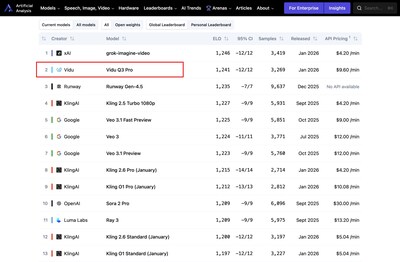
The releases are led by Vidu Q3, the industry’s first long-form AI video model to deliver native audio and video generation in a single output. Designed for narrative production, Q3 integrates sound and visuals directly at the model level, marking a shift from silent visual generation to fully synchronized storytelling. In the latest rankings released by the AI benchmarking authority Artificial Analysis, Vidu Q3 ranked No.1 in China and No.2 globally. The model placed ahead of several leading international video generation platforms, positioning Vidu among the world’s top-tier solutions.


Alongside Q3, the company introduced Vidu Q2 Reference-to-Video Pro, the world’s first video model where anything can serve as a reference. By expanding AI video from one-shot generation into structured reference-driven workflows, Q2 Pro enables greater control, consistency, and production efficiency. Reference Hub 2.0 and an upgraded Vidu Agent further extend the platform into an integrated production system designed for professional creators and enterprise teams.

At a time when global debate continues over whether AI breakthroughs are translating into sustainable productivity, Vidu’s strategy reflects what it calls “China Speed” — the rapid conversion of frontier research into deployable systems embedded directly into production workflows.

“Advanced AI only matters when it creates measurable productivity,” said Yihang Luo, CEO of ShengShu Technology. “Our focus is not just model capability, but how quickly that capability becomes usable in daily production.”

From AI Capability to AI Productivity: First-of-Its-Kind Production Breakthroughs

During Global Creativity Week, Vidu unveiled a tightly integrated suite of upgrades aimed at transforming AI video from experimental capability into production-ready infrastructure.

Vidu Q2 Reference-to-Video Pro marks a decisive step toward controllable creation. As the world’s first video model where anything can serve as a reference, it supports two video references and four image references within a unified workflow. Creators can combine inputs across people, scenes, actions, expressions, effects, and textures, then add, remove, or modify elements without regenerating an entire sequence. By shifting from one-shot generation to reference-driven editing, Q2 Pro turns AI video into an iterative, collaborative tool suitable for professional production environments where revision speed and consistency matter.

Building for storytelling, Vidu Q3 advances synchronized audio-video generation directly at the model level. It is the industry’s first long-form AI video generation model to support up to 16 seconds of native audio-video output in a single pass. Sound and vision are generated together directly from the model, delivering synchronized output in high definition. Q3 supports multilingual voice generation, precise lip synchronization, cinematic camera control, seamless shot transitions, and native 1080p rendering, with text generated as part of the visual composition rather than added in post-production. These capabilities position Q3 for animation, short drama, film production, and other narrative-driven formats.

Vidu also introduced Reference Hub, the world’s first AI video subject-based creation community. Built on Vidu’s reference-driven video generation framework, it enables creators to select from eight structured subject categories to produce professional-grade videos with greater consistency and efficiency. At launch, more than 200 curated subjects are available across camera movement, composition, narrative structure, visual style, scene design, character performance, abilities, and mood. By standardizing and modularizing visual elements, the platform lowers the barrier to high-quality output while enabling scalable creative asset reuse — introducing a new paradigm for AI-powered video creation.

To further streamline production workflows, Vidu Agent 1.0 enables one-click video creation powered by intelligent planning and real-time generation. The upgraded agent supports custom background music uploads, narration removal, and storyboard-based editing, reducing coordination complexity and accelerating end-to-end production.

Research Depth, Engineering Speed

Vidu’s rapid product cadence reflects ShengShu Technology’s engineering-driven approach. Its earlier U-ViT architecture pioneered the integration of diffusion and transformer frameworks, laying an early foundation for modern video generation models. In late 2025, the company co-released TurboDiffusion with Tsinghua University’s TSAIL Lab, significantly accelerating inference up to 200 times while maintaining generation quality.

Over the past year, Vidu has rolled out successive model upgrades, achieving benchmark-leading performance in text-to-video generation and expanding high-consistency reference-based creation. These advances culminate in the reference-driven precision of Q2 Pro and the native audio-video integration of Q3.

Expanding Global Adoption

Since launching in April 2024, Vidu has expanded to users in more than 200 countries and regions, serving over 40 million creators and more than 10,000 developers and enterprise customers. More than 500 million videos have been generated on the platform, with commercial projects accounting for over 70 percent of total output.

Across industries, creative platforms such as PhotoGrid have embedded Vidu’s capabilities into their core offerings. AI workflow platform Pollo AI applied Vidu’s image-to-audio-video system to address long-standing synchronization challenges. Production teams have used Vidu in long-form narrative projects, while fashion brand Odin deployed the technology to power AI-driven virtual try-on experiences.

“AI becomes meaningful when it is used at scale in real workflows,” Luo said. “Global Creativity Week is another step in transforming AI video innovation into practical creative infrastructure.”

BIGO Ads Enhances IAA Traffic Quality and Transparency Through Deepened Partnership with Pixalate

SINGAPORE, Jan. 30, 2026 /PRNewswire/ — To tackle the growing challenges of traffic authenticity in the mobile advertising industry, BIGO Ads, AI-powered programmatic advertising platform under JOYY Inc. (NASDAQ: JOYY), announced an expanded partnership, with Pixalate, a global leader in ad fraud traffic monitoring.

This strategic partnership aims to comprehensively enhance the governance of BIGO Ads’ In-App Advertising (IAA) ecosystem, strengthen authenticity verification, optimize risk filtering mechanisms, and jointly promote a more transparent, trustworthy, and reliable mobile advertising environment.


Ad Fraud on the Rise: IAA Ecosystem Faces Growing Authenticity Threats

As the mobile advertising ecosystem continues to grow, invalid traffic (IVT) is becoming more sophisticated and harder to detect. Fraud tactics—ranging from app bundle spoofing to increasingly concealed automated scripts and emulator activity—are blurring the line between legitimate and invalid user behavior. Limited transparency across parts of the long-tail supply chain further intensifies these challenges for the In-App Advertising (IAA) ecosystem.

With global IAA investment continuing to rise, advertisers and platforms increasingly require stronger and resilient traffic quality governance frameworks to ensure high standards of traffic authenticity, supply chain transparency, and brand safety. In this context, Pixalate’s MRC-certified IVT (Invalid Traffic) detection capabilities and data system equip mobile advertising platforms and advertisers with precise traffic monitoring and risk-filtering tools, enabling them to effectively combat invalid traffic and achieve sustainable growth.

Setting a New Benchmark for Mobile Advertising Authenticity and Transparency

To address the growing challenges around traffic authenticity in the In-App Advertising (IAA) ecosystem, BIGO Ads has strengthened its partnership with Pixalate, a global leader in ad traffic validation and privacy compliance.

By integrating Pixalate’s MRC-accredited measurement capabilities and Invalid Traffic (IVT) intelligence, BIGO Ads is enhancing traffic governance across three key areas, including anomalous behavior detection—identifying abnormal device signals, automated activity, and irregular click or impression patterns to ensure ads reach real users and genuine engagement; high-risk app and bundle identification, verifying apps, Bundle IDs, and App Store identifiers using Pixalate’s CTV & Mobile Bundle Intelligence, reducing exposure to spoofed inventory and fraudulent traffic sources; and advanced device and traffic source risk assessment, applying real-time risk models to dynamically filter high-risk IPs, devices, SSAI sources, and abnormal transaction paths, helping advertisers maintain spend efficiency and traffic quality at scale.

Delivering Measurable Value Across the IAA Ecosystem

Through the continued implementation of the Traffic Quality Enhancement Program, BIGO Ads is making measurable progress in strengthening its traffic governance framework, delivering tangible benefits across the mobile advertising ecosystem, including cleaner, more authentic traffic with reduced impact from invalid activity; lower media waste and improved ROI driven by higher-quality conversions; enhanced brand safety and buying confidence supported by greater supply chain transparency; and more stable and sustainable monetization for developers, enabling long-term ecosystem growth.

Authenticity and transparency have become critical to the sustainable growth of the global mobile advertising industry,” said Eden Liu, Global Head of Business at BIGO Ads. “Through our deepened partnership with Pixalate, we are strengthening traffic quality governance to provide advertisers with a more reliable and transparent advertising environment, while supporting developers in building a healthier IAA monetization ecosystem.”

Avlin Ling, VP of APAC at Pixalate, added: “With the rollout of the Traffic Quality Enhancement Program, we look forward to work closely with industry leaders to build a mobile advertising ecosystem that is trustworthy, transparent, and stable. Our collaboration with BIGO Ads raises the bar for traffic quality standards and helps guide the industry toward healthier, more sustainable growth.”

Kazia Therapeutics Announces Compelling Preclinical and Translational Data for Nuclear PD-L1 Degrader (NDL2)

Data identify nuclear PD-L1 as a previously unaddressed driver of immunotherapy resistance and metastatic progression

SYDNEY, Jan. 30, 2026 /PRNewswire/ — Kazia Therapeutics (NASDAQ: KZIA), an oncology-focused pharmaceutical company developing novel therapies for difficult-to-treat cancers, today announced compelling preclinical and translational data supporting the development of NDL2, a potentially first-in-class protein degrader that is designed to selectively eliminate nuclear PD-L1, a previously unrecognized intracellular driver of immunotherapy resistance and metastatic progression that is not addressed by currently approved PD-1/PD-L1 antibodies. Across multiple preclinical models and patient-derived samples, NDL2 demonstrated reversal of immune exhaustion, suppression of metastatic biology, and enhanced anti-tumor activity, including in combination with anti-PD-1 therapy. By applying targeted protein degradation to one of the most clinically validated targets in oncology (PD-L1), Kazia aims to address a fundamental limitation of current immunotherapies while advancing a program aligned with growing strategic interest in protein degraders.

The data were generated by Professor Sudha Rao and her team at QIMR Berghofer and collectively support nuclear PD-L1 as a mechanistically distinct and therapeutically actionable driver of immune evasion, disease progression, and metastasis.

Key Highlights

Potentially first-in-class Nuclear PD-L1 degrader: Targets a newly discovered epigenetically regulated intracellular PD-L1 species driving immune evasion, metastasis, and resistance to checkpoint inhibitors.

Clear mechanistic differentiation: Unlike PD-1/PD-L1 antibodies that block extracellular signalling, NDL2 is designed to target nuclear PD-L1 proteins that are linked to aggressive and therapeutically resistant mesenchymal and stem-like cancer phenotypes.

In murine triple-negative breast cancer (TNBC) preclinical models, NDL2 reduced primary tumor volume by 49% as monotherapy and 73% in combination with anti-PD-1, with 50% reduction in lung metastases in the combination setting.

Favorable preclinical safety and pharmacokinetics (PK) profile: No observed toxicity, no hemolysis, preserved immune checkpoint function at the cell surface, and favorable plasma stability.

Nuclear PD-L1: A Newly Identified Driver of Resistance and Metastasis

Despite the transformative impact of immune checkpoint inhibitors, most solid tumors develop primary or acquired resistance, frequently accompanied by metastatic progression. Kazia’s collaborators identified nuclear PD-L1 as a transcriptionally active regulator that promotes:

Epithelial (benign) to Mesenchymal (aggressive) Transition (EMT)

Cancer stem-like phenotypes

Metastatic dissemination

Immune exhaustion and evasion

Nuclear PD-L1 was shown to be enriched in immunotherapy-resistant tumor cells, metastatic lesions, and circulating tumor cells (CTCs), and to regulate gene programs associated with invasion, survival, and immune suppression. Importantly, this intracellular PD-L1 pool is not addressed by existing PD-1/PD-L1 antibodies, representing a previously inaccessible resistance mechanism.

Robust Translational and Liquid Biopsy Evidence

Using an advanced epigenetic digital pathology and liquid biopsy platform, researchers demonstrated that:

Nuclear PD-L1 is selectively enriched in resistant and metastatic tumors, including TNBC, melanoma, non-small cell lung cancer (NSCLC), and colorectal cancer.

Distinct nuclear versus cytoplasmic PD-L1 post-translational modification states can be reliably quantified in circulating tumor cells.

Longitudinal liquid biopsy analysis showed that reductions in nuclear PD-L1 preceded radiographic tumor responses, supporting its potential utility as an early predictive biomarker of treatment benefit.

These findings support a precision-guided development strategy, integrating therapy and diagnostics from the outset.

Immune Reprogramming and Anti-Metastatic Activity

Spatial transcriptomic and proteomic profiling revealed that NDL2 treatment was able to drive a coordinated shift toward a less aggressive tumor state and a more active anti-tumor immune response in preclinical models, including:

Suppressed aggressive mesenchymal phenotype and metastasis-associated gene programs (including VIM, ZEB1, FN1);

Reduced oncogenic PI3K/AKT and MAPK signalling;

Increased intratumoral CD8+ cytotoxic T-cell infiltration and Granzyme B expression; and

Reduced markers of T-cell exhaustion, including TIM-3 and LAG-3.

In combination with anti-PD-1 therapy, these effects translated into meaningful reductions in metastatic burden in the preclinical models evaluated, supporting the potential of NDL2 to address one of the most significant limitations of current immunotherapies.

Strategic Validation: Protein Degradation as a High-Value Oncology Modality

Targeted protein degradation has emerged as a strategically important area of innovation in oncology, with large pharmaceutical companies increasingly prioritizing degrader-based approaches to address therapeutic resistance and intracellular targets not readily accessible through conventional modalities. Importantly, recent strategic acquisitions and collaborations in this space have been predominantly focused on research-stage and preclinical programs, reinforcing the industry’s willingness to invest meaningfully in degrader technologies well ahead of clinical proof-of-concept.

Against this backdrop, NDL2 uniquely combines an innovative approach with one of the most clinically validated targets in oncology. PD-L1 underpins multiple FDA-approved therapies across numerous tumor types and indications globally. By selectively degrading the nuclear, resistance-associated form of PD-L1, Kazia’s approach applies a novel and differentiated mechanism to a well-established biological pathway, positioning the program favorably for future strategic partnerships and long-term value creation.

Development Pathway and Outlook

NDL2 is a bicyclic peptide-based degrader, a modality that combines the selectivity of biologics with the tissue penetration, manufacturability, and pharmacokinetic advantages of small molecules. Future development of the program is supported by scalable synthetic manufacturing, favorable stability and PK characteristics, and absence of off-target nuclear effects observed to date.

Initial clinical development is expected to prioritize immunotherapy-refractory solid tumors where PD-L1 biology, metastatic progression, and resistance to immune checkpoint inhibitors are well established. Based on the underlying mechanism and preclinical data, these may include triple-negative breast cancer and melanoma, with potential expansion into larger PD-1/PD-L1-treated populations such as lung and colorectal cancers.

Kazia and its collaborators are advancing IND-enabling studies, with the objective of initiating first-in-human clinical trials in 2027, subject to regulatory review.

Kazia also plans to present elements of this dataset at an upcoming oncology-focused scientific meeting in the second quarter of 2026, where additional details on the underlying biology, translational findings, and therapeutic rationale for nuclear PD-L1 degradation are expected to be shared. Further program updates, including expanded preclinical and translational insights, are expected to be included in the Company’s next corporate presentation update scheduled for the first quarter 2026.

“The pharmaceutical industry is clearly signalling that targeted protein degradation represents a transformational opportunity in oncology,” said Dr. John Friend, M.D., Chief Executive Officer of Kazia Therapeutics. “Recent high-profile acquisitions of preclinical protein degrader programs underscore the strategic value being placed on this modality. What differentiates NDL2 is that we are applying protein degradation to PD-L1 as one of the most clinically validated targets in cancer, while addressing a resistance mechanism not reached by existing therapies.  Unlike programs focused on narrow biology, PD-L1 protein degraders offers multiple shots on goal across tumor types and treatment settings, which we believe creates a broad strategic partnering opportunity.”

For investor and media, please contact Mike Moyer, Managing Director LifeSci Advisors LLC, mmoyer@lifesciadvisors, +1-617-308-4306.

About Kazia Therapeutics

Kazia Therapeutics Limited (NASDAQ: KZIA) is an oncology-focused drug development company, based in Sydney, Australia. Our lead program is paxalisib, an investigational brain penetrant inhibitor of the PI3K / Akt / mTOR pathway, which is being developed to treat multiple forms of cancer. Licensed from Genentech in late 2016, paxalisib is or has been the subject of ten clinical trials in this disease. A completed Phase 2/3 study in glioblastoma (GBM-Agile) was reported in 2024, and discussions are ongoing for designing and executing a pivotal registrational study in pursuit of a standard approval. Other clinical trials involving paxalisib are ongoing in advanced breast cancer, brain metastases, diffuse midline gliomas, and primary central nervous system lymphoma, with several of these trials having reported encouraging interim data. Paxalisib was granted Orphan Drug Designation for glioblastoma by the U.S. Food and Drug Administration (FDA) in February 2018, and Fast Track Designation (FTD) for glioblastoma by the FDA in August 2020. Paxalisib was also granted FTD in July 2023 for the treatment of solid tumor brain metastases harboring PI3K pathway mutations in combination with radiation therapy. In addition, paxalisib was granted Rare Pediatric Disease Designation and Orphan Drug Designation by the FDA for diffuse intrinsic pontine glioma in August 2020, and for atypical teratoid / rhabdoid tumors in June 2022 and July 2022, respectively. Kazia is also developing EVT801, a small molecule inhibitor of VEGFR3, which was licensed from Evotec SE in April 2021. Preclinical data has shown EVT801 to be active against a broad range of tumor types and has provided evidence of synergy with immuno-oncology agents. In addition to its clinical-stage programs, Kazia is advancing NDL2, a potentially first-in-class nuclear PD-L1 protein degrader program targeting a newly identified mechanism of immunotherapy resistance and metastatic progression, currently in preclinical development. For more information, please visit www.kaziatherapeutics.com or follow us on X @KaziaTx.

Forward-Looking Statements

This announcement may contain forward-looking statements, which can generally be identified as such by the use of words such as “may,” “will,” “estimate,” “future,” “forward,” “anticipate,” or other similar words. Any statement describing Kazia’s future plans, strategies, intentions, expectations, objectives, goals or prospects, and other statements that are not historical facts, are also forward looking statements, including, but not limited to, statements regarding: the ability to address fundamental limitations of current immunotherapies, the potential benefits of NDL2 and the plans and goals of developing NDL2 formulation, the anticipated development pathways and combinations of NDL2, including potentially initiating first-in-human clinical trials in 2027, subject to regulatory review ,the timing for results and data related to Kazia’s clinical and preclinical trials, including presenting the NDL2 data sets in the second quarter of 2026 and the timing for further NDL2 program updated in the first quarter of 2026, Kazia’s strategy and plans, timing for any regulatory submissions or discussions with regulatory agencies and the potential market opportunity and collaborations opportunities for NDL2. Such statements are based on Kazia’s current expectations and projections about future events and future trends affecting its business and are subject to certain risks and uncertainties that could cause actual results to differ materially from those anticipated in the forward-looking statements, including risks and uncertainties associated with clinical and preclinical trials and product development, including the risk that interim or early data may not be consistent with final data, risks related to regulatory approvals, risks related to the impact of global economic conditions, and risks related to Kazia’s ability to regain and/or maintain compliance with the applicable Nasdaq continued listing requirements and standards. These and other risks and uncertainties are described more fully in Kazia’s Annual Report, filed on form 20-F with the SEC, and in subsequent filings with the United States Securities and Exchange Commission. Kazia undertakes no obligation to publicly update any forward-looking statement, whether as a result of new information, future events, or otherwise, except as required under applicable law. You should not place undue reliance on these forward-looking statements, which apply only as of the date of this announcement.


Chinese brand BanmeGo introduces a LEGO-style smart unmanned delivery solution designed to revolutionize industry efficiency

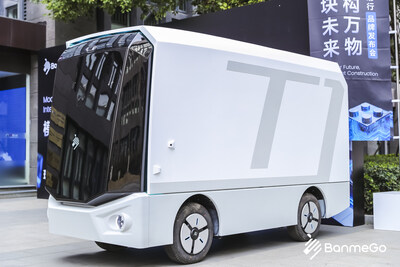
SHANGHAI, Jan. 30, 2026 /PRNewswire/ — BanmeGo, a Chinese unmanned delivery brand, made its debut in Shanghai with the launch of its first smart delivery robot, the BanmeGo T6, designed for the era of embodied intelligence. Guided by the philosophy of “open ecosystem, efficient deployment, efficient and collaborative win-win,” BanmeGo is committed to providing global partners with a comprehensive suite of scenario-adaptive, modular (“LEGO-like”) product and technology solutions, working together to lower barriers to intelligent transformation across industries.

BanmeGo T6
BanmeGo T6

Engineered for complex urban delivery scenarios, the T6 features a 6m³ cargo compartment with an optimized layout that significantly improves single-trip load efficiency. Its chassis meets automotive-grade standards, ensuring safe and reliable operation across diverse road conditions. Utilizing standardized interface protocols, the T6 can flexibly adapt to various operational environments such as logistics parks, public roads, and factory floors. On the intelligence side, the robot is equipped with the self-developed “Smartware 2.0” middleware and a 550 TOPS computing platform. The system is equipped with redundant sensors to ensure data accuracy and reliable perception, while supporting OTA updates for capability evolution.

Guided by a pragmatic and open design approach, the BanmeGo team focuses on creating delivery robots with high adaptability. This means ensuring out-of-the-box usability and open standards, coupled with advanced embodied intelligence algorithms that support iterative capability evolution through software updates.

Alongside the product launch, the company unveiled a strategic technology ecosystem roadmap. The phased plan starts by building a core engineering foundation of robots and cloud infrastructure. It then accelerates algorithmic intelligence through an integrated “vehicle-based end-to-end large model + cloud-based agent” framework, enabling sophisticated operations in complex scenarios. The final phase focuses on multidimensional expansion—across physical forms of embodied intelligence, scenarios, and markets—to catalyze exponential industrial value creation.