HONG KONG, June 8, 2026 /PRNewswire/ — Today, Clear Robotics, a Hong Kong founded maritime technology company, announced that it closed a $1.75 million USD Pre-Series A funding round to scale its commercially proven fleet of AI-enabled autonomous vessels globally.
Led by maritime-focused Shipsfocus Ventures, the round signals strong industry validation and includes significant follow-on investments from Katapult Ocean, SGInnovate, M7 Holdings MGS Ventures, and other strategic partners.
The company operates a fleet of 26 all-electric, AI-optimized unmanned surface vessels (USVs) that solve critical maritime infrastructure challenges. By utilizing AI for autonomous navigation and data analytics, Clear Robotics ensures high operational efficiency without manual intervention.
The capital injection will accelerate Clear Robotics’ strategic expansion into Southeast Asia, India, and the Middle East. Funds will drive the development of larger unmanned vessels, advance R&D for automated port surveying, and scale proprietary commercial retrofit technology, preparing for open-ocean operations.
Clear Robotics has a strong track record and reputation in this sector- winning the Pier71 Smart Port Challenge in 2024 and the Captain’s Table in 2022. Over the past year they have expanded to keystone markets such as Singapore, Malaysia and the Philippines – where President Marcos recently launched their pilot vessels for a major waterfront inauguration.
“This funding is a critical catalyst, accelerating our path toward becoming a comprehensive solution for operations and creating the world’s largest fleet of unmanned ships,” said Sidhant Gupta, Co-Founder and CEO of Clear Robotics.
“This new capital allows us to expand our engineering team, accelerate our R&D into automated port surveying, and build the next generation of larger vessel classes,” said Utkarsh Goel, Co-Founder and CTO of Clear Robotics.
“Clear Robotics is building a reliable, scalable operating system for the essential middle of the maritime sector. Sidhant and his team prioritize practical deployment over lab demos, iterating in real-world conditions. Execution is their true moat, and we led this round because they are building the infrastructure for the next era of maritime work,” said Chye Poh Chua, Managing Partner at Shipsfocus Ventures.
About CLEAR ROBOTICS
Founded in 2020 by Sidhant Gupta and Utkarsh Goel, Clear Robotics is a Hong Kong founded maritime technology company pioneering integrated, all-electric unmanned vessel technology and autonomous retrofit solutions. They provide autonomous, zero-emission solutions for critical infrastructure needs—such as pollution recovery and marine surveillance, with advanced AI-driven surveying in development—to make autonomous shipping safe, sustainable, and commercially viable.
SAN MATEO/HANOI – Media OutReach Newswire – 8 June 2026 – VinDynamics, a robotics technology company within Vingroup, and Skild AI, a company developing foundation models for robotics, today announced the signing of a strategic Memorandum of Understanding (MOU) to collaborate on humanoid robotics and embodied AI. The move marks another step in VinDynamics’ strategy to accelerate humanoid robotics development through global collaboration and advanced technology partnerships.
Representatives of VinDynamics and Skild AI at the signing ceremony of a Memorandum of Understanding (MoU) in San Mateo, California, USA.
Under the MOU, the collaboration will focus on embodied AI research, robot manipulation, sim-to-real transfer, edge AI deployment, and validation of humanoid systems in real-world environments. Both companies will also explore opportunities to integrate The Skild Brain, Skild AI’s omnibodied AI software, into VinDynamics’ humanoid robots. The Skild Brain runs directly on robotic hardware and enhances the adaptability, efficiency, and reliability of humanoid systems in practical applications.
Additional areas under discussion may include knowledge exchange related to robot intelligence and real-world deployment, as well as potential cooperation in software, model, and hardware development, alongside the potential manufacturing of humanoid robots at scale.
The partnership brings together VinDynamics’ robotics engineering, manufacturing capabilities, and real-world deployment ecosystem with Skild AI’s foundation model technology. Together, the companies aim to accelerate the development and deployment of humanoid robots capable of operating in complex and dynamic environments, while supporting growing demand for intelligent robotic systems across industries including manufacturing, logistics, hospitality, and commercial services.
Prof. La Manh Hung, President, VinDynamics, said: “This partnership represents an important step for VinDynamics as we continue building scalable humanoid robotics platforms for real-world deployment. Skild AI brings the most exciting advances in embodied AI today. Combined with our robotics platform and manufacturing capabilities, we believe this partnership can accelerate the deployment of humanoid robots in complex environments.”
Mr. Deepak Pathak, Co-Founder and CEO of Skild AI, said: “The future of robotics depends on combining scalable physical systems with adaptable, general-purpose intelligence. VinDynamics brings strong engineering capabilities, manufacturing scale, and access to real-world deployment environments through the Vingroup ecosystem. We are excited to work together to advance embodied AI for practical applications.”
Established in September 2025, VinDynamics is a pioneering company in the field of humanoid robotics within Vingroup. The company is dedicated to developing versatile, human-centric robots capable of seamless integration into everyday life, with the scalability to support global deployment.
Hashtag: #VinDynamics
The issuer is solely responsible for the content of this announcement.
About VinDynamics
VinDynamics is a technology company under Vingroup, dedicated to the research, development, and manufacturing of advanced robotics and automation solutions, particularly in the field of humanoid robots. Leveraging cutting-edge technologies such as artificial intelligence, mechatronics, and motion control, VinDynamics aims to deliver intelligent, safe, and cost-effective robotic products that enhance productivity and improve quality of life.
Founded in 2023, Skild AI builds a general-purpose foundation model for robotics. Backed by SoftBank Group, NVIDIA Ventures, Jeff Bezos, Lightspeed, Coatue, Sequoia Capital, Felicis, and others, the company is valued at over $14 billion. Offices in Pittsburgh, the San Francisco Bay Area, and Bengaluru.
Most surveyed technology leaders are accountable for systems they don’t fully control
Only 11% of respondents say they’re completely prepared for the scale of AI agent deployment
Organizations that design control into their AI systems achieve significantly stronger performance outcomes.
ARMONK, N.Y., June 8, 2026 /PRNewswire/ — A new IBM (NYSE: IBM) Institute for Business Value study reveals that as AI moves from experimentation to enterprise-wide deployment, two-thirds of surveyed CIOs and CTOs report being held accountable for AI systems they do not fully control, while governance struggles to keep pace at scale.
C-level technology executives study.
The global study* of 2,000 C-level technology executives (tech CxOs) finds that the lack of visibility is widespread. The majority of surveyed executives (70%) say teams across the business are deploying technology faster than IT can track.
At the same time, technology leaders face growing pressure to scale AI faster, even as many lack the structures to support it. By 2027, surveyed tech CxOs anticipate a 38% increase in the number of AI agents deployed. While 80% of respondents report CEO-driven AI transformation mandates, only 11% believe they are fully ready for the scale of AI agent deployment expected in the next year. Governance is also falling behind, with 77% of organizations surveyed reporting AI adoption is already outpacing current governance capabilities.
“For CIOs and CTOs, the challenge now is scaling AI systems that operate continuously and autonomously, often within governance models and architectures designed for a far slower, more predictable environment,” said Matt Lyteson, CIO, IBM. “It is no longer just about deploying AI faster. It’s redesigning how organizations control, govern and invest in it and embedding control and visibility from the start, so they can scale with confidence.”
As AI scales, operational and security risks are growing
Analysis shows that in organizations relying on manual governance, incident risk increases as AI adoption scales, whereas those that embed control directly into their AI systems experience 25% fewer incidents.
Most (59%) of tech CxOs surveyed cite security and compliance concerns as top barriers to scaling AI agents.
Surveyed organizations experienced an average of 54 AI agent incidents last year, in which an unintended and/or harmful occurrence required human correction.
According to respondents, 17% of those AI agent incidents reported were high severity, requiring more than four hours to contain:
37% resulted in data exposure or security breaches
33% caused cascading system failures
17% triggered compliance issues
Organizations that redesign AI control and investment see stronger outcomes
AI spend is projected to grow from just under 15% of IT budgets in 2025 to nearly 25% by 2027 – a 71% increase in two years, raising the stakes for CIOs and CTOs.
Yet, 84% of tech CxOs have not fully operationalized AI financial management, and 85% still lack full visibility into real-time AI spend.
Analysis finds that organizations that build control into their AI systems:
deploy 16x more AI agents than those relying on manual governance
deliver 18% higher operating margins
spend 4x less of their AI budget
Analysis shows organizations with strong financial discipline:
deploy 2.4x more AI agents with no higher AI/IT budget
are 3x more likely to say they are fully prepared for AI scale
Surveyed organizations that designed for adaptability early – keeping workloads portable and models replaceable rather than locked into hard dependencies – reported a 10% higher return on AI investment in 2025.
The study also features executive perspectives on how technology leaders are adapting to the complexities of scaling AI across the enterprise. See quote addendum below.
*Study Methodology The IBM Institute for Business Value, in cooperation with Oxford Economics, surveyed 2,000 senior executives responsible for their organization’s IT, technology, or AI-related decision-making across 33 geographies and 19 industries from January to April 2026. The survey was designed to gather insights on how organizations are managing the financial, operational, and governance challenges associated with scaling AI. Additional analysis was conducted to identify organizations that have built the structural capabilities to scale AI effectively by segmenting organizations based on preparedness and efficiency and assessing governance maturity.
The IBM Institute for Business Value, IBM’s thought leadership think tank, combines global research and performance data with expertise from industry thinkers and leading academics to deliver insights that make business leaders smarter. For more world-class thought leadership, visit: www.ibm.com/ibv. To receive more insights, subscribe to the IdeaWatch newsletter: https://ibm.co/ibv-ideawatch.
About IBM IBM is a leading provider of global hybrid cloud and AI, and consulting expertise. We help clients in more than 175 countries capitalize on insights from their data, streamline business processes, reduce costs and gain the competitive edge in their industries. Thousands of government and corporate entities in critical infrastructure areas such as financial services, telecommunications and healthcare rely on IBM’s hybrid cloud platform and Red Hat OpenShift to affect their digital transformations quickly, efficiently and securely. IBM’s breakthrough innovations in AI, quantum computing, industry-specific cloud solutions and consulting deliver open and flexible options to our clients. All of this is backed by IBM’s long-standing commitment to trust, transparency, responsibility, inclusivity, and service. Visit www.ibm.com for more information.
Media Contact Marisa Conway IBM Corporate Communications conwaym@us.ibm.com
Executive Perspectives:
“AI has both a light side and a dark side. While most focus on the opportunities, it also introduces new vulnerabilities, and many organizations are more exposed than they realize.” – Victoria Medina, Chief Technology and Data Officer, Allianz Spain, Spain
“We design modular architectures so components can evolve as technology advances, without breaking the overall system. That approach allows us to absorb rapid innovation while supporting products with decades-long lifecycles.” – Boris Alexandre, Head of ARP Programme, Airbus, Canada
“It’s like flying a plane at 10,000 feet, being told to climb to 12,000, replace both engines mid-flight and ensure zero turbulence. No one would choose to pilot that plane – but that’s exactly what companies are doing today.” – Afonso Eça, Executive Board Member, Banco BPI, Spain
“My role isn’t to generate every transformative idea. It’s to build the foundation that allows smarter people across the organization to bring those ideas to life.” – Chad Jones, CIO, Baylor Scott & White Health, United States
“The goal isn’t to eliminate shadow IT—it’s to create visibility and a partnership, so teams can get help when they need it without slowing down.” – Chris Pesola, CIO, Roush, United States
“We don’t know who’s going to win or lose over the next five years. So we’re keeping AI models plug-and-play, ready to adapt if the landscape shifts.” – Dalton Gouws, Group IT Director and Board Member, VWG UK Ltd, United Kingdom
Partnership with the Countries’ Largest Tech Parks to Propel “Hub-to-Hub” Collaborations Supporting HK and Chinese Mainland Enterprises to Tap Central Asian Markets
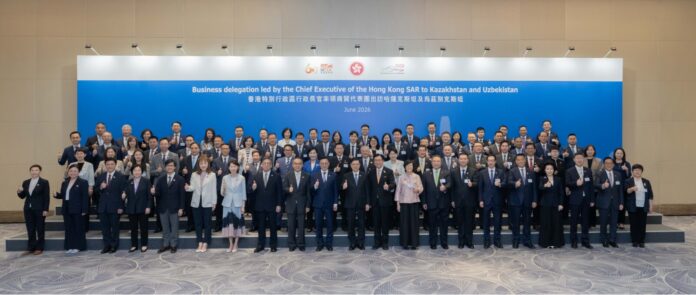
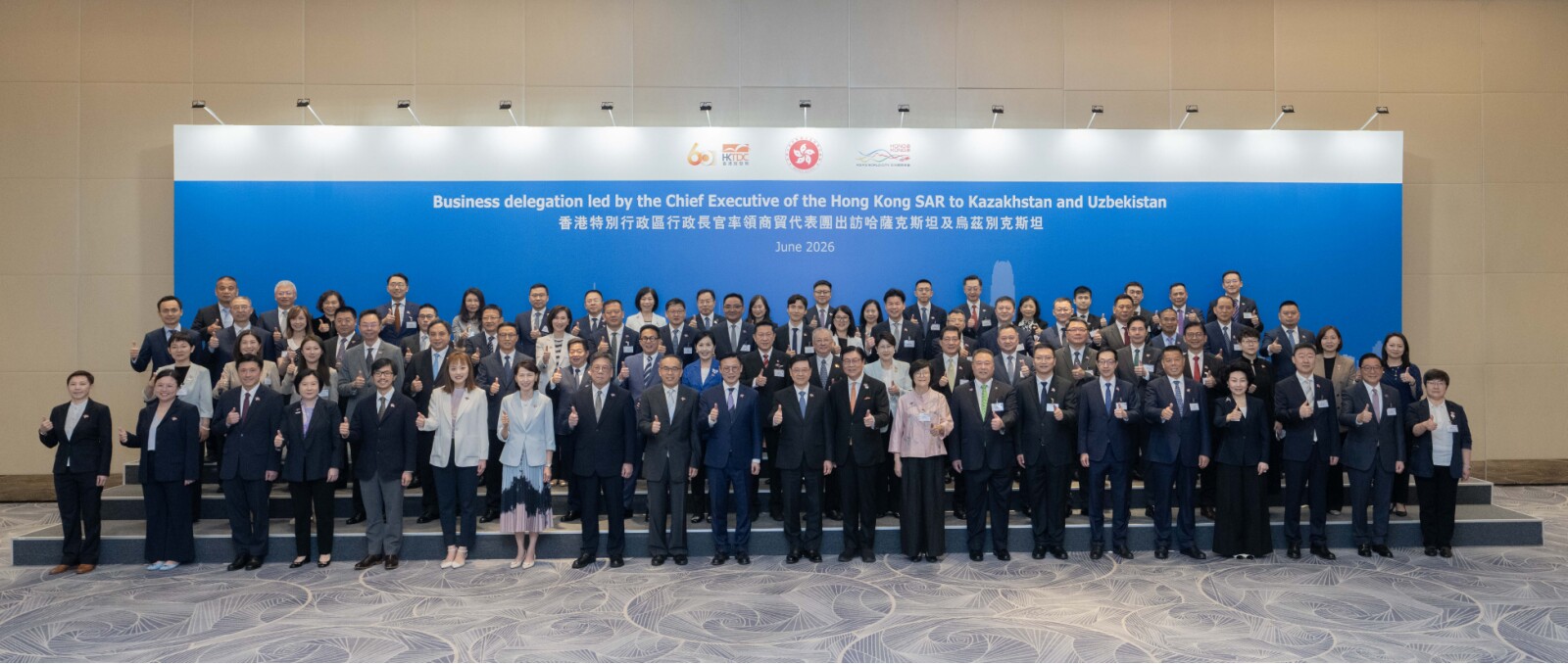
HONG KONG SAR – Media OutReach Newswire – 8 June 2026 – Simon Chan, Chairman of Cyberport, joined the business delegation led by Chief Executive John Lee, on a visit to Kazakhstan and Uzbekistan from 1 to 5 June 2026 to strengthen innovation technology (IT), economic and trade cooperation between Hong Kong and the Central Asia. During the visit, Cyberport signed Memoranda of Understanding (MoUs) with leading technology organisations in both Kazakhstan and Uzbekistan, establishing strategic partnerships with the two countries’ key innovation and technology platforms and promoting “hub-to-hub” collaboration to jointly capture opportunities in emerging markets.
Simon Chan, Chairman of Cyberport, joined the business delegation led by Chief Executive John Lee on a visit to Kazakhstan and Uzbekistan from 1 to 5 June 2026. During the trip, he visited local enterprises and infrastructure projects to explore collaboration opportunities and lay a strong foundation for long-term cooperation.
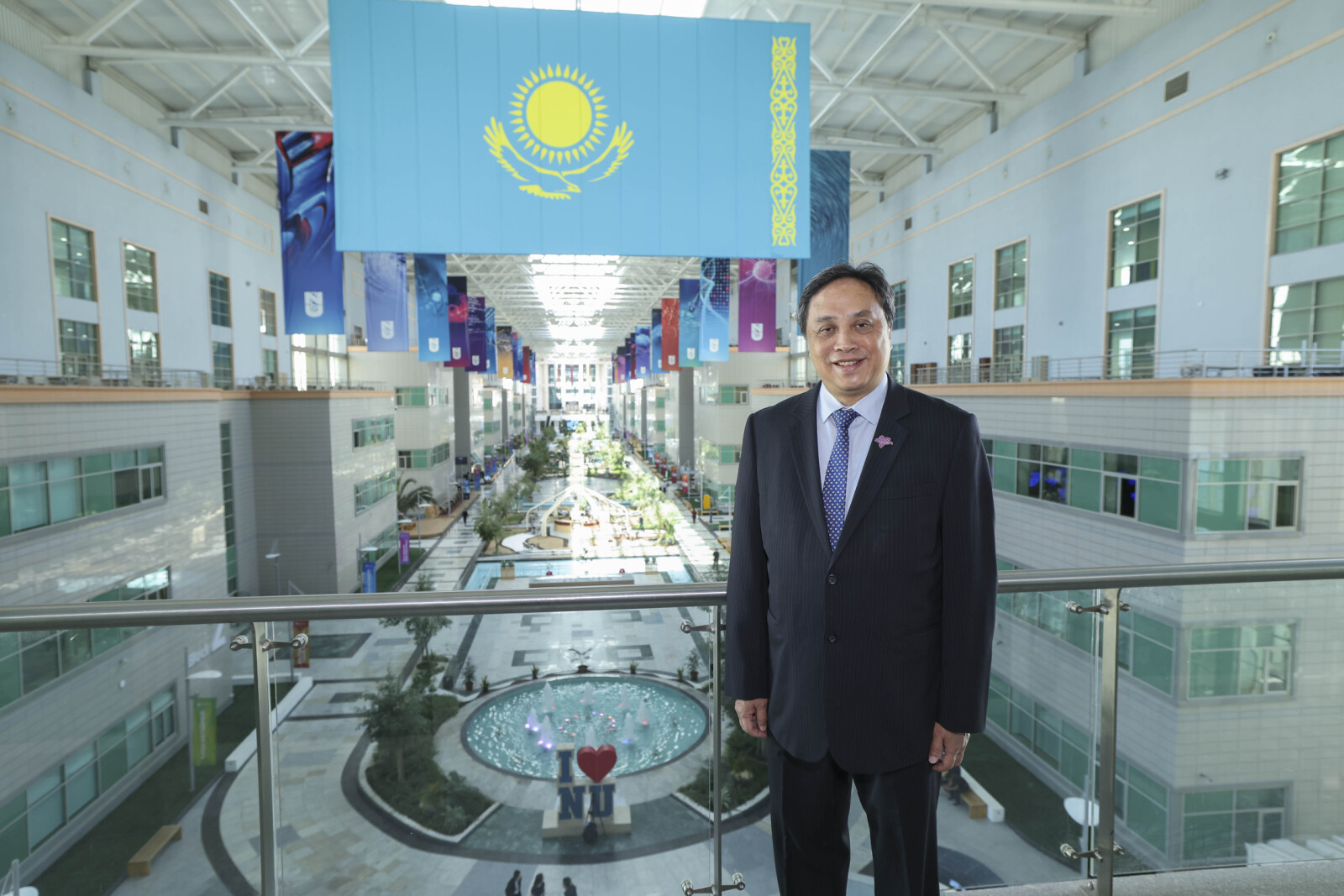
As part of the programme, Simon Chan, Chairman of Cyberport, met with key innovation and technology stakeholders in both countries. He visited the Astana Hub, a local technology and innovation park in Kazakhstan, including its Artificial Intelligence Supercomputing Centre, to gain deeper insights into the latest developments in artificial intelligence and digital infrastructure in the region. He also visited IT Park Uzbekistan to learn more about the country’s rapidly growing digital economy ecosystem, and to explore opportunities for deeper collaboration in innovation and technology development, talent cultivation and market expansion. These engagements further strengthened Hong Kong’s exchanges with Central Asia and supported the development of closer cross-regional collaboration in innovation and technology.
Simon Chan, Chairman of Cyberport, said, “Central Asia is a strategically important market under the Belt and Road Initiative. Both Kazakhstan and Uzbekistan are actively advancing digital transformation, digital upgrading and technological innovation. From national artificial intelligence development blueprints to large-scale digital infrastructure projects, both countries have demonstrated strong growth momentum, a pressing demand for cutting-edge innovation and technology solutions, and immense market potential.
As Hong Kong’s digital technology hub and AI accelerator, Cyberport is home to over 2,300 companies, including 18 listed companies with a combined market capitalisation of over HK$500 billion, as well as 9 unicorns with a total valuation exceeding HK$150 billion. Its innovation ecosystem spans areas such as AI, data science, fintech, digital assets and blockchain, cybersecurity, smart living, and digital entertainment. This aligns closely with Central Asia’s demand for technological innovation, creating extensive opportunities for collaboration through complementary strengths. Cyberport has also established partnerships with Astana Hub and IT Park Uzbekistan to actively promote bilateral business expansion, deepen ties between Hong Kong and Central Asia in innovation and technology, finance and trade, and support enterprises from Hong Kong and the Mainland in jointly expanding into high-potential emerging markets.
Leveraging Hong Kong’s unique role as a ‘super-connector’ and ‘super value-adder’, Cyberport will continue to support Hong Kong and Mainland enterprises in expanding into Belt and Road and international markets. At the same time, we will actively attract Central Asian companies to establish a presence in Hong Kong, injecting fresh momentum into the development of the digital economy and smart cities across the three regions, and further strengthening Hong Kong’s position as an international innovation and technology centre and a leading AI hub.”
Simon Chan, Chairman of Cyberport, said, “Central Asia is a strategically important market under the Belt and Road Initiative. Both Kazakhstan and Uzbekistan are actively advancing digital transformation, digital upgrading and technological innovation. Cyberport has established partnerships with Kazakhstan Astana Hub and IT Park Uzbekistan to actively promote bilateral business expansion, deepen ties between Hong Kong and Central Asia in innovation and technology, finance and trade, and support enterprises from Hong Kong and the Mainland in jointly expanding into high-potential emerging markets.”
Signs MoUs with the Countries’ Largest Tech Parks Leveraging “Hub-to-Hub” Collaboration Advantages
Among them was a Memorandum of Understanding (MoU) signed on 1 June 2026 between Cyberport and Autonomous Cluster Fund “Astana Hub” (Astana Hub) of Kazakhstan, the largest international innovation cluster in Central Eurasia. Astana Hub is currently home to more than 1,800 IT companies, including over 450 international members, generating a collective income of US$3.9 billion. It has established a comprehensive innovation ecosystem that provides acceleration programmes, supports technological business incubation, offers educational initiatives, and hosts a wide range of industry events. This strategic partnership aims to promote technology transfer, support tech companies in areas such as AI, fintech, smart city solutions and Web 3, and facilitate overseas expansion and global market access for innovation and technology companies from both regions.
On 1 June, Cyberport signed a Memorandum of Understanding (MoU) with Autonomous Cluster Fund “Astana Hub” of Kazakhstan, with key objectives to promote technology transfer and the development of innovation and technology ecosystems, support technology enterprises in expanding into overseas markets, and establish a collaborative partnership between the two innovation ecosystems.
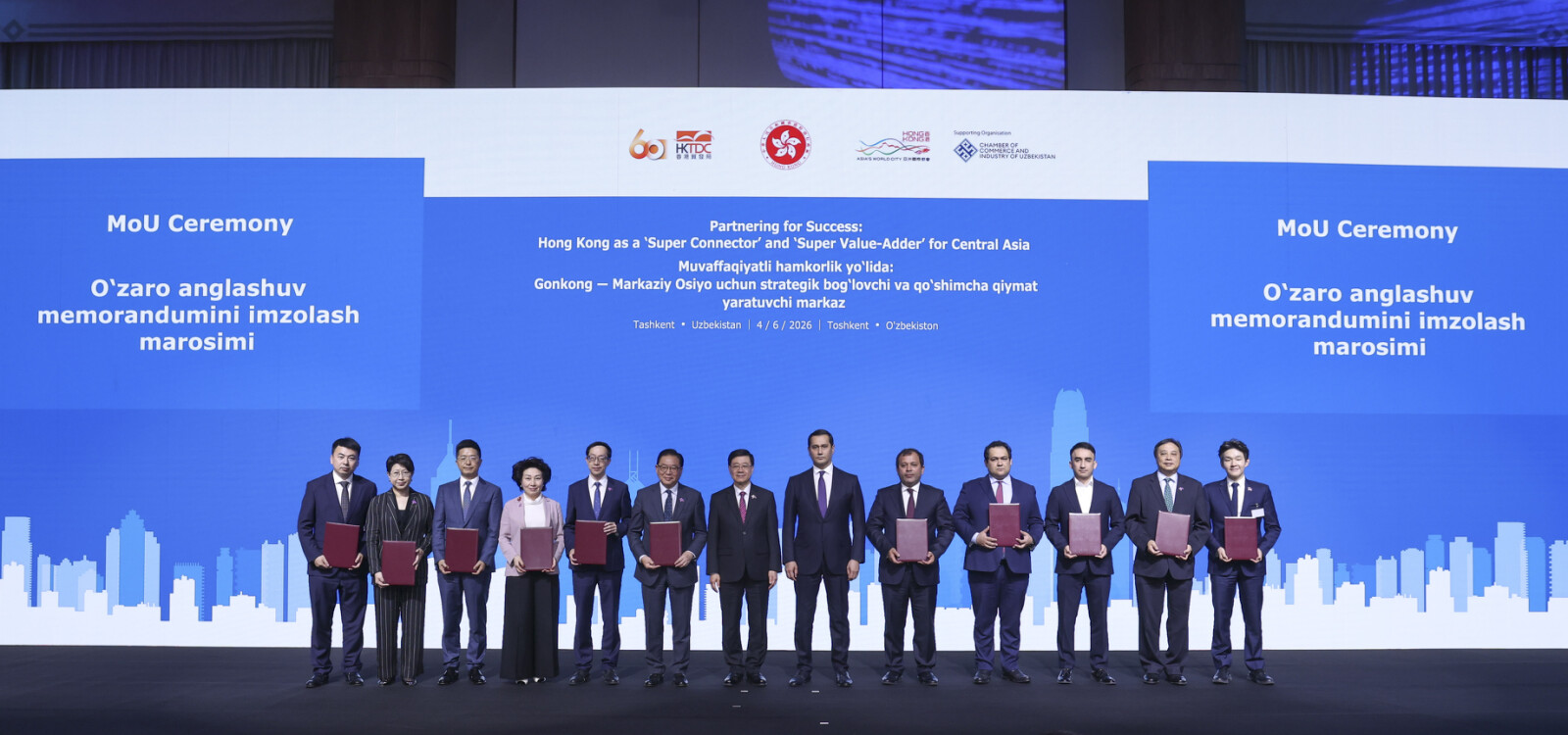
Another key highlight of the delegation was the signing of a Memorandum of Understanding (MoU) on 4 June 2026 between Cyberport and The Administration of Technology Park of Software and IT (IT Park) of Uzbekistan, a national IT ecosystem operator dedicated to advancing the country’s digital industry development. IT Park Uzbekistan is a government-supported technology hub and one of the largest tech parks in Central Asia, with more than 2,800 member companies spanning IT services, software development, game development, creative industries and education. The MoU focuses on providing mutual soft-landing support, infrastructure access and regulatory incentives to facilitate technology companies’ expansion between Hong Kong and Central Asian markets, while fostering deeper collaboration in innovation and technology development between the two regions.
On 4 June, Cyberport and the Administration of Technology Park of Software and IT (IT Park) of Uzbekistan signed a Memorandum of Understanding (MoU). The MoU focuses on providing mutual soft-landing support, infrastructure access and regulatory incentives to facilitate technology companies’ expansion between Hong Kong and Central Asian markets, while fostering deeper collaboration in innovation and technology development between the two regions.
As an ideal gateway for Central Asian technology companies seeking to expand into East and Southeast Asia, Cyberport leverages Hong Kong’s international business environment and robust regulatory framework, together with its extensive network of enterprises, investors, technology companies, professional service providers and industry partners. This enables Cyberport to serve as a strategic base for Central Asian enterprises looking to access the Mainland, ASEAN, Asia-Pacific and global markets, accelerating their commercialisation journey and transforming innovative solutions into tangible business collaborations and investment opportunities.
At the same time, Cyberport companies can leverage the two leading technology parks in Central Asia as launchpads into emerging markets, bringing technology solutions from Hong Kong such as artificial intelligence, fintech and smart city technologies to support the region’s digital economy and smart city development. These collaborations will further enrich the innovation and technology ecosystems of both regions. Cyberport has been actively supporting local enterprises in establishing and expanding their presence in Central Asian market. Cyberport’s community is also highly international, with founders of one-third of its onsite companies coming from 27 countries and regions, while Cyberport companies have expanded into more than 35 global markets.
Cyberport received delegations from Kazakhstan and Uzbekistan to Cyberport for exchanges in tech innovation and entrepreneurship over the past year, laying foundations for cross-regional partnerships and collaborations. Cyberport will continue to align with the national 15th Five-Year Plan and support the HKSAR Government’s development strategies by strengthening ties with emerging markets and innovation and technology hubs along the Belt and Road. As a vital bridge between Hong Kong and Central Asia, Cyberport facilitates cross-regional exchanges and collaboration, helping local enterprises capture global business opportunities while simultaneously attracting outstanding overseas technology talent and leading enterprises to establish a presence in Hong Kong. These efforts will inject diversified momentum into Hong Kong’s economy and further reinforce the city’s position as an international innovation and technology hub.
Hashtag: #Cyberport
The issuer is solely responsible for the content of this announcement.
About Hong Kong Cyberport
Wholly owned by the Hong Kong Special Administrative Region (HKSAR) Government, Cyberport is Hong Kong’s digital tech hub and AI accelerator, with a vision to empower industry digitalisation and intelligent transformation, to promote digital economy and AI development, and to foster Hong Kong to be an international AI, innovation and technology (I&T) hub. Cyberport gathers over 2,300 companies, including 18 listed companies and 9 unicorns. One-third of onsite companies’ founders come from 27 countries and regions, while Cyberport companies have expanded to over 35 global markets.
Cyberport, with Hong Kong’s largest AI Supercomputing Centre and AI Lab as the engine, has been building the AI ecosystem with industry-leading AI companies and over 500 AI and data science start-ups. Through development of tech clusters, namely AI, data science, blockchain and cybersecurity, Cyberport empowers industries across smart city and government, banking and finance, digital entertainment, culture and tourism, healthcare, education and training, property management, construction, transportation and logistics, green environment and more, while hosting Hong Kong’s largest FinTech community. Commissioned by the HKSAR Government, Cyberport has implemented proof-of-concept and sandbox schemes, subsidisation for digital tech adoption, industry tech training and start-up incubation, to drive technology R&D, translation and commercialisation, thus propelling digital transformation and intelligent upgrade across industry and society.
Also as “State-level Scientific and Technological Enterprise Incubator” and Hong Kong’s key incubator, Cyberport supports entrepreneurs with funding and office space, extensive networks of enterprises, investors, technology corporations and professional services for business growth and expansion to Chinese Mainland and overseas markets, all-round facilitation for landing in Hong Kong, talent attraction and cultivation, ready as a launchpad to take start-ups in any stages of development to the next level.
Prime Minister of Laos, Sonexay Siphandone, sent a letter of gratitude to Thai Prime Minister Anutin Charnvirakul, expressing his appreciation for Thailand’s support in the search and rescue operation at a flooded cave in Xaysomboun Province.
In the letter, dated 7 June, Sonexay said that on behalf of the Government and the people of Laos, he wished to express sincere gratitude to the Government of Thailand for authorizing the Saithan Thailand Association, the Metta Tham Kalasin Rescue Unit, and the Sawang Sivilay Rescue Unit to assist in the rescue of seven Lao citizens trapped in a cave in Longchaeng District following heavy rainfall.
He noted that the Lao government highly valued the timely assistance and tireless efforts of the Thai rescue teams, who had worked alongside Lao units and international experts from 24 May onward.
Sonexay added that five of the trapped individuals had been successfully rescued and that efforts to locate the remaining two missing persons were continuing.
The letter was sent as Sonexay departed for an official visit to Vietnam, scheduled from 7 to 9 June.
Seven Villagers in Xaysomboun Cave
Flash floods trapped seven men inside the cave on 20 May.
Rescue teams found five survivors on 27 May and spent days pumping out floodwater while delivering food, medicine, and essential supplies. They brought the first survivor out on 29 May and rescued the remaining four on 30 May, despite repeated setbacks caused by heavy rain.
On 6 June, rescue teams suspended operations inside the partially flooded cave after they detected signs of a possible collapse at the entrance, raising serious safety concerns.
Despite more than 10 days of intensive searches, they have not located the two remaining villagers, who entered the cave separately.
Before leaving, rescuers placed food, drinking water, and emergency supplies at several points inside the cave in case the missing villagers were still alive.
HOOFDDORP, Netherlands, June 8, 2026 /PRNewswire/ — EZVIZ, a world-leading smart home brand, announced to enter a new chapter of its EZVIZ Green Initiative by expanding environmental protection with two multi-year projects. Under the theme “Clean. Conserve. Coexist.”, the brand is launching a green advocacy week across the World Environment Day and World Oceans Day to engage partners and users in larger joint actions. By combining calls for climate resilience and ocean protection, EZVIZ responds to environmental issues with a larger proposition of sustainable coexistence between humans and nature.
EZVIZ launches a Green Advocacy Week to kick off its upgraded joint project in the new collaborative year with Treedom and Plastic Bank.
“In the new phase, EZVIZ Green eyes on ecological vitality that benefits both people and other creatures,” said Joanne Cao, EZVIZ Board Secretary and Director of the ESG Committee. Highlighting its year-long projects with Treedom, a world-leading tree planting platform, and Plastic Bank, a global pioneer in ocean protection, EZVIZ tries to involve local communities more deeply to balance environmental protection with economic value. This aligns with the United Nations’ appeal to repair the relationship between humans and the planet. By building a positive cycle where people can gain from a vital ecosystem, it helps shape sustainability that endures over time, fulfilling its role as the participant in the UNGC and contributing to the SDGs.
“Like humans, all creatures are stakeholders of this planet,” said Cao. “With our Green Initiative, we aim to help create healthy ecosystems where nature and people complement each other.”
The EZVIZ Green upgrade drives change from land to sea through partnerships with Treedom and Plastic Bank. With Treedom, EZVIZ supports local farmers in planting trees, integrating agriculture with forestry across 11 countries. Estimated to reduce more than 738.2 tons of CO₂ in the next decade at the current scale, the growing global forest is expected to exceed 6,000 trees by 2027, further improving food security and economic development. In the new collaborative year, forest cover will extend to more regions across Southeast Asia, South America, and Africa, focusing on vital ecological areas like Ecuador to offset climate change.
Through Plastic Bank, EZVIZ helps combat plastic pollution by engaging collectors worldwide to gather bottles for additional income. To date, it has enabled the recycling of 1,000,000 bottles, prevented 20,000 kg of plastic from polluting water, and empowered collectors from 29 communities with exchanged social benefits. This year, EZVIZ concentrates on Southeast Asia, home to one of the world’s longest coastal archipelagos, to implement more careful and systematic plastic recycling, creating leverage to boost marine biodiversity and economic stability.
As part of the Initiative, EZVIZ also synergizes external cooperation with internal practices to amplify its impact. It strives for green innovation and launched the 4G battery camera family this year, which minimizes energy consumption without compromising safety. Innovation is in high gear to enhance wild animal detection, offering greater protection for both users and wildlife in remote areas.
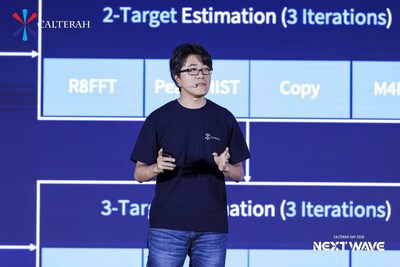
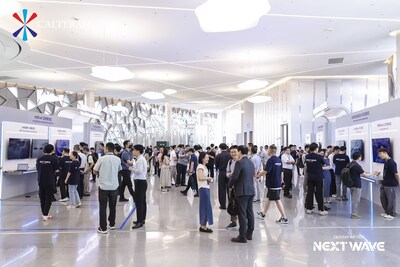
SHANGHAI, June 8, 2026 /PRNewswire/ — On June 5, 2026, Calterah, a global leader in mmWave radar chips, unveiled its latest high-performance radar SoCs for ADAS and groundbreaking UWB radar solutions at its annual product and technology showcase, Calterah Day.
The newly launched Kunlun-Pro and Andes-Pro radar SoCs are engineered to address the market needs and emerging regulatory requirements for high-performance ADAS radar. As Euro NCAP 2026 raises the bar for automotive active safety and China progresses its national L2 ADAS and AEB regulations (currently in draft), ADAS radar is increasingly expected to deliver all-condition, full-speed-range perception for all road users.
Kunlun-Pro is an automotive 5T4R mmWave radar SoC featuring a 10 times more powerful RSP 2.0, higher DMIPS CPU performance, larger memory, over 2.5 dB SNR boost, and 25% more virtual channels compared to existing 4T4R products on the market. In demanding test scenarios, Kunlun-Pro reliably tracks weak targets at significantly longer ranges than 4T4R solutions.
Andes-Pro features the world’s first 6T6R ADAS radar SoC, achieving a 200 m detection range for weak targets and outstanding angular resolution (1° in azimuth; 3° in elevation). As a cost-effective alternative to expensive 8T8R products, the chip can also be scaled into a cascaded 12T12R imaging radar system, delivering high performance at lower system cost.
Beyond mmWave radar chip innovations, Calterah further explores the UWB radar functionality and emerging applications. The company claims the world’s first implementation of IEEE 802.15.4ab Sensing in the Dubhe CAL1106AQ SoC and has released two groundbreaking solutions—a Child Presence Detection (CPD) development suite and a Parking Assist System (PAS) development suite. The two suites are both built on CAL1106AQ—the world’s first IEEE 802.15.4ab-compliant and FiRa 4.0-certified 2T4R UWB SoC. With a unique 2T4R architecture, a Radar Leakage Suppression (RLS) module, and the IEEE 802.15.4ab Sensing feature, CAL1106AQ is capable of accurate height measurement, detection of nearby stationary objects, and high-speed parking lot search—tasks extremely challenging for conventional UWB products.
As of Q1 2026, Calterah has shipped over 30 million mmWave chips cumulatively, powering vehicle models from more than 30 OEMs. Calterah Founder and CEO Dr. Jiashu CHEN noted: “Combining mmWave and UWB technologies creates a seamless, safe, and intelligent driving experience—from car locating, unlocking, and assisted driving, to automated parking, car locking, child presence detection (CPD), and intrusion alerts.”
BANGKOK, June 8, 2026 /PRNewswire/ — A researcher from Chulalongkorn University has developed an innovative “cocoa-based mineral supplement” that transforms low-grade cocoa and discarded cocoa husks into value-added livestock feed, helping farmers reduce costs, improve cattle health, and lower greenhouse gas emissions under a circular economy model.
Chula Researchers Transform Cocoa Waste into Premium Livestock Feed
The project was led by Asst. Prof. Dr. Tansiphorn Na Nan,Acting Assistant Dean for Research and Academic Services at the Faculty of Integrated Agriculture and Director of the Innovation Center for Research and Development of Sustainable Cocoa Thailand (ISTC) in Nan province. The innovation emerged in response to worsening climate conditions that have caused cocoa crop losses of up to 80–90%, leaving farmers with large quantities of unsellable cocoa waste. At the same time, livestock farmers have faced rising feed costs during prolonged drought.
The research team created two forms of supplement: a compressed “lick block” for small farms and a powdered supplement for larger feed-mixing systems. Both products can incorporate cocoa waste as up to 30% of the ingredient formulation, creating a practical way to reduce agricultural waste while generating additional income for cocoa farmers.
According to the research, compounds naturally found in cocoa—including flavonoids, polyphenols, theobromine, and tannins—provide significant health benefits for livestock. Theobromine was found to improve cattle well-being, reduce inflammation, and enhance feed-to-meat conversion efficiency. In dairy cattle, testing showed that the supplement reduced somatic cell counts associated with mastitis by more than 70% and increased milk fat content by up to 15%.
Results in beef cattle were equally striking. Farmers who previously sold ordinary beef cattle for 20,000–30,000 baht per animal reported improved meat quality after using the supplement, with some cattle reaching premium A3 and A4 grades valued at more than 100,000 baht. Researchers also found that tannins in cocoa help suppress methane-producing bacteria in the rumen, reducing greenhouse gas emissions by up to 44% while redirecting energy toward muscle and fat production, improving marbling and meat quality.
Beyond cattle farming, the research is being expanded into poultry, goats, and shrimp farming, reinforcing the project’s guiding principle that “every cocoa bean must have a purpose” and demonstrating how circular economy innovation can create sustainable value across multiple agricultural sectors.
For more information, contact the Faculty of Integrated Agriculture, Chulalongkorn University at Tel. +662 218 1243, or visit www.cusar.chula.ac.th.




 https://vindynamics.net/en




 https://www.cyberport.hk/en