Home Blog Page 1522

Stay True to Our Original Aspiration, Forge Ahead into the Future|Alphamab Oncology 2025 R&D Day Successfully Held

SUZHOU, China, Dec. 10, 2025 /PRNewswire/ — On December 8, 2025, Alphamab Oncology (Stock Code: 9966.HK) successfully held its “Stay True to Our Original Aspiration, Forge Ahead into the Future” 2025 R&D Day in Shanghai. The event focused on the latest advancements in the field of antibody-drug conjugates (ADCs), comprehensively showcasing the company’s R&D achievements in bispecific ADCs and dual-payload ADCs. It also shared a highly differentiated and globally competitive product pipeline and clinical development strategy, while outlining the multidimensional evolution of its world-leading technology platforms and the future blueprint for ADC therapies. 

The event featured attendance of several distinguished experts, including Professor Li Zhang from the Sun Yat-sen University Cancer Center, Professor Chang Chen from the Shanghai Pulmonary Hospital, Professor Jian Zhang from the Fudan University Shanghai Cancer Center, and Professor Suiwen Ye from the Sun Yat-sen Memorial Hospital. Dr. Ting Xu, Chairman and CEO of Alphamab Oncology, along with representatives from the company’s management team, also participated in the event. The thematic presentations and in-depth discussions during the conference attracted hundreds of guests from academia, industry, and the investment sector, with over a thousand participants joining online. This robust engagement fully reflects the industry’s significant interest in the company’s R&D capabilities and innovation strategy. 

Professor Li Zhang provided a systematic review of the development history of ADC drugs and advancements in the treatment of non-small cell lung cancer (NSCLC). Drawing on clinical trial cases of ADC therapies, he elaborated on the current landscape and challenges in this field: drug resistance and insufficient response rates remain major challenges in lung cancer treatment. ADCs, with their “precision targeting + high efficacy killing” mechanism, have emerged as a significant breakthrough direction. However, issues such as target heterogeneity and endocytosis efficiency remain current difficulties. Professor Zhang particularly emphasized that JSKN016’s dual-target design helps broaden tumor recognition and enhance endocytosis efficiency. He highly commended the drug for achieving safety advantages, especially lower hematological toxicity, through site-specific conjugation with DAR4. While highly efficient and toxic ADCs are more suitable for later-line treatment, JSKN016 holds promise for playing a significant role in first-line therapy, either as a monotherapy or in combination with chemotherapy, targeted therapy, and immunotherapy. Its clinical studies have extensively covered lung cancer treatment from later-line to first-line (including both EGFR-mutant and wild-type cases), offering potential solutions to unmet clinical needs in NSCLC. JSKN033 is the world’s first and only bispecific ADC and PD-L1 compound formulation to enter clinical trials. Its “seconds-level” subcutaneous injection significantly enhances dosing convenience, and preliminary efficacy signals provide a novel synergistic approach of “targeted + immunotherapy” for first-line lung cancer treatment. 

Professor Suiwen Ye provided a systematic analysis of the current treatment landscape and development trends for advanced triple-negative breast cancer (TNBC): TNBC is highly aggressive and carries a poor prognosis. In recent years, significant breakthroughs have been achieved in the treatment paradigm: immunotherapy first established “immunotherapy combined with chemotherapy” as a new first-line standard, while ADC drugs have led treatment into a new era of “chemotherapy-free” approaches, delivering substantial survival benefits across patient populations. The Phase I study of JSKN016 has shown encouraging efficacy in heavily pre-treated advanced TNBC patients, and its high objective response rate is expected to translate into significant improvements in progression-free survival (PFS) and overall survival (OS). Currently, the development of ADC drugs has received key support at the national level, and the global market continues to expand with promising prospects. Professor Ye believes that outstanding representatives of Chinese pharmaceutical innovation, such as Alphamab Oncology, will contribute novel treatment solutions for refractory tumors through the development of ADC pipelines like JSKN016. 

Professor Chang Chen shared the research progress and innovative trends in perioperative treatment for early-stage lung cancer: The perioperative management of NSCLC has evolved from postoperative adjuvant chemotherapy to a comprehensive approach encompassing precision-targeted perioperative therapy and chemotherapy combined with immunotherapy. For patients with driver-gene-positive tumors, perioperative targeted therapy significantly reduces the risk of postoperative recurrence and effectively improves disease-free survival (DFS). For driver-gene-negative patients, the treatment model has shifted from primarily postoperative observation to a comprehensive strategy of “neoadjuvant immunotherapy combined with chemotherapy + surgery + adjuvant immunotherapy.” This model, with its significant benefits in event-free survival and overall survival, has become a global standard of care. Currently, treatment is further expanding into the field of ADCs. Studies show that neoadjuvant regimens containing ADCs demonstrate remarkable potential in improving pathological complete response (pCR) rates without increasing surgery-related risks, offering a new breakthrough direction for curing early-stage lung cancer. 

During the roundtable discussion on “Trends and Prospects of ADC Drugs in Cancer Treatment,” Professor Chang Chen served as the moderator. The participating experts and Dr. Ting Xu engaged in in-depth exchanges on the current positioning, evolving role, and unmet clinical needs of ADCs in oncology therapy. In response to the challenge of resistance to first-line treatments combining ADCs with TKIs or immunochemotherapy, Professor Li Zhang proposed moving beyond the limitations of traditional chemotherapy and exploring new directions such as physical therapies, ADC expansion, nanomedicines, and cellular therapies. From the perspective of the potential toxicity of DB09 and the uncertainty of subsequent treatment options after resistance to first-line therapies, Professor Jian Zhang expressed a preference for its use as a robust later-line treatment. He recommended optimizing frontline therapies with novel bispecific drugs like KN026, thereby constructing a comprehensive treatment strategy with more balanced efficacy and safety, clearer sequential logic, and the goal of maximizing survival benefits while ensuring patients’ quality of life. Professor Suiwen Ye pointed out that ADC therapies represented by JSKN016, in combination with chemotherapy and immunotherapy, constitute a promising and worthy new direction for neoadjuvant treatment in TNBC. It is expected to achieve higher pathological complete response (pCR) rates compared to traditional standard therapies. 

The experts unanimously agreed that the field of ADCs is advancing toward a new era characterized by greater precision and combination strategies. They expressed high recognition and anticipation for Alphamab’s clinical needs-driven R&D approach. They expressed confidence in the R&D philosophy that “technology determines the future, while clinical application drives progress”—that is, starting with clear clinical objectives and addressing real-world challenges, using technological innovation to solve problems. Even if validation takes time, solid technology will ultimately yield favorable outcomes. 

Professor Jian Zhang, drawing on his experience participating in the early clinical development of KN026, provided an in-depth analysis of the current treatment landscape and future directions for HER2-positive and HR-positive/HER2-negative breast cancer. Existing therapies are associated with significant side effects, creating critical opportunities for KN026 and JSKN003, which may achieve a better balance between efficacy and safety. KN026 has demonstrated outstanding efficacy in HER2-positive breast cancer patients previously treated with trastuzumab/pertuzumab. The latest ESMO data in second-line gastric cancer further suggests it may possess a unique anti-tumor mechanism, heightening anticipation for its potential in first-line breast cancer treatment. Professor Zhang further elaborated on the differentiated positioning and complementary value of JSKN003 and JSKN016. JSKN003 is designed to cover both HER2-positive and HER2-low expressing populations. It not only holds promise as an important later-line treatment option but also broadens its application prospects due to its cross-tumor activity. In contrast, JSKN016 focuses on the HER2-negative domain. Its excellent efficacy and safety profile as a monotherapy facilitate combination regimens (e.g., synergistic effect without increased toxicity when combined with capecitabine). Both drugs employ an optimized DAR4 design, aiming for superior efficacy while maintaining lower toxicity. In the era of “year-long management” of breast cancer as a chronic condition, patients’ long-term treatment experience and quality of life are paramount. JSKN003 and JSKN016, developed based on the glycan-specific conjugation platform, not only demonstrate significant potential in their respective target populations but also, through exploration in frontline therapies and combination strategies, hold the promise of reshaping the breast cancer treatment landscape and providing better options for patients across different subtypes. 

Dr. Ting Xu systematically introduced the company’s innovative R&D strategy, covering aspects such as technological upgrades, R&D achievements, product pipeline, and value realization. Dr. Xu stated that with the global incidence and mortality rates of cancer continuing to rise, Alphamab Oncology remains steadfastly focused on addressing unmet clinical needs. The company is committed to developing highly effective, safe, and revolutionary anti-tumor drugs, aiming to delivering China-innovated cancer therapies to benefit patients worldwide. The company’s independently built modular, iterative technology platform system and highly differentiated product pipeline serve as powerful validation of its strategic advancement and a solid commitment to future development. 

Leveraging its globally leading glycan-specific conjugation platform and linker-payload platform, the company is steadily advancing a series of bispecific ADCs and dual-payload ADCs with Best-in-class and First-in-class potential. Within the HER2-targeted pipeline, the HER2 bispecific antibody KN026 continues to deepen its development in breast and gastric cancers, with the potential to change current clinical guidelines. JSKN003 has demonstrated differentiated therapeutic potential across multiple disease areas, including breast cancer, platinum-resistant ovarian cancer, colorectal cancer, and gastric cancer. Published data supports its potential to become a best-in-class therapy for platinum-resistant ovarian cancer. JSKN033, as a high-concentration subcutaneous formulation combining IO and ADC therapies, allows administration within 30 seconds, significantly enhancing the safety and convenience of ADC drugs. In the PD-L1-targeted pipeline, the PD-L1/ITGB6/8 multifunctional ADC JSKN022 demonstrates superior internalization efficiency and in vitro/in vivo killing activity compared to monoclonal antibody ADCs. The PD-L1/VEGFR2 bispecific antibody ADC JSKN027 integrates triple mechanisms of targeted chemo, anti-angiogenesis and IO. The EGFR/HER3 bispecific, dual-payload ADC JSKN021 shows superior in vivo efficacy compared to similar candidates and maintains efficacy in models insensitive to either TOPO1 or MMAE payloads. These three drugs are planned to target various globally prevalent cancers in the future, including colorectal, lung, liver, and gastric cancers, as well as head and neck squamous cell carcinoma, indicating broad clinical development prospects. 

Currently, four of the company’s ADC drugs are in clinical stages, two ADC candidates are poised to enter clinical trials, eight Phase III clinical studies are progressing steadily, and three indications are nearing the stage of BLA submission. This marks the pipeline’s innovative achievements entering a phase of intensive fruition and will drive the company’s long-term value growth. Looking ahead, Alphamab Oncology will continue to promote the multi-dimensional evolution of its technology platforms, deepen the global development of bispecific and dual-payload ADCs, and continually explore the therapeutic potential and full lifecycle value of differentiated innovative molecules. The company expects that starting from 2026, it will achieve the launch of at least one new product or new indication per year, bringing more innovative therapies originating from China to the world and providing safer, more effective treatment options for global patients. 

Stay true to our original aspiration, we let patient needs steer our course, transforming strategic foresight into technological breakthroughs; Forge ahead into the future, we confront refractory diseases with unwavering resolve, turning scientific exploration into therapeutic innovations. We are steadfastly advancing toward our mission: To make cancer manageable and curable.

About Alphamab Oncology
Alphamab Oncology (Stock Code: 9966.HK) is an innovative biopharmaceutical company focused on oncology. Leveraging proprietary platforms-including single-domain antibodies, bispecific antibodies, glycan-specific conjugation, linker-payloads, dual-payload ADCs, and high-concentration subcutaneous formulations, the Company has built a differentiated and globally competitive pipeline, covering cutting-edge candidates in ADCs, bispecific antibodies, and single-domain antibodies.

One product has received market approval: Envafolimab (KN035, brand name: 恩维达®), the world’s first subcutaneously injected PD-(L)1 inhibitor, offering greater convenience and accessibility in cancer treatment. The NMPA has accepted the new drug application for KN026 (Anbenitamab Injection), a HER2 bispecific antibody, for second-line or later HER2-positive gastric cancer. Four bispecific ADC candidates have entered clinical stages, and next-generation ADC pipelines—such as dual-payload ADCs—are advancing rapidly. The Company has established strategic partnerships with organizations including CSPC, ArriVent, and Glenmark, covering both product development and technology platforms.

Our overarching mission is to make cancer manageable and curable by addressing unmet clinical needs in oncology. Alphamab Oncology is continuously dedicated to the development of effective, safe, and globally competitive anti-tumor drugs, delivering China-innovated cancer therapies to benefit patients worldwide.

The 15th Shanghai Biennale Opens – Does the flower hear the bee?


SHANGHAI, CHINA – Media OutReach Newswire – 10 December 2025 – The Power Station of Art announces the grand opening of Does the flower hear the bee? the 15th Shanghai Biennale on November 8th, 2025. The exhibition is curated by Chief Curator Kitty Scott, Co-curators Daisy Desrosiers and Xue Tan, as well as Curators Long Yitang and Zhang Yingying, both selected from PSA’s Emerging Curators Project. The exhibition design is led by all(zone) / Rachaporn Choochuey, Sara De Bondt is the graphic designer, and Sarah Demeuse is the editor. The City Projects of the 15th Shanghai Biennale will be open to the public at several of Shanghai’s iconic urban spaces — Jia Yuan Hai Art Museum, VILLA tbh, Shanghai, Shanghai Botanical Garden-Penjing Garden, and klee klee & friends. During the opening week, the Power Station of Art will host a series of public programs, including performances, roundtable discussions, artist workshops, and special lectures.

Allora & Calzadilla, "Penumbra and Phantom Forest" at the 15th Shanghai Biennale, "Does the flower hear the bee?", 2025, Power Station of Art. ©Allora & Calzadilla. Courtesy of the artist, Lisson Gallery, Galerie Chantal Crousel, and Kurimanzutto. Image courtesy of Power Station of Art.
Allora & Calzadilla, “Penumbra and Phantom Forest” at the 15th Shanghai Biennale, “Does the flower hear the bee?”, 2025, Power Station of Art. ©Allora & Calzadilla. Courtesy of the artist, Lisson Gallery, Galerie Chantal Crousel, and Kurimanzutto. Image courtesy of Power Station of Art.

Exhibition Theme: Does the flower hear the bee?

Like the flower that “hears” the bee’s wings, the 15th Shanghai Biennale aims to operate at the intersection of differing models of intelligence, both human and nonhuman. It is based on the belief that recent art provides us with a privileged space for such investigations, offering an embodied and interconnected sphere in which communities may form stronger bonds with “the more-than-human world.”

We live in a moment of great uncertainty and global emergency that has given rise to a widespread sense of disorientation. Our world is transforming at a pace that eludes our capacity for comprehension, leaving us feeling bewildered and uncertain. If a return to the past is impossible, art offers us potential pathways out of despair and malaise, helping us to find emergent forms-of-life and new modes of sensorial communication amid this instability.

Conceived in dialogue with the ideas of artists, curators, intellectuals, musicians, poets, scientists, and writers, Does the flower hear the bee? recognizes that much depends on our capacity to sense the world around us and attune ourselves to its diverse array of intelligences. Its hopeful vision rests on art’s ability to orient us towards an unknown future.

67 Participating Artists and Collectives from Around the World

This edition of the Biennale will feature over 250 works by 67 individual artists and collectives from around the world, including 16 from China. Over 30 works are commissioned or new.

Participating artists (listed in alphabetical order by last name):

Kim Adams, Abbas Akhavan, Allora & Calzadilla, Francis Alÿs, Ryoko Aoki, Carmen Argote, Shuvinai Ashoona, Alvaro Barrington, Lêna Bùi, Tania Candiani, Maxime Cavajani, Carolina Caycedo, Chen Ruofan, Cheng Xinhao, Sara Cwynar, Dan Er, Rohini Devasher, Miguel Fernández de Castro, Cristina Flores Pescorán, Theaster Gates, Abraham González Pacheco, Brett Graham, Hao Liang, d harding, Ho Tzu Nyen, Ngahina Hohaia, Hu Xiaoyuan, Huang Yongping, Ulala Imai, Aki Inomata, Brian Jungen, Lotus L. Kang, Amar Kanwar, Christine Sun Kim, Ragnar Kjartansson, Jaffa Lam, Lina Lapelytė, Liu Shuai, Sharon Lockhart, Liz Magor, Gordon Matta-Clark, Ari Benjamin Meyers, Audie Murray, Kosen Ohtsubo, Christian Kōun Alborz Oldham, Lisa Oppenheim, Plant South Salesroom, Qiu Shihua, R. H. Quaytman, Walid Raad, Shao Chun, Shao Fan, Heji Shin, Tan Jing, Shannon Te Ao, Luke Willis Thompson, Rirkrit Tiravanija, Gözde Mimiko Türkkan, Hajra Waheed, Evelyn Taocheng Wang, Xu Tiantian, Ami Yamasaki, Haegue Yang, Masaomi Yasunaga, Cansu Yıldıran, Gozo Yoshimasu, Zhou Tao

* Maxime Cavajani and Theaster Gates participate in the Biennale’s City Project at the Jia Yuan Hai Art Museum. The works of Rirkrit Tiravanija, Chen Ruofan, and Zhou Tao are on display at both the Power Station of Art and the Biennale’s City Project at the Jia Yuan Hai Art Museum. Liu Shuai participates in the Biennale’s City Project at the Jia Yuan Hai Art Museum and VILLA tbh, Shanghai.

Exhibition Design: Walking a Garden-Like Landscape

The 15th Shanghai Biennale centers on interactions between different life forms. The exhibition unfolds as an open landscape—a space to wander through rather than move along. Artworks seed throughout the Power Station of Art—anchored in the grand hall, threaded through circulation paths, tucked into enclosed rooms and gallery spaces. It is not a path to follow but a terrain to inhabit—where artworks, architecture, and visitors co-exist in shifting relations.

The scenography treats the building itself as landscape. Raw concrete blocks—the same industrial vocabulary as the architecture—form a man-made terrain throughout the space. Like rockwork in a garden that shapes how you see the scenery, these blocks offer different vantage points for viewing the artworks. They are utilitarian and designed for a second life: after the exhibition, they can be upcycled rather than discarded.

The design takes its cue from gardens—not as decoration, but as spatial principle. Like a Chinese scholar garden or Japanese stroll garden, the exhibition reveals itself progressively. As you move through, sightlines shift and new compositions emerge. Enclosed rooms offer moments of immersion, a different quality of attention. There is no prescribed route, only invitation. The exhibition offers moments to wander, to stop, not to rush but to rest and reflect among others. Visitors become part of the ecology—another life form moving through and shaping the space. The exhibition design team, all(zone) / Rachaporn Choochuey trusts visitors to find their own rhythm—generous enough to wander in, structured enough to discover. These pauses aren’t interruptions but essential, acknowledging that attention deepens with time, that reflection happens in stillness as much as in movement.

Exhibition Publications

The accompanying catalogue and the reader of this edition will be published concurrently with the exhibition. The 400-page catalogue prioritizes the participating artists’ voices, features essays by the three curators and includes extensive documentation of exhibited works, while occasional interludes punctuate the book as propositions for future sounds, poems, or languages.

The reader brings together artists, scholars, and writers, who explore emergent modes of receptivity, from listening as a sustained practice and forms of attending to the human and the nonhuman, to consciousness of materiality and ephemerality. Together, the texts open a range of affective, communicative, and embodied registers.

City Projects

The City Projects of the 15th Shanghai Biennale aim to have a generative momentum. Beginning at PSA, the projects progressively summon, relocate, displace, and spread into multiple landscapes—from garden fences in urban neighborhoods (e.g., VILLA tbh) to open fields on the outskirts (Jia Yuan Hai Art Museum), from carefully cultivated bonsai in botanical gardens (Shanghai Botanical Garden) to native grasses growing freely on balcony gardens (klee klee)—and over the course of the exhibition, will reach further corners of Shanghai…

These back-and-forth passages resemble successive and affective “bee paths.” As the public experiences art in different places, every pause, touch, and conversation helps catalyze the mingling of art and everyday rhythms — eventually, through perception, movement, and encounter, one quietly attunes to those “moments of abundance.”

City Projects Exhibition Information for the 15th Shanghai Biennale

Does the flower hear the bee? (Extended Version)
Artists: Maxime Cavajani, Chen Ruofan, Theaster Gates, Liu Shuai, Rirkrit Tiravanija, Zhou Tao
Time: November 8, 2025 – March 31, 2026 (Tuesday–Sunday, 09:30–17:30; closed on Monday)
Venue: Jia Yuan Hai Art Museum, No. 39 Dazhi Road, Jiading District, Shanghai

The flight map of these affective journeys along both banks of the Huangpu River converges at the Jia Yuan Hai Art Museum in Jiading, Shanghai. Designed by Japanese architect Tadao Ando with a philosophy of dialogue between architecture, nature, and the human, the museum becomes a site where works by Maxime Cavajani, Chen Ruofan, Theaster Gates, Liu Shuai, Rirkrit Tiravanija, and Zhou Tao form another kind of resonance with land, architecture, light, and sound.

Slide, Then Soar!
Artist: Liu Shuai
Time: November 9, 2025 – January 4, 2026 (Monday–Sunday, 10:00–18:00)
Venue: VILLA tbh, No. 15 Taojiang Road, Xuhui District, Shanghai

At VILLA tbh on 15 Taojiang Road, Xuhui, artist Liu Shuai presents Slide, Then Soar!, a commission for the 15th Shanghai Biennale. In a small, hovering form, it poetically engages the garden-world’s everyday nature—kites collaged from plants, and bamboo reeds punctured by bees and are repurposed as an instrument. Through a human–nature collaboration, the work responds to the Biennale’s query in Does the flower hear the bee?

Ami Yamasaki — Special Performance
Time: November 8, 15:00
Venue: Penjing Garden, Shanghai Botanical Garden

Participating artist Ami Yamasaki stages a site-specific performance in the Penjing Garden of the Shanghai Botanical Garden, continuing her exploration of acoustic space and reciprocal listening. Treating the human voice as a method of locating oneself in the world, and the body as a vessel that resonates with space, the artist situates herself through singing, listening, and echo, gradually dissolving the subject–site boundary and inviting audiences to co-establish new sensitivities.

Ami Yamasaki — Special Performance & Exhibition Opening (mid-December)
Venue: klee klee & friends, 2F, Building 3, Columbia Circle, No. 1626 West Yan’an Road, Shanghai
Performance Time: November 10, 10:00; Exhibition Dates: Mid-December

At klee klee’s “Wilderness Balcony,” Ami Yamasaki’s special performance serves as a prelude to the winter exhibition, telling the journey of a seed: eaten and carried afar by birds, eventually returning to the soil to quietly take root and grow into a sapling amid the grasses. This is not only a cycle of life; it also offers a micro testimony of how the “grass store,” the birds, and humans share the same sky, soil, forests, and fields—like the quiet yet abundant atmosphere at the instant when the flower meets the bee.

About the Shanghai Biennale

Launched in 1996, the Shanghai Biennale is not only the first international biennial of contemporary art in the Chinese mainland but also one of the most influential art events in Asia. In 2012, the Power Station of Art became the organizer and permanent venue of the Shanghai Biennale. From Open Space in 1996, to Inheritance and Exploration in 1998, Spirit of Shanghai in 2000, Urban Creation in 2002, Techniques of the Visible in 2004, Hyper Design in 2006, Translocalmotion in 2008, Rehearsal in 2010, Reactivation in 2012, Social Factory in 2014, Why Not Ask Again in 2016, Proregress in 2018, Bodies of Water in 2020, and Cosmos Cinema in 2023, the Biennale has always maintained Shanghai as its primary locus, upholding the mission of supporting academic and cultural innovation, while continuously tracking social evolution and trends in knowledge production in a global context with an open view. Taking place in Shanghai every two years, the Biennale has also become a large-scale platform for the international presence and exchange of contemporary art.

About the Shanghai Biennale City Projects

As a unique urban event and cultural landmark, the Shanghai Biennale has long been committed to enabling active dialogues between contemporary art and the booming city of Shanghai. First launched in 2012, the Biennale’s City Projects interact with public spaces such as exhibition pavilions, cinemas, and cultural centers, mobilizing local actors to explore the regional context through shows, screenings, field surveys, and workshops. This program aims to extend the Biennale beyond the museum and establish a closer relationship with the city’s residents and its cultural ecology.

The 15th Shanghai Biennale: Does the flower hear the bee?

Chief Curator: Kitty Scott
Co-curators: Daisy Desrosiers, Xue Tan
Curators: Long Yitang, Zhang Yingying
Exhibition Design: all(zone) / Rachaporn Choochuey
Graphic Designer: Sara De Bondt
Editor: Sarah Demeuse

Venue: Power Station of Art
City Project Partner: JIA YUAN HAI, tbh, Shanghai Botanical Garden, klee klee
Special Partner: Aesop
Official Travel Partner: DENZA
Official Hotel Partner: The Langham, Shanghai, Xintiandi and Brilliant by Langham

Acknowledgements: FLOS
Hashtag: #PowerStationofArt


Wechat: 上海当代艺术博物馆

The issuer is solely responsible for the content of this announcement.

About the Power Station of Art (PSA)

Established on Oct 1, 2012, the Power Station of Art (PSA) is the first state-run contemporary art museum in the Chinese mainland. It is also home to the Shanghai Biennale. Formerly the Nanshi Power Plant, the now renovated PSA was once the Pavilion of Future during the 2010 Shanghai World Expo. Having witnessed Shanghai’s transformation from the industrial age to the digital era, the museum’s raw architecture has provided rich inspiration for artists. As a central hub for Shanghai’s booming urban culture, PSA is committed to innovation and progress as keys to its long-term vitality. The museum aims to provide an interface for the public to come into contact with and appreciate contemporary art, to break down the barrier between life and art, and to promote cooperation and knowledge production across diverse fields of arts and culture.

DKSH Healthcare Launches Three-Part Whitepaper Series Showcasing Asia Pacific’s Growing Healthcare Outsourcing Opportunity

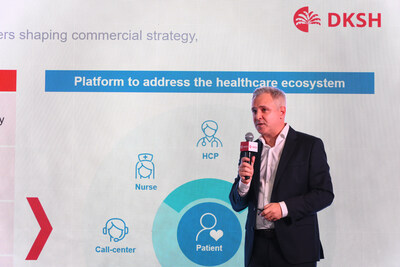
DKSH Business Unit Healthcare Launches a three-part whitepaper series to help healthcare and life science companies explore industry trends and current market pressures to re-think commercial go-to market approaches in the Asia Pacific region. The whitepaper series demonstrates how strategic Commercial Outsourcing partnerships are evolving to deliver sustainable growth, resource agility, and improved patient access – successfully harnessing the region’s growing USD 10 billion healthcare outsourcing opportunity.

SINGAPORE, Dec. 10, 2025 /PRNewswire/ — DKSH Business Unit Healthcare has developed its “2025 Whitepaper Series on Commercial Go-To-Model Trends”, exploring how Commercial Outsourcing can transform go-to-market strategies for healthcare and life science companies across the APAC region. The three-part series shares how Commercial Outsourcing is able to manage fragmented regulations, pricing challenges and evolving patient expectations without bigger fix investment in infrastructure – freeing internal teams to focus their higher impact priorities like innovation and strategic launches while helping patients receive life-changing therapies and treatments when they need it, where they need it. The series draws insights from research surveying more than 50 senior leaders across pharmaceuticals, biotech, and MedTech as well as in-depth interviews with several senior industry decision makers.

While the healthcare industry in Asia Pacific (APAC) presents vast opportunities, it also faces considerable challenges. APAC represents half the world’s population yet remains underinvested in global healthcare. The region’s healthcare landscape is expanding, but not evenly. Fragmented systems, complex regulations, rising demand, and uneven access to new therapies continue to slow progress. While some of the APAC markets advance quickly, others face affordability and infrastructure gaps. This has created a region full of potential but held back by structural friction.

The pharmaceutical industry in the APAC region outside China, Japan, and India is projected to grow about 4% annually from 2023–2027 to nearly USD 100 billion, yet this still lags some Western markets. Longer, costlier global commercialization timelines often deprioritize APAC, while geopolitical and economic headwinds further strain growth. Traditional commercial models and in-house affiliates struggle with speed, scalability, and efficiency, leading to delayed launches and missed opportunities for patients.

To help companies navigate this landscape, DKSH Business Unit Healthcare has released its “2025 Whitepaper Series on Commercial Go-To-Model Trends. The first section examines why traditional commercial models are faltering in fragmented and cost-pressured markets, and why companies are reassessing their go-to-market strategies. Its sequel explores how organizations can evaluate potential partners and decide what potential product portfolios and commercial functions create the most value when outsourced. The final part outlines the capabilities, governance, data readiness, and digital tools needed to sustain high-performing partnerships over time. The research reveals that 90% of executives already outsource some part of their business, with 62% having increased outsourcing in the past three years.

“The APAC healthcare landscape is changing, and our research shows that traditional commercial models are no longer enough to meet the growing demands of patients in our region. As APAC’s healthcare ecosystem leaders – we must rethink how we go to market,” said Patrik Grande, Vice President, Commercial Outsourcing Head, APAC, DKSH Healthcare. “Commercial Outsourcing is emerging as a strategic go-to market approach because it enables faster market access, operational flexibility, and compliance excellence. It is not just about reducing costs; it is about unlocking growth and resources.”

The Whitepaper series was unveiled at a launch event in Singapore attended by close to 100 healthcare regional leaders, with DKSH experts sharing commercial insights and executive panel discussions moderated by EY Parthenon exploring perspectives from across the industry.

“Commercial Outsourcing is a key enabler for global healthcare companies to expand their products and services into markets faster while still addressing key factors, such as pricing and compliance,” said Reuben Ong, Vice President, Singapore, DKSH Healthcare, during the panel discussion. “One such example was when DKSH partnered with a leading global healthcare company to transition to a commercial outsourcing model. We grew their portfolio by 25%, consistently achieved performance targets and, most importantly, improved healthcare accessibility to patients across the region.”

Together, the insights point to a clear shift underway in Asia’s healthcare landscape. Organizations that invest in stronger partnerships, smarter capabilities, and locally grounded execution will shape the region’s next wave of access and innovation. DKSH will continue supporting partners with the expertise and scale needed to navigate this shift and unlock sustainable growth across Asia-Pacific.

The “2025 Whitepaper Series on Commercial Go-To-Model Trends” is available for download here.

About DKSH Healthcare

For 160 years, DKSH has been delivering growth for companies in Asia and beyond across its Business Units Healthcare, Consumer Goods, Performance Materials, and Technology. As a leading Market Expansion Services provider, DKSH offers sourcing, market insights, marketing and sales, eCommerce, distribution and logistics as well as after-sales services, following its purpose of enriching people’s lives. DKSH is a participant of the United Nations Global Compact and adheres to its principles-based approach to responsible business. Listed on the SIX Swiss Exchange, DKSH operates in 36 markets with 28,060 specialists, generating net sales of CHF 11.1 billion in 2024. As a strategic healthcare business partner, DKSH Business Unit Healthcare distributes and commercializes pharmaceuticals, consumer health, and over-the-counter products as well as medical devices. With around 8,000 specialists, Business Unit Healthcare generated net sales of CHF 5.7 billion in 2024. www.dksh.com

European Protected Waveform Consortium Achieves Major Milestone with Successful Over-the-Air Testing

Demonstration underscores Europe’s commitment to secure, resilient, multi-orbit military satellite communications

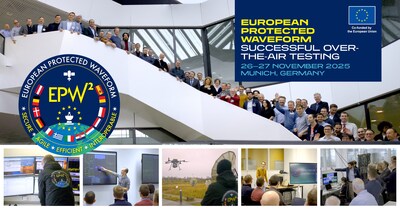
SINT-NIKLAAS, Belgium, Dec. 10, 2025 /PRNewswire/ — ST Engineering iDirect’s EU Satcom Centre of Excellence, ST Engineering iDirect Europe, based in Sint-Niklaas, Belgium, today announced that the European Protected Waveform (EPW) consortium has successfully completed over-the-air testing, marking a critical milestone in Europe’s pursuit of strategic autonomy in secure military communications. Conducted on November 26-27, 2025 at Universität der Bundeswehr München, Germany, the demonstrations validated EPW’s ability to safeguard military satellite communications against jamming, cyber threats, and unauthorised access across both GEO and LEO satellite configurations.

Demonstration underscores Europe's commitment to secure, resilient, multi-orbit military satellite communications
Demonstration underscores Europe’s commitment to secure, resilient, multi-orbit military satellite communications

Belgian National Armaments Director, Major General Filip Borremans, highlighted the importance of this milestone, “The successful EPW demonstrations perfectly illustrate the mission of the European Defence Fund, enabling Member States to achieve collectively what none could accomplish alone. By uniting 19 partners from 13 nations, the consortium has demonstrated that European collaboration delivers both technical excellence and strategic autonomy. Secure satellite communications are a cornerstone of modern defence, and EPW proves that through coordinated European investment, we can develop sovereign solutions that strengthen our collective security.”

This milestone underscores the critical need for standards-based, interoperable, secure communications in modern military operations. As cyber threats from state and non-state actors intensify and missions span increasingly dispersed theaters, robust and resilient infrastructure has become indispensable. Designed with security, agility, efficiency, and interoperability at its core, the EPW empowers European military forces to maintain secure communications—whether operating independently or in coalition—adapting seamlessly to diverse operational demands and geographic challenges.

Co-funded by the European Union through the European Defence Fund, the programme unites industry and academia from across Europe under the leadership of Belgium’s Ministry of Defence, with ST Engineering iDirect Europe as the consortium lead. This collaborative effort is tackling both current and emerging challenges in military satellite communications, including evolving security threats, growing demands for higher throughput, and the need for enhanced mobility solutions.

“The EPW consortium’s successful completion of this major milestone, demonstrated live and witnessed by supporting military end-users, represents a critical step toward the next phase of the EPW programme,” said Koen Willems, Vice President, EU Programmes, at ST Engineering iDirect Europe. “This achievement paves the way for the prototyping and testing of the final capability, which will deliver secure and resilient communications for Europe. It underscores the consortium’s unwavering commitment to advancing Europe’s strategic autonomy in military communications through innovation and collaboration.”

The European Protected Waveform is funded by the European Union. Views and opinions expressed are however those of ST Engineering iDirect Europe only and do not necessarily reflect those of the European Union or the European Commission. Neither the European Union nor the granting authority can be held responsible for them.

About the European Protected Waveform (EPW) Program
The European Protected Waveform is a European Defence Fund program co-funded by the European Union, with a total estimated cost of €29.9 million and a maximum EU contribution of €25 million. Over its 39-month duration, the program aims to develop secure waveform standards for future-proof satellite communications, addressing challenges such as joint and dispersed operations, mobility requirements, and the integration of both GEO and NGSO satellites.

About the European Defence Fund
The European Defence Fund (EDF) supports collaborative defense research and development projects across EU Member States, strengthening Europe’s technological and industrial defense capabilities while promoting cooperation and interoperability.

About ST Engineering iDirect Europe

ST Engineering iDirect Europe, located in Sint-Niklaas, Belgium, is ST Engineering iDirect’s EU Satcom Center of Excellence specialising in the development of ground segment technology and solutions specifically for the EU. As a legal Belgian entity, ST Engineering iDirect Europe has its own board of directors to comply to the guidelines and conditions as put forward by the EU Commission and the Belgian Government. With over 35 years of experience, the ST Engineering iDirect portfolio of high-value product lines and services in addition to a dedicated team of domain specialists, and a ISO9001 certified manufacturing center the team has a portfolio of capabilities to cater to the specific needs of European funded satcoms programs. 

For more information visit https://www.idirect.net/st-engineering-idirect-europe/


Novotel Johor Bahru City Centre Opens In The Southern Gateway To Malaysia


JOHOR BAHRU, MALAYSIA – Media OutReach Newswire – 10 December 2025 – Novotel, the brand dedicated to creating meaningful moments of balance for business and leisure travellers, proudly announces the opening of Novotel Johor Bahru City Centre, a new addition to the city’s growing hospitality scene. Ideally located in the heart of Johor Bahru, the hotel offers a harmonious blend of contemporary comfort, warm Malaysian hospitality, and thoughtful touches for guests of all ages.

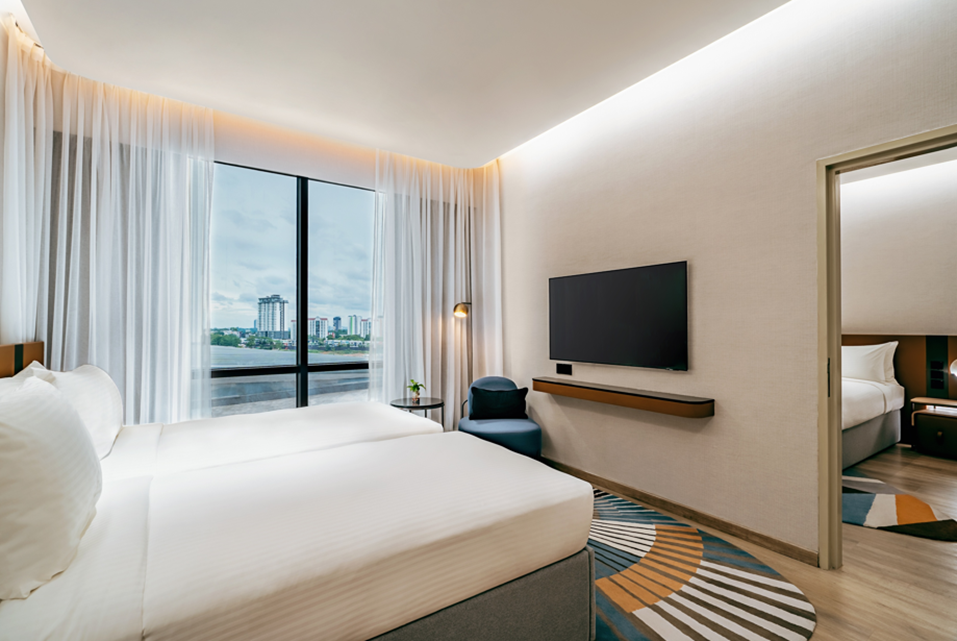
Above: Family Room
Above: Family Room

The hotel’s interiors subtly weave elements of Malaysia’s cultural identity into a modern, stylish setting, creating inviting spaces that reflect local character while embracing Novotel’s signature contemporary flair.

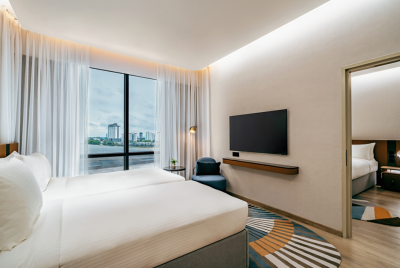
The hotel features 304 thoughtfully designed rooms and suites with floor-to-ceiling windows, Smart TVs, Deep Nature amenities, and flexible layouts. Suites include espresso machines, while family room configurations ensure an enjoyable stay for all.

Guests can dine at Food Exchange, offering local favourites, international cuisine, and festive menus. The Gourmet Bar in the lobby serves light bites, crafted drinks, and grab-and-go options, while the Pool Bar offers refreshments beside the open-air infinity pool.

For meetings and events, the hotel presents The Grand Chamber, a pillarless 520 square metre ballroom equipped with three LED screens, accommodating up to 300 guests. Six additional meeting rooms and a VIP waiting room make the hotel an ideal venue for weddings, conferences, and corporate gatherings.

“The opening of Novotel Johor Bahru City Centre reflects our continued commitment to growing Accor’s presence across Asia,” said Garth Simmons, Chief Operating Officer, Premium, Midscale & Economy Division, Accor Asia. “Johor Bahru is a dynamic gateway city, and this hotel embodies the balance of comfort and modernity that Novotel is known for. We are proud to introduce a property that elevates the city’s hospitality offering and supports Malaysia’s wider tourism growth.”

“We are thrilled to open Novotel Johor Bahru City Centre as a vibrant new destination for travellers and the local community,” said Brendan Chong, General Manager. “Our goal is to create meaningful stays where business meets comfort in the heart of Johor Bahru.”

The hotel’s debut beautifully complements the excitement surrounding Visit Malaysia 2026 and Visit Johor 2026, inviting travellers to discover Johor Bahru through the lens of comfort, culture, and contemporary hospitality.

As part of Novotel’s long-term commitment to ocean longevity, the hotel reflects the brand’s belief that human wellbeing and planetary wellbeing go hand in hand. In 2024, Novotel launched a Positive Impact Plan, grounded in UN ocean-related actions, to reduce plastic, water, and carbon impacts; and promote sustainable food choices through plant-forward menus. At Novotel Johor Bahru City Centre, this commitment comes to life with filtered water taps in every room, providing unlimited purified drinking water while eliminating single-use plastic bottles and contributing to healthier oceans.

To celebrate the opening, guests can enjoy an Exclusive Opening Offer starting from MYR 345++ per night , valid for stays from today until 6 March 2026.

Members of ALL Accor, the all-in-one booking platform and award-winning loyalty program can enjoy exclusive benefits and earn reward points during their stay at Novotel Johor Bahru City Centre. Points can be redeemed for future stays, dining, and unique experiences across Accor’s global network. Enrolment is free at all.com.

For more information or to make a reservation, please visit https://all.accor.com/hotel/B585/index.en.shtml or email HB585@accor.com.

Hashtag: #Novotel #NovotelHotels #NovotelJBCC #JBStaycation #CityGetaway #JohorAccommodation #BusinessTravel


The issuer is solely responsible for the content of this announcement.

About Novotel

Novotel Hotels, Suites & Resorts offers high-quality hotels designed as comforting and energising places where guests can achieve balance in their busy lives, whether they are traveling for work, leisure or a blend of both. The brand’s wide array of hotels, suites and resorts offer a multitude of services, including spacious, modular rooms with natural and intuitive design; relaxed restaurants with nutritious choices; flexible workspaces; attentive and proactive staff; family zones for the youngest guests; multi-purpose lobbies; and accessible fitness centres. Novotel, which has over 600 locations in more than 60 countries is part of Accor, a world leading hospitality group counting over 5,700 properties throughout more than 110 countries, and a participating brand in ALL Accor, a booking platform and loyalty program providing access to a wide variety of rewards, services and experiences.

.com | |

LEPAS L8 Exquisite Space: A Calming Emotional Sanctuary for the Emotion-Led Lifestyle

WUHU, China, Dec. 10, 2025 /PRNewswire/ — In the fast-paced rhythm of modern cities, people increasingly seek relaxation, emotional balance, and a space that truly belongs to themselves. LEPAS shapes the LEPAS L8’s Exquisite Space into a mobile emotional sanctuary—turning every departure and pause into a moment of Elegant Life and effortless comfort.

LEPAS L8 Exquisite Space: A Calming Emotional Sanctuary for the Emotion-Led Lifestyle

Elegant Life begins with the small joys that please oneself. Inside the LEPAS L8’s Exquisite Space, users can instantly slip into their personal emotional sanctuary of happiness. Recline the front seats fully backward, connect the projector ecosystem accessories and the in-car entertainment system, and the cabin transforms into a private mobile cinema. The waterfall-style central display elevates the visual immersion, while the theater-like quiet cabin shields external noise. Paired with pebble-shaped premium speakers, this immersive setting elevates Elegant Driving into a soothing emotional ritual.

For weekend escapes and spontaneous camping trips, the LEPAS L8’s Exquisite Space becomes the perfect outdoor companion. The spacious trunk and flat-folding seats easily create a wide lounge area. The panoramic roof opens a clear, borderless view—no tent required—just lift your gaze to enjoy a romantic starry sky. Unfold the rear tray table and your personal mobile coffee corner comes alive. In this exquisite space, Elegant Life becomes beautifully tangible.

The Exquisite Space of the LEPAS L8 is also a sanctuary for personal emotions. Rest on the cloud-soft lounge seat, adjust the backrest to your most relaxing angle, choose the ideal massage mode, and feel tension melt away. The rapid thermal-management system maintains a precise cabin temperature, while the active fragrance system switches between energizing and calming modes. The theater-grade quiet cabin creates an atmosphere of serenity—no matter how noisy the world is outside, inside remains peaceful and refreshing. Here, you can clear your mind and fully embrace your own Elegant Mobility moment.

The Exquisite Space of the LEPAS L8 is more than just a physical interior—it’s a companion that understands you, an emotional sanctuary. Whether you’re taking a midday rest while watching clouds drift across the sky through the panoramic roof, or enjoying a private immersive movie moment in the cabin, it always provides a comfortable emotional refuge—a haven for your elegant life.

Taiwan Tourism Sets a New Course for Industry Growth

Taiwan Tourism Administration Unveils “Sustainability, Digital Innovation, and International Marketing” Three Tourism Direction, Inspiring Matsu’s “Island Pilgrimage” as a Mindful Travel Movement

LIENCHIANG COUNTY, Dec. 10, 2025 /PRNewswire/ — As the global tourism sector rebounds, Taiwan is positioning its tourism industry for a new direction in growth. The Tourism Administration of the Ministry of Transportation and Communications (MOTC) has introduced a three-part roadmap —”Local Immersion, Digital Transition, and International Promotion” — to shape its plans for the future of the sector. This integrated approach is designed to support local communities through travel, building an industry that celebrates cultural heritage while stimulating resilient local economy.

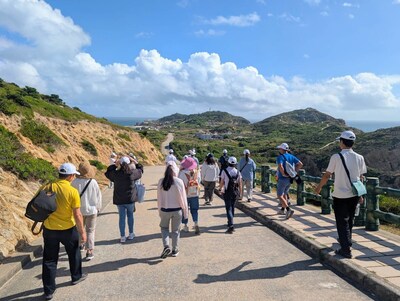
Tung-Chu Dongyangshan Trail

Exemplifying the commitment to sustainable travel, the Matsu National Scenic Area Administration has launched “Island Pilgrimage: A Slow Travel Trek Through Matsu.” The program weaves together environmental stewardship, cultural experiences, and community-led walks to invite visitors to discover the islands on foot. Located northwest of Taiwan’s main island near mainland China’s Fujian coast, the Matsu islands—Nangan, Beigan, Juguang, and Dongyin—offer a distinctive mix of historical landmarks and coastal landscapes.

Following its August launch, the initiative has organized guided walks across Nangan, Beigan, and Juguang. Television hosts Xie Zheqing and Duan Huilin, along with South Korean cheerleader Lee HoJong, have taken part in the routes, sharing their perspectives on Matsu’s culture and natural scenery. In September, a travel agency affiliated with La New Group introduced a five-day walking itinerary, encouraging more travelers to choose low-carbon trips and reflecting a commitment to sustainable business practices.

“Matsu offers a rare blend of natural and historical assets, making it an ideal place to promote responsible tourism and preserve its cultural heritage,” stated by Hong Zhiguang, Director of the Matsu National Scenic Area Administration. “Slow, walking-based travel drives local tourism transformation and provides visitors the chance to connect more deeply with the islands.” Looking ahead, the Administration will expand the “Island Pilgrimage” project with cross-island routes and stamp-collecting activities, working to establish Matsu as a premier destination for walking holidays in Taiwan.

Rate Cuts Stimulate Market Activity and Help Stabilize Hong Kong Home Prices, Greater Central Grade A Office Rents Show Upward Momentum

CRE Investment Sentiment Strengthens, Retail Performance Maintains Stability

  • Residential Market: The sustained low-interest-rate environment and wealth effects from a buoyant stock market have supported improved housing market sentiment, leading home prices to bottom out and strengthen by 1.8% year-to-date (as at October). Total residential transactions for the full year 2025 are expected to reach approximately 62,000 units. Transaction numbers in 2026 are forecast to remain broadly in line with this year’s level, with home prices projected to rise by up to 5%.
  • Grade A Office Market: Rents stabilized in Q4 (as at mid-November), with the year-to-date decline narrowing to 4.1%, while net absorption reached 1.1 million sq ft. Rents are projected to fluctuate within a narrow range of ±1% in 2026, with Greater Central and Greater Tsimshatsui likely to outperform.
  • Retail Market: Supported by rising tourist arrivals and more stable local consumption, retail sales performance continued to recover. The average high street vacancy rate fell further to 6.6% in Q4, the lowest since the pandemic, while high street rental performance remained more resilient in Central and Mongkok. Overall high street retail rents are anticipated to increase modestly in a range of 2% to 3% in 1H 2026.
  • Capital Markets: Market sentiment showed signs of recovery, driven by gradual interest rate cuts and attractive pricing across property sectors. Year-to-date transaction volume of non-residential big-ticket deals (>HK$100 million) recorded HK$34.0 billion (as at December 8). The rental housing sector is expected to retain strong growth potential in 2026.

HONG KONG SAR – Media OutReach Newswire – 10 December 2025 — Global real estate services firm Cushman & Wakefield today held its Hong Kong Property Markets 2025 Review and 2026 Outlook press conference. Supported by a sustained low-interest-rate environment and wealth effects from a buoyant stock market, monthly residential transactions have exceeded 5,000 units for nine consecutive months, helping overall home prices to stabilize and show upward momentum. This positive trend is expected to continue into 2026. Meanwhile, the capital market has improved on the back of gradual interest rate cuts and attractive pricing across real estate sectors, with student accommodation and rental housing likely to remain sought-after. In the Grade A office sector, year-to-date net absorption recorded close to 1.1 million sq ft, with leasing activity more active in core districts. However, high availability will continue to weigh on overall rents, which are forecast to adjust within a narrow range of ±1% in 2026. As for the retail sector, overall retail sales have stabilized further, with the average high street vacancy rate continuing to decline. Overall high street retail rents are expected to see a modest increase in 2026.

Grade A office leasing market: Demand underpinned by banking & finance sector, while Greater Central rents picked up

Hong Kong’s Grade A office market gained momentum in Q4 (up to mid-November), with overall net absorption rising to 476,000 sq ft — the highest level after Q2 2019 — bringing year-to-date cumulative net absorption to nearly 1.1 million sq ft. This growth was supported by improved market sentiment and more attractive office property pricing levels and rents, prompting occupiers to purchase available space and driving net absorption performance. On the supply side, the completion of Cyberport 5 in Q4 added 230,000 sq ft to the market; however, the overall availability rate fell to 18.8% due to the increase in net absorption.

Boosted by initial public offering (IPO) activity, Grade A office demand and leasing momentum strengthened. Greater Central rents increased by 1.6% q-o-q (November vs September) in Q4, while Prime Central office rents rose by 2.5% q-o-q, bringing overall rents to stabilize at +0.1% during the same period. As a result, the overall rental decline narrowed to 4.1% for the year-to-date.

John Siu, Managing Director, Hong Kong, Cushman & Wakefield, said, “Up to mid-November, the Hong Kong Grade A office market registered 1.1 million sq ft of positive net absorption for the year-to-date. The financial sector, buoyed by active IPO activity, drove leasing demand from both upstream and downstream industries, and accounted for over one-third of the new leased area in Q4. As a preferred submarket for banking and financial institutions, Greater Central rents also picked up during the quarter. Looking ahead, with 1.4 million sq ft of new Grade A office supply to be completed in 2026, the high availability rate will likely remain weighing on rents. We forecast overall office market rents to stay within a narrow range of ±1% throughout 2026. Nevertheless, flight-to-quality activity should enable Greater Central and Greater Tsimshatsui to outperform the market.”

Retail leasing market: Retail sector stabilized as high street vacancy hit post-pandemic low

Sustained growth in visitor arrivals and steadier local consumption sentiment have supported Hong Kong’s retail sales to continue to pick up. The city’s overall retail sales have recorded y-o-y growth for six consecutive months since May, suggesting a turnaround from the previous sluggish performance in the retail segment. Total retail sales for the January to October period reached HK$311.7 billion, with the y-o-y decline narrowing to -0.2%. Among major retail categories, the Medicines & Cosmetics, Food, Alcoholic Beverages & Tobacco, and Jewellery & Watches sectors registered moderate y-o-y growth.

The overall high street vacancy rate further dropped to 6.6% in Q4, the lowest level since the pandemic. Central district stood out with the strongest leasing momentum, as its vacancy rate fell significantly to 4.3% from 10.0% in Q3, supported by several notable large-sized transactions. Elsewhere, vacancy in Tsimshatsui moved down to 8.3%, while Causeway Bay remained steady at 7.9%. Mongkok saw a mild uptick, reaching 6.1% in Q4.

Backed by lower vacancy rates and relatively robust local consumption, high street retail rents in Central and Mongkok demonstrated stronger resilience, holding steady and dipping slightly by 1.1% y-o-y, respectively (Chart 2). On the other hand, despite more active leasing activity in Causeway Bay and Tsimshatsui, retail rents declined by 7.3% and 8.0% y-o-y, respectively, due to the further entry of affordable brands and landlords’ more pragmatic negotiation approach. Regarding F&B performance, elevated availability among dining spaces continued to weigh on rents, with y-o-y declines ranging from -0.3% to -3.6% across Mongkok, Central and Causeway Bay. Tsimshatsui F&B rental levels remained generally firm, supported by new leases for premium seaview outlets. Landlords are broadly willing to retain existing restaurant fit-outs and equipment, reducing setup costs and making spaces more attractive to incoming tenants.

John Siu commented, “Although several retail districts experienced y-o-y rental declines in 2025, overall new leasing activity was relatively vibrant. We believe rents at prime retail streets with the highest footfall have now stabilized. Some new tenants are also now willing to commit to leases at rental levels comparable to previous leases, demonstrating anticipation of future rental performance growth. We expect overall high street retail rents to pick up by 2% to 3% in 1H 2026, while F&B rents are likely to remain under pressure until available spaces have been absorbed.

“It is also worth noting that approved private vehicles from Guangdong under the Southbound Travel for Guangdong Vehicles scheme will be allowed to enter Hong Kong urban areas via the Hong Kong-Zhuhai-Macau Bridge from late December, and we can expect this to bring in a new wave of higher-spending visitors to the city’s signature malls and retail hotspots. This is likely to further lift overall retail sentiment, and we hope the government will consider expanding the daily quota for southbound vehicles under the scheme.”

Residential market: The low-interest-rate environment and a buoyant stock market support more positive housing market sentiment, 2026 home prices to see up to 5% upside

With local banks following the U.S. Federal Reserve’s rates cut to lower mortgage rates, entry barriers and financing costs for homebuyers have eased. Coupled with wealth effects from a buoyant stock market, housing demand has been further unlocked amid improving market sentiment. Since March, the monthly number of residential sales and purchases agreements has exceeded 5,000 for nine consecutive months. Total residential transactions in Q4 are estimated to reach approximately 16,400 units, up 9% y-o-y, bringing the full-year transaction number to 62,000 units, up 17% y-o-y (Chart 3). Developers have actively launched primary market projects at competitive prices throughout the year, with primary sales accounting for 33% of total transactions for the January to October period.

Rosanna Tang, Executive Director, Head of Research, Hong Kong, Cushman & Wakefield, added, “Aided by stronger transaction numbers, the city’s home prices started to stabilize in March, beginning to rise from April onwards. According to the Rating and Valuation Department (as at October), the overall residential price index has picked up by approximately 3.3% between March and October, bringing year-to-date home prices to a bottom-out point and to then move upwards by 1.8%. This indicates that the residential market has now turned around and is entering the recovery phase. Meanwhile, the residential rental index continued to trend up, driven by ongoing demand from incoming expats and non-local students, rising 4.0% year-to-date. With the easing of interest rates, more investors and renters are now encouraged to enter the market, providing positive support to both transaction numbers and property prices. We anticipate full-year transaction numbers in 2026 to remain similar to the 2025 level, with home prices to pick up further by up to 5%.

Edgar Lai, Senior Director, Valuation and Consultancy Services, Hong Kong, Cushman & Wakefield, highlighted, “Residential market sentiment continued to strengthen in Q4. Our Cushman & Wakefield mid-and-small size units price index shows that, as at early December, home prices rose by around 3% from the end-of-2024 level, in line with the upper limit of our previous forecast. At the same time, our tracking of popular housing estates demonstrates that prices across different market segments recorded growth through the quarter. Prices at City One Shatin, representing the mass market, and Taikoo Shing, representing the mid-market, both increased by 2.9% q-o-q. Residence Bel-Air, representing the luxury segment, recorded a notable 6.1% q-o-q rise. Although verbal enquiries from banks in November have slightly eased from October, the level was still 15% higher than the same period last year, underscoring the sustained recovery in market sentiment, and setting the positive tone and outlook for the year ahead.”

Non-residential investment market (deals exceeding HK$100 million): Capital market sentiment improved, end-user buyers relatively active

Supported by gradual interest rate cuts and attractive pricing across property sectors, end-user buyers and cash-rich investors continued to seek bottom-fishing opportunities, signaling signs of recovery in Hong Kong’s real estate investment sentiment. As at December 8, the non-residential investment market for deals exceeding HK$100 million recorded 63 transactions in 2025, with total transaction volume rising 11% y-o-y to HK$34.0 billion (Chart 4). By deal count, 43 deals were concluded in 2H 2025 — more than double the combined total of 20 deals recorded in 1H 2025 — indicating stronger investment activity in the second half of the year. In 2H 2025, Chinese capital accounted for approximately 48% of total transaction volume by consideration, chiefly driven by several large-ticket self-use purchases. However, foreign capital remained cautious and largely absent from the city’s real estate investment market.

Tom Ko, Executive Director and Head of Capital Markets, Hong Kong, Cushman & Wakefield, concluded, “In 2025, office property transactions accounted for the largest share by both investment consideration and deal count, signaling a market that is somewhat recovering. In fact, the market has seen more end-user buyers purchasing office assets amid attractive pricing, as well as investors bottom-fishing prime office assets in core areas. A very notable transaction was the acquisition by Alibaba and Ant Group — facilitated by our team — of multiple floors at One Causeway Bay for approximately HK$7.2 billion for use as their headquarters in Hong Kong, demonstrating corporates’ confidence in the city’s business environment.

“The government’s proactive efforts in establishing the Study in Hong Kong brand and launching the Hostels in the City Scheme have also boosted the student accommodation and rental housing sectors, both of which command resilient demand and stable rental incomes while demonstrating strong growth potential. For instance, two- and three-star hotels and assets with conversion potential have been most sought-after by investors. By deal count, the hotel and rental housing sector accounted for close to one-fourth of the total transaction number. We believe investors will continue to look for assets with stable rental returns, especially in the increasingly promising student housing sector. We expect total investment volume to pick up steadily and record around HK$40 billion in 2026, mainly driven by local and Chinese mainland capital.”

Please click here to download photos.
(From left to right) Edgar Lai, Senior Director, Valuation and Consultancy Services, Hong Kong, Cushman & Wakefield; Rosanna Tang, Executive Director, Head of Research, Hong Kong, Cushman & Wakefield; John Siu, Managing Director, Head of Project and Occupier Services, Hong Kong, Cushman & Wakefield and Tom Ko, Executive Director and Head of Capital Markets, Hong Kong, Cushman & Wakefield.

Hashtag: #Cushman&Wakefield

The issuer is solely responsible for the content of this announcement.

About Cushman & Wakefield

Cushman & Wakefield (NYSE: CWK) is a leading global commercial real estate services firm for property owners and occupiers with approximately 52,000 employees in nearly 400 offices and 60 countries. In Greater China, a network of 23 offices serves local markets across the region. In 2024, the firm reported revenue of $9.4 billion across its core services of Valuation, Consulting, Project & Development Services, Capital Markets, Project & Occupier Services, Industrial & Logistics, Retail, and others. Built around the belief that Better never settles, the firm receives numerous industry and business accolades for its award-winning culture. For additional information, visit www.cushmanwakefield.com.hk or follow us on LinkedIn (https://www.linkedin.com/company/cushman-&-wakefield-greater-china).