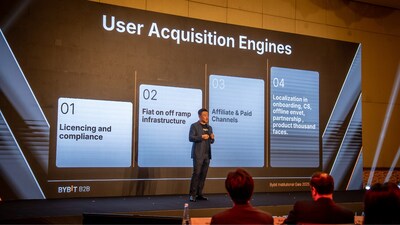
DUBAI, UAE, Dec. 9, 2025 /PRNewswire/ — At the BIG Series – Bybit Institutional Gala, Bybit Co-founder and CEO Ben Zhou delivered a landmark address outlining Bybit’s strategic path into a fully regulated institutional era. Speaking before global regulators, banks, and market leaders, Zhou detailed how Bybit’s full UAE Virtual Asset Platform Operator (VAPO) license is reshaping the exchange’s global positioning and setting new standards for governance, infrastructure resilience, and institutional-grade market access.
This new license places Bybit under one of the world’s most robust regulatory regimes, enabling the exchange to offer a complete institutional product stack from a rigorously supervised UAE hub.
Bybit CEO Ben Zhou Signals a New Era of Regulated Institutional Finance Following Full VAPO and MiCAR Approvals
Vision Rooted in Trust, Scale, and Regulatory Alignment
Zhou opened by emphasizing that institutional adoption is accelerating toward firms that can demonstrate both operational scale and regulatory certainty — and Bybit is now positioned to lead that shift.
“Bybit’s growth this year reflects a market seeking reliability,” Zhou stated.
“Asset inflows rose from USD 1.3 billion in Q3 to USD 2.88 billion in Q4, while our wealth management AUM expanded fivefold from USD 40 million to USD 200 million. Institutions want partners who can scale with discipline, transparency, and governance — and Bybit is delivering exactly that.”
Zhou noted that Bybit’s strengthened regulatory status marks an inflection point for the industry.
“The UAE’s VAPO license gives institutions what they have been waiting for — a regulatory environment where innovation is supported by rigorous oversight,” he added. “It anchors our compliance-first strategy and sets a model for how global digital finance will mature.”
From Retail Strength to Institutional Certainty
Zhou highlighted that Bybit’s institutional advantage is built on the strength of its global retail ecosystem — now spanning card, Pay, and fiat integration across 13 regions. This scale enables one of the deepest liquidity pools in the industry, providing measurable execution benefits to institutional desks.
He also pointed to accelerated collaboration with major financial institutions in Europe and the Middle East, reinforcing Bybit’s role as a high-reliability execution venue for professional market participants.
TradFi and Crypto: A Single Market Within Five Years
Looking ahead, Zhou outlined his long-term view of the industry. Rather than parallel financial systems, he predicts a unified capital market driven by shared infrastructure standards, integrated workflows, and interoperable liquidity.
“In the next five years, TradFi and crypto will not be two separate worlds,” Zhou said. “We are moving toward a single, globally connected ecosystem built on institutional-grade liquidity, custody, and infrastructure — and Bybit is building the operational backbone for that future.”
Commitment to a Safer, High-Performance Institutional Market
Zhou closed his keynote by underscoring Bybit’s commitment to create the market’s most trusted institutional trading ecosystem — anchored in transparency, execution speed, and clear regulatory standards.
With its expanded regulatory footprint, deepening institutional partnerships, and rapidly scaling liquidity, Bybit is well positioned as a foundational pillar of the global digital asset market heading into an era of rapid institutional adoption in 2026.
#Bybit / #CryptoArk
About Bybit
Bybit is the world’s second-largest cryptocurrency exchange by trading volume, serving a global community of over 70 million users. Founded in 2018, Bybit is redefining openness in the decentralized world by creating a simpler, open and equal ecosystem for everyone. With a strong focus on Web3, Bybit partners strategically with leading blockchain protocols to provide robust infrastructure and drive on-chain innovation. Renowned for its secure custody, diverse marketplaces, intuitive user experience, and advanced blockchain tools, Bybit bridges the gap between TradFi and DeFi, empowering builders, creators, and enthusiasts to unlock the full potential of Web3. Discover the future of decentralized finance at Bybit.com.
HANGZHOU, China, Dec. 9, 2025 /PRNewswire/ — During the 18th Singapore-Zhejiang Economic and Trade Council (SZETC) meeting, eSignGlobal, a leading international provider of electronic signature and digital contract services, officially announced the signing of a strategic cooperation agreement with Lion-OCBC Capital Asia, a private equity fund under OCBC Bank.
This signing marks a significant milestone as eSignGlobal secures strategic backing from a top-tier financial institution. The partnership will integrate “technology” and “capital” to jointly build a cross-border digital trust ecosystem connecting China and Southeast Asia. Concurrently, eSignGlobal announced the completion of its deep integration with Singpass, Singapore’s National Digital Identity platform, becoming one of the few electronic signing platforms to achieve “two-way digital identity mutual recognition” between China and Singapore, providing the critical technical foundation for this ecosystem.
Accelerating Regional Expansion through Strategic Synergy Under the strategic agreement, eSignGlobal will establish Singapore as its regional headquarters for Southeast Asia. Leveraging Lion-OCBC Capital Asia’s extensive financial network and resources across the region, the company aims to accelerate its business expansion into key ASEAN economies.
Furthermore, to better serve Chinese enterprises going global, eSignGlobal will deepen its cooperation with local professional service providers such as FOZL Group. By integrating digital signing capabilities into corporate registration and compliance management processes, eSignGlobal aims to deliver a comprehensive, full-link paperless business solution.
Singpass Integration: The Cornerstone of Digital Trust As the core infrastructure of Singapore’s digital economy, Singpass plays a pivotal role in cross-border commercial scenarios. eSignGlobal’s native integration allows users in Singapore and Southeast Asia to complete electronic contract signing directly by scanning a QR code with their Singpass app.
This breakthrough not only fully complies with the requirements for “Secure Electronic Signatures” under Singapore’sElectronic Transactions Act (ETA) but also effectively resolves key pain points in cross-border trade, such as identity verification challenges and slow contract turnaround times. This builds a solid foundation of digital trust for cooperation between China and Singapore in sectors including finance, technology, and logistics.
High-Level Government Endorsement In her closing remarks at the SZETC meeting, Ms. Sim Ann, Senior Minister of State for Foreign Affairs and National Development of Singapore, affirmed eSignGlobal’s technological implementation in the local market. She noted that the Council has long been committed to promoting cooperation in trade and the digital economy, and such technological breakthroughs will further expand the depth of digital mutual recognition and enterprise collaboration between the two regions.
Vision for the Future “Singapore is the hub of the regional digital economy,” said Mr. Jin Hongzhou, Founder and CEO of eSignGlobal. “Through our strategic alliance with Lion-OCBC Capital Asia, we are not just providing a signing tool; we are committed to building a secure, compliant, and efficient digital business infrastructure for enterprises across the region.”
With the continuous growth of bilateral trade between China and Singapore, eSignGlobal is advancing its globalization strategy with steady steps, moving firmly towards its vision of “enabling one-quarter of the world’s population to sign contracts using eSignGlobal.”
HO CHI MINH CITY, VIETNAM – Media OutReach Newswire – 9 December 2025 – The Autumn Economic Forum 2025 took place from 25 to 27 November 2025. The event was organized under the direct guidance of the Prime Minister, chaired by the People’s Committee of Ho Chi Minh City, and hosted by the Viet Nam Centre for the Fourth Industrial Revolution in Ho Chi Minh City (HCMC C4IR) in coordination with relevant ministries, agencies, and the World Economic Forum (WEF).
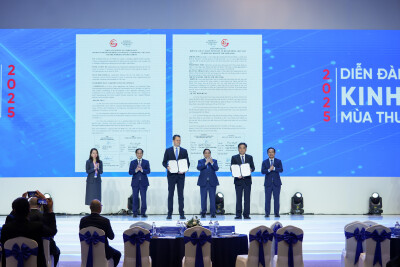
Vice Chairman of Ho Chi Minh City People’s Committee Nguyễn Lộc Hà and WEF Managing Director Stephan Mergenthaler presented the Joint Statement between Ho Chi Minh City and WEF in the presence of Prime Minister Phạm Minh Chính, Deputy Prime Minister Bùi Thanh Sơn, and leaders of Ministries and the City.
The Forum attracted 70 delegations from innovation centers and large corporations, 5 government delegations (Kuwait, Japan, Oman, Qatar, China), 4 delegations from international ministries and agencies (Cambodia, Malaysia, Laos, Australia), 8 delegations from international localities, 7 delegations from major international organizations such as the United Nations (UN), International Monetary Fund (IMF), and Asian Development Bank (ADB), and representatives from 10 global Centers for the Fourth Industrial Revolution (C4IRs). This diversity in participation underscores the Forum’s credibility and reputation, establishing a comprehensive and high-level strategic dialogue platform that fosters multinational cooperation in green economy, digital transformation, and innovation. Notably, Mr. Stephan Mergenthaler – Managing Director of the World Economic Forum (WEF) – together with leaders of several WEF departments and centers, attended in person. Their deep engagement demonstrates WEF’s strong interest and commitment to advancing its strategic partnership with Viet Nam in general and Ho Chi Minh City in particular in the time ahead.
At the Forum, Prime Minister Phạm Minh Chính delivered a strong commitment to prioritizing green–digital twin transformation, positioning Viet Nam not only as a promising market but also as a reliable partner and strategic destination for global sustainable development and technology initiatives. The event recorded an unprecedented attendance of over 1,800 delegates, including 500 CEOs, leaders of multinational organizations, and policymakers from over 30 countries, reaffirming Viet Nam’s growing importance within global value chains and in shaping global solutions.
During the special dialogue program “60 Minutes with the Prime Minister of Viet Nam”, Prime Minister Phạm Minh Chính exchanged directly with Mr. Stephan Mergenthaler to clarify Viet Nam’s new development orientation amid profound global economic transformation.
The Prime Minister emphasized that Viet Nam’s development path is built on independence, self-reliance, peace, cooperation, and future-oriented thinking. After decades of war, blockade, and sanctions, Viet Nam chose to set aside the past, find common ground in differences, and focus on socio-economic development. From a poor agricultural country, Viet Nam has advanced industrialization, reaching an economic scale of around USD 510 billion and per-capita income exceeding USD 5,000. In the coming period, science–technology, innovation, and the twin engines of digital and green transformation will be the foundation for Viet Nam to realize its goal of becoming a developed, high-income nation by 2045.
Presenting the new development vision, Prime Minister Pham Minh Chính identified green transition and digital transition as the two pillars of Viet Nam’s next growth model. Viet Nam will prioritize completing institutional frameworks for emerging sectors such as renewable energy, data, green finance, and carbon markets; developing strategic infrastructure including clean energy, smart grids, high-quality telecommunications and data systems, and digital governance platforms; mobilizing international resources in finance, technology, expertise, and high-quality human capital training.
On this foundation, Viet Nam maintains three consistent development principles: (i) Putting people and businesses at the center of all policies; (ii) Upholding an external policy of peace, cooperation, and responsibility; (iii) Considering innovation, science–technology, and the collective strength of the people as key drivers.
Regionally, the Prime Minister affirmed that Viet Nam aligns its development future with ASEAN – one of the world’s fastest-growing regions. Viet Nam proposes: Strengthening interregional infrastructure connectivity in transport, logistics, and energy; Building shared digital infrastructure and data exchange frameworks; Coordinating to implement the ASEAN Power Grid Initiative to enhance energy security; Promoting intra-regional trade, investment, and innovation.
The Prime Minister also emphasized the central role of dialogue amid rising geopolitical uncertainties. Viet Nam pursues an independent, balanced, multilateral, and diversified foreign policy, and stands ready to serve as a bridge to foster dialogue, narrow differences, build trust, and contribute to regional and global peace and stability. Viet Nam also reaffirmed its readiness to coordinate with WEF and international partners to promote new cooperation initiatives.
National Strategy: Delivering the Twin Transformation through Five Breakthrough Solutions
Regarding global commitments, Viet Nam reaffirmed its target of achieving net-zero emissions by 2050 and is actively implementing the National Green Growth Strategy and the Just Energy Transition Program (JETP) by mobilizing international finance for renewable energy and low-carbon infrastructure. Simultaneously, Viet Nam is accelerating digital transformation, aiming to become a regional leader in digital government, digital economy, and digital society.
This development strategy is operationalized through five breakthrough solutions:
Institutional reform as the leading step
Improve legal and policy frameworks for emerging sectors such as renewable energy, green finance, data economy, and innovation.
Green and digital infrastructure as strategic investment priorities
Strongly invest in green infrastructure and digital infrastructure projects.
High-quality human capital development
Train a highly skilled workforce capable of mastering advanced technologies such as AI, semiconductors, and Industry 4.0 technologies.
Promoting the role of public–private partnerships (PPP)
PPP is a key mechanism to unlock all societal resources, mobilizing both domestic capacities and international capital into Viet Nam.
Smart governance to optimize resources
Efficiently manage national resources—natural, financial, and human—through analytical, forecasting, and smart decision-making tools, thereby improving investment efficiency, increasing productivity, and building a foundation for long-term sustainable development.
Prime Minister Phạm Minh Chính affirmed that the domestic and international business community is the decisive force behind the success of the country’s dual transformation. Viet Nam is committed to maintaining a transparent, stable institutional environment; building synchronized infrastructure systems; and improving human-capital training to support sustainable business development and deeper integration into global value chains. He underscored three essential conditions for enabling businesses: transparent, streamlined, and stable institutional environment; high-quality strategic infrastructure that reduces input costs; well-trained, appropriately skilled workforce that supports business growth. As businesses grow, their managerial thinking and capabilities must also advance.
At the Forum, major organizations and corporations announced concrete investment and cooperation commitments:
● World Economic Forum (WEF):
In addition to cooperation areas related to smart manufacturing and responsible industrial transformation for Ho Chi Minh City in particular and Viet Nam in general, Mr. Stephan Mergenthaler, WEF Managing Director, also committed to expanding support programs for businesses and youth in Viet Nam and Ho Chi Minh City. These programs will focus on key themes such as net-zero, artificial intelligence (AI), and green finance.
● Global Government Technology Center (C4IR Berlin):
Mr. Manuel Kilian, Director of the Center, assessed that “Ho Chi Minh City’s reform momentum and digital transformation drive are truly distinctive”. On this basis, the Center will soon collaborate with Ho Chi Minh City on three major areas: developing a technology startup ecosystem; applying IoT in traffic management, data systems, and business operations; and piloting a digital government model aligned with international standards. In December, both sides are expected to finalize a detailed project portfolio to ensure rapid progress and clear results.
● MassRobotics:
Mr. Daniel Theobald – Co-founder of MassRobotics – noted that Ho Chi Minh City shares many similarities with Silicon Valley in its early stages and emphasized that the City “is moving fast and is prioritizing supporting founders in building real businesses.” He expressed readiness to deploy resources to help develop startups in industrial production, smart agriculture, digital healthcare, and to support technology startups in overcoming the early-stage development gap and expanding access to global markets.
● Foxconn Industrial Internet (Fii):
A strategic link in smart manufacturing. Mr. Brand Cheng, Chairman of Foxconn Industrial Internet, affirmed that expanding investment in Viet Nam stems from a proactive and consistent policy environment. He emphasized that Viet Nam has become an important link in the global supply chain.
● Ant International:
Mr. Yang Peng, Chief Executive Officer of Ant International, stated that Ho Chi Minh City possesses three “golden advantages” to break through and become a new-generation International Financial Centre, namely: (i) Digital readiness; (ii) A strategic gateway position at the heart of Southeast Asia – the world’s fastest-growing region; (iii) A vibrant SME ecosystem.
Currently, the Group operates in more than 70 countries and users, with more than 1,000 partners that are financial institutions and banks. The Group plans to invest in and expand its presence in Ho Chi Minh City, transforming the City into a hub for technology, operations, and a “launchpad” for the Group within its globalisation strategy. Ant International commits to accompanying the Government of Viet Nam and Ho Chi Minh City through concrete actions: (i) Enhancing competitiveness and promoting global connectivity for SMEs using advanced technological solutions from Alipay+, Antom, WorldFirst, and Bettr; (ii) Bringing globally proven core technologies in financial infrastructure (AI, Blockchain, Data Privacy Computing) to Ho Chi Minh City; (iii) Developing and providing new-generation digital financial tools to facilitate international capital mobilisation; (iv) Sharing experience to support the development of policies that attract foreign businesses and advance progressive innovation frameworks; (v) Developing next-generation talent and fostering domestic innovation.
● Global On-chain Economy Alliance (GOE Alliance) and Ho Chi Minh City International Financial Centre (IFC HCM):
GOE Alliance – with the participation of Viettel Digital, Dragon Capital, Tether, Ava Labs, Sky Mavis, Republic, and On-chain Academy – committed to three key areas: (i) Developing high-quality talent and high-quality projects; (ii) Connecting global on-chain infrastructure with Ho Chi Minh City as the hub; and (iii) Contributing substantial economic value to the Ho Chi Minh City International Financial Centre (IFC HCM).
● Amazon Global Selling:
Recognizes Viet Nam as a key growth driver for Southeast Asia’s digital commerce; officially launched Amazon Global Logistics (AGL) operations in Viet Nam, enabling goods to be shipped directly from Viet Nam to Amazon FBA warehouses in the United States.
● TikTok:
Proposed supporting the establishment of three legal entities in Ho Chi Minh City that would provide e-commerce, digital payment, and digital logistics services to serve more than 40 million Vietnamese customers.
Aspirations of a Mega-City: Ho Chi Minh City’s Leading Role
As the host of the first Autumn Economic Forum, Ho Chi Minh City is demonstrating its aspiration to become an international mega-city and a regional hub for economy, finance, science, and technology. Mr. Trần Lưu Quang, Secretary of the Ho Chi Minh City Party Committee, affirmed the City’s development vision based on five strategic pillars: (i) High-tech industry; (ii) Logistics and free trade; (iii) Ho Chi Minh City International Financial Centre (IFC HCM); (iv) Tourism and cultural industries; (v) International-standard education, healthcare, and science–technology. With its GRDP accounting for approximately 23.5% of Viet Nam’s national GDP and per-capita GRDP approaching USD 9,000 (2025), Ho Chi Minh City continues to serve as the nation’s economic locomotive and is committed to ensuring the best possible conditions for investors.
The Autumn Economic Forum 2025 reaffirms Viet Nam’s readiness to work alongside businesses, experts, and investors under the principle of “A facilitating State – pioneering enterprises – public–private partnership – and shared benefits for the people and businesses.” Prime Minister Phạm Minh Chính reiterated Viet Nam’s consistent foreign policy approach: “We remain steadfast in the view that all disputes and differences must be resolved through dialogue and peaceful means. On that basis, Viet Nam is ready to work with the World Economic Forum and partners to promote dialogue, reduce tensions, and contribute to peace, stability, and development worldwide.”
The Joint Statement between Ho Chi Minh City and the World Economic Forum (WEF) on smart manufacturing and responsible industrial transformation marks an important milestone, underscoring the City’s and Viet Nam’s role as the “co-creator” in global initiatives led by WEF. This reflects the new position of Viet Nam and Ho Chi Minh City within international cooperation networks. Through this milestone, Ho Chi Minh City joins the global innovation and manufacturing network as an active contributor, helping shape advanced industrial models that support the country’s green and sustainable development in the new era.
With 14 cooperation agreements signed and one alliance announced at the Forum—across green and digital sectors such as energy, logistics, artificial intelligence, and finance—alongside a series of sideline meetings and numerous bilateral and multilateral engagements, the Forum underscores its essential role in translating ideas into real-world solutions. Through the Forum, the bridge between enterprises and government, and between domestic and international resources, is strengthened—creating opportunities for all sides to exchange, collaborate, and jointly pursue integrated development solutions that connect the green economy with the digital economy.
The Forum also reaffirmed the strong commitment of Viet Nam and Ho Chi Minh City to offering the best possible support and a highly conducive environment for businesses, investors, scientists, and international organizations in applying science–technology and fostering innovation. This demonstrates the City’s vision and ambition to become a leading innovation hub in Southeast Asia—a green, smart, and livable mega-city making meaningful contributions to national and regional development. The Forum represents a major milestone in Ho Chi Minh City’s journey to become a premier destination within the innovation ecosystem—a place where new ideas are nurtured, expanded, and transformed into forces that shape development in the era of the digital economy.
SYDNEY, Dec. 9, 2025 /PRNewswire/ — FXTRADING.com, a global multi-asset broker, has appointedAmit Kaushik as its new Chief Marketing Officer (CMO), marking another milestone in the company’s international growth and leadership evolution.
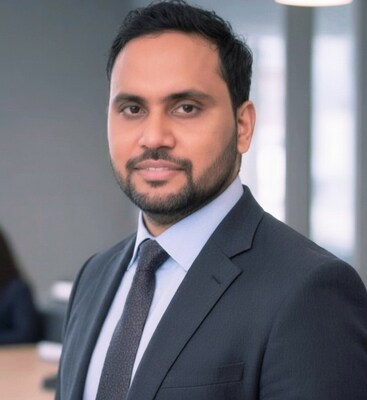
Amit Kaushik, CMO, FXTRADING.com
Amit joins FXTRADING.com with over 15 years of experience across global fintech and technology brands, including senior roles at Meta and Airwallex, where he led cross-regional marketing, product storytelling and digital growth initiatives. His appointment comes at a time when FXTRADING.com is expanding its global presence and strengthening its in-house technology capabilities following the launch of its new website and integrated All-in-One Trading Portal.
As CMO, Amit will oversee FXTRADING.com’s global marketing strategy, focusing on brand expansion, digital innovation and scalable growth across key markets in APAC, MENA and Europe. He will work closely with product and technology teams to elevate the company’s positioning as a trusted, performance-driven and technology-led brokerage.
Adam Phillips, CEO of FXTRADING.com, said: “Amit’s experience across global fintech and digital ecosystems makes him an exceptional addition to our leadership team. His ability to scale brands internationally and build strong customer engagement aligns perfectly with our vision to innovate faster and strengthen our presence worldwide.”
Amit’s background spans brand marketing, growth strategy and go-to-market leadership, with a strong track record of building high-impact teams and leading global teams.
Commenting on his appointment, Amit Kaushik, CMO of FXTRADING.com, said: “I’m excited to join FXTRADING.com at such an important stage of its growth. The company’s commitment to in-house innovation, transparency and client success aligns with my vision to build a brand that truly connects with traders worldwide. We will continue strengthening FXTRADING.com’s global identity and bring more clarity, performance and trust to the trading experience.”
About FXTRADING.com
Founded in 2014, FXTRADING.com is a globally regulated broker offering access to 500+ financial instruments, including Forex, Stocks, Indices, Commodities and more. With its new in-house-built website and integrated All-in-One Trading Portal, FXTRADING.com brings together WebTrader, mobile apps, social trading and funds management into one unified ecosystem. The company delivers institutional-grade liquidity, ultra-tight spreads and millisecond execution across its proprietary platforms and MetaTrader 4 & 5.
This photo is used for representational purpose only.
By Alex PIGMAN/AFP – Paramount on Monday launched an all-cash tender offer to acquire Warner Bros. Discovery, the Hollywood giant that also owns CNN, in a challenge to Netflix’s own highly contested deal.
The hostile offer sets up a bidding war between Paramount, whose CEO is David Ellison, the son of Larry Ellison, an ally of Donald Trump, and streaming behemoth Netflix.
Netflix shocked the industry last week by announcing it had sealed an agreement to buy the Warner Bros. studio, drawing bitter reactions from voices in Hollywood worried about the future of their industry.
David Ellison’s father Larry, one of the world’s richest people, has put up the cash to pay for the buyout, with sovereign wealth companies from Saudi Arabia, Qatar and Abu Dhabi also investors.
Another investor is Affinity Partners, the private equity firm founded by Trump’s son-in-law Jared Kushner, who is close to the president and acted on his behalf in recent diplomatic missions on the wars in Gaza and Ukraine.
Trump weighed in on Sunday, saying Netflix’s deal “could be a problem” as it would be left with a huge market share of the film and TV industry.
In a break from usual practice, Trump said he would be “involved” in the government’s decision to approve the deal over fair competition concerns, instead of leaving the question solely in the hands of the Department of Justice or Federal Trade Commission, as is usually the case.
“We’re really here to finish what we started,” David Ellison, who is also chairman of Paramount, told CNBC as his company made a sixth offer for Warner Bros. since a bidding war began in September.
Unlike Netflix’s offer, Paramount’s latest bid includes the buyout of cable channels such as CNN, TNT, TBS and Discovery — which would be added to its group of TV assets like CBS, MTV and Comedy Central.
The offer values the entertainment giant at $108.4 billion and represents a 139 percent premium over Warner Bros. Discovery (WBD)’s September stock price of $12.54, when the bidding war began.
Paramount in a statement called Netflix’s bid, which values Warner Bros. studios at nearly $83 billion, “inferior and uncertain.”
“WBD shareholders deserve an opportunity to consider our superior all-cash offer,” Ellison said.
Netflix declined a request for comment from AFP.
Far from over
“The Warner Bros. Discovery acquisition is far from over,” said Emarketer analyst Ross Benes.
“Netflix is in the driver’s seat but there will be twists and turns before the finish line… The battle could become prolonged.”
Over the decades, Warner Bros. has produced film classics including “Casablanca” and “Citizen Kane,” as well as more recent blockbuster shows including “Friends,” “Game of Thrones” and the “Harry Potter” movies.
Paramount argued its deal provides greater regulatory certainty than the Netflix transaction, which it said would give Netflix a 43 percent share of global streaming subscribers and face “protracted regulatory challenges across the world.”
The combined company would unite Paramount’s portfolio — including Paramount Pictures, CBS, Nickelodeon and streaming site Paramount+ — with WBD’s assets including HBO Max and major sports rights.
Paramount said the merger would generate over $6 billion in cost savings while maintaining theatrical releases and increasing content spending.
Keeping movies in theaters is a very sensitive issue for the creative industry in Hollywood.
Netflix is already viewed negatively in some Hollywood circles, largely due to its reluctance to release content in theaters and its disruption of the industry.
Many veterans consider theatrical releases essential to cinema’s appeal and prestige, and also integral to maintaining Hollywood jobs and a vibrant economy.
Warner Bros. Discovery’s share price skyrocketed by more than seven percent on Monday while shares in Netflix fell by over three percent.
A general view shows the scene of a fire that broke out after an earthquake in Aomori City on December 9, 2025.
At least 10 people were reported injured on December 9, but there appeared to be no major damage after a big quake rocked northern Japan and triggered tsunami waves up to 70 centimetres high. Photo by STR / JIJI PRESS / AFP
By Hiroshi HIYAMA/AFP –A major earthquake off northern Japan left at least 30 people injured, authorities said on 9 December, damaging roads and leaving thousands without power in freezing temperatures.
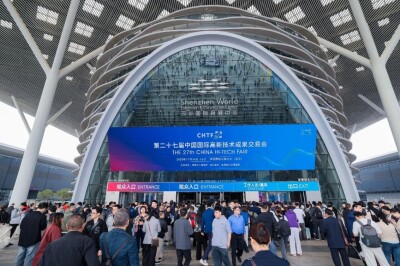
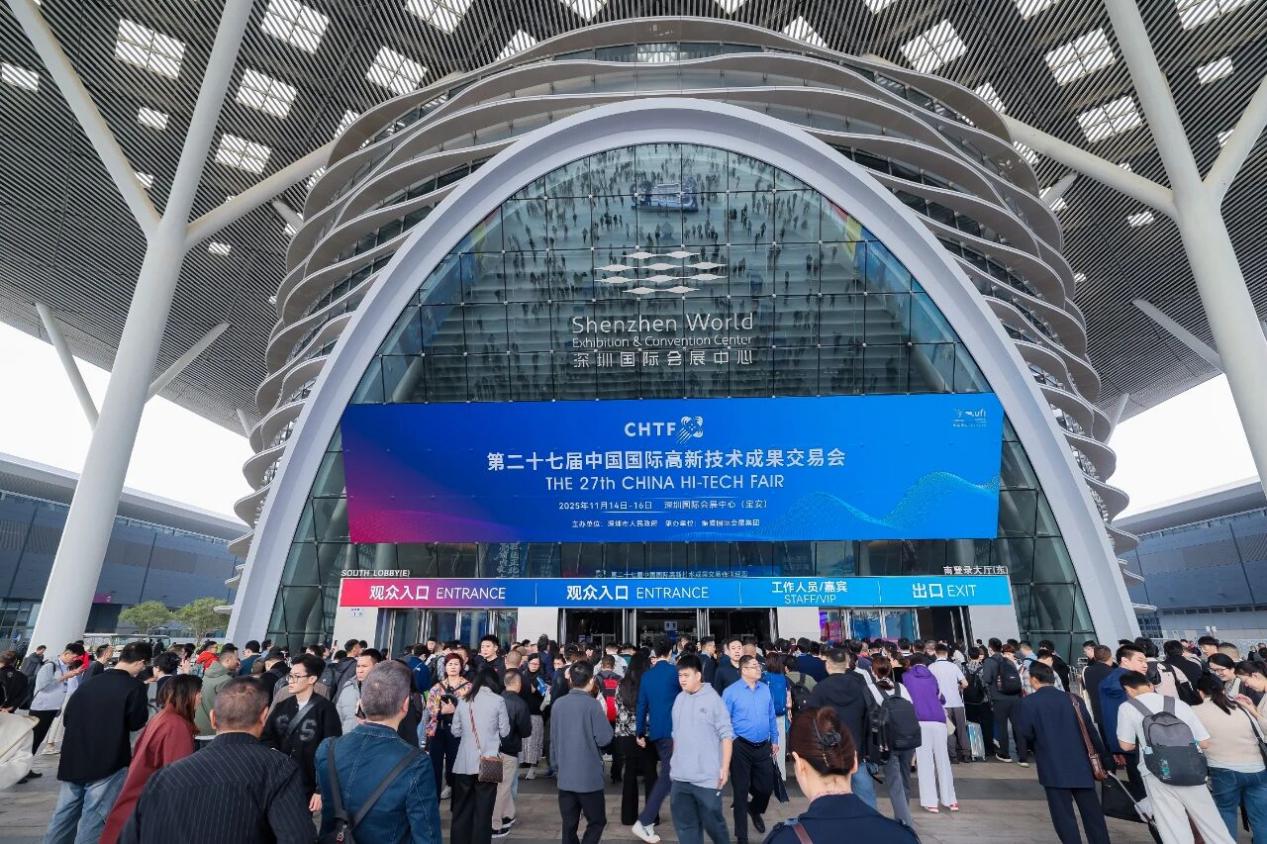
SHENZHEN, CHINA – Media OutReach Newswire – 9 December 2025 – On November 16, the 27th China Hi-Tech Fair (CHTF) successfully concluded at the Shenzhen World Exhibition & Convention Center. Over the course of three days, the event attracted more than 450,000 professional attendees from over 120 countries and regions—a year-on-year increase of 13%. More than 5,000 new products and innovations were unveiled on-site, accompanied by over 200 major concurrent events. The fair facilitated 1,023 business matchmaking sessions and investment deals, with the total value of intended transactions and investments exceeding RMB 170 billion. Once again, China’s technological innovation captured the world’s attention.
170 Billion RMB Ignites the Future in Shenzhen This November. The 27th China Hi-Tech Fair Concludes Successfully
With the theme “Technology Empowering Industry, Driving Integration for a Shared Future,” this year’s CHTF showcased cutting-edge products, advanced technologies, and innovative solutions from a wide range of domestic and international industries. As the most popular and high-profile national-level event in Shenzhen this November, the fair ignited passion and enthusiasm across the tech innovation landscape. It not only reinforced its reputation as China’s “No. 1 Technology Exhibition,” but also cemented its status as the “World’s Leading Innovation Fair,” serving as a global hub for top-tier technologies and a bellwether for future industrial development.
1. CHTF Showcases a “Clash of Titans” in Technology, Expanding Global Innovation Horizons
The 27th China Hi-Tech Fair featured 22 major exhibition zones covering strategic sectors such as national-level equipment, artificial intelligence and robotics, semiconductors and integrated circuits, consumer electronics, low-altitude economy, and commercial aerospace. It offered a comprehensive view of the latest global technological advancements and China’s cutting-edge innovations. Over 90% of the physical exhibits at this year’s fair represented high-end, precision, and advanced technologies, with more than 20% being debut products unveiled for the first time.
More than 40 central and state-owned enterprises, including China Aerospace Science and Technology Corporation, CNOOC, CGN, China Southern Power Grid, and China Electric Equipment Group, showcased their core technologies in intelligent manufacturing. Major breakthroughs such as the Long March rocket, HaiKui-1 platform, Hualong One reactor, “Shenzhen Star” APSTAR-6D satellite, and EH216-S autonomous passenger aircraft demonstrated China’s innovation-driven solutions and stirred national pride.
Over 2,000 leading enterprises, research institutions, and tech competitions—including BYD, Tencent, Huawei, Honor, Empyrean Technology, Guangming Laboratory, Unitree Robotics, Cyberdog, Bourne Optical, and the Dexterous Hand Competition—brought cutting-edge technologies that electrified the venue. Highlights such as the OpenHarmony ecosystem, Ascend 384 Super Node, domestic AI ecosystem exhibitions, satellite-enabled long-distance robotic surgery, and the world’s first MRI with integrated video capture turned heads and drew consistent crowds.
Interactive experiences like robot combat, 3D world generation models, eVTOL manned aircraft, and AI-generated artwork created a buzzing, high-energy atmosphere. The overwhelming turnout and excitement underscored the audience’s growing anticipation for how technology will reshape everyday life.
2. CHTF Becomes a Core Engine for Resource Allocation, Showcasing National Strategic Strength in Regional Synergy
CHTF has firmly established itself as a key platform for promoting regional collaborative innovation, optimizing resource allocation, and advancing market integration. For the first time, this year’s CHTF introduced a dedicated exhibition zone for “Regional Economic and Technological Innovation Achievements.” From clean energy initiatives in the Northwest to the booming digital economy in the Southeast, and from high-end equipment manufacturing in the Northeast to frontier technologies in the Guangdong-Hong Kong-Macao Greater Bay Area, the zone highlighted the latest breakthroughs in scientific research, independent innovation, and industrial integration across various regions.
The Shanghai delegation featured cutting-edge projects including a model of the “China Fusion Engineering Test Reactor (CFETR),” high-temperature plasma treatment technologies, a megacity-level mobility data platform, and a magnesium-based solid-state hydrogen storage and fueling demonstration project. The Yuhang delegation from Hangzhou showcased impressive technologies such as the Revo 2 bionic industrial dexterous hand, graphene composite fibers, a DNA microarray synthesizer using TFT semiconductor technology, and self-developed domestic chips. The Zhangjiagang delegation drew crowds with exhibits including a scaled model of the “Tianlong-3” large liquid launch vehicle, a heavy-duty six-rotor drone, and inspection robots. From Futian District in Shenzhen, the tech delegation presented innovations like the NAO robot, Linglong robot, IoT operating systems, AI glasses, superconducting quantum chips, quantum arbitrary waveform generators, and electron beam lithography machines—demonstrating the vast possibilities of technological advancement.
These regional achievements in tech innovation and industry integration, amplified through the national platform that is CHTF, are fostering a collaborative, complementary innovation ecosystem. This synergy is injecting powerful momentum into China’s path toward modernization and high-quality development.
Moreover, over 30 universities and research institutions—including Tsinghua University, Peking University, the Chinese University of Hong Kong, Fudan University, Hong Kong University of Science and Technology, the Chinese Academy of Sciences, Shenzhen Bay Laboratory, RIOS Lab, and Shenzhen Institute of Computing Sciences—brought their latest research to the fair. Notable innovations included the PicoRio 1.0 and 2.0 processor chips, a multidimensional single-molecule dynamic imaging platform, China’s first high-throughput intelligent peptide synthesizer, a respiratory intervention robot for early lung cancer detection and treatment, virtual hand selection technology in VR environments, electrostatic artificial muscles, organoids/organs-on-chips, and biomimetic microsystems.
These future-oriented breakthroughs created vibrant focal points throughout the venue, becoming signature highlights that drew sustained attention and enthusiasm from attendees.
3. Global Intelligence, China’s Showcase: CHTF Continues to Elevate China’s Hi-Tech “Golden Name Card”
This year’s CHTF attracted participation from international organizations, leading enterprises, and industry leaders representing over 120 countries and regions—including Germany, the United States, the United Kingdom, France, the Netherlands, Canada, Spain, Portugal, Russia, South Korea, Brazil, Thailand, Pakistan, and Singapore. Dedicated exhibition areas for International Sister Cities and Belt and Road International Cooperation were set up to highlight outstanding achievements in leveraging technological innovation to support high-quality development under the Belt and Road Initiative.
On the first day alone, the CHTF hosted a special session focused on the new energy and energy storage industries in Shandong Province, attracting over 30 international buyers from key global markets such as the UK, Russia, Bulgaria, Canada, Mexico, Australia, the UAE, Jordan, and South Korea. Senior decision-makers—including general managers, CEOs, CTOs, and procurement heads—engaged in direct, in-depth discussions on-site, laying the groundwork for future substantial orders and long-term partnerships.
4. CHTF Establishes a National-Level Platform for Impact: 1,023 Deals Signed, RMB 170 Billion in Transactions—The Year’s Premier Innovation Event
During its three-day run, the 27th China Hi-Tech Fair hosted over 200 major events, including industry summits, professional forums, product launches, project roadshows, technical seminars, and prestigious awards ceremonies. Highlights included the China Hi-Tech Forum, the AI Industry Innovation Forum Series, the Low-Altitude Economy Industry Summit, the Semiconductor Industry Ecosystem Forum, and the Industry-Education Integration Forum. Dozens of renowned academicians—such as Liu Daxiang, Harry Shum, Xiang Jinwu, and Meng Jianmin—joined government officials, university scholars, and enterprise leaders to explore the latest global trends and emerging ideas across technology, economics, and finance.
Beyond showcasing frontier technologies, this year’s CHTF placed a strong emphasis on results and transaction facilitation. Through the “1-3-6” strategy—where international buyers accounted for 10%, in-province buyers 30%, and out-of-province buyers 60%—the fair positioned itself as a vital hub for high-tech global cooperation and commercialization.
The Global Sourcing Matchmaking Conference and the Investment & Financing Matchmaking Event brought together 1,036 buyer delegations from countries and regions including the UK, Russia, Canada, and India. Over 3,000 domestic and international investment institutions participated onsite, including JPMorgan Chase, Goldman Sachs, Sequoia Capital, Bain Capital, and IDG Capital. The event floor was abuzz with negotiations, business card exchanges, and intent-based partnerships.
With 1,023 deals signed and over RMB 170 billion in intended transactions and investment, CHTF once again confirmed Shenzhen’s status as a global innovation hub—driving high-level exchanges in high-tech industries, accelerating the transformation of research into real-world applications, and empowering the rise of pioneering tech enterprises.
5. China’s Premier Tech Expo Never Ends—See You Next Year
This three-day technology extravaganza offered a comprehensive review of past innovation achievements and a deep exploration of future innovation strategies—right in the golden autumn of Shenzhen this November. While the 27th China Hi-Tech Fair concludes today, this world-class showcase of high-tech advancement is far from over. At the forefront of global innovation, CHTF will continue to lead with a pioneering spirit, driving forward scientific progress and shaping the future of society.
The momentum continues, the brilliance endures. The 28th China Hi-Tech Fair will once again be held at the Shenzhen World Exhibition & Convention Center. We look forward to reuniting next year to write another chapter of innovation in Shenzhen—where tomorrow’s breakthroughs will redefine the world as we know it.
Hashtag: #ChinaHi-TechFair
The issuer is solely responsible for the content of this announcement.
BALI, INDONESIA – Media OutReach Newswire – 9 December 2025 – Malaysia opened the ACES Awards 2025 with a powerful showcase of organisations that are redefining leadership across sustainability, healthcare, infrastructure, finance, and digital innovation.
The nation’s Day One winners stood as living proof that progress is most meaningful when it is anchored in purpose, people, and long-term impact.
“Malaysia’s winners demonstrate that real leadership begins with empathy and becomes extraordinary through action,” said MORS Group CEO Dr. Shanggari Balakrishnan.
“Their dedication to people, progress, and purpose is shaping a stronger and more resilient Malaysia for generations to come,” added the ACES Awards organiser.
Among the honourees, Sawit Kinabalu inspired the jury with its decades-long evolution into a sustainability-driven enterprise.
Under the stewardship of Datin Stella Ambrose, the organisation has transformed agricultural waste into renewable energy, championed responsible plantation practices, and invested in community development programmes that uplift rural livelihoods.
Danone Specialized Nutrition Southeast Asia was recognised for advancing regional health outcomes through science-based nutrition solutions, circular packaging systems, and renewable energy adoption.
Its work continues to support vulnerable populations, particularly mothers and children, while embedding sustainability into every stage of its value chain.
The Land Custody and Development Authority (LCDA) earned acclaim for its Darul Hana Redevelopment Project — a landmark urban transformation that balances economic growth with cultural heritage preservation, environmental protection, and compassionate community resettlement.
Commerce Dot Com was honoured for strengthening Malaysia’s digital backbone, enabling secure, efficient, and inclusive electronic procurement systems that empower businesses, government agencies, and entrepreneurs to thrive in a connected economy.
In the logistics sector, Nationwide Logistics was recognised for modernising operations through smart infrastructure, workforce development, and agile supply chain solutions that prioritise both efficiency and employee welfare.
Completing the list of winners, Alliance Bank stood out for its commitment to responsible finance, supporting small and medium enterprises, driving financial inclusion, and embedding environmental, social, and governance (ESG) principles at the core of its banking practices.
Together, Malaysia’s Day One winners represent a nation propelled by conscience-led leadership — where innovation is guided by integrity, and success is measured by the lives uplifted along the way.