Home Blog Page 18

Huawei releases world’s slimmest and largest foldable smartphone

First smartphone to run HarmonyOS 7 and include chip design breakthrough LogicFolding
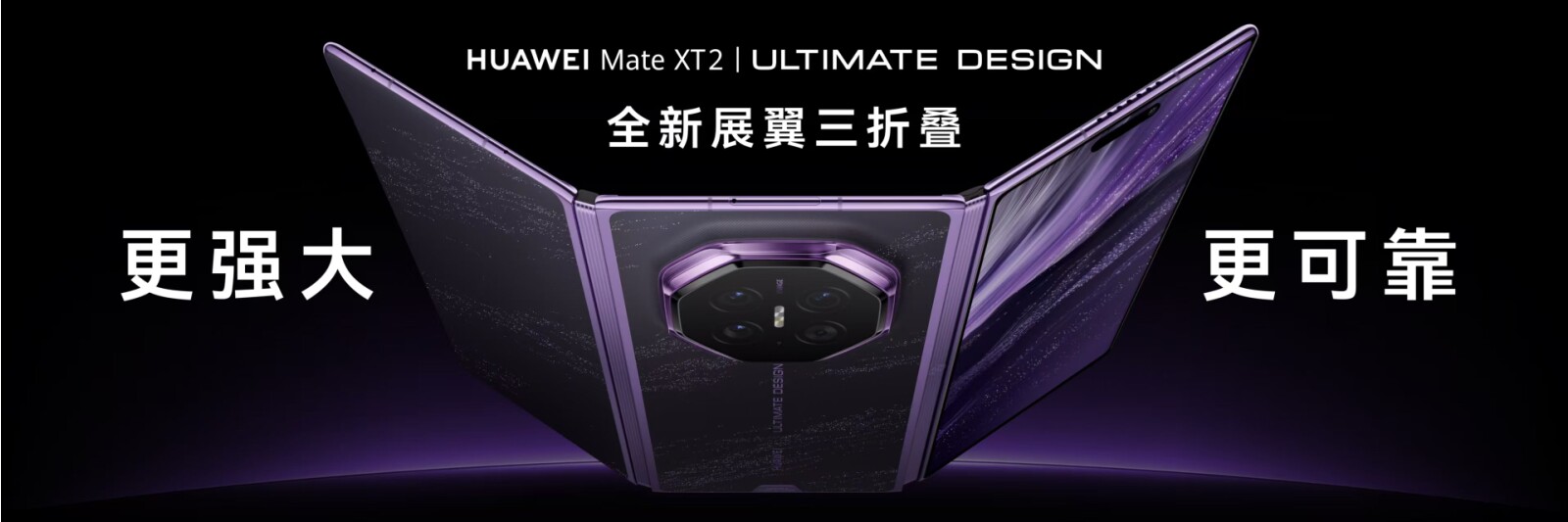

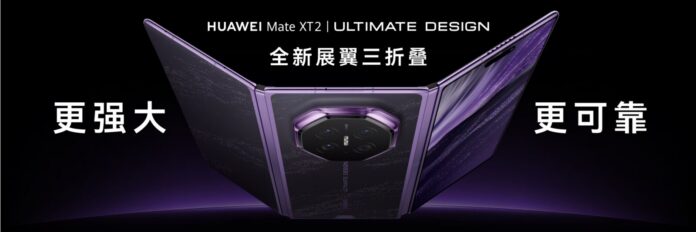
SHENZHEN, CHINA – Media OutReach Newswire – 28 September 2026 – Huawei released the HUAWEI Mate XT 2 | ULTIMATE DESIGN trifold smartphone on September 7. The phone is the first to run HarmonyOS 7, and is the slimmest and largest foldable smartphone in the industry. The Mate XT 2’s Kirin 9050 chip also includes a major breakthrough in semiconductor design. As the first smartphone to feature the LogicFolding Tau (τ) Chip, the Mate XT 2 marks the chip’s official entry into mass commercialization.

World-class engineering and design

The device is proving popular with consumers due to its foldable wing-like form, which means it can be opened up, transforming the phone into a tablet.

The engineering to make this possible is unprecedented. The glass screen must be tough enough to withstand daily use, whilst being able to fold thousands of times. The hinge to allow the screen to fold is the first of its kind. Once open, the handset is just 3.5mm thick. However, the screen is not the only remarkable folding technology in the device.

The first chip with semiconductor design breakthrough, LogicFolding

The Mate XT 2 Ultimate Design includes a major breakthrough in semiconductor design. The phone is the first to use Huawei’s LogicFolding Tau chip Kirin 9050 Pro. Designed by engineers in Huawei’s HiSilicon team, the chip offers a solution to the problem of geometric scaling.

With Moore’s law (the historical observation that the number of transistors on a microchip doubles approximately every two years) believed to be reaching its physical limit, making chips smaller is becoming more challenging and costly.

For Huawei, faced with external restrictions, the need to find a solution came sooner than expected.

Huawei releases world's slimmest and largest foldable smartphone

In May this year, He Tingbo, President of Huawei’s HiSilicon division, unveiled a new way of designing and making chips, alongside a new law to measure their performance, the τ (Tau) Scaling Law. The work led to Ms He being recently named one of the world’s leading AI innovators by Time Magazine.

The point of shrinking transistors was never the smallness itself, it’s what the smallness delivered. Shoppers looking to buy the latest smartphone don’t care if the chips inside have 7, 5 or even 2-nanometer nodes, they care about the performance of the device in their hands. What matters to consumers is the time it takes for a task to be completed, a video to be shared or a game to load. The performance of the chip should be measured in the same way: by time, not size. This is why Huawei proposed τ (Tau) Scaling Law as an alternative to Moore’s Law.

Breaking through barriers to improve performance

The Kirin 9050 Pro uses 3D integration to boost performance. Traditional chip advancement focussed on packing more and more transistors into a linear plain by making each one smaller. LogicFolding uses 3D integration to reduce the distance between transistors by stacking them on top of one another, increasing the number of transistors whilst reducing the distance between them.

In fact, in the Kirin 9050 Pro transistor density has risen from approximately 155 to 238 million transistors per square millimetre. That’s an equivalent increase to what was achieved in the previous three years using geometric shrinking.

It was thought that stacking active transistors on top of each other and sealing them inside a solid mobile device would present an engineering challenge. Power turns into heat, which in a confined space would raise the temperature and ultimately break the device.

The key to the solution came in recognising that integrated chips have both transistors and circuits. As He Tingbo explains in her IEEE article, Huawei’s τ Chip Was Supposed to Melt?, the inner workings of a chip can be compared to an office worker’s day of work. Many office workers will use more energy on their commute to and from the office than they do at their desk because they are moving around more on the road. The ‘work’ part of their day is not the most energy intensive part as they are often seated at their desk.

The same is true for chips. The most energy intensive part of the process is the ‘commute’, moving data from point A to point B, not processing it. Integrated circuits use power in two main ways. The first is switching, flipping a transistor gate to change a bit from 0 to 1 and back. The second is the transmission of that data, moving the bits from one part of the chip to another.

This is important in mobile phones where a lot of performance requirements are asked of a single chip. Equally, however, in a large AI cluster 80% of the energy is used in the moving the data, not processing it. In both cases, LogicFolding reduces the space between transistors which in turn reduces the power used. The previous assumption that packing transistors on top of one another would increase the heat turned out to be false. In fact, even with a higher transistor density per millimetre, LogicFolding chips run cooler per unit of work. The result is Huawei’s most powerful smartphone ever.

The first phone to run HarmonyOS 7

The Mate XT 2 is the first smartphone to run HarmonyOS 7. Forty-two percent more powerful than the previous generation, it remains the slimmest and largest foldable display in the industry when open. The cover screen spans 6.5 inches, boosting the screen-to-body ratio from 86.4% to 92.8%. Enhanced with 70% better anti-reflection, the screen exhibits a deeper, cleaner black when off, and pure, crystal-clear transparency when lit.

The Huawei Mate XT 2 also introduces the world-first Smart Shield Privacy Screen on a foldable screen. Two independent pixel sets co-exist within the 10.2-inch display at a micro-pitch of just 9 μm. When Privacy Mode is activated, the screen seamlessly switches from a wide viewing angle to a narrow one while maintaining identical resolution and clarity, protecting your privacy in public spaces without compromising your view.

Industry first ECG analysis

Health tech is increasing important to consumers, and so the Mate XT 2 is the industry’s first smartphone to introduce ECG analysis. Capitalising on the innovative tri-fold form factor, users can simply hold both side frames with both hands while unfolded to capture a 30-second ECG signal. Paired with the medically certified analysis software, it generates detailed ECG reports to help identify Sinus Rhythm, Atrial Fibrillation, and Premature Beats.
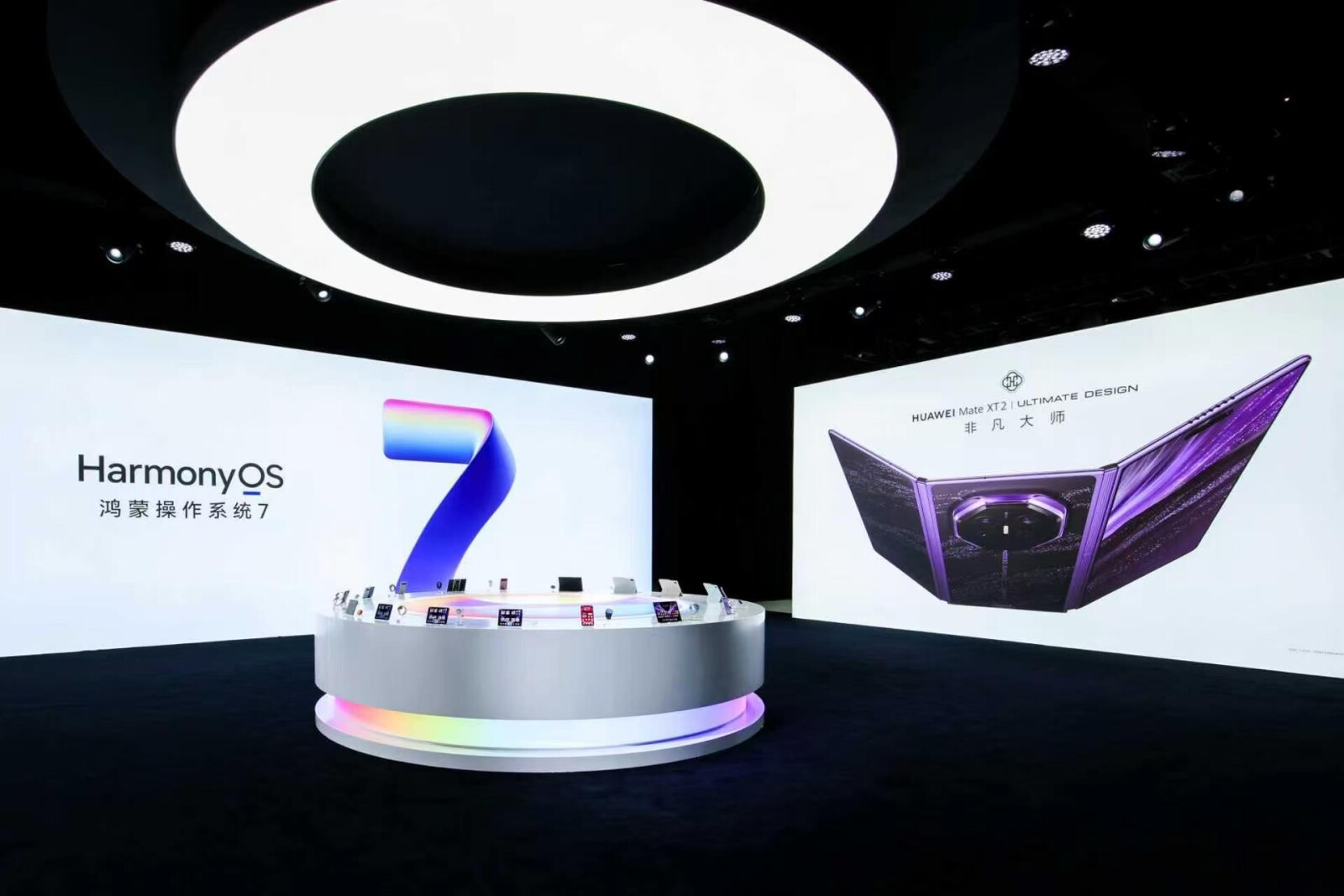
Huawei releases world's slimmest and largest foldable smartphone

The launch of the Mate XT 2 marks a significant moment in Huawei’s journey. The company’s R&D has delivered industry leading, and industry changing innovation. More than half of Huawei’s employees work in R&D. That’s over 100,000 people. The company currently holds 160,000 active patents worldwide. In the first half of 2026 alone, Huawei’s R&D investment was over RMB 121 billion, accounting for 25.94% of revenue, up 25.2% year on year.

The HUAWEI Mate XT 2 | ULTIMATE DESIGN starts at RMB 19,999 and is now available for purchase, along with a stylus set, following its official sales launch at 10:08 on September 12th.

Hashtag: #Huawei

The issuer is solely responsible for the content of this announcement.

Phenikaa University Announces VND 80 Billion STEM Investment, Launches International-Standard Planetarium


HANOI, VIETNAM – Media OutReach Newswire – 28 September 2026 – Phenikaa University, a member of Phenikaa Group, a diversified Vietnamese conglomerate, has announced a VND 80 billion (approximately US$3 million) investment in STEM education in 2026. The University has also launched Phenikaa Planetarium, a new international-standard facility dedicated to astronomy education, public engagement with science and experiential learning.

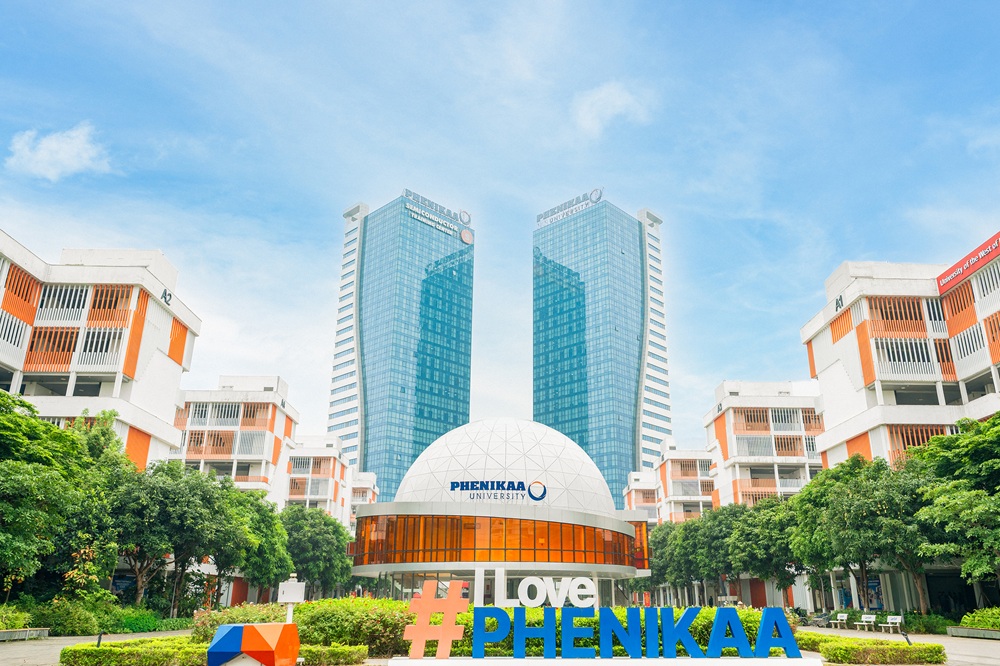
Phenikaa University campus, with Phenikaa Planetarium set against the twin 30-storey towers.

The Planetarium is serving as a key venue for the 19th International Olympiad on Astronomy and Astrophysics (IOAA 2026), which Vietnam is hosting for the first time. The Olympiad brings together nearly 500 international delegates from 64 countries and territories, including more than 300 outstanding high-school contestants, as well as team leaders, scientists and educators.

The investment forms part of Phenikaa University’s broader strategy to strengthen STEM education by integrating learning, research, technology and hands-on scientific experience.

Designed to take science education beyond the classroom, Phenikaa Planetarium enables students to explore astronomical phenomena through immersive visualisation and observation. In addition to supporting university teaching, the facility will give high-school students access to astronomy and hands-on STEM learning, while also serving teachers and the wider community.

The Planetarium features a 16-metre-diameter dome, a projection system of 5 Sony GTZ380 projectors and SkyExplorer simulation software, enabling detailed simulation of the night sky under controlled conditions. These technical capabilities also enable the facility to host the planetarium-based observational examination of IOAA 2026.

Prof. Dr. Ho Xuan Nang, Chairman of the Phenikaa University Council, said: “This VND 80 billion commitment is ultimately an investment in the next generation of scientists and innovators. Through Phenikaa Planetarium, we want young people not only to learn about science, but to experience it first-hand, to ask bigger questions and to develop the confidence to pursue discoveries of their own.”

Inside Phenikaa Planetarium, Hanoi, Vietnam.

Building a stronger platform for STEM

Astronomy offers a naturally interdisciplinary setting for STEM education, bringing together physics, mathematics, computing, data analysis and engineering. By hosting IOAA 2026, Phenikaa University is connecting its new STEM infrastructure directly with an international community of young scientific talent.

Beyond the Olympiad, the University plans to develop Phenikaa Planetarium into a long-term platform for STEM education, astronomy outreach and academic activities, as well as for collaboration with schools and international partners.

The investment comes amid growing international recognition of Phenikaa University’s academic and institutional development.

In April, Phenikaa became the first Vietnamese university to win the “Leadership and Management Team of the Year” award at the Times Higher Education (THE) Awards Asia 2026. The University was also placed in the 401–600 band globally in the THE Impact Rankings 2026, which assess universities’ contributions to the United Nations Sustainable Development Goals.

The University currently offers more than 130 academic programmes from bachelor’s to doctoral level, including 5 ABET-accredited and 6 medical residency programmes.

Phenikaa is also one of 12 higher education institutions selected under a scheme approved by Vietnam’s Prime Minister to develop leading universities in Hanoi, with the goal of ranking among Asia’s top 150 universities by 2030. The scheme reflects broader efforts to strengthen research capacity, international engagement and the global competitiveness of higher education in the Vietnamese capital.

For Phenikaa University, the new STEM investment is intended to translate these ambitions into lasting capacity through modern infrastructure, internationally benchmarked education, stronger research and greater opportunities for young people to engage directly with science.

As IOAA 2026 brings the international astronomy community to Hanoi, Phenikaa Planetarium provides an immediate demonstration of that strategy in action and will continue to open the universe to Vietnam’s next generation of scientists.

MEDIA CONTACT
Phenikaa University | Communications & Admissions Office | truyenthong@phenikaa-uni.edu.vn

Hashtag: #PhenikaaUniversity #PhenikaaPlanetarium #STEM

The issuer is solely responsible for the content of this announcement.
ABOUT PHENIKAA UNIVERSITY

Phenikaa University is a private, comprehensive university in Hanoi, Vietnam, and a member of Phenikaa Group, a diversified Vietnamese conglomerate whose portfolio spans advanced manufacturing, development of technology, education and healthcare.

Serving more than 44,000 students, the University brings together education, applied research and industry practice within a multidisciplinary ecosystem built around key research pillars in semiconductors, robotics and automation, advanced materials, new energy and biomedical sciences.

Since 2019, its research community has produced more than 3,700 international publications, supported by more than 150 laboratories across multiple disciplines. Phenikaa has maintained a leading position among Vietnamese higher education institutions in the Nature Index for six consecutive years. Learn more:

Laos Orders Banks to Block Crypto Purchases on Unlicensed Foreign Platforms

This photo is used for representational purpose only.

Laos has moved to tighten controls on cryptocurrency purchases through foreign platforms, ordering banks and payment providers to block card transactions linked to exchanges that are not licensed by the central bank.

The Bank of the Lao PDR (BOL) issued the notice on 31 July to commercial banks and payment service providers nationwide after finding that customers were using payment cards, particularly international cards, to buy cryptocurrency on unauthorized foreign platforms.

According to the notice, customers using these platforms are not protected by Lao regulations if problems arise. Banks and payment providers must therefore check their systems and block payment channels and Merchant Category Codes linked to cryptocurrency trading.

The measure targets foreign platforms that the BOL has not licensed. It does not say whether the same restrictions apply to cryptocurrency platforms licensed in Laos.

Existing Crypto Restrictions

Lao banks have faced restrictions on cryptocurrency transactions since October 2018, when the BOL told financial institutions not to trade cryptocurrency, provide crypto exchange services or credit, or allow customers to purchase cryptocurrency using credit cards.

Authorities later introduced a controlled system for cryptocurrency mining and trading. In September 2021, the government authorized six companies to participate in a trial program covering cryptocurrency mining and trading.

Those companies were Wap Data Technology Laos, Phongsubthavy Road & Bridge Construction Co., Sisaket Construction Company Limited, Boupha Road-Bridge Design Survey Co., Ltd., Joint Development Bank, and Phousy Group.

In 2022, the government also authorized Bitqik as a cryptocurrency trading platform in Laos.

Bitqik’s website says customers can buy cryptocurrency using Visa, Mastercard, or bank transfers. However, the latest BOL notice does not clarify whether the new payment restrictions apply to licensed Lao platforms such as Bitqik.

For now, the notice focuses on using Lao banking and payment systems to buy cryptocurrency through foreign platforms that the BOL has not licensed.

DKSH and Grünenthal Announce New Partnership Agreement to Accelerate Access to Innovative Pain Management Solutions Across Eight Markets in Asia-Pacific

DKSH and Grünenthal have entered into a new regional partnership agreement covering eight Asia-Pacific markets. The collaboration combines Grünenthal’s leadership in pain management with DKSH Healthcare’s integrated end-to-end commercialization platform to accelerate access to innovative therapies and support future portfolio growth across the region.

SINGAPORE – EQS Newswire – 28 September 2026 – DKSH Business Unit Healthcare, a strategic healthcare business partner and leading provider of Market Expansion Services for pharmaceutical, over-the-counter (OTC), consumer health and medical device companies, has expanded its partnership with Grünenthal, a global leader in pain management and research. Under the new regional agreement, DKSH will support the commercialization of four products from Grünenthal’s specialty pain portfolio, including the launch of Qutenza®, Vimovo®, Palexia® and Zomig® in up to eight markets in Asia-Pacific, namely Hong Kong, Indonesia, Malaysia, Philippines, Singapore, Taiwan, Thailand, and Vietnam. The agreement marks the next phase of a successful partnership which previously covered three medicines from Grünenthal’s established portfolio, strengthening the commitment of both companies to improving access to holistic pain management solutions for patients across the region.

Grünenthal has built a leading position in pain management globally and is expanding the reach of its innovative portfolio across Asia-Pacific. Through this partnership expansion, DKSH Healthcare can further leverage its integrated capabilities spanning regulatory affairs, market access, medical affairs, patient solutions, commercial excellence, omnichannel engagement, distribution, and supply chain management to successfully launch new therapies, unlock sustainable growth and deliver long-term portfolio expansion across the region.

The collaboration is designed around DKSH Healthcare’s regional partnership model, which enables coordinated execution across multiple markets while maintaining strong local market focus. Supported by integrated governance, launch excellence capabilities, cross-functional expertise, and performance management framework – the alliance is designed to accelerate access to innovative pain therapies while supporting healthcare professionals in addressing unmet medical needs.

“Qutenza, Vimovo, Palexia, and Zomig have delivered meaningful benefits to millions of people living with pain worldwide. Through our partnership with DKSH, we are taking another significant step toward broadening access to proven therapies and extending the reach of our medicines to more patients who need them,” said Jan Adams, Chief Commercial Officer, Grünenthal. “With pain affecting potentially hundreds of millions across Asia-Pacific, new care options that meet the broad spectrum of patient needs are critical. We are proud to join forces with DKSH to help improve lives and advance our vision of a World Free of Pain.”

“This partnership marks another important milestone in DKSH Healthcare’s new chapter of growth. Grünenthal is a globally recognized leader in pain management, and we are proud to further strengthen our relationship through an expanded alliance partnership spanning up to eight markets across Asia-Pacific. Leveraging our regional partnership model and integrated end-to-end commercialization platform, we are well positioned to accelerate growth, improve access to innovative therapies for patients across the region, and advance our mission of delivering Healthcare for All,” said Patrik Grande, Global Head of Business Unit Healthcare, DKSH.

The issuer is solely responsible for the content of this announcement.
About DKSH

For more than 160 years, DKSH has been delivering growth for companies in Asia Pacific, Europe, and North America across its Business Units Healthcare, Consumer Goods, Performance Materials, and Technology. As a leading Market Expansion Services provider, DKSH offers sourcing, market insights, marketing and sales, e-commerce, distribution and logistics as well as after-sales services, following its purpose of enriching people’s lives. DKSH is a participant of the United Nations Global Compact and adheres to its principles-based approach to responsible business. Listed on the SIX Swiss Exchange, DKSH operates in 35 markets with 26,840 specialists, generating net sales of CHF 11.1 billion in 2025. DKSH Business Unit Healthcare distributes pharmaceuticals, consumer health, over-the-counter products and medical devices. With around 7,580 specialists, the Business Unit generated net sales of CHF 5.8 billion in 2025.

Citi Leads Industry Dialogue on the Agentic Future of Finance in Hong Kong

Third annual forum co-hosted with Mastercard and FTAHK to explore how AI is reshaping financial services


HONG KONG SAR – Media OutReach Newswire – 28 September 2026 – As artificial intelligence (AI) moves from experimentation to enterprise-wide adoption, organizations across Hong Kong are increasingly exploring how AI can transform customer experience, productivity and decision-making. Against this backdrop, Citi, Mastercard and the FinTech Association of Hong Kong (FTAHK) co-hosted the third edition of Citi’s annual fintech forum under the theme “Beyond AI-Ready: Shaping the Agentic Future of Finance“. The event brought together regulators, financial industry leaders and fintech innovators to discuss how financial institutions can responsibly scale the adoption of agentic AI and unlock its potential across wealth management, banking and payments.

Discussions focused on the opportunities and challenges presented by agentic AI, including customer engagement, advisor productivity, governance, cybersecurity, operational resilience and the future of work. Speakers included representatives from Citi, Mastercard, the Hong Kong Monetary Authority, the Financial Services Development Council (FSDC), Accenture, AlipayHK, Ant International, Google Cloud, Hong Kong Cyberport and NVIDIA.

Vicky Kong, Head of Wealth, Asia North and Australia, Citi, said, “The industry conversation is no longer about whether organizations will adopt AI, but how they can scale it responsibly and effectively. At Citi, we are working closely with regulators and partners to help advance AI adoption across Hong Kong’s financial industry. By investing in data, technology and talent, we aim to equip our advisors with deeper insights and enhance the customer experience, while ensuring that trust, accountability and human judgment remain at the heart of financial services.”

Joe Bonanno, Head of Wealth Intelligence, Citi Wealth, said, “We are entering a new era where agentic AI can transform how financial institutions harness data and intelligence to elevate the colleague and client experience. At Citi Wealth, platforms such as Citi Sky represent a major step forward, bringing together research, superior client service, expertise and advanced AI capabilities on a single platform. By connecting these capabilities more seamlessly, we can provide advisors and clients with faster access to actionable insights based on their financial goals and objectives.”

A key highlight of the forum was the showcase of Citi Sky, Citi Wealth’s conversational AI capability developed using Google Cloud and Google DeepMind technologies. Engineered as an always-on digital companion, the platform is designed to redefine how clients access market insights, identify financial opportunities and engage with their wealth advisors. Built on a secure data foundation and leveraging real-time interactive capabilities, Citi Sky represents a significant step in translating advanced data intelligence into highly personalized and accessible wealth management experiences.

Dr. Peter Robejsek, Executive Vice President, Market Development, Asia Pacific, Mastercard, said, “Asia Pacific is uniquely positioned to capitalize on the opportunities presented by agentic AI. Consumers and businesses are increasingly leveraging AI to enhance discovery, decision making and transactions, shaping the next generation of commerce. At Mastercard, we are committed to providing a safe, secure and intelligent infrastructure that fosters innovation, efficiency and responsible growth across the evolving agentic ecosystem.”

Michele Fung, Board Member, FinTech Association of Hong Kong, said, “Building on last year’s vision of turning Hong Kong into a leading AI-ready economy, we are now entering the next frontier of financial evolution. It is no longer just about preparing our systems for artificial intelligence, but actively shaping an agentic future where intelligent, autonomous technologies drive real-world outcomes. By continuing to unite the collective expertise of regulators, financial institutions, and technology innovators — alongside our AI Strategic Advisory Council — the FTAHK partnering with Citi and Mastercard remains dedicated to pioneering the frameworks that will define this next era. Together with industry leaders, we are moving beyond readiness to ensure Hong Kong leads the global financial ecosystem in responsible, agentic innovation.”

The forum reflects Citi’s continued commitment to supporting Hong Kong’s development as a leading international financial center and fostering industry collaboration on the responsible adoption of emerging technologies.
Hashtag: #Citi


The issuer is solely responsible for the content of this announcement.

About Citi

Citi is a preeminent banking partner for institutions with cross-border needs, a global leader in wealth management and a valued personal bank in its home market of the United States. Citi does business in more than 180 countries and jurisdictions, providing corporations, governments, investors, institutions and individuals with a broad range of financial products and services.

Additional information may be found at | X: | LinkedIn: | YouTube: | Facebook:

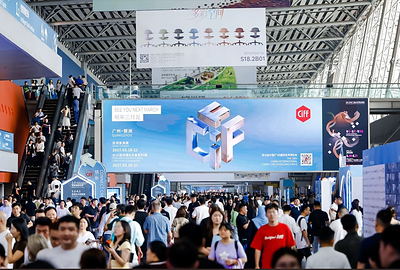
59th CIFF Guangzhou: Power the Next. Celebrating 30 years, CIFF Guangzhou looks ahead to a new era of design, innovation and global business

GUANGZHOU, China, Sept. 28, 2026 /PRNewswire/ — The 59th China International Furniture Fair (CIFF Guangzhou) will be held in Guangzhou Pazhou in two phases, on March 18–21 and March 28–31, 2027, marking an important milestone: 30 years since the foundation of CIFF.

Under the theme “Power the Next”, the 2027 edition will celebrate three decades of continuous evolution while looking firmly towards the future. Across 850,000 sqm, CIFF Guangzhou will once again bring together the entire furniture industry, connecting design, new lifestyles, advanced manufacturing and global business.

The new edition builds on the strong results achieved in 2026, when the 57th CIFF Guangzhou welcomed 353,106 professional visitors from 185 countries and regions, including a record 64,291 overseas attendees, up 13.2% year on year, alongside more than 5,100 brands from 36 countries and regions.

A strong foundation for an edition designed to take CIFF Guangzhou’s international development one step further.

59th CIFF Guangzhou: Power the Next. Celebrating 30 years, CIFF Guangzhou looks ahead to a new era of design, innovation and global business

Intelligence and sustainability will run across the entire 59th CIFF Guangzhou — from smart homes and workplaces to advanced manufacturing, new materials and increasingly sustainable approaches to production and exhibition design.

Design and new lifestyles

During Phase 1, March 18–21, Home Furniture will offer a comprehensive overview of contemporary living, bringing together leading brands and new products across high-end design, whole-house customization, upholstery, living and dining furniture.

Original design will remain a major focus, with a new Designer Sourcing Zone creating direct connections between brands, designers, manufacturers and buyers.

At the same time, CIFF will continue to explore some of the fastest-evolving areas of contemporary living, including smart furniture, healthy and elderly-friendly living, pet living and new retail.

Homedecor & Hometextile will present a broad spectrum of interior decoration and textile solutions, while Outdoor Furniture, Sunshade & Leisure will showcase the evolution of outdoor living through furniture, sunshade systems, materials and leisure products.

New scenarios for work and commercial spaces

During Phase 2, March 28–31, Office & Commercial Space will explore the transformation of workplaces and public environments, with particular attention to design, wellbeing, flexibility, smart technologies and sustainability.

From integrated office solutions and seating — including a dedicated E-sports Seating Zone — to expanded solutions for education and hospitality environments, the exhibition will present new approaches to the rapidly changing ways in which people work, interact and experience shared spaces. 

Smart manufacturing and material innovation

Completing the entire furniture supply chain, CIFM/interzum guangzhou will bring together leading companies in furniture machinery, hardware and materials.

Automation, flexible production, smart home hardware and innovative materials will demonstrate how technology is transforming furniture manufacturing, improving efficiency, customization and product quality while supporting the industry’s transition towards more sustainable production models.

Strengthening global connections

Internationalisation will remain at the heart of CIFF Guangzhou’s strategy.

Building on the record international attendance achieved in 2026, CIFF will further develop its relationships with international buyers, professional communities, industry associations, designers and media, while strengthening sourcing, matchmaking and networking opportunities.

Online and offline initiatives will increasingly connect exhibitors and buyers before, during and after the fair, reinforcing CIFF Guangzhou’s role as a year-round platform for international trade and industry exchange.

30 years of evolution. The next chapter begins

Over three decades, CIFF has evolved alongside the furniture industry itself, becoming a global platform connecting Design Trends, Global Trade and the Complete Supply Chain. Today, this evolution extends well beyond the eight exhibition days.

Through its “8+365” service model, CIFF connects the physical exhibition with continuous sourcing, matchmaking, industry insights and cross-border collaboration, creating new opportunities for exhibitors and buyers throughout the year.

With “Power the Next”, the 59th CIFF Guangzhou will celebrate this journey by looking decisively ahead — towards new design cultures, smarter technologies, sustainable development, changing lifestyles and increasingly interconnected global markets.

For free registration and more information on CIFF please visit: www.ciff-gz.com
Facebook: CIFF – China International Furniture Fair
LinkedIn: CIFF|China International Furniture Fair
YouTube: CIFF-Guangzhou


9Pay Highlights Local Trust As Critical Factor In Cross-Border Payment Expansion Across Asia-Pacific Markets

HANOI, Vietnam, Sept. 28, 2026 /PRNewswire/ — As the global cross-border payments market projects growth to an estimated $238 billion, 9Pay highlights local trust as the critical factor for successful expansion across Asia-Pacific markets. While global connectivity provides the infrastructure, the ability to operate effectively within local ecosystems has become the defining challenge for fintechs and businesses entering the region.

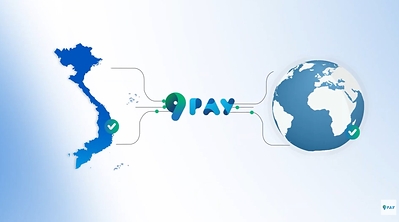
9Pay highlights local trust as critical factor in cross-border payment

For Vietnamese businesses expanding overseas and international brands entering Vietnam, cross-border payments involve far more than moving money between accounts. Each transaction operates within a complex framework covering anti-money laundering (AML), sanctions screening, source-of-funds verification, transaction monitoring and chargeback management.

The challenge is compounded by differences in payment ecosystems and regulatory frameworks. A model that works efficiently in one market cannot simply be replicated in another.

Nicole Nguyen, Founder of APAC DAO & Vietnam Fintech Summit, said: “Common bottlenecks include licensing, reliance on domestic payment infrastructure such as NAPAS, and settlement requirements in VND. Yet the biggest gap is often underestimated: market understanding and trust. Foreign businesses can struggle to build distribution networks without local relationships, while domestic fintechs benefit from their understanding of consumer behavior and the credibility built over time.”

This makes local adaptation increasingly important. In Asian markets such as China and Japan, where business relationships often rely heavily on local networks and trust, even small gaps in regulatory compliance or risk management can disrupt payment flows. Cost efficiency alone is no longer enough; businesses also need partners that understand how each market works.

“Local trust”: the capability behind global connectivity

Le Tuan Anh, Business Development Director at 9Pay, which works with hundreds of businesses across major markets, said the challenge is not simply connecting a transaction from point A to point B, but ensuring it operates smoothly and compliantly.

“Global connectivity is becoming increasingly accessible from a technology perspective. But for money to move reliably within a market, businesses need a strong understanding of the local payment ecosystem, regulations and transaction behavior,” he said.

For 9Pay, “local trust” is built through an established presence in Vietnam, including collaboration with regulators, connections with domestic banks and payment service providers, and established local payment infrastructure. These capabilities help integrate global payment technology and international money flows into Vietnam’s domestic ecosystem.

Technology itself is no longer a clear dividing line between Vietnamese and international fintechs. Domestic platforms are increasingly capable of meeting global requirements for security, service stability, processing speed and transaction success rates.

At 9Pay, this is supported by infrastructure compliant with PCI DSS Level 1 and ISO/IEC 27001:2022, a 24/7 operations team and continuous platform optimization based on operational data.

From payment connectivity to market expansion

As global payment corridors evolve, the value of a fintech partner increasingly extends beyond moving money. Businesses need support in navigating local ecosystems and regulations, maintaining stable payment flows and managing operational risks.

This approach shapes 9Pay’s cross-border payment strategy.

“We do not view cross-border payments simply as moving money. It is about helping businesses enter new markets with confidence, understand how their money moves, manage risks and receive timely support,” Le Tuan Anh said.

From this perspective, “local trust” is more than an advantage for individual businesses. It reflects the growing capability of Vietnam’s fintech sector to meet global standards while providing the local connectivity and market understanding needed to support cross-border growth.

For more information, visit 9Pay.

Nam Theun 2 Fund Approves LAK 343 Million for Forest Restoration in Khammouane

A picture of Nakai-Nam Theun National Protected Area covering approximately 4,270 square kilometers of mostly pristine forest across Khammouane Province. (Photo by International Parks)

The Nam Theun 2 Development Fund approved more than LAK 343 million (USD 15,300) on 24 September for a forest restoration project in Nakai District, Khammouane Province.

According to provincial media, the project will establish a forest restoration center in Nakai that will produce more than 30,000 seedlings a year. The center will supply seedlings for tree planting and forest rehabilitation across 16 village clusters, with local communities taking part in the work.

The project is part of a wider package of initiatives funded by the ddevelopment fund, including school lunch programs at 16 schools in Nakai, long-term student scholarships, social welfare support, and livestock disease prevention.

Fund Expands Beyond Resettled Villages

Khammouane Province and Nam Theun 2 Power Company established the fund in 2018 to support social and economic development around the Nam Theun 2 hydropower project.

The fund initially focused on 16 villages directly displaced or resettled by the dam’s construction. It has allocated more than LAK 30 billion (USD 1.34 million) to education, social welfare, livelihoods, and small-scale reforestation in those communities.

Under a Phase II agreement signed in October 2024, the fund expanded its coverage to the whole of Nakai District. Its plans through 2035 also include development and environmental projects in neighbouring Gnommalath and Mahaxay districts.

The new forest restoration center follows earlier Nam Theun 2 Development Fund-supported reforestation work. During the resettlement period, NTPC supervised nurseries where local farmers produced more than 40,000 seedlings for household plots and community reforestation.

In 2024, Nam Theun 2 Power Company and provincial agriculture and environment authorities also launched the Nam Theun 2 Forestation Project, focusing on tree planting and watershed management.

The Nam Theun 2 project has environmental and social commitments running through 2035, including forest protection, biodiversity monitoring, and community development funding through the Nam Theun 2 Development Fund.