Home Blog Page 2781

60 Global Rising Stars from 1,200 Universities Gather in Singapore for SMU’s 12th Lee Kuan Yew Competition Grand Finals

  • Focus on empowering Urban Solutions and Sustainability to solve the world’s most essential, urgent challenges
  • Pioneered a new AI screening platform to enhance the discovery of disruptive startups
  • Record global participation with S$2.5 million+ prize pool 

SINGAPORE, Aug. 19, 2025 /PRNewswire/ — Singapore Management University (SMU) has announced the 60 finalists of the 12th Lee Kuan Yew Global Business Plan Competition (LKYGBPC), marking a milestone year as Singapore celebrates its 60th anniversary. Organised by SMU’s Institute of Innovation and Entrepreneurship (IIE), the biennial competition set new records for global participation, reaffirming its status as one of Asia’s largest university-led startup competitions.

This year’s Grand Finals Week will be held from 29 September to 2 October 2025 at SMU’s city campus, where finalists will compete for a prize pool of over S$2.5 million. Startups will compete across 12 focus areas, including Climate Tech, Energy Transition, Sustainable Materials, Urban Mobility, and Public Health.

The competition continues to attract global attention, receiving over 1,500 applications from more than 1,200 universities across 91 countries – a 57% increase from 2023. Entries from Asia grew by 70%.

“This reflects growing confidence in Singapore as a business and technology gateway to Asia,” said Shirley Wong, Entrepreneur-in-Residence at SMU IIE and Chairperson of the LKYGBPC Advisory Committee. “Hosting the competition alongside SG60 and the Singapore Grand Prix amplifies its energy and global reach, making it a powerful platform for entrepreneurs to connect and co-create.”

Many see Singapore as a regional springboard for growth. Evangelos Moschos, Co-Founder and CTO of Amphitrite, said, “Singapore is the world’s busiest transhipment hub where we can access shipping lines, investors, and a world-class R&D ecosystem. We’re also keen to hire Singaporean talent, including SMU students.”

New to this edition is the DueAI™ Challenge, which uses AI to streamline startup evaluation, reflecting trends in global venture capital. “DueAI™ shows how AI can scale and enhance objectivity in entrepreneurial evaluation,” said Dr Sze Tiam Lin, Senior Licensing Advisor at IIE.

The Grand Finals Week will feature roundtables with influential business families, an inaugural Talent Exchange linking students to global deep tech startups, and Blaze Mixer Night, an open networking event for Singapore’s youth to meet the founders.

The 12th LKYGBPC also welcomes A*STAR as its first Scientific Knowledge Partner and introduces new awards, including the Future of Sustainable Materials Award by Indorama Ventures, tapping its end-to-end R&D and manufacturing expertise to spotlight breakthrough materials innovations, and the Zhang Fan Global AI Initiative Award, empowering startups pushing boundaries in AI. This edition also witnessed growing support from investors including Antler, TRIREC, and Wavemaker Partners.

“Over the years, LKYGBPC has attracted bold founders from around the world, reinforcing Singapore’s role as a rising global hub for entrepreneurship,” said Paul Santos, Managing Partner of Wavemaker Partners. “It aligns with our mission to back companies solving meaningful problems and creating lasting impact.”

Beyfortus® (nirsevimab) approved in Singapore to protect all infants against RSV disease

  • Beyfortus (nirsevimab) is the only option that can offer RSV protection designed for all infants with proven high, sustained efficacy, favourable safety and public health impact demonstrated in the real world.[1]
  • In the recent HARMONIE trial findings, Beyfortus reduced RSV hospitalisations in infants by 82.7% (95% CI: 67.8 to 91.5; p<0,0001) through six months (180 days). [2], [3]
  • Administration can be timed during the first year of life to provide protection from birth, or as early as possible.

SINGAPORE, Aug. 19, 2025 /PRNewswire/ — The Health Sciences Authority (HSA) has approved Sanofi and AstraZeneca’s BEYFORTUS (nirsevimab) for the prevention of respiratory syncytial virus (RSV) lower respiratory tract disease in newborns and infants born during or entering their first RSV season, and for children up to 24 months of age who remain vulnerable to severe RSV disease through their second RSV season.

Globally, around 2 in 3 babies will catch RSV before their first birthday[4] and it remains the most common cause of lower respiratory tract disease, including bronchiolitis and pneumonia, in infants[5]. RSV is also a leading cause of hospitalisation among infants in Singapore, with most cases occurring in otherwise healthy, full-term babies. Each year, approximately 1,804 children under 29 months are hospitalised due to RSV-related illness[6-10].

A panel of leading paediatricians in Singapore recently published an expert consensus, underscoring the urgent need for RSV protection in all infants. They concur that nirsevimab is key to alleviating the RSV burden on the healthcare system and recommend that immunisation be considered for all infants under the National Immunisation Programme in Singapore.[11]

Zainab Sadat, Head of Vaccines, Sanofi Southeast Asia & India

“Today, Singapore joins other countries worldwide where an innovative immunisation solution is now available to protect all infants against RSV. The approval of BEYFORTUS marks a critical step towards giving parents the ability to protect their babies during their first year of life, when they are most vulnerable to severe RSV disease. We are committed to working with stakeholders across the RSV care continuum to ensure seamless implementation and broad availability of this innovative preventive solution — because every baby needs protection. Our goal is simple: to help parents protect their babies, and give them peace of mind.” 

The approval was based on results from the extensive BEYFORTUS clinical development programme spanning three pivotal late-stage clinical trials. Across all clinical endpoints, a single dose of BEYFORTUS demonstrated high and consistent efficacy against RSV disease sustained for at least five months. BEYFORTUS was well tolerated with a favourable safety profile that was consistent across all clinical trials. The overall rates of adverse events were comparable between BEYFORTUS and placebo and the majority of adverse events were mild or moderate in severity.

In temperate countries, the single administration of BEYFORTUS was developed to correspond with the beginning of the RSV season for babies born prior to the season or at birth for those born during the RSV season. In clinical trials, BEYFORTUS helped prevent RSV disease requiring medical care in all infant populations studied, including those born healthy, at term or preterm, or with specific health conditions that make them vulnerable to severe RSV disease. RSV disease requiring medical care included physician office, urgent care, emergency room visits and hospitalisations.

About RSV

RSV is a highly contagious virus that can lead to serious respiratory illness for infants.[5] It is a leading cause of hospitalisation in all infants, with most hospitalisations for RSV occurring in otherwise healthy infants born at term[6-10]. Two out of three infants are infected with RSV during their first year of life and almost all children are infected by their second birthday[4]. Globally, in 2019, there were approximately 33 million cases of acute lower respiratory infections leading to more than three million hospitalisations, and it was estimated that there were 26,300 in-hospital deaths of children younger than five years[12]. RSV-related direct medical costs, globally — including hospital, outpatient and follow-up care — were estimated at €4.82 billion in 2017[13]

About BEYFORTUS

BEYFORTUS (nirsevimab) is the first immunisation designed for all newborns and infants for protection against RSV disease through their first RSV season, including for those born healthy at term or preterm, or with specific health conditions. It is also indicated for children up to 24 months of age who remain vulnerable to severe RSV disease through their second RSV season. 

As a long-acting antibody provided directly to newborns and infants as a single dose, BEYFORTUS offers rapid protection to help prevent lower respiratory tract disease caused by RSV without requiring activation of the immune system. BEYFORTUS administration can be timed to coincide with the RSV season.

BEYFORTUS has been approved for use in the European Union, the US, China, Japan, and many other countries around the world. Special designations to facilitate expedited development of BEYFORTUS were granted by several regulatory agencies, including Breakthrough Therapy Designation and Priority Review designation by The China Center for Drug Evaluation under the National Medical Products Administration; Breakthrough Therapy Designation and Fast Track Designation from the US Food and Drug Administration; access granted to the European Medicines Agency (EMA) PRIority MEdicines (PRIME) scheme and EMA accelerated assessment; Promising Innovative Medicine designation by the UK Medicines and Healthcare products Regulatory Agency; and BEYFORTUS has been named “a medicine for prioritized development” under the Project for Drug Selection to Promote New Drug Development in Pediatrics by the Japan Agency for Medical Research and Development.

About the clinical trials

The Phase 2b trial[14] was a randomised, placebo-controlled trial designed to measure the efficacy of BEYFORTUS against medically attended lower respiratory tract disease (LRTD) caused by RSV through 150 days post-dose in healthy preterm infants of 29 to less than 35 weeks’ gestation (n=1,453). Infants were randomised (2:1) to receive a single 50 mg intramuscular injection of BEYFORTUS (n=969) or placebo (n=484) regardless of weight at the RSV season start. The primary endpoint was met, significantly reducing the incidence of medically attended RSV LRTD by 70.1% (95% CI: 52.3, 81.2; P<0.001) compared to placebo. In a prespecified secondary endpoint, BEYFORTUS reduced medically attended RSV LRTD with hospitalisation by 78.4% (95% CI 51.9, 90.3) versus placebo.

The BEYFORTUS dosing regimen was determined based on further exploration of the Phase 2b data and was used in subsequent trials as a single 50 mg dose for infants who weigh less than 5 kg, or a single 100 mg dose for those who weigh 5 kg or greater. A post-hoc analysis of the Phase 2b study that applied the recommended 50 mg dose in a subgroup of infants weighing less than 5 kg showed the efficacy of BEYFORTUS against medically attended RSV LRTD and medically attended RSV LRTD with hospitalisation was 86.2% (95% CI 68.0, 94.0) and 86.5% (95% CI 53.5, 96.1), respectively.

The Phase 3 MELODY trial[15] was a randomised, double-blind, placebo-controlled trial conducted across 21 countries designed to determine the safety and efficacy of BEYFORTUS against medically attended LRTD caused by RSV in healthy term and late preterm infants (35 weeks gestational age or greater) entering their first RSV season, including efficacy against severe disease such as hospitalisation, through 150 days after dosing. The primary endpoint was met, reducing the incidence of medically attended RSV LRTD by 74.5% (95% CI 49.6, 87.1; P<0.001) compared to placebo. The efficacy of BEYFORTUS against the secondary endpoint of hospitalisation was 62.1% (-8.6, 86.8). A pre-specified pooled analysis of the Phase 3 MELODY trial showed the efficacy of BEYFORTUS against medically attended RSV LRTD and medically attended RSV LRTD with hospitalisation was 79.5% (95% CI 65.9, 87.7; P<0.0001) and 77.3% (95% CI 50.3, 89.7; P<0.001), respectively.

MEDLEY was a Phase 2/3[16], randomised, double-blind, palivizumab-controlled trial with the primary objective of assessing safety and tolerability for BEYFORTUS in preterm infants of less than 35 weeks’ gestational age and infants with congenital heart disease (CHD) and/or chronic lung disease (CLD) of prematurity eligible to receive palivizumab. Between July 2019 and May 2021, a total of 925 infants at higher risk for severe RSV disease entering their first RSV season were randomised to receive BEYFORTUS or palivizumab. Safety was assessed by monitoring the occurrence of treatment emergent adverse events (TEAEs) and treatment emergent severe adverse events (TESAEs) through 360 days post-dose. Serum levels of BEYFORTUS following dosing (on day 151) in this trial were comparable with those observed in the Phase 3 MELODY trial, indicating similar protection in this population to that in healthy term and late preterm infants is likely.

BEYFORTUS was well tolerated with a favourable safety profile that was similar to palivizumab in the MEDLEY Phase 2/3 trial and consistent with the safety profile in healthy term and preterm infants compared to placebo across the MELODY and Phase 2b trials. The overall rates of adverse events were comparable between BEYFORTUS and placebo and the majority of adverse events were mild or moderate in severity.

The results of MELODY, Phase 2/3 MEDLEY and the Phase 2b trials illustrate that BEYFORTUS helped prevent RSV disease requiring medical care in all infant populations studied, including those born healthy at term or preterm, or with specific health conditions that make them vulnerable to severe RSV disease. RSV disease requiring medical care included physician office, urgent care, emergency room visits and hospitalisations.[11]

These trials form the basis of regulatory submissions that began in 2022.

Another study, the Hospitalized RSV Monoclonal Antibody Prevention (HARMONIE) trial[2], [3], was a large European interventional clinical trial in 250 sites and including over 8,000 infants aiming to determine the efficacy and safety of a single intramuscular (IM) dose of BEYFORTUS (<5 kg 50 mg; ≥5 kg 100 mg), compared to no intervention (standard of care), for the prevention of hospitalisations due to RSV-related LRTD in infants under 12 months of age who are not eligible to receive palivizumab.

The data from HARMONIE show that BEYFORTUS reduced the incidence of hospitalisations due to RSV-related LRTD by 82.7% (95% CI: 67.8-91.5; p<0.0001) through 180 days after administration compared to no intervention, exceeding the typical length of the five-month RSV season. The high efficacy of 83.2% previously reported in the primary analysis was sustained over the longer follow-up period with no evidence of waning protection in infants born before or during the RSV season. BEYFORTUS maintained a favorable safety profile, consistent with clinical study results. [2], [3]

About Sanofi

Sanofi is an R&D driven, AI-powered biopharma company committed to improving people’s lives and delivering compelling growth. We apply our deep understanding of the immune system to invent medicines and vaccines that treat and protect millions of people around the world, with an innovative pipeline that could benefit millions more. Our team is guided by one purpose: we chase the miracles of science to improve people’s lives; this inspires us to drive progress and deliver positive impact for our people and the communities we serve, by addressing the most urgent healthcare, environmental, and societal challenges of our time.

For more information, visit www.sanofi.com.

Sanofi Forward-Looking Statements  

This press release contains forward-looking statements as defined in the Private Securities Litigation Reform Act of 1995, as amended. Forward-looking statements are statements that are not historical facts. These statements include projections and estimates and their underlying assumptions, statements regarding plans, objectives, intentions and expectations with respect to future financial results, events, operations, services, product development and potential, and statements regarding future performance. Forward-looking statements are generally identified by the words “expects”, “anticipates”, “believes”, “intends”, “estimates”, “plans” and similar expressions. Although Sanofi’s management believes that the expectations reflected in such forward-looking statements are reasonable, investors are cautioned that forward-looking information and statements are subject to various risks and uncertainties, many of which are difficult to predict and generally beyond the control of Sanofi, that could cause actual results and developments to differ materially from those expressed in, or implied or projected by, the forward-looking information and statements. These risks and uncertainties include among other things, the uncertainties inherent in research and development, future clinical data and analysis, including post marketing, decisions by regulatory authorities, such as the FDA or the EMA, regarding whether and when to approve any drug, device or biological application that may be filed for any such product candidates as well as their decisions regarding labelling and other matters that could affect the availability or commercial potential of such product candidates, the fact that product candidates if approved may not be commercially successful, the future approval and commercial success of therapeutic alternatives, Sanofi’s ability to benefit from external growth opportunities, to complete related transactions and/or obtain regulatory clearances, risks associated with intellectual property and any related pending or future litigation and the ultimate outcome of such litigation, trends in exchange rates and prevailing interest rates, volatile economic and market conditions, cost containment initiatives and subsequent changes thereto, and the impact that pandemics or other global crises may have on us, our customers, suppliers, vendors, and other business partners, and the financial condition of any one of them, as well as on our employees and on the global economy as a whole. The risks and uncertainties also include the uncertainties discussed or identified in the public filings with the SEC and the AMF made by Sanofi, including those listed under “Risk Factors” and “Cautionary Statement Regarding Forward-Looking Statements” in Sanofi’s annual report on Form 20-F for the year ended December 31, 2022. Other than as required by applicable law, Sanofi does not undertake any obligation to update or revise any forward-looking information or statements.

References  

  1. Beyfortus® Product Prescribing Information for Singapore.
  2. Drysdale SB, Cathie K, Flamein F, Knuf M, Collins AM, Hill HC, Kaiser F, Cohen R, Pinquier D, Felter CT, Vassilouthis NC, Jin J, Bangert M, Mari K, Nteene R, Wague S, Roberts M, Tissières P, Royal S, Faust SN; HARMONIE Study Group. Nirsevimab for Prevention of Hospitalizations Due to RSV in Infants. N Engl J Med. 2023 Dec 28;389(26):2425-2435. doi: 10.1056/NEJMoa2309189.
  3. Munro APS, Drysdale SB, Cathie K, Flamein F, Knuf M, Collins AM, Hill HC, Kaiser F, Cohen R, Pinquier D, Vassilouthis NC, Carreno M, Moreau C, Bourron P, Marcelon L, Mari K, Roberts M, Tissières P, Royal S, Faust SN; HARMONIE Study Group. 180-day efficacy of nirsevimab against hospitalisation for respiratory syncytial virus lower respiratory tract infections in infants (HARMONIE): a randomised, controlled, phase 3b trial. Lancet Child Adolesc Health. 2025 Jun;9(6):404-412. doi: 10.1016/S2352-4642(25)00102-6.
  4. Walsh, EE. Respiratory Syncytial Virus Infection: An Illness for All Ages. Clinics in Chest Medicine. 2017;38(1):29-36.
  5. Karron A. Respiratory Syncytial Virus Vaccines and Monoclonal antibodies. Orenstein W, Offit P, Edwards KM, Plotkin S. Plotkin’s Vaccines, eighth edition: 998-1004. Elsevier 2023.
  6. Leader S, Kohlhase K. Recent trends in severe respiratory syncytial virus (RSV) among US infants, 1997 to 2000. J Pediatr. 2003;143(5 Suppl):S127-S132. doi:10.1067/s00223476(03)00510-9.
  7. Zhou H, et al. Hospitalizations associated with influenza and respiratory syncytial virus in the United States, 1993-2008. Clin Infect Dis. 2012;54:1427–1436.
  8. Rha B, et al. Respiratory Syncytial Virus-Associated Hospitalizations Among Young Children: 2015-2016. Pediatrics. 2020;146:e20193611.
  9. Arriola CS, et al. Estimated Burden of Community-Onset Respiratory Syncytial Virus-Associated Hospitalizations Among Children Aged <2 Years in the United States, 2014-15. J Pediatric Infect Dis Soc. 2020;9:587-595
  10. Tam CC, et al. Burden and Cost of Hospitalization for Respiratory Syncytial Virus in Young Children, Singapore. Emerg Infect Dis. 2020 Jul;26(7):1489-1496
  11. Goh, D.Y.T., Goh, A., Chen, C.K. et al. Expert consensus on the burden of respiratory syncytial virus disease and the utility of nirsevimab for disease prevention and protection of infants. World J Pediatr 21, 552–565 (2025). https://doi.org/10.1007/s12519-025-00926-2
  12. Li Y, et al. Global, regional, and national disease burden estimates of acute lower respiratory infections due to respiratory syncytial virus in children younger than 5 years in 2019: a systematic analysis. Lancet 2022;399:92047–64.
  13. Zhang S, et al. Cost of Respiratory Syncytial Virus-Associated Acute Lower Respiratory Infection Management in Young Children at the Regional and Global Level: A Systematic Review and Meta-Analysis. J Infect Dis. 2020;222(Suppl 7):S680-687.
  14. Simões EAF, Madhi SA, Muller WJ, Atanasova V, Bosheva M, Cabañas F, Baca Cots M, Domachowske JB, Garcia-Garcia ML, Grantina I, Nguyen KA, Zar HJ, Berglind A, Cummings C, Griffin MP, Takas T, Yuan Y, Wählby Hamrén U, Leach A, Villafana T. Efficacy of nirsevimab against respiratory syncytial virus lower respiratory tract infections in preterm and term infants, and pharmacokinetic extrapolation to infants with congenital heart disease and chronic lung disease: a pooled analysis of randomised controlled trials. Lancet Child Adolesc Health. 2023 Mar;7(3):180-189. doi: 10.1016/S2352-4642(22)00321-2. Epub 2023 Jan 9. 
  15. Hammitt LL, Dagan R, Yuan Y, Baca Cots M, Bosheva M, Madhi SA, Muller WJ, Zar HJ, Brooks D, Grenham A, Wählby Hamrén U, Mankad VS, Ren P, Takas T, Abram ME, Leach A, Griffin MP, Villafana T; MELODY Study Group. Nirsevimab for Prevention of RSV in Healthy Late-Preterm and Term Infants. N Engl J Med. 2022 Mar 3;386(9):837-846. doi: 10.1056/NEJMoa2110275.
  16. Domachowske J, Madhi SA, Simões EAF, Atanasova V, Cabañas F, Furuno K, Garcia-Garcia ML, Grantina I, Nguyen KA, Brooks D, Chang Y, Leach A, Takas T, Yuan Y, Griffin MP, Mankad VS, Villafana T; MEDLEY Study Group. Safety of Nirsevimab for RSV in Infants with Heart or Lung Disease or Prematurity. N Engl J Med. 2022 Mar 3;386(9):892-894. doi: 10.1056/NEJMc2112186.

Issued on behalf of Sanofi Singapore by IN.Deed Communications.
For more information:
Jar Wong | +65 9188 3227 | jar@indeedcommunications.com
Janet Han | +6012-2363 460 | janet@indeedcommunications.com 

Klook and Hong Kong Tourism Board Launch First Multi-Market Partnership to Enhance the Muslim Travel Experience

Partnership aims to strengthen Hong Kong’s positioning 
as a welcoming destination for Muslim travelers.

SINGAPORE, Aug. 19, 2025 /PRNewswire/ — Muslim leisure travelers have the same motivations as others: explore new cultures, discover local experiences, and create meaningful memories.

Jelajah Hong Kong, powered by Klook and Hong Kong Tourism Board.

The key difference lies in their need to do so in line with faith-based needs, such as access to Muslim-friendly food, prayer facilities, and privacy considerations.

“Travel planning to non-Muslim-majority destinations can be stressful when key information for our faith-based needs isn’t readily available,” says Fazal Bahardeen, CEO of CrescentRating and HalalTrip, global authorities in Muslim-friendly travel. “And navigating unfamiliar places among unfamiliar people can add to that anxiety.”

“These gaps create feelings of discomfort or exclusion, undermining the very purpose of leisure travel, which is to enjoy new experiences with peace of mind,” he adds.

This inspired “Jelajah Hong Kong”, Hong Kong Tourism Board (HKTB)’s first-ever multi-market campaign to elevate Hong Kong as a Muslim-friendly destination.

Now enhanced with Klook.

As part of this partnership, Klook brings to life a one-stop shop of Muslim-friendly activities and accommodations, as well as prayer-friendly day trips to family attractions and cultural highlights.

Muslim travelers having a great time in Hong Kong.

To bring these experiences to life, Klook taps into its Kreator network in key markets of Singapore, Malaysia, and Indonesia to develop and share curated itineraries, offering firsthand recommendations that give Muslim travelers the comfort and confidence to explore Hong Kong freely.

Kenny Sham, General Manager for Hong Kong, Macau, and Thailand at Klook, says: “We are always thinking about how to create more inclusive travel experiences by leveraging our strengths in discovery, data-driven insights, and curated offerings. Working with HKTB, we are able to tighten the information gaps for Millennials and Gen Z Muslim travelers, thereby helping them to explore Hong Kong with confidence and comfort.”

This initiative builds on recent progress.

For Klook, this campaign follows its partnership with CrescentRating and HalalTrip. Through which, Klook became the first global experiences platform to offer verified Muslim-friendly ratings, allowing users to easily identify activities and attractions that align with their faith-based needs.

As for Hong Kong, the city has been named the “Most Promising Muslim-friendly Destination of the Year” at the Halal in Travel Awards 2025. Hong Kong now ranks third among non-OIC (Non-Organization of Islamic Cooperation) destinations and second globally in the Muslim Women Friendly Travel Destination category in the 2025 Global Muslim Travel Index (GMTI).

These accolades reflect growing recognition from the Muslim community for Hong Kong’s commitment to delivering inclusive and culturally respectful experiences for Muslim travelers.

Liew Chian Jia, Regional Director, Southeast Asia of the Hong Kong Tourism Board (HKTB), says: “Since the launch of our Muslim-focused campaign, “Jelajah Hong Kong“, we’ve observed a growing level of interest and inquiries from Muslim travelers across our key source markets. Through this campaign, Hong Kong Tourism Board is strategically highlighting the city’s expanding range of Muslim-friendly offerings and experiences.”

“This partnership with Klook marks a timely and meaningful collaboration that further positions Hong Kong as an inclusive and welcoming destination for Muslim travelers. It also underscores our ongoing commitment to diversifying Hong Kong’s tourism appeal and meeting the evolving needs of global visitors,” says Chian Jia. 

GMTI reported that international Muslim arrivals reached 176 million in 2024 — up 25% from 2023 — and were projected to grow to 245 million by 2030. By then, total travel spending is expected to reach USD$230 billion, highlighting the growing influence and economic potential of this vibrant market.

And Klook’s data backs this trend. Over the past 12 months, bookings to Hong Kong from the Muslim community have grown by 43.5%, with theme parks and attractions leading the way.

“We are delighted to see Hong Kong making significant strides towards becoming a more inclusive and welcoming destination for Muslim travelers. The partnership between Klook and HKTB is a good example of how collaborations can create meaningful, Muslim-friendly travel experiences to provide useful and relevant travel information for tourists,” says Fazal.

The gateway to Muslim-friendly travel in Hong Kong starts here:

About Klook

Klook is a leading platform for experiences and travel services in Asia. We curate quality experiences ranging from attractions and tours to local transport and experiential stays, in approximately 3,400 destinations globally. Founded in 2014, we are here to inspire and enable more moments of joy for travelers anytime, anywhere.

About the Hong Kong Tourism Board

The Hong Kong Tourism Board (HKTB) is a government-subvented body tasked to market and promote Hong Kong as a travel destination worldwide and to enhance visitors’ experience once they arrive.

More: https://www.discoverhongkong.com/seasia/index.html 

Follow us: https://www.facebook.com/DiscoverHongKong or https://www.instagram.com/discoverhongkong 

Pakistan Rescuers Recover Bodies After Monsoon Rains Kill Over 340

An aerial view shows flood survivors gathered along the banks of a river surrounded by heavy rocks in the Buner district of mountainous Khyber Pakhtunkhwa province on August 17, 2025. Pakistani rescuers dug homes out from under massive boulders on 17 August 2025, as they searched for survivors of flash floods that killed at least 344 people, with more than 150 still missing. (Photo credit: Abdul MAJEED / AFP)

By Lehaz ALI/AFP – Rescuers struggled to retrieve bodies from muddy debris on Saturday after flash floods triggered by heavy monsoon rains across northern Pakistan killed at least 344 people in the past 48 hours, authorities said.

The majority of deaths, 324, were reported in mountainous Khyber Pakhtunkhwa province, the National Disaster Management Authority said.

Most were killed in flash floods and collapsing houses, while at least 137 others were injured.

One resident told AFP it felt like “the end of the world” as the ground shook with the force of the water.

The provincial rescue agency told AFP that around 2,000 rescue workers were engaged in recovering bodies from the debris and carrying out relief operations in nine districts, where rain was still hampering efforts.

“Heavy rainfall, landslides in several areas, and washed-out roads are causing significant challenges in delivering aid, particularly in transporting heavy machinery and ambulances,” Bilal Ahmed Faizi, spokesman for Khyber Pakhtunkhwa’s rescue agency, told AFP.

He said road closures meant rescue workers had to walk to some of the disaster sites in remote regions.

“They are trying to evacuate survivors, but very few people are relocating due to the deaths of their relatives or loved ones being trapped in the debris,” Faizi said.

Buner district deputy commissioner Kashif Qayum Khan also said rescuers were forced to find new ways to reach remote areas.

“Many more people may still be trapped under the debris, which local residents cannot clear manually,” Khan told AFP.

The provincial government has declared the severely affected mountainous districts of Buner, Bajaur, Swat, Shangla, Mansehra and Battagram as disaster-hit areas.

The meteorological department has also issued a heavy rain alert for Pakistan’s northwest, urging people to take “precautionary measures”.

Eleven more people were killed in Pakistan-administered Kashmir, and another nine in the northern Gilgit-Baltistan region, national officials said.

Five more were killed when a local government helicopter crashed due to bad weather during a relief mission on Friday.

Profound trauma

The monsoon season brings South Asia about three-quarters of its annual rainfall, vital for agriculture and food security, but it also brings destruction

Landslides and flash floods are common during the season, which usually begins in June and eases by the end of September.

The national disaster agency’s Syed Muhammad Tayyab Shah told AFP that this year’s monsoon season began earlier than usual and was expected to end later.

It would also increase in intensity over the next fortnight, he said.

In Buner district, where there have been dozens of deaths and injuries, resident Azizullah said he “thought it was doomsday”.

“I heard a loud noise as if the mountain was sliding,” he told AFP.

“The ground was trembling due to the force of the water, and it felt like death was staring me in the face.”

An AFP journalist saw three excavators clearing mud and wood from the completely flattened site, while dozens of rescuers and residents also dug through the debris.

“My daughter’s dowry worth around five hundred thousand rupees ($1,760) was washed away in the flood,” resident Abdul Hayat told AFP.

“We don’t even have clothes to wear, the food was also swept away,” he said.

Others cleared heavy rocks with their hands and with shovels.

“People are still lying under the debris… Those who were swept away are being searched for downstream,” said resident Abdul Khan.

In picturesque Swat district, an AFP photographer saw roads submerged in muddy water, downed electricity poles and vehicles half-buried in mud.

The torrential rains that have pounded Pakistan since the start of the summer monsoon, described as “unusual” by authorities, have killed more than 650 people, with more than 905 injured.

In July, Punjab, home to nearly half of Pakistan’s 255 million people, recorded 73 percent more rainfall than the previous year and more deaths than in the entire previous monsoon.

Pakistan is one of the world’s most vulnerable countries to the effects of climate change and is contending with extreme weather events with increasing frequency.

Monsoon floods in 2022 submerged a third of the country and killed around 1,700 people.

Another villager in Buner told AFP residents kept on searching through the rubble overnight.

“The entire area is reeling from profound trauma,” said 32-year-old schoolteacher Saifullah Khan.

“I help retrieve the bodies of the children I taught, I keep wondering what kind of trial nature has imposed on these kids,” he said.


© Agence France-Presse

Asia Pacific Employers Lead in Health, Wellbeing Personalisation and Governance: Aon Study


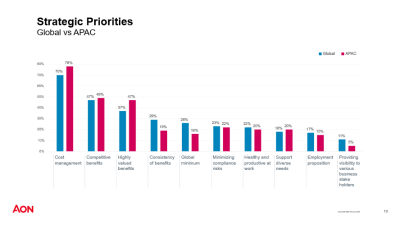
SINGAPORE – Media OutReach Newswire – 19 August 2025 – Aon plc (NYSE: AON) has released its 2025 Global Benefits Trends Study, spotlighting Asia Pacific (APAC) as a region driving innovation in employee benefits strategy. With 518 global HR professionals and 103 APAC-headquartered companies participating, the study reveals a strong regional focus on employee health, personalisation and governance—setting APAC apart from global peers.

“As organisations navigate economic uncertainty and rising employee expectations, the ability to deliver personalised, equitable and cost-effective benefits is a strategic differentiator,” said Tim Dwyer, head of Human Capital for APAC at Aon. “Our survey signals APAC is leading the way in aligning benefits strategy with workforce needs. Through innovative, data-driven analytic programmes, businesses are building resilient, future-ready programs for their workforce.”

Asia Pacific Employers Lead in Health, Wellbeing Personalisation and Governance: Aon Study

Key Findings for APAC
1. Health and productivity a strategic priority
APAC is the only region to rank “health and productivity of employees” among its top five strategic priorities. This reflects the region’s reliance on service labour and the outsized impact of workforce wellbeing on global supply chains.

2. Personalisation gains ground
Thirty-two percent of leading multinationals participating in the survey have global guidelines requiring local markets to introduce benefit choice. APAC firms, in particular, are more likely to offer flexibility in annual leave and career development, aligning with employee preferences. Moreover, 65 percent of employees at multinational firms are willing to sacrifice current benefits for better personalisation.

3. Technology-enabled benefits delivery
Sixty percent of leading multinationals (that is multinationals who have a global benefits strategy, an effective governance framework that is formally adopted and endorsed by senior management, reviewed and updated on a periodic basis and access to comprehensive data in most countries) rely heavily on technology to deliver personalised benefits experiences. APAC companies are early adopters of artificial intelligence (AI) for benefits selection and wellbeing support, with 28 percent planning to implement AI-driven solutions.

4. Cost containment remains central
Thirty-one percent of companies from the global survey are considering remarketing or changing providers, though only 37 percent are investing in wellbeing initiatives, suggesting a gap between strategic intent and execution.

5. Governance and strategy execution
Leading APAC organisations are three times more likely to have formal governance committees and senior management endorsement of their global benefits strategy and are 2.5 times more likely to have global benefit guidelines outlining preferred design and financing approaches.

“Health and productivity of the workforce are crucial, and the large size of the populations in this region means that small changes can have a large impact,” said Alan Oates, head of global benefits for APAC at Aon. “Prioritising health and productivity of employees reflects the critical importance of workforce in the region to the supply chain for many multinational organisations. Organisations across the region must continue to adapt their employee benefits strategies to meet evolving workforce expectations and economic challenges as they strive to remain competitive. This study underscores the importance of aligning benefits strategy with workforce needs while managing manage rising costs and governance complexity — especially in a region as diverse as APAC.”

About the Study: The 2025 Global Benefits Trends Study surveyed HR leaders with global responsibilities across multiple regions. The findings provide a comprehensive view of how multinational companies are evolving their benefits strategies to remain competitive in a complex global environment.

Download the full report: Aon 2025 Global Benefits Trends Study

Hashtag: #Aon

The issuer is solely responsible for the content of this announcement.

About Aon

(NYSE: AON) exists to shape decisions for the better — to protect and enrich the lives of people around the world. Through actionable analytic insight, globally integrated Risk Capital and Human Capital expertise, and locally relevant solutions, our colleagues provide clients in over 120 countries with the clarity and confidence to make better risk and people decisions that protect and grow their businesses.

Follow Aon on , , and . Stay up to date by visiting Aon’s and sign up for news alerts .

Disclaimer
The information contained in this document is solely for information purposes, for general guidance only and is not intended to address the circumstances of any particular individual or entity. Although Aon endeavours to provide accurate and timely information and uses sources that it considers reliable, the firm does not warrant, represent or guarantee the accuracy, adequacy, completeness or fitness for any purpose of any content of this document and can accept no liability for any loss incurred in any way by any person who may rely on it. There can be no guarantee that the information contained in this document will remain accurate as on the date it is received or that it will continue to be accurate in the future. No individual or entity should make decisions or act based solely on the information contained herein without appropriate professional advice and targeted research.

X-PM and BPG Forge Strategic Alliance to Redefine Executive Interim Management

SINGAPORE, Aug. 19, 2025 /PRNewswire/ — X-PM, a global executive interim management specialist, has partnered with BPG, an implementation-focused, problem-solving consultancy, to transform the executive interim management sector. Unlike staffing consultancies that manage the placement of executives on contract, the X-PM and BPG partnership takes accountability of the interim executives’ success by supporting the delivery of measurable results.

X-PM’s interim leaders are typically deployed in transformation roles that demand speed and operational impact. The partnership gives interim transformation leaders the competitive edge since they can tap on BPG’s proprietary methodologies and its suite of Artificial Intelligence (AI) Solutions. With ready access to BPG’s processes, tools and resources, the executive interims can effectively fast-track the delivery of impactful solutions that yield both immediate results and sustainable long-term benefits for the organisation.

Ronald Kleer, BPG’s Chief Problem Solver explained, “Across diverse industries and technologies, we help executive interim professionals identify challenges and opportunities and resolve issues to successfully generate tangible business results. This is what fuels the X-PM and BPG strategic partnership. Thus, whether executive interims are engaged for transformation assignments or operational challenges, we collaborate closely with them and the client teams at every stage to achieve the desired goals. Our process ensures stakeholder alignment and builds the client team’s internal capabilities.”

X-PM’s Southeast Asia Managing Director, Mike Magee said, “Given the cost and time constraints amid the current climate of geopolitical and economic uncertainty, executive interim leaders offer a unique blend of specialised expertise and objective insight that a permanent hire or a traditional consultant may not be able to provide. Executive interims can seamlessly step into action, quickly assessing the situation and implementing solutions, especially with BPG’s support. Against clearly defined project goals, X-PM and BPG take accountability for the results with a percentage of our fee performance-based, which differentiates us from the competition. Together, we offer a measurable return on investment without the accompanying long-term overhead of permanent hires, who are generally more expensive, and time consuming to recruit and onboard.”

Both X-PM and BPG have their regional headquarters in Singapore, serving Asia and the Middle East. On the supply of executive interim leaders, Mr. Magee added, “Singapore has no shortage of on-demand interim executives with deep experience and knowledge across varied industries and cultures since the Republic is a talent magnet.” Drawing on insights from more than 650 interim management projects delivered globally in the last 24 months, X-PM’s data shows that over a third of its executive interims in Southeast Asia are Singaporean and/or Singapore permanent residents.

Employing executive interim professionals is part of an increasing global trend synonymous with the rise of the gig economy, fractional leaders and part-time work, as enlightened companies embrace a more flexible, cost-effective and skills-based talent approach.

About BPG

BPG is a global problem-solving consultancy that helps organisations to achieve measurable and sustainable strategic goals and performance improvements.  With deep expertise in strategy implementation, business and operating model transformation as well as crisis and performance management, BPG works alongside client teams to drive results and build long-term capability.  

BPG integrates strategic insight with hands-on collaboration. Its experienced consultants and interim managers bring in-depth understanding of industry dynamics, local cultures, regulations and market forces. Working closely with client teams, BPG fosters alignment and engagement, shifting mindsets and cultivating a culture of customer centricity, innovation, agility and continuous improvement. 

By combining people, processes and technology, BPG’s proprietary solutions in the areas of strategy implementation, performance management and the building high-performing organisations, help to efficiently unlock more effective business outcomes. 

More information can be found at www.bpg.sg

About X-PM

Founded in 2001 and headquartered in Paris, X-PM is a global leader in executive interim management with international offices in Europe and Asia. It is a member of the Alixio group of companies with a turnover exceeding €200million.

X-PM addresses complex business challenges by offering seamless, cross-border solutions to companies around the world. As a specialist in executive interim management, X-PM deploys seasoned industry professionals to address crisis situations, drive transformational change and oversee strategic operational initiatives that deliver lasting impact. X-PM Asia is headquartered in Singapore, where it has ready access to a large and expanding talent pool of local and international executive interims.

As a founding member of the WIL Group, which offers world class interim and transformation management, X-PM has a unique blend of local knowledge and international experience to help businesses lead critical change, optimise performance and attain sustainable growth.

More information can be found at www.xpm.asia

Media Contact

Michele Anne Minjoot
Senior Communications Consultant
mminjoot@x-pm.sg
+65 98200075

Aspire Launches Yield Solution to Boost SMEs Investment Returns

Singapore SMEs gain access to institutional-grade investment returns with full liquidity and zero minimums

SINGAPORE, Aug. 19, 2025 /PRNewswire/ — Aspire, the all-in-one finance platform for modern businesses, today announced the launch of Aspire Yield, its new investment solution, giving small businesses access to investment opportunities within their Aspire Business Account.

Singapore SMEs gain access to institutional-grade investment returns with full liquidity and zero minimums

The launch follows AFT SG 2 Pte Ltd, a company within the Aspire Group, securing its Capital Markets Services License (CMS) from the Monetary Authority of Singapore (MAS) in April 2025, enabling it to offer regulated investment solutions to businesses. To ensure stability and performance needed to turn idle cash into capital growth, Aspire’s affiliate has partnered with Fullerton Fund Management for both Singapore and US dollar investments.

The integrated solution addresses a long-standing challenge for SMEs, where competitive investment opportunities have traditionally remained difficult to access without substantial minimums or complex processes that favour larger corporations with established banking relationships. Now, through the Aspire platform, Singapore’s small businesses can earn up to 2.04% for SGD investments and 3.88% for USD investments[1], compared to traditional business savings rates that typically range from 0.01% to 0.25% per annum[2].

More than half the funds were previously sitting idle

Early adoption data from Aspire Yield’s clients in beta reveals a significant untapped opportunity: approximately 55% of funds now invested through Aspire Yield were previously sitting idle in traditional business accounts, earning minimal returns.

“That’s a staggering statistic and shows just how much capital small businesses have been leaving on the table,” said Andrea Baronchelli, CEO and co-founder of Aspire. “Aspire Yield changes this by giving every eligible Singapore business access to the same high-quality money market funds that are available to institutional investors, seamlessly integrated into their daily financial operations.”

“Small and medium enterprises are the backbone of Singapore’s economy, yet they’ve historically faced barriers in accessing institutional-quality investment solutions. Our partnership with Aspire group democratises access to professional fund management, enabling SMEs to optimise their working capital with the same calibre of investment solutions traditionally reserved for larger businesses. We’re proud to support Singapore’s entrepreneurial community through Aspire’s innovative platform” said Mark Yuen, Chief Business Development Officer, Fullerton Fund Management.

Zero barriers, maximum flexibility for business operations

All eligible Singapore-incorporated businesses can now open SGD and USD Yield accounts immediately. Unlike traditional investment products that often require minimums and lengthy lock-up periods, Aspire Yield offers:

  • No minimum investment requirement — businesses can start with any amount
  • Next business day liquidity, with funds remaining accessible for operational needs
  • No lock-up periods and complete flexibility to withdraw as business needs change
  • Integrated investment management within the Aspire platform.

“Aspire Yield is refreshingly simple: no minimums, no hidden terms, and no pressure to ‘invest’ in something risky. Just move cash in, and it does its thing,” said Bhavana Ravindran, founder and CEO of Earlybird AI, which uses Aspire Yield to manage its business funds.

“We designed Aspire Yield specifically for how modern businesses operate,” explained Damien Passavent, Chief Product Officer, Aspire. “Businesses need their capital to work harder, but they also need immediate access when opportunities or challenges arise. This isn’t about locking money away – it’s about making every dollar more productive while preserving complete operational flexibility.”

For more information on Aspire Yield, visit: https://aspireapp.com/yield 

About Aspire

Aspire is the all-in-one finance platform for modern businesses globally, helping over 50,000 companies save time and money with international payments, treasury, expense, payable, and receivable management solutions – accessible via a single, user-friendly account.

Headquartered in Singapore, Aspire has 600+ employees across nine countries, clients in 30+ markets and is backed by global top tier VCs, including Sequoia, Lightspeed, Y-Combinator, Tencent and Paypal. In 2023, Aspire closed an oversubscribed US$100M Series C round and announced that it has achieved profitability. Aspire Yield is provided by AFT SG 2 Pte Ltd, a company within the Aspire Group.

[1] Investment returns may vary based on market conditions

[2] Internal research conducted by Aspire in July


OutSystems Transforms Scoot’s Disruption Management System to Elevate Customer Travel Experience

Using AI-powered low-code, Scoot more than doubles the development speed of its internal communications application, enhancing operational response time during flight disruptions

SINGAPORE, Aug. 19, 2025 /PRNewswire/ — Scoot, the low-cost subsidiary of Singapore Airlines (SIA), has selected OutSystems, a leading AI-powered low-code development platform, to modernise its flight disruption management capabilities and boost operational efficiency. Leveraging AI-powered low-code, Scoot now unifies its various communications systems onto a centralised platform for flight operations management, facilitating effective cross-department coordination and better decision-making during flight disruptions.

In the commercial aviation industry, swift and accurate communication is essential for maintaining customer trust and delivering smooth customer travel experience, particularly during unexpected events. Recognising this, Scoot identified a critical need to modernise its flight disruption management system, which relied heavily on fragmented, text-based group chats that manually distributed over 600 notifications daily to various teams. This manual system, however, significantly hindered operational efficiency, as crucial updates on flight status could take some time to reach the necessary stakeholders, delaying decision-making and impacting customer satisfaction.

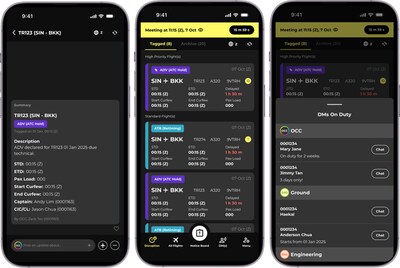
By cutting development time from eight months to two-and-a-half months with OutSystems, Scoot developed the Virtual Operations Command Center (vOCC) application at more than twice the speed compared to traditional development. The application integrates multiple internal communication systems to coordinate notifications and eliminate communication bottlenecks between stakeholders during operational disruptions, including:

  • Direct Connection with Scoot’s Operations Command Centre: Enables real-time access to critical information about delayed flights and other disruptions, where updates are automatically shared across departments, including operations, public relations, and customer service teams.
  • Integration with Downstream Commercial Applications: Allows for timely delivery of updates to affected passengers through various channels, including email and text messages.

Scoot’s Virtual Operations Command Centre App Developed using OutSystems. Screenshots are for illustration purposes only.

The adoption of OutSystems has yielded significant outcomes for Scoot, including a 90% increase in data visibility across all stakeholders and a reduction of over 60% in manual processing time. Additionally, teams can now track quantifiable disruption metrics such as flight retiming metrics and number of connecting passengers, allowing for more data-driven decisions to improve operational efficiency.

Mr Jaya Balaji MV, Vice President Information Technology of Scoot, said, “As a digital-first airline, we believe modern technology is essential to enhancing customer satisfaction while maintaining cost efficiency. Digital innovation is key to unlocking these possibilities at Scoot, and our vOCC application reflects this vision. By transforming our operations control centre — the ‘nerve centre’ of the airline — with data and AI-driven insights, we have strengthened real-time decision-making, improved cross-team collaboration, and accelerated our response during disruptions such as flight delays or cancellations.”

He added, “Few industries demand agility and adaptability like commercial aviation, where the ability to react and pivot quickly, especially during unexpected events, can make all the difference in maintaining service continuity and customer trust. In this high-stakes environment, clear, real-time communication for information exchange and collaboration isn’t just helpful – it is an imperative. Adopting AI-powered low-code is a reflection of Scoot’s commitment to meeting these exacting standards with speed, precision, and innovation. Our partnership with OutSystems has significantly accelerated the delivery of a key communication solution, driving more efficient resource allocation and enhancing operational excellence, ultimately elevating the customer experience.”

“The impact of low-code and AI today goes beyond operational optimisation and efficiency; these combined technologies are actively reshaping the way industries function at their core. Scoot’s breakthrough in developing its first disruption-handling mobile application, alongside the clear business results it achieved, exemplifies how AI-powered low-code is a true game-changer for building mission-critical solutions that fuel resilience and strategic advantage in a fast-evolving business landscape. Collaborating with Scoot has been a privilege – we are proud to power their vision for smarter, more connected travel while setting new standards for service excellence in aviation,” said Leonard Tan, Regional Director, Singapore, Malaysia, Brunei, and Greater China Region at OutSystems.

Looking ahead, Scoot will further enhance its vOCC application by integrating AI capabilities via OutSystems Mentor, enabling automated, personalised communication with passengers. These enhancements will strengthen Scoot’s commitment to delivering reliable, quality services and elevating customers’ travel experiences.

Discover more about OutSystems AI-powered low-code.

About OutSystems 

OutSystems is a leading AI-powered low-code development platform, empowering IT leaders with a better way to build the software that matters most. The OutSystems platform helps companies develop, deploy, and maintain mission-critical applications by unifying and automating the entire software lifecycle. With OutSystems, organizations leverage gen AI to deliver software instantaneously, adapt faster to changing requirements, and reduce technical debt by building on a future-proof platform. Helping customers achieve their business goals by addressing key strategic initiatives, OutSystems delivers production software up to 10x faster than traditional development. Recognized as a leader by analysts, IT executives, business leaders, and developers around the world, global brands trust OutSystems to tackle their impossible projects and turn their big ideas into software that moves their business, people, and the world forward. Founded in 2001, the company’s network spans more than 850,000 community members, over 500 partners, and active customers in 75+ countries across 20+ industries. Learn more at www.outsystems.com.