Home Blog Page 428

UN Global Compact Launches Country Network Rwanda to Accelerate Private Sector Action on Sustainable Development

KIGALI, Rwanda, May 16, 2026 /PRNewswire/ — The UN Global Compact today announced the launch of the Country Network Rwanda, marking a significant step in expanding private sector leadership on sustainability across Africa. Convened on the sidelines of the Africa CEO Forum, the launch brought together senior leaders from business, government and the United Nations to signal a shared commitment to responsible, inclusive growth.

The Rwandan Country Network establishes a dedicated national platform to support companies in aligning their strategies and operations with the UN Global Compact’s Ten Principles on human rights, labour, environment and anti-corruption, while advancing progress toward the Sustainable Development Goals (SDGs). As the country continues its rapid economic transformation, Network Rwanda is designed to help ensure that growth is matched by strong governance, transparency and long-term resilience.

The launch also marked the formal establishment of the Network Rwanda’s governance structure, including its inaugural Board of Directors and Secretariat. In line with the UN Global Compact global network model, spanning more than 60 Country Networks worldwide, including a growing presence across Africa, this leadership will guide Network Rwanda’s independent operations, support participating companies and catalyse collective action across Rwanda’s business ecosystem.

Speaking at the launch, Sanda Ojiambo, CEO and Executive Director of the UN Global Compact, underscored the importance of a resilient, and sustainable private sector to drive economic growth. “Rwanda’s growth story is one of ambition and innovation, and the private sector has a central role to play in ensuring that this growth is aligned with the country’s national priorities and the Sustainable Development Goals. The launch of Country Network Rwanda is about creating jobs, building markets and shaping economies through strong private sector engagement. Through this Country Network, we are creating a platform for companies to lead not just in setting targets, but in delivering measurable impact.”

The event set out a clear roadmap for the Network’s first phase of activity, with a focus on driving practical implementation, strengthening partnerships with government and development actors, and enabling companies to deliver measurable outcomes across priority SDG areas.

Representing the Government of Rwanda, the Minister of Trade and Industry, Prudence Sebahizi, welcomed the launch as a timely initiative to support the country’s development priorities.

“With the private sector employing approximately 90% of our workforce, its role as the engine of Rwanda’s economy is undeniable,” Sebahizi said. “However, for this growth to be truly transformative, it must be rooted in responsibility. The launch of this Rwandan Network is a timely call to action, particularly for our vital industries like the mining sector, to move beyond traditional operations and embrace global standards of sustainability. Our businesses, from large corporations to SMEs, are not just protecting the environment and human rights; they are ensuring their own long-term competitiveness in a changing global market.”

Private sector leaders also highlighted the importance of a platform that connects global standards with local business realities, enabling companies to scale impact while remaining competitive.

“We are at a point where we can no longer wait for sustainability to become convenient or easy. Real leadership in the private sector requires the courage to make difficult decisions today that will secure our collective future tomorrow. We believe that integrating these principles isn’t just about compliance; it’s about having the bravery to innovate and lead. The UN Global Compact provides the framework we need to turn that courage into measurable progress for every Rwandan,” said Monzer Ali, CEO, MTN Rwandacell PLC.

With its launch, the Country Network Rwanda joins a growing cohort of eleven African networks demonstrating that responsible business practices are not only essential to managing risk but central to unlocking long-term economic opportunity across the continent.

About the UN Global Compact

As a special initiative of the United Nations Secretary-General, the UN Global Compact is a call to companies worldwide to align their operations and strategies with Ten Principles in the areas of human rights, labour, environment and anti-corruption. Our vision is clear: to mobilize business to transform sustainability ambition into action at the scale the world demands. With more than 25,000 participants and a presence in over 100 countries through 5 Regional Hubs and more than 70 Country Networks and expansion territories, the UN Global Compact is the world’s largest corporate sustainability initiative.

For more information, follow @globalcompact on social media and visit our website at unglobalcompact.org


UN Global Compact Africa Business Leaders Coalition Unveils New Roadmap to Accelerate Intra-African Trade and Sustainable Growth

KIGALI, Rwanda, May 16, 2026 /PRNewswire/ — The Africa Business Leaders Coalition (ABLC), a CEO-led platform convened by the UN Global Compact to bring together leading African CEOs and companies to advance sustainable growth, climate action, gender equality and economic transformation across the continent, has launched a major new position paper, Five Mindset Shifts to Unlock Intra-African Trade: A Perspective from African CEOs, at the Africa CEO Forum. The paper presents a CEO-driven, private sector-led roadmap for accelerating regional integration, strengthening African value chains and unlocking sustainable economic growth through the African Continental Free Trade Area (AfCFTA).

The launch of the trade paper at the Africa CEO Forum aligns closely with this year’s Forum theme of shared ownership. It reflects growing recognition that Africa’s long-term competitiveness will depend on stronger regional integration, coordinated industrial development and greater private sector leadership on intra-African trade.

The paper argues that Africa’s transformation will depend not only on policy reform and investment, but on a fundamental shift in how governments, businesses and institutions approach regional integration and collaboration. The paper focuses on the practical actions and mindset shifts African CEOs believe are required to unlock the full potential of regional trade and economic integration.

Speaking at the Africa CEO Forum, Sanda Ojiambo, CEO and Executive Director of the UN Global Compact, said: “Unlocking intra-African trade is one of the greatest economic opportunities of our generation. Africa has the resources, talent and entrepreneurial dynamism to become a major engine of global growth. What is needed now is deeper collaboration between Governments, business and regional institutions to remove barriers to trade, investment and mobility and build the conducive infrastructure to support this. The Africa Business Leaders Coalition is demonstrating how the private sector can help drive a more integrated, resilient and competitive African economy.”

The paper outlines five key mindset shifts required to unlock intra-African trade and strengthen Africa’s long-term competitiveness:

  • Viewing continental collaboration as a strategic advantage rather than competition;
  • Recognizing that Africa can produce goods, not just export raw materials;
  • Treating the mobility of people and talent as an economic opportunity;
  • Building interconnected infrastructure networks instead of isolated national projects; and
  • Acting with urgency to seize Africa’s current economic moment.

The report also emphasizes the need for stronger regional value chains in sectors including agriculture, automotive manufacturing and pharmaceuticals, while investing in emerging technologies and workforce readiness, including artificial intelligence.

Alongside the trade paper, the ABLC also released its 2025 Voluntary Climate Action and Gender Equality Report, which demonstrates growing momentum among African businesses on climate action, resilience and inclusion. The report highlights that ABLC members have collectively mobilized US$9.4 billion in climate finance since 2023. Other key findings from the report include:

  • Approximately 90 per cent of climate finance mobilized by ABLC members has been directed toward climate mitigation and renewable energy projects;
  • Half of reporting members now have climate adaptation and resilience plans in place;
  • Eighty-four per cent of reporting members have integrated gender equality strategies into overall company strategy;
  • Women represent an average of 32 per cent of management positions across participating companies;
  • ABLC members provided approximately US$1.02 billion in investment and financing to women-owned SMEs in 2025.

Sharing these statistics, Phumzilie Langeni, ABLC member and Deputy Chairman of DP World Africa reflected on the Coalition’s progress from commitments to concrete action: “When we started, it seemed like such a long journey. But I’m reminded of some of the conversations that we’ve had as members of ABLC — the theme has been that we as African business leaders can solve our own problems. We don’t need to wait. We’re not waiting to be saved.”

About the UN Global Compact
As a special initiative of the United Nations Secretary-General, the UN Global Compact is a call to companies worldwide to align their operations and strategies with Ten Principles in the areas of human rights, labour, environment and anti-corruption. Our vision is clear: to mobilize business to transform sustainability ambition into action at the scale the world demands. With more than 25,000 participants and a presence in over 100 countries through 5 Regional Hubs and more than 70 Country Networks and expansion territories, the UN Global Compact is the world’s largest corporate sustainability initiative.

For more information, follow @globalcompact on social media and visit our website at unglobalcompact.org

Key Highlights

  • ABLC paper outlines five mindset shifts needed to unlock intra-African trade
  • AfCFTA could increase African exports by 68% and more than double FDI by 2035
  • ABLC members have mobilized US$9.4 billion in climate finance since 2023
  • ABLC report highlights growing private sector leadership on climate action, resilience and gender equality
  • ABLC members have provided more than US$1 billion in financing to women-owned SMEs

Frequently Asked Questions (FAQ)

What is the Africa Business Leaders Coalition (ABLC)?
The UN Global Compact Africa Business Leaders Coalition is a platform convened by the United Nations Global Compact that brings together leading African CEOs and companies to advance sustainable growth, climate action, gender equality and economic transformation across the continent.

What is the new position paper about?
The paper, Five Mindset Shifts to Unlock Intra-African Trade: A Perspective from African CEOs, outlines practical recommendations from African business leaders on how to accelerate regional trade and economic integration under the AfCFTA.

Why is intra-African trade important?
Greater intra-African trade can strengthen economic resilience, create jobs, attract investment, develop regional value chains and reduce reliance on external markets. The AfCFTA is seen as one of the most important economic opportunities for the continent.

What are the five mindset shifts identified in the paper?
The paper calls for:

  1. Greater continental collaboration;
  2. More African industrial production and value addition;
  3. Easier movement of people and talent;
  4. Better connected infrastructure networks; and
  5. Faster implementation and action.

What does the ABLC Annual Report show?
The Voluntary Climate Action and Gender Equality Report highlights measurable progress by member companies on climate finance, renewable energy, resilience planning and gender equality.

How much climate finance have ABLC members mobilized?
ABLC members have collectively mobilized approximately US$9.4 billion in climate finance since 2023.

How large is the ABLC network?
The Coalition currently includes 75 companies operating across 52 African countries, representing nearly one million employees and approximately US$171 billion in combined annual revenue.

What role does the private sector play in Africa’s development?
The ABLC believes the private sector has a critical role to play in driving investment, innovation, industrialization, climate action and job creation across Africa, particularly through partnerships with governments and regional institutions.

Young Scholars Interpret Eastern Classics in Varied Forms, Revitalizing Confucian Thought in Singapore

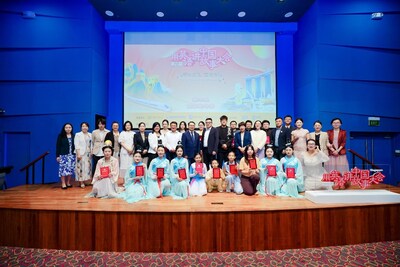
SINGAPORE, May 16, 2026 /PRNewswire/ — On May 15, the Singapore Special Session under the Overseas Division of the 6th “Stories of China Retold in English” Challenge concluded successfully. With the theme “Chinese Culture, World Heritage,” the event centered on the global dissemination of the classic Confucian text The Analects. It brought together Chinese international students from Singapore’s universities, local youth, and educators from China and Singapore. Through diverse artistic expressions including English speeches, rap, dance, and cross-talk, the participants interpreted the contemporary value of Eastern wisdom, presenting a cultural feast that bridged the past and present, as well as China and Singapore.

The Singapore Session of the 6th "Stories of China Retold in English" Challenge Concludes Successfully.
The Singapore Session of the 6th “Stories of China Retold in English” Challenge Concludes Successfully.

Six Years of Dedication: Connecting China and the Globe Through Classics

Co-hosted by China Education Television and New Channel International Education Group, the “Stories of China Retold in English” Challenge is China’s first large-scale cultural exchange event for young people both in China and abroad, focusing on the international dissemination of Chinese culture. Launched in 2020, the challenge has attracted 1.53 million young participants from 149 countries and regions worldwide. Starting from its third edition, it has introduced an overseas division for Chinese students studying at foreign universities, offering them a platform to express their national sentiments and share China’s voice with the world. Following successful overseas sessions at the University of Cambridge and the University of Oxford in 2024 and 2025 respectively, this year’s edition made its debut in Singapore.

As a cultural hub of Southeast Asia, Singapore serves as a vital gateway for Chinese culture to reach Southeast Asia and the world. By choosing The Analects as its core theme, this Singapore session delved deeply into the scholarly spirit of “Learning and then constantly putting what you’ve learned into practice,” the value pursuit of “A gentleman can be guided by righteousness,” and the principle of “Do not impose on others what you would not wish for yourself.” It allowed Confucian wisdom spanning over 2,500 years to thrive anew in multicultural Singapore, infusing profound cultural meaning into people-to-people exchanges between China and Singapore.

Grand Opening: Distinguished Guests Gather to Explore Cultural Missions

The event garnered extensive attention and strong support from educational and cultural circles in both China and Singapore, with representatives from institutions including the Chinese Embassy in Singapore, the Singapore Institute of Management, PSB Academy, Curtin Singapore, and the Singapore Culture and Education Association attending in person.

Mr. Wang Yong, First Secretary of the Education Office of the Chinese Embassy in Singapore, delivered the opening address. He stated that the “Stories of China Retold in English” Challenge is of far-reaching significance. It provides a high-quality platform for young people and culture enthusiasts to showcase themselves and engage in exchanges and learning. It also helps hone their cross-linguistic and cross-cultural communication skills, fosters their cultural confidence, and consolidates their sense of responsibility and commitment to inherit and carry forward fine traditional Chinese culture. With stories as a medium and culture as a bridge, the event features sincere voices from young people, which, in addition to conveying China’s strength, draws the hearts of the Chinese and Singaporean peoples closer and facilitates exchanges between diverse civilizations. He also hoped that Chinese students studying in Singapore would take this event as an opportunity to strive to be storytellers of China and ambassadors of Chinese culture.   

Zhang Fanlin, Executive Commander of the “Stories of China Retold in English” Challenge and VP of New Channel International Education Group, noted in his speech that as a leading Chinese international education institution, New Channel adheres to the educational philosophy of “cultivating young learners with deep Chinese cultural roots and authentic global competence,” and is committed to deeply integrating international education with international communication. This Singapore overseas session, themed on The Analects, carries profound cultural significance: It inspires Chinese international students to unleash their creativity and vitality, interpret Chinese classics from a contemporary perspective through an international language, and tell China’s stories well and share China’s voice across the globe.

Classics Revitalized: Diverse Renditions of The Analects‘ Contemporary Meaning

The performances at this edition highlighted a hallmark  of “integrating ancient and modern elements, blending Chinese and Western styles.” Young participants delivered creative interpretations, rendering the ancient Confucian classics vivid and approachable while showcasing the younger Chinese generation’s admiration for and inheritance of the classics.

Wang Minda from Nanyang Technological University presented an original Chinese-English rap titled PhD Rap Diary (Confucius in a Group Meeting), which stood out as one of the event’s highlights. He cleverly wove Confucius’s educational principles of “teaching students in accordance with their aptitude” and “diligently pursuing knowledge without ever feeling satisfied” into the daily research and group meeting experiences of modern PhD students and supervisors. Through trendy rap, he portrayed Confucius as “China’s earliest doctoral supervisor,” delighting the audience in a lighthearted atmosphere. Ji Sihan, an environmental engineering student at the National University of Singapore, delivered a speech titled “Standing Firm in Hardship,” resonating deeply with the audience. Drawing on her own experience of loneliness and academic pressure while studying abroad, as well as the social mission of environmental engineering in global climate governance, she offered a profound interpretation of the quote: “Noble men, indeed, also face hardships, but unlike petty men, they do not lose their composure or act recklessly when confronted with adversity,” illustrating how Confucian ethos informs contemporary personal growth and global problem-solving.

The fusion of traditional art and international expression was equally splendid. Highlights included the bilingual bel canto performance Ode to the Orchid, bilingual recitations of The Analects: Youthful Journey and A Millennium of Questions and Answers, the original cross-talk Confucius Goes South to the Ocean, and the martial arts performance Youthful Grace of Benevolence. These programs showcased the diverse expressive charm of The Analects from multiple dimensions.

Passing the Torch: Writing a New Chapter Through Cultural Bridges

The event also arranged a Chinese cultural experience zone outside the venue, featuring three signature activities: solving lantern riddles, hanging sachets, and creating handwritten brush-calligraphy slips. This allowed Chinese and international guests to experience the charm of traditional Chinese culture up close through sight, sound, touch, and perception after the performances.

Under colorful lanterns, traditional Chinese riddles drew many visitors to stop and participate. In the calligraphy and painting area, foreign friends picked up brushes for the first time to experience the charm of traditional Chinese calligraphy and painting. People of different nationalities and languages exchanged ideas and strengthened friendship through interaction, making this the most touching part of the event.

The successful Singapore session not only provided a platform for Chinese and Singaporean youth to showcase themselves and engage in cultural exchanges, but also enabled Confucian wisdom to transcend boundaries and radiate its unique charm in Singapore, contributing Chinese insights to the exchange and mutual learning of world civilizations. Moving forward, the “Stories of China Retold in English” Challenge will continue to serve as a bridge for cross-cultural communication, joining hands with global youth to help more authentic, profound and heartfelt Chinese stories take root, bloom and bear fruit worldwide.

Entrepreneur Universe Bright Group Reports First Quarter 2026 Financial Results

XI’AN, China, May 16, 2026 /PRNewswire/ — Entrepreneur Universe Bright Group (“EUBG” or the “Company”), a Nevada corporation, reported its unaudited financial results for the three months ended March 31, 2026.

First Quarter 2026 Financial Highlights

  • Revenue: $737,844 for the first quarter of 2026, compared to $961,954 for the first quarter of 2025.
  • Net Income: $77,879 for the first quarter of 2026, compared to $183,485 for the first quarter of 2025.
  • Total Comprehensive Income: $83,137 for the first quarter of 2026, compared to $185,195 for the prior-year period.
  • Cash Position: Cash and cash equivalents were approximately $10.61 million as of March 31, 2026.

Business Overview

EUBG provides digital marketing consultancy services through its wholly-owned PRC subsidiary. The Company focuses on delivering marketing consulting and related services to enterprises in China, supporting brand development and customer acquisition through online and integrated service solutions.

During the first quarter of 2026, the Company continued to optimize its service structure and expand selected business initiatives, including a recent acquisition of 100% of the equity interests in a Hong Kong entity, Heng Ying International Investment Limited. This acquisition permits the Company to engage in commercial lending activities once its Money Lenders License is renewed, which is expected around June 2026.

Strategic Outlook

EUBG continues to focus on strengthening its consulting capabilities, improving operational efficiency, and enhancing long-term competitiveness.

The Company is also evaluating strategic expansion opportunities, including selected fintech-related initiatives through its recently acquired Hong Kong subsidiary, Heng Ying International Investment Limited.

In addition, on February 25, 2026, the Company effected a 1-for-10 reverse stock split, further aligning its capital structure with long-term strategic objectives.

Management Commentary

Mr. Guolin Tao, CEO of EUBG, stated:

“Although our first quarter results reflected a more cautious operating environment and adjustments in certain service lines, we continued to maintain profitability and a strong cash position.

We remain focused on disciplined execution, operational optimization, and long-term strategic development. Looking ahead, we will continue enhancing our consulting service capabilities while prudently evaluating new business opportunities that support sustainable growth.”

About Entrepreneur Universe Bright Group

Entrepreneur Universe Bright Group is a Nevada holding company that conducts its operations through its wholly-owned subsidiaries in Hong Kong and mainland China. The Company primarily engages in consulting and marketing services in China with support from its Hong Kong subsidiary.

For more information, please visit: www.eubggroup.com

Safe Harbor Statement

This press release contains projections and “forward-looking statements” as defined by the Private Securities Litigation Reform Act of 1995 related to the Company’s business. Forward-looking statements include statements concerning plans, objectives, goals, strategies, future events or performance, and underlying assumptions and other statements that are not historical facts. When the Company uses words such as “may,” “will,” “intend,” “should,” “believe,” “expect,” “anticipate,” “project,” “estimate,” or similar expressions that do not relate solely to historical matters, it is making forward-looking statements.

Forward-looking statements are not guarantees of future performance and involve risks and uncertainties that may cause actual results to differ materially from those discussed in the forward-looking statements. These statements are subject to uncertainties and risks including, but not limited to, the following: the Company’s goals and strategies; future business development; financial condition and results of operations; product and service demand and acceptance; competition and pricing pressures; changes in technology; government regulations; fluctuations in economic and business conditions in China; and assumptions underlying or related to any of the foregoing and other risks contained in the Company’s filings with the SEC. Investors are cautioned not to place undue reliance on any forward-looking statements in this press release. Additional factors are discussed in the Company’s filings with the SEC, which are available for review at www.sec.gov. The Company undertakes no obligation to publicly revise these forward-looking statements to reflect subsequent events or circumstances.

Eyes that photosynthesise: NUS scientists plant a cure for dry eye disease

A nanosized extract of the plant thylakoid grana — the molecular engine behind photosynthesis — is transplanted into the eye’s corneal cells, producing a key protective molecule when exposed to ambient light, opening a new front against dry eye disease

SINGAPORE, May 16, 2026 /PRNewswire/ — What if your eyes could use light to heal themselves? Drawing inspiration from how plants harness sunlight, researchers at the National University of Singapore (NUS) are pioneering a revolutionary treatment for dry eye disease. Their approach uses a light-activated technology derived from the photosynthetic membranes of the spinach plant, enabling the eye to stay continuously hydrated. This offers a solution that is simple, effective and non-invasive.

Dry eye disease, also known as keratoconjunctivitis sicca, is one of the most common eye conditions, affecting more than 1.5 billion people worldwide. Far more than a minor discomfort, the disease causes corneal scarring, chronic pain, blurred vision and sensitivity to light. Various studies have linked it to depression, anxiety and reduced workplace productivity, as well as an economic burden estimated at US$3.84 billion annually in the United States alone. Current treatments such as cyclosporine A (Restasis®) and lifitegrast (Xiidra®) target inflammation through specific molecular pathways, but their high costs and adverse side effects limit long-term use.

At the cellular level, the disease is driven by a vicious cycle. Inflammation in the corneal region generates reactive oxygen species (ROS), chemically aggressive molecules that damage cells. Healthy eyes can neutralise ROS through antioxidant production that is driven by Nicotinamide Adenine Dinucleotide Phosphate (reduced form) (NADPH). But in inflamed eyes, ROS levels overwhelm the cornea’s natural defences, resulting in the generation of even more ROS – a death spiral.

A team led by Associate Professor David Leong Tai Wei from the Department of Chemical and Biomolecular Engineering in the College of Design and Engineering at NUS has developed a fundamentally different approach by transplanting functional plant-derived photosynthetic machinery into corneal cells, enabling them to harvest ambient light and produce NADPH independently from the cells’ own NADPH production pathways. In preclinical studies, the technology, delivered as simple eye drops at doses so low that it does not interfere with colour perception, reversed corneal damage to near-healthy levels within five days, outperforming Restasis®.

The study was published online in the scientific journal Cell on 15 May 2026.

An eye-opening biological crossover

Evolutionarily, plants and animals have taken divergent paths such that animals, with one exception, are not able to photosynthesise. This exception is the sacoglossan sea slug, which ingests and stores away the chloroplasts (organelles responsible for photosynthesis in plant cells) of microalgae within its intestinal cells. When starved, these sea slugs can live off the nutrients made through photosynthesis — the only known case of an animal being able to photosynthesise just like a plant. This unusual animal trait raised an intriguing question: could mammals also acquire some limited form of photosynthesis?

To test out their ideas, the NUS researchers chose the eye as it is one of the few organs in the human body that absorbs visible light — just like plant leaves. They engineered LEAF (Light-reaction Enriched thylAkoid NADPH-Foundry), a nanosized, structurally preserved version of the thylakoid grana — the tightly stacked membrane compartments inside the chloroplasts of plant cells where light energy is harnessed and converted to NADPH molecules. During photosynthesis, the NADPH molecules are subsequently used to produce glucose, providing energy and food for the plant.

The team’s core innovation was to strip away the part of the chloroplasts that consumes NADPH while keeping the thylakoids, where the light-reactions machinery of photosynthesis is, intact. This resulted in a nanosized package that acts as a dedicated NADPH factory capable of producing about 20 per cent more NADPH compared to unpackaged thylakoids. Prepared from the familiar spinach leaves using a patented, mild mechanical and chemical extraction method developed by the NUS team, the particles are roughly 400 nanometres across — small enough to be readily absorbed by cells. LEAF, when in the cells, then produces photosynthetic NADPH upon exposure to ambient light sources, and the NADPH produced tackles dry eye disease via two pathways – inside and outside the cell.

“This is an exciting finding as we have, for the first time, demonstrated that plant photosynthetic machinery can be transplanted into mammalian tissue to generate biologically useful molecules, powered entirely by the same light that enables our vision. We, too, can have limited photosynthetic abilities.” said Dr Xing Kuoran, the first author of the work.

Tested in living tissue

In laboratory tests on inflamed cells, LEAF restored NADPH levels within 30 minutes of light exposure, suppressed ROS and pivoted immune cells in the cornea from a pro-inflammatory to an anti-inflammatory state. When tested directly in tear samples collected from patients with dry eye disease, LEAF increased NADPH levels roughly 20-fold and reduced hydrogen peroxide, a key cell-damaging oxidant, by more than 95 per cent.

In their first preclinical trial in collaboration with ophthalmologists from Eye Centre of Second Affiliated Hospital, Zhejiang University, LEAF administered as eye drops under ambient indoor lighting reversed corneal damage to near-healthy levels within five days, outperforming Restasis®. A second preclinical trial also confirmed the therapeutic effect. Safety assessments, including skin sensitisation, eye irritation and organ toxicity studies conducted over two months showed no adverse effects. The team plans to conduct clinical trials to further validate the technology.

More than meets the eye

“With LEAF, we now have a technology that harnesses ambient light to directly restore the molecule that dry eye disease depletes,” added Assoc Prof Leong. “As it is derived from spinach, delivered as a simple eye drop, requires no external device or power source and using the ambient light that is used for vision, we believe it has a strong potential for clinical translation. It is almost surreal when thinking of a possible future reality where human cells can have some limited but beneficial form of photosynthetic ability not only in the eye but elsewhere, too.”

In addition, as oxidative stress underpins a wide range of inflammatory conditions beyond dry eye disease, the team also sees potential for LEAF-based approaches wherever the body’s antioxidant defences are overwhelmed, particularly in tissues naturally accessible to visible light such as the retina, skin and underlying skeletal muscles. They are also developing new strategies that can produce therapeutically useful photosynthesised molecules in internal organs without the need for visible light penetration.

Read more: https://news.nus.edu.sg/eyes-that-photosynthesise

Global Times: Young volunteers turn tree-planting into rising public welfare trend, showcasing nationwide commitment to building a Beautiful China

BEIJING, May 16, 2026 /PRNewswire/ — “Building an ecological civilization concerns the well-being of the people and the future of the nation.”

Chinese President Xi Jinping, also general secretary of the Communist Party of China (CPC) Central Committee and chairman of the Central Military Commission, pointed out: “Respecting, adapting to, and protecting nature is essential for building China into a modern socialist country in all respects.”

As outlined in the 15th Five-Year Plan (2026-2030) for national economic and social development, securing major breakthroughs in strategic tasks of overall importance to Chinese modernization and making major new progress in the Beautiful China Initiative are set as key objectives.

The Global Times is launching a series of articles titled “BeautifulChinaING.” From the perspectives of the beauty of nature, the beauty of system and the beauty of lifestyle, the series uses both Chinese and international cases as entry points. Through field reporting and video storytelling, it explores how green development has become a defining feature of Chinese modernization while showcasing China’s role as a responsible major country providing global public goods.

In this installment, we turn our focus to China’s broader fight against desertification and the growing public participation behind it. Through the stories of young volunteers planting trees in Minqin County, Northwest China’s Gansu Province, and similar efforts across the country, this story examines how grassroots action, youth engagement and long-term ecological restoration are becoming part of the wider practice of building a Beautiful China.

This spring, many young Chinese people have chosen not to spend their holidays at popular tourist attractions, but on the edge of the desert in Minqin County, Northwest China’s Gansu Province.

On social media, “Come to Minqin and plant a tree” has become a trending topic. Young people from across the country have paid their own way to travel there, carrying shovels and saplings on their backs, planting native sand-fixing plants amid wind and sand. In doing so, they have turned “going to the desert to plant trees” into a new public welfare trend.

As of May 5, the 2026 “Come to Minqin and plant a tree” volunteer campaign had received more than 50,000 online registrations and attracted 46,000 volunteer visits in total. At its peak, more than 4,000 volunteers booked slots in a single day via the online platform to come to Minqin to plant trees, the People’s Daily reported.

This trend also stands as a vivid testament to the country’s broader green development efforts.

According to the Xinhua News Agency, China completed afforestation of 36.6 million hectares over the past five years, restored 289,600 mu (19,307 hectares) of wetlands, and treated 10.13 million mu of desertified land. The country has continued to see reductions in both desertified and sandy land areas, becoming the first in the world to achieve “zero growth” in land degradation.

Zhao Yu, who works in the internet industry in Beijing, is one of the volunteers coming to Minqin. She first came across stories about Minqin’s desertification control efforts on short video platforms and was moved by the persistence of Zhong Lin, a young man born in 1998 who returned to his hometown, and local residents who have spent years guarding the oasis.

In March, she arrived in Minqin. She had originally thought planting trees was simply about “digging a hole and putting a sapling in it.” But after truly stepping into the desert, she found that preventing and controlling desertification was far more arduous than she had imagined – and far more concrete.

“I used to think ecological civilization and green development were somewhat distant from ordinary people,” Zhao told the Global Times. But in Minqin, she said, she felt for the first time that ecological civilization could be a tree planted by ordinary people with their own hands. It could also be the genuine efforts of a group of young people bending over in the wind and sand to bring more green to the desert.

From screen to sand

The first thing Zhao felt after arriving in Minqin was a strong sense of contrast.

Before setting off, Minqin had been, to her, simply a destination many young people were heading to under related topics on social media platforms like Douyin and RedNote. Only after arriving did she realize that the wind and sand pressure borne by this land was far more direct and heavier than what she had seen on screen.

On the way to Minqin, the scenery outside the car window gradually turned vast and desolate. Along the way, she heard local residents explain that Minqin lies between the Tengger Desert and the Badain Jaran Desert like “a sandwich,” and has long faced the pressure of being hemmed in by the two deserts.

Planting trees in the desert was not as easy as she had imagined. This year, the base adopted a new planting method, putting sand-tolerant plants into nutrient cups for mixed planting, in order to improve the survival rate and enrich biodiversity.

Saxaul trees, also known by their scientific name Haloxylon ammodendron, are highly drought-resistant plants that help stabilize sand dunes and form shelter belts. A single saxaul tree can help stabilize about 10 square meters of desertified soil.

Volunteers were divided into different groups. Some distributed saplings, some filled soil, some dug holes, and others watered and backfilled them. Since the nutrient cups were relatively tall, the holes had to be dug deep – sometimes above knee level. The loose sand would quickly slide back into the hole soon after being shoveled aside, so one hole often required several people to work together.

Zhao’s group had eight or nine people, and over several days, they planted nearly 100 saplings.

The physical hardship soon became tangible. When the wind and sand were strong, sand would get into their hats, masks, shoe covers and the seams of clothing. Under the noon sun beating down on the sand, those working would soon be drenched in sweat.

But what impressed Zhao most was not the hardship, but the tacit understanding that formed among the young people on site. She saw that many volunteers were around 20 years old, and quite a few had never participated in environmental protection activities before or even held a shovel. Yet after arriving, they all carefully learned how to distribute saplings, dig holes and backfill them, worried that the saplings they planted might not survive.

One detail particularly touched her. A teenage girl in her group said while planting trees, “I must make sure the tree I plant survives.”

Zhao said the remark helped her immediately understand the state of mind of many young people after arriving in Minqin: “They were not there for an easy visit and a selfie. They truly hoped that the trees they planted with their own hands would take root, sprout and grow.”

She also noticed that local residents were especially warm toward volunteers from other places, whether in terms of accommodation, meals, transportation or other services.

The thought deeply touched her. “Planting trees here carries not only the enthusiasm of young people from outside, but also Minqin people’s cherishing of and expectations for their homeland,” Zhao told the Global Times.

After returning to Beijing, Zhao posted her experience online, and the response surprised her. She said the questions she received most often from netizens were how to sign up, how to get to Minqin and whether they could make donations. Many people also sent her long private messages expressing a keen interest to take part.

After receiving all these messages, and seeing how enthusiastic people were, she made a separate guide video, compiling information on registration methods, travel routes and precautions.

Growing groves

In Minqin, the arrival of young people did not begin only this year.

According to the People’s Daily, as early as 2006, Ma Junhe, a local resident of Minqin, and his friends jointly launched a volunteer association. In 2007, they organized volunteers online for the first time to come to Minqin to plant trees and fight desertification. In the first year, only around 20 people answered the call and came to the desert to plant trees.

More than a decade later, the internet has continued to play a role, but in a different way. Short videos, variety shows and social media platforms have brought Minqin onto the phone screens of more young people.

The Global Times learned from the Minqin county publicity department that in February 2024, the production team of an online variety show filmed a program in the county, where the guests and Zhong Lin, a young entrepreneur who returned to his hometown in Minqin, jointly planted 180,000 saxaul trees on the edge of the Tengger Desert.

After watching the program, many young people made the journey to the county, and took part in tree-planting activities.

In February 2025, the county issued a recruitment notice for the “Come to Minqin and plant a tree” public welfare tree-planting campaign. Soon afterwards, more volunteers from across the country began arriving in Minqin to take part in voluntary tree planting.

The Global Times learned from the Minqin county publicity department that since the campaign was launched, it has attracted more than 92,000 volunteer visits from across the country.

Zhong said he experienced failure when he first began working on nonprofit desertification control.

When he first tried to plant 500 saxaul trees, most of them failed to survive due to his lack of experience. He later studied materials on desertification control, sought advice from local villagers, summarized the lessons learned and planted another 53 hectares of saxaul trees. He also moved his home to the edge of the desert to guard the saplings as they grew. The survival rate of that batch of saxaul trees reached 80 percent.

“Planting trees in the desert is something Minqin people have been doing for generations,” Zhong told the Global Times. Now, through the “Come to Minqin and plant a tree” initiative, more and more young people from across the country have joined in, and many parents have brought their children here to plant trees, Zhong said. “This is the meaning of what I am doing.”

Grassroots synergy

The continuous influx of volunteers has also brought new tests to this northwest China county, which has a relatively small permanent population.

The Global Times learned from the Minqin county publicity department that, since 2025, in order to ensure the smooth and orderly operation of the “Come to Minqin and plant a tree” volunteer campaign, Minqin has refined services and support around the full process of volunteers’ needs, covering meals, accommodation, transportation and tree planting. Local authorities have also set up police, medical and emergency service points.

Such efforts are emerging in more places. In the Hunshandake Sandy Land in North China’s Inner Mongolia Autonomous Region, spring tree planting has also attracted many volunteers.

During this year’s May Day holidays, a public welfare spring planting campaign was launched in the Hunshandake Sandy Land in Inner Mongolia. On the first day, more than 300 volunteers from different places planted drought-resistant and sand-fixing species such as yellow willow and caragana on 6.7 hectares of mobile sandy land, with professional technicians providing on-site guidance, reported the Inner Mongolia TV.

From Minqin to Hunshandake, and from offline volunteer tree planting to internet-based public welfare platforms, the ways in which the public participates in desertification prevention and control are becoming more diverse.

Behind this public participation is China’s long-term process of advancing large-scale land greening and desertification prevention and control. According to a report released by the National Greening Commission, by 2025, various regions across China had built 3,071 “internet + voluntary tree planting” bases, launched 62,000 responsibility-fulfilling activities throughout the year and received more than 33 million visits.

For Zhao, these grand figures eventually came back to a small detail in everyday life.

One day, her niece, who is still in kindergarten, suddenly said to her, “Auntie, I want to plant a tree.” Zhao asked what kind of tree she wanted to plant. The child replied, “A saxaul tree.”

The answer surprised Zhao. She said she had not told the child in detail about the tree-planting process in Minqin, yet the name “saxaul tree” had already taken root and begun to sprout in the child’s heart.

https://www.globaltimes.cn/page/202605/1360997.shtml

 

Subotiz Showcases AI-Native Revenue and Payment Platform at SaaStr AI Annual 2026

A live session underscored the shift from fragmented tools to unified payments infrastructure

SAN MATEO, Calif., May 16, 2026 /PRNewswire/ — Subotiz, a next-generation platform for subscriptions, payment and growth, showcased its AI-driven capabilities at SaaStr AI Annual 2026, where more than 10,000 SaaS founders, operators, and AI leaders gathered to discuss the future of AI-native software and business infrastructure.

At the event, Subotiz demonstrated how AI and SaaS companies can unify payments, subscription billing, tax, fraud management, compliance, and payouts in one connected revenue system. In a live session with Subotiz CRO Adam Mawdesley, the company explored how AI-native businesses can replace disconnected tools with a unified platform that learns from every transaction, streamlines revenue operations and helps companies scale more efficiently.

The session also focused on how AI products require billing systems that can adapt to evolving pricing models, including usage-based, subscription, and hybrid approaches. Subotiz highlighted how it can support more flexible payment experiences and create smoother buying journeys for customers worldwide.

Key features of the platform include:

  • Unified subscription and recurring billing infrastructure
  • Global payment routing and multi-method payment support
  • Merchant of Record (MoR) capabilities and tax compliance management
  • AI-powered fraud prevention and payment optimization
  • Revenue infrastructure supporting e-commerce and mobile commerce
  • Flexible APIs and embedded financial workflows for platform integrations

“SaaStr AI Annual was an important opportunity to demonstrate how payment and revenue systems are evolving alongside AI-native software,” said Adam, CRO of Subotiz. “As AI products become more dynamic, businesses need systems that are programmable, scalable, and deeply integrated into the product experience. Payments, billing, compliance, and payouts can no longer operate in silos.”

Subotiz’s participation at SaaStr AI Annual 2026 reflects the company’s continued expansion across AI and SaaS companies, digital commerce, and platform technology markets, where businesses increasingly require unified revenue and payment operations to support global growth.

About Subotiz

Subotiz is a next-generation payment and revenue infrastructure platform designed for global digital businesses. By combining payments, subscription management, usage-based billing, tax and compliance automation, fraud prevention, and payout orchestration into a unified platform, Subotiz enables SaaS, AI, eCommerce, and platform businesses to scale globally with greater operational efficiency and revenue flexibility. Learn more at Subotiz.

MINISH Veneers USA Successfully Concludes Biomimetic Veneers Course at VITA North America

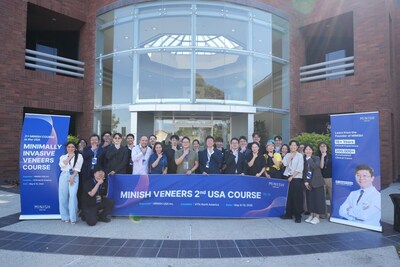
LOS ANGELES, , May 16, 2026 /PRNewswire/ — MINISH Veneers USA successfully concluded its latest U.S. MINISH Veneers Course, held from May 8–10 at the VITA North America Education Center in Brea, California. The three-day continuing education program brought together dental professionals from across North America for intensive hands-on training focused on minimally invasive and biomimetic restorative dentistry.

minish veneers course

The course provided participants with a comprehensive introduction to the MINISH Veneers workflow, covering diagnosis, tooth preparation, communication with the laboratory, bonding protocols, optimized workflow with assistant, and final delivery. Through lectures, live demonstrations, and practical exercises, attendees experienced the clinical philosophy and systematic workflow that have been refined through more than 18 years and over 200,000 clinical veneer cases.

Unlike conventional veneer approaches that often prioritize aggressive preparation for esthetic outcomes, the MINISH philosophy emphasizes preservation of healthy tooth structure and biomimetic restoration principles. The concept focuses on restoring teeth in a way that closely mimics the natural structure and function of enamel while minimizing unnecessary reduction of healthy tissue.

One of the distinguishing aspects of the program was its highly interactive hands-on environment. Six experienced faculty members provided close guidance throughout the course, allowing participants to receive individualized feedback and direct clinical instruction. Many attendees highlighted the faculty-to-participant ratio and the depth of practical education as major strengths of the program.

“Most veneer courses focus heavily on esthetics alone, but this course helped connect esthetics, function, and long-term preservation,” said one participant. “The workflow was systematic, detailed, and immediately applicable to daily practice.”

The course also introduced participants to the broader MINISH ecosystem, including its proprietary laboratory communication process and collaboration with MINISH Lab, Asia’s first VITA-certified dental laboratory. Participants gained insight into how digital workflows, material selection, and technician-clinician collaboration contribute to predictable restorative outcomes.

Due to increasing interest in minimally invasive dentistry and conservative restorative solutions, MINISH Veneers USA continues to expand its educational initiatives throughout North America. The company stated that upcoming courses will continue focusing on practical clinical integration, biomimetic principles, and real-world workflows that can be implemented efficiently in modern dental practices.

Following strong attendance and positive participant feedback, future MINISH Courses are expected to attract growing interest from clinicians seeking conservative alternatives to traditional restorative approaches.

For more information about future MINISH Veneers Courses, visit the official MINISH Veneers USA website: https://minishveneers.com/us-veneers-training-course/

CONTACT: Aili Zhao, contact@minishtech.com, +1-323-880-2875