Home Blog Page 6007

IT Block Introduces Data Centre Colocation Services

IT Block’s latest service helps enterprises design, install, provision, and maintain their server rooms, thereby allowing them to save on resources that can be invested in other areas of business development.

SINGAPORE – Media OutReach – 23 August 2021 – IT Block, a specialist in outsourced IT support for enterprises, has introduced Data Centre Colocation Services. This new service takes on the complex responsibility of configuration, installation, and maintenance of server rooms in a single package, thus enabling companies to channel their resources into other areas and focus on expanding their business.

“We know companies are facing enormous depletion of resources when attempting to build and manage their own data centres.  Their exorbitant upfront expenses include acquiring bandwidth, power, cooling, staff salaries, and machinery, among other things,” said Reza Nilofer, Vice President of Sales and Technology at IT Block. “That’s why IT Block wants to provide companies with a secure and cost-effective alternative to house, manage, and maintain enterprise servers.”


With the ability to be structured  to meet specific business needs, IT Block Data Centre Colocation Services offer:

  • Procurement of equipment
  • Design and installation
  • Power and cooling
  • Security, management, and maintenance

For more information about Data Centre Colocation Services, visit: https://www.itblock.sg/data-centre/.

About IT Block

IT Block, formed in 2018, is an MSP that specialises in outsourced IT support for business enterprises. Customer service lies at the very heart of our company, and we pride ourselves on being able to provide 24/7 customer support to all our clients. Our range of services includes server hardware maintenance, hardware procurement, cybersecurity services, and office IT setup service. Learn more about our services at https://www.itblock.sg.

#ITBlock

Signitory: Digital Signatures to be Part of New Norm Post-Pandemic

KUALA LUMPUR, MALAYSIA – Media OutReach – 23 August 2021 – Increased remote work requirements have prompted companies to embrace digital technology in order to meet new consumer demands and protect fragile supply chains in the last year. Furthermore, the Malaysian government encourages the use of digital signatures to reduce paper transactions and maintain physical distance during the Covid-19 epidemic. Signitory, a major blockchain-engineered digital signature solution provider, believes that digital signatures are here to stay beyond the epidemic. The firm released their app on Google PlayStore, aiming to improve document signing by ensuring simplicity, compliance, and security. Signitory’s low-cost digital signature solution allows millions of small and medium-sized businesses (SMEs) to generate and legalise paperwork.


Signitory’s KYC (Know-Your-Customer) verification is a feature that is encouraged by both government agencies and financial institutions. It is powered by the most recent Blockchain and SaaS technology. By guaranteeing that signees are registered with their authentic identity cards, it enables real-time validation and eliminates fraud. Furthermore, Signitory’s blockchain technology ensures that all signed papers are tamper-proof and can be traced back to their time stamp. Its SaaS technology allows SMEs to use the Signitory app from anywhere in the globe.


“We are officially disrupting the digital signature business. Our blockchain-powered digital signature technology enables SMEs to sign documents remotely and securely”, KC Lai, CEO of Signitory, said “Because of the simplicity, effectiveness, and assurance that digital signatures provide, we believe it will become the standard.”


A free plan is being launched to entice SMEs to test out this innovative technology. From August 11th through September 30th, 2021, first-time users can generate, sign, and organise up to FIVE documents each month. Documents may be uploaded, modified, and submitted for signatures with no prior expertise, allowing anybody to create a completely legal e-contract in a matter of minutes.


Signitory is ideal for organisations of all sizes and industries looking to accelerate sales, transactions, new hiring, collaborations, and other business endeavours.


“A paperless method minimises client waiting times and aids in the development of consumer confidence. Furthermore, you may have e-contracts legally signed by international business partners anywhere in the globe using our SaaS blockchain built digital-signature solution. This is just another reason why we believe the digital signatures service will quickly spread outside the epidemic,” Carlo Chung, CTO of Signitory, also commented.


Most multinational corporations (MNCs) in Malaysia already use e-signature systems in their human resources departments for recruiting and job confirmation. From the mid-2020s, when the COVID epidemic initially caused Malaysia’s Movement Control Order (MCO) to be established, usage rose tenfold. MNCs had made it essential for their workers to work from home by that point.


According to Fortune Business Insights, the digital signature industry will be worth USD7.99 billion by 2027. Larger organisations will push the rising adoption of digital signatures, as well as the digitization of corporate processes, as a result of the pandemic. It will have a cascading impact as SMEs improve their digital systems in order to do business with larger businesses. A digital signature solution will eventually become the standard. It’s logical. A paperless digital signature system can improve workflow efficiency, ease, and speed.


Signitory is now available on Google Playstore at https://www.signitory.com/. Signitory will launch an Apple App Store version soon.

About Signitory

In 2020 Kee Choy Lai and Carlo Chung established Signitory to create a more comprehensive experience with signing by infusing their system with blockchain. Signitory’s ultimate goal is to improve people’s quality of life by increasing the efficiency and coordination in their businesses. Signitory uses blockchain technology for this purpose, as well as other digital tools that can increase productivity and effectiveness in a business.

#Signitory

Kestrel Advocates Outcome-based Security Solutions For Effective Threat Detection And Management

SINGAPORE – Media OutReach – 23 August 2021 – Kestrel Investigation and Services Pte Ltd (“Kestrel”), a premier security company in Singapore, promises to help companies, organisations and asset owners get more efficient at detecting and managing security threats on their premises with outcome-based solutions that cuts resource utilisation and costs at the same time.


A traditionally manpower-intensive sector, the security service industry has gone through much change in recent years, especially on the technological front with the government’s drive and support towards digitalisation as part of the Security Industry Transformation Map, going beyond security guard services to deliver holistic and comprehensive security solutions.


Even so, these digital applications for the most part, provide peripheral functionality and support to the security manpower detail rather than as an operational replacement, which actually in many situations increase operational costs in the form of additional equipment and system purchase as well as training on how to use them.


Kestrel believes that all these will change with the adoption of outcome-based solutions, and is committed to making security protection and management a much more effective and efficient affair by aligning their service offering to the outcome-based approach.

AI and Automation at the Heart of Outcome-based Security Solutioning

A central component of outcome-based security solutioning is the integral use of artificial intelligence (AI) and automation, as well as digital messaging communication, throughout the entire security workflow. 


Instead of a resource allocation mindset by which most conventional security solutions are structured, an outcome-based approach first identifies the required outcomes in a security environment setup, and then puts in place the processes and systems to automate the monitoring and protection necessary to achieve those outcomes.


By doing so, the objectives are achieved with an efficient utilisation of resources that does not undermine effectiveness, saving time and money for both the service provider and the client.


An example of this is Kestrel’s Automatic License Plate Recognition System. Sensors and cameras at the gantry intelligently detect the presence of vehicles and automatically process their imagery to identify and record license plate numbers together with relevant datetimes of entry and exit. These records are also automatically matched against a database to alert any presence of unauthorised vehicles. 


Organisations can reduce their total security expenses by 30% upon adopting such an implementation.

Increased Responsiveness with Integrated Communications

Another key aspect of an outcome-based approach to security services is the ability to be alerted and notified of any incident or occurrence with immediacy and clarity, such that a prompt response can be provided.


Kestrel’s Security Management and Alert System (“SMAS”) addresses this by weaving communication on multiple gadgets such as GPS, walkie-talkie, island-wide communication, SOS, body-worn camera, and clocking device – into a single centralised platform, eliminating the chance of information missed out or not passed on as intended, particularly in the event of emergencies.


This significantly improves communication efficiency while reducing the possibility of disputes or ignorance, not to mention the savings that can be achieved from a reduction in manpower allocation by as much as 25%. 


The system has also been instrumental in helping Kestrel achieve and maintain its top grading score awarded by the relevant authorities year after year that distinguishes the best performance security agencies in the market.

Driving Innovation for the Security of the Future

“We strongly believe that by marrying the principles of risk assessment with an outcome-based approach to setting up and implementing security operations, threats can be detected more efficiently and mitigated with swifter and better responses, which is especially crucial in the fast-paced environment that we reside in today”, said Mr. Al Chiang, Managing Director of Kestrel.


The push on outcome-based security solutions represents but just the initial step of Kestrel’s long term commitment towards continuous innovation in the field of operational security and threat detection, constantly redefining the parameters of what an intelligent security ecosystem of the future will look like. 


To find out more about Kestrel’s security solutions and security guard services, visit https://www.kestrelis.com/.

About Kestrel

Founded in 2005, Kestrel is a security agency headquartered in Singapore that specialises in providing total security solutions – including security guard services, security management equipment and software, as well as security audit, assessment and consultation – to corporations, business owners, industrial facilities, government agencies and property owners, as well as non-profit organisations and institutions.

Kestrel brings decades of experience from involvement in a myriad of security operations in the Singapore armed and police forces as well as the security industry at large, and offers a perfect balance of national security insights and real-world operational pragmatism to its clients, serving some of the biggest and most well-known organisations in Singapore, protecting their assets and interests against both internal and external threats.

For more information on Kestrel, visit https://www.kestrelis.com/.

#Kestrel

foodpanda, Asia’s largest delivery platform, helps 30,000 new retailers and shops digitalise, sees 430% growth in SMEs

  • About 30,000 shops have newly embarked on a digitalisation journey from June 2020 to June 2021 by onboarding onto the foodpanda shops platform
  • The number of SMEs on foodpanda grew by more than 430% within June 2020 to June 2021, making up almost half of the shops listed on the platform
  • Groceries, health and wellness, beauty and electronics SMEs are four core segments that have shown the most growth in the number of shops onboarded in the past year
  • With the new SMEs on the platform, orders from small businesses grew 950% Y-o-Y over the past year, resulting in over 330% growth of foodpanda shops as a vertical

SINGAPORE – Media OutReach – 23 August 2021 – As businesses prepare for a rebound in the post pandemic world, Asia’s quick-commerce (q-commerce) pioneer, foodpanda, has remained committed to supporting SMEs across the region to embrace digitalisation. Almost 30,000 retail shops were onboarded on foodpanda shops in the past year, with SMEs making up almost half of shops that had gone digital. This marks the first step in helping SME businesses build a strong digital core, to become more risk-resilient and cater to their customers’ new purchase habits.

Growing small businesses via foodpanda shops in Thailand


Online and on-demand delivery platforms have helped retail stores and SMEs stay afloat during the pandemic, during a time where organic in-store traffic was affected due to lockdowns, foodpanda has provided shops a new channel to reach new, digital customers and still generate new revenues.

Unlike traditional e-commerce, q-commerce allows SMEs to have their goods delivered to customers on-demand in 15 to 30 minutes. With a digital platform to grow their business, SMEs can also tap into services like ads, listing boosting and run promotions to increase revenues. In the past year alone, the number of new SMEs embracing q-commerce increased by more than 430 per cent. This spike in SME growth contributed an overall growth of more than 330 per cent for the overall foodpanda shops business vertical, which includes other retail and supermarket chains such as Tesco, 7-Eleven, Family Mart, Watsons and Guardian.


Globally, Delivery Hero, of which foodpanda is a subsidiary, reported on 12 August 2021 in its Q2 Trading Update a 249% growth in orders for its Integrated Verticals comprising the q-commerce business, illustrating an increase in demand for grocery deliveries across the globe. GMV for the segment also more than tripled from just the year before.

Partnering local governments to digitalise traditional markets in Taiwan;
Taipei mayor seen here in support of  fresh markets’ digitalisation efforts


Commerce 3.0: A launchpad for business scalability on a level digital playing field


Ushering in a new decade of digital innovation, speed and convenience will continue to transform to meet customer needs, giving rise to Commerce 3.0 — where tech meets commerce. A global trend driven by developers who create APIs and plug-ins to integrate online activity directly with merchants, Commerce 3.0 is a powerful strategy for SMEs to level the digital playing field and fend off larger competitors that may have an advantage in a traditional physical retail environment.

As the gap between physical stores and online environments shrink, foodpanda is playing a key role in enabling SME brands to create a frictionless, technology-enabled, and interconnected customer experience, by connecting shops with customers’ demands, without the hassle and heavy costs of building and running their own delivery platform.


Abhishek Sahay, Senior Director of New Verticals at foodpanda shares: “Digitalisation is more than just going online. foodpanda shops helps SMEs take charge of their growth with digital solutions, so they can fully adopt Commerce 3.0 to increase sales, especially when traditional retail models have been disrupted in the pandemic. In this unprecedented time, it’s especially critical to empower SMEs to adopt a new hybrid online-offline business model with quick-commerce, to scale their business urgently.”


Pioneering the next generation of on-demand deliveries


Beyond the traditional e-commerce that revolutionized the delivery landscape through online ordering, q-commerce will be the next inflection point where delivery time shortens from three days to just 30 minutes. Being the pioneer in q-commerce built on years of logistics and technology expertise spanning 12 markets, foodpanda is driving the growth of the q-commerce category in Asia.

About foodpanda

foodpanda is a leading delivery platform in Asia dedicated to bringing consumers a wide range of food, groceries and more, quickly and conveniently. Powered by technology and operational excellence, foodpanda is spearheading the growth of quick-commerce (q-commerce) across the region with its network of retail partners, as well as pandamart cloud stores to provide more on-demand options beyond the millions of food delivery options. foodpanda operates in more than 400 cities across 12 markets in Asia – Singapore, Hong Kong, Thailand, Malaysia, Pakistan, Taiwan, Philippines, Bangladesh, Laos, Cambodia, Myanmar, and Japan. foodpanda is a subsidiary of Delivery Hero, a global leader of the food delivery industry. For more information, visit www.foodpanda.com.

#foodpanda

Authorities to Clear Wastewater Drainage Issues in Vientiane Capital

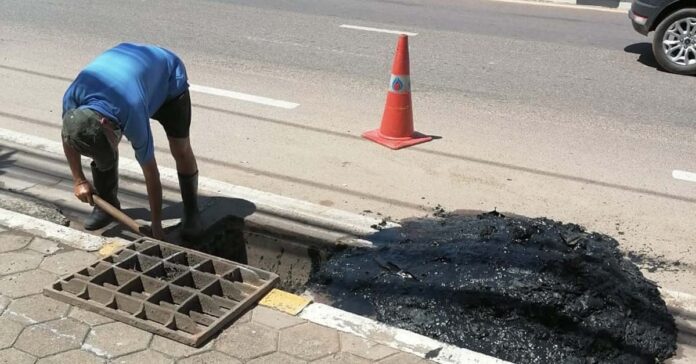
Blocked wastewater drains a chronic problem in Vientiane Capital
Blocked wastewater drains a chronic problem in Vientiane Capital (Photo: VCOMS)

Authorities in Vientiane Capital have begun discussions on how to resolve blockages along the city’s wastewater drains across the capital.

Copenhagen edges Toronto and Singapore for top spot in Safe Cities Index 2021

  • Singapore and Tokyo remain in the top five – third and fifth respectively – with Sydney coming in fourth.
  • The remaining top 10 cities are: Amsterdam (6th), Wellington (7th), Hong Kong and Melbourne (tied 8th) and Stockholm (10th)
  • The 2021 edition of the index includes a new pillar for environmental security

TOKYO, JAPAN – Media OutReach – 23 August 2021 – The Economist Intelligence Unit (The EIU) today releases the fourth edition of the Safe Cities Index (SCI). The index, which is the centre piece of a research project sponsored by NEC Corporation, ranks 60 cities worldwide across five continents. It measures the multifaceted nature of urban safety, with 76 indicators organised along five pillars: personal, health, infrastructure, digital, and – new this year – environmental security.

In each of the last three iterations, Tokyo, Singapore and Osaka – always in that order – have been our index leaders. This year Copenhagen comes first, with 82.4 points out of 100, and Toronto follows close behind with 82.2. This change reflects not a tectonic shift but more a reordering among cities that have always come close to the top. In all four editions of our index, six cities – Amsterdam, Melbourne, Tokyo, Toronto, Singapore and Sydney – have all figured among the leading ten, with only a few points separating them.


Naka Kondo, senior editor of The EIU and editor of the SCI2021 report says:

“Covid-19 is the first global pandemic to strike humanity since we became a predominantly urban species. Experts have told us covid-19 has changed the whole concept of urban safety. Digital security is now an even higher priority as more work and commerce have moved online; those responsible for infrastructure safety have to adjust to dramatic changes in travel patterns and where residents consume utilities; agencies responsible for personal security need to address a large, lockdown-driven shift in crime patterns; and the priority that urban residents and officials assign to environmental security has risen markedly as covid-19 serves as a stark warning of unexpected crises.”  


The index framework has been subjected to an extensive reevaluation and has undergone significant changes, including updates to existing indicators, updates to scoring methodology, addition of new indicators under existing domains and the addition of a new domain to the framework.


The introduction of the new pillar for environmental security in this year’s index reflects the increased importance of sustainability issues and climate adaptation measures amid the pandemic. Toronto and Copenhagen performed noticeably better in the new environmental security pillar than do any of the top-three cities from earlier years. Interestingly, the index also shows that leading middle-income cities do far better in this area than in any other categories. In particular, three at this income level finish in the pillar’s top ten: Bogota (4th); Rio de Janeiro (8th); and Kuala Lumpur (10th).


Overall ranking SCI 2021


Overall Ranking – Safe Cities Index 2021

1

Copenhagen

21

Madrid

41

Bogota

2

Toronto

22

Dallas

42

Mexico City

3

Singapore

23

Paris

43

Bangkok

4

Sydney

24

Taipei

44

Quito

5

Tokyo

25

Seoul

45

Ho Chi Minh City

6

Amsterdam

26

Brussels

46

Jakarta

7

Wellington

27

Milan

47

Johannesburg

8

Hong Kong

28

Lisbon

48

New Delhi

8

Melbourne

29

Rome

49

Riyadh

10

Stockholm

30

Shanghai

50

Mumbai

11

Barcelona

31

Abu Dhabi

51

Manila

11

New York

32

Kuala Lumpur

52

Baku

13

Frankfurt

33

Santiago

53

Kuwait city

14

Washington DC

34

Buenos Aires

54

Dhaka

15

London

35

Dubai

55

Casablanca

15

San Francisco

36

Beijing

56

Lagos

17

Osaka

37

Istanbul

57

Cairo

18

Los Angeles

38

Moscow

58

Caracas

19

Zurich

39

Rio de Janeiro

59

Karachi

20

Chicago

40

Sao Paulo

60

Yangon


Very High


High


Medium

Research shows that the performance of different safety pillars correlates very closely with each other, signifying that different kinds of safety are thoroughly intertwined. The top performers in each pillar are as follows:


Digital security: Sydney (1), Singapore (2), Copenhagen (3), Los Angeles / San Francisco (4),

Health security: Tokyo (1), Singapore (2), Hong Kong (3), Melbourne (4), Osaka (5)

Infrastructure security: Hong Kong (1), Singapore (2), Copenhagen (3), Toronto (4), Tokyo (5)

Personal security: Copenhagen (1), Amsterdam (2), Frankfurt (3), Stockholm (4), Brussels (5)

Environmental Security: Wellington (1), Toronto (2), Washington DC (3), Bogota (4), Milan (5)


The Safe Cities Index reveals that different global region have distinct strengths. In particular, well-off Asia-Pacific cities tend to perform better on average when it comes to health security and infrastructure security, while European cities on personal security and North American cities on digital security.

Visit safecities.economist.com for the full report, index and workbook


How safe is your city? Benchmark your city to any of the 60 indexed cities with the “Urban safety benchmarking tool”


In conjunction with the release of the Safe Cities index, The Economist Events will programme a 45 minute session as part of NEC Visionary Week 2021. This session will include a presentation of the highlights of the Safe Cities Summit Index results as well as a discussion with a high ranking official from a municipal government and CTO of KMD to explore how city leaders can develop a holistic approach to the development of safe cities for all.  The presentation and panel discussion will be available free to view here. 

About the Safe Cities Index 2021

The SCI 2021, similarly to the previous three editions, is centred around digital security, health security, infrastructure security, personal security and – new this year – environmental security. The 2021 index ranks 60 cities across 76 indicators. The 2021 framework has been refined to better capture a city’s environmental security. For more on the index methodology, please see the methodology appendix at the end of the report. Please access this link (http://safecities.economist.com) for the white paper, interactive tool to explore the rankings, and the index data workbook.

Due to the change in city coverage and additional indicators, direct year-on-year comparisons between cities are not possible. Scores and rankings reflect the relative performance of a city and should be considered for the year in scope, especially due to changes in methodology/indicators and cities in scope in the 2021 edition.

The 60 cities covered in the index are (in order of the overall ranking):

North America: Toronto, New York, Washington DC, San Francisco, Los Angeles, Chicago and Dallas.

Latin America: Santiago, Buenos Aires, Rio de Janeiro, São Paulo, Bogota, Mexico City, Quito and Caracas.

Europe: Copenhagen, Amsterdam, Stockholm, Barcelona, Frankfurt, London, Zurich, Madrid, Paris, Brussels, Milan, Lisbon, Rome, Istanbul and Moscow.

Middle East and Africa: Abu Dhabi, Dubai, Johannesburg, Riyadh, Baku, Kuwait City, Casablanca, Lagos and Cairo.

Asia-Pacific: Singapore, Sydney, Tokyo, Wellington, Hong Kong, Melbourne, Osaka, Taipei, Seoul, Shanghai, Kuala Lumpur, Beijing, Bangkok, Ho Chi Minh City, Jakarta, New Delhi, Mumbai, Manila, Dhaka, Karachi and Yangon.

About The Economist Intelligence Unit

The EIU is the thought leadership, research and analysis division of The Economist Group and the world leader in global business intelligence for executives. We uncover novel and forward-looking perspectives with access to over 650 expert analysts and editors across 200 countries worldwide. More information can be found on www.eiuperspectives.economist.com. Follow us on Twitter, LinkedIn, and Facebook

#EconomistIntelligenceUnit

About NEC Corporation

NEC Corporation has established itself as a leader in the integration of IT and network technologies while promoting the brand statement of “Orchestrating a brighter world.” NEC enables businesses and communities to adapt to rapid changes taking place in both society and the market as it provides for the social values of safety, security, fairness and efficiency to promote a more sustainable world where everyone has the chance to reach their full potential. For more information, visit NEC at https://www.nec.com.


VinFast partners with Gotion High-Tech in LFP battery cell R&D

VinFast LLC and Gotion High-Tech Co., Ltd (China) – a reputable name in the global clean energy sector – signed an MoU, focusing on the procurement of Gotion LFP batteries and discussion of the possibility to establish a Giga Factory – the first-ever LFP battery cell production facility in Vietnam.

HANOI, VIETNAM – Media OutReach – 23 August 2021 – According to their agreement, VinFast and Gotion High-Tech will jointly carry out the R&D and production of lithium iron phosphate (LFP) batteries.

LFP battery is currently the most mainstream battery technology in the global new energy vehicle market, with unique advantages of high safety and long life. It is worth noting that LFP batteries can be produced without using expensive and rare materials such as cobalt and manganese that are harmful to workers and the environment. In addition, the price of LFP batteries is competitive, which reduces the production cost of electric vehicles, especially small and medium-sized vehicles.

Gotion High-Tech is a leading manufacturer of LFP batteries for electric vehicles, energy storage systems, and other applications in China and across the world. The company has also had many years of experience in battery research & development and boasts thousands of patents and licensed technological applications. So far, Gotion High-Tech has founded 8 R&D centers in China, the US, Japan, Singapore, Germany and India.

Chairman of Gotion High-Tech Mr. Zhen Li shared: “Gotion High-Tech will definitely use its cutting-edge technology and rich experience in battery manufacturing to fully support VinFast’s electrification strategy. VinFast electric models equipped with Gotion batteries must also be popular among consumers. Let us work together to advance the development of the new energy industry and accelerate the realization of the goal of “carbon neutrality” between China and Vietnam and the world.”


For VinFast, exploring the local production of LFP batteries in Vietnam is part of the car maker’s efforts to establish a clean energy ecosystem and localize parts supply.

“The collaboration with such a prestigious battery manufacturer in the world as Gotion is among VinFast’s essential action plans for developing its smart electric cars and complete supply chains. Our ultimate objective is to establish a clean energy ecosystem, contributing to cutting carbon emissions in Vietnam as well as in VinFast’s global markets.” – said Thai Thanh Hai, Vice Chairwoman of Vingroup.

To reinforce its electrification strategy, VinFast has been fostering collaborations with a number of prestigious partners around the world, including those from Israel, Taiwan, the US, etc., These ties are aimed at boosting R&D and application of the most advanced battery technologies, such as solid-state battery, extreme fast charging, new materials, new battery designs, etc. These technologies are expected to allow new batteries with high energy density, longer ranges for EVs, superior safety, longer lifespan, cost optimization and eco-friendliness.

In addition, Vingroup has recently established VinES Energy Solutions JSC focusing on research and manufacture of batteries for electric vehicles. VinFast also has plans to build production facilities for battery and charging equipment in the US and Europe, as part of its global expansion strategy.

By taking drastic actions, VinFast is gradually realizing the goal of becoming a leading global electric vehicle company and affirms its strong commitments to speeding up the trend of green transportation around the world.

About Vingroup and VinFast

As the largest private conglomerate in Vietnam and one of the largest in Asia, Vingroup is currently doing business in three core sectors namely technology, industry and services. In all sectors it has participated in, Vingroup is always a pioneer that leads market trends and creates world-class products and services of Vietnam. Find out more at: https://www.vingroup.net/en.

VinFast – a member of Vingroup – is Vietnam’s leading manufacturer of premium automobiles and the first Vietnamese automotive brand to launch in global markets. Established in 2017, VinFast’s state-of-the-art, 90% automated manufacturing complex in northern Vietnam is one of the largest in Southeast Asia. Designed to be one of the world’s leading smart electric mobility companies, VinFast currently produces several models of electric scooters and buses in Vietnam, and will launch three new electric SUVs – VF e34, VF e35 and VF e36 respectively of C, D and E classes – in Vietnam, North America and Europe in 2021 and 2022.

#Vingroup

#VinFast

About Gotion High-Tech

Gotion is a technology-driven international company which focuses on power battery development and production. Gotion was founded in 2006 and went public in May 2015 as China’s first power battery company to enter the capital market. Gotion specializes in batteries for new energy vehicles, energy storage application, power transmission and distribution equipment, and other new energy business, and now has 10 production bases in China. In addition, Gotion has built 8 R&D centers in Hefei / China, Shanghai, Silicon Valley, Cleveland, Tsukuba / Japan, Singapore, Germany, and India. Gotion has more than 2,000 professional R&D engineers and scientists and has been granted 2,797 patents in different fields.

#Gotion

Zhenro Properties Announces Interim Results 2021

Focus on High-Quality Growth

Profit Attributable to Owners of the Parent up by 33.1%

Deep Penetration in First- and Second-Tier Cities

Sound Financial Performance


Financial Highlights:

RMB mn


For the six months ended 30 June

Changes


2021

2020


Revenue

16,011

14,542

+10.1%


Profit for the Period

1,504

1,275

+18.0%


Core profit 1

1,541

1,312

+17.4%


Profit attributable to owners of the parent

1,166

876

+33.1%


Core profit attributable to owners of the parent 1

1,203

913

+31.7%


2021.06.30

2020.12.31

Changes


Cash and cash equivalent

44,450

42,973

+3.4%


Net debt to total equity ratio

57.2%

64.7%

-7.5pts


Cash to short-term debt ratio

2.2x

2.2x

No Change  


Liabilities to asset ratio (Exclude contracted liabilities)

72.4%

76.6%

-4.2pts


Short-term debt to total debt ratio

28.5%

29.1%

-0.6pts


Weighted average cost of borrowings

6.35%

6.5%

              -15bps


HONG KONG SAR – Media OutReach – 23 August 2021 – Zhenro Properties Group Limited (“Zhenro Properties” or “the Group”; stock code: 6158), a leading PRC property developer, announced its unaudited interim results for the six months ended 30 June 2021 (the “Period”).


Results

During the Period, the Group achieved a solid growth in results. Its revenue increased by 10.1% year-on-year to RMB16.01 billion. Profit for the Period was RMB1.50 billion, representing a year-on-year increase of 18.0%. Net profit margin went up to 9.4%. The core profit1 was RMB1.54 billion, representing a year-on-year increase of 17.4%. Core profit margin was 9.6%. The profit attributable to owners of the parent increased significantly by 33.1% year on year to RMB1.17 billion; and the core profit attributable to owners of the parent1 increased significantly by 31.7% year on year to RMB1.20 million. The Board has resolved not to distribute interim dividends for the six months ended 30 June 2021.


Steady Growth in Contracted Sales

In the first half of 2021, the impact of the novel coronavirus pandemic on the national real estate market gradually weakened, and the abundant liquidity continuously unlocked the previously accumulated essential housing demand. With the Group’s precise project development plan, high-quality products, sufficient saleable resources and efficient sales and marketing strategies, it successfully achieved contracted sales of RMB82.299 billion during the period, representing a year-on-year increase of 47.0%, and achieved 54.9% of the annual sales target of RMB150 billion.


Sound Investment Focusing on Deep Penetration in First- and Second-Tier Cities

The Group adhered to the strategy of “regional penetration”, focused strategically on first- and second-tier cities with strong fundamentals, and forayed into two core cities, namely Guangzhou and Hangzhou, further pushing the national layout development and laying a foundation for sustainable high-quality development in the future. During the period, the total gross floor area (“GFA”) of the Group’s newly acquired land bank was approximately 3.56 million sq.m., of which 33%, 28% and 24% were located in three core regions, namely the Yangtze River Delta Region, Western Taiwan Straits Region and the Pearl River Delta Region, respectively, while the rest was located in the Central and Western China Region and Bohai Rim Region. In terms of the tiers of cities, 90% of the newly acquired land bank were located in first- and second-tier cities which had a vibrant economy and considerable population. As at 30 June 2021, the Group had a land bank with an aggregate GFA of about 29.30 million sq.m. in 35 cities in the PRC, of which 82% was located in first- and second-tier cities.


Decreased Financing Cost and Sound Financial Performance

In the first half of 2021, the Group successfully seized several financing opportunities and continued to lead the industry in green financing practice. During the period, the Group issued new green senior notes with an aggregate amount of US$1.26 billion and the average financing cost declined to 6.7%. At the same time, the Group repaid and early redeemed senior notes with an aggregate amount of approximately US$1.08 billion. The Group’s weighted average financing cost of borrowings was further reduced to 6.35% at the end of the Period (end of 2020: 6.5%) through the abovementioned debt swaps. As at 30 June 2021, the Group’s major credit ratios remained at an industry healthy level, including short-term debt to total debt ratio of 28.5% (end of 2020: 29.1%), net debt-to-equity ratio of 57.2% (end of 2020: 64.7%), cash-to-short term borrowing ratio of 2.2 times (end of 2020: 2.2 times) and liabilities to asset ratio (excluding advanced sales proceeds) of 72.4% (end of 2020: 76.6%), it is expected that all “three red lines” will be fulfilled.


The Group has been recognized by credit rating agencies for its prudent financial management and overall strength. During the Period, Fitch Ratings, an international rating agency, upgraded the Company’s rating outlook to “positive” and affirmed the Company’s issuer credit rating at “B+”. Moody’s maintained the Company’s credit rating of B1 (stable). In terms of domestic market, Zhenro Property Holdings Company Limited, a wholly-owned subsidiary of the Company, was assigned “AAA” corporate credit rating (which is the highest rating) with a “stable” outlook respectively by China Chengxin International Credit Rating Co., Ltd. and Dagong Global Credit Rating Co., Ltd.


Good Corporate Governance and Exploration of ESG Practice

As a pioneer in implementing ESG philosophy in the real estate industry, the Group has incorporated ESG objectives into its strategic plan for long-term development. In terms of green development and environmental protection, the Group has set the construction of environment-friendly and green buildings as the focus of its internal environmental protection policy, and invested in supporting innovative product design, so as to effectively utilize materials, energy and space, etc., thus protecting the environment from the source. As at 30 June 2021, a total of 16 projects of Zhenro Properties were granted “China 2 or 3-star green building certificates” with a total GFA of 1.69 million sq.m. In terms of green financing, as at 30 June 2021, the Group issued green senior notes with an aggregated amount of US$1.81 billion to support the refinancing of its green projects covering green building, energy efficiency, renewable energy, prevention and management of pollutants and management of sustainable water management. During the period, the Group received a BBB ESG rating from China Chengxin Lvjin (Beijing) Co., Ltd., which was the highest rating given among the real estate enterprises assessed in the year. In addition, the Post-issuance Stage Certificate from Hong Kong Quality Assurance Agency and a green evaluation score of E1/86 (where E1 was the highest rating) from S&P were granted for two green senior notes issued in September and November 2020, respectively, which shows the significant environmental benefits reaped from the green projects of the Group. Besides, the Group also obtained several international awards and honors, reflecting the Group’s investment value has been well recognized by all parties.


Looking ahead, Mr. Huang Xianzhi, Chairman of the Board said, “In the second half of the year, “stabilizing the land prices, property prices and expectations” remains the main keynote of government policies. The recent continuous adjustment and optimization of land supply policy are expected to slow down the growth of land price, stabilize the housing price trend and promote the long-term healthy development of the real estate industry. Considering the rigid housing demand arising out of the continuous advancement of new urbanization and the demand for improved housing resulting from the increase in the proportion with stable income group, the prospect of the real estate market remains promising in the long term. In addition, under the influence of the policies of “three red lines” and two caps on real estate loans and individual housing loans, the real estate industry will continue to deleverage comprehensively, and a differentiated financing environment has gradually taken shape with the real estate enterprises with high leverage and those of small and medium size being under greater capital and financing pressure. In order to achieve the goal of “high quality growth”, the Group put forward the “four focuses” policy, and will continue to give full play to our product, brand, capital, talent and operation advantages. Meanwhile, the Group will continue to fulfill its corporate social responsibility, strengthen its ESG work, and strive to become a high-quality and socially responsible enterprise.”


1 Defined as net profit excludes changes in fair values of investment properties and financial assets, exchange gain or loss, impairment losses and the relevant deferred taxes


About Zhenro Properties Group Limited

Zhenro Properties Group Limited is a leading property developer in the PRC with nationwide business presence in six key economic regions. The Group achieved contracted sales of RMB141.9 billion in 2020 and was ranked the top 20 in the Best 200 China Property Developers by Comprehensive Strength in 2020. Upholding its brand position of “Home Upgrade Master”, the Group focuses on bringing quality residences to middle class and affluent home upgraders. Zhenro Properties was listed on the Main Board of the Hong Kong Stock Exchange in 2018. It is a constituent stock in the Hang Seng Composite LargeCap/MidCap Index, Hang Seng Large-Mid Cap Value Tilt Index and the MSCI China Index and is included in the list of eligible stocks for southbound trading of the Shenzhen/ Shanghai – Hong Kong Stock Connect.


#ZhenroPropertiesGroup