Home Blog Page 6244

Hung Fook Tong Announces 2020 Annual Results

Gross Profit Margin Rises to 63.7%

Profit attributable to owners of the Company Up 524.6% Year-on-Year

Financial Highlights

(HK$’000)

For the year ended 31 December

2020

2019

Change

Revenue

702,473

775,789

-9.5%

Gross profit

447,820

488,705

-8.4%

Gross profit margin

63.7%

63.0%

+0.7ppt

Profit attributable to owners of the Company

As reported

62,530

10,012

+524.6%

Excluding one-off government grants and subsidies

16,984

10,012

+69.6%

Earnings per share for profit attributable to owners of the Company (HK cent)

9.53

1.53

+522.9%

Total dividends per ordinary share (HK cent)

2.86

0.84

+240.5%

HONG KONG SAR – Media OutReach – 29 March 2021 – Hung Fook Tong Group Holdings Limited (“Hung Fook Tong” or the “Company”, together with its subsidiaries, the “Group”; stock code: 1446), the top retailer of Chinese herbal products in Hong Kong, has announced its annual results for the year ended 31 December 2020 (“2020”).

During the financial year, the Group’s retail and wholesale performance was inevitably affected by the difficult conditions owing to the COVID-19 pandemic. Moreover, with regard to the wholesale operation, revenue declined primarily due to the severing of business ties with the majority of key accounts in Mainland China, the consequences of social activities in Hong Kong since the second half of 2019. As a result, the Group’s revenue contracted by 9.5% to HK$702.5 million (2019: HK$775.8 million). Gross profit decreased by 8.4% to HK$447.8 million (2019: HK$488.7 million), which was due mainly to the top-line decline. Despite of this, as well as the appreciation of the Renminbi in the second half of 2020, gross profit margin improved modestly to 63.7% (2019: 63.0%), which is a reflection of the improved sales mix and continuous enhancement in supply chain management.

Owing to cost savings derived from the re-engineering of the Group’s business processes since late 2019, particularly in Mainland China, as well as the receipt of government grants comprising subsidies to retail sector and food licence holders along with funds from the Employment Support Scheme (“ESS”), profit attributable to owners of the Company soared by 524.6% to HK$62.5 million (2019: HK$10.0 million). Even if the one-off government grants and subsidies were excluded, the Group still recorded a surge in profit attributable to owners of the Company of 69.6% to HK$17.0 million.

In view of the sound fundamentals of the Group, the Board has resolved to recommend a final dividend of HK1.96 cents per ordinary share (2019: a final dividend of HK0.46 cent per ordinary share and a special dividend of HK0.38 cent per ordinary share respectively). Including the special dividend of HK0.9 cent per ordinary share paid in September 2020, the total dividends for 2020 amounted to HK2.86 cents per ordinary share (2019: HK0.84 cent per ordinary share).

Mr Tse Po Tat, Chairman and Executive Director of Hung Fook Tong, said, “Despite the stiff headwinds created by COVID-19, I am pleased by the Group’s admirable performance particularly in the retail segment. The outperformance can be attributed to the Group’s efforts in introducing more high-quality and healthy products that were able to allay public concerns over health and wellness; and the prompt adjustment in sales channels to online platforms and delivery services, leveraging its strong brand equity.”

Business Segment Review

Hong Kong Retail

The Hong Kong retail business continued to be the largest revenue contributor of the Group during the financial year. The operation generated HK$548.6 million (2019: HK$581.1 million) in revenue, down 5.6%, and accounted for 78.1% of total revenue for the financial year. The decline was mainly attributed to social distancing and health measures imposed by the government in the wake of COVID-19, which led to school closures, adoption of work-from-home arrangements by government departments and companies, and less contact among the general public. Such measures resulted in a decline in footfall and same-store sales. Despite the revenue drop, segment profit climbed 35.4% to HK$109.8 million (2019: HK$81.1 million), owing to the effective cost control of raw materials, preferential rental concessions secured with landlords; streamlined workforce, and receipt of government grants and subsidies for the retail sector and food license holders totalling HK$10.3 million; and subsidies from ESS.

While no shops were closed due to the impact of the pandemic, three new shops were opened in 2020, resulting in a total of 119 self-operated shops in Hong Kong as at 31 December 2020, which included two Handmade Bakery shops. The Group has maintained its standing as the largest herbal retailer in Hong Kong based on retail network size. Moreover, the number of JIKA CLUB (自家CLUB) members has reached 1,020,000. The increase in average transaction value per JIKA CLUB member helped to partly offset the decrease in customer traffic.

As online retailing and delivery services have increased in popularity, the Group leveraged its early-mover advantage and has allocated greater effort and resources to takeaway food services. In view of growing public concerns over health and hygiene due the pandemic, the Group has launched the new Detox & Heat Relief Soup (清肺解毒湯), and continued to expand the Joyous Series (自家喜慶系列) by rolling out the new Fish Essence (滴虱目魚精) so that customers are offered even more options for protecting their health. The Joyous Series has achieved satisfactory growth with the addition of the new product.

Wholesale

The wholesale segment experienced a drop in revenue of 21.0% to HK$153.9 million (2019: HK$194.7 million), dragged down by sales declines in both the Hong Kong and Mainland China markets, especially the latter. However, the segment achieved a turnaround, moving back to a profit-making position of HK$8.1 million (2019: loss of HK$4.9 million). This can be attributed to an increase in segment results from the Hong Kong wholesale operation, which is the result of a higher gross profit margin and lower selling expenses. Loss from the Mainland China wholesale business has narrowed as a consequence of the re-engineering of the Group’s business processes.

In Hong Kong, the wholesale business generated revenue of HK$132.1 million (2019: HK$135.0 million), which was down 2.1% year-on-year, due to lower revenue from a number of convenience stores and grocery stores, as people tended to stay at home. COVID-19 has also caused a drop in revenue from restaurants and schools, though the significant increase in online sales has helped to partly offset such losses. The Group has tapped more online sales channels, including hksuning.com (蘇寧), Neigbuy.com (鄰住買), HOME+ and foodpanda mall, as well as smaller scale e-shops and online wholesale platforms.

In addition, the Group has introduced more imported food, including Almond Cookies with Milkfish Floss (虱目魚鬆杏仁餅) and Concentrated Chicken Essence (紅羽土雞滴雞精) from Taiwan; Korean Chicken Ginseng Soup (韓國人蔘雞湯) and Army Stew Hotpot Soup (韓國部隊鍋), all of which can be purchased via chain stores or online platforms. Launch of more cross brand promotions and products has been pursued as well, resulting in the introduction of the authentic Hong Kong Milk Tea (鴻福堂 x 檀島港式奶茶) with Honolulu Coffee Shop in July, among other fruitful outcomes.

In Mainland China, the wholesale business contributed HK$21.8 million (2019: HK$59.7 million) in revenue, down 63.5% year-on-year. The decline was mainly due to the severing of business ties with the majority of key accounts owing to social activities in Hong Kong since the second half of 2019. Such relations have gradually been restored with certain key accounts, mainly in southern China. However, the resumption of business has been delayed and the scale of business made smaller due to lockdown measures relating to COVID-19. Still, a number of fresh or long-shelf life bottled drinks have become available once again in Guangzhou, Dongguan, Shenzhen, etc. via several key accounts, amounting to over 6,400 convenience stores.

To optimize its business model, the Group has re-engineered its business processes in Mainland China by shifting logistics and sales promotion duties to its distributors. This has enabled the Group to operate only one office, located in Guangzhou, which in turn has resulted in the successful saving of both operational and management costs, and therefore the segment loss has narrowed.

In respect of other markets, they too were expectedly impacted by the pandemic, specifically lockdown measures in countries such as the U.S., Australia and Malaysia, resulting in a notable decline in sales. Still, the Group has continued to explore new business opportunities in such markets as South Korea and Singapore where trial one-off promotions were initiated.

Prospects


In entering 2021, the global economy looks set to face still more challenges. Despite the uncertain outlook, the management is convinced that challenges coexist with opportunities. With growing concerns for a healthy diet among the general public, and further heightened in the wake of COVID-19, such desires will benefit the Group as it has long been a trusted purveyor of nutritious herbal products, including convenient and hygienic pre-packaged food. Moreover, with work from home and stay at home now a common practice, the Group will bolster its online shopping and delivery services still further so as to serve customers wherever they may be.

Hong Kong Retail

The Group will strive to maintain its market leadership, which will include reinforcing its physical presence by strengthening ties with landlords and seeking their support in terms of rental concessions, lease renewals, renovations and new store openings. In view of a softening rental market, the Group has plans for opening around eight to ten new shops in 2021, including those under the Handmade Bakery brand.

Certainly an exciting development scheduled for 2021 is the debut of “HFT Life”, which is a brand new concept store by Hung Fook Tong. Adapting a minimalistic interior design with gentle touches of wooden and white hues, HFT Life provides a relaxing and rejuvenating atmosphere for customers. Two HFT Life concept shops have opened on Caine Road and in Happy Valley respectively, since February 2021, with several other new shop locations under discussion with relevant landlords.

On the product front, the Group will be extending the chicken essence line by launching Cordyceps Organic Chicken Essence (野生冬蟲夏草有機滴雞精) in January 2021 as a premium alternative for customers. Still other important pursuits will include strengthening the Group’s presence online and in the digital realm. Towards such objectives, it will enhance the Hung Fook Tong mobile application and encourage its download and usage by launching e-discount coupons in the second quarter of 2021. In addition, the new”JIKA ON”(自家ON) online platform will be introduced in the second quarter of 2021, the first phase of rollout will be aimed at promoting engagement or co-operation among staff, companies and charities.

Wholesale

In Hong Kong, the Group will be closely monitoring the development of COVID-19 as it has a direct bearing on the recovery of key accounts. It is determined to strengthen its online sales and presence. The Group will also continue to engage in more cross brand products and promotions that result in special editions drinks. More seasonal and specialty products from different markets, such as soups from South Korea, will be introduced as well.

In Mainland China, the economy has rebounded since the second half of 2020, though the situation remains uncertain as there are still COVID-19 cases as of early 2021. Different brands are therefore expected to aggressively promote and sell their products online to recoup business. The Group will consequently look into the viability of promoting online as well as bringing its products back to online platforms, particularly those for consumers in Guangdong. It will also work closely with key accounts to strengthen business ties and bring more products back on the shelves.

Dr. Ricky Szeto, Chief Executive Officer and Executive Director of Hung Fook Tong, concluded, “Despite the various uncertainties, the Group is well-prepared and capable of overcoming whatever conditions that may arise in the coming year. With the 35th anniversary of Hung Fook Tong set to be the highlight of 2021, the Group will certainly embrace and celebrate this important triumph. At the same time, it will make every effort in ensuring that even more significant milestones are down the road.”


About Hung Fook Tong (Stock Code: 1446)

Established in 1986 and listed on the Main Board of The Stock Exchange of Hong Kong Limited in July 2014, Hung Fook Tong is a modern wellness concept food and beverage enterprise, offering a wide range of additive-free healthy food products for more than three decades. Currently, it has about 119 retail shops in Hong Kong, thus it is the top retailer of Chinese herbal products in Hong Kong in terms of the number of retail shops. To capture the growth potential of the huge consumer market in Mainland China, the Group’s long shelf-life drinks and fresh drinks are sold to third party retailers and distributors covering a number of cities in Mainland China.

Website: www.hungfooktong.com

Asia Pacific Real Estate Investment Volumes Forecast to Hit USD165 Billion in 2021

Growing volumes of international capital chasing China’s logistics, business parks and data center assets


HONG KONG SAR – Media OutReach – 29 March 2021 – Cushman & Wakefield (NYSE: CWK), a leading global real estate services firm recently published a report around the theme of The Signal Report: Investor’s Quarterly Guide to 2021. Following a subdued 2020 due to the COVID-19 pandemic, total real estate investment volumes (excluding development sites) in Asia Pacific are expected to bounce back in 2021 to approximately USD165 billion, which is about 90% of the 2019 level, according to Cushman & Wakefield. This rebound in investment activity in the region is supported by greater investor confidence as Asia Pacific leads the economic recovery across the world. The region is also riding on the positive momentum off the back of a surge in investments in the last quarter of 2020.

Real estate investors adopted a wait and see approach for the most part of 2020 as the pandemic swept across the world, resulting in a decrease of almost 29% in total investment volumes (excluding development sites) during the year globally as compared to the year before. Being the first region to be impacted by the virus, the Asia Pacific investment market took a hit in the first half of 2020, but momentum picked up in Q4 2020 with China and South Korea leading the region in terms of investment activity.

Francis Li, International Director and Head of Capital Markets, Greater China, Cushman & Wakefield said, “We see growing volumes of international capital chasing China’s logistics, business parks and data center assets, given the country’s rapid growth in hi-tech and e-commerce industries. China’s office and retail sectors are also among the best performing markets globally, benefiting from being ‘first in and first out’ of the pandemic. Although relatively high levels of new supply are due in the near-term, we believe in the mid- to long-term growth prospects as the country continues to take the lead in infrastructure development, job creation, and innovation.”

Global Investment Landscape

As with 2020, global economies, leasing markets and capital markets will march to the tune of the pandemic situation this year, resulting in a high level of synchronicity across these different drivers of the real estate market. In contrast to the prior global recession, investment activity is expected to lead the leasing markets in the rebound of the global property markets due to the strong financial conditions globally.

Global capital markets have labored under a yoke of uncertainty over the last year. 2021 promises to lighten that weight progressively at which point low base rates, high capital availability for debt and equity and attractive valuations relative to other asset classes suggest a far more rapid recovery than in past downturns. In terms of property types, logistics and multifamily assets have been the ‘pandemic winners’ and will remain attractive investment bets globally. However, the office and retail sectors will still present investment opportunities as they continue to evolve in line with changing working, living and shopping patterns.

Catherine Chen, Director and Head of Capital Markets Research, Greater China, Cushman & Wakefield said: “For core investments, we recommend office properties in China’s Tier 1 cities and rising tech cities such as Hangzhou, as well as logistics centers in Tier 1 and satellite cities. Non-discretionary retail and premium quality shopping centers in Tier 1 and provincial capitals are also wise choices for experienced investors with solid asset management capabilities. For value-add targets, urban regeneration and conversion projects will be hot picks for mid- to long-term oriented investors who have access to such opportunities and sound local partnerships. Finally, for investors seeking opportunistic options, attention can be paid to underperforming and/or pre-distressed assets from over-leveraged developers, and in post-pandemic tourism bounce destinations such as Hong Kong.”

Asia Pacific and Greater China Investments

Across Asia Pacific, the region is expected to see increasing momentum in investment activity, though the pace of recovery will vary for different markets.

  • Mainland China and Japan performed comparatively strongly during 2020, with relatively small declines in investment volumes. Combined with a strong Q4 2020 performance, they are likely to be the first to recover to pre-COVID-19 levels.
  • In 2021, Mainland China is projected to see the highest real GDP growth among the 20 major economies globally, at 8.7%. This bodes well for the CRE investment market, which will likely continue to attract international capital.
  • While Hong Kong saw a similar uptick in H2 2020 and volumes are expected to lift in 2021, they are still likely to remain subdued in comparison to the 2015-19 average of USD21 billion.
  • South Korea had an impressive run in 2020, posting the highest annual investment volume since 2015. The robust investment activity in this market is expected to continue with overall volumes to be around the 2019 level with some upside potential. India also saw a strong performance in 2020 and investment momentum is expected to be sustained as it attracts increasing attention from international investors.
  • Singapore and Australia saw volume declines of 73% and 45% respectively in 2020, though 2019 was a particularly strong year for Singapore which exacerbates the size of the annual decline in 2020. However, both markets showed renewed activity levels towards the end of the year, suggesting a further uplift into 2021.

From a property-type perspective, the following broad regional trends are expected to persist:

  • Logistics will remain a key focus as e-commerce continues to flourish and supply chains evolve. The logistics and industrial sectors in Asia Pacific have a strong growth trajectory, also benefitting from its relatively lower cost base and growing working-age population. In particular, mainland China is expected to witness the highest growth in e-commerce revenue in the next five years, doubling from USD863 billion in 2020 to USD1.6 trillion in 2025.
  • Data centers continue to offer tremendous growth potential, benefitting from the acceleration in cloud connectivity. Asia Pacific markets are expected to perform well as data center destinations given the rapid development of technology platforms and networks across many of its markets.
  • Offices will still be a much sought-after investment asset, particularly those in prime locations. As companies calculate the impact of remote working on their office occupancy needs and begin to make longer-term commitments, the office market should see some increase in momentum in the second half of this year. Greater China is expected to continue to lead office occupier demand in 2021, given effective control of the pandemic.
  • Convenience/necessity retail and locally popular destination retail will remain resilient as they have proven during the pandemic so far. Experiential retail has been far more challenged due to pandemic restrictions, especially those retailers reliant on international travel and so are expected to take longer to recover.

Note: For more investor insights, please refer to Cushman & Wakefield’s The Signal Report: Investor’s Quarterly Guide to 2021.

About Cushman & Wakefield

Cushman & Wakefield (NYSE: CWK) is a leading global real estate services firm that delivers exceptional value for real estate occupiers and owners. Cushman & Wakefield is among the largest real estate services firms with approximately 50,000 employees in over 400 offices and 60 countries. Across Greater China, 22 offices are servicing the local market. The company won four of the top awards in the Euromoney Survey 2017, 2018 and 2020 in the categories of Overall, Agency Letting/Sales, Valuation and Research in China. In 2020, the firm had revenue of $7.8 billion across core services of property, facilities and project management, leasing, capital markets, valuation and other services. To learn more, visit www.cushmanwakefield.com.hk or follow us on LinkedIn (https://www.linkedin.com/company/cushman-&-wakefield-greater-china).

VinFuture has had more than 500 official nominators from 36 countries

HANOI, VIETNAM – Media OutReach – 29 March 2021 – The VinFuture Foundation announces that over 500 prominent scientists, universities, and recognized organizations from 36 countries, representing six continents have registered to become the Official Nominators for the VinFuture Prize over one month after the Foundation launched its Call for Nominations. Such impressive figure demonstrates the enthusiastic response from the world’s scientific community to this newly established sci-tech prize as well as VinFuture’s mission of serving humanity.


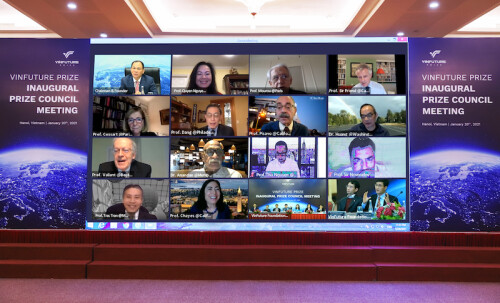
The Prize Council held its inaugural meeting on January 20th, 2021, agreeing that nominations will be sought from all nations and on a global scale.

The VinFuture Prize officially launched its call for nominations on February 3rd, 2021, and has so far attracted more than 500 recognized scientists, universities and organizations around the world to serve as Official Nominators for the Prize. The majority of nominators are from Asia (35,6%), North America (32%), and followed by those in Europe (21.7%), Oceania (7.2%), and Latin America and Africa (3.5%).

Regarding the areas of expertise of the organizational/individual nominators, due to the impact of the COVID-19 pandemic and the urgent demand in healthcare, nominators in the field of biomedical research constitute a large proportion of 29.2%, followed by chemistry-physics (23.6%), computer science, data, artificial intelligence, and robotics (16.3%), and environment, renewable energy and new materials (18.3%).

The remaining are individual/organizational nominators in the interdisciplinary fields.


The nominators are globally influential experts, reputable researchers, and scientists, laureates of international prestigious science and technology prizes, as well as renowned universities, academies, research institutes, technology corporations and innovation incubators from 36 different countries. Notably, there have been favorable responses from scientists at leading universities and research institutes in the world, such as the Harvard University (USA), where many prominent scientists converge; the National Institutes of Health (NIH, USA) – the lead agency of the U.S. government in public health; the Max Planck Society (Germany)- the world’s leading research organization in science and technology; the University of Cambridge, the University of Oxford, which are well-known for natural science and engineering, being home to many Nobel Laureates; the University of Tokyo- the leading higher education organization in Japan and the Chinese Academy of Science, the world’s largest research organization.

Dr. Le Mai Lan – Vice Chairwoman of Vingroup cum Designated Representative of the VinFuture Foundation remarked: “VinFuture Prize is a new initiative and is also the first science and technology prize originating from Vietnam. Hence, we are delighted to have more than 500 recognized organizations and individuals and from all over the world register to make nominations in just over one month after we launched the Call for Nominations. This is an impressive figure boosting our confidence in VinFuture’s mission to serve humanity and in its introduction at the right time meeting the right demand, as well as confirming the endorsement and support from the sci-tech community, academies and societies, universities, and incubators around the world. The fact that the Prize is introduced whilst we are facing global challenges has been a motivation for VinFuture to continue looking for well-deserved and impactful scientific innovations and solutions that may bring about meaningful change to the humanity.”


The VinFuture Prize is a global science and technology prize founded by Mr. Pham Nhat Vuong, Chairman of Vingroup, and his wife, Madam Pham Thu Huong, to recognize groundbreaking scientific discovery and technological inventions proven to create or have the potential to create better change in the everyday lives of millions of people and foster a sustainable living environment for future generations. Apart from the VinFuture Grand Prize of VND 70 billion (equivalent to US$3 million – one of the largest global prizes), three Special Prizes of VND 11.5 billion each (equivalent to US$500,000) will be awarded annually to innovators from developing countries, female innovators and innovators with outstanding achievements in emerging fields.

The Call for Nominations for the 2021 VinFuture Prize is available at www.vinfutureprize.org until June 7th, 2021. The laureates will be announced in December 2021 and the official award ceremony will be held in Vietnam in January 2022./.

Chinachem Group Teams Up with HKSTP to Accelerate Smart City, Startup Development and Pilot-first Technology Adoption in Hong Kong

Dedicated programmes to shorten the innovation to commercialisation gap, and bring Hong Kong’s cutting-edge technology closer to the community


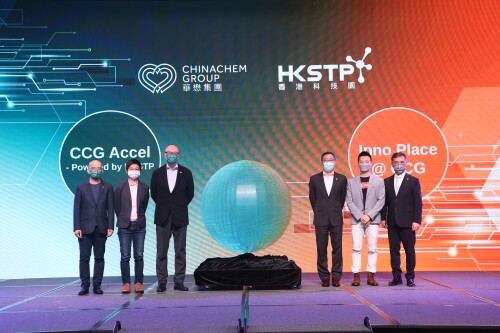
HONG KONG SAR – Media OutReach – 29 March 2021 – Chinachem Group (the Group) and Hong Kong Science and Technology Parks Corporation (HKSTP) today announced the launch of two dedicated programmes to support startups in the smart city space and drive Hong Kong’s cutting-edge innovation.

Chinachem Group Executive Director and CEO Donald Choi (3rd left); Hong Kong Science and Technology Parks Corporation CEO Albert Wong (3rd left); Belun Technology CEO Dr Lydia Leung (2nd left); Zeek Co-founder & CSO Vincent Fan (2nd right) ; Chinachem Group Director of Digital Transformation Damien Wu (1 st left); and Hong Kong Science and Technology Parks Corporation Head of Strategic Partnership Peter Mok (1 st right), take group photo.

This partnership between the Group and HKSTP, comprises two innovative initiatives designed to nurture property and retail startups, as well as reduce the gap between innovation and market deployment.

Donald Choi, Executive Director and CEO, Chinachem Group, said, “Technology is a core driver in our business and for the property industry. We are committed to not only harnessing it to benefit our business, but to also contributing to Hong Kong’s thriving innovation and technology ecosystem. We look forward to collaborating with HKSTP to create a virtuous cycle of collaboration, innovation and commercialisation in the property sector.”

Albert Wong, CEO, HKSTP, said “With Hong Kong being an evolving urban environment, it is important we nurture innovations that support its sustainable growth. This partnership with Chinachem Group is significant as it removes one of the biggest barriers startups face, which is the gap between innovation and commercialisation. This programme reduces the time to market through our proven startup accelerator framework, together with Chinachem Group’s sector-specific expertise and properties for pilot testing.”

The first initiative under this partnership is the “CCG Accel – Powered by HKSTP” programme, which will be a pioneering pilot-first accelerator programme aiming to propel high potential startups through a pilot-to-mass adoption process. The programme features a series of three themed accelerator cohorts run by both the Group and HKSTP. Each cohort will have a different theme and provide extensive training, mentorship and support for up to 10 shortlisted startups. In addition to financial contribution, the Group will offer its experience to help these startups shape their solutions and trial their solutions at designated properties prior to general adoption. Startups will also benefit from promotion through HKSTP’s network and its value-added services. The first cohort will begin by Q3 2021. Further details of the cohorts including the themes will be announced in due course.

The second initiative is the “Inno Place @CCG” programme which pioneers a “Living Lab” concept that breaks away from traditional innovation labs where the testing of solutions is restricted to a fixed physical lab space. The programme will see the opening up of Chinachem’s network of properties as “Innovation Places” where selected innovations are trialed, starting with NINA MALL in Tsuen Wan. This real-world environment will allow startups to pilot and refine their solutions, while users can immediately benefit from them.

Successful innovations from the two programmes may be further adopted or invested in by the Group. Meanwhile, HKSTP will provide its expertise and knowledge in innovation and technology commercialisation. This includes providing support in technology solution sourcing, validation, hosting small scale proof-of-concept pilots, as well as identifying co-investment opportunities with HKSTP and its investment partners.

This builds upon existing technology by innovators from the Science Park that have already been adopted by Chinachem Group in its properties. These include Titanology, innovator of a self-sanitising door handle; Enertainer, a high-capacity battery system offering a cleaner and quieter alternative to diesel generators commonly used on construction sites; and ACX, a developer of secure building access solutions.

The Group and HKSTP also share a vision to foster the growth of Smart City, bringing technology innovated, designed and made in Hong Kong, closer to the community at designated Chinachem Group properties. This includes a showroom to feature the smart city concept, as well as a place to host technology talks, hackathons, and product launches.

About Chinachem Group

Since 1960, Chinachem Group has been a leading property developer in Hong Kong, with a portfolio covering residential, commercial, retail and industrial buildings for sales and investment, in addition to operating hotels and property management services. The Group actively seeks to make a positive contribution to society through its adherence to the “Triple Bottom Line”, a commitment that its activities will benefit People, bring Prosperity to the community and preserve the Planet.

https://www.chinachemgroup.com/en

About Hong Kong Science and Technology Parks Corporation


Comprising Science Park, InnoCentre and Industrial Estates, Hong Kong Science & Technology Parks Corporation (HKSTP) is a statutory body dedicated to building a vibrant innovation and technology ecosystem to connect stakeholders, nurture technology talents, facilitate collaboration, and catalyse innovations to deliver social and economic benefits to Hong Kong and the region.

Established in May 2001, HKSTP has been driving the development of Hong Kong into a regional hub for innovation and growth in several focused clusters including Electronics, Information & Communications Technology, Green Technology, Biomedical Technology, Materials and Precision Engineering. We enable science and technology companies to nurture ideas, innovate and grow, supported by our R&D facilities, infrastructure, and market-led laboratories and technical centres with professional support services. We also offer value added services and comprehensive incubation programmes for technology start-ups to accelerate their growth.

Technology businesses benefit from our specialised services and infrastructure at Science Park for applied research and product development; enterprises can find creative design support at InnoCentre; while skill-intensive businesses are served by our three industrial estates at Tai Po, Tseung Kwan O and Yuen Long. More information about HKSTP is available at www.hkstp.org.

Southern Vientiane Railway Station To Be Complete This Year

Southern Vientiane Railway Station
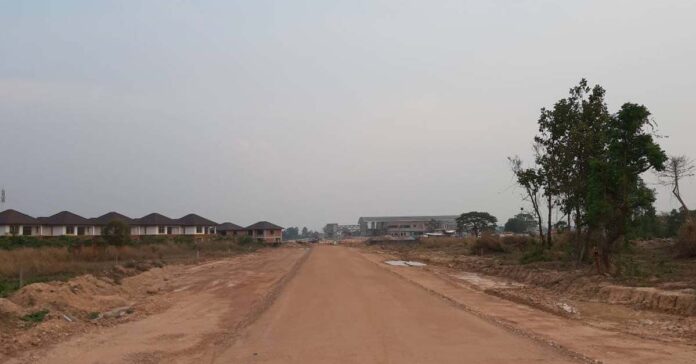
A railway station under construction in Vientiane Capital.

Construction of the Southern Vientiane Railway Station is scheduled for completion at the end of this year.

Hong Kong Baptist University-led research unlocks the genomic secrets of organisms that thrive in extreme deep-sea environments

HONG KONG SAR – Media OutReach – 29 March 2021 – A study led by scientists at Hong Kong Baptist University (HKBU) has decoded the genomes of the deep-sea clam (Archivesica marissinica) and the chemoautotrophic bacteria (Candidatus Vesicomyosocius marissinica) that live in its gill epithelium cells. Through analysis of their genomic structures and profiling of their gene expression patterns, the research team revealed that symbiosis between the two partners enables the clams to thrive in extreme deep-sea environments.

Figure 1: The drawing shows a clam with its foot extending deep into the sediment to gain access to hydrogen sulfide. The foot and mantle of the clam are red due to the presence of haemoglobin for gas transport in the blood, which is an adaptation to the low-oxygen environment. (Drawn by HKBU student Hu Juntong)

Professor Qiu Jianwen (right) and his HKBU research team member Dr Ip Chi-ho (centre) and Dr Xu Ting collect the clam specimens at 1,360 metres below the sea level from the South China Sea.

The research findings have been published in the academic journal Molecular Biology and Evolution.

Due to the general lack of photosynthesis-derived organic matter, the deep-sea was once considered a vast “desert” with very little biomass. Yet, clams often form large populations in the high-temperature hydrothermal vents and freezing cold seeps in the deep oceans around the globe where sunlight cannot penetrate but toxic molecules, such as hydrogen sulfide, are available below the seabed. The clams are known to have a reduced gut and digestive system, and they rely on endosymbiotic bacteria to generate energy in a process called chemosynthesis. However, when this symbiotic relationship developed, and how the clams and chemoautotrophic bacteria interact, remain largely unclear.

Horizontal gene transfer between bacteria and clams discovered for the first time

A research team led by Professor Qiu Jianwen, Associate Head and Professor of the Department of Biology at HKBU, collected the clam specimens at 1,360 metres below sea level from a cold seep in the South China Sea. The genomes of the clam and its symbiotic bacteria were then sequenced to shed light on the genomic signatures of their successful symbiotic relationship.

The team found that the ancestor of the clam split with its shallow-water relatives 128 million years ago when dinosaurs roamed the earth. The study revealed that 28 genes have been transferred from the ancestral chemoautotrophic bacteria to the clam, the first discovery of horizontal gene transfer—a process that transmits genetic material between distantly-related organisms —from bacteria to a bivalve mollusc.

The following genomic features of the clam were discovered, and combined, they have enabled it to adapt to the extreme deep-sea environment:

(1) Adaptions for chemosynthesis

The clam relies on its symbiotic chemoautotrophic bacteria to produce the biological materials essential for its survival. In their symbiotic relationship, the clam absorbs hydrogen sulfide from the sediment, and oxygen and carbon dioxide from seawater, and it transfers them to the bacteria living in its gill epithelium cells to produce the energy and nutrients in a process called chemosynthesis. The process is illustrated in Figure 1.

The research team also discovered that the clam’s genome exhibits gene family expansion in cellular processes such as respiration and diffusion that likely facilitate chemoautotrophy, including gas delivery to support energy and carbon production, the transfer of small molecules and proteins within the symbiont, and the regulation of the endosymbiont population. It helps the host to obtain sufficient nutrients from the symbiotic bacteria.

(2) Shift from phytoplankton-based food

Cellulase is an enzyme that facilitates the decomposition of the cellulose found in phytoplankton, a major primary food source in the marine food chain. It was discovered that the clam’s cellulase genes have undergone significant contraction, which is likely an adaptation to the shift from phytoplankton-derived to bacteria-based food.

(3) Adaptation to sulfur metabolic pathways

The genome of the symbiont also holds the secrets of this mutually beneficial relationship. The team discovered that the clam has a reduced genome, as it is only about 40% of the size of its free-living relatives. Nevertheless, the symbiont genome encodes complete and flexible sulfur metabolic pathways, and it retains the ability to synthesise 20 common amino acids and other essential nutrients, highlighting the importance of the symbiont in generating energy and providing nutrients to support the symbiotic relationship.

(4) Improvement in oxygen-binding capacity

Unlike in vertebrates, haemoglobin, a metalloprotein found in the blood and tissues of many organisms, is not commonly used as an oxygen carrier in molluscs. However, the team discovered several kinds of highly expressed haemoglobin genes in the clam, suggesting an improvement in its oxygen-binding capacity, which can enhance the ability of the clam to survive in deep-sea low-oxygen habitats.

Professor Qiu said: “Most of the previous studies on deep-sea symbiosis have focused only on the bacteria. This first coupled clam–symbiont genome assembly will facilitate comparative studies that aim to elucidate the diversity and evolutionary mechanisms of symbiosis, which allows many invertebrates to thrive in ‘extreme’ deep-sea ecosystems.”

The research was jointly conducted by scientists from HKBU and the HKBU Institute for Research and Continuing Education, the Hong Kong Branch of the Southern Marine Science and Engineering Guangdong Laboratory (Guangzhou), The Hong Kong University of Science and Technology, City University of Hong Kong, the Japan Agency for Marine-Earth Science and Technology, the Sanya Institute of Deep-Sea Science and Engineering, and the Guangzhou Marine Geological Survey.

Comba Telecom Launches Multi-RAT Multi-Band Open Radio Solution

  • Industry’s first Open RAN multi-RAT, multi-band RRU for 1800MHz and 2100MHz
  • Boost Global Trials with its Energy Efficient Open RAN Radio Units

HONG KONG SAR – Media OutReach – 29 March 2021 – Comba Telecom Systems Holdings Limited (“Comba Telecom” or “the Group”, SEHK stock code: 2342), a leading global solutions and services provider of wireless and information communication systems, announced the launch of the industry’s first Open RAN multi-RAT, multi-band Remote Radio Unit (“RRU”) that supports 1800MHz and 2100MHz, promoting widespread adoption of emerging open standards in the globe.

The RRU is designed to minimize the total cost of ownership (“TCO”) for operators and neutral hosts in macro deployments through fast and easy deployment, energy savings, improved coverage and throughput, smaller footprint and easy maintenance. Engineered for efficient high power (320W) operation, the multi-RAT multi-band 4T4R RRU minimizes the environmental footprint and reduces the energy spend for the operator.

As a first in the Open RAN industry the GSM/UMTS/LTE/5G NR multi-mode operation makes it ideal for simple upgrades of legacy sites without compromises. The 4T4R radio supports two LTE/5G NR carriers per band and Dynamic Spectrum Sharing (“DSS”). This enables operators to serve arising 5G traffic demand without additional spectrum or removing LTE service.

Comba has a long-standing collaboration with major industry partners and alliances and has participated in the initial Open RAN trials and lab projects in different regions. With all in-house expertise in interoperability and optimizing radio designs for market specific criteria, Comba enables mobile operators to accelerate time to market, and mitigate the overall technology risk when adopting to Open RAN strategy in their next generation of RAN.

Ms. Annabel Huo, Executive Director, Senior Vice President of the Group and President of Comba Telecom International said, “Comba’s open radio solutions are taking shape by adding future-proof technical features to answer the calls from the markets. The launch of the multi-RAT multi-band RRU is expected to boost an increasing adoption of Open RAN at global scale, and to build more proven cases in different scenarios. Seeing a massive growth of the Open RAN market over the coming years, the open technologies will become mature enough for widespread deployment.”

Comba’s Open RAN solution series will be extending band options with both high power and lower power radios for multi-service scenarios and heterogeneous networks. For the update about Comba’s Open RAN Solution, please visit https://www.comba-telecom.com/en/openran-solutions.

About Comba Telecom Systems Holdings Limited

Comba Telecom is a leading global solutions and services provider of wireless and information communications systems with its own R&D and manufacturing base, and sales and service teams. The Company offers a comprehensive suite of products and services including antennas and base station subsystems, wireless access, wireless enhancement, and wireless transmission to its global customers. Headquartered in Hong Kong, with manufacturing bases in China and R&D centers in both China and the United States, Comba Telecom provides wireless communication solutions and information application services to customers in more than 100 countries and regions around the world. Comba Telecom was included in the MSCI Hong Kong Small Cap Index in November 2019. Furthermore, the Company was included as a constituent stock of Hang Seng Composite SmallCap Index, Hang Seng Internet & Information Technology Index and other Hang Seng Family of Indexes, and the China-Hong Kong Stock Connect under the Shenzhen-Hong Kong Stock Connect in September 2020. For further information, please visit: www.comba-telecom.com.

Rhenus Logistics Thailand Opens New Free Zone Warehouse at KM 23

The warehouse is part of Rhenus’ plans to synergise its operations to provide added convenience and improved quality at lower costs for its customers.


BANGKOK, THAILAND – Media OutReach – 29 March 2021 – Leading global logistics service provider Rhenus Logistics announced a new free zone warehouse at Bangna Trad KM 23, Bangkok in Thailand. Strategically located within a 10-kilometre radius of three existing warehouses at KM 19 (General Cargo) and KM 22 (Dangerous Goods), it allows Rhenus to offer a wider range of services to key industries including Manufacturing, Medical Devices and Healthcare, while offering better value for customers. Located within Bangkok’s Free Trade Zone, customers can also enjoy duty exemptions. The warehouse provides added convenience to customers who conduct business in the nearby Bangkok metropolitan city, with its close proximity to key freight hubs at Suvarnabhumi Airport and Thailand’s major sea ports.

The facility is outfitted with the latest technology from Rhenus, with an eco-friendly design. Electronics and Medical Device customers with specific storage requirements can safely and securely tap on its 450 square-metre temperature and dust-free controlled room, ambient storage facilities and the anti-static testing room. The warehouse supports pallet storage for standard cargo and block space for oversized cargo up to 3 tons, offers flexible in-transit capacity for large shipments, with comprehensive 24-hour security measures within and around the facility.

“The new warehouse in Thailand affirms our commitment to synergise our storage options and solutions to better serve a wider range of industries. With its strategic proximity to the Bangkok Free Trade Zone, we hope to better support evolving warehousing needs by providing more space options, improving quality and all while reducing operational costs for our customers,” said Tim Burger, Director Warehousing and Transport, Rhenus Logistics Thailand.

For more information on Rhenus warehouses in Thailand, please visit https://www.rhenus.com/en/th/our-services/warehouse-logistics/ .

About Rhenus

The Rhenus Group is a leading logistics service provider with global business operations and an annual turnover of EUR 5.5 billion. Rhenus has business sites at 750 locations worldwide and employs 33,000 people. The Rhenus Group provides solutions for a wide variety of different sectors along the complete supply chain; they include multimodal transport operations, warehousing, customs clearance as well as innovative value-added services.