Home Blog Page 6335

Germany Grants 5.6 Million Euros to Pave Rural Lao Roads

A grant of EUR 5.6 million has been provided to Laos by the German government towards paving rural roads in Laos.

During a meeting with German government officials and Laos’ Ministry of Finance and Ministry of Public Works and Transport earlier this week, the Rural Development Programme was officially launched.

The grant will be utilized for the first phase of the programme, building continuity with its predecessor, the sixth phase of the Rural Infrastructure Project.

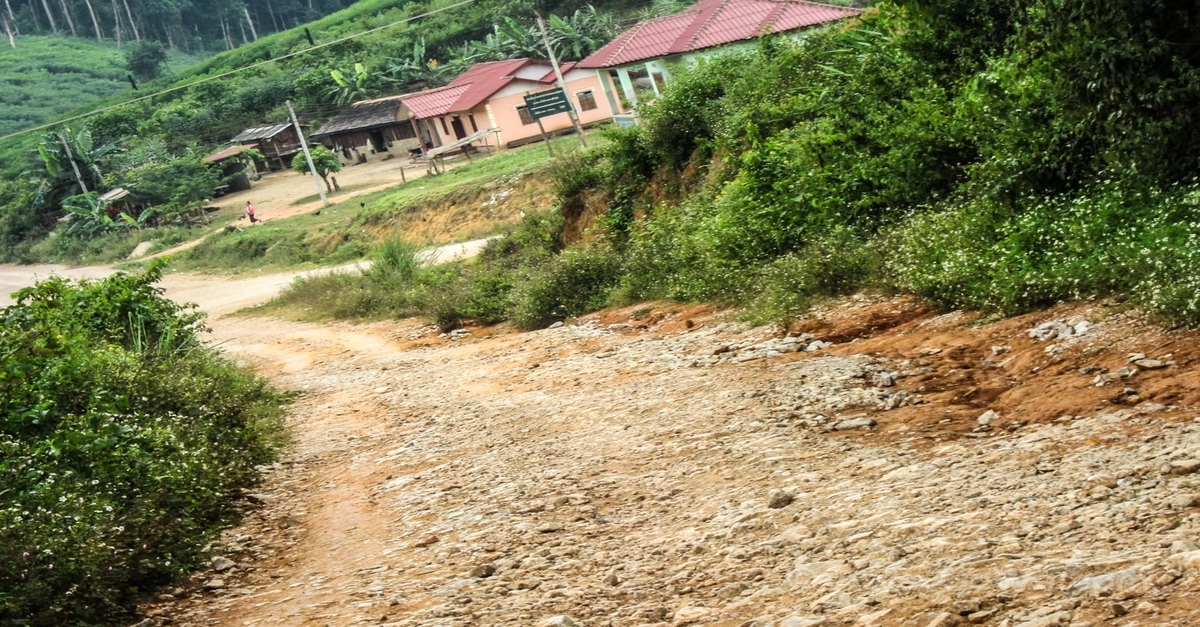
In an attempt to help generate income and improve socio-economic living conditions, Germany is aiding rural development in Laos by rehabilitating roads that connect rural and remote villages.

With the total cost of the Rural Development Programme estimated at EUR 6.3 million, the German government is contributing UR 5.6 million to the cause, while the Lao government is covering the remaining EUR 700,000.

During the first phase of the programme, which is set to run from 2017-2020, the German government will finance the climate-resilient rehabilitation and improvement of approximately 60km of rural roads and associated bridges in Nong and Xepon districts, Savannakhet province.

In addition, the project will provide training for capacity building at national and local implementation levels, with a focus on climate change related adaptation and maintenance management.

The financing parties will also provide continued selected support to the Public Works and Transport Training Institute.

The purpose of the project is to build sustainable climate-resilient rural roads and other infrastructure as well as improving the maintenance of roads.

Local staff will be trained to complete tasks to build capacity within national structures as well as ensuring proper road maintenance management.

Kfw Country Director, Mr Lorenz Gessner has stated that the project will improve living conditions of the rural population in the project region.

A total of EUR 56 million was invested during the previous phases of the Rural Infrastructure Project, with EUR 50 million financed by the German government through KfW, and EUR 6 million contributed by the Lao government.

This amount was used to construct and rehabilitate over 800 km of rural roads, as well as more than 20 bridges and 12 regional markets in seven provinces.


Super Malaria Emerges as a Global Threat

Dengue Fever Laos

A new form of malaria outbreak has spread rapidly across Southeast Asian countries, alarming doctors and scientists alike. Referred to as “super malaria”, medical professionals are warning that this particular form of  malaria parasite is immune to the typical anti-malaria drug and has become a global threat.

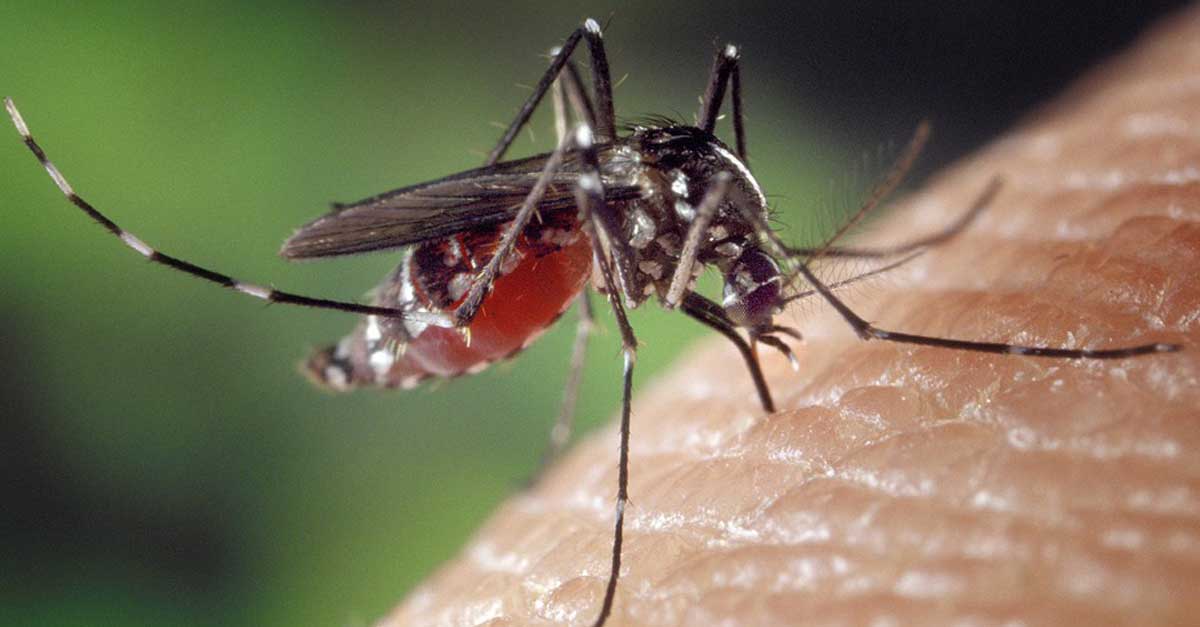
An estimated 212 million people are infected with malaria each year. With children being particularly vulnerable to the disease, super malaria is caused by parasites transmitted to people through the bites of infected female mosquitoes.

The strain was initially detected in Cambodia in 2007, then rapidly spread to Thailand, Laos, Myanmar and eventually reaching Southern Vietnam.

Analysts at the Mahidol-Oxford Tropical Medicine Research Unit in Bangkok believes that malaria has a real potential of eventually becoming untreatable.

Head of the malaria unit, Prof Arjen Dondorp has stated, “We think it is a serious threat. It is alarming that this strain is spreading so quickly through the whole region and we fear it can spread further [and eventually] jump to Africa.”

Though the number of cases in Southeast Asia are still limited, specialists are concerned about the emergence of  super malaria. Back in the 1950s and 60s, two surges of malaria outbreaks, which were also resistant to standard treatments, appeared in Southeast Asia and swept across India and Africa, causing millions of deaths.

Typically, the first choice treatment for malaria is artemisinin in combination with piperaquine. However, as artemisinin has become less effective, the parasite has now evolved to resist piperaquine as well.

Prof Dondorp has said that the treatment fails a third of the time in Vietnam, while in some regions of Cambodia the failure rate is closer to 60%. Resistance to the drugs would be catastrophic in Africa, where 92% of all malaria cases happen.

There is a push to eliminate malaria in the Greater Mekong sub-region before it is too late, Prof Dondorp added, “It’s a race against the clock – we have to eliminate it before malaria becomes untreatable again and we see a lot of deaths.”

Mr Michael Chew, from the Wellcome Trust medical research charity has stated, “The spread of this malaria ‘superbug’ strain, resistant to the most effective drug we have, is alarming and has major implications for public health globally. Around 700,000 people a year die from drug-resistant infections, including malaria.”

Mr Chew added that if nothing is done, the death toll could be in the millions annually by 2050.

According to the World Health Organization (WHO), there were over 210 million cases of malaria in 2015, resulting in 429,000 deaths.

PS Lao Enterprise Debacle Far From Over

With PS Lao Enterprise’s executive board members still in police custody, authorities have instructed shareholders to declare their losses and file an official case against the company.

As previously reported by The Laotian Times, police detained the company’s executives on September 12, after a heated argument erupted between the company’s executives and approximately 2,000 shareholders who were demanding their deposits back.

The Police General Staff Department of the Ministry of Public Security has advised all investors of the company to declare their losses and file all charges by the end of November, so that authorities can proceed to the next stage.

The department has instructed those who have shares in the company, to promptly bring forward evidence of their losses to officers at the department in charge of economic affairs.

Depositors who have lost money are required to submit a statement, declare their losses and file a case by November 30. Authorities will then compile all the evidence and statements submitted, and file a case against PS Lao Enterprise with a court of law. Those living in outlying districts or the provinces can file a case with their local police department.

A police source has confirmed that the executive team, including the company’s President Ms Souknaly Thepsimeuang, remains in police custody, however has declined to give any further details.

After being taken into custody, the executive duo no longer holds any administrative control over the company.

Representatives of the depositors have taken control of the company under the supervision of a task force committee. The committee will supervise the company’s operations during this transition period, until a new executive board is established. This new management group is expected to be made up of depositors’ representatives.

Established in 2012, the private company known officially as PS-Agriculture and Industry Development Import and Export Co., Ltd., enticed depositors by offering a high interest rate, but stopped paying any interest some time ago.

The number of depositors in PS Lao Enterprise declined from 50,000 to 30,000 after approximately 20,000 people withdrew their money when news of the scandal broke.

Photo: KPL

Khammuan Districts Struggle with Doksuri Aftermath

Though tropical storm Doksuri has since dissipated since making landfall on September 15th, villagers in Khammuan province are still dealing with the aftermath of it’s destruction.

According to Khammuan authorities, floodwaters have submerged six districts of the province after Doksuri tore through last week, with many of its villages still immersed in water.

The affected districts are said to be Bualapha, Xaybuathong, Yommalath, Nongbok, Mahaxay and Xebangfay.

Mr Phonevisith Khounbolom, head of the Khammuan provincial Disaster Management Division, reported that though the Xaybuathong district has yet to submit any reports detailing losses, it has been confirmed that the Bualapha district has 28 villages that are still dealing with flood damages. Over 20 houses have been damaged, with sections of several villages still under water.

According to an official from the province’s Natural Resources and Environment office, the storm battered the Vilabouly, Xepon and Nong districts in Savannakhet, however were mildly affected due to the excess rainwater receding.

A report from the provincial governor stated that almost 7,000 families in 72 villages of the Vilabouly district were affected by the storm. Over 40 electricity poles and fifteen houses were left mangled, while other buildings sustained severe structural damages.

The affected area includes 1,000 hectares of rice fields, 30-40 hectares of rubber trees, farmland and numerous livestock.

Storm Doksuri passed through the provinces of Khammuan, Borikhamxay and Savannakhet, according to the Meteorology and Hydrology Department of the Ministry of Natural Resources and Environment.

District authorities are prioritizing the repair of public facilities, electricity grids and homes.

Doksuri crossed parts of Vietnam and Laos from September 15 to 17, affecting many parts of the country and damaging many hectares of farmland.

Mahosot to be Upgraded to International Standards

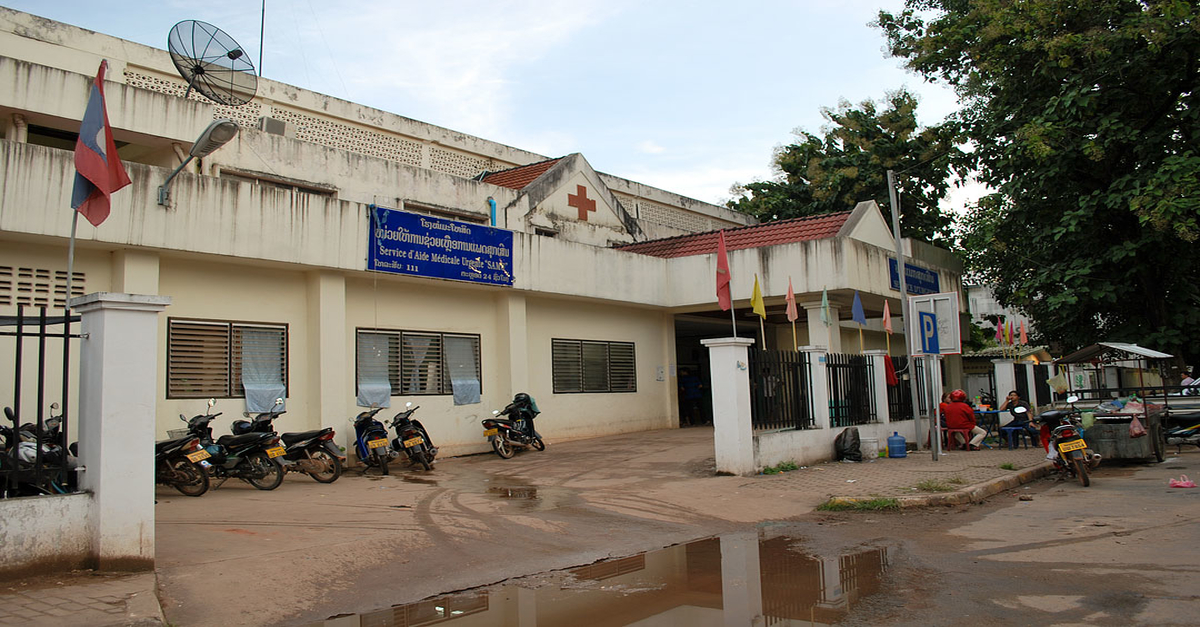
With expenses being backed by the Chinese government, the century-old Mahosot Hospital will be completely rebuilt starting the end of this year, with a completion date set for 2022.

Built in 1910, Mahosot Hospital was the first facility of its kind in the country and was run by French doctors.

Acting Director General of the Department of Healthcare, Ministry of Health, Associate Prof. Dr Bounnak Saysanasongkham, stated that the new facility will be four or five storeys high and will operate in line with international standards after it has been completed.

He also added, “We hope it will encourage more people to seek treatment in Laos instead of crossing the border to neighboring countries.”

Thus far, surveys for phases I and II of the project have been completed and the necessary information has been collected to draw up plans, with health officials preparing to present the surveys to the health ministry and the government soon.

In addition to building the new hospital, the Chinese government will also provide modern medical equipment for all the wards and will assist in staff training.

Assoc. Prof. Dr Bounnak said the hospital employs experienced and skilled doctors and nurses who have trained abroad, however it can be difficult for them to be effective when equipment is outdated.

The hospital will be fitted with modern equipment for use in general diagnostics, radiology and magnetic resonance imaging (MRI) and other fields of specialization.

The facility will continue to upgrade staff’s skills in endoscopic surgery, cardiology, hypertension and cancer. Free treatment will continue to be provided to families who cannot afford medical care, in an effort to ensure everyone has access to proper healthcare.

Currently, Mahosot consists of 31 wards and employs more than 700 medical staff, all of whom are Lao nationals. Approximately 800-1,000 patients check in to the outpatient ward daily, with 200-300 staying overnight.

The upgraded facility will have 600 beds, replacing the current 450-bed hospital, with some units over a hundred years old.

Gringo’s Gives You Something to Taco ‘Bout

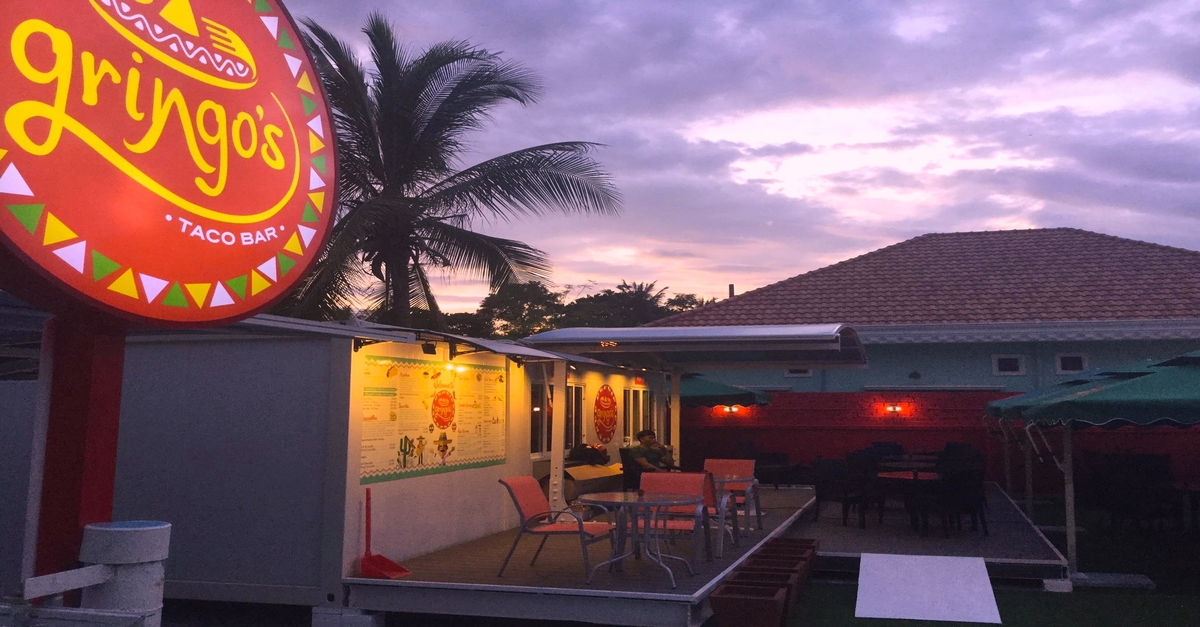
Gringo’s Taco Bar is probably the closest one can get to the Mexican border without having to catch a plane and fly half way around the world.

Tucked down an alley on Sokpalaung Road, this outdoor taco cart is a welcoming sight for those who have experienced MFD (Mexican food deprivation) while in Vientiane. With a decent sized menu serving up classic tacos, quesadillas, burritos, nachos and taco salad, all which are available in a vegetarian option, the fresh ingredients and cold cervezas (frozen margaritas, if you’re fancy) will have your tastebuds jumping for joy.

My quesadilla was in front of me 7 minutes after ordering. It was perfectly toasted on the outside, and filled with seasoned beef (chicken,pork or veggie is possible), cheddar cheese, caramelized onions and roasted bell peppers. The taco salad came in a crispy tortilla bowl, with generous portions of meat, shredded lettuce, diced tomato, black beans, cheddar cheese, and fresh corn topped with a light ranch dressing. The salsa was fresh, the margaritas were frozen (and incredibly boozy), we all left fatter and happier.

As an added bonus, Gringo’s has a padded, indoor, air-conditioned kid’s play area (honestly, why doesn’t every restaurant have a place for kids to run amok while mom and dad have a chance to enjoy their food) on site that gives customers just one more reason to love the place.

If sitting outdoors is not the most ideal situation for you, especially during the rainy season, Gringo’s offers its own delivery service, so make sure to register the next time you are passing by. They have several wait staff that speak English and the service is fast, friendly and efficient.

Though Gringo’s has a very basic menu that excludes cult favorites like enchiladas, tamales or empanadas, what they do offer, they execute well. 

 After suffering from MFD for longer than I can remember, I can honestly say that the void of Mexican food in Vientiane has been filled.

Gringo’s Taco Bar is open 6 days a week, Mon-Fri 11am-2pm and 4pm-9pm and Saturday’s all day from 11am-9pm. They are located on Sokpaluang Rd, Hom 9.

BBC Network Partners with Laosat

Laosat DTH, a local satellite service provider, has struck a deal with BBC Worldwide Asia that will now offer Lao viewers access to BBC World News, BBC Earth and CBeebies for the first time.

The channels, which will air on Laosat DTH, will be available in all 17 provinces, giving audiences access to programmes such as Blue Planet II, right after their UK broadcast.

Senior VP of South and South-East Asia for BBC Worldwide, Myleeta Aga said, “The pay TV market is set for high growth in the next few years,” and  “with our partnership with Laosat DTH, we are very pleased to be part of that growth, bringing our genre-defining content to viewers there.”

The general manager of Laosat stated that there is a “strong demand for BBC content in Laos” and that the addition of the new channels would give viewers “the best British and international content.”

For more information on how to get Laosat services in your home visit their Facebook page here.

‘Dearest Sister’ Becomes Laos’ First Ever Academy Awards Entry

2017 has shaped up to be an unprecedented year of firsts for Laos. With the country sending its first ever participant to compete in the Miss Universe Pageant, to its first ever film submission to the Academy Awards.

In the country’s first-ever Oscars submission, Laos has selected Mattie Do’s film Dearest Sister as its official entry for best foreign-language film at the 90th Academy Awards.

The thriller, which was selected to attend the 2014 Cannes Film Festival as part its La Fabrique des Cinémas du Monde program and had its world premiere at Austin’s Fantastic Fest in September 2016, follows Nok, an impoverished young woman who moves from her rural village to Vientiane to take care of her cousin Ana, a wealthy woman married to an Estonian expatriate. Ana is gradually losing her sight and simultaneously seeing ghosts that communicate to her a mysterious message of numbers–numbers that Nok eventually uses to win the lottery.

Dearest Sister–which is a co-production of Laos (Lao Art Media), France (Screen Division), Estonia (Oree Films)–comes as Do’s second title and the second-ever Lao horror film, with her directorial debut Chanthaly being the first. Do is also the first female director of a Lao feature film.

Movie Poster for Dearest Sister

That this is the first year Laos will send a film to the Academy of Motion Picture Arts and Sciences (AMPAS) demonstrates how young the country’s film industry is. Making films in a country where the film industry is still underdeveloped has its difficulties, according to Do.

“The greatest challenge of making a film in Laos is having to work with no resources, hardly any budget, and almost no professional infrastructure for films,” said Do.

However, following the relatively untrodden path of being a filmmaker in Laos has its upsides, too.

“The benefits of working in a new environment like Laos without pre-existing structure is actually that everything I make is new,” said Do. “Because there aren’t any locked expectations about what a Lao film should be, I have the freedom to create something completely unique that hasn’t existed before.”

Do’s film was selected by the Lao PDR’s newly formed AMPAS Selection Committee, comprised of six professionals, all Lao nationals, from the Lao film and media industries. The committee was facilitated by the Luang Prabang Film Festival, a celebration of Southeast Asian cinema held annually in Luang Prabang, the nation’s cultural capital and a UNESCO World Heritage Site. This year’s main event will take place 8-13 December 2017, and will showcase 32 feature films and several programs of shorts for over 22,000 attendees.

Luang Prabang Film Festival Board Member and Indochina Productions Founding Partner and Executive Producer, Nicholas Simon, says the Luang Prabang Film Festival formed the committee as part of the project’s mission to promote Lao film on the world stage.

“We wanted Laos to be represented in the foreign-language entries along with the rest of the world’s countries,” said Simon. “While the Lao film industry is still in its infancy, there are Lao films that deserve the Academy’s consideration. And the knowledge that a Lao film could be considered for an Oscar will only serve to improve Lao filmmaking and encourage more production.”

Director of the Lao government’s Department of Cinema, Vithoun Sundara, also sees the significance that the new Oscar eligibility will have for Lao filmmakers.

Dearest Sister competing for Best Foreign Language Film is a wonderful development for the Lao film industry,” said Sundara. “The possibility of being considered for an Academy Award along with films from the other participating countries will surely inspire and motivate Lao filmmakers in the years to come.”

Lao actress Tot Lina plays blind character who hears voices from the other side

Dearest Sister (Nong Hak) has already caught the attention of film festivals and publications worldwide, gaining recognition from The Hollywood Reporter, Wired, ScreenDaily, and Champa Meuanglao while touting an impressive 90% critic’s rating on Rotten Tomatoes.

The Academy Awards are scheduled to take place on Sunday, March 4th, 2018.

You can support the film by buying or renting on the US iTunes Store, or on AMC’s Shudder streaming.