Home Blog Page 6341

Flights to Oudomxay Detoured to other Northern Provinces

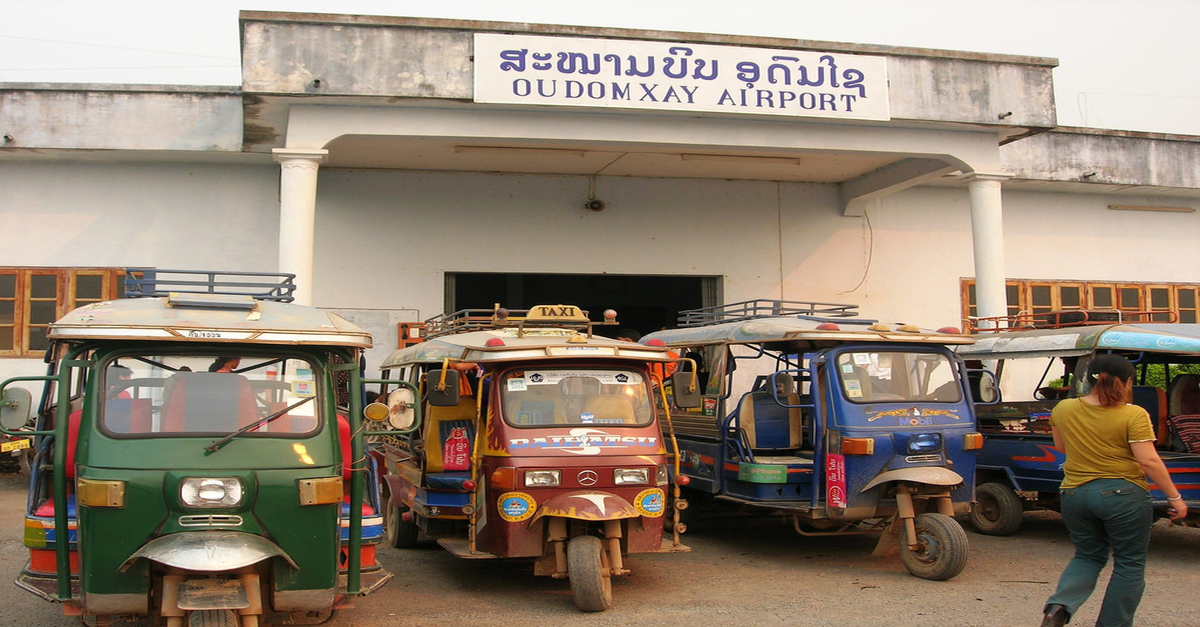
oudomxay airport
oudomxay airport

Due to upgrades to the airstrip and apron at Oudomxay Airport, travelers looking to visit the Northern province will be detoured to the airports in Luang Namtha or Luang Prabang province.

The temporary delay will be in effect from July 1 thru to October 1, and should not cause too much disruption to travelers heading North, as Lao Airlines will be increasing flights to the two substitute airports in Luang Namtha and Luang Prabang.

The interruption to operations at Oudomxay Airport was announced by the Lao Airports Authority (LAA) under the Civil Aviation Department of the Ministry of Public Works and Transport earlier in the week.

Director General of Lao Airports Authority (LAA), Mr Somboun Daosavanh revealed that the upgrade was necessary to patch damaged surfacing both on the runway and the apron, that serves as a maneuvering and parking area for aircrafts. “Last year, a summer storm hit the province, causing direct impact to the runway surface due to the rainwater,” he said.

Mr Somboun also stated that the Oudomxay Airport had undergone upgrades as recent as 2014, which included improvements to the runway, a new terminal and other essential facilities. However, due to low quality infrastructural work, additional repairs are necessary.

The government has allocated over 500 million kip to completely resurface the runway as part of ongoing improvements.

Officials speculate that the improvement of the runway at Oudomxay Airport should help address any concerns by authorities and airlines and ensure the safety of passengers.

Meanwhile, travelers looking to reach Oudomxay province, can take a flight directly to the Luang Prabang or Luang Namtha airport, and continue on to Oudomxay either by bus or by car.

 

Mother and Children Hospital Equipped to Handle Difficult Pregnancies by 2018

babybump
babybump

Expectant mothers who experience a ‘difficult pregnancy’ will no longer have to seek medical facilities across the border into neighboring countries anymore.

A ‘difficult pregnancy’ is a broader term that can lead to a ‘high risk pregnancy’, which in some cases can potentially put the mother, the developing fetus, or both at higher-than-normal risk for complications during or after the pregnancy and birth.

In previous years, Lao hospitals have lacked the proper channels for expectant mothers who have had difficult pregnancies, usually resulting in the mother-to-be being sent to Thailand to consult Thai hospitals, or in more unfortunate cases common to low income families, losing the baby.

However, in an effort to provide women with consultation and services for  difficult pregnancies, the Mother and Children Hospital is developing a new Consulting Center for Difficult Pregnancy Status, in hopes that expectant mothers will have a facility they can depend on when facing pregnancy complications.

According to the General Director of the Mother and Children Hospital, Dr Sivongxay Chanthavongsack, the hospital has added a laboratory complex installed with modern equipment and technology and is scheduled to be completed by 2018.

The Mother and Children Hospital was established in 1993, with a mission to provide medical care to pregnant women and children across the country. The hospital originally opened its doors to the public with only  70 beds available, however after the center is completed, an estimated 250-300 beds will be accessible to patients.


Coffee Giant Dao-Heuang Owes 27 Billion kip to Lao Farmers

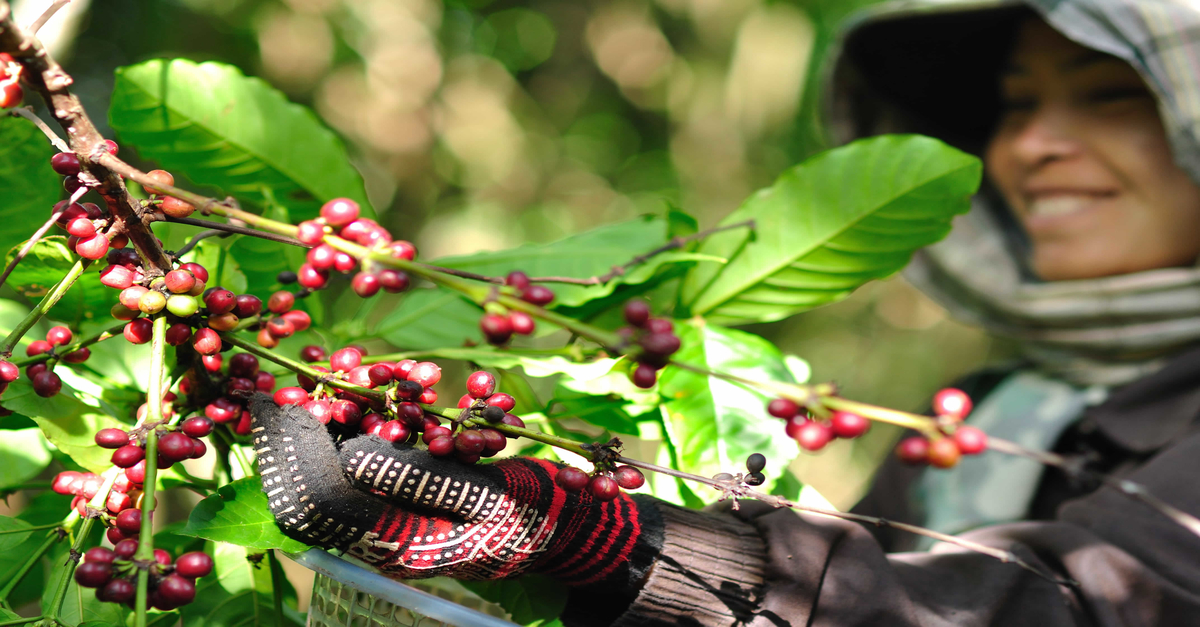
coffee beans
coffee beans

After falling several months behind in payments for raw beans, one of the largest firms in Laos, Dao-Heuang Group, has racked up  an estimated 27 billion kip in debt owed to 2000 of the country’s coffee farmers.

According to the Champassak provincial Industry and Commerce Department, after paying off other significant debts, representatives for the company have vowed to pay off coffee growers next.

At a meeting called by the department last week, the company’s representatives were invited to join a discussion with farmers to identify solutions to the problem.

After receiving a letter of petition from the representative for coffee growers in Champassak province, the Ministry of Industry and Commerce announced that the provincial Industry and Commerce Department would cooperate with the relevant sector in attempt to resolve the issue.

Dao-Heuang Group remains the dominant coffee buyer in Laos, leaving many coffee growers with very few alternatives to sell their product as demands from other companies remain limited. The company assures debts will be paid, however has not presented a timeline as to when.

Coffee continues to be an essential commercial export crop in Laos, and the nation’s product remains popular among people domestically, while increasingly seeing demand from the international market as well. It is exported to China, Taiwan, Italy, Japan, Spain, Poland, Germany, the US, France, Belgium, Sweden, Thailand and Vietnam.

However, challenges for the industry linger as the world price for coffee has dropped considerably over the past few months.

According to the Lao Coffee Association, robusta beans are down from US$2,100 in March to US$2,014 in June.  

The higher grade Arabica have been seeing an even more dramatic dip, previously selling at US$ 3,100 in March before falling to US$2,500 a tonne in June.

The value of coffee exports through the Lao Coffee Association has reached 21,000 tonnes, evaluating at more than US$50 million.

More and more investors from several countries are investing in coffee farms across the country including those from Vietnam, Thailand, the Republic of Korea, Chinese Taiwan, Singapore and India.

Prime Minister Urges Unity to Tackle Illegal Drug Trade

yaba
yaba

Prime Minister Thongloun Sisoulith has implored for Lao citizens to unite in an effort to join the global fight against the illegal drug trade.

Monday, June 26, 2017 marked the 30th anniversary of the International Day against Drug Abuse and Illicit Trafficking.

In an effort to crack down on the illicit drug trade amid Lao communities, the prime minister has addressed the global problem, stressing the dangers it evokes amongst humanity by arousing opportunities for crimes and corruption.

Deeming the drug trade a hindrance to socio-economic development, PM Thongloun has stressed that the illegal activity must be suppressed and has outlined seven measures to tackle the issue.

The PM has explicitly informed all party committees and authorities at all levels and sectors to consider drug prevention, control and solution efforts as their obligation and duty. During an address, the prime minister stated, “The task must be taken as a focal task associated with grass-root political building affairs.”

Urging for a vast improvement in the organizational structure regarding drug inspections, relevant authorities have been ordered to take definitive action in preventing and suppressing traffickers, as well as identifying targeted traffickers regardless of their nationalities.

Prime Minister Thongloun has requested increased cooperation with international communities, particularly neighboring countries, with the aim to exchange information that will help prevent and eradicate production, trade and transport of drugs. 

Authorities have been directed to implement awareness-raising campaigns in the communities, targeting young adults to educate them on the risks and consequences of drug abuse. PM Thongloun has advised relevant sectors to continue offering those who previously cultivated opium and marijuana, other alternative incoming-generating endeavors in an effort to deter them from returning to planting illegal crops as a source of income.

The Prime Minister realizes that action must be taken to treat and rehabilitate drug abusers, while offering real world skills that will help their return to society. To achieve this, the prime minister emphasized that existing drug rehabilitation centers require a dire upgrade in professional competence of staff and medical doctors, along with facilities, equipment and funding.

In past years, the Lao People’s Revolutionary Party and government have approached the prevention of addictive drug use as a critical issue. Officials have carried out multiple campaigns in an effort to inform young adults in Lao society of the dangers of indulging in addictive drugs.


Frustrated Road Users Insist Government Take Over Tolls

toll
toll

Frequent commuters and traders on Road 16 in Champassak province, are voicing their discontentment on the high toll fares collected on the road that links  the province to the Vangtao-Chongmek International Border Checkpoint in  Thailand.

As previously reported by The Laotian Times, back in November of 2016,  business operators, transporters and locals called for the provincial government to shut down the toll booths, complaining that the fares were excessive. However, since the toll booths are still up and running, road users are now imploring for the government to take over so that fares will be reduced.

Privately owned Duangdy Bridge-Road Construction Company was granted a concession for charging tolls for forty-five years by the government, and currently sets and manages fee collection for the two collection booths on the road. However, the high fees burden motorists and business sectors, and despite the public’s complaints the company has ignored the criticism and continues to charge the same fees.

The company began collecting tolls on August 17, 2016 after it heavily invested in widening and improving the road, 42 kilometers from the Lao-Japan Bridge to the Lao-Thai borders. The fee charged is contingent upon the type of vehicle and its destination. The rate for a small pickup truck and SUV is 20,000 kip per trip, 60,000-80,000 kip for a larger truck and 100,000 kip per trailer.

Champassak provincial Governor, Dr Bounthong Divixay disclosed that authorities have presented three possible solutions in attempt to reduce tolls, at a meeting between the Ministers of Planning and Investment, Public Works and Transport and other provincial officials.

The first proposed option was to negotiate with the private company to cut the fee base on a higher income per day. The second option was for the government to acquire 50 percent of shares because purchasing the project in its entirety would not be financially feasible. The third option was to convince the existing firm to sell its business to another private operator that would agree to lower fees.

The governor has confirmed that provincial authorities are currently bargaining with the company to provide flexible policies to accommodate regular officials and locals. For instance, officials who travel to work at the checkpoint will have a specially issued card distributed by the provincial authority, that does not require them to pay a toll.

However, entrepreneurs in the province have insisted on the government taking over the toll point, as the current high tolls managed by the private company have created a barrier for traveling, trade and tourism.

A senior official of the Chamber of Commerce and Industry in the province, Mrs Souksavanh Inthaphone, stated that many traders have also complained about toll payments and seeks for the government to intervene in order to control the fares and manage it appropriately.

At the same time, a senior official of provincial Information, Culture and Tourism Department revealed that tour operators have also raised the topic at discussions and urged the public sector to seek appropriate methods to solve it.

However, the provincial Trade and Commerce Department has stated that toll collection was not a pressing issue for trading within the province and imports and exports have been operating normally.


“Visit Laos Year 2018” to Launch in November

elephant festival
elephant festival

With government officials strongly promoting tourism on the national agenda, the country is preparing to launch the “Visit Laos Year 2018” campaign in an effort to attract more foreign travelers.

According to the Director General of the Tourism Marketing Department, Ministry of Information, Culture and Tourism, Sounh Manivong, the Visit Laos Year 2018 campaign is scheduled to kickoff in November in time for the That Luang Festival, and will be hosting a number of high ranking officials and journalists from other countries.

Additional well-known festivals unique to each province will be highlighted during the launch, including the Blossom Festival in Bokeo Province, the Elephant Festival in Xayaboury Province, and Lao New Year celebrations in Luang Prabang Province.

The proactive push follows a 12 percent decrease in the number of overseas tourist arrivals in Laos, in the first three months of 2017; dropping  from 1.24 million visitors in the same period last year to 1.11 million this year.

The first quarter of 2017 saw an 11 percent decrease in the number of ASEAN visitors to Laos, plunging from 866,000 people in the first quarter of 2016, to 763,000 this year.

A significant downtrend has also been recorded for European, African, Middle Eastern and Western Hemisphere travelers visiting Laos in the first quarter of 2017.

Thailand, which dominated the list of foreign arrivals in Laos for several years, indicated a decline in the number of Thai nationals visiting Laos in the first quarter of 2017, dropping from 573,000 people in the same period last year to 498,000 this year.

The Ministry of Information, Culture and Tourism has suggested to the government  to create appealing conditions to attract potential foreign visitors who may consider visiting Laos in the future.  

Officials Continue to Regulate Illegally Imported Cars

illegal imports
illegal imports

Government officials are attempting to address the slew of illegally imported cars in the country, by implementing measures that will prevent and regulate vehicles that are being sold in Laos unlawfully.

At a  two-day monthly cabinet meeting for June, chaired by Prime Minister Thongloun Sisoulith, government officials focused on the pressing issue of illegally imported cars  in the country, and the progress of previously implemented measures.

In January, The Ministry of Finance was ordered by government officials to collaborate with the relevant departments, in facilitating an investigation into 5,639 cars that were identified as being illegally imported.

Under the finance ministry, the customs department had reported that the number of illegally imported vehicles had cost the state an estimated 66 billion kip in lost revenue.

In response, authorities were directed to perform a number of measures to address the issue, which included returning the illegally imported cars back to the country of origin, likely a neighboring country.

Cars that had been determined to have been imported into Laos accompanied with fake documents, had been ordered to be seized as state assets.

In cases where a vehicle had been sold to an individual buyer, who had unknowingly purchased the illegally imported car, the buyer was required to  pay  fines that pertained to the relevant law and regulations, but was not required to relinquish the car.

However, those who were found guilty of being  involved in the illegal activity, were subjected to punishment according  to the country’s laws.

Laos and Thailand Build One Map to Improve Resource Management

gis
gis

With the vision of “one map, one community, one nation,” government and private sector representatives from Laos and Thailand have exchanged information on a geographic information system (GIS) with the goal to construct a single map for improved natural resources management.

The Minister of Science and Technology, Prof Dr Boviengkham Vongdara, chaired a meeting organised by the Technology and Innovation Department, Thepsymeuang Trading Company and companies from Thailand in Vientiane on Monday.

One map via GIS will be beneficial in natural resources management by saving time and funds for investments on information surveys and mapping. GIS will also enhance communications and collaboration between government and private sectors.

The meeting emphasized the versatility of GIS, enabling the user to discover and share maps from any device from anywhere and at anytime. It also highlighted that in order to better understand, exchange and develop natural resources from both countries, it is imperative to build an online system for a closer partnership between governments and private sectors.

The advantage of a single shared map includes authoritative data, high-quality mapping, improved visualizations, spatial analysis and models and rich applications.

Furthermore, GIS allows greater sharing and collaboration for government operation centers and clarifies administrative boundaries, transportation, hydrology, land parcels, forest boundaries and other topographic features.