Home Blog Page 6368

UN Report Outlines Invisible Burden of Women Market Vendors in Vientiane

Rising cost of living and inflation.

A study on women market vendors in Vientiane has found that despite women representing the vast majority, their roles and contribution to the local economies often go unnoticed, and their voices unheard in decision-making bodies.

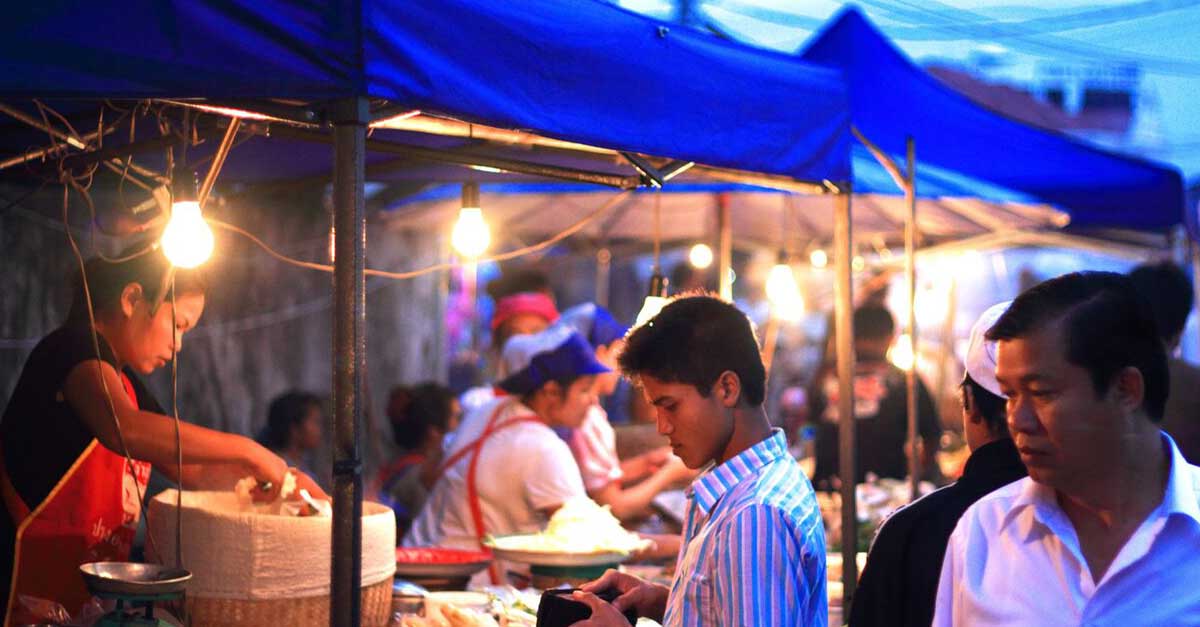
Every morning, Mrs. Khong rises before dawn to prepare the morning meal and tidy her modest home for her family in Vientiane, the capital of Lao PDR. As her husband and young children awake, she already has several hours of work behind her and hurries to the local market to set up her small, road-side stall selling fresh fruit and snacks, in time to catch the morning rush of customers. Mrs. Khong is worried. There have been rumours that the market will be developed and that she will be forced out or won’t be able to pay the increased rent for her stall. Her husband earns a small income labouring and without her small business, she and her husband will struggle to keep their girls in school and put food on the table.

As a hard-working entrepreneur, Mrs. Khong is already making plans for the worst. “If the rent prices go up again, many of us can’t stay here. We will have to go to another market and start over. I feel like the market authorities don’t care about us,” Mrs. Khong says.

Mrs. Khong is not alone in her struggle and anxiety for a dignified and stable livelihood to support her family. Millions of women around the world are still struggling with the economic and social dimensions of gender inequality. Put simply, women are not equal in the workplace and are still fighting for their equal rights to a good job, fair pay, safe working conditions, an adequate pension in old age, healthcare and safe water.  

The small-scale business sector in Vientiane is dominated by Lao women like Mrs. Khong, who represent more than 90 per cent of vendors in fresh food markets across the country. The women of Laos are subject to the same economic and social inequalities faced by millions of female market-vendors around the world who tenuously eke out a living in the informal business sector.

According to the Gender Resource Information and Development Centre under Lao Women’s Union, a lack of education and economic opportunities, and limited access to resources drive women into the informal sector and small-scale enterprises. The vast majority of these women fall into one or more vulnerable groups: ethnic minorities, informal workers, poor, educated at a low level, living with disabilities or residing in remote areas. These women encounter even greater obstacles to decent jobs, services and other fundamentals of well-being.

A recent push by the Government of Lao PDR to improve women’s economic position is evident in its National Strategy for the Advancement of Women, aimed at promoting women’s small and medium enterprises and economic leadership, increasing women’s participation in development planning and improving their access to services. Other recent advances include women’s growing participation in the labour market. However, many economic and social challenges remain for Lao women. Large differences are still evident in the development levels of men and women, and among women.  Whether this push towards gender-sensitive policy makes a difference for Mrs. Khong and the millions of women working in the informal sector in Lao PDR remains to be seen.

A study on women market vendors in Vientiane, titled Situation of Women Market Vendors in Vientiane Capital, has now been carried out. It was the first situational analysis on female market vendors in the Lao PDR. The study found that despite women representing the vast majority (over 90 per cent) of vendors in fresh food markets across the country, their roles and contribution to the local economies often go unnoticed and their voices unheard in decision-making bodies. Women vendors lack awareness, knowledge, skills and access to credit. As a result, some women choose to set up stalls on the street and face risks, such as being arrested and traffic accidents.

Findings of the Vientiane-based report reflect a greater proportion of women engaging in vulnerable work than men, including informal work, self-employment or unpaid work for the family business.

Ultimately, these finding will come as no surprise to women like Mrs. Khong, who after a long, hot and tiring day of running her road-side stall, arrives home to continuing her job as the domestic labourer and caretaker of her family, all while wondering what tomorrow will bring.
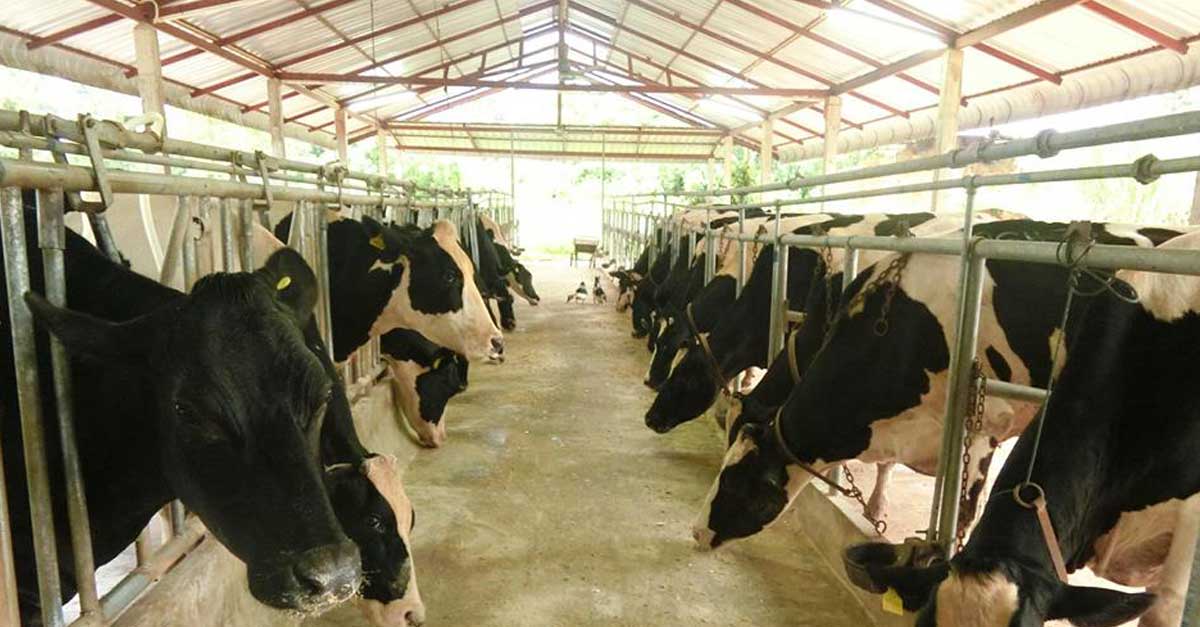
 

Lao Dairy Farm Milking the Market in Vientiane Capital

Lao Dairy Farm Crysta Milk

Lao Dairy Farm has already become the leader of the fresh milk market in Laos, saying the quality of its Crysta brand milk is equal to that of international imported milk brands.

Manager of Lao Dairy Farm, Ms Sengmani Yathortu explains that the farm uses modern technology to ensure milk is produced hygienically.

The farm distributes Crysta fresh milk at a growing number of minimarts around Vientiane Capital.

The farm also produces other dairy products including yogurt.

Lao Dairy Farm directly distributes fresh produce, unlike dairy products imported from neighboring countries which rely on preservatives for longer storage.

Crysta brand fresh milk has already received very positive feedback among foreign customers who live in Vientiane Capital. Orders have now reached 450 liters per day.

Lao Dairy Farm hopes to receive orders of up to 700 liters per day within three months.

The next phase will be expanding the market to Luang Prabang, Xieng Khuang and Attapeu provinces.

The farm will also open its own café on the ground floor of Lao ITECC.

[ngg_images source=”galleries” container_ids=”12″ override_thumbnail_settings=”1″ thumbnail_width=”100″ thumbnail_height=”75″ thumbnail_crop=”1″ images_per_page=”20″ number_of_columns=”0″ ajax_pagination=”0″ show_all_in_lightbox=”0″ use_imagebrowser_effect=”0″ show_slideshow_link=”0″ slideshow_link_text=”[Show slideshow]” template=”/home4/laotiantimes/public_html/wp-content/plugins/nextgen-gallery/products/photocrati_nextgen/modules/ngglegacy/view/gallery.php” order_by=”sortorder” order_direction=”ASC” returns=”included” maximum_entity_count=”500″ display_type=”photocrati-nextgen_basic_thumbnails”]Photos: Lao Dairy Farm

Chinese Machine-made Lao Skirts Affecting Traditional Sales

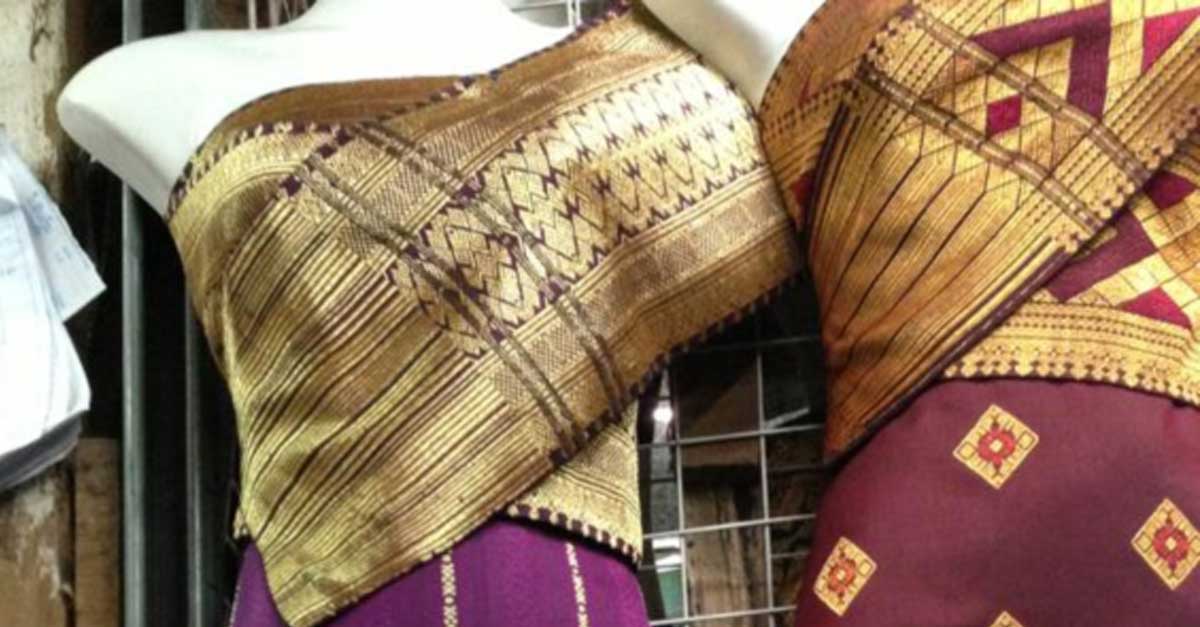
Lao Skirts

Chinese machine-made imitations of traditional Lao skirts and ornamental dress accessories are having an effect on the sales of handmade Lao products.

A recent Vientiane Times article suggests that sales of handmade products by local Lao artisans has dropped by 30 percent since imitation items entered the market in recent years.

The workmanship of traditional handmade items is superior to that of the Chinese factory-made alternatives, however, and the promotion of traditional items also creates employment.

Many of the larger textile operations in Laos that make Lao skirts (sinh) and ornamental accessories (pakding) employ hundreds of workers, creating employment and offering stable incomes to those in need.

The materials used usually always come from Laos, including silks and other textiles.

Meanwhile, Chinese copies of these products are priced relatively cheaply, with pakding as low as 20,000 or 30,000 kip.  A Chinese machine-made sinh can be priced lower than 200,000 kip.

Artisans and business-people are calling upon the authorities to ban the sale of factory-made items in a bid to preserve the traditional craft, which is a way of life for many Lao people.

Meanwhile, consumers argue that with the rising cost of living, they cannot afford to continue purchasing traditionally made items, some of which are priced at over 2 million kip.

“As a young woman I am expected to attend a lot of weddings and religious ceremonies. I feel that should wear a different outfit to each event, and I just can’t afford that many handmade items,” said one consumer.

Banning factory-made items may be a simple solution for artisans, however consumer concerns should also be heard. The traditional Lao skirt is compulsory dress in many offices, and rising prices could mean hardship for some.

Korean Firm DGB Financial Group Establishes Leasing Business in Laos

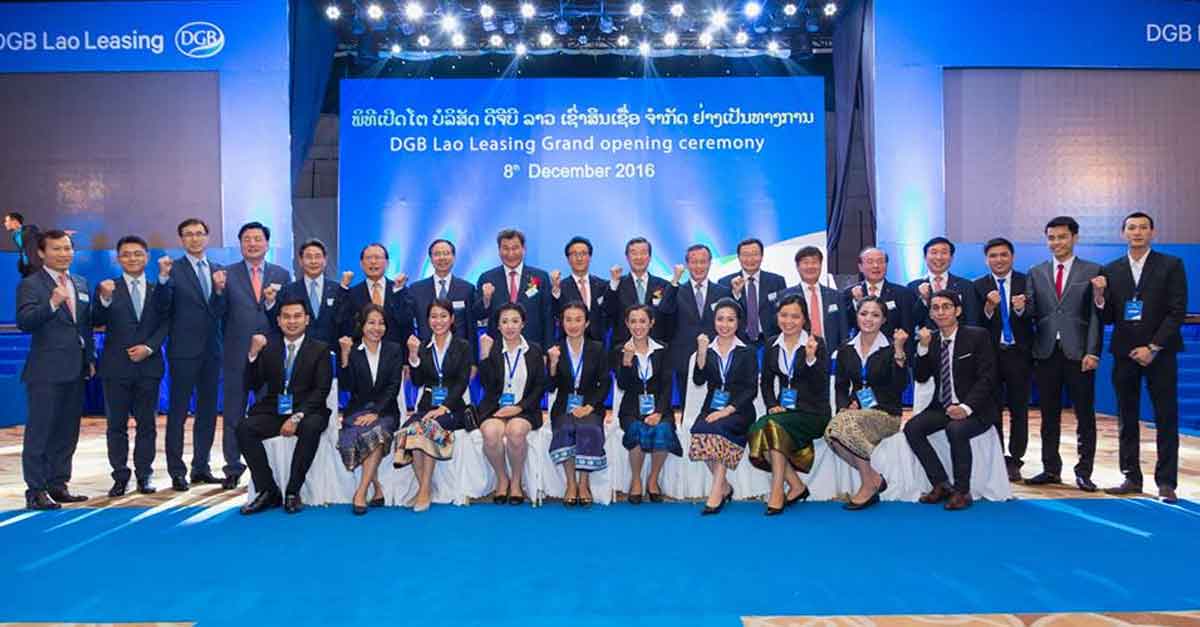
DGB Leasing Laos

DGB Financial Group from the Republic of Korea has expanded its financial business into Laos, after the company performed well in its home country.

The company has established DGB Lao Leasing Co., Ltd in Vientiane Capital, and an official opening ceremony was held last month.

The company’s chairman, Sonexay Sitphaxay, noted that financial institutions had grown significantly in Laos, and now play an essential role in helping individuals and businesses to access funding.

DGB Financial Group has over fifty years experience in the finance sector in Korea, and the company believes this experience will help it to become a market leader in Laos. The company hops to assist consumers on low and medium incomes to gain access to financial services.

There are now 166 financial institutions registered with the Bank of the Lao PDR, including 29 leasing companies.

“DGB Financial Group invests in various financial businesses so we hope that besides the leasing business the company will be able to expand its business into various financial areas in Laos,” Sonexay added.

Laos and Cambodia to Build Friendship Bridge Across Xelamphao River

Laos and Cambodia Bridge

Laos and Cambodia are to build a bridge crossing the Xelamphao River, connecting Champasack, Laos with Preah Vihear Province, Cambodia.

Minister of Foreign Affairs Saleumxay Kommasith met with his Cambodian counterpart, Prak Sokhonn, yesterday, confirming the location of the bridge.

According to the Khmer Times, both countries had initially agreed upon a location, however Laos then requested a review in order to find a more suitable location.

The new location for the bridge was decided upon late last month after a Lao and Cambodian joint working team undertook a field survey.

The bridge, which crosses the Xelamphao River (named the Ropov River in Cambodia) will link Mounlapamok District, Champasack, with Thapeuay sub-district, Preah Vihear Province, Cambodia. The river currently serves as a border demarcation.

According to a spokesperson of the Cambodian Ministry of Foreign Affairs, the bridge is to improve connections between the country, boosting trade and tourism for both nations.

Both countries are to cooperate in building the bridge, however the cost of construction is yet to be confirmed.

Mr. Sokhonn and Mr. Kommasith also discussed cross-border drug trafficking. Mr. Sounry said Mr. Sokhonn urged cooperation between both countries against drugs and that Mr. Kommasith agreed fully.

A new border crossing was opened between Laos and Cambodia last month, leading to the two countries agreeing to further promote trade and tourism.

Laos Crowds Go Wild for Thai Actress Aum Patcharapa

Aum-Craziness

Aum Patcharapa made a memorable visit to an extremely packed Vientiane Center Shopping Mall for a Mistine+Ka0na event in which the Thai actress received deafening applause from the young adult crowd in Laos. Known for her sizzling, sexy model shots and wide-ranging acting talent, Aum holds the title of one of the most popular Thai actresses and heavily idolized by many fans in both Thailand and Laos.

Aum in Lao Style

It is an unwritten rule and practice that a foreign female celebrity, whenever they visit Laos, must wear the iconic silk blouse and sinh. Keeping up with this beautiful tradition, Aum was adorned in an elegant full-costume sinh-blouse with a pa-bieng scarf combo that caused fans to go wild as they fell head over heels for Aum in Lao style. The actress was said to have loved the costume so much, she wore it as she boarded her flight home.

[ngg_images source=”galleries” container_ids=”11″ override_thumbnail_settings=”1″ thumbnail_width=”100″ thumbnail_height=”75″ thumbnail_crop=”1″ images_per_page=”20″ number_of_columns=”0″ ajax_pagination=”0″ show_all_in_lightbox=”0″ use_imagebrowser_effect=”0″ show_slideshow_link=”0″ slideshow_link_text=”[Show slideshow]” template=”/home4/laotiantimes/public_html/wp-content/plugins/nextgen-gallery/products/photocrati_nextgen/modules/ngglegacy/view/gallery.php” order_by=”sortorder” order_direction=”ASC” returns=”included” maximum_entity_count=”500″ display_type=”photocrati-nextgen_basic_thumbnails”] 

Thai Star Power Among Lao Consumers

Aum’s crowd-winning visit is a perfect testament to the enormous star power and influence of Thai celebrities, many of whom serve as de facto role models for the young teens in Laos. Their extravagant and glamorous lifestyle are perpetuated by Thai national television which is actively consumed by the Lao audience. Products for which Thai superstars are presenters generally perform better with consumers because the superstars are perceived as idols that are held in high regard. Thai actors and actresses have been visiting Laos on company marketing budgets for years, as many high-value Laos-based companies understand that expenditures on these individuals translate into greater brand awareness and eventually enhance sales. Not surprisingly, marketing directors working in Laos have more often than not used the presence of Thai celebs to their marketing and sales advantage.

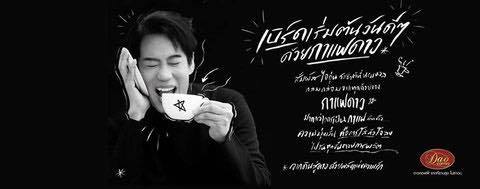
While there have been many examples of Thai star power being used to promote products in Laos, Dao Heuang Group has stunned the local marketing sector by contracting legendary Thai superstar, Thongchai “Bird” McIntyre as brand ambassador of its famous Dao Coffee. This has set a new unprecedented level for product advertising expenditures, the likes of which has never been seen for a Lao company as the Dao Heuang Group begins to compete in the Thai consumer market.

bird drinking Dao coffee

Images: Vientiane Center

Laos and Australia Celebrate 65 Years of Diplomatic Relations

Laos and Australia 65 years

Laos and Australia celebrated 65 years of diplomatic relations on Thursday at the Australian Embassy in Vientiane Capital.

The close ties between Laos and Australia, and between the peoples of the two countries, are the supporting pillars of cooperation between the two nations.

Lao Minister of Foreign Affairs Saleumxay Kommasith and Australian Ambassador to Laos John Williams expressed this common view when speaking at a ceremony held on Thursday at the Australian Embassy in Vientiane to mark the 65th anniversary of diplomatic relations between the two countries.

“Looking back over six and a half decades of relations, we have witnessed tremendous progress in our bilateral cooperation,” Mr Saleumxay said.

He highlighted the first Friendship Bridge built in Laos across the Mekong River as one of the most visible landmarks of bilateral cooperation. When the bridge opened in 1994, former Prime Minister Paul Keating of Australia, Lao Prime Minister Khamtay Siphandone, and Prime Minister Chuan Leekpai of the Kingdom of Thailand attended the inauguration ceremony.

In other areas, exchange visits by various high-level Lao and Australian officials, civil servants, academics, and businesspeople, have also been testimony to the success of bilateral relations over the past six and a half decades.

Mr Saleumxay also said that regular visits and exchanges between the citizens of both nations had been a significant contribution to creating a conducive environment for mutual understanding, and promoting and enhancing bilateral cooperation in various fields. On behalf of the Lao government, he thanked the government of Australia for its continued support to the Lao government’s effort to advance socio-economic development over the past decades, especially in the areas of education, human resource development, and humanitarian assistance.

“This has significantly contributed to the attainment of national development goals and poverty reduction in Laos,” Mr Saleumxay said.

In addition, more than 1,200 Lao nationals have graduated from Australian institutions and gained a high quality of education. These graduates not only contributed to the socio-economic development of Laos, but also promoted bilateral ties with Australia, and constituted an important factor in strengthening the bond between the Lao and Australian peoples, he added.

Laos and Australia established diplomatic relations on January 16, 1952.

Australian investments in Laos have increased in recent decades and now amount to US$150 million with Australia ranking in the top 20 foreign investors in Laos.

For his part, Ambassador Williams spoke of the close and productive links between Australia and Laos, which he said enjoyed cooperation in many fields. He said these relations were not simply architecture put in place by the two governments, but a million contacts and networks of collaboration between the peoples of the two countries across many areas of life frameworks.

Thursday’s event also marked the 229th anniversary of the Commonwealth of Australia and featured a ceremony to award Lao and Australian individuals who had made an outstanding contribution to the friendship and cooperation between the two nations.

Source: Vientiane Times

Innovative UXO Drone Can Save Lao Lives

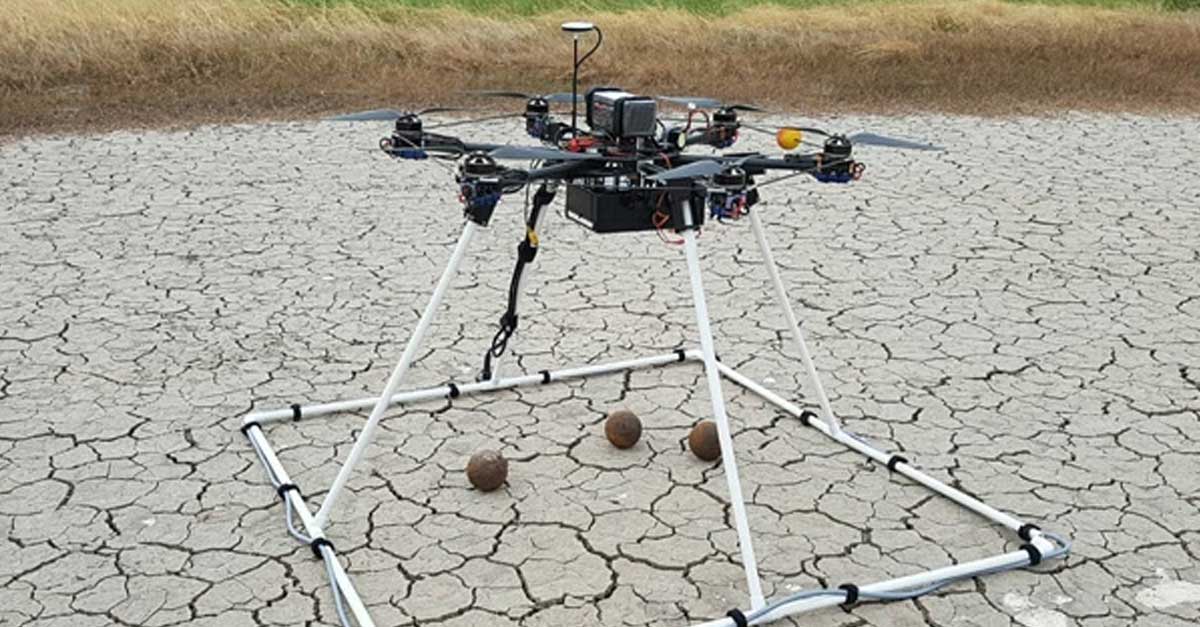
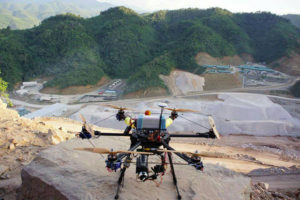
UXO Drone

The Vietnam War was one of tragedy, terror, and tension, yet for the majority of the world it is in the past and is simply a period to be remembered. However, for the people of Laos, the Vietnam War, despite ending in 1973, is still being fought today. This anomaly is because of the war’s time period and location. With the newly developed bombers of the 1960’s, many bombs did not detonate upon collision with the ground. Additionally, Laos was the most bombed country in the Vietnam War, being assaulted on average once every eight minutes for nine desolate years. As a result, the country of Laos is still littered with bombs in every one of its corners. Thousands have died due to an unfortunate encounter with these unstable landmines dubbed unexploded ordnance (UXO). In fact, experts calculate that Laos may still contain up to eighty million unexploded, live bombs, buried in its soil. Introducing the UXO Drone.

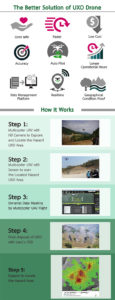
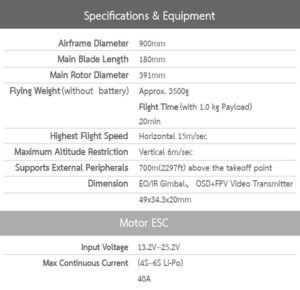
Today, a new company by the name of Aerial Lab is using new bomb-detection technology to undo some of the damage that was inflicted onto Laos by outdated bombing technology. To achieve this goal, the company has begun developing a piece of nascent technology named the UXO Drone. By using a drone to levitate a UXO-detecting rig over problem areas, the UXO Drone can overcome the problems that current bomb-disarming techniques fall victim to. With the UXO Drone, neither human nor animal lives have to be risked to disarm a bomb; instead, an unmanned air vehicle (UAV) can take the risk.

Aside from the diminished risk of using the UXO Drone stand several other advantages. Foremost, the drone will be far more efficient than human teams who have to slowly walk across landmine-filled fields to detect bombs. The UXO Drone will simply glide across each field and detect bombs below it. As a side benefit, drones are able to work hours that humans simply cannot fill due to a need for sleep. In turn, Laos will be bomb-free in as little time as possible.

n3js7zmr4h9t4ukyqapc

tnsbjdlrvgiyu0e3pwwv (1)000

h4yaznfmdx4zh9lbilot
Unfortunately, there is one barrier that stands in the way of implementing this solution: cost. Constructing several six-propeller bomb-detecting drones is no small task. To remedy this issue, the UXO Drone team has launched a crowdfunding campaign on Indiegogo. Patrons will be rewarded with a variety of merch as well as the satisfaction of saving lives.

To learn more visit the Indiegogo campaign page.

About Aerial Lab
Founded in 2009, Aerial Lab is the non-profit brainchild of Dr. Prasatporn Wongkamchang. Through a partnership with the KCR Flying Camera Team, the most prestigious aerial photography team in Thailand, and the use of drones, Aerial Lab aims to help solve some of the major problems facing Laos today. While working with the KCR team in Laos for three years, the Aerial Lab crew had plenty of opportunities to the devastating damage that unexploded ordnance can cause. In turn, Aerial Lab hopes for the success of its crowdfunding campaign and subsequently the UXO Drone to eliminate the ticking time bombs that are buried in the land of Laos.

[ngg_images source=”galleries” container_ids=”10″ display_type=”photocrati-nextgen_basic_thumbnails” order_by=”sortorder” order_direction=”ASC” returns=”included” override_thumbnail_settings=”1″ thumbnail_width=”100″ thumbnail_height=”75″ thumbnail_crop=”1″ images_per_page=”20″ number_of_columns=”0″ ajax_pagination=”0″ show_all_in_lightbox=”0″ use_imagebrowser_effect=”0″ show_slideshow_link=”0″ slideshow_link_text=”[Show slideshow]” template=”/home4/laotiantimes/public_html/wp-content/plugins/nextgen-gallery/products/photocrati_nextgen/modules/ngglegacy/view/gallery.php” maximum_entity_count=”500″]