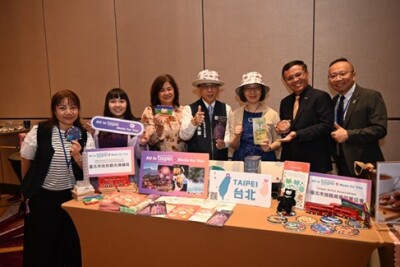
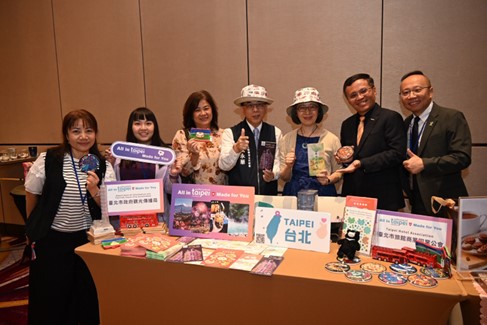
TAIPEI, TAIWAN – Media OutReach Newswire – 6 August 2025 – In July, the Department of Information and Tourism, Taipei City Government visited Malaysia to promote Taipei as a travel destination under the theme “All in Taipei, Made for You.” The campaign received enthusiastic responses from Malaysian travel professionals and media, underscoring Taipei’s growing appeal in the Southeast Asian market.
The Department of Information and Tourism, Taipei City Government, invites Malaysian travelers to visit Taipei under the theme “All in Taipei, Made for You.”
Taipei is a vibrant city where history, culture, and creativity converge. From the nostalgic charm of Dadaocheng and the Xia-Hai City God Temple to the scenic Maokong Gondola and the dynamic Xinyi District, visitors can explore nature, heritage, and urban lifestyle—all within an hour. Whether for family vacations, cultural exploration, or solo travel, Taipei offers flexible and personalized experiences for every traveler.
The city has garnered significant international recognition in recent years: ranked the world’s safest city for female digital nomads by Time Out, selected as one of the “Top 25 Most Beautiful Cities in the World” by Travel + Leisure, and placed 11th on Vacations & Travel’s “Top 100 Cities” list. With its safe, welcoming atmosphere and rich cultural depth, Taipei is an ideal destination year-round.
With its layered charm and diverse offerings, Taipei warmly invites Malaysian travelers to embark on a journey made just for them.
Highest-ever quarterly net income of $1.385 billion, up 16% YoY, reflects the Company’s strong performance
Board approves interim dividend of $1.792 billion, a 5% increase YoY, to be distributed in September
ADNOC Gas on track for entry into FTSE Index in September 2025
ABU DHABI, UAE, Aug. 6, 2025 /PRNewswire/ — ADNOC Gas plc and its subsidiaries (together referred to as “ADNOC Gas” or the “Company”) (ADX: ADNOCGAS) (ISIN: AEE01195A234), a world-class integrated gas processing and sales company, today announced Q2 2025 results, with net income rising by 16% year-on-year (YoY) to a record $1.385 billion and EBITDA increasing by 8% YoY to $2.256 billion.
Q2 2025 saw a strong performance across ADNOC Gas’ product portfolio, especially in the local gas market. The Company serves local customers under long-term contracts with competitive prices and improved underlying margins. ADNOC Gas also capitalized on opportunities to sell additional volumes at favourable prices, in the local gas market and in the export market as Liquified Natural Gas (LNG). The Q2 results show that the Company’s product portfolio is resilient to oil price volatility.
The Board of Directors approved an interim dividend of $1.792 billion, up 5% YoY, scheduled for distribution in September.
Fatema Al Nuaimi, Chief Executive Officer of ADNOC Gas, said: “We are pleased to report the highest quarterly net income in ADNOC Gas’ history, fueled by our strong local market business and improved operational efficiency. This performance shows that we are well on our way to achieving our ambition of over 40% EBITDA growth between 2023 and 2029*, as outlined in our strategy update last November. With healthy cashflows and robust margins, we remain well-positioned for long-term growth, and our resilient business model continues to deliver strong returns.”
In the first half of 2025, ADNOC Gas increased Capex by 49% YoY. The Company made significant progress with its strategic initiatives, including the $5 billion Final Investment Decision on the first phase of its Rich Gas Development project (RGD), which takes the committed Capex to $20 billion.
In the near and medium term, the Company expects to deliver the Integrated Gas Development Expansion – Phase 2 (IGDE-2), Maximizing Ethane Recovery and Monetization (MERAM), and to take the investment decision on the remaining two phases of the RGD project.
Furthermore, ADNOC Gas is progressing other growth projects, like the Ruwais LNG project to capture an increasing share of the LNG market. LNG is a valuable and growing part of the Company’s product portfolio.
Overall, the growth projects will further strengthen ADNOC Gas’ product portfolio allowing for additional revenue streams and improved margins.
Following its inclusion in the MSCI Emerging Markets Index in June 2025, ADNOC Gas experienced a significant net capital inflow of approximately $500 million. The Company is now on course to join the FTSE Index in September 2025, with market estimates of added inflows of over $200 million, further elevating its global investment profile and diversifying its investor base, thereby significantly enhancing liquidity and trading volumes.
ADNOC Gas continued its AI journey with the roll out of MEERAi at its most recent Board of Directors meeting. MEERAi is the latest addition to the suite of AI Agents being deployed across ADNOC’s value chain. Purpose-built for leadership use, MEERAi delivers real-time data-driven insights that enable the board of directors to make faster, more informed decisions.
$ Million
Q2 24
Q1 25
Q2 25
YoY %
QoQ %
H1 24
H1 25
YTD %
Q2 25 vs. Q2 24
Q2 25 vs. Q1 25
H1 25 vs. H1 24
Revenue
6,076
6,099
5,960
-2 %
-2 %
12,087
12,059
0 %
COGS
-3,480
-3,455
-3,205
-8 %
-7 %
-6,891
-6,660
-3 %
Opex
-510
-485
-499
-2 %
3 %
-1,035
-984
-5 %
EBITDA
2,086
2,159
2,256
8 %
5 %
4,162
4,415
6 %
Net Income
1,190
1,270
1,385
16 %
9 %
2,377
2,655
12 %
EBITDA Margin
34.3 %
35.4 %
37.9 %
352bps
246bps
34.4 %
36.6 %
219bps
Net Income Margin
19.6 %
20.8 %
23.2 %
366bps
242bps
19.7 %
22.0 %
236bps
Key dates of the H1 2025 interim dividend payment:
Board of Directors’ approval
August 5, 2025
Entitlement date (last day to purchase)
August 13, 2025
Ex-Dividend date
August 14, 2025
Record date
August 15, 2025
Expected Payment date
September 3, 2025
Alternative performance measures:
Financial information as presented above includes ADNOC Gas’ proportionate consolidation of JVs financial results.
EBITDA includes proportionate consolidation of JVs and represents Earnings Before Interest, Tax, Depreciation and Amortization.
The reconciliation between the financial data as presented and the IFRS financial statements is presented in the Management Discussion & Analysis Report.
*Assumes flat prices across the Company’s product portfolio and an oil price of $70/bbl between 2025 and 2029 and, in addition, the proportional consolidation of Ruwais LNG following completion and transfer to ADNOC Gas.
About ADNOC Gas
ADNOC Gas, listed on the ADX (ADX symbol: “ADNOCGAS” / ISIN: “AEE01195A234”), is a world-class, large-scale integrated gas processing and sales company operating across the gas value chain, from receipt of feedstock from ADNOC through large, long-life operations for gas processing and fractionation to the sale of products to domestic and international customers. ADNOC Gas supplies approximately 60% of the UAE’s sales gas needs and supplies end-customers in over 20 countries. To find out more, visit: www.adnocgas.ae
DONGGUAN, China, Aug. 6, 2025 /PRNewswire/ — The roar of the crowd, the flash of LED lights, and the palpable energy of competitive gaming – ChinaJoy 2025 wasn’t just a celebration of digital entertainment; it was a strategic battleground for tech brands vying for the attention of China’s massive youth market. A star emerged in this arena — iQOO, the performance-centric smartphone sub-brand of vivo, which masterfully captured the imagination and loyalty of young gamers and tech enthusiasts.
iQOO won the hearts of young gamers at ChinaJoy.
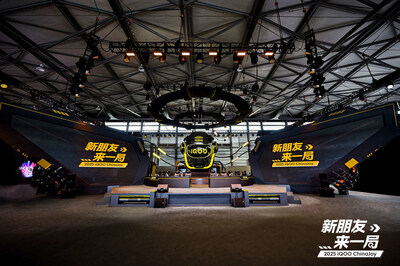
iQOO’s booth offered an immersive experience designed for the Gen Z and millennials. Stepping inside was like entering the command center of a futuristic eSports team.
Why iQOO Resonated So Deeply:
Understanding the Gamer Psyche: iQOO doesn’t just sell phones; it sells the promise of victory. Its “Monster Inside” slogan is evident throughout the entire experience, speaking directly to the competitive spirit of its target audience.
Performance Meets Value: While packing flagship-level specs that are crucial for gaming, iQOO often offers its products at a more aggressive price than its parent brand, vivo, or competitors like high-end gaming phones, offering exceptional value – a key consideration for young buyers.
Community and Identity: By immersing visitors in gaming culture, partnering with the eSports industry, and leveraging youth icons, iQOO has positioned itself as a community for passionate gamers, not just a device manufacturer.
Solving Real Pain Points: Addressing gamer frustrations like battery anxiety (with super-fast charging), overheating (with advanced cooling), and lag (with top-tier processors) built tangible trust.
iQOO’s booth delivered an immersive eSports experience.
iQOO’s presence at ChinaJoy 2025 was a smart step in youth marketing strategy. The brand went far beyond showcasing products by seamlessly blending cutting-edge technology demonstrations with immersive gaming experiences, celebrity appeal, and a strong sense of community. It forged an emotional connection. To the young, tech-savvy crowd that will define the future of mobile entertainment, iQOO didn’t just display phones; it showed that it understands their world and possesses the tools to elevate their passion. The enthusiastic crowds and buzzing social media conversations surrounding its booth made one thing clear: iQOO has captured the attention and favor of China’s young generation at the heart of digital culture. Its victory at ChinaJoy solidifies its position as a major force in the youth-focused performance smartphone segment.
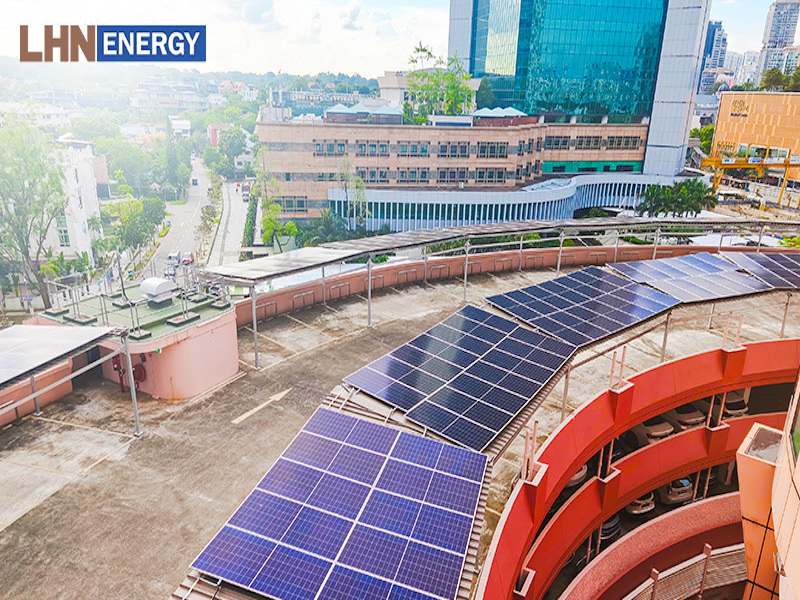
SINGAPORE – Media OutReach Newswire – 6 August 2025 – LHN Energy Resources, a leading provider of renewable energy solutions, is proud to announce the completion of solar carport installation at Goldhill Plaza’s open space car park. This new initiative, part of a strategic collaboration with LHN Parking, aims to provide a sustainable energy solution while optimising underutilised space in Singapore’s urban landscape.
LHN Energy Launches Solar Carport at Goldhill Plaza to Promote Renewable Energy in Urban Spaces
Turning Underutilised Space into Sustainable Energy Solutions
In a land-scarce city like Singapore, businesses often grapple with the challenge of finding suitable spaces for solar energy installations. Rooftop space is frequently limited or already occupied, and large-scale solar farms are often unfeasible in densely built environments. At the same time, the rising cost of traditional energy sources and the need to meet sustainability goals have placed greater pressure on companies to adopt renewable energy alternatives.
The new solar carport installation at Goldhill Plaza addresses these challenges head-on. By transforming an open-air car park into a productive energy site, this project turns underutilised space into a dual-function solution, generating renewable energy while providing shaded, weather-protected parking. The solar panels on the carport structure will produce clean power to support on-site energy consumption, reducing both reliance on the grid and overall operational costs for the property.
Not only does this project support businesses by reducing energy expenses, but it also aligns with Singapore’s broader commitment to green energy adoption. It serves as a prime example of how multi-functional infrastructure can address urban sustainability goals.
Looking Towards the Future: Expanding Solar Carports Across Singapore
Building on the success of the Goldhill Plaza installation, LHN Energy is setting its sights on a broader rollout of solar carports throughout Singapore. As part of its ongoing collaboration with LHN Parking, the company plans to introduce similar solar-integrated structures in other open-air carparks across the island.
This forward-thinking initiative reflects LHN Energy’s continued commitment to reshaping urban infrastructure through renewable energy. By combining energy generation with functional urban design, future solar carport projects will not only optimise land use but also support Singapore’s transition to a low-carbon economy.
As demand grows for eco-conscious property upgrades and energy-efficient solutions, LHN Energy aims to lead the way in delivering smart, sustainable infrastructure that serves both environmental and operational needs. The expansion of solar carports is more than a business strategy, it’s a step towards a cleaner, more resilient city for all.
For more information about the solar carport project or to explore LHN Energy’s offerings, please visit www.lhnenergy.com or contact us. Hashtag: #LHNEnergy #SolarEnergy #RenewableEnergy
The issuer is solely responsible for the content of this announcement.
About LHN Energy Resources Pte Ltd
LHN Energy is a trusted solar energy provider in Singapore, offering comprehensive services that span consultation, installation, maintenance, and monitoring for commercial, industrial, and residential sectors. Since its establishment in 2018, the company has grown from electricity retail into a full-service renewable energy provider. Backed by a team with over 20 years of combined experience, LHN Energy delivers high-quality solar panel and EV charger installations tailored to each client’s needs. Whether through solar PPA or EPC solutions, the company is committed to helping customers achieve energy efficiency while advancing Singapore’s goals for a cleaner, more sustainable future.
Helping businesses ensure e-invoicing compliance and improved accuracy in their GST filing
SINGAPORE – Media OutReach Newswire – 6 August 2025 – Zoho Corporation, a global technology company, today launched the Singapore edition of Zoho Books, cloud-based accounting software to help businesses simplify GST and e-invoicing compliance. This launch includes the Singapore edition of other solutions in Zoho’s finance and operations suite of applications, offering businesses a better way to manage their financial and operational processes while staying compliant with the country’s regulations.
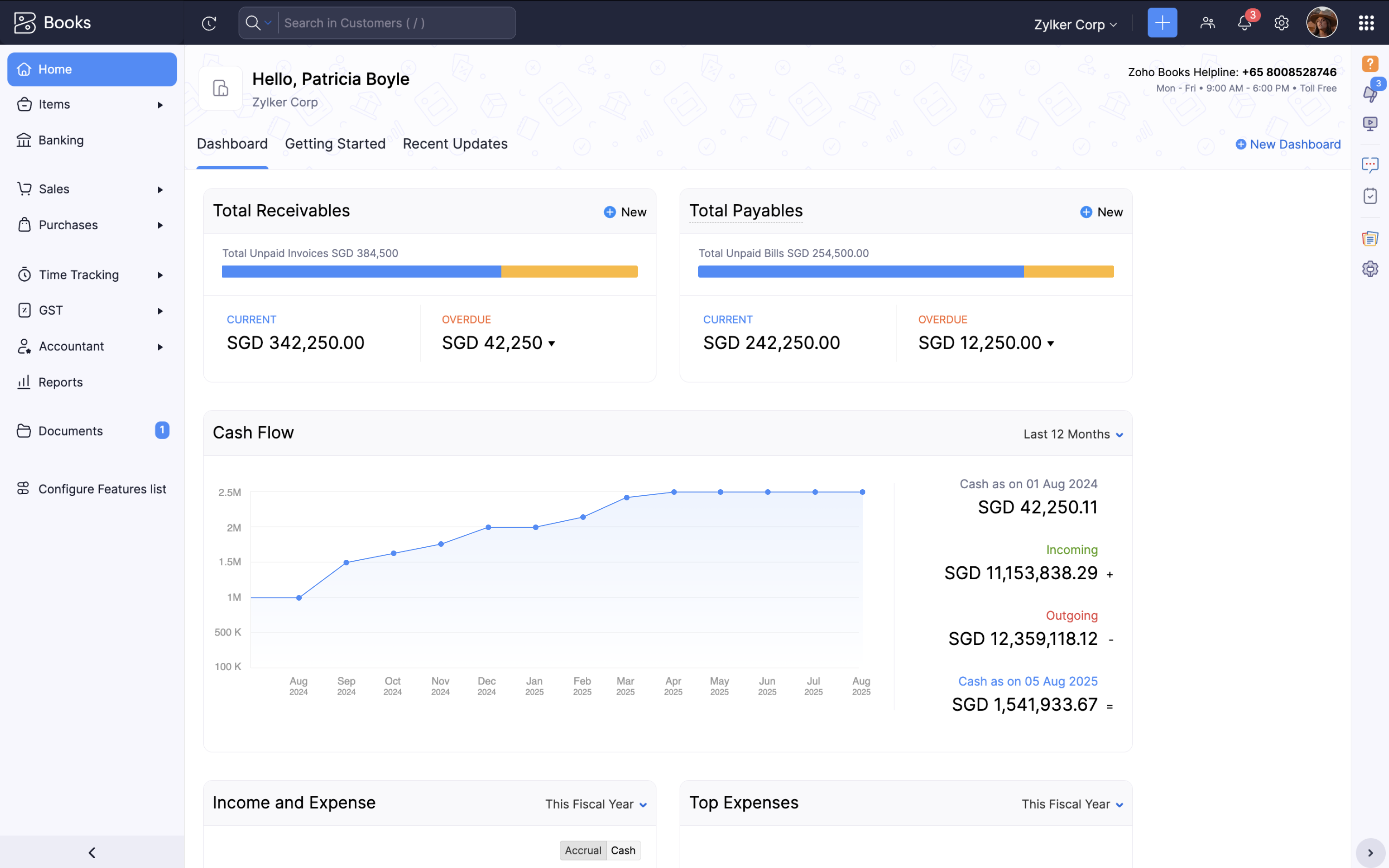
Your business at a glance with the Dashboard in the Singapore edition of Zoho Books
“The launch of the Singapore edition of Zoho Books represents a significant step forward in enabling businesses and accountants to embrace digital transformation in financial compliance. With built-in AI capabilities and automation, Zoho Books simplifies GST calculations, ensures adherence to IRAS regulations, and helps mitigate compliance risks. As part of our 16+ country-specific editions, this launch empowers organisations to improve accuracy, reduce manual effort, and navigate an increasingly complex regulatory environment,” says Gibu Mathew, VP and GM, Zoho APAC
According to a recent survey by Zoho, a majority of businesses in Singapore report managing GST compliance efficiently, with 82% finding IRAS guidance easy to follow. However, challenges remain, 32% of businesses still file manually through the IRAS portal, and 71% spend up to five days preparing GST returns. The most common difficulties cited were: staying updated with regulatory changes, accurately calculating input/output tax, and ensuring timely filing.
These insights point to a growing need for automation in tax compliance. Zoho Books addresses this by providing real-time updates on GST regulations, automating tax calculations, and generating IRAS-ready F5 returns. By reducing manual processes, the solution helps businesses improve accuracy, save time, and minimise compliance risks. This is particularly relevant in light of recent enforcement trends. In FY23/24, the Inland Revenue Authority of Singapore (IRAS) recovered $162 million, including penalties, through over 2,500 audits across industries. A significant portion of these penalties stemmed from compliance lapses, highlighting the importance of adopting reliable, audit-ready systems like Zoho Books.
Zoho Books offers e-invoicing compliance which provides B2B businesses the ability to send invoices electronically directly into their accounting systems according to the PEPPOL standards. Zoho Books will soon offer integration with InvoiceNow to push invoices to the IRAS. With this accounting solution, businesses can also manage their finance end-to-end, perform core accounting functions, track stocks, reconcile bank accounts, and manage projects. The software offers PayNow payment method to streamline payment collections. With AI-driven receipt capture, businesses can automatically record expenses and bills within the application. Zoho Books also comes with other advanced capabilities like audit trail, order management, budgeting and workflow automation. With the application’s built-in Zoho Analytics integration, businesses can leverage Zia, Zoho’s AI-based analytics assistant to track financial trends with smart visualizations, perform predictive analysis and make data-driven decisions.
The Singapore edition of other solutions in Zoho’s finance and operations suite offers the following capabilities:
Zoho Inventory, a comprehensive solution to manage inventory, track stock levels, and generate GST and e-invoicing compliant invoices, ensuring seamless integration with shipping carriers and aggregators like Singapore Post, and Easyship for efficient order fulfilment. The solution offers advanced warehouse management capabilities and provides faster order processing. Businesses can leverage location tracking and labelling, stock counting, stock out alerts, and role-based access to the warehouse operations for better inventory control.
Zoho Billing is a versatile billing platform, offering one-time billing, subscription management, with GST and e-invoicing compliance, along with AR automation capabilities. The solution offers project billing, Quote-to-Cash (Q2C) and revenue reporting functionalities. Additionally, Zoho Billing offers subscription management capabilities like trial management, prorated billing, usage billing, customer lifecycle management, and retention.
Zoho Invoice is a free invoicing solution built for small businesses that helps manage receivables. Businesses can send quotes and create customised, GST compliant invoices.
Zoho Expense, end-to-end travel and expense (T&E) management software, that provides businesses with capabilities to manage all stages of employee travel, and automate expense reporting. With self-booking capabilities, employees can book flights, hotels, taxis, and trains according to company policy, reducing administration. Per diem rates and rules can be auto-imported, compliant with government regulations, automating business travel allowances.
Zoho Commerce, a complete e-commerce platform that helps businesses create and manage online stores, accept orders, send GST-compliant invoices, process payments, manage shipping and track inventory. With Zoho Commerce, businesses can easily set up an online presence without needing any coding expertise.
Zoho Practice is built for accounting professionals, helping them deliver client services efficiently. Workpapers simplifies audit and compliance workflows by automatically fetching client financial statements from Zoho Books, enabling easy comparison, adjustments, document management, and collaboration for seamless review and approval. The self-service portal enables accountants to collaborate with clients that use third-party services, facilitating document requests, digital signatures, and communication.
Powerful Platform Zoho’s finance suite of applications is built on the same platform, enabling instant interoperability and contextual data flow between applications, resulting in improved data accuracy and saved productive hours in manually re-entering data. Bringing 15+ years of experience and innovation, the finance and operations suite provides 16 country-specific editions tailored for local tax and compliance needs, including Singapore, UK, India, and the UAE. The platform offers advanced capabilities, using which businesses can easily customize, scale, and extend the applications according to their requirements. This significantly reduces the need to invest in IT resources and quickly go to market with any change.
Pricing and Availability All products are available for immediate use. The pricing of Zoho Books starts at S$18 per month, per organization. The application also offers a free plan.
The issuer is solely responsible for the content of this announcement.
Zoho Corporation
With 55+ apps in nearly every major business category, Zoho Corporation is one of the world’s most prolific technology companies. Zoho is privately held and profitable with more than 18,000 employees globally with headquarters in Austin, Texas and international headquarters in Chennai, India. Zoho APAC HQ is located in Singapore. For more information, please visit: www.zoho.com/
Zoho respects user privacy and does not have an ad-revenue model in any part of its business, including its free products. The company owns and operates its data centers, ensuring complete oversight of customer data, privacy, and security. More than 120 million users around the world, across hundreds of thousands of companies, rely on Zoho everyday to run their businesses, including Zoho itself. For more information, please visit: https://www.zoho.com/privacy-commitment.html
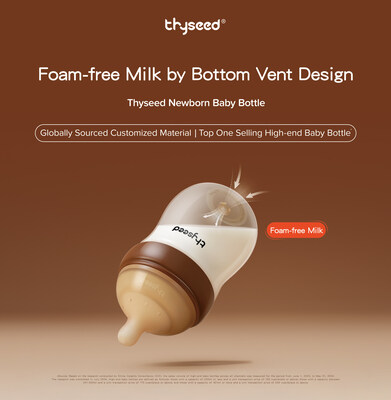
New anti-colic system delivers clinically tested relief for newborn digestive discomfort
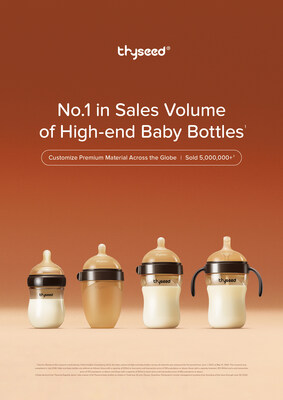
BEIJING, Aug. 6, 2025 /PRNewswire/ — Thyseed, an established name in global infant care, has announced the launch of its newborn baby bottle featuring proprietary bottom vent technology for global markets. Clinical trials confirm that this design reduces colic and spit-up by more than 30% among infants aged 0-3 months. The product is fully certified by the US FDA and relevant EU authorities, with all components passing more than 40 safety and performance tests by Swiss testing agency SGS. It is now available through premium infant care retailers across multiple countries and regions worldwide.
Targeting Feeding Challenges with Advanced Venting Technology
Colic and spit-up are common concerns for parents of newborns, whose digestive systems are still developing. To address this challenge, Thyseed’s R&D team conducted thousands of simulations to develop the bottom vent design. During feeding, the bottle’s internal pressure changes precisely control the vent’s opening and closing, preventing air from mixing into milk and forming bubbles. Clinical tests show that bottles equipped with this system provide measurable relief from feeding-related discomfort, supporting digestive wellness in early infancy. The ergonomic bottle body combined with the anti-colic system facilitates secure holding for parents and easy grasping for babies. Seamless construction eliminates dirt traps, while eco-friendly ink-printed measurement markings remain clear and durable for accurate dosing. These details enhance both practicality and safety, helping Thyseed stand out in premium markets.
High-Performance Materials for Safer Feeding Experience
The bottle offers two premium material options: BASF-engineered food-grade PPSU and high-borosilicate glass. With proven high temperature and wear resistance, both materials can withstand repeated sterilization at 180°C without release of harmful substances, complying with international safety standards, including US FDA and EU regulations. The nipple, custom-developed by Germany-based WACKER, uses a 15° angled ultra-soft silicone formulation to closely simulate the natural feel of breastfeeding, ensuring comfortable sucking while preventing nipple confusion. All materials have passed more than 40 independent safety and durability tests conducted by SGS Switzerland, delivering a safer feeding experience.
Stage-Based Design Aligned with Infant Development
Recognizing the evolving sucking abilities and swallowing rhythms during infant development, Thyseed has established a scientific stage-based feeding system. For 0-3 month infants, the stage-specific nipple features a slow milk flow rate that matches newborns’ delicate sucking strength, preventing choking while ensuring comfortable feeding at each developmental phase.
Award-Winning Innovation with Global Consumer Trust
With its outstanding design philosophy and innovative features, Thyseed’s baby bottles have earned prestigious international awards, including the Australian Good Design Award, Good Design Korea, and the Red Dot Design Award in Germany. These honors recognize Thyseed’s technological innovation, user experience, and material safety excellence.
With products available in the U.S., China, Russia, Indonesia, and other markets, the brand has gained the trust of parents and caregivers worldwide. Moving forward, Thyseed will continue to strengthen global partnerships and drive technological innovation in a move to deliver better feeding solutions for newborns worldwide.
BEIJING, Aug. 6, 2025 /PRNewswire/ — Thyseed, an established name in global infant care, recently announced plans to introduce its premium, safety-certified feeding solutions to Southeast Asian households in 2025. With an established presence in the United States, Russia, and mainland China, Thyseed is committed to extending its industry-leading safety standards to new markets.
Since its inception, Thyseed has championed a commitment to safeguarding infants from their earliest interactions with feeding products in a move to transform infant feeding safety through profound consumer insights and groundbreaking collaborations with global material scientists. Each product embodies Thyseed’s philosophy of Design From Love, establishing the brand as the trusted innovator in premium baby care worldwide.
Brand Commitment: Safety Built on Love
Thyseed incorporates its Design From Love philosophy into every part of the brand experience. This love is shown in its strong focus on safety, believing that “every touchpoint matters in early development.” Thyseed goes beyond global safety standards, using a full safety system from raw materials to finished products. All raw materials are checked for safety, production areas meet medical-grade cleanliness standards, and finished products undergo over 40 strict tests by SGS and other trusted agencies to ensure they are free from harmful substances. This commitment also reflects a deep respect for infant development. Thyseed’s designers carefully create each product to fit the specific needs of infants from 0-3 years old, considering things like swallowing patterns, grip development, and oral-motor development, while avoiding unnecessary features and supporting natural feeding instincts.
Global Partnerships Driving Material Innovation for Infant Health
To ensure the highest safety for products that come into direct contact with infants, Thyseed has teamed up with top material suppliers. In partnership with Germany’s BASF, the company developed a special food-safe PPSU material for infants. This material stays strong even after repeated sterilization at 180°C, offers great impact resistance and clarity, and meets top safety standards like US FDA and EU EFSA certifications, preventing harmful substances from leaching out.
Thyseed also works with Germany’s WACKER to create custom medical-grade liquid silicone for nipples. This material passes 3,000 elasticity tests to ensure it stays soft, feels like breastfeeding, has low impurities, and is certified by Switzerland’s SGS for safer suckling. These collaborations go beyond simple sourcing, as they work together to create strict safety and material guidelines for infant products.
Complete Feeding System: Designed for Safe Growth from Day One
Rooted in uncompromising safety, Thyseed has engineered a comprehensive 0-3 year feeding system. The Thyseed Transition Baby Bottle series provides two material options, medical-grade PPSU and silicone. Each is improved with the breast-like nipple design that adapts to baby’s feeding style. Full-range solutions, including bottles, training cups, utensils, and pacifiers, adhere to a product development approach grounded in high-performance materials and evidence-based design principles, delivering stage-appropriate safety.
Moving forward, Thyseed will continue to safeguard babies’ first-contact safety worldwide through love-guided innovation with science-backed quality.
Project Juara charts way forward for all stakeholders to capture tokenisation opportunities and drive financial transformation in Malaysia.
KUALA LUMPUR, MALAYSIA – Media OutReach Newswire – 6 August 2025 – Kenanga Investment Bank Berhad (“Kenanga Group“), Saison Capital Pte Ltd, Helicap Labs Pte Ltd (“HELIX“) and Satori Research Ltd, today announced the release of a white paper that offers insights into the asset tokenisation industry’s potential and its significance in driving financial transformation in Malaysia. Titled Project Juara: Malaysia’s Asset Tokenisation Opportunity (“Project Juara“) and authored by all four parties, it estimates that Malaysia’s tokenised asset market could reach US$43 billion by 2030, spanning regulated products such as unit trusts, bonds and sukuk.
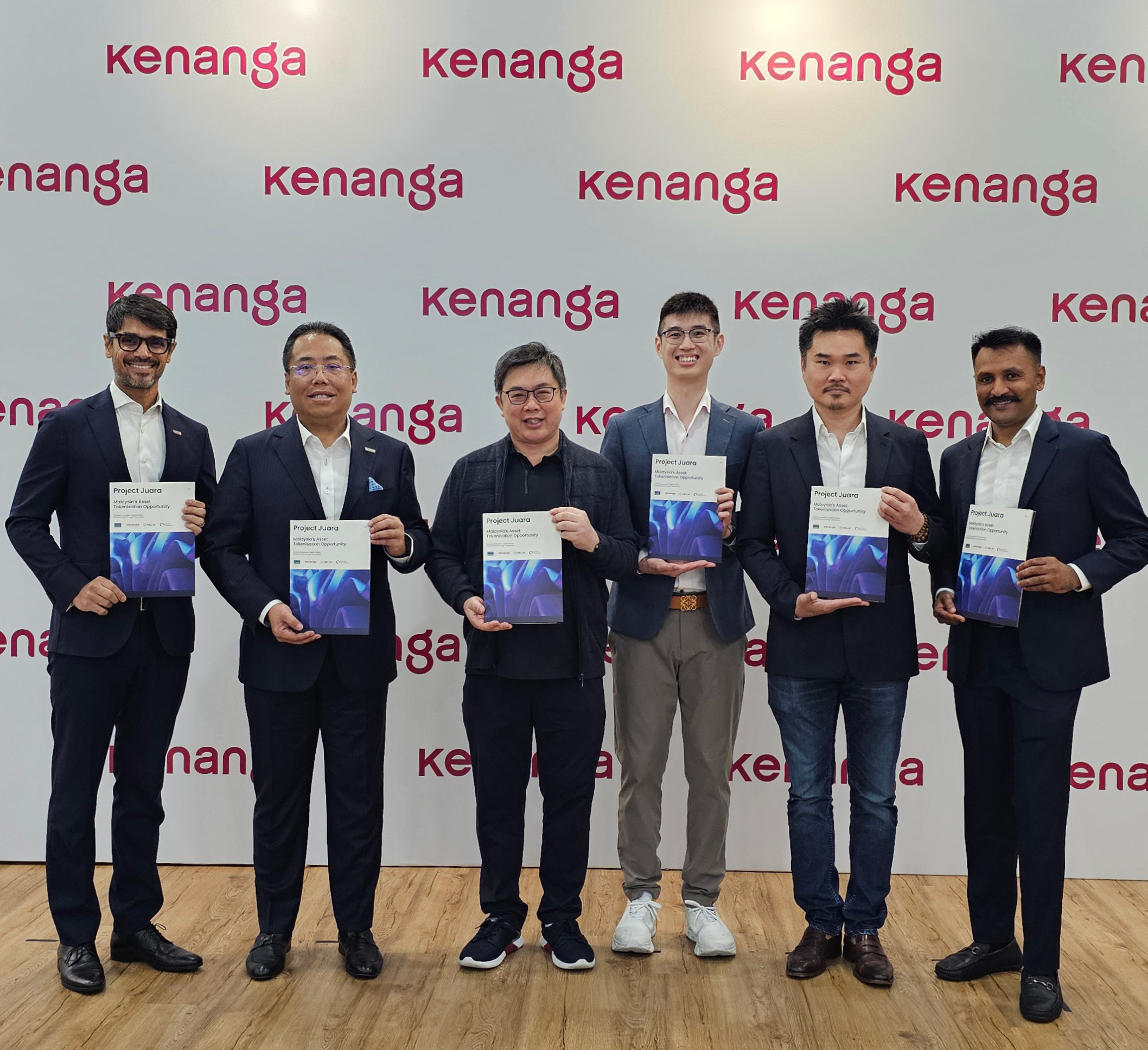
From left: Ranjit Singh Gill, Director, Head of Product & Market Development, Kenanga Investors Berhad (“Kenanga Investors”); Datuk Wira Ismitz Matthew De Alwis, Executive Director & Chief Executive Officer, Kenanga Investors; Datuk Chay Wai Leong, Group Managing Director, Kenanga Investment Bank Berhad; Qin En Looi, Partner, Saison Capital Pte Ltd; Teong Hng, Co-Founder & CEO, Satori Research Ltd; and Jitendra Singh Jaitawat, Co-Founder & CEO, Helicap Labs Pte Ltd.
Project Juara aligns with national interest, particularly in light of the Malaysian Prime Minister, Datuk Seri Anwar Ibrahim’s remarks in April 2025 that “with the right steps, Malaysia can position itself at the forefront of this transformation”, after discussions on the nation’s potential as a major hub for digital assets and the blockchain industry.
Against this backdrop, Project Juara charts a way towards building a robust digital asset ecosystem using a call to action and whole-of-nation approach. Traditional financial institutions can act as early adopters and counterparties to asset owners, who in turn create credible investment-worthy products. Equally important are infrastructure providers, government agencies and community leaders whose collective efforts can help shape the future of Malaysia’s digital economy to make investing inclusive, equitable and empowering for every Malaysian. The report encourages all parties to recognise that each has a distinct yet interdependent role in creating a progressive capital market landscape.
This report highlights the scale of what is possible if we take the right steps today. While digitalisation has enhanced customer interfaces and experience, tokenisation offers a deeper structural reform by reshaping how financial assets are issued, traded and governed. As such, Project Juara dives deep into examining the institutional, regulatory and technological conditions needed to unlock that potential by drawing on lessons from other markets and models across Southeast Asia. It aims to provide a roadmap that sparks dialogue and guides real action.
Kenanga Group has significantly expanded its digital footprint in recent years, not only by launching cutting-edge platforms such as Kenanga Digital Investing (KDI) and the Rakuten Trade online stockbroking platform, but also through a series of strategic investments and partnerships. This includes a stake in Kinetic DAX Sdn Bhd (KDX), one of the country’s first licensed digital asset exchanges, reinforcing its commitment to digital assets and the broader crypto ecosystem. In addition, Kenanga has invested in pioneering fintech and digital finance companies including Helicap Pte Ltd (Helicap) (data-driven private credit), Bay Group Holdings Sdn Bhd (CapBay) (supply chain financing), Merchantrade Asia Sdn Bhd (e-money and remittance services), and entered partnerships with leading technology and payment firms such as Ant Group Co, Ltd. These initiatives demonstrate Kenanga’s proactive approach to shaping Malaysia’s financial future through innovation, collaboration, and a robust presence in digital and digital asset markets.
Saison Capital Pte Ltd is the venture capital arm of Credit Saison; it invests in early stage companies across all verticals, with a focus on fintech, e-commerce and Web 3.0.
HELIX is a blockchain-based tokenisation startup founded by Helicap. HELIX enables the issuance of tokenised private credit and alternative assets.
Satori Research Ltd is a leading liquidity provider, market maker and algorithmic trader for digital assets.
The issuer is solely responsible for the content of this announcement.
Kenanga Investment Bank Berhad 197301002193 (15678-H)
Established for over 50 years, Kenanga Investment Bank Berhad (“The Group“) is a leading financial group in Malaysia, offering a wide range of services, including equity broking, investment banking, treasury, Islamic banking, listed derivatives, investment management, wealth management, structured lending, and trade financing. The Group’s digital innovations include the launch of KDi GO, a wealth-centric app, along with game- changing products such as Rakuten Trade, Malaysia’s first fully digital stockbroking platform, and Kenanga Digital Investing, an A.I. robo-advisor.
Kenanga has garnered multiple awards, including top honours at the Bursa Excellence Awards 2024 and The Edge Malaysia Centurion Club 2023. The Group also secured the Top 20 Overall Excellence and the Niche Cap Excellence Award at the National Corporate Governance and Sustainability Awards 2024. As one of the highest- scoring constituents of the FTSE4Good Bursa Malaysia Index and a Participant of the United Nations Global Compact, Kenanga continues to drive collaboration, innovation, and sustainability in the financial industry.
This Press Release was issued by Kenanga Group’s Marketing, Communications & Sustainability department.




 https://lhnenergy.com/
 https://sg.linkedin.com/company/lhn-energy-resources-pte-ltd
 https://www.facebook.com/LHNEnergyResources/
 https://www.instagram.com/lhnenergy/?igshid=ZDdkNTZiNTM%3D

 https://www.zoho.com
 https://www.linkedin.com/company/zohoapac
 https://www.kenanga.com.my/
