Home Blog Page 471

UNESCO Explores the Fusion of Intangible Cultural Heritage and Fashion: A Workshop Sparks a Wave of Creativity

BEIJING, April 28, 2026 /PRNewswire/ — A news report from CRI Online:

On April 24, the Workshop 5 • ICH as Fashion Tech-Enabled Translation and Systems Innovation for ICH concluded successfully in Beijing. Hosted by the UNESCO Regional Office for East Asia and co-organized by the International Centre for Creativity and Sustainable Development under the auspices of UNESCO (ICCSD) and Beijing Institute of Fashion Technology, the five-day program offered participants from around the world an immersive journey at the intersection of intangible cultural heritage (ICH), fashion, and technology.
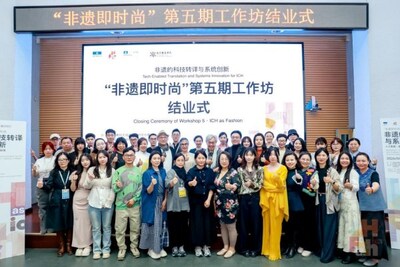
The guests and trainees took a group photo at the graduation ceremony

Focusing on the application of artificial intelligence, digital design, and cultural intelligence systems in transforming ICH into innovative fashion, the workshop featured an integrated program of forums, lectures, hands-on sessions, field visits, and group presentations. It aimed to help participants build a sustainable innovation pathway—from cultural heritage to fashion products, and from local craftsmanship to global expression. Thanks to its forward-looking curriculum and strong industry orientation, the workshop attracted more than 50 participants, including ICH practitioners, fashion professionals, and students from multiple countries.

Exploring the Future: Decoding the New Ecosystem of ICH Fashion in the Digital Age

The workshop centered on the technological empowerment of ICH and the business logic of fashion, with a strong emphasis on design, branding, and global markets. Participants attended lectures by leading scholars and industry experts.

Professor Jiang Xi of BIFT discussed cross-cultural design strategies and the diplomatic applications of ICH through the lens of state gift design. Shi Zhenhong, Managing Director of Red Dot Design Award China, analyzed international design trends and strategies for global brand expansion. Professor Ding Zhaocheng introduced the fundamentals of digital fashion, demonstrating how digital technology can breathe new life into traditional aesthetics.

Additional lectures included Yang Ming, President of the Future Institute of Integrated Media at Xinhua Net, on perception technology and fashion design; Professor Liu Kaixuan of Xi’an Polytechnic University, on fashion technology archaeology and large-scale apparel culture models; and Li Yingjun, Vice Dean of the Academy of Arts and Design at Tsinghua University, on traditional clothing philosophy and design wisdom in the digital era.

International experts also contributed valuable insights. Luo Jianjin, a trainer for UNESCO’s 2005 Convention, explored creative economy policies and the impact of technology on cultural and fashion industries. Jane Sun, fourth-generation inheritor of the century-old brand Yutaixiang, shared the aesthetics and commercial pathways of heritage fashion brands. Professor Park Jisun of Sangmyung University presented cutting-edge concepts in smart textiles and sustainable design, while Chartered Management Accountant Gou Yao provided case-based guidance on storytelling and the application of the Sustainable Development Goals.

Hands-On Innovation: Digital Intelligence Powers Fashion Co-Creation

Combining theory with practice, the workshop featured intensive Lightning Camp group sessions covering AI-assisted fashion design, user research, and fashion brand storytelling. Participants also visited the Ethnic Costume Museum of the Beijing Institute of Fashion Technology and the 798 Fashion Design Plaza, where they observed firsthand how digital technology and creative design are transforming traditional craftsmanship into contemporary fashion products with commercial potential and compelling cultural narratives.

At the closing ceremony on April 24, participants presented innovative design proposals that integrated traditional craftsmanship, fashion creativity, and modern technology. Projects featured a wide range of ICH techniques, including Puchou silk, Beijing embroidery, leather carving, split-weaving, and Wuluo silk. Their presentations demonstrated a strong awareness of fashion transformation and cross-cultural communication.

Experts including Duong Bich Hanh, Head of Culture at UNESCO’s East Asia Office, and Luo Jianjin offered feedback and presented certificates to participants.

Participant Feedback: Cross-Disciplinary Collaboration Inspires New Ideas

Participants widely praised the workshop as a dynamic platform connecting heritage, fashion, and technology. The exchange of ideas among attendees from diverse professional and cultural backgrounds generated a wealth of creative inspiration.

Many highlighted the Lightning Camp as a particularly valuable experience, enabling them to quickly master practical tools such as AI applications, digital humans, and 3D modeling for fashion design and new media communication.

Participants also noted that the “ICH Meets Fashion” theme effectively addressed the need for younger, trend-conscious approaches to heritage preservation. Through training in social media operations and visual storytelling, heritage practitioners gained practical skills to present traditional aesthetics in ways that resonate with contemporary audiences.

They emphasized that digital technology serves as a powerful tool for improving efficiency, expanding creative possibilities, and lowering barriers to communication—allowing ICH to move beyond static displays into virtual environments and three-dimensional experiences better aligned with modern market demands.

The “ICH as Fashion” workshop is part of a two-year capacity-building program jointly launched by UNESCO’s Regional Office for East Asia and partners in the cultural heritage and fashion sectors. The successful completion of this fifth workshop marks another significant milestone in advancing the fashion transformation of ICH and injects fresh momentum into global efforts to safeguard living heritage.

Asia Pacific Rayon Reinforces Regional Commitment Through Strategic Engagements in Indonesia and India

SINGAPORE – Media OutReach Newswire – 28 April 2026 – Asia Pacific Rayon (APR), a leading global manufacturer of viscose rayon, has reinforced its long-term commitment to customers in Indonesia and India through a series of targeted industry engagements.

The company recently marked its eighth consecutive participation at Indo Intertex Expo in Jakarta, where it showcased new opportunities for viscose and lyocell fibres and strengthened relationships across the textile value chain. The exhibition brought together suppliers and buyers seeking new product ideas and business opportunities, giving APR a platform to deepen collaboration and expand market connections.

Central to APR’s Jakarta presence was a showcase featuring seven partner companies spanning spinning, weaving, knitting and garment manufacturing. By presenting these partners together, APR, a member of the RGE group of companies founded by Sukanto Tanoto, demonstrated the interconnected ecosystem underpinning Indonesia’s textile sector and the shared value created through close collaboration between fibre producers and downstream manufacturers.

A highlight of the showcase was a dedicated display of lyocell fabrics designed for batik applications. Batik, the wax-resist dyeing craft recognised by UNESCO as part of Indonesia’s cultural heritage, remains central to the nation’s textile identity. Lyocell’s compatibility with traditional dyeing methods offers artisans the opportunity to combine heritage craftsmanship with modern fibre innovation.

Building on this momentum, APR continued its engagement in India through participation in the Fibers & Yarns Expo in Mumbai, one of India’s premier textile trade fairs and a vital networking platform for the country’s extensive supply chain. The event enabled APR to deepen market engagement, forge new partnerships and reconnect with a rapidly expanding customer base.

At the Mumbai exhibition, APR introduced BVF, a finer denier viscose engineered for fine count spinning applications and targeting premium segments such as high-end fashion, athleisure, intimate apparel and home textiles. The Indian market continues to present significant growth potential as manufacturers seek reliable fibre supply, consistent product quality and proactive technical support to meet evolving consumer demands both domestically and internationally.

Sachin Malik, Commercial Head, Asia Pacific Rayon, said: “In the current market scenario, success is not a solo pursuit. It is about how effectively we integrate into our customers’ reality. Our strategy in Indonesia and India demonstrates that fibre producers must align their growth with the success of customers and the wider textile value chain.”

As regional supply chains face increasing pressure to become more resilient, APR’s exhibition strategy underscores a clear message: in textiles, competitive advantage is built not through scale alone, but through trusted partnerships that deliver stability, technical expertise and shared progress.
Hashtag: #RGE #APR #viscose #rayon #Indonesia #India

The issuer is solely responsible for the content of this announcement.

About Asia Pacific Rayon

Asia Pacific Rayon (APR), based in Indonesia, is Asia’s first fully integrated viscose rayon producer, from plantation to fibre. APR, which has a capacity of 325,000 tons per year, is located in Pangkalan Kerinci, Riau Province, Indonesia. APR is committed to becoming a leading viscose staple fibre producer with the principles of sustainability, transparency and operational excellence, and serving the interests of the community, country and climate, while providing value to customers. APR is part of the RGE group of companies.

Trip.com Wins the iF DESIGN AWARD 2026 for Outstanding Inclusive Design

SINGAPORE, April 28, 2026 /PRNewswire/ — Trip.com is proud to announce that its Trip for Everyone project has been awarded the prestigious iF DESIGN AWARD 2026.


The iF DESIGN AWARD is recognised as one of the world’s most renowned design honours. Run by the independent iF Design Foundation in Germany, the award has served as a global benchmark for outstanding design excellence and impact for over 70 years.

The sought-after design accolade was awarded to Trip.com in the Branding & Communication Design discipline as part of iF DESIGN AWARD’s Apps/ Software category, recognising its innovative design and outstanding design feature of Trip for Everyone.


With a strategic shift toward Universal Design, Trip.com is providing a digital app solution that enhances the planning and booking experience for travellers with diverse physical and situational needs.


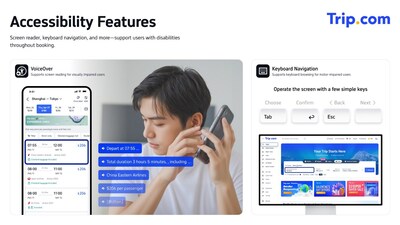
From visually impaired travellers to elderly users, Trip.com’s Trip for Everyone allows customers to plan trips and explore the world equally and autonomously. To turn this vision into reality, Trip.com upgraded its visual system with dynamic font scaling and higher colour contrast, optimised the experience for full-screen readers and keyboard navigation, and built AI-powered travel tools, such as an itinerary planner, live guide, and menu translator. Its product has helped over one million users, and 83% of users reported improved clarity.

This year’s iF DESIGN AWARD saw over 10,000 submissions from 68 countries. Winning signals Trip.com as an industry leader and Trip for Everyone as among the most outstanding designs in its field – an impressive achievement that underlines the highly competitive nature and significance of winning this award.

Further information about the Trip for Everyone can be found on the official ifdesign.com website under “Winners & iF Ranking”: Trip.com: Trip for Everyone

About Trip.com

Trip.com is an international one-stop travel service provider, available in 24 languages across 39 countries and regions in 35 local currencies. Offering an extensive hotel and flight network of more than 1.5 million hotels and flights from over 640 airlines, along with over 300,000 attraction and tour products, Trip.com covers 3,400 airports in 220 countries and regions. Trip.com‘s world-class 24/7 multilingual customer service helps to ‘create the best travel experience’ for its millions of customers worldwide. To book your next trip, visit Trip.com.

About the iF DESIGN AWARD

Since 1954, the iF DESIGN AWARD has been a globally recognized benchmark of design excellence. The iF Design brand is internationally established as a symbol of outstanding design achievement, with the iF DESIGN AWARD regarded as one of the most important design honors in the world. It honors design achievements in all disciplines: product, packaging, branding & communication, service design, architecture and interior architecture, user experience (UX), user interface (UI) and concepts. All award-winning entries are presented on ifdesign.com.

Agoda and TPO Launch MOU to Unlock Opportunities at the City Level

SINGAPORE, April 28, 2026 /PRNewswire/ — Digital travel platform Agoda has announced a partnership with the Tourism Promotion Organization for Global Cities (TPO) to unlock opportunities across its global network of member cities. The collaboration underscores a shared commitment to fostering tourism development and enhancing travel experiences.

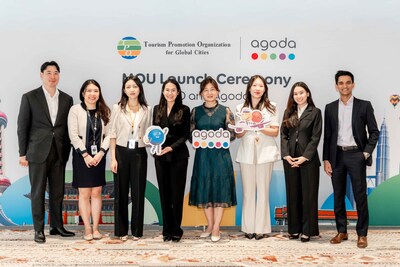
Representatives from Agoda and TPO celebrate the launch of the MOU.

Agoda and TPO are aligning their strengths through this strategic partnership, combining TPO’s intercity network with Agoda’s global travel insights. By launching a Memorandum of Understanding (MoU), the two organizations aim to support cities in transitioning from ad-hoc tourism promotion to data-informed, long-term stewardship of visitor economies. This approach positions tourism as a catalyst for urban resilience, cultural vitality, and inclusive growth.

The cooperation will focus on three key pillars: leveraging data insights for informed decision-making, developing tourism professionals through capacity-building and leadership programs, and launching destination marketing initiatives on Agoda’s platform.

Mrs. Kang Da-eun, Secretary General of the Tourism Promotion Organization for Global Cities, remarked, “This partnership represents a pivotal moment in repositioning tourism from a promotional activity to a core urban policy. Building on Agoda’s global data and platform capabilities, TPO will support its member cities in developing more sophisticated and sustainable tourism strategies.”

Mr. Damien Pfirsch, Chief Commercial Officer at Agoda, stated, “Through this collaboration, we aim to leverage our digital travel platform to bolster city-level tourism strategies across global urban destinations. We are thrilled to announce this partnership and look forward to sharing best practices to help develop the tourism ecosystem across destinations.”

The partnership with TPO complements Agoda’s offerings, which include over 6 million holiday properties, more than 130,000 flight routes, and over 300,000 activities, all of which can be combined in a single booking. For more information, visit Agoda’s website, and discover the best deals on Agoda’s mobile app.

Seminar Highlights Role of Insurance in Managing Risks in Energy and Mining Sector

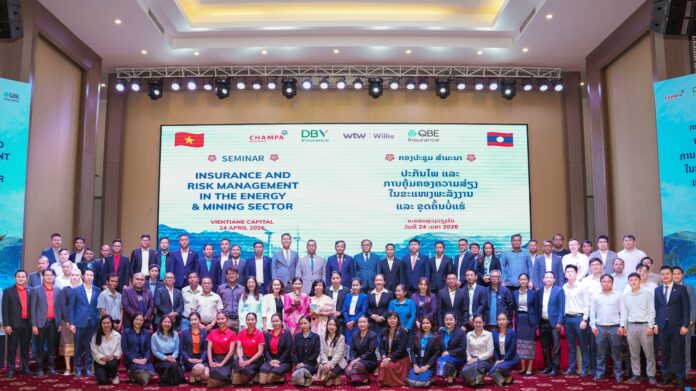
Energy and mining risk management seminar in Vientiane with regional experts and insurers
The energy and mining risk management seminar in Vientiane, Laos with regional experts and insurers from Laos and Vietnam. (Photo by Champa Insurance)

A seminar on insurance and risk management in the energy and mining sector took place on 24 April in Vientiane, bringing together officials, industry experts, and insurers from Laos and Vietnam.

Organized by Champa Insurance, the event focused on rising risks such as volatile energy prices, geopolitical tensions, climate change, and cybersecurity threats.

Discussions focused on major risks affecting the sector today, including changing energy prices, geopolitical uncertainty, climate change, and cybersecurity threats linked to new digital systems.

Speakers said that while the global insurance market for energy and mining is continuing to grow, companies should also use stronger risk management plans. This includes  combining data, new technologies, and early planning with traditional insurance.

Champa Insurance said the seminar aimed to promote knowledge sharing and stronger cooperation between stakeholders to help build a more effective and sustainable risk management system in Laos.

The event also included sessions where experts shared experiences from other countries, giving practical examples and lessons on how to manage large-scale risks in the sector.

Organizers said the seminar aimed to boost cooperation and share practical solutions to support long-term stability and sustainable development in the sector.

Lianlian DigiTech Returns to Money20/20 Asia, Expanding Its Global Payments Ecosystem

BANGKOK, April 28, 2026 /PRNewswire/ — Lianlian DigiTech, a leading global provider of digital payment services, was once again invited to participate in Money20/20 Asia, one of the world’s most influential fintech gatherings, held in Bangkok, Thailand from April 21 to 23. At the event, the company presented its latest developments in cross-border payment infrastructure, technology advancements, and ecosystem collaboration, offering a comprehensive view of its work to enhance global cross-border payment capabilities.

During the conference, Lianlian DigiTech announced a strategic partnership with UK-based fintech company USI Money to further strengthen its global cross-border payment network. The partnership will focus on cross-border remittance and foreign exchange services, combining both companies’ technological capabilities and resources to deliver a unified payment and collection solution for global businesses. The offering is built to be efficient, secure, and cost-effective, improving fund flow efficiency and streamlining foreign exchange execution.

At the same time, Mark Ma, Head of Global Banking Partnership at LianLian Global and Bryan Jiang, General Manager Hong Kong of LianLian Global, were invited to participate in themed roundtable discussions, where they shared insights drawn from industry experience and outlined new approaches to aligning fintech innovation with the global financial system.

Looking ahead, Lianlian DigiTech will continue to build on its cross-border expertise and compliance experience to further develop its AI capabilities and deepen collaboration with global partners. The company aims to extend its role beyond payment network services into broader financial infrastructure solutions. Lianlian DigiTech remains committed to serving as a trusted platform for global financial transactions in an increasingly digital environment, enabling businesses and individuals worldwide to access faster, more efficient, and seamless cross-border financial services.

Founded in 2009 and listed on the Main Board of the Hong Kong Stock Exchange in 2024 (2598.HK), Lianlian DigiTech is a China-based, globally focused digital payment company with increasingly integrated AI capabilities across its platform. Guided by its mission of “Connecting the world, Empowering global commerce,” the company focuses on developing a trusted and scalable financial infrastructure through an AI-native and global strategy. As of the end of 2025, Lianlian DigiTech has built a cross-border payment network covering more than 100 countries and regions, serving over 10.4 million customers worldwide.


Laos Inflation Rises to 10.2% in April as Fuel and Household Costs Climb

Inflation Rate Eases to 15.5% in January
Inflation in Laos climbs to 10.2% in April, with fuel and transport costs driving the increase.

Laos continues to face pressure from inflation as the inflation rate stood at 10.2 percent in April, according to the Lao Statistics Bureau.

The figure increased from 9.7 percent recorded in March, an incline from 6.2 percent in February, showing a continued rise in consumer prices.

According to the latest figures, transport recorded one of the sharpest increases at 23.7 percent compared with the same month last year. Housing, water, electricity and cooking fuel also rose by 19.4 percent.

Fuel prices have played a major role in the increase. Diesel rose from LAK 19,970 (USD 0.91) per liter in February to LAK 43,780 (USD 1.98) in April, more than doubling over the period.

Food prices increased by 4.1 percent overall. While lower than some other categories, fresh vegetables saw notable price jumps. At the same time, healthcare and medicine prices were up 13.7 percent, while education costs increased by 12.3 percent. 

Officials linked part of the increase to higher global oil prices and rising domestic fuel costs during April. When fuel becomes more expensive, transport and business costs often rise as well, which can then feed into prices across the economy.

Although inflation remains lower than the 11 to 15 percent range recorded during the same period last year, many households continue to face rising living costs, particularly for transport, utilities, and daily essentials.

Authorities said they will continue to monitor fuel prices, exchange rates, and food supply conditions closely, as these factors will shape inflation trends in the coming months.

Minimum Wage Review Underway 

To improve the situation, the government is reviewing a proposed increase to the national minimum wage.

The current minimum wage stands at LAK 2.5 million per month (USD 114.67). New proposals range from LAK 2.7 million (USD 124) to LAK 4.1 million (USD 188), depending on negotiations between government, employers, and labour representatives.

A final decision is expected after the Prime Minister’s Office confirms the proposal. If approved, the wage increase could offer some relief to workers facing higher daily living costs.

BLINDED ASSESSMENT OF ACTION3 STATISTICAL ASSUMPTIONS COMPLETE

Key Highlights:

  • An external statistical blinded review of ACTION3 data has achieved its objective by confirming that the study remains appropriately statistically powered (>90%) to demonstrate a treatment effect for the primary study endpoint of proteinuria; meaning that if DMX-200 continues to reduce proteinuria in trial patients as anticipated, then there is a >90% chance that the study will successfully show a statistically significant proteinuria treatment effect at the trial’s conclusion
  • To maximise the likelihood of a successful study outcome and regulatory success, Dimerix and its commercialisation partners will continue the ACTION3 Phase 3 Study to the final proteinuria endpoint
  • As previously announced, the FDA has agreed that proteinuria is an appropriate endpoint for full regulatory approval for DMX-200 in ACTION3
  • Evidence from the PARASOL working group, together with the recent FDA approval of an FSGS therapy in the US based on the proteinuria endpoint, further supports proteinuria as the primary study endpoint for ACTION3
  • The Company remains well positioned to continue focussing on advancing the ACTION3 Phase 3 clinical trial, as well as the advanced licensing discussions with potential partners in territories not already licensed

Study Progress:

  • The ACTION3 Phase 3 clinical trial adult cohort is fully recruited, with 333 patients; the last patient is expected to receive their last dose in March 2028[1]
  • Recruitment of pediatric patients aged 12-17 years old remains ongoing as an independent cohort in the trial, and if successful, may allow Dimerix to expand its application for DMX-200 to adolescents in key territories[1]
  • As previously reported, the ACTION3 Phase 3 study passed a formal futility analysis of the proteinuria endpoint in March 2024[2] demonstrating the drug was performing better than placebo at that point in time; and a further 7 Independent Data Monitoring Committee (IDMC) reviews to date have not identified safety issues or requested changes to the protocol.[3]

MELBOURNE, Australia, April 28, 2026 /PRNewswire/ — Dimerix Limited (ASX: DXB), a biopharmaceutical company with a Phase 3 clinical asset in kidney disease, today announced that the blinded review of ACTION3 Phase 3 study data to confirm statistical assumptions of the primary endpoint has been successfully completed. This blinded review confirms that the ACTION3 study remains appropriately statistically powered to detect the treatment effect for the proteinuria primary endpoint. Having the ACTION3 Phase 3 study with >90% statistical power for its primary endpoint means that if DMX-200 continues to reduce proteinuria in trial patients as anticipated, then there is a >90% chance that the study will successfully show a statistically significant proteinuria treatment effect at the trial’s conclusion.

Evolving FSGS landscape knowledge guides decision making

In parallel to the blinded review, Dimerix and its commercial partners assessed the changes to the Focal Segmental Glomerulosclerosis (FSGS) landscape and potential endpoints since initiation of the ACTION3 study in 2022, all of which support proteinuria as the primary endpoint. Specifically, the PARASOL working group outcomes provided evidence of proteinuria as a candidate surrogate endpoint for FSGS; FDA provided positive feedback to Dimerix confirming that the proteinuria endpoint is appropriate for the full approval of DMX-200; and, earlier this month, FDA approved a new treatment for FSGS based on proteinuria as an endpoint.

A key finding from PARASOL working group analysis was that proteinuria required smaller sample sizes and demonstrated less variability than eGFR for FSGS clinical trials and could therefore reduce risk for potential downstream marketing approval in the US. Collectively, the PARASOL working group analysis, the National Registry of Rare Kidney Diseases UK (RaDaR) analyses,[4] Kaiser Permanente analyses,[5] third party FSGS study data, and FSGS key opinion leaders all suggest that measuring proteinuria change from baseline is a far more statistically achievable endpoint for DMX‑200 than eGFR endpoints and may substantially reduce the risk for traditional approval.

Given that any application for accelerated approval based on proteinuria would likely require that the ACTION3 use an eGFR-based confirmatory endpoint, which would increase costs, lengthen study timeline and necessitate the splitting of alpha,[6] potentially reducing the probability of success for the final endpoint, Dimerix and its commercial partners have concluded that conducting an interim analysis required for an Accelerated Approval application would not now be the most strategic and optimal course for the trial.

Proteinuria as primary endpoint may substantially reduce ACTION3 execution risk

The FDA has previously confirmed that the proposed primary endpoint of percent reduction in proteinuria compared to placebo is suitable to support traditional approval of DMX-200 via the 505(b)(1) pathway, should the findings of the ACTION3 be positive, with change in eGFR as a secondary endpoint.

“The understanding of the FSGS disease and appropriate surrogate clinical endpoints has evolved significantly since the initiation of the ACTION3 study and justified a comprehensive review of all considerations. The conclusion of this review has resulted in a strategic decision being made and is a good outcome for Dimerix and our partners, as it provides much needed clarity and insights on the DMX-200 regulatory pathway in our major commercial territories. By focussing on proteinuria, it significantly reduces the clinical and commercial risk for traditional approval.

Given the successful blinded interim futility analysis in 2024, we know that DMX-200 was performing better than placebo in reducing proteinuria at that point in time, and with seven independent data monitoring committee reviews completed, we are confident that DMX-200 is well tolerated.

The outcome of this review and the decision to proceed to completion of ACTION3 to support traditional approval helps us strengthen the probability of ACTION3 success and ultimately deliver a potential new therapy for patients with FSGS while also reducing risk and adding value for Dimerix shareholders and partners.”

Dr David Fuller, Chief Medical Officer, Dimerix

“The move to having proteinuria as the ACTION3 primary endpoint for traditional approval increases the likelihood of a successful marketing approval and avoids the very real risks associated with use of eGFR endpoints. The required additional activities, cost and increased risk associated with accelerated approval would not be value generating in our view.”

Dr Jeff Castelli, Chief Development Officer, Amicus Therapeutics

About FSGS Phase 3 Study

The ACTION3 Phase 3 study is a pivotal Phase 3, multi-centre, randomised, double-blind, placebo-controlled study of the efficacy and safety of DMX-200 in patients with FSGS who are receiving a stable dose of a blood pressure medication known as an angiotensin II receptor blocker (ARB). Once the ARB dose is stable, patients are then randomised to receive either DMX-200 (120 mg capsule, twice daily) or placebo for a 2-year treatment period.

The single Phase 3 trial in FSGS patients is designed to capture evidence of proteinuria reduction and kidney function (eGFR slope) during the trial, aimed at generating sufficient evidence to support marketing approval.

Further information about the study can be found on ClinicalTrials.gov (Study Identifier: NCT05183646) or Australian New Zealand Clinical Trials Registry (ANZCTR) (Study Identifier ACTRN12622000066785).

For further information, please visit our website at www.dimerix.com or contact:

Dr Nina Webster

Dimerix Limited

Chief Executive Officer & Managing Director

Tel: +61 1300 813 321

E: investor@dimerix.com

Jane Lowe

IR Department

Tel: +61 411 117 774

E: jane.lowe@irdepartment.com.au

Follow Dimerix on LinkedIn and X

Authorised for lodgement by the Board of Dimerix

—END—

About Dimerix Limited

DMX-200 is a chemokine receptor (CCR2) antagonist administered to patients already receiving an angiotensin II type I receptor (AT1R) blocker, the standard of care treatment for hypertension and kidney disease. DMX-200 is protected by granted patents in various territories until 2032, with patent applications submitted globally that may extend patent protection to 2045, in addition to Orphan Drug Designation granted in the United States, Europe, UK and Japan[7]. For more information, please visit the company’s website at www.dimerix.com and follow on X and LinkedIn.

About FSGS

FSGS is a rare, serious kidney disorder characterised by progressive scarring (sclerosis) in parts of the glomeruli—the kidney’s filtering units. This scarring leads to proteinuria, progressive loss of kidney function, and often end-stage renal disease. FSGS is increasingly understood to have an inflammatory component, with monocyte and macrophage activation contributing to glomerular injury. In the United States, more than 40,000 people are estimated to be living with FSGS, including both adults and children.[8] There are no therapies specifically approved for FSGS in the U.S., and disease management relies on non-specific immunosuppressive and supportive therapies. In patients with progressive or treatment-resistant FSGS, the average time from diagnosis to end-stage kidney disease can be as short as five years. Even among those who undergo kidney transplantation, disease recurrence occurs in up to 60% of cases,[9] underscoring the urgent need for new, disease-modifying treatments.

Dimerix Forward Looking Statement

This release includes forward-looking statements that are subject to risks and uncertainties. Although management believes that the expectations reflected in the forward-looking statements are reasonable at this time, Dimerix can give no assurance that these expectations will prove to be correct. Readers are cautioned not to place undue reliance on forward-looking statements. Actual results could differ materially from those anticipated. Reasons may include risks associated with drug development and manufacture, risks inherent in the regulatory processes, delays in clinical trials, results of clinical trials, contractual risks, risks associated with patent protection, future capital needs or other general risks or factors, including but not limited to those factors outlined in the most recent Dimerix Limited Annual Report.

References

[1] ASX release 10 March 2026

[2] ASX release 11 March 2024,

[3] ASX release 19 November 2025

[4] RaDaR registry: https://www.ukkidney.org/audit-research/data-permissions/data/radar-database

[5] Munis M et al (2026), Real-world eligibility for FSGS clinical trials: insights from a US health system; Clinical Kidney Journal, 19(2); https:/doi.org/10.1093/ckj/sfaf377

[6] Alpha is the preset threshold to demonstrate statistical significance, often 0.05 for 2-tailed test or 0.025 for 1-tailed test; when the p value is below alpha, the result is statistically significant

[7] ASX releases: 14 December 2015, 21 November 2018, 07 June 2021, 30 September 2025

[8] Nephcure FSGS Facts (https://nephcure.org/)

[9] Front. Immunol., (July 2019) | https://doi.org/10.3389/fimmu.2019.01669