Home Blog Page 527

Lao New Year Road Accidents Leave 12 Dead, 250 Injured

Laos Reports 452 Road Accidents, 61 Deaths in August
This image is used only for representation purpose (photo credit: Lao Security News)

Lao authorities have announced the final road accident toll from the Lao New Year holiday period, which each year sees multiple fatalities and hundreds of injuries nationwide.

According to traffic police data from 14 to 16 April, a total of 149 road accidents were recorded, resulting in 12 deaths.

A further 250 people were injured, highlighting ongoing road safety risks during one of the country’s busiest travel periods.

Daily figures show that on 14 April, authorities recorded 51 accidents, with 2 deaths and 91 injuries. On 15 April, another 51 accidents were reported, with fatalities rising to 6 and 71 people injured. On 16 April, cases declined slightly to 47 accidents, with 4 deaths and 88 injuries.

Vehicle damage was also significant, with 262 vehicles involved in accidents over the three-day period.

Provincial data shows incidents occurred nationwide, with Vientiane Province recording the highest number of cases, followed by Vientiane Capital and Savannakhet. Champasak and Luang Prabang also reported notable accident figures, including several fatalities.

The figures come despite increased enforcement efforts. In Vientiane Capital, authorities deployed 561 traffic police officers across 145 checkpoints during the holiday period, conducting alcohol tests, speed checks, and enforcing helmet and seatbelt use. Officers also monitored overcrowding on public transport and managed traffic flow across key routes.

Compared to previous years, the figures show a modest improvement.

During the same period last year, 15 people were killed in over 160 accidents. In 2024, 316 accidents resulted in 33 deaths and 594 injuries.

Despite the decline, authorities say the continued loss of life highlights ongoing road safety challenges during peak holiday periods, even as enforcement measures remain in place.

BREAKTHROUGH PRIZE ANNOUNCES 2026 LAUREATES

Six $3 Million Prizes Awarded for Outstanding Discoveries in Life Sciences, Fundamental Physics and Mathematics

Gene Therapies for Inherited Blindness, Sickle Cell Disease and Beta-Thalassemia

Discovery of Key Genetic Cause of ALS and Frontotemporal Dementia

Precision Measurement of Muon’s Magnetic Moment

Advances in Mathematics of Waves and Nonlinear Systems

Special Prize for Pioneer of Theory of Strong Nuclear Force

Breakthrough Prize in Life Sciences Awarded to Jean Bennett, Katherine A. High and Albert Maguire; Stuart H. Orkin and Swee Lay Thein; Rosa Rademakers and Bryan Traynor

Breakthrough Prize in Mathematics Awarded to Frank Merle

Breakthrough Prize in Fundamental Physics Awarded to Muon g-2 Collaborations at CERN, Brookhaven National Laboratory, and Fermilab

Special Breakthrough Prize in Fundamental Physics Awarded to David J. Gross

Inaugural Vera Rubin New Frontiers Prize Awarded to Carolina Figueiredo

Six New Horizons Prizes Awarded for Early-Career Achievements in Physics and Mathematics

Three Maryam Mirzakhani New Frontiers Prizes Awarded to Women Mathematicians for Early-Career Work

Laureates to be Celebrated Tonight at Breakthrough Prize Ceremony in Los Angeles

LOS ANGELES, April 19, 2026 /PRNewswire/ — The Breakthrough Prize Foundation today announced the winners of the 2026 Breakthrough Prizes, honoring scientists whose discoveries are significantly driving growth of human knowledge. In the Life Sciences, their work has led to gene therapies for three devastating diseases – inherited blindness, sickle cell disease and beta-thalassemia, and identified a key genetic cause of two more – ALS and frontotemporal dementia. In Physics and Mathematics, they have constructed theories of the fundamental forces of nature and probed them to mind-blowing precision, and revealed deep truths about the mathematical behavior of waves.

The Breakthrough Prizes – popularly known as the “Oscars® of Science” – were created to celebrate the wonders of our scientific age. Co-founded by Sergey Brin, Priscilla Chan and Mark Zuckerberg, Julia and Yuri Milner, and Anne Wojcicki, the prizes are now in their 14th year.

This year, six Breakthrough Prizes of $3 million each were awarded. In addition, the Foundation recognized 15 early-career physicists and mathematicians, who share six $100,000 New Horizons Prizes. Three women mathematicians recently completing PhDs each receives a $50,000 Maryam Mirzakhani New Frontiers Prize.

This year’s prize money totals $18.75 million, bringing the amount conferred over the 15 years of the Breakthrough Prize to more than $340 million.

“This year’s laureates show what great science can do — deepen our understanding of the world and lead to discoveries that improve millions of lives,” said Mark Zuckerberg and Dr. Priscilla Chan, founders of Biohub. “We’re proud to recognize their work.”

“The brilliant scientists who win the Breakthrough Prize,” said Yuri Milner, co-founder of Breakthrough Prize Foundation, “Are building a cathedral of knowledge on foundations laid down by the giants who came before them. We owe our civilization – and its future – to them.”

Breakthrough Prize in Life Sciences

Jean Bennett, Katherine A. High and Albert Maguire share the Breakthrough Prize in Life Sciences. This prize recognizes work that led to the first FDA–approved gene replacement therapy. It has transformed the lives of people born with Leber congenital amaurosis, a rare inherited retinal disease that usually results in total blindness in early adulthood, enabling children who had been going blind to gain their independence, attend regular schools, play outside at night, and in some cases even qualify for driver’s licenses. The therapy replaces the defective RPE65 gene, which produces a malfunctioning version of a protein critical to the visual cycle – the process by which the retina responds to light. The husband-and-wife team of molecular biologist Bennett and ophthalmic surgeon Maguire invented and developed the therapy from first conception to an effective treatment in animal models (including restoring sight to a number of Swedish Briard dogs which they went on to adopt). In 2005, High, a physician-scientist at Children’s Hospital of Philadelphia (CHOP) invited Bennett and Maguire to collaborate on a human trial. High’s laboratory and clinical gene therapy expertise proved crucial in the development of the approved drug, including gaining regulatory approval to conduct the initial clinical trials, and in directing the production and characterization of high-quality viral vector preparations used to introduce the replacement gene. The three physician-scientists worked together to design the pivotal trial, including developing and validating a novel clinical endpoint to measure the vector’s clinical effect.

Nearly all eligible Leber congenital amaurosis patients with RPE65 mutations in the United States have now been treated, and many others around the world are now gaining access to the therapy. The benefits have proved durable, with patients treated over a decade ago maintaining stable vision improvements. More broadly, this discovery demonstrated that the technology could work safely and effectively, establishing regulatory pathways and manufacturing approaches that opened the door to gene therapy approvals for a range of genetic diseases. Since their pioneering work, hundreds of trials, including over 100 retinal gene therapy trials have been conducted, with more than half a dozen currently in late-stage clinical testing.

Stuart H. Orkin and Swee Lay Thein share the Breakthrough Prize in Life Sciences. Their research transformed the devastating blood disorders sickle cell disease and beta-thalassemia from incurable to treatable conditions through gene editing therapy.

In beta-thalassemia the body fails to produce enough healthy hemoglobin; while in sickle cell disease, defective hemoglobin causes red blood cells to become stiff, sticky and sickle-shaped. But people who produce elevated levels of fetal form of hemoglobin as adults, rather than switching entirely to adult hemoglobin, have much milder forms of the diseases. This presented a tantalizing possibility for translational medicine: genetically switching fetal hemoglobin production back on, and so mitigating disease symptoms. Thein mapped the trait of persistent fetal hemoglobin production to chromosome 2, and subsequently identified the gene BCL11A as the key genetic player. Orkin demonstrated that BCL11A functions as the master repressor of fetal hemoglobin, shutting down its production after birth, and that inactivating it restored fetal hemoglobin production in mice and eliminated sickle cell disease symptoms. His laboratory identified a specific DNA enhancer region that controls BCL11A expression itself, but crucially only in red blood cells, providing a precise and safe target for therapeutic intervention without affecting other cells.

The translation of these discoveries into a CRISPR-based gene therapy (Casgevy) that edits this enhancer region in patients’ own blood stem cells resulted in the first CRISPR-based medicine approved for any disease. This work has revolutionized treatment for sickle cell disease and beta-thalassemia, providing a potentially curative one-time therapy for conditions affecting millions worldwide.

Rosa Rademakers and Bryan Traynor independently solved a decades-old mystery in neurodegenerative disease by discovering the most common genetic cause of both amyotrophic lateral sclerosis (ALS), also known as Lou Gehrig’s disease, and frontotemporal dementia (FTD), the second leading cause of early-onset dementia. Through multi-year, international collaborations, they collected large-scale data from families where both ALS and FTD appeared together; and through painstaking genetic analysis they zeroed in on a key genetic trigger for both diseases. In 2011, their labs simultaneously identified a mutation in the C9orf72 gene. It is an expansion mutation – a repeat of the same six-letter sequence of DNA, occurring hundreds to thousands of times in affected individuals.

The discovery represents a landmark moment in the study of these diseases. This single mutation explains about a third of familial cases of both diseases in European populations, as well as more than five percent of cases in patients with no family history of the diseases. It sheds light on the disease mechanisms, pointing in particular to multiple effects of toxic RNA and proteins in brain cells. It has established ALS and FTD – previously considered two largely separate disorders – on a disease spectrum, sharing risk factors and molecular causes. And perhaps most significantly it has enabled genetic testing for affected families, and opened new pathways for the development of treatments for these currently incurable diseases – including at least two therapies currently undergoing clinical trials. While ALS and FTD remain incurable, thanks to the C9orf72 discovery they are now conditions with plausible molecular causes and promising therapeutic targets.

Breakthrough Prize in Mathematics

Frank Merle‘s work has significantly advanced the modern understanding of nonlinear evolution equations – the mathematical descriptions of how waves, fluids, and other dynamic systems change over time. His work has a particular focus on singularities: points where solutions to the equations surge to infinity. Alone and in collaborations, he has solved several fundamental problems, including proving that certain equations long thought to be well-behaved actually “blow up” – become infinite – in finite time.

Working on the soliton resolution conjecture (which predicts that any wave disturbance will eventually decompose into a set of stable, shape-preserving waves), Merle and Carlos Kenig, joined later by Thomas Duyckaerts, developed the powerful channels of energy technique coupled with the concentration compactness method. With Yvan Martel and Pierre Raphael, he revealed how singularities form in the KdV type equation (which describes various wave phenomena from shallow waves to rogue waves). Perhaps most remarkable is his work on the nonlinear version of the famous Schrödinger equation from quantum physics. In early work, he made a complete classification of all the ways this equation’s solutions can blow up. Later he proved, with Pierre Raphael, Igor Rodnianski, and Jérémie Szeftel, that the defocusing version of the equation – long believed to be inherently stable – can in fact blow up in finite time. This highly surprising result exploited an unexpected connection to fluid dynamics: it helped to resolve a major open problem, identifying smooth solutions to the compressible Euler and Navier-Stokes equations where the fluid’s density and velocity become infinite – representing a complete breakdown of the fluid description. Throughout his career, Merle’s insights have overturned fundamental assumptions in the field, forged deep connections between mathematics and physics, and opened new avenues toward some of the most celebrated unsolved problems.

Breakthrough Prize in Fundamental Physics

Across more than six decades, scientists and engineers from three “muon g-2” collaborations, representing dozens of institutions, have pushed experimental precision ever higher in pursuit of a single, very significant number: the anomalous magnetic moment of the muon. The muon is a heavy, unstable cousin of the electron, and like the electron it can behave like a tiny magnet. The physicists are looking to capture how the muon’s magnetic strength is subtly affected by the “foam” of virtual particles constantly popping in and out of empty space around it. Measuring the muon’s magnetism and comparing it to theoretical predictions allows physicists to test whether any unknown particles or forces are hidden in this foam. In other words, to probe for new physics beyond the Standard Model, our most successful theory of particles and forces.

The CERN collaboration’s pioneering storage ring experiments of the 1960s and 1970s first measured the anomalous magnetic moment with meaningful precision. Then in the 1990s, Brookhaven National Laboratory‘s reimagining of the experiment achieved a major improvement in precision. And after the audacious transportation of Brookhaven’s 50-ton, 15-meter-diameter storage ring 3,200 miles by road and barge to Fermilab in 2013, the experiment was systematically refined to achieve a final precision of 127 parts per billion – a mind-boggling 30,000 times more precise than the first g-2 experiment in 1965. The results had shown a tantalizing discrepancy with the value predicted by theory; and in 2023, Fermilab’s new results pushed that discrepancy close to the threshold considered evidence for new physics. Since then, the final, even more precise results, compared to newly evolved theoretical calculations narrowed the gap, but considerable uncertainty remains for the moment. Whatever the final verdict, this experiment represents a remarkable theoretical, experimental and technological endeavor, achieving extraordinary precision in the quest for fundamental understanding.

Special Breakthrough Prize in Fundamental Physics

David J. Gross has been a leading figure in fundamental physics for six decades. In the early 1970s, there was a gap in quantum field theory, our best theory of particles and forces. The theory could not describe or accurately predict the strong nuclear force, which holds the nucleus of the atom together. But in 1973, Gross and his graduate student Frank Wilczek (as well as, independently, David Politzer) solved the mystery. They discovered that the strong force works the opposite way to familiar forces like gravity: it gets weaker as particles approach each other, but stronger as they move apart. This explained why quarks, the particles inside the atomic nucleus, can never escape or be observed in isolation, and it enabled the development of quantum chromodynamics – the theory of the strong force and the final foundation stone of the Standard Model of particle physics.

Gross has gone on to make seminal contributions across multiple areas of theoretical physics. For example, he and his collaborators developed a simplified quantum field theory that helped explain how particles can acquire mass; and developed new theoretical approaches attempting to unify all fundamental forces, including gravity, in a single framework known as heterotic string theory.

Alongside his theoretical work, Gross has a longstanding record of leadership in the physics community, in roles including Director of the Kavli Institute for Theoretical Physics, and President of the American Physical Society. He has helped establish physics institutes in India, China, and South America. He directed the Jerusalem Winter School in Theoretical Physics and chaired the Solvay Physics Conferences for the last 25 years. In 2025 he was one of the authors of an ambitious 40-year plan for physics on behalf of the National Academies of Sciences, Engineering, and Medicine. And over the course of his career, he has been a mentor to numerous brilliant students who became leaders themselves, passing on his vision of physics as a collaborative international endeavor.

Inaugural Vera Rubin New Frontiers Prize

A new physics prize, the Vera Rubin New Frontiers Prize, will be announced during the ceremony, along with the inaugural recipient, Carolina Figueiredo, from Princeton University. One $50,000 prize is awarded this year; from 2027 there will be 3 per year.

The prize is named in tribute to the great astronomer Vera Rubin, who discovered key evidence for dark matter, and in homage to whom NVIDIA’s new chip platform is named. The new prize recognizes women physicists within two years of their PhDs who have already made important contributions to science.

Carolina Figueiredo discovered that three apparently unrelated theories — two governing nuclear particles called gluons and pions, and the third describing particles in a “toy model” that does not describe the existing world — all forbid exactly the same set of particle collisions. This was a big surprise, as the three theories are quite different, with no reason to think they are connected. Figueiredo’s discovery revealed that the common behavior reflects a single underlying geometric structure: curves drawn on surfaces, within a framework now known as surfaceology. Intriguingly, this structure makes no reference to particles moving through space and time; yet it reproduces the predictions of conventional physics far more efficiently than the traditional approach, which tracks each particle’s movement through these dimensions. Figueiredo’s work thus advances – and perhaps brings closer to the real world – a broader program to reformulate the foundations of particle physics in purely geometric terms, with spacetime as an emergent phenomenon arising from a new set of principles.

New Horizons in Physics Prize

Benjamin R. Safdi has made wide-ranging contributions to the search for the axion, a hypothetical particle that would explain a long-standing puzzle about the strong nuclear force, and could account for the mysterious dark matter that makes up 85 percent of the Universe’s mass. He has proposed ingenious new strategies for detecting axion-like particles using observations of astronomical objects, from radio emissions of neutron stars to X-rays from white dwarfs.

Clay Córdova, Thomas Dumitrescu, Shu-Heng Shao, and Yifan Wang have discovered and developed the theory of “generalized symmetries” in quantum field theory. Symmetries have long been among the most powerful tools in physics. The work of these researchers has shown that the Standard Model of particle physics, as well as other quantum field theories, possess previously unrecognised symmetry structures. Their work has opened a broad new field with applications ranging from falsifying theories beyond the Standard Model to simulating fundamental particles on a lattice.

Dillon Brout, J. Colin Hill, Mathew Madhavacheril, Maria Vincenzi, Daniel Scolnic, and W. L. Kimmy Wu have gleaned powerful new results from the two most important tools for measuring the expansion and composition of the Universe: the cosmic microwave background (CMB) radiation left over from the Big Bang, and light from exploding stars known as Type Ia supernovae. Hill, Madhavacheril, and Wu have pushed analyses of CMB data beyond previous limits, producing the most precise tests to date of the standard cosmological model as well as of gravitational lensing of the CMB – the subtle bending of light from the early Universe by the matter it passes on its way to us. Meanwhile Brout, Scolnic, and Vincenzi built and analysed the largest modern supernova datasets – including Pantheon+, now the most cited supernova analysis in cosmology – delivering tight constraints on dark energy and the rate of expansion of the cosmos.

New Horizons in Mathematics Prize

Otis Chodosh has settled several questions in differential geometry that had been open since the 1970s and 1980s. With Chao Li, he proved a central conjecture in the field concerning a broad class of higher-dimensional spaces known as “aspherical manifolds.” With Christos Mantoulidis, he resolved a key problem in geometric analysis of minimal surfaces – surfaces that locally minimise their area, like soap films.

Vesselin Dimitrov and Yunqing Tang have solved long-standing problems in number theory that had resisted all previous approaches. With Frank Calegari, they proved the “unbounded denominators conjecture,” about a fundamental class of objects known as modular forms, using methods that surprised experts in the field. Most recently, again with Calegari, they proved the irrationality of a number related to a basic infinite series – the first result of its kind since Apéry’s celebrated work forty-five years ago.

Hong Wang has resolved or made advances on a family of notoriously difficult problems in harmonic analysis – a branch of mathematics that studies functions by decomposing them into fundamental components. With Josh Zahl, she proved the Kakeya conjecture in three dimensions, one of the most famous open problems in the field: it concerns how much space is needed to rotate a needle through every possible direction.

Maryam Mirzakhani New Frontiers Prize

Amanda Hirschi has produced a number of significant papers in symplectic topology, a field studying higher-dimensional surfaces with a geometric structure that generalises the mathematics of classical mechanics. With co-authors, she developed a powerful new framework that leads to major simplifications in the foundations of Gromov-Witten theory. Anna Skorobogatova has made notable contributions in geometric measure theory, which uses techniques from analysis to tackle geometric problems such as finding surfaces of minimal area. In a series of papers with collaborators, she resolved a long-standing question about the structure of singularities of area-minimising surfaces, completing a programme that spanned over sixty years. Mingjia Zhang works on higher-dimensional objects in number theory called Shimura varieties. She provided a way to better understand the geometry of Mantovan’s celebrated “product formula” in number theory.

Citations for 2026 Laureates

2026 Breakthrough Prize in Life Sciences

Jean Bennett, University of Pennsylvania

Katherine A. High, University of Pennsylvania, Children’s Hospital of Philadelphia, and Rockefeller University
Albert Maguire, University of Pennsylvania

For developing a therapy for inherited retinal degeneration that became the first FDA-approved gene therapy for a genetic disease.

Rosa Rademakers, VIB, University of Antwerp, and Mayo Clinic
Bryan Traynor, National Institute on Aging, National Institutes of Health

For the discovery of the most common genetic cause of ALS and frontotemporal dementia which charted the path for new mechanistic studies of these diseases.

Stuart H. Orkin, Boston Children’s Hospital, Dana-Farber Cancer Institute, Harvard Medical School, and Howard Hughes Medical Institute
Swee Lay Thein, National Heart, Lung and Blood Institute, National Institutes of Health

For elucidating the mechanism driving the switch from fetal to adult hemoglobin and validating it as a therapeutic target for sickle-cell disease and beta-thalassemia.

2026 Breakthrough Prize in Mathematics

Frank Merle, CY Cergy Paris Université and Institut des Hautes Études Scientifiques

For breakthroughs in nonlinear evolution equations, with regards to their stability, singularity formation, or resolution into solitons.

2026 Breakthrough Prize in Fundamental Physics

The Muon g-2 Collaborations at CERN, Brookhaven National Laboratory, and Fermilab

For multi-decade, groundbreaking contributions to the measurement of the muon’s anomalous magnetic moment, pushing the boundaries of experimental precision and igniting a new era in the quest for physics beyond the Standard Model.

2026 Special Breakthrough Prize in Fundamental Physics

David J. Gross, Kavli Institute for Theoretical Physics, University of California, Santa Barbara

For a lifetime of groundbreaking contributions to theoretical physics, from the strong force to string theory, and for tireless advocacy for basic science worldwide.

2026 Vera Rubin New Frontiers Prize

Carolina Figueiredo, Princeton University

For contributions to the geometric structure of scattering amplitudes, revealing hidden relations among quantum field theories.

2026 Maryam Mirzakhani New Frontiers Prize

Amanda Hirschi, IMJ-PRG, Sorbonne Université

For contributions to symplectic topology.

Anna Skorobogatova, Clay Research Fellow and ETH Zürich

For contributions to geometric measure theory.

Mingjia Zhang, Princeton University and Institute for Advanced Study

For contributions to the theory of Shimura varieties.

2026 New Horizons in Mathematics Prize

Otis Chodosh, Stanford University

For contributions to differential geometry and the calculus of variations, including work on minimal surfaces and manifolds with positive scalar curvature.

Hong Wang, Institut des Hautes Études Scientifiques and New York University

For work in harmonic analysis, partial differential equations, and geometric measure theory, including the local smoothing conjecture, Furstenberg set conjecture, and the Kakeya conjecture.

Vesselin Dimitrov, Caltech
Yunqing Tang, University of California, Berkeley

For work in Diophantine geometry, including the proof of the Atkin-Swinnerton-Dyer unbounded denominators conjecture and new irrationality results for special values of Dirichlet L-series (both joint with Frank Calegari).

2026 New Horizons in Physics Prize

Benjamin R. Safdi, University of California, Berkeley

For proposing new ways to seek axion-like particles with laboratory experiments and astronomical observations.

Clay Córdova, University of Chicago
Thomas Dumitrescu, Mani L. Bhaumik Institute for Theoretical Physics, UCLA
Shu-Heng Shao, MIT
Yifan Wang, New York University

For generalizing the notion of symmetry in various ways, and for exploring the consequences of these generalized symmetries, in quantum field theory, particle physics, condensed matter physics, string theory, and quantum information theory.

Dillon Brout, Boston University
J. Colin Hill, Columbia University
Mathew Madhavacheril, University of Pennsylvania
Maria Vincenzi, University of Oxford
Daniel Scolnic, Duke University
W. L. Kimmy Wu, Caltech

For advances in cosmic microwave background and supernovae cosmology.

Videos and Photos

Assets, including headshots of this year’s winners, can be downloaded for media use here.

Images and select video from the 2026 Breakthrough Prize Gala — red carpet and ceremony — can be downloaded for media use here.

The show will premiere on YouTube on Sunday, April 26th at 3PM Eastern / 12PM Pacific.

For the 14th year, the Breakthrough Prize, renowned as the “Oscars® of Science,” recognizes the world’s top scientists. Each prize is $3 million and presented in the fields of Life Sciences, Fundamental Physics and Mathematics. In addition, up to three New Horizons in Physics Prizes, up to three New Horizons in Mathematics Prizes and up to three Maryam Mirzakhani New Frontiers Prizes are given out to early-career researchers each year. Laureates attend a gala award ceremony designed to celebrate their achievements and inspire the next generation of scientists.

The Breakthrough Prizes were founded by Sergey Brin, Priscilla Chan and Mark Zuckerberg, Julia and Yuri Milner, and Anne Wojcicki and have been sponsored by foundations established by them. Selection Committees composed of previous Breakthrough Prize laureates in each field choose the winners. Information on the Breakthrough Prize is available at breakthroughprize.org.

Huawei Cloud Strengthens Thailand’s Insurance Industry with Next-Generation Digital Technologies

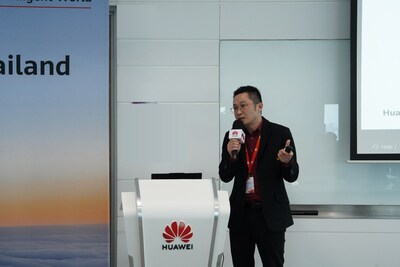
BANGKOK, April 19, 2026 /PRNewswire/ — Huawei Cloud Thailand in collaboration with The Thai Life Assurance Association, hosted an executive forum bringing together more than 30 senior executives and technology leaders from leading insurance companies. The initiative reflects Huawei Cloud’s commitment to strengthening its role as a strategic partner in advancing Thailand’s digital and AI-driven economy, supporting insurance companies in accelerating secure, flexible, and scalable digital transformation through cloud-native infrastructure, advanced database technologies, and industry-specific solutions.

The event served as a platform for industry leaders to exchange insights on the future of the insurance industry in the era of cloud and AI-driven innovation, while exploring how cloud and AI technologies can modernize core insurance systems and enhance operational stability and resilience.

Driving the Future of Digital Insurance

As the insurance industry continues to accelerate its digital transformation, insurers are under increasing pressure to modernize legacy systems in order to support real-time services, rapidly growing data volumes, and evolving customer expectations.

Huawei Insurance Day event aims to position Huawei Cloud as a Strategic Digital Transformation Partner for the insurance industry, helping insurance companies build secure, scalable, and resilient digital infrastructures that can support long-term business growth.

During the event, Huawei Cloud showcased its end-to-end capabilities for the insurance sector, including cloud infrastructure, cloud-native databases, and specialized industry solutions designed to support mission-critical insurance systems.

Key Solutions for Insurance Digital Transformation

Digital Core Insurance Solution
A modernization solution that transform insurance companies migrate from legacy system such as AS/400 systems to cloud-native architectures with A next-generation core insurance architecture that enables insurers to rapidly launch new products, enhance system flexibility, simplifying maintenance and improve overall customer experience.

GaussDB for Mission-Critical Insurance Systems
Huawei’s enterprise-grade database that has been trusted by large financial organization globally, including Thailand. GaussDB designed to support critical workloads with high reliability, security and performance across multiple data centers on Huawei Cloud.

Piyatida Itiravivongs, President of Huawei Cloud Thailand

Piyatida Itiravivongs, President of Huawei Cloud Thailand said:

“Digital transformation has become a strategic priority for the insurance industry. Huawei Cloud is committed to supporting insurers in building a strong digital service by combining cloud infrastructure, advanced database technologies, and industry-specific solutions to improve operational efficiency and deliver better customer experiences.”

Huang Hu, Solution Architect of Sinosoft

Meanwhile, Huang Hu, Solution Architect of Sinosoft, said:

“Sinosoft has extensive experience in developing technology platforms for the insurance industry. Through our collaboration with Huawei Cloud, we have successfully modernized insurance systems by adopting cloud-based architectures, helping organizations enhance the performance and stability of their core insurance platforms while supporting long-term business growth.

The success of these projects demonstrates the strong synergy between Sinosoft’s insurance technology expertise and Huawei Cloud’s advanced cloud infrastructure. We hope the experience and case studies shared at this event will provide valuable insights for insurance companies in Thailand as they accelerate their journey toward digital insurance.”

Thailand’s insurance industry is entering a new era in which digital technologies play an increasingly important role in enhancing operational efficiency and improving customer services. Forums such as this provide a valuable platform for industry stakeholders to exchange knowledge and perspectives on emerging technologies and innovations in cloud and digital infrastructure. Such knowledge sharing supports insurance companies in Thailand as they prepare for the ongoing evolution of the digital insurance landscape.

Huawei Cloud will continue to invest in cloud innovation to support the financial services and insurance sectors with secure, reliable, and scalable technologies, enabling sustainable business growth in the digital economy.

About Huawei Cloud Thailand

Huawei Cloud Thailand is a leading cloud service provider committed to accelerating Thailand’s digital transformation under the mission of “In Thailand, For Thailand.” According to the latest report from Gartner, Huawei Cloud is ranked No.2 by revenue in Thailand’s Infrastructure as a Service (IaaS) market, solidifying its position as one of the most trusted and fastest-growing international cloud providers in the country.

As the first international public cloud vendor to establish local data centers in Thailand, Huawei Cloud now operates three Availability Zones, ensuring high reliability and low-latency connectivity for local users. Leveraging Huawei’s 30-plus years of expertise in ICT infrastructure, it integrates cutting-edge Artificial Intelligence (AI), Cloud-Native 2.0, and Big Data technologies to empower over 40 government agencies and thousands of enterprises across the Kingdom. By building a robust digital ecosystem and fostering local talent, Huawei Cloud aims to drive Thailand’s “Digital Economy” forward, bringing cloud and intelligence to every corner of the country for a fully connected, intelligent future.

For more information, please visit Huawei Cloud Thailand online at
https://www.huaweicloud.com/intl/th-th/ or follow us on:
https://www.facebook.com/HuaweiCloudTH
https://www.youtube.com/@HuaweiCloudAPAC

Monash IVF Singapore Spotlights Male Factor Infertility for National Infertility Awareness Week (NIAW)


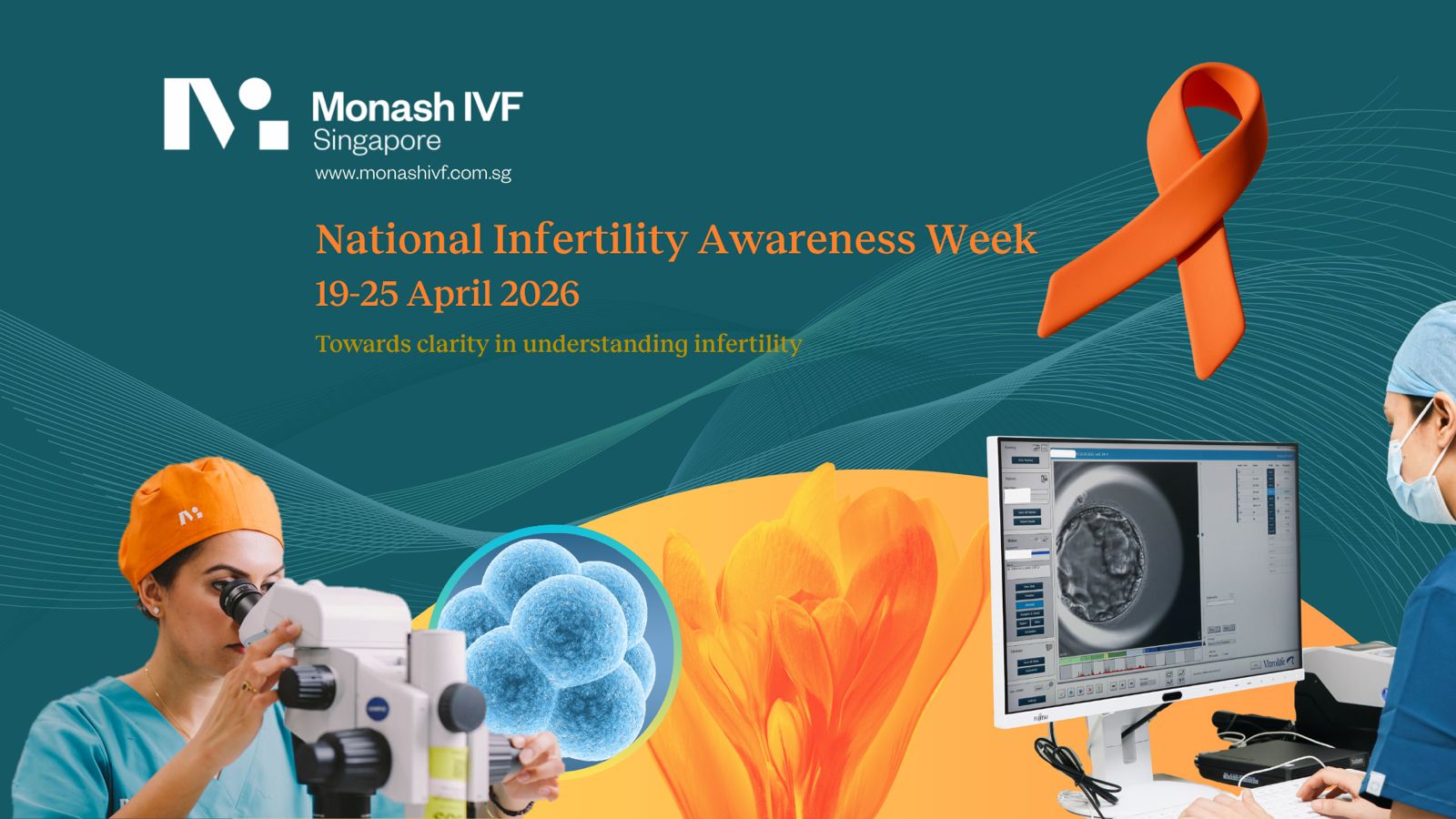
SINGAPORE – Media OutReach Newswire – 19 April 2026 – In conjunction with National Infertility Awareness Week (19–25 April 2026), Monash IVF Singapore, alongside partners like Fertility Support Singapore, is shifting the spotlight to a long-overlooked narrative: male factor infertility.

Monash IVF Singapore National Infertility Awareness Week

While fertility discussions often centre on women, statistics show that male factors contribute to approximately 50% of all infertility cases. Male factor infertility can arise from a range of factors, including low sperm count, reduced sperm motility, abnormal sperm morphology, hormonal imbalances, genetic conditions, or underlying medical issues. Lifestyle factors such as smoking, alcohol consumption, stress, and environmental exposures may also affect sperm quality over time.

Despite its prevalence, male factor infertility is often less discussed in Singapore, which can lead to delays in assessment and treatment. Early evaluation, including semen analysis and medical consultation, can help identify potential concerns and guide appropriate next steps for couples.

To support greater awareness, Monash IVF is launching a series of digital educational content aimed at de-stigmatising male reproductive health and providing actionable insights for men to take charge of their fertility. These resources will cover common causes of male infertility, when to seek medical advice, and the types of assessments and treatment options available. By making this information more accessible, the clinic aims to encourage earlier evaluation and more open conversations about male factor infertility, both within relationships and in the wider community.

As Singapore’s demographic landscape evolves, Monash IVF Singapore is contributing to broader discussions on reproductive health. With the national Total Fertility Rate (TFR) reaching a record low of 0.87 in 2025, the need for comprehensive and patient-centred fertility care continues to grow.

Understanding Modern Fertility Challenges: Beyond Biological Factors

The decline in fertility is not merely a biological hurdle but a reflection of the intense pressures that Singaporeans face today. The “workplace rat race”, high-stress environments, and environmental factors have contributed to a trend of delayed parenthood. Many individuals are choosing to start families later due to career progression, financial considerations, and evolving life priorities. At the same time, age remains a key factor, as both egg and sperm quality may decline over time.

As such, these same pressures do not just delay parenthood; they also make it more difficult for individuals to pursue fertility treatments in Singapore. Managing appointments, coping with the physical and emotional demands of treatment, and balancing work responsibilities can become an added strain for many.

“Fertility is often treated as a private struggle, but it is a societal challenge,” says June Jonet, Marketing and Business Development Head of Monash IVF Singapore. “We are calling for greater understanding and support within the workplace. Employees undergoing fertility treatments or preservation need an environment that recognises the physical and emotional toll of this journey, rather than one that penalises them for it.”

Monash IVF’s Approach to Assisted Reproductive Care

Monash IVF Singapore’s clinical and laboratory team is led by Chief Embryologist Ng Pei Hui, supported by a team of senior embryologists and Fertility Specialists, including Dr Kelly Loi, Dr Suresh Nair, and Dr Yap Lip Kee.

The clinic applies a range of established assisted reproductive techniques to enhance success rates, tailored to individual clinical needs. These include:

  • Piezo-ICSI: A fertilisation method that uses a blunt needle with high-speed vibration to gently penetrate eggs and assist sperm injection. It may be considered in cases involving fragile oocytes or advanced maternal age.
  • IMSI: A technique that uses high-magnification imaging to support sperm selection, enabling embryologists to identify and avoid sperm with morphological abnormalities, such as vacuoles.
  • PICSI: A method of biological sperm selection using hyaluronic acid to help identify mature sperm with a lower likelihood of DNA damage.
  • Embryoscope+: A time-lapse imaging system that continuously monitors embryo development without disrupting stable culture conditions, supporting the selection of embryos with strong developmental potential for transfer.

The Power of Planning: Fertility Preservation

Alongside treatment, Monash IVF Singapore highlights the importance of proactive planning. As more women and couples choose to delay parenthood, elective egg freezing (a form of fertility preservation) has become a vital tool. At the same time, early assessment of male factor infertility, including semen analysis, can identify potential concerns and help couples prepare more confidently.

“Even with the range of treatments available today, timing still matters,” says Chief Embryologist Ng Pei Hui. “Early consultation allows patients to better understand their options and make informed decisions.”

With infertility affecting approximately 1 in 6 individuals, it is now recognised as a relatively common medical condition rather than a rare exception. This is why at Monash IVF Singapore, fertility care is not only about addressing challenges as they arise but also about supporting early planning for both men and women. With options such as elective egg freezing, male fertility assessment, and fertility health checks, the clinic aims to help Singaporeans better understand their reproductive health and make informed decisions at different stages of their journey.

For more information about Monash IVF Singapore and what they do, visit their website.
Hashtag: #MonashIVF #malefertility #mensfertility #reproductivehealth #fertilityawareness #menswellness

The issuer is solely responsible for the content of this announcement.

About Monash IVF Singapore

Monash IVF Singapore is part of the global Monash IVF Group, a pioneer in reproductive medicine since achieving the world’s first IVF pregnancy in 1973. We provide a full suite of fertility services, combining compassionate patient care with the latest scientific breakthroughs.

Vipboss Marks Earth Day with Renewed Commitment to Green Energy Solutions

NEW YORK, April 19, 2026 /PRNewswire/ — As Earth Day draws global attention to environmental responsibility, Vipboss, a specialist manufacturer and developer of lithium iron phosphate (LiFePO4) battery packs for energy storage and mobility applications, is underscoring its long‑term commitment to sustainable energy practices through its Environmental Advocacy. This advocacy is devoid of ornate language; its inspiration stems from the brand’s unwavering conviction in LiFePO4 batteries as a green energy solution. To align this message with practical action, the brand is also running a themed sales campaign on its official website during April 18th to 30th. It highlights how practical product solutions, rather than abstract concepts, can support cleaner energy use in everyday life.

Vipboss is redefining energy for a greener tomorrow — this Earth Day, we continue to innovate for a cleaner and more sustainable planet.

Across the world, energy consumption patterns are undergoing rapid change. Households, outdoor users, and light‑mobility sectors are increasingly seeking energy systems that are safe, sustainable, and low‑emission. Within this shift, LiFePO4 batteries have emerged as a preferred technology for clean‑energy applications. Their long service life, high safety profile, and absence of cobalt, which is an element associated with higher environmental and ethical risks, position them as a responsible choice in the global transition toward greener power.

LiFePO4 technology forms the foundation of Vipboss’s approach to sustainable energy. Its extended cycle life reduces the frequency of battery replacement, lowering resource consumption and easing the environmental burden associated with disposal. The material’s inherent stability also minimizes the risk of thermal runaway, offering a safer experience in homes, recreational vehicles, and public environments. In practical use cases such as home backup systems, RV travel, and golf‑course operations, LiFePO4 batteries deliver efficient storage and stable output, helping reduce reliance on fossil‑fuel‑based energy sources and supporting lower‑carbon lifestyles.

Vipboss’s environmental advocacy extends beyond the technical advantages of its products. The brand promotes responsible energy use as an integral part of sustainable living, emphasizing that product design and informed application must work together to achieve meaningful environmental outcomes. As a provider of energy solutions for home, travel, and leisure scenarios, Vipboss continues to participate in the long‑term process of green transformation through ongoing technological refinement and product evolution.

Earth Day serves as a reminder that lasting environmental impact is built through small, consistent actions. Looking ahead, Vipboss will continue advancing safer, more durable, and more efficient energy products that support individuals and families in adopting more sustainable energy habits. Through these efforts, the brand aims to contribute enduring value to the wider adoption of clean energy and the collective pursuit of a more sustainable future.

About Vipboss

Vipboss is a specialist in the lithium battery industry, focusing on the research, production, and manufacturing of lithium iron phosphate (LiFePO4) battery packs. The company is committed to advancing battery technology with an emphasis on reliable performance, safety, and extended service life. Its mission is to deliver safe, efficient, and environmentally responsible energy solutions that contribute to a cleaner, more sustainable future.

For more information, please visit: https://vipbosspower.com/.

WOMEN in the Spotlight! The 2026 Yiwugo Top Boss Ladies Awards Gala Held

YIWU, China, April 18, 2026 /PRNewswire/ — Yiwugo.com, the official website of the Yiwu Commodity Market, is the largest commodity wholesale market in the world. In the bright and warm days of April, with spring in full bloom, the grand ballroom on the third floor of the Yiwu Marriott Hotel was a vibrant gathering. Outstanding female entrepreneurs from various sections of the Yiwu Market gathered in their elegant attire to share the glorious moment of the 2026 Yiwugo Top Boss Ladies Awards Gala. The selection campaign, launched on March 8, attracted thousands of female entrepreneurs from the Yiwu Market. Voting was conducted across the Yiwugo app, official WeChat accounts, and the website. The evaluation criteria continued to cover multiple dimensions, including Business Excellence and Image Excellence, aiming to fully showcase the achievements of Yiwugo’s female entrepreneurs and their enterprises in areas such as digital transformation, overseas market expansion, and global supply chain integration.

2026 Yiwugo Top Boss Ladies with General Manager Wang Jianjun

Ultimately, the title of 2026 Yiwugo Top Boss Ladies was awarded to: Fu Jiangyan (Zhangweichao Socks Firm), Xu Xiaohui (Little Bee Towels), Peng Jirong (Dongyang Jirong Plastic Industrial Co., Ltd), Li Chuanzhi (Chengfa Tableware Firm), Wang Xiaohong (Yiwu Aishang Daily Necessities Factory), Bao Qiaoli (Bole Plush Pendant Toy), Li Hong (Yiwu Hanbang Daily Necessities Firm), Wu Yajun (Ziyi Stationery Firm), Wang Chunxing (Butterfly Fly Lace Firm), and Zheng Huili (Yiwu Lihong household products Co., Ltd).

In addition, twenty other entrepreneurs, including He Wenjuan (Zhihua Jewelry Box), Jin Chengfeng (Lanmo Textile Co., Ltd), Cui Yanping (Xin Tai Yang Shower Curtain And Towel Factory), and Zhang Huoqing (Happy Sisters Plush Toy), received the Top Boss Ladies Nomination award.

“Women hold up half the sky” – nowhere is this more evident than in the Yiwu Market. To showcase the entrepreneurial spirit and “she-power” of female business owners in the market, Yiwugo launched the Top Boss Ladies Awards in 2016. To date, this campaign has been held for 11 consecutive years, becoming one of the benchmark activities in the Yiwu Market.

Over the years, driven by this campaign, participating female entrepreneurs have become increasingly active, with nearly 700 Top Boss Ladies recognized. They have not only steadfastly managed their shops but have also leveraged their unique empathy and customer insight as female entrepreneurs to drive comprehensive brand upgrades, from product innovation to communication methods, breathing new life into traditional brands in the new era.

Amid the surging digital wave, artificial intelligence is reshaping industries at unprecedented speed and scale. This year’s Top Boss Ladies winners and nominees have bravely stepped into the spotlight, keeping pace with the times, actively embracing evolving business models and technological change. By replacing experience with data, using digital platforms to break geographical boundaries, and leveraging digital intelligence to break through development bottlenecks, they are driving a transition from OEM exports to global branding.

Fu Jiangyan of Zhangweichao Socks Firm is a typical example. Having shifted from initially waiting for customers to now skillfully using AI tools and mastering live streaming and short videos, she has used the platform as a lever to swiftly move her traditional foreign trade enterprise into a new stage of digital-intelligent trade, applying new technologies and business models to enhance enterprise development.

This year marks the 20th anniversary of the introduction of the Yiwu Development Experience. Over the past two decades, the Yiwu Market has completed its iterative upgrade from market stalls to a global digital trade center. Generations of business owners have transformed from street stall vendors into modern commercial entities, achieving a deep integration of personal growth with the market’s development. Yiwugo, always in sync with the rhythm of the Yiwu Market, will continue to focus on its female entrepreneurs, constantly uncovering their vivid and dynamic stories of striving, thoughtfully documenting the journeys of these resilient women who shine in their own quiet ways, and witnessing, supporting, and accompanying their growth and success.

As a local e-commerce platform rooted in and serving the market, Yiwugo will continue to gain deeper insights into user needs, strengthen its technological capabilities, explore cutting-edge applications, and accelerate product iteration. Amid a volatile external environment, it will connect market entrepreneurs with more global resources, helping them expand into broader international markets.

JinkoSolar Officially Launches “Light Diamond” Lightweight, High-Strength Module

SHANGHAI, April 18, 2026 /PRNewswire/ — JinkoSolar, the global leading PV and ESS supplier, has officially launched a lightweight module solution specifically designed for low-load-bearing roofs—the Jinko “Light Diamond” lightweight, high-strength module, based on its Tiger Neo 3.0 technology platform.


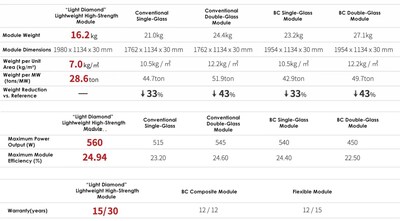
Module weight: 16.2 kg
Module dimensions: 1980 × 1134 × 30 mm
Weight density: 7 kg/m²— 40% weight reduction compared with conventional double-glass modules (12.2 kg/m²);
Maximum power: 560 W;
Maximum module efficiency: 24.94%
Applications: Suitable for older factory buildings, temporary structures, light-gauge steel roofs, power plant coal sheds, and buildings with load restrictions.

Five Key Advantages:

Advantage 1: Ultra-Lightweight with Guaranteed Strength

JinkoSolar’s “Light Diamond” lightweight, high-strength modules weigh only 7 kg per square meter, representing a weight reduction of over 40% compared to conventional double-glass modules. The total module weight for a 1 MW project is only 28.6 tons, a reduction of approximately 20 tons compared to BC double-glass modules. This means that a large number of roofs that previously required reinforcement or were unsuitable for installation can now be directly fitted with solar panels without any structural modifications.


Advantage 2: 24.94% High Efficiency—Lightweight and High-Performance

A common flaw among most lightweight modules on the market is that they prioritize weight reduction at the expense of power generation efficiency. JinkoSolar’s “Light Diamond” lightweight, high-strength modules break this trade-off.

JinkoSolar’s “Light Diamond” lightweight, high-strength modules deliver a maximum power output of 560 watts and an ultra-high efficiency of 24.94%, whereas flexible modules or BC composite modules only reach 450 to 460 watts—a single-module power increase of over 100 watts. This means a higher-capacity solar power plant can be installed on the same roof area. More importantly, the higher power output directly leads to optimized system costs: fewer modules are required, reducing Balance of System (BOS) costs for mounting structures, cables, combiner boxes, and other components; installation time is shortened, lowering labor costs; and overall BOS costs are further reduced by 3% to 5% compared to conventional lightweight solutions.

This is not a lightweight module born of compromise, but a high-efficiency module that takes performance to the next level.

 Advantage 3: Reduced Weight Without Compromising Quality—Backed by a 30-Year Power Warranty

The key concern with lightweight modules is whether their reduced weight compromises reliability. JinkoSolar’s “Light Diamond” lightweight, high-strength modules address this concern with technology and data.

In terms of structural reinforcement, the modules utilize 1.6mm lightweight glass to reduce weight while maintaining light transmittance; the frame features reinforced channel design with increased thickness, enhancing overall mechanical strength; and the encapsulation process uses reinforced adhesive film, significantly improving sealing performance, resistance to humidity and heat, and resistance to micro-cracks.

In terms of load certification, the maximum front-side load capacity is 3,600 Pa—equivalent to withstanding 3.6 meters of snow accumulation—and the module can withstand impacts from 25mm hailstones without damage. The maximum back-side load capacity is 2,400 Pa, equivalent to withstanding Category 12 winds. In the face of extreme weather, it provides a robust safety barrier.

In terms of long-term reliability metrics, the temperature coefficient is -0.26%/°C, resulting in lower power generation losses at high temperatures; the power output warranty spans 30 years, which is 12–15 years longer than that of flexible or composite modules; first-year degradation does not exceed 1%, with annual degradation of 0.35%, both of which outperform industry averages.

Advantage 4: Save Money, Time, and Effort

The lightweight design of JinkoSolar’s “Light Diamond” lightweight, high-strength modules not only reduces physical weight but also systematically optimizes total lifecycle costs.

Compared to conventional module reinforcement solutions, JinkoSolar’s “Light Diamond” lightweight, high-strength modules save approximately 0.5 yuan per watt in reinforcement costs, equivalent to a savings of about 500,000 yuan per MW. The construction period is reduced from over 40 days to 8–10 days—a 75% reduction. There is no need to halt production, thereby avoiding operational losses, and the approval process is simplified, eliminating the need for structural modification approvals.

Taking a 1 MW project as an example, the savings on reinforcement costs amount to approximately 500,000 yuan, the construction period is shortened by more than 30 days, and the avoided production downtime losses—which can reach hundreds of thousands of yuan depending on the company’s scale—significantly boost the project’s internal rate of return (IRR) and markedly shorten the payback period. For retrofit projects involving older factory buildings, the greatest advantage of Jinko’s “Light Diamond” lightweight, high-strength modules is that installation can proceed without halting production; companies can maintain normal operations while the solar power plant is installed on the roof simultaneously, ensuring both objectives are met.

Advantage 5: Strong Demand, a Blue Ocean Market

According to industry statistics, China has over 6 billion square meters of existing commercial and industrial rooftop space, with load-restricted roofs accounting for more than 30% of this total—representing a potential market of nearly 2 billion square meters. Based on an installation density of 100 watts per square meter and a system cost of 1.5 yuan per watt, the theoretical installation capacity exceeds 200 GW, with a market size surpassing 300 billion yuan.

The renovation of old factory buildings, the upgrading of cultural and creative parks, and distributed solar systems on light-gauge steel roofs—these scenarios that were previously unsuitable for installation are now becoming a new blue ocean for PV growth. Whoever can be the first to deliver truly reliable products will be able to capture this market.

Application Scenarios

1) Renovation of Old Industrial Buildings: This is the primary application scenario. Industrial buildings constructed in the last century, as well as power plant coal sheds, carports, and simple rural supermarkets, often have limited roof load-bearing capacity and structurally deteriorated roofs that cannot safely support additional weight. Jinko’s “Light Diamond” lightweight, high-strength modules can be installed without structural reinforcement and do not disrupt production during renovation, making them the preferred solution for the green retrofitting of old industrial buildings.

2) Cultural and Creative Parks and Commercial Complexes: With insufficient roof load-bearing capacity, the need to maintain operations, and aesthetic requirements, Jinko’s “Light Diamond” lightweight, high-strength modules—which are lightweight, efficient, and reliable—are a perfect fit for these scenarios.

3) Light-Gauge Steel Roofs and Color-Coated Steel Sheet Roofs: Light-gauge steel roofs, commonly used in modern industrial facilities, inherently lack sufficient load-bearing capacity. Jinko’s “Light Diamond” lightweight, high-strength modules, weighing just 7 kg per square meter, enable the installation of solar panels on these roofs.

4) Special buildings with load restrictions: Such as space frame structures, arched roofs, and agricultural greenhouses, Jinko’s “Light Diamond” lightweight, high-strength modules can easily adapt to these structures.

Three Papers Published Consecutively in Nature Energy: JinkoSolar’s Breakthroughs in TOPCon/Perovskite Tandem Technology Receive Authoritative Recognition

SHANGHAI, April 18, 2026 /PRNewswire/ — JinkoSolar, the global leading PV and ESS supplier, recently published three research papers in succession within a single month in Nature Energy, one of the premier journals in the field of energy research. This series of papers showcases JinkoSolar’s multiple major breakthroughs in TOPCon and perovskite tandem cell technologies.

26.66%! Setting a New Record for Industrial-Scale TOPCon Cell Conversion Efficiency

JinkoSolar, in collaboration with the research team from the Ningbo Institute of Materials Technology and Engineering of the Chinese Academy of Sciences, successfully developed a dual-sided electrical synergy optimization strategy. This approach achieved a certified efficiency of up to 26.66% on M10-sized silicon wafers, setting a new efficiency record for industrial-scale TOPCon cells and significantly narrowing the gap between industrial-scale TOPCon cells and the theoretical efficiency of 29.4%.

Additionally, the research reduced carrier transport losses through a high-resistance boron emitter on the front side and an optimized fine-line grid design, while the back side employs an innovative double-layer tunneling silicon oxide/polysilicon structure on the rear side to effectively suppress performance degradation caused by silver paste puncture. Furthermore, by utilizing localized polysilicon thinning technology, the research achieved outstanding performance metrics, including an open-circuit voltage of 744.6 mV, a fill factor of 85.57%, and a bifaciality of 88.3%. This achievement provides a feasible and comprehensive solution for narrowing the efficiency gap between TOPCon cells and the theoretical limit, significantly enhancing the core competitiveness of TOPCon technology in the future photovoltaic market.

Reference link: Dual-side electrical refinement enables efficient industrial tunnel oxide passivating contact silicon solar cells:
https://www.nature.com/articles/s41560-026-01982-2

Certified Efficiency of 32.73%! Paving the Way for Scalable Compatibility of Perovskite/TOPCon Tandem Cells

JinkoSolar, in collaboration with the research team from Soochow University, has successfully developed a full-size bifacial TOPCon crystalline silicon solar cell with a certified photoconversion efficiency of 26.34%. This research abandons the traditional TOPCon cell design featuring a boron-diffused emitter on the front surface. Instead, it innovatively introduces patterned n-type TOPCon finger contacts on the front surface while retaining the full-area p-type TOPCon contact on the back. By localizing the polycrystalline silicon contact area, this structure significantly reduces parasitic absorption and recombination losses on the front surface, achieving a certified efficiency of 26.34% and significantly improving the open-circuit voltage.

Furthermore, to address the issues of poor contact performance and susceptibility to metal paste corrosion in P-type TOPCon, a “polysilicon/silicon dioxide/polysilicon” double-layer composite structure was designed. Combined with optimized rear-side polishing and a specially formulated silver paste, this structure not only achieves extremely low contact resistance and recombination current but, more importantly, the ultra-thin oxide layer in the middle effectively prevents silver crystal spikes from penetrating the silicon substrate, significantly enhancing the device’s reliability and high-temperature resistance. In the future, by improving the precision of laser patterning to further narrow the finger width and introducing localized contacts on the back side to reduce the polycrystalline silicon layer thickness, parasitic absorption can be reduced, and mass production efficiency is expected to approach 27%.

Using a high-efficiency bifacial TOPCon cell with a textured front surface as the bottom cell, the research team fabricated a monolithic perovskite/TOPCon tandem cell, achieving a certified efficiency of 32.73% and a high open-circuit voltage of 1.961 V. These results not only set a new performance record for this class of tandem cells but also demonstrated excellent long-term operational stability (maintaining 80% of the initial efficiency after 2,000 hours), proving the immense potential of this TOPCon technology route in tandem applications. They also provide a scalable and industrially compatible technical pathway for the development of higher-efficiency TOPCon and perovskite/TOPCon tandem photovoltaic modules.

Reference link: Bifacial tunnel oxide passivating contacts for silicon and perovskitesilicon tandem solar cells with improved efficiency: 
https://www.nature.com/articles/s41560-026-02007-8

32.76%! Breaking Through the Efficiency Barrier for Industrial TOPCon Silicon-Based Perovskite Tandem Cells

To address the critical challenge of rapid perovskite crystallization and film quality degradation caused by the high thermal conductivity of industrial thin silicon substrates, JinkoSolar, in collaboration with the National University of Singapore and other research institutions, innovatively proposed a strategy to regulate the major organic cation (FA⁺) using a dual-mode-coupled ligand (MBT), successfully achieving effective control over crystallization kinetics. A perovskite/TOPCon tandem solar cell fabricated using this strategy was certified by the National Photovoltaic Industry Metrology and Testing Center (NPVM) with a conversion efficiency of 32.76%, approaching the current efficiency record for tandem photovoltaic cells. Additionally, the cell maintained 91% of its initial efficiency after 1,700 hours of continuous operation, demonstrating excellent long-term operational reliability.

This research is of significant importance as it achieves high efficiency (certified at 32.76%) in TOPCon silicon-back-contact cells, which hold the greatest potential for market dominance. Not only does it elevate the efficiency of perovskite/TOPCon tandem cells to new heights, but more importantly, it provides critical scientific insights and a practical pathway for integrating high-performance perovskite materials from the laboratory with market-dominant TOPCon silicon technology, marking a solid step toward the mainstream industrialization of perovskite/ crystalline silicon tandem technology toward mainstream industrialization. In the future, this strategy is expected to be combined with solution-based production processes — which offer the potential for large-scale fabrication and low costs — to drive the industrial application of these research findings.

Reference link: Additive-assisted perovskite crystallization on industrial TOPCon silicon for tandem solar cells with improved efficiency: 
https://www.nature.com/articles/s41560-026-02010-z