Home Blog Page 528

UPGroup Asia and The MasterPlan Sign Venue Partnership with METT Singapore

The strategic collaboration brings together METT Singapore’s luxury event spaces, The MasterPlan LLP’s commercial and programme expertise, and UPGroup Asia’s AVL production, technical expertise, and integrated venue operations capabilities to deliver seamless, high-impact events at scale, strengthening the venue’s position in the MICE and premium events landscape.

SINGAPORE, April 18, 2026 /PRNewswire/ — METT Singapore, UPGroup Asia, and The MasterPlan today announced a strategic partnership agreement that brings together the lifestyle hotel’s luxury event spaces with UPGroup Asia’s advanced AVL production capabilities and The MasterPlan LLP’s expertise in high-value business events. The agreement was signed on 17 April 2026 at METT Singapore, 11 Canning Walk, Singapore, during METTUP 2026, a networking event for professionals from the MICE, hospitality and events industries.

Under the partnership, UPGroup Asia joins METT Singapore as its preferred AVL partner, delivering audio, visual, lighting, and livestream production solutions for events at the venue, while activating its Venue Management Programme to elevate the venue’s event operations.

Left to right: Philipp Knuepfer (Chief Operating Officer, METT Singapore), Jasmine Ho (Founder and Managing Partner, The MasterPlan), and Adam Piperdy (Founder and Chief Experience Officer, UPGroup Asia) at the partnership signing.

“METT Singapore has the spaces and the character that corporate clients are increasingly looking for. Our role is to make sure the production side is seamless, so that the technical execution never gets in the way of the experience. Having The MasterPlan alongside us means that clients also have access to programme design and stakeholder management expertise from day one. That combination means clients have everything they need to deliver a high-quality event experience, in a venue that is already built for it.”

—  Adam Piperdy, Founder & Chief Experience Officer, UPGroup Asia

The MasterPlan, specialising in business-to-business events including conferences, seminars, product and media launches, C-level meetings, and curating customer experiences, takes on the role of preferred B2B event agency and programme partner, supporting event organisers in designing and executing programmes at METT Singapore.

“Our clients want venues that can deliver on the full promise of an event: the setting, the programme, and the production. METT Singapore gives us that setting, and working alongside UPGroup Asia means the production capability is already in place. For meeting planners and corporate clients looking for a venue that is both distinctive and operationally ready, METT Singapore delivers on both.”

— Jasmine Ho, Founder & Managing Partner, The MasterPlan LLP

The collaboration strengthens METT Singapore’s position as a destination of choice for corporate and MICE events. With UPGroup Asia’s audio, visual, and lighting solutions embedded across its event operations, METT Singapore is equipped to deliver seamless, high-impact experiences at every scale. Through The MasterPlan LLP’s enterprise client relationships and programme expertise, the venue becomes a natural destination for meeting planners, corporate clients, and premium brands seeking a distinctive address for their most important events.

“At METT Singapore, we have always believed in creating spaces that bring people together—thoughtfully designed to foster connection, engagement, and meaningful experiences. Partnering with UPGroup Asia and The MasterPlan LLP allows us to bring this vision to life, combining our environment with the production capabilities and event expertise that today’s corporate and MICE clients expect. We look forward to welcoming more organisations to experience all that METT Singapore has to offer.” 

— Marcel Li, General Manager, METT Singapore

METT Singapore is located within Fort Canning Park and is operated by Sunset Mett Sing Pte. Ltd. under the Sunset Hospitality Group. The hotel features 84 rooms and suites, a 950-square-metre Grand Ballroom and a 360-square-metre Junior Ballroom, alongside outdoor terrace spaces, offering a design-led environment for high-value corporate and luxury events.

ABOUT THE ORGANISATIONS

About UPGroup Asia

UPGroup Asia is an integrated event experience agency delivering event experiences in Singapore and Asia. Empowered by a team of creators, strategists, and experts who are deeply passionate about content, audience engagement, and event technology, UPGroup Asia delivers a complete suite of event solutions that allow event organisers to seamlessly execute award-winning event experiences. Producing hundreds of event experiences for thousands of audiences annually, UPGroup Asia is the trusted partner of both organisations and venue owners in the region.

About The MasterPlan LLP

At The MasterPlan, we specialise in the art of the B2B experience. We take the complexity of conferences, the wow moments at product launches, the prestige of CXO engagements, and the energy of brand activations, and distill them into a single, flawless execution. We cherish long-term partnerships and our clients’ brand and marketing objectives. Thus translating these understandings to great experiences and seamless execution onsite.

About METT Singapore

METT Singapore is a stylish 5-star city escape surrounded by nature that blends elegant colonial charm with contemporary soul. Nestled within the lush, historic grounds of Fort Canning Park, yet steps from Orchard Road, METT presents a destination where heritage meets high energy, social connections are celebrated, and next-generation wellness is embraced.

The iconic listed property, which celebrates its 100th anniversary this year offers 84 elegant and light-filled suites and rooms and bespoke event spaces designed to inspire unforgettable moments. At the heart of the experience is dining as a social ritual led by Michelin-starred Chef Daniele Sperindio, offering four distinctive concepts including L’Amo Bistrò del Mare, an ode to premium Italian coastal dining.

Hotel guests enjoy access to Madison House private members club, with two sparkling swimming pools, three padel and pickleball courts, a state-of-the-art fitness studio and wellness by The Longevity Suite.

MEDIA CONTACTS

UPGroup Asia
Josiah Eufemio  |  Marketing & Communications Lead  |  josiah_eufemio@upgroup.asia

The MasterPlan LLP
Laiyee Wong  |  Senior Project Manager  |  laiyee@themasterplan.com.sg

METT Singapore
Glenda Raphaela Dharma | Assistant Marketing Manager – Hotel | glenda.dharma@metthotelsandresorts.com

Antengene Presents Three Novel Programs at AACR 2026, Highlighting Next-Generation ADC and AnTenGager® TCEs

SHANGHAI and HONG KONG, April 18, 2026 /PRNewswire/ — Antengene Corporation Limited  (“Antengene”, SEHK: 6996.HK) , a leading innovative, commercial-stage global biotech company dedicated to discovering, developing and commercializing first-in-class and/or best-in-class medicines for autoimmune disease, solid tumors and hematological malignancies indications, today announced that it has released present results from three novel programs in poster presentations at the 2026 American Association for Cancer Research Annual Meeting (AACR 2026). The presentations will feature ATG-125 (B7-H3 x PD-L1 bispecific antibody-drug conjugate [ADC]), an IO + ADC dual-function molecule being developed for the treatment of solid tumors, as well as two investigational T cell engagers (TCEs) developed using the company’s proprietary AnTenGager® TCE platform, including ATG-106 (CDH6 x CD3 TCE) for ovarian and kidney cancers, and ATG-112 (ALPPL2 x CD3 TCE) for gynecological tumors, digestive system malignancies, bladder cancer and NSCLC.

Details of the Poster Presentation:
ATG-125 (B7-H3 x PD-L1 bispecific ADC)
Title: ATG-125, a novel B7H3 x PD-L1 bispecific antibody-drug conjugate, demonstrates potent antitumor efficacy by dual targeting of immune evasion and direct tumor killing
Abstract Number: 5599
Session Category: Immunology
Session Title: T Cell Engagers 2 / Antibody-Drug Conjugates 1
Date: April 21, 2026
Time: 02:00 PM – 05:00 PM (Pacific Time)
           05:00 AM, April 22, 2026 – 08:00 AM, April 22, 2026 (Beijing Time)
Location: Poster Section 8

  • Introduction: B7-H3 and PD-L1 are immune checkpoint molecules broadly overexpressed across multiple solid tumors and are associated with immune evasion and poor prognosis. Although PD-1/PD-L1-directed therapies have demonstrated clinical benefit, treatment resistance remains a significant challenge. B7-H3 is also emerging as a promising ADC target due to its broad tumor expression and rapid internalization. ATG-125 is a novel B7-H3 x PD-L1 bispecific ADC designed to combine direct tumor killing with immune activation by co-targeting two complementary tumor-associated pathways in a single molecule.
  • Results: ATG-125 bound to both B7-H3 and PD-L1 with high specificity and nanomolar affinity and demonstrated robust antigen-dependent internalization in dual-positive tumor cells, enabling efficient intracellular payload release. The molecule induced tumor cell apoptosis, while its parental naked antibody blocked PD-1/PD-L1 interaction and elicited IL-2 and IFN-γ production in mixed lymphocyte reaction assays. ATG-125 also enhanced T-cell activation, as reflected by an increased ratio of CD69+/CD3+ T cells in co-cultures of tumor cells and human PBMCs. In vivo, ATG-125 demonstrated sustained antitumor activity in HCC827 xenograft models, increased tumor infiltration of CD4+ and CD8+ T cells in PBMC-humanized models, and inhibited tumor growth in a dose-dependent manner in MC38-hB7H3 syngeneic models, accompanied by elevated intratumoral CD8+ T-cell infiltration.
  • Conclusion: ATG-125 demonstrated synergistic IO+ADC antitumor activity through a differentiated mechanism combining enhanced internalization for payload delivery with the potential to restore anti-tumor immunity. Its compelling preclinical profile supports further development for patients with solid tumors.

ATG-106 (CDH6 x CD3 TCE)
Title: ATG-106, a novel “2+1” format CDH6-targeted T-cell Engager (TCE), shows potent T cell dependent cytotoxicity and in vivo anti-tumor efficacy
Abstract Number: 1621
Session Category: Immunology
Session Title: T Cell Engagers 1
Date: April 20, 2026
Time: 09:00 AM – 12:00 PM (Pacific Time)
           00:00 AM, April 21, 2026 – 03:00 AM, April 21, 2026 (Beijing Time)
Location: Poster Section 10

  • Introduction: CDH6 plays an important role in embryonic kidney development but has negligible expression in adult kidney tissue. Its overexpression in ovarian and renal cancers, together with limited normal tissue expression, makes CDH6 an attractive therapeutic target. However, T cell engagers in solid tumors have often been limited by insufficient efficacy and the risk of cytokine release syndrome. To address these challenges, Antengene developed ATG-106, a novel “2+1”, sterically masked CDH6 x CD3 bispecific TCE designed to deliver potent antitumor activity with the potential for a reduced CRS risk profile.
  • Results: ATG-106 exhibited reduced binding affinity to CD3+ cells before CDH6 crosslinking, while inducing approximately 100- to 400-fold more potent cytotoxicity against CDH6-positive tumor cells compared with a “1+1” CrossMab control TCE. The molecule demonstrated potent T cell-dependent cytotoxicity in ovarian and renal cancer models and showed low immunogenicity risk in vitro. In PBMC-humanized 786-O kidney cancer xenograft models, ATG-106 induced tumor shrinkage in all treated mice, with complete remissions observed in the 0.1 mg/kg and 0.3 mg/kg groups. ATG-106 also induced tumor shrinkage and complete remission in PBMC-humanized OVCAR-3 ovarian cancer models. Notably, pro-inflammatory cytokine levels remained very low in treated animals, suggesting low CRS risk. In non-human primate studies, the surrogate molecule ATG-106-RM was well tolerated at doses up to 10 mg/kg.
  • Conclusion: ATG-106 demonstrated limited T cell binding in the absence of target cells, potent cytotoxicity against tumor cells, and encouraging in vivo efficacy in ovarian and kidney cancer models. Favorable safety findings with the surrogate molecule in non-human primates further support continued clinical development of ATG-106 as a CDH6-targeted TCE candidate.

ATG-112 (ALPPL2 x CD3 TCE)
Title: ATG-112, a novel ALPP/G x CD3 bispecific T cell engager, for the treatment of ALPP/G+ solid tumors
Abstract Number: 1620
Session Category: Immunology
Session Title: T Cell Engagers 1
Date: April 20, 2026
Time: 09:00 AM – 12:00 PM (Pacific Time)
           00:00 AM, April 21, 2026 – 03:00 AM, April 21, 2026 (Beijing Time)
Location: Poster Section 10

  • Introduction: Placental alkaline phosphatase and related placental-like/germ-cell isoforms, including ALPPL2 and ALPG, are aberrantly expressed in a range of solid tumors while being largely absent from normal adult tissues except the placenta, making them highly promising tumor-selective immunotherapy targets. Antengene developed ATG-112, an ALPP/G x CD3 bispecific TCE based on the AnTenGager® platform in a “2+1” format, featuring bivalent antigen binding to improve low-antigen tumor recognition and a sterically masked CD3 binding arm designed to restrict T-cell activation to the tumor microenvironment.
  • Results: Tissue microarray IHC analysis showed that ALPP/G expression was restricted to placental tissue among normal organs and was not detected in other normal tissues, while frequent expression was observed in endometrial and ovarian cancers, with lower prevalence in bladder, gastric and pancreatic cancers. ATG-112 demonstrated high binding affinity to both ALPP/G-positive tumor cells and recombinant proteins, with EC50 and KD values in the sub-nanomolar range. It induced robust T cell-dependent cytotoxicity against target-positive cells with picomolar EC50 values, while in vitro cytokine-release assays showed minimal cytokine secretion from human PBMCs. In vitro studies also demonstrated that the spatial masking effect of ATG-112 is reversible. Immunogenicity assessment showed low immunogenic potential, and in vivo ATG-112 delivered potent tumor suppression across multiple dose levels in humanized mouse models, with low cytokine release and controllable CRS risk at efficacious doses. The program also demonstrated strong developability characteristics.
  • Conclusion: ATG-112 demonstrated a compelling preclinical profile, with potent in vitro and in vivo antitumor activity and minimal cytokine release. These findings support the continued advancement of ATG-112 toward clinical development for solid tumors.

About Antengene
Antengene Corporation Limited (“Antengene”, SEHK: 6996.HK) is a global, R&D-driven, commercial-stage biotech company focused on developing first-in-class/best-in-class therapeutics for diseases with significant unmet medical needs. Its pipeline spans from preclinical to commercial stages and includes several in-house discovered programs, including ATG-022 (CLDN18.2 ADC), ATG-037 (oral CD73 inhibitor), ATG-101 (PD-L1 x 4-1BB bispecific antibody), and ATG-125 (B7-H3 × PD-L1 bispecific ADC).

Antengene has also developed AnTenGager®, a proprietary T cell engager 2.0 platform featuring “2+1” bivalent binding for low expressing targets, steric hindrance masking, and proprietary CD3 sequences with fast on/off kinetics to minimize cytokine release syndrome (CRS) and enhance efficacy. These characteristics support the platform’s broad applicability across autoimmune disease, solid tumors and hematological malignancies, with programs targeting CD19 x CD3 (ATG-201 for B cell-related autoimmune diseases; partnered with UCB), CDH6 x CD3 (ATG-106 for ovarian cancer and kidney cancer), ALPPL2 x CD3 (ATG-112 for gynecological tumors, digestive system malignancies, bladder cancer and NSCLC), LY6G6D x CD3 (ATG-110 for microsatellite-stable colorectal cancer), GPRC5D x CD3 (ATG-021 for multiple myeloma), LILRB4 x CD3 (ATG-102 for acute myeloid leukemia and chronic myelomonocytic leukemia) and FLT3 x CD3 (ATG-107 for acute myeloid leukemia).

To date, Antengene has obtained 32 investigational new drug (IND) approvals in the U.S. and Asia, and obtained new drug application (NDA) approvals in 10 Asia Pacific markets. Its lead commercial asset, XPOVIO® (selinexor), is approved in the Mainland of China, Taiwan China, Hong Kong China, Macau China, South Korea, Singapore, Malaysia, Thailand, Indonesia and Australia, and has been included in the national insurance schemes in five of these markets (Mainland of China, Taiwan China, Australia, South Korea and Singapore).

Forward-looking statements
The forward-looking statements made in this article relate only to the events or information as of the date on which the statements are made in this article. Except as required by law, we undertake no obligation to update or revise publicly any forward-looking statements, whether as a result of new information, future events or otherwise, after the date on which the statements are made or to reflect the occurrence of unanticipated events. You should read this article completely and with the understanding that our actual future results or performance may be materially different from what we expect. In this article, statements of, or references to, our intentions or those of any of our Directors or our Company are made as of the date of this article. Any of these intentions may alter in light of future development. For a further discussion of these and other factors that could cause future results to differ materially from any forward-looking statement, please see the other risks and uncertainties described in the Company’s Annual Report for the year ended December 31, 2025, and the documents subsequently submitted to the Hong Kong Stock Exchange.

For more information, please contact:

Investor Contacts: 
Donald Lung
E-mail: donald.lung@antengene.com  

BD Contacts:
Ariel Guo
E-mail: ariel.guo@antengene.com 

Akemona to Power Upcoming Tokenized Offering for Industrialized Innovation Impact Portfolio I

The initiative is designed to support the tokenization and commercialization of 100 companies formed around acquired innovation-related intellectual property.

FULLERTON, Calif., April 18, 2026 /PRNewswire/ — Akemona, Inc., a provider of tokenization and digital asset issuance infrastructure, announced today that a tokenized offering for Industrialized Innovation Impact Portfolio I LLC is now available through the Akemona platform.

FyrstGen
FyrstGen

The initiative is centered on 100 companies formed through the acquisition of innovation-related intellectual property and associated commercialization rights. Tokenization is intended to support the commercialization of these companies through a structured digital asset framework.

According to information provided to Akemona, Industrialized Innovation Impact Portfolio I is designed to offer diversified exposure to 100 early-stage companies created through FyrstGen’s Company Building as a Service (CBaaS®) model. The portfolio is structured through a special purpose vehicle and is intended to hold 50% equity positions in 100 FyrstGen companies spanning sectors such as green energy, sustainable agriculture, public health, and other innovation-driven markets.

Industrialized Innovations has stated that the portfolio is part of a broader effort to transform underutilized intellectual property into commercially oriented operating companies. The underlying companies are built and run by FyrstGen itself through its proprietary CBaaS® platform. Acting as the centralized entrepreneur, CBaaS® executes company formation, strategic planning, commercialization, scaling, and exit preparation end-to-end — eliminating founder dependency by design.

“Through our partnership with Akemona, for the first time ever, we can standardize the refinancing of innovation — a major milestone in the global rollout of our new ecosystem,” said Philipp Assmus, Chief Executive Officer of Industrialized Innovations and Fyrst Limited. Clémence Kopeikin, Chief Operating Officer at FyrstGen, added, “For too long, entire regions, communities, and brilliant minds have been excluded from value creation. We’re opening the door for those who have historically been left out of the process, all while bringing innovation to market, addressing some of the world’s biggest challenges.”

The initiative comes at a time when tokenization is receiving increased attention in the United States as policymakers and regulators work toward greater clarity for digital assets and tokenized securities. Recent developments, including the House passage of the CLARITY Act in 2025 and SEC staff guidance on tokenized securities in January 2026, have added momentum to the broader market discussion, even as the legislative process continues.

For Akemona, the project reflects how tokenization can be applied not only to individual assets but also to larger multi-company structures. Akemona’s technology is designed to support digital asset issuance, blockchain-based ownership records, investor access workflows, and smart contract-enabled transaction infrastructure.

“Tokenization is moving beyond isolated use cases and becoming a serious infrastructure layer for modern capital formation,” said Alex de Lorraine, Chief Executive Officer of Akemona. “This initiative stands out because of its scale and architecture. Bringing 100 companies into a single tokenized framework demonstrates how blockchain technology can support more structured, transparent, and efficient approaches to private market participation.”

The offering materials provided to Akemona state that the portfolio companies are derived from intellectual property sourced from universities and independent research, with an emphasis on commercial potential and real-world impact. The stated use of proceeds includes supporting commercialization infrastructure, initial product orders, and portfolio scaling activities intended to position the companies for future acquisition pathways.

Akemona provides blockchain-based infrastructure for digital asset issuance and management, helping businesses and financial institutions modernize capital formation through tokenized securities and other blockchain-native financial instruments. The company’s platform supports digital issuance workflows, investor onboarding, smart contract deployment, and ownership administration for tokenized assets.

Additional information about the offering is available through the Akemona platform at https://investors.akemona.com/offerings/impact.

Media Contact
Email: info@akemona.com

Disclaimer
This press release is provided for informational purposes only and is intended solely to notify the public about an upcoming offering expected to become available through the Akemona platform.

Akemona, Inc. is distributing this communication solely in its capacity as a technology platform provider. Akemona does not recommend or endorse any issuer, investment opportunity, or offering, and does not provide investment, legal, tax, accounting, or other professional advice. Nothing in this press release should be construed as an offer to sell, a solicitation of an offer to buy, or a recommendation to purchase, sell, or hold any security.

Any offering referenced in this communication is the responsibility of the applicable issuer and is expected to be conducted pursuant to Rule 506(c) of Regulation D, or another available exemption from registration. The securities referenced herein have not been registered under the Securities Act of 1933, as amended, or with the U.S. Securities and Exchange Commission or any state securities regulator, and may be offered and sold only to investors who are verified as accredited investors under applicable law. Such securities will be subject to restrictions on transfer and resale.

No federal or state securities regulator, including the SEC, has approved, passed upon, or endorsed the merits of any offering, or determined whether this communication is accurate or complete. Any investment decision should be made only after careful review of the applicable offering materials and in consultation with the investor’s own legal, tax, financial, accounting, and other professional advisers.

ESCMID Global: Maternal RSV vaccination cuts infant hospitalisation risk by over 80%, major UKHSA study finds

MUNICH, April 18, 2026 /PRNewswire/ — The largest real-world study of its kind, presented today at ESCMID Global 2026, shows that maternal vaccination against respiratory syncytial virus (RSV) reduces the risk of hospitalisation in young infants by over 80% when given at least two weeks before birth.

RSV is a common virus that can cause severe respiratory illness in infants and young children, including lower respiratory tract infections (LRTIs) such as bronchiolitis and pneumonia. It is a leading cause of infant hospitalisation worldwide, with early-life infection linked to potential longer-term effects including recurrent wheeze or asthma, repeat hospital admissions and impaired lung health.

In England, a national maternal RSV vaccination programme was introduced on 1 September 2024, offering the Bivalent Prefusion F vaccine to pregnant women from 28 weeks’ gestation.

To evaluate its impact on infant hospitalisations due to RSV-associated LRTI, researchers from the UK Health Security Agency (UKHSA) conducted a retrospective cohort study using linked national datasets, including NHS maternity records, immunisation data and hospital and laboratory data. The analysis included 289,399 infants born between 2 September 2024 and 24 March 2025, representing around 90% of births in England during this period.

Across the study population, 4,594 RSV-associated hospitalisations were recorded. Although infants born to unvaccinated mothers made up 55% of the total cohort, they accounted for 87.2% of hospitalisations.

In contrast, infants whose mothers were vaccinated at least 14 days before birth had a markedly lower risk of hospitalisation, with vaccine effectiveness estimated at 81.3%, relative to the unvaccinated group.

Lead author and UKHSA epidemiologist Matt Wilson commented, “As the largest study to date examining the impact of this vaccine on infant hospitalisation, these findings provide robust evidence that vaccination offers substantial protection against severe illness in young infants. We found a clear relationship between timing and protection, with effectiveness increasing as the interval between vaccination and birth lengthens, reaching close to 85% when vaccination occurs at least four weeks before delivery.”

The study also investigated outcomes in preterm infants. Vaccine effectiveness was estimated at 69.4% in preterm infants, when allowing at least 14 days between vaccination and birth.  

“These findings are particularly important for preterm infants, who are among the most vulnerable to severe RSV infection,” added Wilson. “With sufficient time between vaccination and birth, we saw good levels of protection in these babies.”

Lunit to Present Six AI Studies at AACR 2026 Highlighting Advances in Precision Oncology and Real-World Clinical Application

Lunit’s AACR 2026 presentations showed how AI-driven biomarkers can improve the efficiency of clinical workflows, uncover spatial features of the tumor microenvironment not captured by conventional methods, and enable integrated analysis to better support treatment decision-making.

SEOUL, South Korea, April 18, 2026 /PRNewswire/ — Lunit (KRX:328130), a leading provider of AI for cancer diagnostics and precision oncology, presented six studies at the American Association for Cancer Research (AACR) Annual Meeting 2026, taking place from April 17 to 22 in San Diego, California.

Lunit at AACR 2026
Lunit at AACR 2026

The presentations highlighted Lunit’s continued advancements in AI-driven biomarker development, tumor microenvironment (TME) analysis, and real-world clinical applicability. Several studies were conducted in collaboration with global partners, including Agilent Technologies.

In a study conducted with Agilent Technologies and Ajou University Medical Center, researchers used Lunit SCOPE IO and uIHC to analyze over 25,000 non-small cell lung cancer (NSCLC) samples. The results showed that tumors with high c-MET expression exhibited a significant reduction in immune cell density within 30 μm of tumor cells (p<0.001), revealing a spatial immune exclusion pattern not captured by conventional analysis. These findings suggest a potential link between c-MET overexpression and immune evasion, supporting combination strategies involving MET-targeted therapy and immunotherapy.

Researchers also present findings from an exploratory analysis of the phase II MOUNTAINEER trial, demonstrating that AI- quantified HER2 expression is strongly associated with treatment response in patients with HER2-positive metastatic colorectal cancer treated with tucatinib plus trastuzumab. The overall objective response rate (ORR) was 43.4%, increasing to as high as 80% in patients with higher HER2 expression, indicating a clearer dose-dependent relationship. Tumor-Infiltrating Lymphocyte (TIL) density independently predicted progression-free survival. Notably, patients with low stromal TIL levels showed no response (ORR 0%) and a significantly higher risk of disease progression.

These findings highlight the increasing complexity of biomarker assessment, where both tumor characteristics and immune context need to be considered, underscoring the potential role of AI in supporting treatment decision-making.

In addition to these representative studies, Lunit presented additional research abstracts at AACR 2026, further demonstrating the breadth of its AI-powered oncology research. These include studies on

  • AI-based analysis of tumor-infiltrating lymphocyte in NSCLC in collaboration with Dr. David Rimm’s lab at Yale University School of Medicine
  • AI-based target discovery for bi-specific antibodies
  • Biomarker research in CD47-targeted therapies

“Our AACR presentations reflect how AI is increasingly translating into real-world clinical impact” said Brandon Suh, CEO of Lunit. “Across these studies, we demonstrate how AI-driven biomarkers can enhance precision, deepen our understanding of tumor biology and increasingly support treatment decision-making in clinical practice.”

Visit Lunit at Booth #2248 during AACR 2026 to learn more about its latest research and AI-powered solutions in cancer diagnostics and therapeutics.

Lunit’s featured presentations at AACR 2026 include:

[Poster #0011/11] Artificial intelligence-based spatial analysis of the local tumor microenvironment in relation to c-MET expression in non-small cell lung cancer
April 19, 2:00 PM – 5:00 PM, Section 1

[Poster #7735/26] HER2 expression and tumor-infiltrating lymphocytes predict response to tucatinib plus trastuzumab in HER2-positive metastatic colorectal cancer (MOUNTAINEER): Exploratory analysis of a multicenter, Phase II trial
April 22, 9:00 AM – 12:00 PM, Section 41

[Poster #4415/23] AI-powered analysis of millions of IHC images identifies 19 spatially highly co-expressed protein pairs to enable bispecific antibody development
April 21, 9:00 AM – 12:00 PM, Section 11

[Poster #0080/11] Quantitative assessment of tumor-infiltrating lymphocytes using AI in non-small cell lung cancer and association with immunotherapy response
April 19, 2:00 PM – 5:00 PM, Section 4

[Poster #4355/26] Cryo EM-based structural characterization of IMC-002, a next-generation anti-CD47 antibody with a unique binding site and biomarker candidates, supporting evidence of enhanced safety and efficacy
April 21, 9:00 AM – 12:00 PM, Section 9

About Lunit

Founded in 2013, Lunit (KRX: 328130) is a global leader on a mission to conquer cancer through AI. Our clinically validated solutions span medical imaging, breast health, and biomarker analysis—empowering earlier detection, smarter treatment decisions, and more precise outcomes across the cancer care continuum.

Lunit offers a comprehensive suite spanning risk prediction and early detection to precision oncology. Our FDA-cleared Lunit INSIGHT Breast Suite and breast health solutions support cancer screening in thousands of medical institutions worldwide, while the Lunit SCOPE platform is used in research partnership with global pharma and laboratory leaders for biomarker research, and companion diagnostic development.

Trusted by over 10,000 sites in more than 65 countries, Lunit combines deep medical expertise with continuously evolving datasets to deliver measurable impact—for patients, clinicians, and researchers alike. Headquartered in Seoul with global offices, Lunit is driving the worldwide fight against cancer. Learn more at lunit.io.

About Lunit SCOPE

Lunit SCOPE is a suite of AI-powered software that analyzes tissue slide images for digital pathology and AI biomarker development, aiming to optimize workflow and facilitate more accurate and predictive clinical data for clinicians and researchers. Lunit SCOPE platform offers multiple AI-powered tissue analysis products and assays that can streamline digital pathology workflow and diagnostics and enhance the drug development process. Lunit SCOPE IO analyzes the tumor microenvironment (TME) based on H&E analysis and provides AI-based predictive clinical outcome information. In addition, AI-driven Immunohistochemistry (IHC) slide analysis services are offered through products such as Lunit SCOPE PD-L1, Lunit SCOPE HER2, Lunit SCOPE ER/PR, and others.


AGIBOT Unveils New Generation of Embodied AI Robots and Models, Accelerating Real-World Deployment of Physical AI

SHANGHAI, April 18, 2026 /PRNewswire/ — AGIBOT, a global leading robotics company specializing in embodied intelligence, today announced a new generation of embodied AI products and foundation models at its 2026 Partner Conference, marking a major step toward large-scale real-world deployment of physical AI. Centered on its “One Robotic Body, Three Intelligences” full-stack architecture, the company introduced four new robotic platforms and multiple AI models designed to bridge the gap between advanced intelligence and real-world productivity.

Peng Zhihui, Co-founder, President and CTO of AGIBOT, demonstrates interactive intelligence with AGIBOT X2

As large models, reliable robotic hardware, and real-world data flywheels converge, embodied AI is rapidly evolving into a new production infrastructure. Building on the industry’s shift from “showcasing capabilities” to “delivering results,” AGIBOT’s latest releases aim to accelerate this transition, from showcasing capabilities to delivering measurable outcomes across industrial, commercial, and service environments.

“Embodied intelligence is no longer a concept, it is becoming a new form of productive infrastructure,” said Peng Zhihui, Co-founder, President and CTO of AGIBOT. “We are moving embodied intelligence from laboratory curiosity to production-line reality, enabling robots to truly integrate into human workflows and create measurable value across major scenarios.”

Reliable Bodies as the Foundation of Embodied AI
AGIBOT unveiled 5 new robotic platforms designed to support diverse real-world scenarios, from entertainment and retail to industrial operations and field inspection.

AGIBOT A3: Silicon-based Stage Star
The AGIBOT A3 humanoid robot is a new generation of high-performance, highly customizable platforms designed for interactive environments. Standing 173 cm tall and weighing just 55 kg with elegant golden-ratio aesthetics, it utilizes lightweight magnesium, titanium, and TPU materials to achieve an industry-leading 0.218 kW/kg power-to-weight ratio. Equipped with 10-hour ultra-long endurance, 10-second battery swap, advanced UWB centimeter-level swarm positioning for synchronized 100-robot performances, shoulder tactile sensing, and 360° multi-array microphones, the A3 enables seamless multi-robot coordination at scale. Its enhanced interaction system with full-direction audio capture further makes it ideal for entertainment, education, and customer engagement applications.

AGIBOT G2 Air: Lightweight “Human-Machine Collaborative New Paradigm”
AGIBOT G2 Air is a compact, highly agile single-arm mobile manipulator designed for light-duty, human-in-the-loop operations. It features 7 DOF, a 3 kg payload, 750–800 mm reach, sub-800 mm width, and speeds of ≥1.5 m/s. Optimized for seamless human–robot collaboration, it improves efficiency and consistency while addressing the cost–quality challenges of manual work. Its responsiveness and rapid deployment make it well-suited for retail, hospitality, logistics, and structured industrial workflows.

AGIBOT G2 Air also unifies task execution and data collection into a single workflow. Unlike traditional approaches that separate manual operations from AI training, it enables real-time data capture during task execution. Built on a UMI-isomorphic layout, it ensures alignment between egocentric and real-machine data. With an “agile, swift, compact” design, it operates in sub-800 mm spaces with zero-radius turning, and supports a clear upgrade path from assisted operation to full autonomy, protecting investment as AI capabilities evolve.

OmniHand 3 Ultra-TFlagship of the NEW Omni 3 Series
OmniHand 3 Ultra-T represents the next-generation upgrade of the OmniHand portfolio, delivering industry-leading, human-level dexterity. It features a 22+3 DOF tendon-driven system, a lightweight 500g design, and a 10:1 load-to-weight ratio. With full-hand 3D tactile sensing, an integrated palm camera, sub-0.3s response time, and a wide wrist range (55° pitch, 40° yaw), it enables precise manipulation across industrial assembly, domestic tasks, and multi-axis operations.

Alongside the flagship, two additional products expand the lineup: the industrial-grade OmniPicker 3 gripper, with 140N force, 1,000,000-cycle durability, and modular tactile sensing; and OmniHand 3 Lite, a ruggedized dexterous hand for high-impact environments. Together, the portfolio delivers both high performance and accessible solutions across diverse real-world applications.

D2 Max: The First All-Terrain Level 3 Autonomous Quadruped Robot
AGIBOT’s next-generation flagship quadruped robot, the D2 Max, is the world’s first all‑terrain Level 3 autonomous quadruped robot, defining a new standard for AGI‑driven autonomous operation. It delivers exceptional all‑terrain performance and reliability. Designed for mission-critical scenarios, the D2 Max excels in security patrol, industrial inspection, emergency rescue, logistics, agriculture, and education, transforming traditional quadruped robots from remote‑controlled tools into highly autonomous intelligent systems.

MEgo: Body-Free Data Collection System for Scalable Physical AI
MEgo is a next-generation body-free data collection system that redefines how physical AI data is generated. By removing reliance on robotic hardware, it introduces a human-centric, “capture-as-you-go” approach, enabling operators to collect high-quality multimodal data across real-world environments, from factories to retail and homes, with significantly lower cost and greater scalability.

The system combines MEgo Gripper and MEgo View to capture synchronized vision, motion, and tactile data with high precision, and is powered by the MEgo Engine platform for automated processing, reconstruction, and annotation. Together, they form a complete end-to-end pipeline, delivering ready-to-train datasets for embodied AI at scale.

Unveiling 8 Foundational AI Models Powering 3 Pillars of Embodied Intelligence
Alongside its robotic advancements, AGIBOT introduced eight foundational AI products organized under its “One Robotic Body, Three Intelligences” architecture, spanning Locomotion Intelligence, Manipulation Intelligence, and Interactive Intelligence. Together, these models form a unified Physical AI platform that integrates motion, task execution, and human interaction into a closed-loop system driven by data, simulation, and real-world deployment.

Locomotion Intelligence
Focused on enabling robots to move with human-like fluidity and adaptability in the physical world.

  • BFM (Behavioral Foundation Model) teaches robots to imitate human movements instantly from a single demonstration or short video, delivering high stability even in noisy environments and dramatically accelerating new task deployment.
  • GCFM (Generative Control Foundation Model) turns text, audio, or video inputs into natural, context-aware robot motions in real time, allowing dynamic improvisation and adaptation across entertainment and industrial scenarios.

Manipulation Intelligence
Focused on turning high-level understanding into reliable real-world task execution and productivity.

  • AGIBOT WORLD 2026 is the open-source, production-grade real-world dataset collected from authentic industrial, logistics, home, hotel, and commercial scenarios, providing the high-quality data foundation for capable manipulation intelligence.
  • GO-2 (ViLLA Embodied Foundation Model) bridges planning and execution with Action Chain-of-Thought, enabling consistent long-horizon task performance and achieving state-of-the-art results on major benchmarks.
  • GE-2 (World Action Model) creates interactive virtual worlds for safe, high-speed strategy testing and continuous improvement.
  • Genie Sim 3.0 is the one-stop simulation platform that uses natural language to instantly generate accurate digital twins of real environments for rapid training and near-perfect sim-to-real transfer.
  • SOP (Real-World Distributed Online Learning System) allows deployed robot fleets to learn continuously from real operations, turning every task into model improvement and enabling exponential scaling.

Interactive Intelligence
Focused on natural, human-centered collaboration.

  • WITA Omni is the industry’s first robot-native end-to-end multimodal interaction model. It seamlessly fuses vision, audio, language, and action, enabling context-aware, emotionally intelligent responses with synchronized speech, gestures, and expressions, making robots intuitive partners in retail, hospitality, education, and daily life.

These eight models, tightly coupled with real-world data and simulation, form a closed-loop system that continuously evolves through deployment, moving embodied AI from isolated capabilities toward scalable, production-ready intelligence.

Full-Stack Architecture and Open Ecosystem for Scalable Deployment
Building on its “One Robotic Body, Three Intelligences” architecture, AGIBOT is extending its capabilities beyond models and hardware into a full-stack ecosystem designed to support large-scale deployment of embodied AI.

To accelerate adoption, AGIBOT continues to expand its open ecosystem through its AIMA (AI Machine Architecture) platform. This ecosystem integrates key development layers across embodied AI, including operating systems, interaction frameworks, development tools, and deployment platforms.

Core components of the AIMA ecosystem include:

  • Link-U OS: Native operating system for embodied intelligence
  • LinkSoul Platform: Persistent personality, memory, and long-term interaction engine
  • LinkCraft Platform: No-code environment for motion and behavior creation
  • Genie Studio: Full-stack development platform covering data collection, training, simulation, and deployment

Together, these platforms lower the barrier to entry for embodied AI development and enable partners across industries to build, customize, and scale applications more efficiently.

Advancing Real-World Deployment at Scale
AGIBOT emphasized that the inflection point for embodied AI lies not only in model breakthroughs, but in the ability to deploy systems reliably at scale within real-world workflows.

To support this transition, the company introduced a portfolio of production-ready solutions across key scenarios, including industrial handling, logistics sorting, retail services, security inspection, and commercial operations. These solutions are designed to integrate seamlessly into existing environments, enabling robots to deliver measurable productivity improvements.

With hundreds of robots already deployed across multiple projects and a rapidly expanding partner ecosystem, AGIBOT is advancing a new paradigm for the industry, shifting from delivering standalone robotic systems to providing outcome-driven solutions.

As embodied AI enters this next phase, AGIBOT’s integrated approach positions it at the forefront of transforming intelligent machines into a scalable, real-world productive force.

For more information, please visit AGIBOT at AGIBOT.com and follow AGIBOT on:

https://www.facebook.com/AGIBOT.zhiyuan
https://x.com/AGIBOT_zhiyuan
https://www.instagram.com/AGIBOT_
https://www.tiktok.com/@agibot_
https://www.youtube.com/@AGIBOT-robot

About AGIBOT
AGIBOT is dedicated to driving innovation through the integration of AI and robotics, creating world-leading general-purpose embodied robot products and an application ecosystem. Built on the foundation of the robotic body and powered by the fusion of interaction, manipulation, and locomotion intelligence – “1 Robotic Body, 3 Intelligence” – AGIBOT is a leading robotics company in the industry to deliver a complete product portfolio and deploy across all major application scenarios. In March 2026, AGIBOT announced the rollout of its 10,000th robot, marking a major milestone in large-scale production and deployment.

AGIBOT Declares 2026 “Deployment Year One” at APC 2026, Accelerating the Era of Embodied AI Productivity

SHANGHAI, April 18, 2026 /PRNewswire/ — AGIBOT today outlined its long-term strategic vision for embodied intelligence at the AGIBOT Partner Conference (APC) 2026, declaring 2026 as the first year of large-scale commercial deployment of physical AI systems delivering measurable productivity gains.

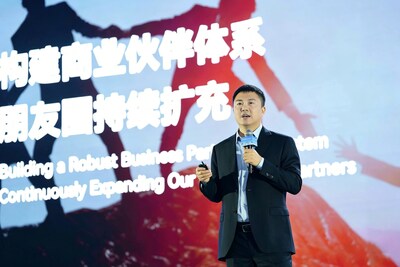
Edward Deng, Founder, Chairman and CEO of AGIBOT, speaks on stage at APC 2026

Building on three years of rapid evolution, from R&D to mass production to commercialization, AGIBOT highlighted a fundamental industry transition: artificial intelligence is moving beyond digital cognition into real-world execution. As embodied systems begin to operate reliably in physical environments, the industry is entering a critical phase where scalable deployment and tangible productivity value are becoming achievable at scale. Against this backdrop, AGIBOT is positioning itself as a key architect of the emerging Physical AI ecosystem.

“The industry is moving from proving what robots can do, to proving what value they can consistently deliver at scale,” said Edward Deng, Founder, Chairman and CEO of AGIBOT. “At AGIBOT, we focus on making embodied intelligence deployable, combining motion, interaction, and manipulation intelligence into one system that can operate under real-world constraints. Our goal is not just to build capable robotic machines, but to turn them into reliable units of productivity that can be scaled across industries.”

A Full-Series Portfolio Built on a Unified Physical Intelligence Architecture
At APC 2026, AGIBOT unveiled its latest technological architecture at APC 2026, positioning itself as the only company to offer a full-series, full-scenario lineup spanning humanoids, wheeled platforms, and multi-form robots across different sizes and applications.

At the core of this portfolio is AGIBOT’s “One Robotic Body with Three Intelligences” framework, an engineering-ready paradigm that integrates motion, interaction, and operation intelligence into a unified system. Within this architecture, the robotic body serves not only as the physical carrier of intelligence, but also as the critical interface to the real world, where perception, decision-making, and execution must operate under real physical constraints such as force, precision, timing, and safety. This tight coupling between intelligence and embodiment enables robots to move beyond isolated capabilities toward full-domain generalization in complex environments.

Supported by one of the most comprehensive full-stack technology systems in embodied AI, spanning both “brain” and “body”, and reinforced by industry-leading mass production capabilities, AGIBOT continues to iterate its product lineup while systematically scaling deployment across increasingly complex real-world scenarios.

The XYZ Framework for Embodied Intelligence
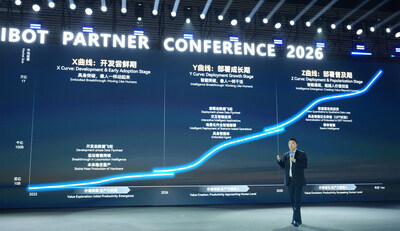
At APC 2026, AGIBOT introduced a clear XYZ-curve framework to define the development trajectory of the embodied intelligence industry.

  • The X curve (2022–2026) represents the development and early adoption stage, where foundational breakthroughs enabled robots to achieve human-like movement. This stage is characterized by a development-state data flywheel, rapid advances in motion intelligence, and the stabilization of robotic hardware for mass production.
  • The Y curve (2026–2030) marks the deployment growth stage, where the focus shifts from capability validation to large-scale value creation. In this stage, productivity begins to approach human levels, driven by a deployment-state data flywheel, the scaling of interaction intelligence, and the scenario-based deployment of operation intelligence, leading to the emergence of embodied agents capable of executing real tasks.
  • Looking ahead, the Z curve (2030 onward) represents the deployment and popularization stage, where intelligence evolves from quantitative accumulation to qualitative breakthroughs. Generalization capabilities expand significantly, collective intelligence emerges, and robots begin to surpass human productivity in selected domains.

With 2026 declared as “Deployment Year One,” AGIBOT is formally transitioning the industry into the era of measurable productivity. This milestone is underscored by the company’s announcement of the rollout of its 10,000th robot as of March 2026, reflecting both manufacturing scale and accelerating real-world adoption. Combined with rapid revenue growth, AGIBOT has established itself as one of the fastest-scaling embodied AI companies globally.

Seven Standardized Solutions Driving Real-World Adoption
To accelerate commercialization, AGIBOT introduced seven standardized productivity solutions targeting high-value industry scenarios: loading and unloading, industrial handling, logistics sorting, guidance and retail assistance, retail service stations, security patrol, and industrial & commercial cleaning. Each solution integrates hardware, AI models, and data systems into a unified, repeatable deployment package, enabling faster rollout cycles and lower integration complexity. Unlike traditional robotics deployments that rely heavily on customization, AGIBOT’s approach emphasizes modularity, scalability, and measurable ROI.

Backed by real-world deployments across manufacturing, logistics, retail, and public infrastructure, these solutions have demonstrated quantifiable impact, from improved efficiency and precision to reduced labor costs and enhanced service capabilities. This solution-driven model marks a critical step in transitioning embodied AI from pilot projects to scalable productivity infrastructure.

Launching AIMA, A Full-Stack Open Architecture for Embodied AI
Reinforcing its role as an ecosystem builder, AGIBOT also announced the launch of AIMA (AI Machine Architecture), the industry’s first complete open technology system for embodied intelligence. Designed as a “1+3+X” architecture, AIMA consists of a unified robot operating system (Link-U OS), three core development platforms – LinkCraft for motion creation, LinkSoul for interaction design, and Genie Studio for task development – and an extensible ecosystem layer supporting a wide range of applications. The “X” represents the AGIBOT Embodied Agent Framework, enabling deployment across commercial, industrial, and home scenarios, while supporting developers and ecosystem partners.

This full-stack architecture provides an end-to-end toolchain, from low-level system control to high-level application development, significantly reducing the complexity and cost of building embodied AI solutions. Through continuous open-sourcing and platform expansion, AGIBOT has already attracted a rapidly growing global community of developers and partners, laying the foundation for scalable ecosystem innovation.

Building a Global Ecosystem for the Next Phase of Productivity
Over the next five years, AGIBOT plans to invest more than RMB 2 billion to expand its ecosystem, working alongside leading universities, industry partners, and developers to build a globally competitive embodied AI infrastructure. AGIBOT also aims to support thousands of partners and cultivate a large-scale developer community, driving both technological innovation and commercial adoption. Looking toward 2030, AGIBOT envisions embodied intelligence reaching the stage of widespread adoption, unlocking trillion-scale market potential and enabling robots to become a fundamental layer of productivity across industries.

By aligning technology, ecosystem, and commercial deployment, AGIBOT aims to usher in a new era of embodied AI-driven productivity.

For more information, please visit AGIBOT at AGIBOT.com and follow AGIBOT on:

https://www.facebook.com/AGIBOT.zhiyuan
https://x.com/AGIBOT_zhiyuan
https://www.instagram.com/AGIBOT_
https://www.tiktok.com/@agibot_
https://www.youtube.com/@AGIBOT-robot

About AGIBOT
AGIBOT is dedicated to driving innovation through the integration of AI and robotics, creating world-leading general-purpose embodied robot products and an application ecosystem. Built on the foundation of the robotic body and powered by the fusion of interaction, manipulation, and locomotion intelligence – “1 Robotic Body, 3 Intelligence” – AGIBOT is a leading robotics company in the industry to deliver a complete product portfolio and deploy across all major application scenarios. In March 2026, AGIBOT announced the rollout of its 10,000th robot, marking a major milestone in large-scale production and deployment.


AGIBOT unveils its Embodied Intelligence XYZ Curve

OCI Global Publishes Notice of Annual General Meeting 2026

AMSTERDAM, April 18, 2026 /PRNewswire/ — OCI Global (Euronext: OCI) (“OCI” or the “Company”) today announces that it has published the notice and agenda for its Annual General Meeting (“AGM”), to be held on 2 June 2026.

Among other items, shareholders will be asked to vote on the proposed appointment of Mr Robert Jan van de Kraats as Executive Director of OCI N.V. for a term of one year. The proposal follows the previously announced planned transition of Mr Nassef Sawiris from his role as Executive Chair of OCI N.V. to a non-executive director position at the conclusion of the AGM.

Further information on the proposed appointment, including remuneration arrangements, is set out in the AGM explanatory notes, which are available together with the AGM agenda and related materials at www.oci-global.com.

This press release contains information within the meaning of Article 7(1) of the EU Market Abuse Regulation.

About OCI Global

Learn more about OCI at www.oci-global.com. You can also follow OCI on LinkedIn.