

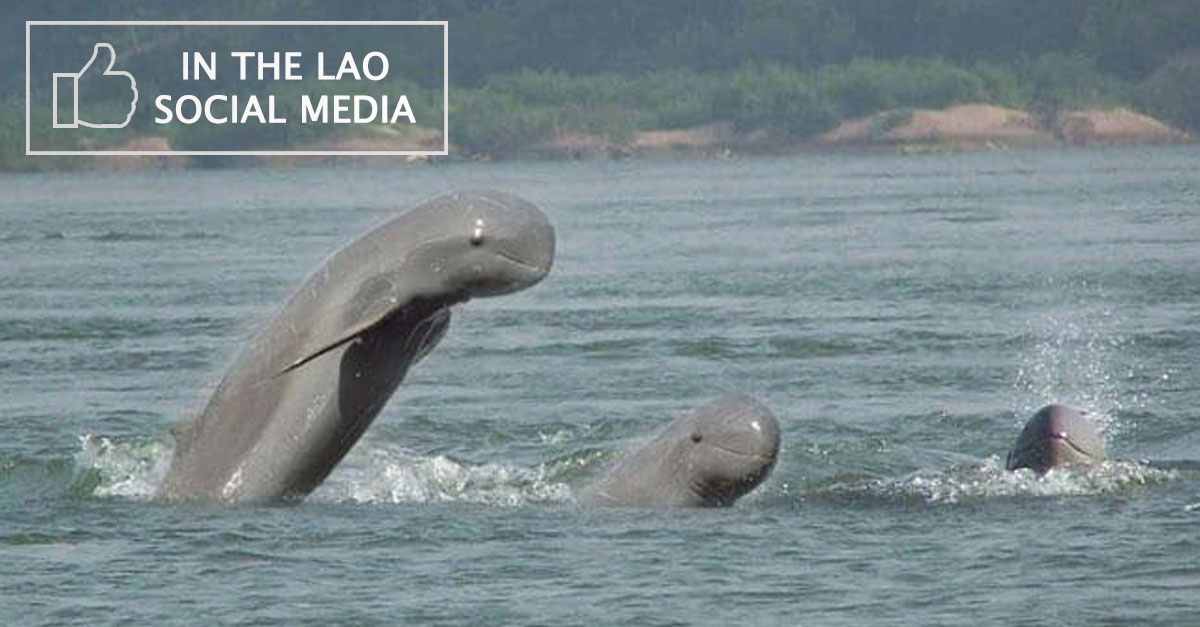
Dolphins, elephants, and counterfeit notes dominated the Lao social media landscape this week, as well as a pair of metal flip-flops, and an honest stranger who faced the music after scratching someone’s car.
Lao People Are Paying Too Much For Rice
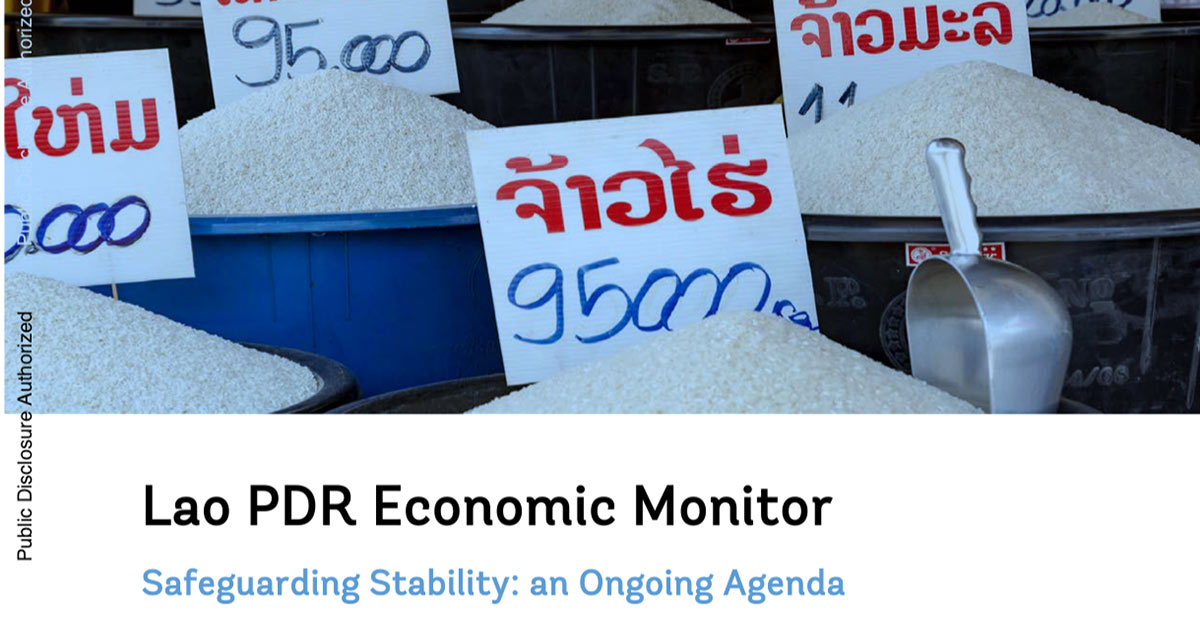
Lao people are paying some of the highest prices for rice in the region despite the country being a significant rice producer, according to the recently released World Bank Economic Monitor on Laos.
Rice is the country’s biggest agricultural commodity. The crop covers about 75% of arable land in the country and 90% of production is glutinous rice (also known as sticky rice).
The production meets 95% of domestic consumption along with 70% of Lao households’ caloric and protein intakes.
However, Lao rice is not competitive in foreign markets with only 5% being exported, mainly to the neighboring countries of China and Vietnam.
The retail price for second grade rice in Vientiane Capital is about US$0.85 per kilogram, the highest among countries in the region.
The World Bank analysis suggests that farmers have comparatively low profit margins, while consumers are paying one of the highest prices for rice in the region.
Key challenges for Lao rice value chains include production costs, accounting for 29% of the final consumer price, the relatively high cost of hired labor, a lack of mechanization and low yields.
Improvements will depend on more productive partnerships between farmers and millers as well as more streamlined business regulations, improved public services to enhance rice commercialization, and better access to finance. These efforts will reduce farm production costs and increase the quality of rice, addressing some of the sector’s key challenges, said the report.
To download the full World Bank Economic Report on Laos, click here.
Sources: World Bank Economic Report, Vientiane Times, Xinhua, VietnamPlus
FIFA 2018 Fans Must Legally Watch Games Only Through Exclusive Media Right Owner TVLAO
Restaurants, beer gardens and other entertainment venues that have the intention of publicly broadcasting the FIFA 2018 matches to their guests and customers are required to pay licensing fees in the amount of 5,000,000 kip (approximately US$595) to TVLAO, the sole company granted the exclusive right to broadcast the FIFA 2018 Games in Laos.
The Ministry of Information, Culture and Tourism (MOICT) has issued a notice stating that all commercial venues that wish to display FIFA 2018 football games at their sites may not do so from any other broadcasting company or source other than TVLAO.
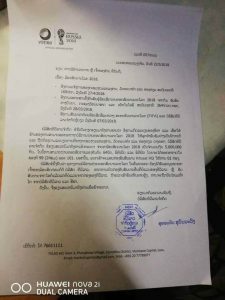
Furthermore, TVLAO has issued its own statement to all football enthusiasts in Laos, including individuals watching for personal entertainment, that they would be fined if they were found to be watching the FIFA 2018 games from other cable box devices other than the one provided by TVLAO.
Source: Laopost
World Bank Economic Report: Formal Vs. Informal Financial Services
A World Bank report released last week reports that “informal” financial services continue to play an important role in the lending sector in Laos despite the fervent growth of legal micro-finance institutions (MFIs) around the country.
According to the report, which employs data garnered from Lao authorities, the legal micro-finance sector saw rapid expansion around the country. The total assets of MFIs in Laos reached US$450 million by the middle of last year. This figure marked an 11 percent increase over the same period last year, accounting for about 3% of the country’s GDP.
The World Bank also mentioned that the proportion of Lao adults using at least one regulated financial service was 47% in 2014, higher than Myanmar (at 30%), but lower than Nepal (at 61%) during the same year. It is surprising, however, to note that despite the growth of banking and non-banking institutions in Laos, informal financial services continue to play a key role in lending money to a significant proportion of the population. The reported number of adults using unregulated financial services was as high as 60% in 2014, compared to 33% in Myanmar and 21% in Nepal.
The World Bank report further noted that the interest rates offered by informal finance services in Laos were higher than those of formal financial institutions. However, this has not discouraged people from using their services. The strength of informal financial services was that they imposed fewer procedural requirements (as opposed to formal banks and MFIs).
Lao officials admit that one of the primary concerns for businesses seeking access to business expansion capital was the unnecessarily high number of processes they have to undertake in order to apply for commercial loans.
The Lao government has promised to streamline the loan approval process to help businesses access funds to invest in and to expand their businesses.
The Governor of the Bank of the Laos, Somphao Phaysith, said that the central bank is borrowing US$300 million to boost the expansion of SMEs. Some observers note that massive injection of funds into the micro-economic sector may help Laos handle the issue of informal financial services.
The Lao Economic Monitor is published twice yearly by the World Bank office in Laos.
To download the report, click here.
Source: Vientiane Times
Laos’ Biggest Ever Sticky Rice Basket Presented by Inthira Group
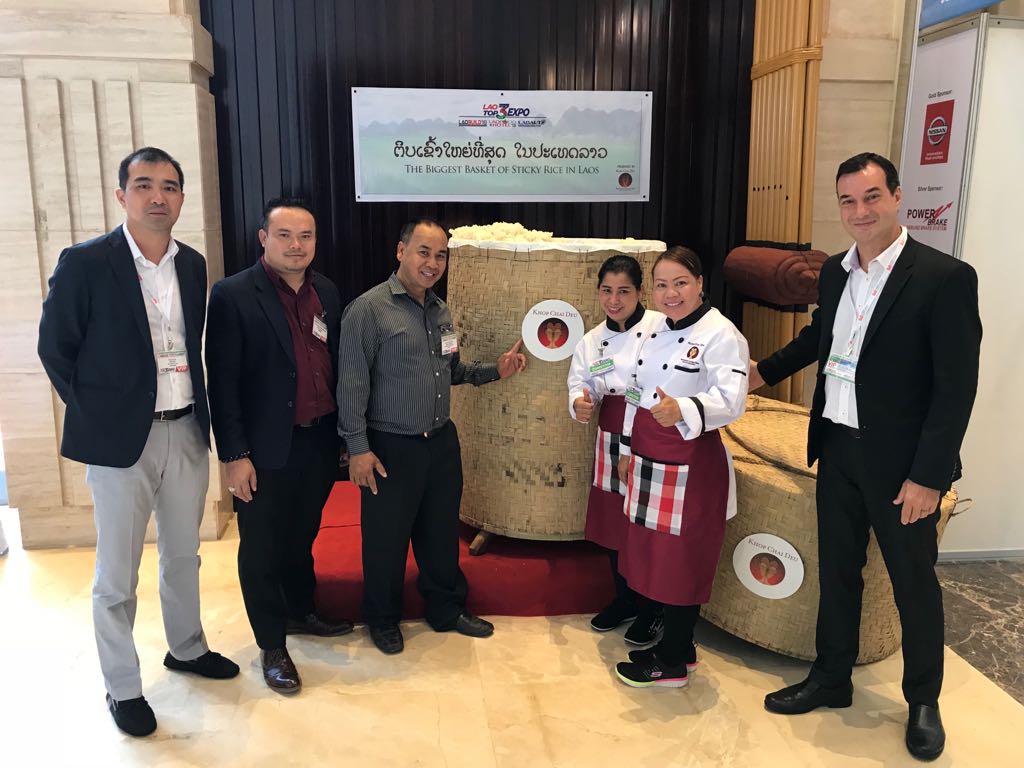
Inthira Hotels & Restaurants presented Laos’ biggest ever basket of sticky rice (khao niao) at the opening of LAOFOOD 2018 Exhibition, held at the National Convention Centre in Vientiane from 7-9 July, while also taking home honors at the event’s hospitality and culinary competitions.
Laos Expresses Contentment With North Korean-US Summit
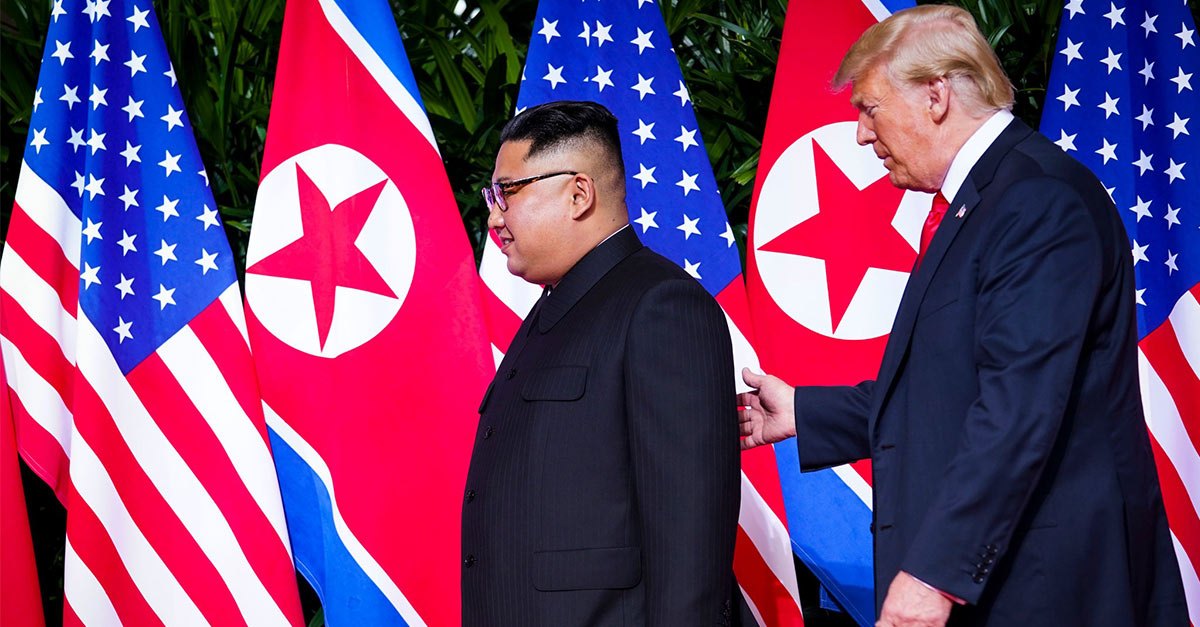
The Ministry of Foreign Affairs of Laos (MOFA) has issued a statement welcoming the recent outcome of the North Korean-US Summit held in Singapore last week.
This Week in Lao Social Media
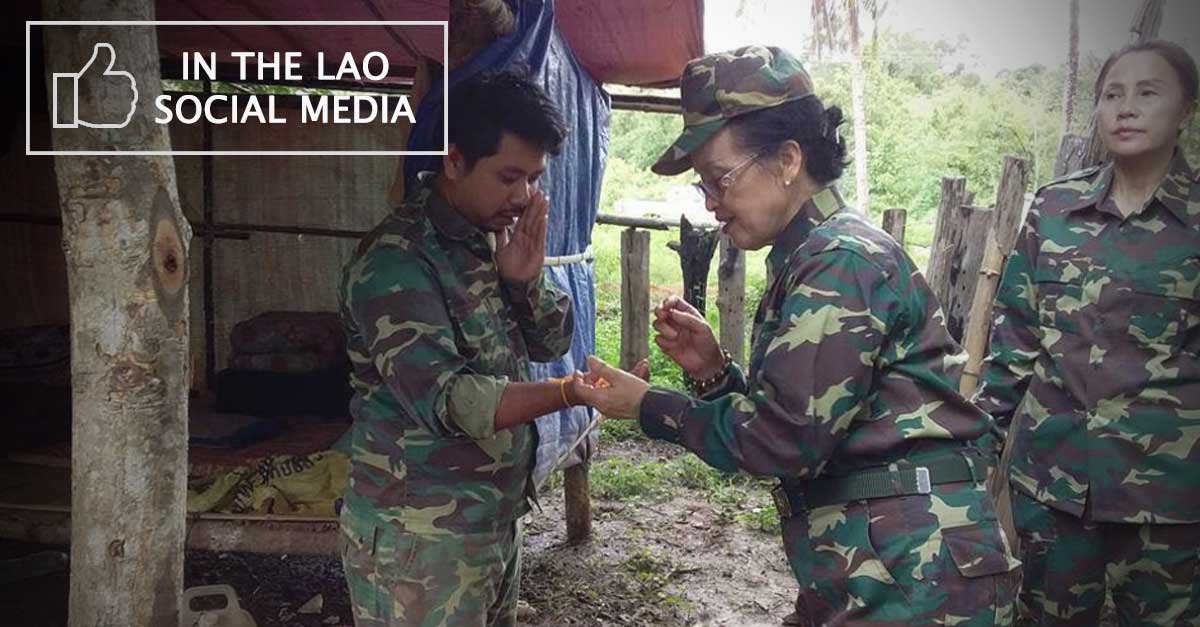
First Lady of Laos Visits Soldiers at Southern Border
This week the Lao social media has been awash with national pride after pictures emerged of the PM’s wife, Mrs Naly Sisoulith, making a trip to visit Lao soldiers stationed in the south. The First Lady of Laos swapped her sinh for military fatigues and set off into the jungle to offer her support for the military at the southern border of Laos.
Mrs Naly personally donated refreshments and supplies to the soldiers, and wished them good fortune with a baci ceremony.

From the looks of the photos, the trip to the camp was somewhat arduous, and a photo of Mrs Naly deftly skipping across the uneven ground captured the hearts of Lao social media users. Not bad for a woman who is nearly 70 years of age!

Photos: Support Prime Minister Sisoulith
Lao Flag Flies High at World Cup Opening Ceremony
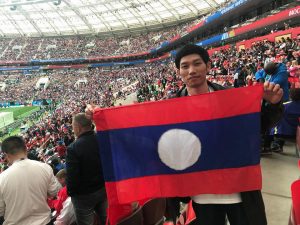
The Lao flag has been spotted at the 2108 FIFA World Cup opening ceremony, held at the Luzhniki Stadium in Russia.
Lao journalist Mr Ekasan Thippachanh attended the event, bringing the flag of Laos with him. Photos and videos of Ekasan with the flag went viral in Lao social media as world cup fever takes over!
Photos: Pakaad
Bokeo Officials Set Prices for Pork and Beef
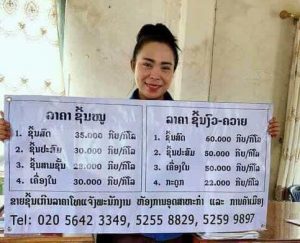
In an effort to control the price of meats at the markets, a Bokeo official seems to be holding up a banner that stipulates the prices for pork and beef. Consumers are urged to call the phone numbers included on the banner if there are vendors who violate the guidelines set by the Bokeo District Department of Industry and Commerce.
Social media users praised the government’s move as it would protect consumers against the rising cost of living.
Photos: Pakaad
Savannakhet Citizens Seriously Perturbed by Foul Smell From Nearby Paper Factory


Netizens from Seno (Savannaket) have made exceptionally strong complaints on social media for the past several days about a terrible odor that has invaded their beautiful city. Unconfirmed sources point to a nearby Chinese-owned paper factory, Sun Paper, that has been blamed as the cause of the odor.
The Ministry of Natural Resources and Environment (MONRE) has been urged to take action and inspect the activities of the paper factory.
Essential ingredients

Keeping it real is the name of the game for Les Artisans Lao
High above an art gallery, in a small room in a narrow building off a side street in downtown Vientiane, is a humming laboratory.
There, young locals in white lab coats hover over heating and cutting machines, surrounded by glass vials and bubbling oils. Shelves are crammed with brown bottles, many with hand-written labels. It could be a mad scientist’s lab, or a chemist’s workspace, except that the smell is just heavenly. There’s citronella, tea-tree and jojoba, for a start, and the busy-bee workers are trialling products to see how they perform as essential oils, soap, shampoo, lip balm and insect repellent.
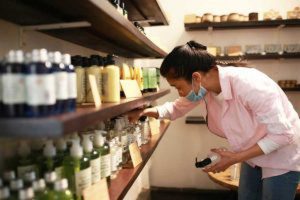 This last is one of the company’s best sellers – one of several beautifully packaged cosmetic products that form part of a range by Les Artisans Lao, a company that makes natural skincare products, fragrances and handicrafts, including furniture and jewellery.
Les Artisans Lao is the brainchild of Michel Saada, a French native who has been in Laos so long, he can’t ever imagine going back to his old life in France. It was more than 25 years ago that Saada left Paris, where he ran a restaurant, and fetched up in Vientiane. That was in 1993, back when Laos was just opening up to international tourism. It was a very different place then – no cars, no motorbikes, not much commercial enterprise. But, desperate for a reason to stay in a place he had swiftly fallen in love with, Saada began making handicrafts.
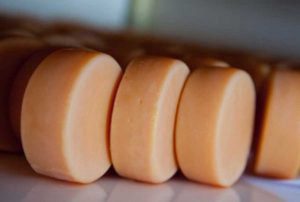 It began, he says, with an ornamental bowl made of coconut, which fell on the floor and shattered. He put a hole in one piece and began wearing it as a necklace, and before too long, he was making them for anyone who asked. He moved on to other decorative pieces made from coconut, and eventually opened a gallery, T’Shop-Lai, in a repurposed terrace house a street back from the Mekong, still his main headquarters today.
He moved onto a special technique involving crushed eggshells and resin, from which he and his team make everything from furniture to homewares, and invited other artists to stage exhibitions in the space. In the process, he was also training young, unskilled Lao people to create objects and run the business with him.
“Usually, I train people, and soon they can do the work even better than me,” he says.
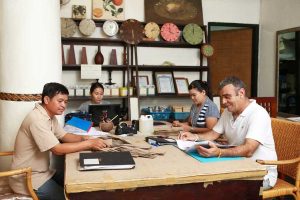 But even with a gallery and burgeoning handicrafts business, he couldn’t quite solve the conundrum of throwing away piles of coconut flesh as a by-product of many of his works.
“Then someone from America told me I could make oil from it, and I said, really, I can make oil? So I started to make oil,” he says. But of course, it wasn’t quite as simple at the time.
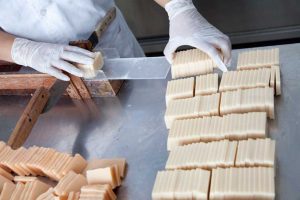 Today, he says, he knows “everything about coconuts – I am crazy about coconuts”, but making refined oil was a long learning process that involved a donated machine and a lot of trial and error.
And no sooner had he perfected his coconut oil game, that another friend suggested he try making soap, another slow learning process in the age before the Internet. A friend agreed to join the enterprise as a financial backer, and so, six years ago, he launched the Les Artisans Lao line of
skincare and fragrance products. It was perfect timing, with the ever-growing trend of natural alternatives to commercial skin products, and a clamour among well-heeled tourists to take home the perfect classy souvenirs as gifts from Laos.
“We’re really careful with packaging – we have many products coming out every few months, but when we make a new product, we have to wait for six months or one year to see how the stability is,” he says.
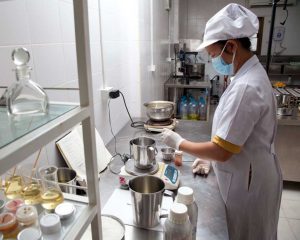 “Our formula is very precise and we are very careful. I say to people, if it’s not correct, if you make a mistake, throw it away and make it again…From when you create until you go to the market it takes maybe one year and a half or two years.”
Indeed, exclusivity could be one of the company’s main selling points, beyond being naturally sourced and ethically produced. Saada has so far declined to export the products, fearing a dilution of quality if demand grows too high. In this way, the products are the very definition of sustainable – not to mention desirable.
Today, Saada employs around 25 people – all Lao and non-English-speaking – and the products are sold everywhere in Laos’s main cities, from small handicrafts shops to international minimarts and large-scale supermarkets. And, to Saada’s surprise, his biggest market is Chinese and Korean consumers, many of whom buy the products in large quantities, safe in the knowledge that they’re sourced on a small scale in Laos, and can’t be bought elsewhere.
Visit artisanslao.com for more information.
Originally Published in: Champa Meuanglao
