Home Blog Page 16

PhotonPay Launches Local Collection Accounts in Nigeria and Ghana, Expanding Emerging Market Infrastructure

HONG KONG, Sept. 28, 2026 /PRNewswire/ — PhotonPay, the next-generation financial operating system, today announced the launch of its local collection accounts in Nigeria and Ghana. This rollout enables global businesses to collect Nigerian naira (NGN) and Ghanaian cedi (GHS), providing a compliant and efficient channel for cross-border fund settlement across West Africa.

As global trade deepens its integration with high-growth regions, West Africa stands out as a critical hub for international expansion. According to the International Monetary Fund (IMF), Nigeria’s economic growth is projected at 4.1% in 2026, solidifying its position as an economic powerhouse driven by a massive consumer base and a rapidly scaling digital economy. Concurrently, Ghana is experiencing strong momentum. The country recorded a robust 6% GDP growth in the second quarter of 2026, tracked by Ghana Statistical Service. Together, these two markets form the commercial backbone of West Africa, offering significant opportunities for globally minded enterprises.

However, entering these markets often introduces complex operational friction. Cross-border fund flows into emerging markets can involve extended settlement cycles and elevated foreign exchange volatility, which create uncertainty in cost management and erode business margins. Account entity mismatches during international transfers can further trigger compliance reviews or risk-control blocks, delaying cash flows and straining trust between trading partners.

To resolve these settlement challenges, PhotonPay is expanding its emerging market infrastructure with local collection accounts in Nigeria and Ghana, working through established banking partnerships to optimize the flow of capital across both markets.

Key Benefits of PhotonPay’s Nigeria and Ghana Collection Accounts

  • Local Accounts in Your Business Name

Businesses can open local collection accounts in Nigeria and Ghana under their own business names. Same-name matching ensures inbound funds align with local compliance requirements on both sides of the transaction.

  • Collect Directly in NGN and GHS

Payments are received in local currency through domestic clearing networks. This removes the settlement lag introduced by cross-border routing and gives businesses cleaner control over what they actually receive.

  • Accelerated Capital Flow

By routing collections through localized infrastructure, businesses can reduce conventional settlement delays, shortening the collection cycle from days to hours and dramatically improving working capital efficiency.

  • Risk Management and FX Capabilities

PhotonPay’s AI-driven risk engine continuously monitors transactions to ensure strict regulatory compliance, while its FX capabilities empower businesses to mitigate currency volatility through automated, transparent conversions.

“To build a truly global enterprise today, companies need native financial connectivity in the exact markets where their next million buyers reside. Building upon our successful integration of local clearing networks in Kenya and South Africa, bringing Nigeria and Ghana into our ecosystem provides businesses with a formidable competitive advantage across the African continent. This deep, localized reach makes PhotonPay the definitive infrastructure for companies targeting emerging market expansion.”
— Chao, VP of Product, PhotonPay

As businesses increasingly look beyond traditional markets for new sources of growth, localized payment architecture will remain a decisive competitive advantage. With the strategic addition of Nigeria and Ghana to its global financial network, PhotonPay continues to bridge the gap between global ambition and local execution.

About PhotonPay

PhotonPay is a stablecoin-powered financial operating system built for global infrastructure. Designed for modern enterprises, PhotonPay enables businesses to send, receive, convert, and settle funds across both fiat and stablecoin rails through a single, compliance-first integration, spanning 200+ countries and territories.

For more information, visit [www.photonpay.com].

Disclaimer
This material is for general informational purposes only and does not constitute legal, regulatory, tax, accounting, or investment advice, nor an offer or solicitation for any product or service. The availability, features, and regulatory treatment of PhotonPay’s products and services may vary depending on the user’s location, business model, and the laws and regulations that apply. Any descriptions of functionality, performance, efficiency, cost savings, or compliance support (including, without limitation, references to “real–time”, “24/7”, “high-efficiency”, or “compliant” solutions) are aspirational or forward–looking in nature. Actual outcomes may differ due to market conditions, technological constraints, and regulatory developments, and PhotonPay makes no express or implied representation, warranty, or guarantee as to the achievement of any particular result.

Link Cell Therapies Initiates Clinical Dosing with Logic-Gated CAR-T Therapy, Expands Executive Leadership, and Upsizes Series A Financing to $90 Million

– LNK001, an AND-gated CAR-T therapy targeting CAIX and ENPP3, is being evaluated in a Phase 1 study in advanced clear cell renal cell carcinoma at MD Anderson Cancer Center –

– Jie D’Elia, Ph.D., joins as Chief Executive Officer and Friedrich Graf Finckenstein, M.D., as Chief Medical Officer; co-founder Brian Slingerland becomes Executive Chair –

– Series A financing upsized from $60 million to $90 million to advance a second solid tumor program in colorectal cancer and expand the pipeline –

SOUTH SAN FRANCISCO, Calif. and AUSTIN, Texas, Sept. 28, 2026 /PRNewswire/ — Link Cell Therapies (“Link”), an oncology cell therapy company utilizing its proprietary logic-gating technology to develop next-generation CAR-T therapeutics for solid tumors and hematologic malignancies, today announced that it has initiated clinical dosing for its lead program, LNK001. The company also announced three additions to its executive leadership team and a $30 million expansion of its Series A financing.

Initiated clinical dosing of LNK001

LNK001 is being evaluated in a Phase 1 study in patients with advanced or metastatic clear cell renal cell carcinoma (“RCC”). Clinical dosing has begun at MD Anderson Cancer Center.

LNK001 requires the co-expression of two antigens, CAIX and ENPP3, which are both highly expressed in most RCC tumors. CAIX has long been among the most attractive targets in RCC, but conventional CAR-T cells directed against it have been limited by on-target, off-tumor toxicity in the biliary epithelium, where CAIX is also expressed. By gating CAR-T activity on both antigens, LNK001 is designed to preserve the antitumor potential of CAIX targeting while sparing the healthy tissue that has constrained single-antigen approaches.

LNK001 is manufactured at CTMC, a joint venture between Resilience and The University of Texas MD Anderson Cancer Center. Additional clinical trial details are available at https://clinicaltrials.gov/study/NCT07564232.

Leadership additions

Jie D’Elia, Ph.D., joins as Chief Executive Officer and a member of the Board of Directors. Dr. D’Elia was previously the CEO of SystImmune, Inc., a clinical-stage biopharmaceutical company focused on developing novel multi-specific antibodies and antibody-drug conjugates (“ADCs”). Before SystImmune, she spent eleven years at Bristol Myers Squibb (“BMS”), most recently as Senior Vice President of Business Development, Oncology, Hematology, and Cell Therapy. During her tenure at BMS, she made a significant impact to BMS’s pipeline evolution through multiple strategic partnerships and acquisitions in therapeutic areas ranging from oncology, hematology, cardiovascular, virology, and cell therapy. Prior to BMS, Dr. D’Elia served as the Vice President and Global Head of Business Development at Simcere Pharmaceutical, and held roles at AstraZeneca, Boston Consulting Group and Baxter Healthcare. Over the course of her career, she has led more than $40 billion in strategic partnerships and acquisitions. Dr. D’Elia holds a Ph.D. from the College of Pharmacy at the University of Texas at Austin and an MBA from Columbia Business School.

Brian Slingerland becomes Executive Chair. Brian co-founded Link in 2022 with Robbie Majzner, M.D., and Crystal Mackall, M.D., and has served on the Board of Directors. He previously co-founded and was the CEO of Stemcentrx, a next-generation ADC company that pursued novel targets with limited or no normal tissue expression, including DLL3 and SEZ6, and built the industry’s first end-to-end ADC GMP manufacturing facility. Abbvie acquired Stemcentrx in 2016 for $6.2 billion, which at the time was the largest private acquisition of all time in biotechnology. Prior to founding Stemcentrx, Brian was a Founding Partner at Qatalyst Partners and Vice President at Goldman Sachs where he helped companies raise private venture capital, execute IPOs and other financings, advised on mergers and acquisitions, and gained valuable experience working with CEOs at various stages of development. Brian has held other biotechnology CEO roles, including of recently acquired Convergent Genomics, and Everest Detection, and served on the Boards of Directors and provided initial capital to multiple biotech companies including Enliven Therapeutics. Brian is a graduate of Virginia Tech.

Friedrich Graf Finckenstein, M.D., joins as Chief Medical Officer. Dr Graf Finckenstein is a physician-scientist with decades of experience in clinical medicine, cancer research and drug development. Most recently, as Chief Medical Officer of Iovance Biotherapeutics he progressed the clinical portfolio of Tumor Infiltrating Lymphocyte (TIL) therapies across indications and next generation products and contributed to the approval of AMTAGVI® (lifileucel) in the US, Canada and Australia as the first approved cell therapy for a solid tumor.  Before Iovance, he was Global Head of Oncology Translational Medicine at Roche Pharma Research and Early Development (pRED) in Basel, Switzerland. Earlier, he held clinical leadership roles at BMS, spanning early through late-stage development, including contributions to the approval of Opdivo® (nivolumab) in lung cancer. He holds a medical degree from the University of Hamburg, is a board-certified pediatrician and has conducted laboratory cancer research at the Ludwig Institute, San Diego Branch, the Children’s Hospital Los Angeles and the University of Hamburg.

“From the beginning, our vision has been to translate this breakthrough science into therapies that can make a profound difference for people impacted by cancer,” said co-founder Robbie Majzner, M.D., of the Dana-Farber Cancer Institute and Harvard Medical School. “Bringing in leaders with the experience, commitment and passion to advance our technology and execute at scale gives me tremendous confidence that we can realize that vision.”

Abraham Bassan, Member of the Link Board of Directors and Partner at Samsara BioCapital, says “We are excited about the strength and depth of the leadership team at Link. Their broad experience and commitment to advancing our science puts the company in an excellent position to develop a new generation of impactful medicines for patients.”

Series A expansion to fund pipeline programs

Link’s previously announced $60 million Series A financing led by Johnson & Johnson, through its corporate venture capital organization, Johnson & Johnson Innovation – JJDC, Inc., with participation from founding investors Samsara BioCapital and Sheatree Capital, as well as Wing Venture Capital and new investors including BMS, Kyowa Kirin, Sherpa Healthcare Partners, Western Technology Investment and the MD Anderson Cancer Focus Fund, was upsized to $90 million.

The additional capital will support clinical and preclinical development of additional logic gated CAR-T programs. Link’s second solid tumor indication is colorectal cancer, where the company intends to begin a first-in-human trial in 2027 using a novel target pair co-expressed in the majority of colorectal tumors but absent from normal healthy tissues. Additional CAR-T programs in solid and hematologic cancers are in earlier development and will be advanced internally or through partnerships.

“Link’s logic-gate platform can make CAR-T broadly viable in solid tumors,” said Dr. D’Elia. “A targeting approach that reliably distinguishes tumor from healthy tissue is what allows CAR-T to pursue in solid tumors the kind of deep and durable responses it has achieved in hematologic cancers. This financing lets us advance a pipeline built on that approach across additional tumor types.”

About Link Cell Therapies

Link Cell Therapies (“Link”) is a biotechnology company based in South San Francisco, California, founded in 2022 by Robbie Majzner, M.D., and Crystal Mackall, M.D. at Stanford University, biotech entrepreneur Brian Slingerland, and Samsara BioCapital. Link’s proprietary logic-gating technology allows for safe targeting of multiple antigens that are co-expressed selectively on cancer cells, thereby reducing the risk of on-target, off-tumor toxicity. This enables discovery of an entirely new landscape of “clean” target pairs, and supports the development of next-generation CAR-T therapeutics for solid and hematologic cancers. Link’s team features industry-leading scientists collaborating with top-tier advisors and life science financial and strategic investors committed to improving outcomes for cancer patients. To learn more, please visit www.linkcelltx.com.

Media Contact

Link Cell Therapies
info@linkcelltherapies.com


LG BRINGS K-LIFESTYLE EXPERIENCES TO HONG KONG THROUGH CULTURAL COLLABORATIONS

Collaborations at CENTRESTAGE 2026 and Mid-Autumn K-Festival Week Highlight Integration of Technology, Fashion and Food

News Summary

  • LG Electronics Hong Kong presented its home appliances at two major Korean cultural events this September.
  • LG partnered with the Korea Trade-Investment Promotion Agency (KOTRA) at CENTRESTAGE to showcase how the LG Styler supports garment care in Korean fashion exhibits.
  • During Mid-Autumn K-Festival Week, organized by the Korean Chamber of Commerce in Hong Kong, LG presented a “Housewarming by LG” K-Lifestyle experience zone featuring the LG Styler, InstaView™ refrigerator and multifunctional microwave steam oven.
  • The events demonstrated how LG’s technologies can support convenient garment care and optimal food preservation in the daily lives of Hong Kong consumers.

HONG KONG, Sept. 28, 2026 /PRNewswire/ — LG Electronics (LG) Hong Kong highlighted its latest smart home technologies through two cultural collaborations in Hong Kong this September. Through its participation in CENTRESTAGE 2026 and Mid-Autumn K-Festival Week, LG demonstrated how its technologies – from garment-care and kitchen appliances to smart home solutions – can bring the creativity of Korean fashion and food culture to Hong Kong consumers, supporting more convenient everyday living.

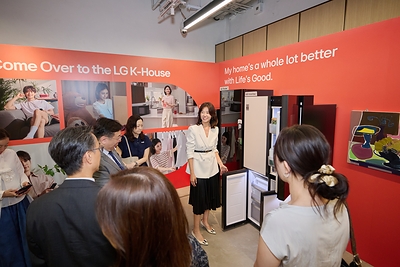
LG Electronics presented its “Housewarming by LG” experience zone at the Mid-Autumn K-Festival Week, featuring latest appliances like the LG InstaView™ refrigerator and LG Styler as part of a modern K-Lifestyle home.

Supporting K-Fashion Through Innovative Garment Care

At CENTRESTAGE 2026, held at the Hong Kong Convention and Exhibition Centre from Sept. 2-5, LG collaborated with the Korea Trade-Investment Promotion Agency (KOTRA) to support the Korea Pavilion. At the exhibition, the LG Styler provided a convenient garment-care solution for the fashion pieces on display, helping refresh and prepare them throughout the exhibition while reducing the need for frequent ironing that may place stress on delicate fabrics.

During the event, LG engaged with Korean fashion designer Antonio Shin, whose latest collection features delicate materials such as premium rayon and natural fibers. Shin emphasized that garment care is an integral part of extending the design vision and preserving a fabric’s unique character. He highlighted how the LG Styler’s steam technology helps refresh garments and maintain the original texture, drape and silhouette of delicate pieces, demonstrating how technology can complement a designer’s craftsmanship.

Creating a K-Lifestyle Experience at Mid-Autumn K-Festival Week

LG extended its efforts to share K-Lifestyle experiences at Mid-Autumn K-Festival Week from Sept. 21-27 at Central Market. The event, co-presented by the Korean Chamber of Commerce in Hong Kong (KoCham HK) and the Korea Agro-Fisheries & Food Trade Corporation, invited visitors to explore Korean culture through food, workshops and experiences.

LG hosted a dedicated “Housewarming by LG” K-Lifestyle experience zone to showcase a range of products, including the LG Styler and InstaView™ refrigerator. The interactive layout allowed visitors to experience firsthand how these appliances deliver comfort and convenience in a modern, welcoming home environment.

Showcasing K-Food and Ingredient Care

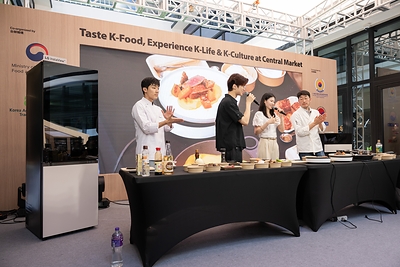
During a live cooking demonstration on Sept. 26, acclaimed Korean chef Park Joon-woo presented his interpretation of contemporary Korean cuisine using the LG 349L InstaView™ Bottom Freezer Refrigerator and the new LG 32L Multifunctional Microwave Steam Oven. Featuring Korean dishes such as Hanwoo beef with a galbijjim sauce and grilled Korean pork belly, Chef Park combined refined techniques and bold flavors to spotlight Korean culinary tradition and modern creativity.

During the demonstration, Chef Park highlighted the LG InstaView™ refrigerator’s Knock Twice feature, which illuminates the glass panel to let users see inside without opening the door. This helps to reduce cold-air loss and keep meal preparation more organized.

Chef Park also shared his culinary philosophy and discussed how careful organization and storage are equally important as quality ingredients. He noted that consistent temperature control is especially critical for preserving premium ingredients like Hanwoo beef and Handon pork. Supported by LG’s LinearCooling™ and DoorCooling⁺™ technologies, the refrigerator minimizes temperature fluctuations and circulates cool air evenly, helping ingredients maintain their freshness and flavor and giving home cooks greater confidence to elevate everyday dining.

Connecting Culture Through Technology

Through these collaborations, LG continues to create new connections between Korean creativity and Hong Kong consumers. Looking ahead, LG remains committed to integrating technology into everyday life, introducing more consumers to the convenience, style and sophistication of K-Lifestyle and the company’s Life’s Good brand vision.

About LG Electronics, Inc.

LG Electronics is a global innovator in technology and consumer electronics with a presence in almost every country and an international workforce of more than 74,000. LG’s four Companies – Home Appliance Solution, Media Entertainment Solution, Vehicle Solution and Eco Solution – combined for global revenue of over KRW 88 trillion in 2024. LG is a leading manufacturer of consumer and commercial products ranging from TVs, home appliances, air solutions, monitors, automotive components and solutions, and its premium LG SIGNATURE and intelligent LG ThinQ brands are familiar names world over. Visit www.LGnewsroom.com for the latest news.

About LG Electronics Home Appliance Solution Company

The LG Home Appliance Solution Company (HS) is a global leader in home appliances and AI home solutions. By leveraging industry-leading core technologies, the HS Company is committed to enhancing consumers’ quality of life and promoting sustainability. The company develops thoughtfully designed kitchen and living appliance solutions and has recently integrated LG’s Robot Business Division to incorporate advanced robot technologies into its home solutions. Together, these products offer enhanced convenience, exceptional performance, efficient operation and sustainable lifestyle solutions. For more news on LG, visit www.LG.com/global/newsroom/.


Korean chef Park Joon-woo presented a live cooking demonstration at Mid-Autumn K-Festival Week, showcasing contemporary Korean cuisine with the LG InstaView™ refrigerator and LG Multifunctional Microwave Steam Oven.

At CENTRESTAGE 2026, the LG Styler demonstrated as an on-site garment-care solution to gently refresh and prepare delicate fabrics.

Phuket’s residential market splits in two as luxury demand builds while lower-tier supply outpaces demand

Banyan Group Residences records 900 per cent year-on-year rise in luxury sales value, underlining the widening gap between prime and mass-market residences


PHUKET, THAILAND – Media OutReach Newswire – 28 September 2026 – Phuket’s residential property market is becoming increasingly polarised. Genuinely differentiated luxury residences continue to attract strong demand, while lower-priced, investment-led segments are showing signs of saturation and, in some areas, oversupply. Banyan Group Residences, whose luxury sales value in Phuket rose 900 per cent year-on-year to nearly US$50 million, illustrates the resilience of well-located, high-quality residences even as conditions become tougher elsewhere in the market.

Image

The divide is becoming more pronounced. There is a clear distinction between genuinely differentiated luxury residences and more commoditised products built for short-term speculation. Premium buyers continue to commit capital to prime locations, trusted brands and long-term lifestyle value, while a wave of new, commoditised supply aimed largely at short-term investment has outpaced demand at the lower end, intensifying competition and, in some cases, leaving units unsold.

Among Banyan Group Residences’ results, sales of the exclusive luxurious Banyan Tree Beach Residences projects Oceanus, Varuna, Aegir and Nammu have recorded an increase in sales of 900 percent year-on-year including what is believed to be the most expensive condominium transaction recorded in Phuket to date.

Bangtao and the wider Laguna Phuket area have emerged as the island’s most sought-after residential locations, combining west-coast beaches with an established international community and a growing concentration of restaurants, schools, wellness and lifestyle amenities – characteristics of a mature international market rather than an emerging one.

Continued interest from high-net-worth buyers seeking to diversify wealth into tangible, personally enjoyable assets amid currency depreciation, inflation and market volatility is also supporting demand at the top of the market. Today’s luxury buyer is acquiring a home that supports their family’s lifestyle and serves as a long-term store of value – not a speculative purchase based on short-term rental projections, the kind of buying that has fuelled much of the oversupply at the lower end.

Thailand’s political stability, established tourism economy and relative distance from regional conflicts continue to support demand from buyers across Europe, Asia, the Middle East and beyond, though unevenly across price tiers.

As supply increases across the wider market, buyers are expected to place greater emphasis on developers’ track record, construction quality, professional management and reputable services. The market is not weakening uniformly – it is becoming more polarised, with well-positioned luxury developments continuing to perform strongly while oversupplied, lower-tier projects face a longer period of adjustment, encouraging higher standards, greater transparency and a stronger focus on sustainable development across the industry.

Banyan Group Residences will continue to focus on prime locations, distinctive high-quality design and the creation of residential communities that deliver lasting value for owners.

Hashtag: #BanyanGroupResidences

The issuer is solely responsible for the content of this announcement.

About Banyan Group Residences

Banyan Group Residences forms part of Banyan Group, one of the world’s leading independent hospitality groups. Its residential portfolio is supported by the group’s experience developing and operating hotels, resorts, residences, spas and integrated destinations worldwide. At Laguna Phuket, residents benefit from access to one of Asia’s most established integrated resort communities, comprising hotels, restaurants, spas, an 18-hole golf course, wellness and leisure facilities, retail services and extensive beachfront surroundings.

YCO Cloud and Aolani partner to deliver one of the first NVIDIA GB300 NVL72 cluster rollouts in the Philippines

As the country’s first renewable-powered Sovereign AI infrastructure, this strategic collaboration aims to foster local innovation and boost the national economy.


SINGAPORE – Media OutReach Newswire – 28 September 2026 – YCO Cloud is proud to announce its collaboration with Aolani and NVIDIA to deliver one of the first NVIDIA GB300 NVL72 cluster deployments in the Philippines. This collaboration marks a significant milestone, bringing purpose-built sovereign AI infrastructure to the country for the first time. Designed and implemented to meet global sustainability standards for water usage and dedicated renewable energy sources, the project aims to accelerate and solidify the country’s ambitions in sovereign digital capabilities and forward-looking innovation.

(From left) Nicholas Chia, CEO of Aolani and Nikolas Skalomenos de Ynchausti, CEO of YCO Cloud.

Aolani provides AI infrastructure, GPU financing, deployment and operating capabilities; while YCO delivers purpose-built, sustainable and scalable digital infrastructure and local expertise.

By leveraging the combined strengths of YCO Cloud, Aolani, and NVIDIA, this initiative sets the foundation for a scalable, world-class AI ecosystem — accelerating local innovation while driving national economic productivity.

Scheduled for launch in the first quarter of 2027, the initial phase will deploy more than 10,000 NVIDIA Blackwell Ultra GPUs, extending state-of-the-art AI computing infrastructure to local government bodies, domestic enterprise, and local startups, while also attracting innovative global AI native companies.

As part of its commitment to environmental stewardship, YCO Cloud adheres to best practices to meet global standards for energy, water efficiency and environmental sustainability.

“The Philippines is now ready to scale on digital infrastructure with its robust submarine cable systems and growing renewable energy sources. To deliver a product that hasn’t been built in the Philippines, we partnered with Science Park of the Philippines Inc. (SPPI), the pioneer and one of the largest industrial park developers in the country, with best-in-country power, water and connectivity infrastructure aligned with our sustainability goals.Our partnerships with Aolani and SPPI complement YCO Cloud’s commitment to deliver green digital infrastructure to contribute to the next wave of growth in the country.” said Nik de Ynchausti, CEO of YCO Cloud.

Nicholas Chia, CEO at Aolani, said, “As the leading neocloud in Asia, Aolani is committed to delivering high-performance and compliant AI infrastructure at speed and scale to support our customers operating at the forefront of AI innovation. Southeast Asia is fast becoming a key linchpin for global AI infrastructure, and the Philippines is emerging as a dynamic new market for digital infrastructure growth. This collaboration will play a pivotal role in democratising access to advanced AI infrastructure in the Philippines, supporting the growth of the country’s digital economy and AI ecosystem. We are excited to partner with YCO Cloud on this ambitious development to boost infrastructure growth and innovation.”

The Philippine government welcomed the news of the partnership. “AI presents significant opportunities for innovation, job creation, and economic growth for the Philippines and Filipinos. We welcome the efforts of homegrown companies like YCO and its Singaporean partner, Aolani. Anchored on their belief on the country’s potential, we appreciate the commitment of both companies to work towards enabling Filipinos to become not just users but also builders and developers of AI. These forward-looking collaborations are key in shaping the Philippines’ future and allow us to achieve purposeful progress together,” said Leandro Angelo Y. Aguirre, Undersecretary of Department of Information and Communications Technology.

Rosemarie Edillon, Undersecretary of Department of Economy, Planning, and Development, said, “We thank YCO and Aolani for entrusting the Philippines with this significant role in AI infrastructure development. As we enter the Fifth Industrial Revolution, the Philippine Government stands ready to be an active partner in building a trusted, inclusive and ethical AI ecosystem for the Philippines and the world.”

YCO Cloud

YCO Cloud’s purpose and mission is to deliver sustainable mission-infrastructure designed to drive the Philippines forward. For more information, visit https://www.ycocloud.com/ and follow on YCO Cloud on LinkedIn.

Media Contact
H/Advisors on behalf of Aolani
pr@aolani.com

Hashtag: #Aolani

The issuer is solely responsible for the content of this announcement.

About Aolani

Where AI gets built in Asia. Founded in 2023, Aolani’s AI factories enable enterprises, AI natives, and sovereigns to build with confidence, scale ambitiously, and move at hyper-speed in the world’s fastest-growing AI market. Founded in Singapore and backed by compliant and purpose-built neocloud infrastructure, Aolani delivers the performance capabilities for next-generation AI. For more information, visit and follow on LinkedIn.

Huawei releases world’s slimmest and largest foldable smartphone

First smartphone to run HarmonyOS 7 and include chip design breakthrough LogicFolding


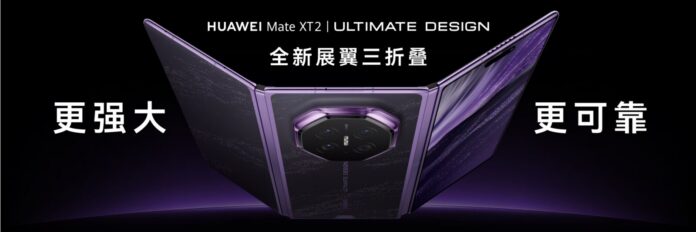
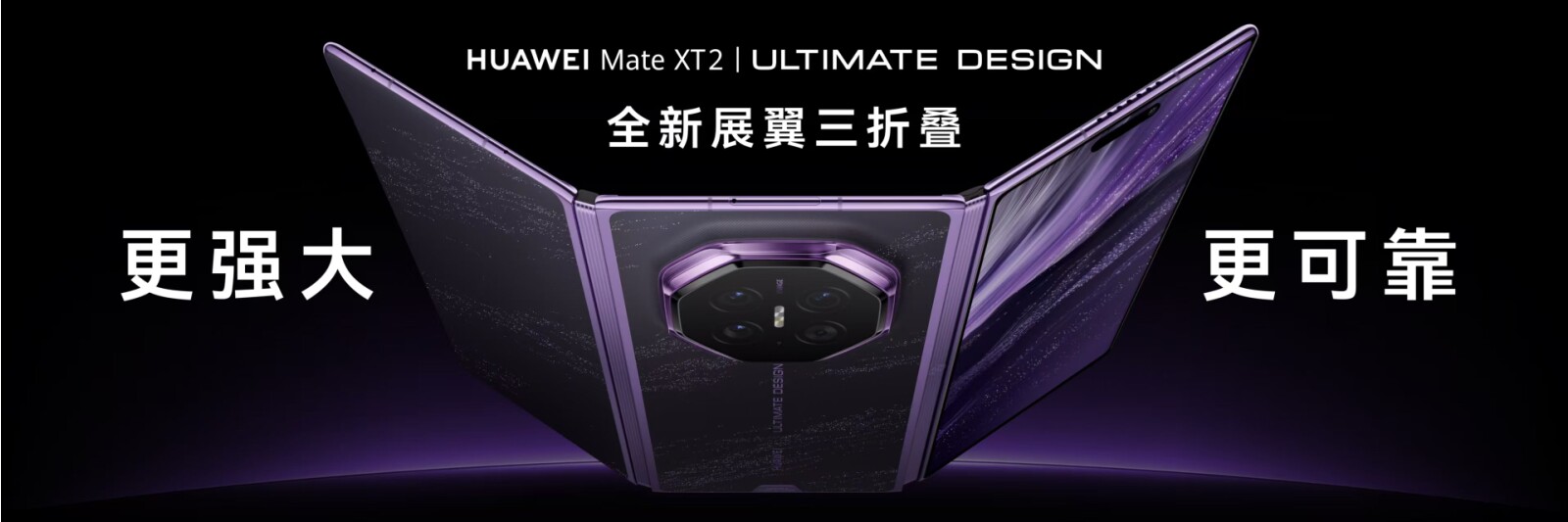
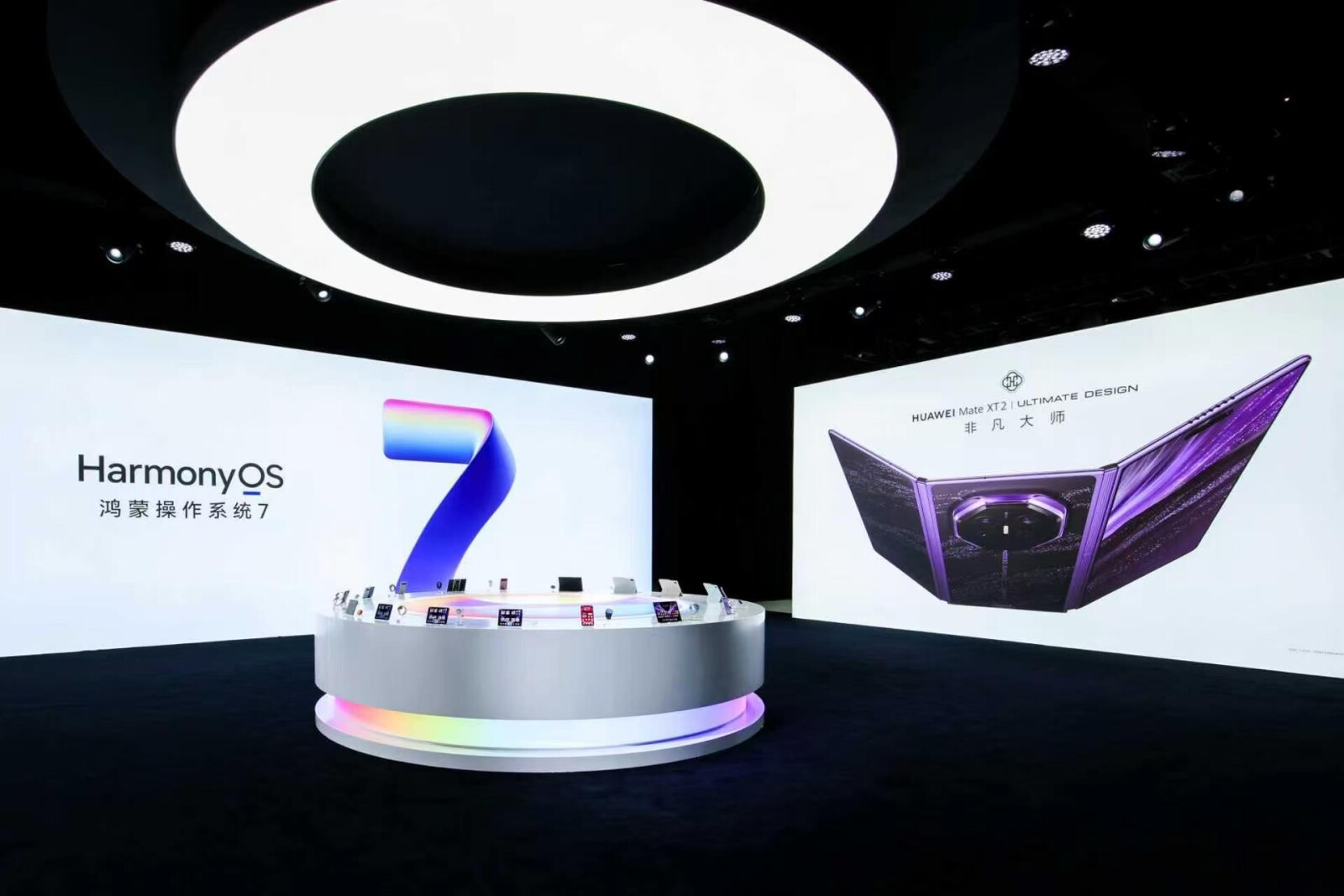
SHENZHEN, CHINA – Media OutReach Newswire – 28 September 2026 – Huawei released the HUAWEI Mate XT 2 | ULTIMATE DESIGN trifold smartphone on September 7. The phone is the first to run HarmonyOS 7, and is the slimmest and largest foldable smartphone in the industry. The Mate XT 2’s Kirin 9050 chip also includes a major breakthrough in semiconductor design. As the first smartphone to feature the LogicFolding Tau (τ) Chip, the Mate XT 2 marks the chip’s official entry into mass commercialization.

World-class engineering and design

The device is proving popular with consumers due to its foldable wing-like form, which means it can be opened up, transforming the phone into a tablet.

The engineering to make this possible is unprecedented. The glass screen must be tough enough to withstand daily use, whilst being able to fold thousands of times. The hinge to allow the screen to fold is the first of its kind. Once open, the handset is just 3.5mm thick. However, the screen is not the only remarkable folding technology in the device.

The first chip with semiconductor design breakthrough, LogicFolding

The Mate XT 2 Ultimate Design includes a major breakthrough in semiconductor design. The phone is the first to use Huawei’s LogicFolding Tau chip Kirin 9050 Pro. Designed by engineers in Huawei’s HiSilicon team, the chip offers a solution to the problem of geometric scaling.

With Moore’s law (the historical observation that the number of transistors on a microchip doubles approximately every two years) believed to be reaching its physical limit, making chips smaller is becoming more challenging and costly.

For Huawei, faced with external restrictions, the need to find a solution came sooner than expected.

Huawei releases world's slimmest and largest foldable smartphone

In May this year, He Tingbo, President of Huawei’s HiSilicon division, unveiled a new way of designing and making chips, alongside a new law to measure their performance, the τ (Tau) Scaling Law. The work led to Ms He being recently named one of the world’s leading AI innovators by Time Magazine.

The point of shrinking transistors was never the smallness itself, it’s what the smallness delivered. Shoppers looking to buy the latest smartphone don’t care if the chips inside have 7, 5 or even 2-nanometer nodes, they care about the performance of the device in their hands. What matters to consumers is the time it takes for a task to be completed, a video to be shared or a game to load. The performance of the chip should be measured in the same way: by time, not size. This is why Huawei proposed τ (Tau) Scaling Law as an alternative to Moore’s Law.

Breaking through barriers to improve performance

The Kirin 9050 Pro uses 3D integration to boost performance. Traditional chip advancement focussed on packing more and more transistors into a linear plain by making each one smaller. LogicFolding uses 3D integration to reduce the distance between transistors by stacking them on top of one another, increasing the number of transistors whilst reducing the distance between them.

In fact, in the Kirin 9050 Pro transistor density has risen from approximately 155 to 238 million transistors per square millimetre. That’s an equivalent increase to what was achieved in the previous three years using geometric shrinking.

It was thought that stacking active transistors on top of each other and sealing them inside a solid mobile device would present an engineering challenge. Power turns into heat, which in a confined space would raise the temperature and ultimately break the device.

The key to the solution came in recognising that integrated chips have both transistors and circuits. As He Tingbo explains in her IEEE article, Huawei’s τ Chip Was Supposed to Melt?, the inner workings of a chip can be compared to an office worker’s day of work. Many office workers will use more energy on their commute to and from the office than they do at their desk because they are moving around more on the road. The ‘work’ part of their day is not the most energy intensive part as they are often seated at their desk.

The same is true for chips. The most energy intensive part of the process is the ‘commute’, moving data from point A to point B, not processing it. Integrated circuits use power in two main ways. The first is switching, flipping a transistor gate to change a bit from 0 to 1 and back. The second is the transmission of that data, moving the bits from one part of the chip to another.

This is important in mobile phones where a lot of performance requirements are asked of a single chip. Equally, however, in a large AI cluster 80% of the energy is used in the moving the data, not processing it. In both cases, LogicFolding reduces the space between transistors which in turn reduces the power used. The previous assumption that packing transistors on top of one another would increase the heat turned out to be false. In fact, even with a higher transistor density per millimetre, LogicFolding chips run cooler per unit of work. The result is Huawei’s most powerful smartphone ever.

The first phone to run HarmonyOS 7

The Mate XT 2 is the first smartphone to run HarmonyOS 7. Forty-two percent more powerful than the previous generation, it remains the slimmest and largest foldable display in the industry when open. The cover screen spans 6.5 inches, boosting the screen-to-body ratio from 86.4% to 92.8%. Enhanced with 70% better anti-reflection, the screen exhibits a deeper, cleaner black when off, and pure, crystal-clear transparency when lit.

The Huawei Mate XT 2 also introduces the world-first Smart Shield Privacy Screen on a foldable screen. Two independent pixel sets co-exist within the 10.2-inch display at a micro-pitch of just 9 μm. When Privacy Mode is activated, the screen seamlessly switches from a wide viewing angle to a narrow one while maintaining identical resolution and clarity, protecting your privacy in public spaces without compromising your view.

Industry first ECG analysis

Health tech is increasing important to consumers, and so the Mate XT 2 is the industry’s first smartphone to introduce ECG analysis. Capitalising on the innovative tri-fold form factor, users can simply hold both side frames with both hands while unfolded to capture a 30-second ECG signal. Paired with the medically certified analysis software, it generates detailed ECG reports to help identify Sinus Rhythm, Atrial Fibrillation, and Premature Beats.

Huawei releases world's slimmest and largest foldable smartphone

The launch of the Mate XT 2 marks a significant moment in Huawei’s journey. The company’s R&D has delivered industry leading, and industry changing innovation. More than half of Huawei’s employees work in R&D. That’s over 100,000 people. The company currently holds 160,000 active patents worldwide. In the first half of 2026 alone, Huawei’s R&D investment was over RMB 121 billion, accounting for 25.94% of revenue, up 25.2% year on year.

The HUAWEI Mate XT 2 | ULTIMATE DESIGN starts at RMB 19,999 and is now available for purchase, along with a stylus set, following its official sales launch at 10:08 on September 12th.

Hashtag: #Huawei

The issuer is solely responsible for the content of this announcement.

Phenikaa University Announces VND 80 Billion STEM Investment, Launches International-Standard Planetarium


HANOI, VIETNAM – Media OutReach Newswire – 28 September 2026 – Phenikaa University, a member of Phenikaa Group, a diversified Vietnamese conglomerate, has announced a VND 80 billion (approximately US$3 million) investment in STEM education in 2026. The University has also launched Phenikaa Planetarium, a new international-standard facility dedicated to astronomy education, public engagement with science and experiential learning.

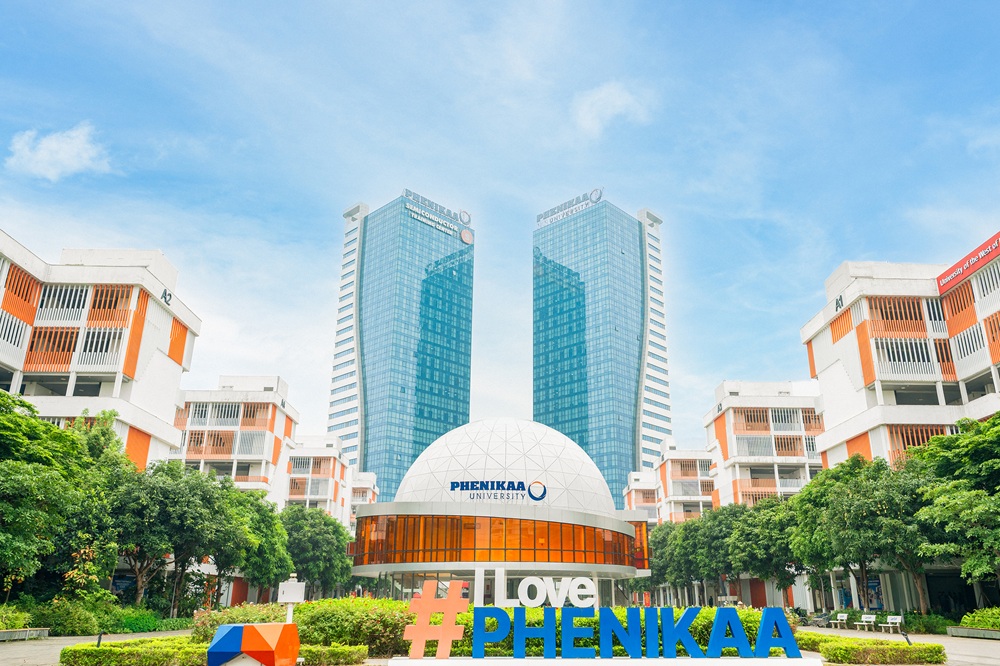
Phenikaa University campus, with Phenikaa Planetarium set against the twin 30-storey towers.

The Planetarium is serving as a key venue for the 19th International Olympiad on Astronomy and Astrophysics (IOAA 2026), which Vietnam is hosting for the first time. The Olympiad brings together nearly 500 international delegates from 64 countries and territories, including more than 300 outstanding high-school contestants, as well as team leaders, scientists and educators.

The investment forms part of Phenikaa University’s broader strategy to strengthen STEM education by integrating learning, research, technology and hands-on scientific experience.

Designed to take science education beyond the classroom, Phenikaa Planetarium enables students to explore astronomical phenomena through immersive visualisation and observation. In addition to supporting university teaching, the facility will give high-school students access to astronomy and hands-on STEM learning, while also serving teachers and the wider community.

The Planetarium features a 16-metre-diameter dome, a projection system of 5 Sony GTZ380 projectors and SkyExplorer simulation software, enabling detailed simulation of the night sky under controlled conditions. These technical capabilities also enable the facility to host the planetarium-based observational examination of IOAA 2026.

Prof. Dr. Ho Xuan Nang, Chairman of the Phenikaa University Council, said: “This VND 80 billion commitment is ultimately an investment in the next generation of scientists and innovators. Through Phenikaa Planetarium, we want young people not only to learn about science, but to experience it first-hand, to ask bigger questions and to develop the confidence to pursue discoveries of their own.”

Inside Phenikaa Planetarium, Hanoi, Vietnam.

Building a stronger platform for STEM

Astronomy offers a naturally interdisciplinary setting for STEM education, bringing together physics, mathematics, computing, data analysis and engineering. By hosting IOAA 2026, Phenikaa University is connecting its new STEM infrastructure directly with an international community of young scientific talent.

Beyond the Olympiad, the University plans to develop Phenikaa Planetarium into a long-term platform for STEM education, astronomy outreach and academic activities, as well as for collaboration with schools and international partners.

The investment comes amid growing international recognition of Phenikaa University’s academic and institutional development.

In April, Phenikaa became the first Vietnamese university to win the “Leadership and Management Team of the Year” award at the Times Higher Education (THE) Awards Asia 2026. The University was also placed in the 401–600 band globally in the THE Impact Rankings 2026, which assess universities’ contributions to the United Nations Sustainable Development Goals.

The University currently offers more than 130 academic programmes from bachelor’s to doctoral level, including 5 ABET-accredited and 6 medical residency programmes.

Phenikaa is also one of 12 higher education institutions selected under a scheme approved by Vietnam’s Prime Minister to develop leading universities in Hanoi, with the goal of ranking among Asia’s top 150 universities by 2030. The scheme reflects broader efforts to strengthen research capacity, international engagement and the global competitiveness of higher education in the Vietnamese capital.

For Phenikaa University, the new STEM investment is intended to translate these ambitions into lasting capacity through modern infrastructure, internationally benchmarked education, stronger research and greater opportunities for young people to engage directly with science.

As IOAA 2026 brings the international astronomy community to Hanoi, Phenikaa Planetarium provides an immediate demonstration of that strategy in action and will continue to open the universe to Vietnam’s next generation of scientists.

MEDIA CONTACT
Phenikaa University | Communications & Admissions Office | truyenthong@phenikaa-uni.edu.vn

Hashtag: #PhenikaaUniversity #PhenikaaPlanetarium #STEM

The issuer is solely responsible for the content of this announcement.

ABOUT PHENIKAA UNIVERSITY

Phenikaa University is a private, comprehensive university in Hanoi, Vietnam, and a member of Phenikaa Group, a diversified Vietnamese conglomerate whose portfolio spans advanced manufacturing, development of technology, education and healthcare.

Serving more than 44,000 students, the University brings together education, applied research and industry practice within a multidisciplinary ecosystem built around key research pillars in semiconductors, robotics and automation, advanced materials, new energy and biomedical sciences.

Since 2019, its research community has produced more than 3,700 international publications, supported by more than 150 laboratories across multiple disciplines. Phenikaa has maintained a leading position among Vietnamese higher education institutions in the Nature Index for six consecutive years. Learn more:

Laos Orders Banks to Block Crypto Purchases on Unlicensed Foreign Platforms

This photo is used for representational purpose only.

Laos has moved to tighten controls on cryptocurrency purchases through foreign platforms, ordering banks and payment providers to block card transactions linked to exchanges that are not licensed by the central bank.

The Bank of the Lao PDR (BOL) issued the notice on 31 July to commercial banks and payment service providers nationwide after finding that customers were using payment cards, particularly international cards, to buy cryptocurrency on unauthorized foreign platforms.

According to the notice, customers using these platforms are not protected by Lao regulations if problems arise. Banks and payment providers must therefore check their systems and block payment channels and Merchant Category Codes linked to cryptocurrency trading.

The measure targets foreign platforms that the BOL has not licensed. It does not say whether the same restrictions apply to cryptocurrency platforms licensed in Laos.

Existing Crypto Restrictions

Lao banks have faced restrictions on cryptocurrency transactions since October 2018, when the BOL told financial institutions not to trade cryptocurrency, provide crypto exchange services or credit, or allow customers to purchase cryptocurrency using credit cards.

Authorities later introduced a controlled system for cryptocurrency mining and trading. In September 2021, the government authorized six companies to participate in a trial program covering cryptocurrency mining and trading.

Those companies were Wap Data Technology Laos, Phongsubthavy Road & Bridge Construction Co., Sisaket Construction Company Limited, Boupha Road-Bridge Design Survey Co., Ltd., Joint Development Bank, and Phousy Group.

In 2022, the government also authorized Bitqik as a cryptocurrency trading platform in Laos.

Bitqik’s website says customers can buy cryptocurrency using Visa, Mastercard, or bank transfers. However, the latest BOL notice does not clarify whether the new payment restrictions apply to licensed Lao platforms such as Bitqik.

For now, the notice focuses on using Lao banking and payment systems to buy cryptocurrency through foreign platforms that the BOL has not licensed.