Home Blog Page 2442

Indication Expansion Accelerates: First Patient Dosed in Melanoma Phase 1b/II Trial of Opamtistomig

NANJING, China, Sept. 12, 2025 /PRNewswire/ — Nanjing Leads Biolabs Co., Ltd. (“Leads Biolabs” or the “Company,” Stock Code: 9887.HK) today announced the first patient has been successfully dosed in a Phase 1b/II clinical trial (NCT07099430) evaluating Opamtistomig (LBL-024, PD-L1/4-1BB bispecific antibody) as monotherapy or in combination with other agents for the ‌first-line treatment of advanced melanoma‌‌.

Opamtistomig‌, a uniquely designed PD-L1/4-1BB bispecific antibody that simultaneously blocks PD-1/L1-mediated immune suppression and enhances 4-1BB-regulated T-cell activation. This dual mechanism has the potential to convert “cold tumors” into “hot tumors”, overcoming resistance to immunotherapy and improving response rates in hard-to-treat cancers.

In two prior clinical trials, Opamtistomig demonstrated promising efficacy and a favorable safety profile in patients with highly malignant, immune-cold extrapulmonary neuroendocrine carcinoma (EP-NEC), both as monotherapy and in combination with chemotherapy. Notably, patient enrollment was completed in August 2025 for a pivotal single-arm registration trial evaluating Opamtistomig monotherapy in EP-NEC.

In addition, multiple Phase 1b/II studies are ongoing to assess Opamtistomig combined with chemotherapy for:

  • First-line small cell lung cancer (SCLC)‌
  • ‌First-and second-line non-small cell lung cancer (NSCLC)

This newly initiated Phase 1b/II multicenter trial, led by Professor Chen Yu from Fujian Cancer Hospital, with participation from multiple hospitals, aims to evaluate Opamtistomig’s efficacy and safety in advanced melanoma as monotherapy or in combination regimens.

Dr. Charles Cai, Chief Medical Officer of Leads Biolabs, stated:

“The continued clinical advancement of Opamtistomig in EP-NEC and other tumor types highlights its unique ability to activate T cells while releasing immune suppression, offering hope to patients with immune-cold tumors who have limited treatment options. With more than 10 indications currently targeted across nine clinical trials, we are committed to accelerating development and delivering breakthrough therapies that expand the benefits of immunotherapy to more patients worldwide.”

About Opamtistomig

Opamtistomig (LBL-024) is a potential first-in-class bispecific antibody simultaneously targeting PD-L1 and the co-stimulatory receptor 4-1BB. It is the first 4-1BB-targeting bispecific antibody globally to reach the single arm pivotal trial stage as a monotherapy and holds promise to become the first approved treatment specifically for extrapulmonary neuroendocrine carcinoma (EP-NEC), a malignancy with significant unmet medical need.

Developed using Leads Biolabs’ proprietary X-Body™ bispecific platform, Opamtistomig features a 2:2 format with two binding domains each for PD-L1 and 4-1BB, and an optimized affinity ratio. This design allows Opamtistomig to both reverse PD-L1–mediated immune suppression and selectively enhance T cell activation, resulting in potent, synergistic anti-tumor effects.

In two clinical trials in China, Opamtistomig has demonstrated promising efficacy and a favorable safety profile in patients with advanced EP-NEC, both as monotherapy and in combination with chemotherapy. The lack of a standard of care in EP-NEC supports the pursuit of accelerated approval through a single-arm pivotal study.

In recognition of its clinical potential, Opamtistomig received Breakthrough Therapy Designation (BTD) from the National Medical Products Administration (NMPA) in China (October 2024), and Orphan Drug Designation (ODD) from the U.S. Food and Drug Administration (FDA) for neuroendocrine carcinoma (November 2024).

Notably, 4-1BB agonism can reactivate exhausted T cells and drive robust proliferation, making it particularly promising for PD-1/PD-L1-resistant or immunologically “cold” tumors. Beyond EP-NEC, Opamtistomig has been approved for clinical trials across multiple cancer types with high unmet need, including small cell lung cancer (SCLC), biliary tract cancer (BTC), ovarian cancer (OC), non-small cell lung cancer (NSCLC), esophageal squamous cell carcinoma (ESCC), hepatocellular carcinoma (HCC), gastric cancer (GC), triple-negative breast cancer (TNBC), and malignant melanoma. Encouraging clinical activity has already been observed in SCLC, BTC, OC, and other cancer types, supporting Opamtistomig’s potential as a broad-spectrum oncology therapy.

About Melanoma

Melanoma is a highly aggressive and life-threatening cutaneous malignancy, ranking as the third most common type of skin cancer. Although it represents only about 5% of all skin cancers, melanoma accounts for approximately 65% of skin cancer–related deaths.

Recent advances in immunotherapy—particularly PD-1/L1 and CTLA-4 inhibitors—have expanded treatment options and improved outcomes for many patients. However, melanoma epidemiology in China differs significantly from that of Western populations, with a predominance of acral and mucosal subtypes, which are considered “immunologically cold tumors.”

Current immunotherapies, including PD-1/L1 and CTLA-4 inhibitors, show limited efficacy in these subtypes, with objective response rates (ORR) typically below 15%. Toripalimab, the only domestically developed PD-1 inhibitor approved as first-line therapy for Chinese melanoma patients, demonstrated an ORR of 11% and a median progression-free survival (PFS) of 2.3 months in registrational studies that primarily enrolled patients with acral and mucosal melanoma.

These data highlight a critical unmet medical need for more effective therapies for melanoma patients in China, particularly for those with acral and mucosal subtypes.

About Leads Biolabs

Founded in 2012, Leads Biolabs is a clinical-stage biotechnology company dedicated to the discovery, development, and commercialization of innovative therapies to address underserved medical needs in oncology, autoimmune, and other severe diseases both in China and globally.

We are a front-runner in next-generation immuno-oncology treatments with a differentiated pipeline of 14 innovative drug candidates, including six clinical-stage drug candidates, of which four lead products are among the top-tier clinically advanced candidates globally.

We adopt a science-driven R&D approach and have successfully established comprehensive R&D capabilities spanning antibody discovery and engineering, in vivo and in vitro efficacy evaluation, as well as druggability assessment. We have also developed multiple proprietary technology platforms, including LeadsBody™ platform (a CD3 T-cell engager platform), X-body™ platform (a 4-1BB engager platform), TOPiKinectics™ (ADC platform), which serve as the cornerstone for our continued innovation and have been validated by the clinical outcomes of our bispecific antibody portfolios.

We have established integrated capabilities across early discovery, translational medicine, clinical development, CMC and business development. The innovative nature and competitive strengths of our drug candidates, coupled with our global perspectives, proactive strategy, and efficient clinical validation, have made us an attractive partner for leading industry players and venture capitals. For more information, please visit https://en.leadsbiolabs.com/


Hong Kong Lab Zentrogene Cracks Twin DNA Code; Gender Mystery Solved for Moms Worldwide


HONG KONG SAR – Media OutReach Newswire – 12 September 2025 – Zentrogene Laboratory, an international genetic testing institution based in Hong Kong (under Sanai Health Industry Group 01889.HK), announced the launch of its ‘Y Precision’ testing technology based on Next-Generation Sequencing (NGS). This locally developed innovation in Hong Kong addresses longstanding industry challenges in gender determination for twin pregnancies. It overcomes the limitations of traditional qPCR platforms, achieving the first-ever precise identification of male-female twins while significantly enhancing the accuracy of fetal cell-free DNA (cfDNA) analysis.

Illustration: IP Image Ambassador Dr.z

Traditional methods could only qualitatively detect the presence of the Y chromosome, failing to distinguish between male-male twins and male-female twins. They also lacked the capability to identify residual male cfDNA after fetal reduction procedures. Zentrogene’s NGS-based technology achieves three breakthroughs:

  1. Fetal Signal Assessment: Utilizes whole-genome SNP scanning to confirm fetal signal presence, precisely quantify fetal fraction, and determine the number of fetal signals.
  2. Contamination Identification: Differentiates between false signals (e.g., contamination-derived Y chromosome fragments) and true fetal signals.
  3. Twin Pregnancy Precision Analysis: Independently analyzes X and Y chromosome fragments to accurately distinguish male-female twins from male-male twins.

As a pioneer in Hong Kong’s genetic testing field, Zentrogene has established a global technology matrix covering pre-pregnancy, prenatal, and oncology applications through its integrated Sanger sequencing and NGS platforms. This NGS breakthrough underscores its ‘Technology-Driven Globalization’ strategy, leveraging Hong Kong’s expertise to deliver precision medical solutions worldwide. Zentrogene continues to advance genetic technology, safeguarding every family’s hopes with scientific rigor.

For details, visit:
https://www.zentrogene.com/
https://www.zentrogene.com.hk/

Official Cooperation Contacts:
Telephone: +86 18051865085 (WeChat same number)
Telegram: +855 99990026
Facebook: Zentrogene

Hashtag: #Zentrogene

The issuer is solely responsible for the content of this announcement.

Vehere Elevates Sanjay Bhardwaj to Managing Director, India and ASEAN

SINGAPORE, Sept. 12, 2025 /PRNewswire/ — Vehere, a leader in AI-powered Cyber Network Intelligence, proudly announces the promotion of Sanjay Bhardwaj from Vice President – Sales to Managing Director, India and ASEAN, effective immediately.

Sanjay Bhardwaj, Managing Director, India and ASEAN

In his new role, Sanjay will spearhead Vehere’s strategic growth initiatives and regional operations across India and the ASEAN markets. Over the past three and a half years, he has significantly contributed to the company’s impressive trajectory, propelling growth through leadership in sales, customer success, and partnerships.

Sanjay has been instrumental in expanding Vehere’s presence and capabilities within India and Southeast Asia. With his deep industry relationships and proven leadership, we are confident he will drive further growth and innovation in the region,” said Praveen Jaiswal, Co-founder and COO, Vehere.

Sanjay brings over two decades of rich industry experience in IT and cybersecurity sales, having held leadership positions at distinguished technology firms including Forescout Technologies, McAfee, Huawei-3Com, and Wipro. His expertise spans enterprise network security, channel expansion, and business development.

I am truly honored to take on this new role and lead Vehere’s vision across India and ASEAN. With cyber threats evolving rapidly, our mission is to empower organizations with unmatched situational awareness and resilience. I look forward to strengthening our customer relationships, expanding our regional footprint, and driving innovation that makes a real difference in national and enterprise security,” said Sanjay Bhardwaj, Managing Director – India & ASEAN, Vehere.

About Vehere

Vehere is a new-age Cyber Defense software company specializing in AI-powered Cyber Network Intelligence. For over a decade, Vehere has supported counter-terror operations across defense and intelligence communities. Today, Vehere’s battle-tested Network Detection and Response (NDR) solutions are trusted by Fortune 500 enterprises and government agencies alike to protect critical infrastructure in real-time.

Media Contact:
Manthan Mukherjee
manthan.mukherjee@vehere.com


Fiji Airways Celebrates Historic Win as APEX World Class 2026 Airline

NADI, Fiji, Sept. 12, 2025 /PRNewswire/ — Fiji Airways, the national carrier of Fiji and a proud member of the oneworld® alliance, has achieved a historic milestone by winning the APEX World Class Airline for 2026 Award – the most prestigious recognition in global aviation that places the airline among the Top 10 Airlines in the World.

Fiji Airways also took home the award for APEX Innovation Award for Best Inflight Food/Beverage 2026. The airline recently launched a new Pacific Rim menu, alongside on-demand Business Class dining and refreshed Economy service.

Fiji Airways is the smallest airline by fleet size ever to earn this honour, and the only airline in Oceania to be recognised. The airlines’ journey to World Class was driven by its determination to have a place on the world stage, to differentiate itself, and to prove that a small airline from a small island nation can soar with the very best.

Andre Viljoen, Managing Director and CEO of Fiji Airways, said “this recognition is a proud and historic moment for the airline and for Fiji.”

The APEX World Class Award is judged through a rigorous process that combines independent audits with global passenger feedback, measuring excellence across safety, sustainability, well-being, service, and customer experience.

In 2016, we were ranked outside the world’s Top 100 airlines. Today, through sheer grit, relentless innovation, and the unbreakable spirit of our people, we have risen to be named one of the Top 10 Airlines in the World. This recognition is not just an award, it’s about showing every Fijian, and every member of our team, that we can achieve the impossible. We are the David in a world of Goliaths – and we are winning,” said Viljoen.

Achieving this recognition required one of the most extensive transformation efforts in the airline’s history. It meant a complete overhaul of the inflight experience, procuring brand new galley and service equipment, building new supply chains for freshly sourced produce, working with local Fijian businesses and manufacturers, both small and large, and introducing an entirely new suite of premium products onboard.

Months were spent developing the Pacific Rim-inspired cuisine and redesigning every part of the service flow, while hundreds of cabin crew underwent up to two weeks of intensive training. Sixteen of the best cabin crew were selected to become World Class Trainers, completing a 10-week program before leading the training across the airline.

It was a massive undertaking that required months of preparation, dedication, and teamwork before the very first World Class flight took off”, said Viljoen.

To excel, we cannot afford to be ordinary. We need to stand out, to be unmistakably remarkable, and to create an experience so extraordinary that travellers choose Fiji Airways not just for where we fly, but for how we make them feel,” added Viljoen. “That is why we embarked on the World Class journey. It required us to lift every part of our airline to a standard that only the world’s best achieve. It gives us a powerful point of difference that no amount of advertising and marketing can buy.

As we look ahead, Fiji Airways remains focused on constant innovation and raising the bar even higher,” said Viljoen.

This recognition cements Fiji Airways’ place among the world’s top 10 leaders in hospitality and excellence and shines a global spotlight on Fiji as a premier travel destination.

—ENDS—

About Fiji Airways: Founded in 1951, the Fiji Airways airline group comprises Fiji Airways, Fiji’s international airline, and its wholly-owned domestic and regional subsidiary, Fiji Link. From its hubs at Nadi and Suva International Airports, Fiji Airways and Fiji Link serve 101 destinations in over 14 countries (including code-share). Destinations include Fiji, Australia, New Zealand, the US, Canada, the UK, Hong Kong (SAR China), Singapore, India, Japan, Mainland China, Samoa, Tonga, Tuvalu, Kiribati, Vanuatu and Solomon Islands. The Fiji Airways Group brings in 70 percent of all visitors who fly to Fiji, employs over 2000 employees, and earned revenues of over FJD$1.7 billion (USD $770m) in 2023. Fiji Airways rebranded from Air Pacific in June 2013. Visit www.fijiairways.com for more information.

2nd GTI Forum on Digital Intelligence Convenes in Hong Kong Forging Global Consensus to Advance Inclusive AI Development

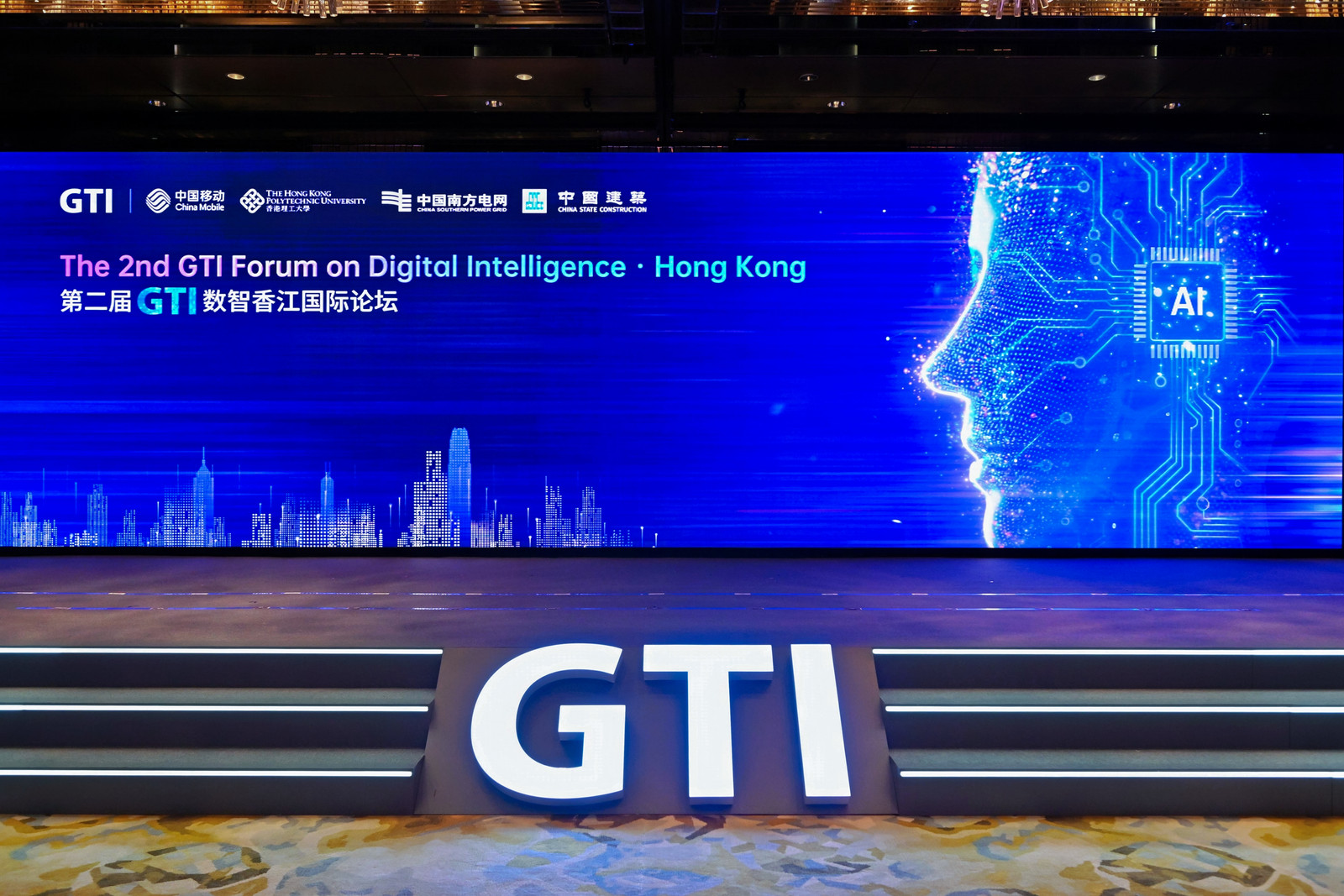
HONG KONG SAR – Media OutReach Newswire – 12 September 2025 – The 2nd GTI Forum on Digital Intelligence was held in Hong Kong under the theme “Openness, Sharing, Cooperation: Advancing Al Development”. The event brought together Li Zhen, Vice Chairman of the State-owned Assets Supervision and Administration Commission of the State Council (SASAC); Sun Dong, Secretary for Innovation, Technology and Industry of the Hong Kong Special Administrative Region Government; Zhao Houlin, Former Secretary-General of the International Telecommunication Union (ITU) and Honorary Chairman of the GTI Advisory Committee; Gim Huay Neo, Managing Director and Chair of Greater China at the World Economic Forum; Gao Tongqing, Chairman of GTI; Li Huidi, Vice President of China Mobile; Mark Nitzberg, Executive Director Center for Human-Compatible AI at UC Berkeley AI Research Lab; and Yannis Ioannidis, President of Association for Computing Machinery (ACM). The forum also welcomed representatives from ITU, GSMA, and other international organizations, scholars from leading universities and research institutions worldwide, as well as executives from more than 100 enterprises.

2nd GTI Forum on Digital Intelligence Convenes in Hong Kong Forging Global Consensus to Advance Inclusive AI Development

In his address, Sun Dong, Secretary for Innovation, Technology and Industry of the Hong Kong Special Administrative Region Government, highlighted Hong Kong’s full commitment to advancing technological innovation, actively integrating into the national development agenda, and establishing itself as an international innovation hub through policy support, infrastructure development, and international collaboration. He underscored AI as a vital engine for high-quality economic development, expressing Hong Kong’s commitment to joining hands with global partners to drive inclusive AI development. He highlighted Hong Kong’s ambition to serve as a frontier for AI research, technology transfer, and talent, contributing to both China’s AI strategy and global AI progress.
GTI Chairman Gao Tongqing stressed that GTI is deepening global cooperation, uniting consensus, and advancing the vision of “network-intelligence integration for inclusive AI.” GTI has launched the “5G-A×AI Integration Development Project” to identify landmark AI applications and innovations. To contribute to global development, the Mobile Intelligence Integration Index (MI³) has been introduced as a benchmark for advancing network-intelligence convergence. The index is designed to help stakeholders adapt to local conditions, leverage complementary strengths, and implement targeted measures to bridge the digital-intelligence divide. Gao further observed that over the past year, AI development has demonstrated three defining trends: the generalization of models, the customization of applications, and the embodiment of intelligence. Looking ahead, he put forward three proposals on behalf of GTI:
1. Jointly drive technological innovation to solidify intelligent foundations. Bring together global industry, academia, research, and application stakeholders; leverage the complementary strengths of East and West; and use GTI’s platform to address shared challenges.
2. Share open scenarios to empower diverse industries. Build and operate 5G-A×AI/6G open laboratories, actively open high-value industry scenarios, and co-develop replicable AI benchmark projects.
3. Establish dialogue platforms to advance AI for good. Foster constructive dialogue, leverage outcomes such as the MI3 Index, and explore common ground on AI standards, safety, and governance to promote human well-being.
Li Huidi, Executive Vice President of China Mobile, remarked that as a founding member of GTI, China Mobile has consistently upheld the principles of “openness, sharing, cooperation, and mutual benefit,” contributing to the prosperity of the global ICT industry. In recent years, China Mobile has positioned itself as a provider, integrator, and a facilitator in the field of AI. Through its AI action plan, China Mobile is driving faster innovation, and wider application of digital technologies, contributing its strength to sustainable high quality economic and social development. He outlined China Mobile’s strategy of advancing “AI for Life”, “AI for Production” and “AI for Governance”. To shape the AI+ era, Li proposed three initiatives to ensure AI is safe, fair, and beneficial:
1. Build world-class hubs for AI innovation. This calls for deeper partnerships among research institutes and industry, and stronger research into AI fundamentals, including mathematics, autonomous collaboration, and intelligent decision-making. At the same time, frontier fields such as spatial intelligence, embodied AI, and world models should be actively explored, while 6G–AI integration is advanced. The objective is to establish an original technology system capable of supporting AGI (Artificial General Intelligence) and ASI (Artificial Super Intelligence) in the future.
2. Accelerate AI adoption in real-world scenarios. This requires progress at every stage, from idea generation and design, to resource sharing and pilot demonstrations. With foresight and innovative practice, faster adoption of AI can be achieved in areas such as smart energy, intelligent construction, digital finance, and smart cities.
3. Harness AI for a better world. Guided by a human-centered approach, diversity of languages, cultures, and regions should be respected at every stage, from data collection and algorithm design to product application, ensuring that AI contributes to social equity and human well-being.
At the forum, China Mobile, together with GTI and the Zhongguancun Institute of Ubiquitous-X Innovation and Application, unveiled the “AI-Native 6G Open Testbed Hong Kong Node” and the achievements of Beijing-Hong Kong 6G interconnection trials. The Hong Kong and Beijing nodes will jointly serve as an international open 6G cooperation platform under GTI, supported by over 20 institutions including the University of Hong Kong, the Hong Kong Polytechnic University, the Hong Kong University of Science and Technology, and the University of Malaya. The Hong Kong node will help establish the city as a demonstration base for 6G innovation and industrialization, while facilitating broader international collaboration and knowledge exchange.
China Mobile and GTI also joined hands with more than 20 central enterprises, leading ICT companies, and renowned scholars from the US, Europe, and Asia to launch the “Global “AI+” Industry-Academia-Research Ecosystem Cooperation Initiative”. The initiative calls for:
1. Joint Technology Innovation. Focusing on cutting-edge AI technologies, network and AI integration, etc. industry–academia–research collaborative innovation will be advanced to accelerate the continuous progress of “AI+” technology.
2. Use Case Creation and Validation. Replicable and scalable industry application templates will be developed to strengthen “AI+” technology integration and scenario deployment capabilities.
3. Achievement Sharing. The “GTI 5G-A×AI 100 Commercial Campaign” will be launched to boost cross-regional sharing of products and solutions, ensuring that the benefits of “AI+” development are broadly accessible.
4. Ecosystem Co-building. With the support of international platforms such as GTI, global innovation networks will be expanded and regular exchanges and cooperation fostered, building an open “AI+” ecosystem founded on fairness, mutual trust, and win–win collaboration.

Mark Nitzberg, Executive Director Center for Human-Compatible AI at UC Berkeley AI Research Lab, Yannis Ioannidis, President of ACM and other global experts shared insights on AI development trends and cutting-edge technologies.

Additional keynote speakers and panelists included Zhao Houlin, Gim Huay Neo, Alexander Ntoko, Chief of Operation and Planning Department of TSB at ITU; Laurent Audoly, Professor at Northeastern University; Etienne Chaponniere, Vice President of Qualcomm; and Feng Junlan, Chief Scientist of China Mobile. Executives and experts from China Southern Power Grid, China State Construction, AMD, Intel, Siemens, Nokia, the University of Malaya, and Deloitte. They engaged in discussions on AI’s global role, innovation progress, and solutions, aiming to advance AI from theory to practice.
The forum also featured three sub-forums—”Intelligent Construction,” “Smart Energy,” and “Convergence of Networks and Al.” More than 20 distinguished academicians and industry leaders from construction, energy, telecommunications, and AI shared insights into AI applications across diverse sectors, driving the deep integration of “AI+” with economic and social development and empowering industries worldwide.

Hashtag: #GTI #ChinaMobile #AI #Connectivity

The issuer is solely responsible for the content of this announcement.

China Mobile International

China Mobile International Limited (CMI) is a wholly owned subsidiary of China Mobile. In order to provide high quality services to meet the growing demand in the international market, China Mobile established CMI in December 2010, headquartered in Hong Kong, China. CMI has expanded its footprint in 39 countries and regions. Leveraging the strong support by China Mobile, CMI is a trusted partner that provides comprehensive international information services and solutions to enterprises, carriers and mobile users. please visit

SUNeVision Marks Double Triumph at UNSDG Achievement Awards Hong Kong 2025

The Only Data Centre Provider Recognised for Exemplary Performance in Sustainable Organisation and Green Energy Initiative


HONG KONG SAR – Media OutReach Newswire – 12 September 2025 – SUNeVision Holdings Ltd. (“SUNeVision”; SEHK: 1686), the largest data centre provider in Hong Kong and the technology arm of Sun Hung Kai Properties Limited (“SHKP”), is proud to announce that it has garnered the Sustainable Organisation Merit Award and Recognised Project Award at the UNSDG Achievement Awards Hong Kong 2025, organised by the Green Council. SUNeVision has been honoured with this award for the third consecutive year, standing as the sole data centre recipient of this prestigious accolade. This recognition reflects the company’s long-standing commitment to integrating ESG principles into its business practices, alongside its adoption of green technology to drive momentum towards a sustainable economy.

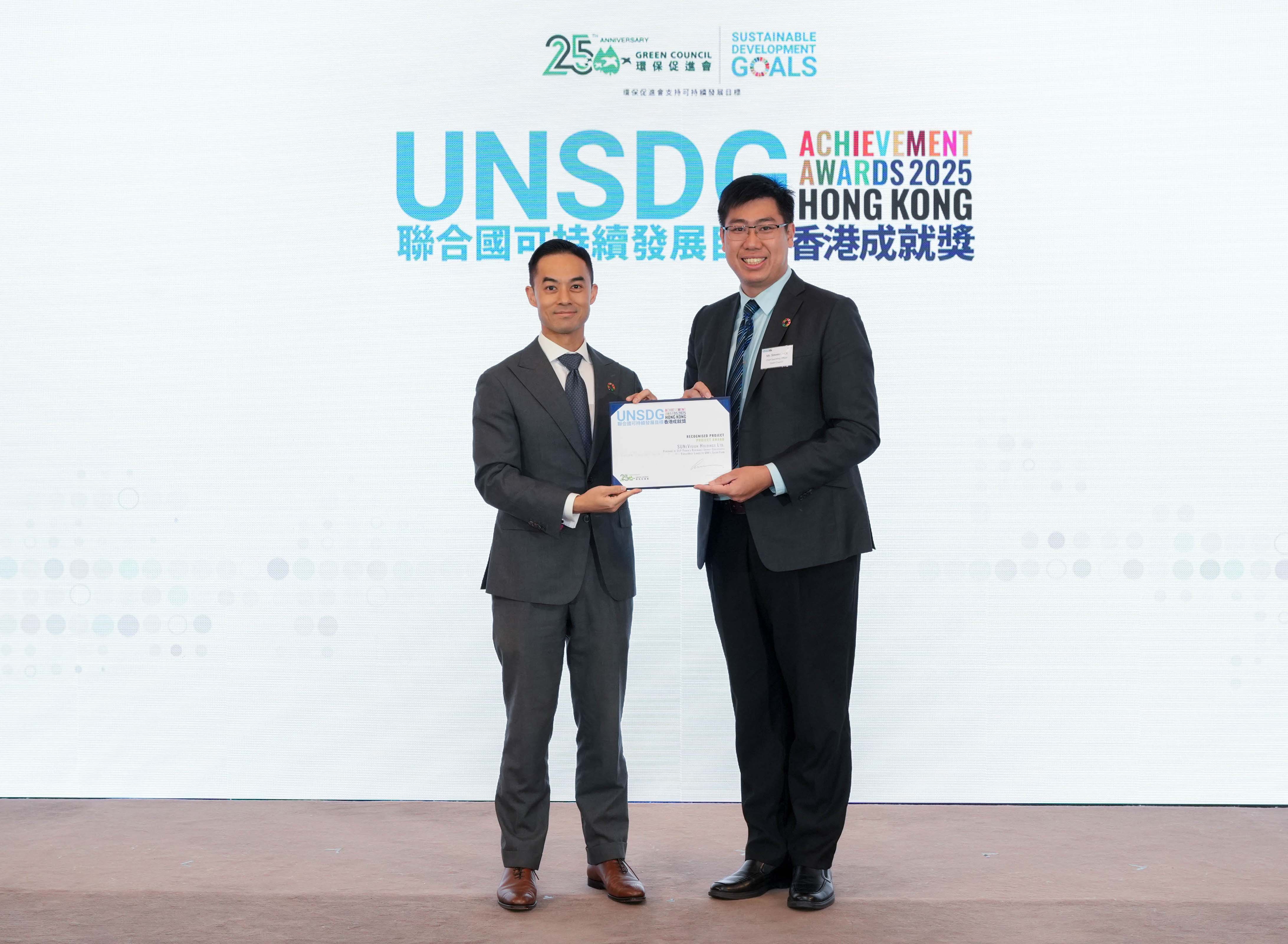
SUNeVision’s representative (left) received the UNSDG Achievement Awards Hong Kong 2025 – Sustainable Organisation Merit Award at the award ceremony.

The UNSDG Achievement Awards Hong Kong recognises SUNeVision as a Sustainable Organisation for its sustainability leadership within the industry and its contribution to the United Nations Sustainable Development Goals (SDGs). Environmentally conscious considerations are integral to the company’s business strategy, shaping its decision-making processes across every phase of the data centre lifecycle, from initial concept and planning, through construction and operations, to financial structuring. With a strong focus on corporate responsibility, SUNeVision is advancing long-term sustainability through the development of high energy-efficient infrastructure to mitigate environmental impact and address the growing challenges of climate change.

In addition to the corporate-wide recognition, SUNeVision earned the Recognised Project Award for launching the collaborative renewable energy solution with CLP Power Hong Kong Limited (CLP Power). SUNeVision has committed to harnessing the solar power to be generated from Hong Kong’s first privately funded solar farm on a landfill operated by Sun Hung Kai Properties’ affiliate, Green Valley Landfill Limited (GVL), via purchasing the site-specific CLP Renewable Energy Certificates (RECs). With construction completed recently, the solar farm is set to generate 1,200,000 kWh of renewable electricity annually, and the environmental attributes will offset a portion of carbon emissions from the energy consumption of SUNeVision’s data centre campus operations. This initiative, coupled with the company’s sustained efforts, marks a pivotal achievement.

SUNeVision has currently offset 100% of its own general building electricity consumption through the use of International Renewable Energy Certificates, reaffirming its commitment to supporting Hong Kong’s transition to a low-carbon city.

Helen Lo, Director of Commercial at SUNeVision, said, “We are honoured to receive this prestigious UNSDG award for the third consecutive year. While we are expanding our data centre capacity rapidly to fulfil growing AI and cloud needs, we are fully committed to adopting innovative ways to protect the environment and building green data infrastructure. Looking ahead, we are doubling down on our ESG efforts to foster a more sustainable ecosystem, while supporting Hong Kong’s green journey towards carbon neutrality by 2050.”

SUNeVision has been consistently leading green transformation by adopting energy-saving equipment, utilising renewable energy, and fostering responsible and transparent supply chain practices. As part of its efforts to enhance energy efficiency, the company has implemented a range of forward-thinking initiatives that leverage cutting-edge green technologies. These initiatives include the deployment of high-efficiency water cooling systems, installation of solar panels to convert energy, and the pioneering application of i2Cool’s radiative cooling paint across multiple facilities within the MEGA Campus. The sustainable design and build of SUNeVision’s world-class facilities have earned multiple global recognitions, including the industry-leading LEED Gold certifications for its hyperscale data centres MEGA IDC, MEGA Gateway, and MEGA Plus. Furthermore, MEGA-i, the leading connectivity hub in Asia, together with MEGA Plus and MEGA Two, have attained the highest certification level of ‘Excellent in Management” under the BEAM Plus Existing Buildings V2.0 Selective Scheme.

SUNeVision’s latest accomplishments further reinforce its vision of developing environmentally responsible and future-ready data centres that strike a balance between operational efficiency and environmental impact, contributing to a sustainable industry and the wider community.

Hashtag: #SUNeVision

The issuer is solely responsible for the content of this announcement.

About SUNeVision

SUNeVision (SEHK: 1686), the technology arm of Sun Hung Kai Properties (SEHK: 0016), is the largest data centre provider in Hong Kong. We provide industry-leading carrier and cloud-neutral data centre services with Asia’s number one connectivity. We connect providers of telecommunications, cloud, ISP, CDN, OTT from local, mainland China and global with enterprises of different businesses on our Asia leading data centre ecosystem.

SUNeVision forms MEGA Campus by extending the connectivity edge from highly connected MEGA-i to other high-tier data centres, including MEGA Gateway, MEGA IDC, MEGA Plus and MEGA Two. Facilities on MEGA Campus are interconnected through a dedicated dark fibre network and around 15,000 cross-connects. Together with City PoPs of major submarine cables in our facilities, we enable our customers for direct connections to multi-cloud platforms and multi-cloud exchanges with the best connectivity in town. The addition of cable landing stations HKIS-1 and HKIS-2 to our data centre portfolio will provide a one-stop-solution to cable owners and users, strengthening our position as the leading connectivity hub in Asia. We are committed to supporting Hong Kong as a regional information hub and a strategic gateway to mainland China.

For more information, please visit SUNeVision’s , or .

Agoda Maps Asia’s Appetite for Regional Food-Focused Tourism as Hoteliers Eat Up the Benefits

Food and drink experiences are among the top activities searched by Asian travelers, with Japan, Thailand, and Vietnam ranking as top culinary destinations

SINGAPORE, Sept. 12, 2025 /PRNewswire/ — Digital travel platform Agoda reveals data-driven insights to help hoteliers attract and engage guests, with regional food-focused tourism emerging as a trend across Asia. Japan ranks as the top searched destination for food and drink activities, based on search data from June to July 2025. Thailand takes second place, followed by Vietnam, Indonesia, and Malaysia rounding out the top five.

Culinary-focused activities ranked among the top five categories, alongside tours and immersive experiences, signalling a strong opportunity for hoteliers to differentiate by curating unique food experiences, or partnering with local restaurants and street food vendors to capitalize on this demand.

As Japan emerges as the top searched destination for culinary experiences, Japanese travelers themselves are also leading the way in seeking out food-focused experiences. Their top culinary destinations span both domestic locations within Japan as well as neighboring hotspots like Thailand, South Korea, Vietnam, Hong Kong, and Taiwan. Notably, Macao and Hong Kong have each emerged as popular destinations among travelers from Japan, Taiwan, Thailand, and South Korea indicating a growing appetite for exploring diverse regional cuisines.

According to Agoda’s most recent Top Foodie Destinations survey, nearly half of respondents from markets including South Korea, Taiwan, Thailand, Japan, and Malaysia consider culinary experiences their main reason for travel. These insights highlight a rising appetite for food-focused journeys and signal new opportunities for hoteliers to meet evolving guest preferences.

Andrew Smith, Senior Vice President, Supply at Agoda, commented, “Living in Thailand, I often see firsthand how food shapes travel experiences and its growing influence on how travelers are planning their journeys. Travelers are becoming more adventurous with their palates, seeking destinations celebrated for their food culture. Our search data shows that culinary experiences are now a top priority for many guests, and we encourage our hotel partners to embrace this trend whether by spotlighting local dining options, collaborating with nearby restaurants or curating unique food experiences for their guests.”

Hotels can stand out by investing in on-property restaurants that showcase local flavors or offering signature dishes that reflect the region’s culinary heritage. Creating hyper-local culinary guides and exclusive food experiences that reflect guest preferences – whether through accommodating dietary needs, spotlighting trending cuisines, or recommending popular local restaurants or food stalls – can further elevate the guest journey.

To deliver truly tailored hospitality, properties can adapt recommendations for each stay by drawing on guest feedback and surveys, ensuring a more personalized and memorable visit. Hotels can also simplify dining experiences with seamless table reservations at top restaurants either through their app or front desk and providing real-time support for last-minute dining requests.

Building strong partnerships with local restaurants and bars further enables hotels to connect guests with a wide range of authentic dining experiences, from neighborhood favorites and family-run eateries to popular street food spots and award-winning restaurants. These partnerships help extend the guest experience beyond the hotel, fostering lasting impressions and encouraging repeat visits.

As the region’s culinary scene continues to thrive in 2025, the second half of the year will feature a variety of high-profile food celebrations and industry events across Asia. These gatherings highlight emerging dining destinations and acclaimed restaurants, drawing food enthusiasts from around the world.  Agoda encourages hoteliers to leverage their proximity to these hotspots, positioning their properties as preferred choices for travelers seeking the latest in food and drink experiences.

Agoda remains committed to supporting partners with the insights, technology, and global reach needed to turn food-inspired travel into new opportunities. With over 6 million holiday properties, more than 130,000 flight routes, and over 300,000 activities, Agoda provides endless possibilities for creating unforgettable travel experiences.    

For more information on Agoda’s latest travel trends and recommendations for hoteliers, visit https://partnerhub.agoda.com/

Asia cohort of Phase 3 MARIPOSA study shows RYBREVANT® (amivantamab-vmjw) plus LAZCLUZE® (lazertinib) achieved statistically significant and clinically meaningful improvement in overall survival versus osimertinib in EGFR-mutated non-small cell lung cancer

Median overall survival in Asia cohort is projected to exceed four years, demonstrating a durable benefit and surpassing osimertinib monotherapy by more than one year

First and only chemotherapy-free combination in the first line setting to show survival improvement of this magnitude in a population with the highest-prevalence of EGFR-mutated lung cancer

SINGAPORE, Sept. 12, 2025 /PRNewswire/ — Johnson & Johnson today announced positive topline results for overall survival (OS) from the Asia cohort of the Phase 3 MARIPOSA study, evaluating amivantamab plus lazertinib as a first-line therapy for patients with locally advanced or metastatic non-small cell lung cancer (NSCLC) with epidermal growth factor receptor (EGFR) exon 19 deletions (ex19del) or L858R substitution mutations. In this cohort, where EGFR mutations are more common than in other regions, the chemotherapy-free combination met the final pre-specified secondary endpoint of OS and showed a clinically meaningful and statistically significant survival benefit over osimertinib monotherapy. Median OS improvement is projected to exceed four years, surpassing osimertinib monotherapy by more than one year.

Asia has the largest population of patients with EGFR-mutated NSCLC worldwide, with an estimated prevalence of 30 to 40 percent compared to 10 to 15 percent in Europe and the United States.[1] Despite treatment advances, approximately 30 percent of patients do not reach second-line therapy, making the choice of first treatment critical.[2] Fewer than 20 percent of patients are alive five years after diagnosis.[3]

EGFR-mutated NSCLC is more common in Asia Pacific than in other regions, which makes outcomes from the first treatment especially important,” said Byoung Chul Cho, M.D., Ph.D., Professor of Division of Medical Oncology, Yonsei Cancer Center, Yonsei University College of Medicine.* “Because of rapid disease progression and health system challenges, many patients will not have the chance to receive a second-line therapy. Therefore, the first treatment determines how the disease progresses over time. The MARIPOSA Asia cohort results show that survival can be significantly extended with amivantamab plus lazertinib in patients of Asian descent, helping them live longer.”

“For patients and families, every additional year means more time together and the chance to reach milestones that once felt out of reach,” said Kazuo Hasegawa, Founder of Lung Cancer Patients Network ONE STEP.** “The MARIPOSA Asia cohort results matter because they show that extending survival is possible in a disease where progress has often been measured in months.”

“Overall survival is the most meaningful measure of progress, and the MARIPOSA Asia cohort results reinforce the role of therapeutic innovations like amivantamab plus lazertinib in the first-line setting,” said Anthony Elgamal, Vice President of Oncology, Johnson & Johnson Innovative Medicine Asia Pacific. “With its triple mode of action targeting EGFR and MET while also activating immune cells, amivantamab plus lazertinib addresses resistance that often limits tyrosine kinase inhibitor based therapy and delivers durable survival. These findings, with a median overall survival projected beyond four years, mark an important milestone for patients across Asia.”

MARIPOSA, which enrolled 1,074 patients, is a randomized, Phase 3 study evaluating amivantamab in combination with lazertinib versus osimertinib as a first-line treatment of patients with EGFR-mutated NSCLC. The primary endpoint was progression-free survival (PFS) (using RECIST v1.1 guidelines§) as assessed by blinded independent central review (BICR). Secondary endpoints included OS, objective response rate (ORR), duration of response (DOR), second progression-free survival (PFS2) and intracranial PFS.[4]

The safety profile of amivantamab plus lazertinib was consistent with the primary analysis and no new safety signals emerged with longer-term follow-up. Phase 2 amivantamab studies suggest that using prophylactic measures can help lower the risk of adverse events such as skin reactions, infusion-related reactions and venous thromboembolic events.[5],[6],[7]

Overall survival results from the Asia cohort will be presented at an upcoming congress. The combination of amivantamab and lazertinib is approved in the United States, Europe and the Asia-Pacific region in the Japan, China, Australia, Korea and Taiwan markets for first-line treatment for patients with EGFR-mutated NSCLC based on the global MARIPOSA Phase 3 study. 

About amivantamab  

Amivantamab-vmjw, a fully-human bispecific antibody targeting EGFR and MET with immune cell-directing activity, is approved in the U.S., Europe and five countries and markets in Asia-Pacific region in combination with lazertinib for the first-line treatment of adult patients with locally advanced or metastatic NSCLC with EGFR exon 19 deletions or exon 21 L858R substitution mutations.

Amivantamab is approved in the U.S., Europe and nine countries and markets in Asia-Pacific region in combination with chemotherapy (carboplatin-pemetrexed) for the treatment of adult patients with locally advanced or metastatic NSCLC with EGFR exon 19 deletions or L858R substitution mutations, whose disease has progressed on or after treatment with an EGFR TKI.

Amivantamab is approved in the U.S., Europe and eleven countries and markets in Asia-Pacific region in combination with chemotherapy (carboplatin and pemetrexed) for the first-line treatment of adult patients with locally advanced or metastatic NSCLC with EGFR exon 20 insertion mutations.  

Amivantamab is approved in the U.S., Europe and twelve countries and markets in Asia-Pacific region as monotherapy for the treatment of adult patients with locally advanced or metastatic NSCLC with EGFR exon 20 insertion mutations. 

About lazertinib

In 2018, Janssen Biotech, Inc., entered into a license and collaboration agreement with Yuhan Corporation for the development of lazertinib (marketed as LECLAZA in South Korea). Lazertinib is an oral, third-generation, brain-penetrant EGFR TKI that targets both the T790M mutation and activating EGFR mutations while sparing wild-type EGFR. An analysis of the efficacy and safety of lazertinib from the Phase 3 LASER301 study was published in The Journal of Clinical Oncology in 2023.[8]

About Non-Small Cell Lung Cancer

Worldwide, lung cancer is one of the most common cancers, with NSCLC making up 80 to 85 percent of all lung cancer cases.[9],[10] The main subtypes of NSCLC are adenocarcinoma, squamous cell carcinoma, and large cell carcinoma.[11] Among the most common driver mutations in NSCLC are alterations in EGFR, which is a receptor tyrosine kinase controlling cell growth and division.[12] EGFR mutations are present in 10 to 15 percent of Western patients with NSCLC with adenocarcinoma histology and occur in 40 to 50 percent of Asian patients.[12],[13],[14],[15],[16] EGFR ex19del or EGFR L858R mutations are the most common EGFR mutations.[17] The five-year survival rate for all people with advanced NSCLC and EGFR mutations treated with EGFR TKIs is less than 20 percent.[18],[19] EGFR exon 20 insertion mutations are the third most prevalent activating EGFR mutation.[20] Patients with EGFR exon 20 insertion mutations have a real-world five-year overall survival (OS) of eight percent in the frontline setting, which is worse than patients with EGFR ex19del or L858R mutations, who have a real-world five-year OS of 19 percent.[21] By comparison, other common cancers, such as breast and prostate cancer have a 5-year real world OS of 90 percent and 97 percent respectively.[22]

About Johnson & Johnson 

At Johnson & Johnson, we believe health is everything. Our strength in healthcare innovation empowers us to build a world where complex diseases are prevented, treated, and cured, where treatments are smarter and less invasive, and solutions are personal. Through our expertise in Innovative Medicine and MedTech, we are uniquely positioned to innovate across the full spectrum of healthcare solutions today to deliver the breakthroughs of tomorrow and profoundly impact health for humanity. Learn more at https://www.jnj.com or at http://www.innovativemedicine.jnj.com/. Follow us at @JNJInnovMed. Johnson & Johnson International (Singapore) Pte. Ltd is a Johnson & Johnson company.

Cautions Concerning Forward-Looking Statements 

This press release contains “forward-looking statements” as defined in the Private Securities Litigation Reform Act of 1995 regarding product development and the potential benefits and treatment impact of amivantamab or lazertinib. The reader is cautioned not to rely on these forward-looking statements. These statements are based on current expectations of future events. If underlying assumptions prove inaccurate or known or unknown risks or uncertainties materialize, actual results could vary materially from the expectations and projections of Johnson & Johnson. Risks and uncertainties include, but are not limited to: challenges and uncertainties inherent in product research and development, including the uncertainty of clinical success and of obtaining regulatory approvals; uncertainty of commercial success; manufacturing difficulties and delays; competition, including technological advances, new products and patents attained by competitors; challenges to patents; product efficacy or safety concerns resulting in product recalls or regulatory action; changes in behavior and spending patterns of purchasers of health care products and services; changes to applicable laws and regulations, including global health care reforms; and trends toward health care cost containment. A further list and descriptions of these risks, uncertainties and other factors can be found in Johnson & Johnson’s most recent Annual Report on Form 10-K, including in the sections captioned “Cautionary Note Regarding Forward-Looking Statements” and “Item 1A. Risk Factors,” and in Johnson & Johnson’s subsequent Quarterly Reports on Form 10-Q and other filings with the Securities and Exchange Commission. Copies of these filings are available online at http://www.sec.gov, http://www.jnj.com, or on request from Johnson & Johnson. Johnson & Johnson does not undertake to update any forward-looking statement as a result of new information or future events or developments.       

*Professor Byoung Chul Cho has not been paid for any media work.

**Mr. Kazuo Hasegawa has served as a consultant to J&J; he has not been paid for any media work.

§ RECIST (version 1.1) refers to Response Evaluation Criteria in Solid Tumors, which is a standard way to measure how well solid tumors respond to treatment and is based on whether tumors shrink, stay the same or get bigger.

[1] Zhang YL, Yuan JQ, Wang KF, et al. The prevalence of EGFR mutation in patients with non-small cell lung cancer: a systematic review and meta-analysis. Oncotarget. 2016;7(48):78985-78993. doi:10.18632/oncotarget.12587

[2] Roeper J, et al. Risk of not receiving 2nd line therapy is high in EGFR mt+ pts: Real world data of certified lung cancer centers on treatment sequence in EGFR mt+ pts. J Clin Oncol. 2018;36(suppl):e21220. doi:10.1200/JCO.2018.36.15_suppl.e21220

[3] Sabari JK, Yu HA, Mahadevia PJ, et al. Overall survival in EGFR-mutant advanced non–small cell lung cancer treated with first-line osimertinib: a cohort study integrating clinical and biomarker data in the United States. J Thorac Oncol. Published online May 2, 2025. doi:10.1016/j.jtho.2025.04.010

[4] ClinicalTrials.gov. A Study of Amivantamab and Lazertinib Combination Therapy Versus Osimertinib in Locally Advanced or Metastatic Non-Small Cell Lung Cancer (MARIPOSA). https://classic.clinicaltrials.gov/ct2/show/NCT04487080. Accessed September 2025.

[5] Girard, et al. Preventing Moderate to Severe Dermatologic Adverse Events in First-line EGFR-mutant Advanced NSCLC Treated with Amivantamab Plus Lazertinib: Early Success of the COCOON Trial. 2025 European Lung Cancer Congress. March 27, 2025.

[6] Spira AI, et al. Preventing infusion-related reactions with intravenous amivantamab—results from SKIPPirr, a phase 2 study: a brief report. J Thorac Oncol. 2025;20(6):809-816.

[7] Leighl N, et al. Subcutaneous Versus Intravenous Amivantamab, Both in Combination With Lazertinib, in Refractory Epidermal Growth Factor Receptor-Mutated Non-Small Cell Lung Cancer: Primary Results From the Phase III PALOMA-3 Study. J Clin Oncol. 2024;42(30):3593-3605.

[8] Cho BC, et al. Lazertinib versus gefitinib as first-line treatment in patients with EGFR-mutated advanced non-small-cell lung cancer: Results From LASER301. J Clin Oncol. 2023;41(26):4208-4217.

[9] The World Health Organization. Cancer. https://www.who.int/news-room/fact-sheets/detail/cancer. Accessed September 2025.

[10] American Cancer Society. What is Lung Cancer? https://www.cancer.org/content/cancer/en/cancer/lung-cancer/about/what-is.html. Accessed September 2025.

[11] Oxnard JR, et al. Natural history and molecular characteristics of lung cancers harboring EGFR exon 20 insertions. J Thorac Oncol. 2013;8(2):179-84. doi: 10.1097/JTO.0b013e3182779d18.

[12] Bauml JM, et al. Underdiagnosis of EGFR Exon 20 Insertion Mutation Variants: Estimates from NGS-based Real World Datasets. 2021 World Conference on Lung Cancer Annual Meeting; January 29, 2021.

[13] Pennell NA, et al. A phase II trial of adjuvant erlotinib in patients with resected epidermal growth factor receptor-mutant non-small cell lung cancer. J Clin Oncol. 37:97-104.

[14] Burnett H, et al. Epidemiological and clinical burden of EGFR exon 20 insertion in advanced non-small cell lung cancer: a systematic literature review. 2021 World Conference on Lung Cancer Annual Meeting; January 29, 2021.

[15] Zhang YL, et al. The prevalence of EGFR mutation in patients with non-small cell lung cancer: a systematic review and meta-analysis. Oncotarget. 2016;7(48):78985-78993.

[16] Midha A, et al. EGFR mutation incidence in non-small-cell lung cancer of adenocarcinoma histology: a systematic review and global map by ethnicity. Am J Cancer Res. 2015;5(9):2892-2911.

[17] American Lung Association. EGFR and Lung Cancer. https://www.lung.org/lung-health-diseases/lung-disease-lookup/lung-cancer/symptoms-diagnosis/biomarker-testing/egfr. Accessed September 2025.

[18] Howlader N, et al. SEER Cancer Statistics Review, 1975-2016, National Cancer Institute. Bethesda, MD, https://seer.cancer.gov/csr/1975_2016/, based on November 2018 SEER data submission, posted to the SEER web site.

[19] Lin JJ, et al. Five-year survival in EGFR-mutant metastatic lung adenocarcinoma treated with EGFR-TKIs. J Thorac Oncol. 2016;11(4):556-65.

[20] Arcila, M. et al. EGFR exon 20 insertion mutations in lung adenocarcinomas: prevalence, molecular heterogeneity, and clinicopathologic characteristics. Mol Cancer Ther. 2013; 12(2):220-9.

[21] Girard N, et al. Comparative clinical outcomes for patients with NSCLC harboring EGFR exon 20 insertion mutations and common EGFR mutations. Abstract presented at: World Conference on Lung Cancer Annual Meeting; January 29, 2021; Singapore. 

[22] Surveillance, Epidemiology, and End Results (SEER) Program, National Cancer Institute, 2024.