BEIJING, CHINA – Media OutReach Newswire – 11 September 2025 – The 2025 China International Fair for Trade in Services underscores China’s commitment to high-level opening-up, according to one expert.
The 2025 CIFTIS opened in Beijing , themed “Embrace Intelligent Technologies, Empower Trade in Services”
“It is these areas that today determine the transition from traditional services to high-tech and knowledge-intensive solutions,” Tolonbek Abdyrov, a professor of economics and vice rector of the International Higher School of Medicine in Kyrgyzstan, told Xinhua, noting China’s push in cloud computing, big data, artificial intelligence, fintech, digital healthcare and online education.
This year’s fair, scheduled from Wednesday to Sunday in Beijing, will highlight how digital and intelligent technologies are reshaping the sector.
“For the international community, for many countries of the world, this means there is an opportunity not only to access modern technologies, but also to participate in new standards of the global market,” he said.
Abdyrov said China continues to improve systems and mechanisms for opening its economy to the world. For developing countries, the professor added, cooperation with China in services offers clear advantages.
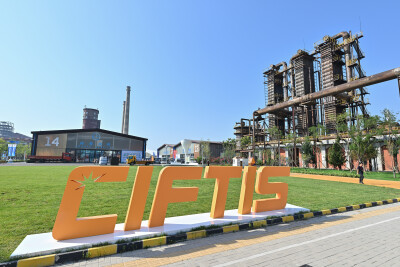
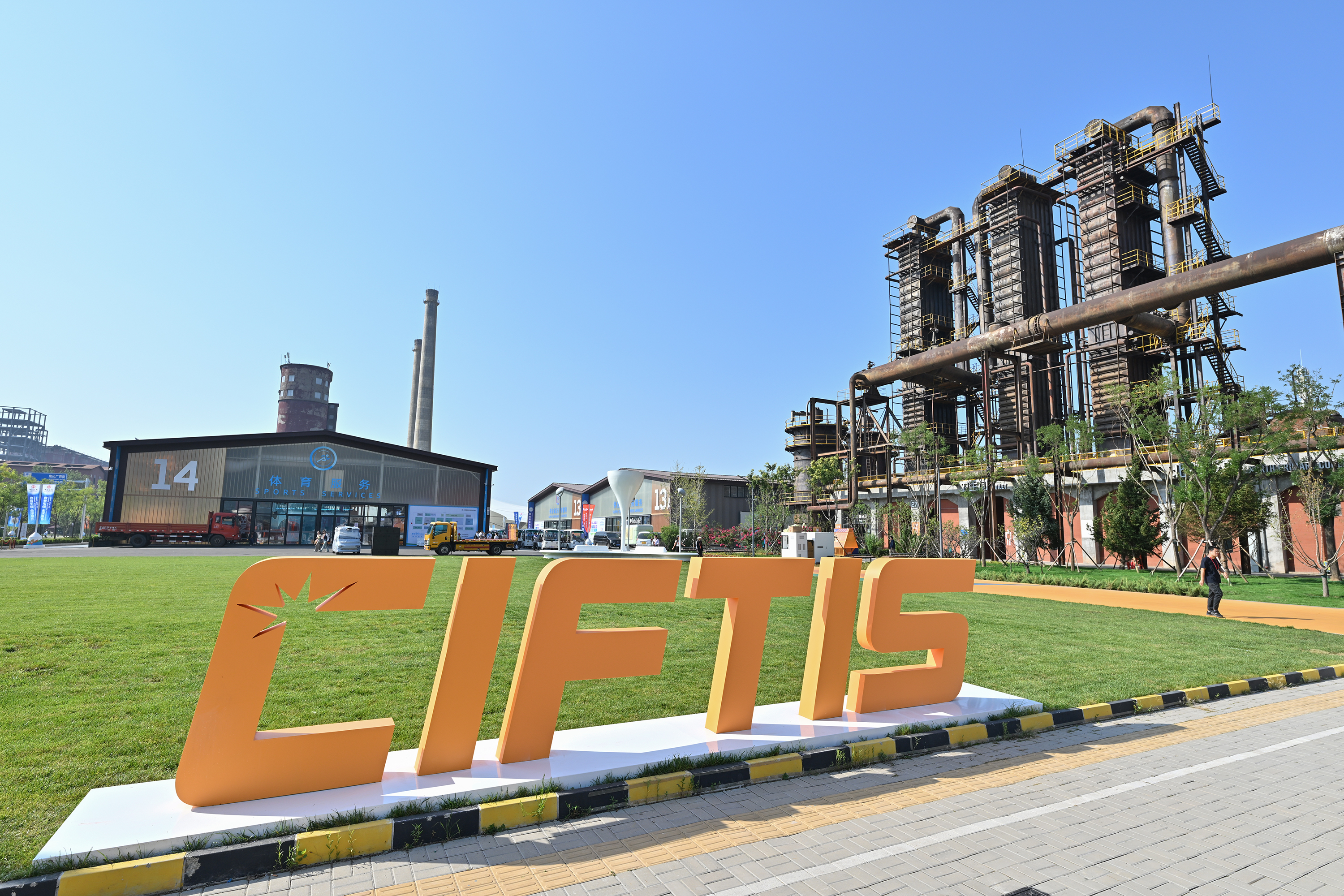
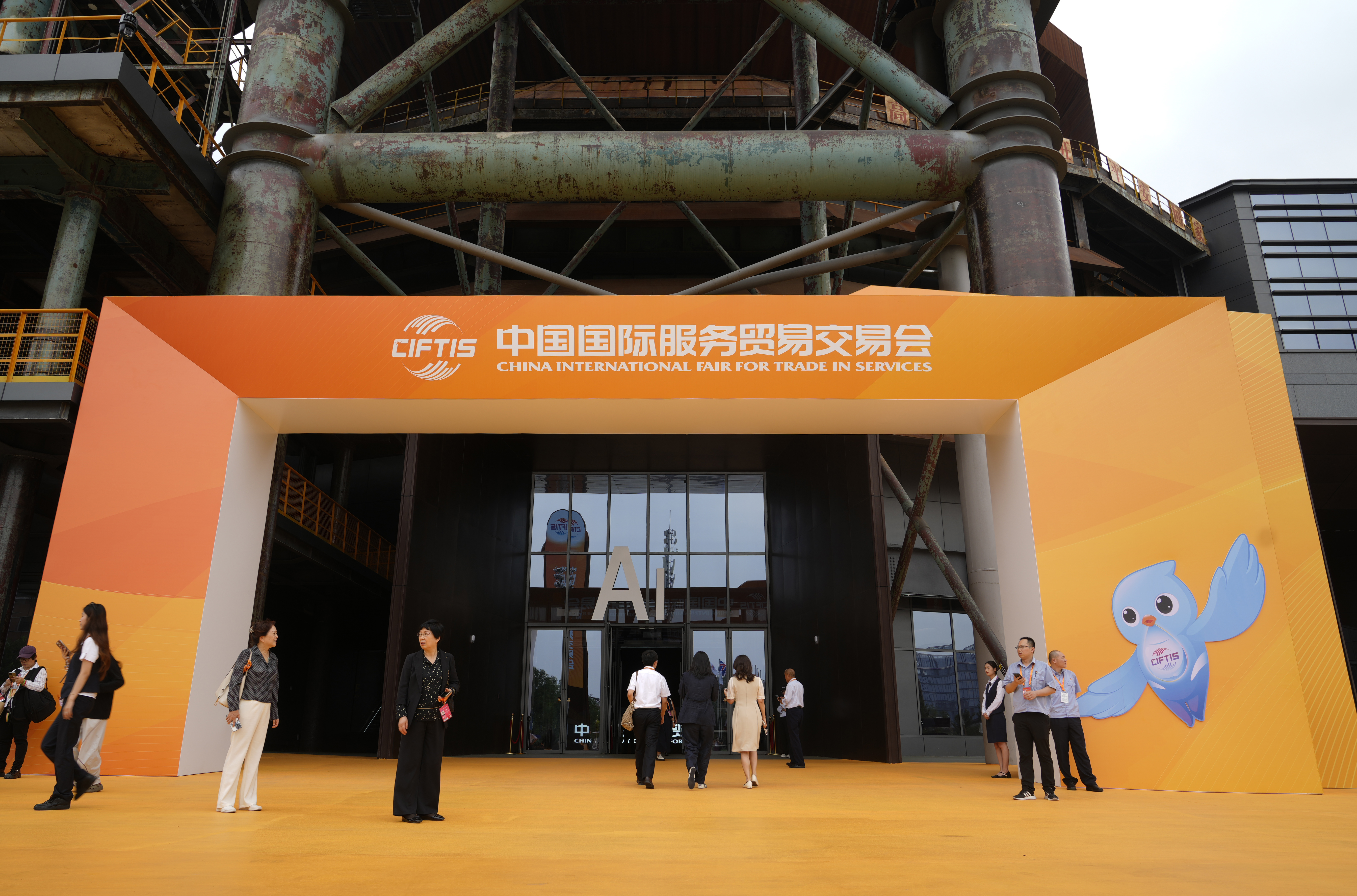
A visitor walks past an installation at the venue of upcoming China International Fair for Trade in Services (CIFTIS) at Shougang Park in Beijing, capital of China, Sept. 9, 2025. (Xinhua/Chen Zhonghao)
The 2025 CIFTIS opened in Beijing , themed “Embrace Intelligent Technologies, Empower Trade in Services”
“Firstly, this opens access to the world’s largest market, where demand for innovative solutions continues to grow. Secondly, China creates conditions for cross-border cooperation, which reduces barriers to entry and exit,” he said. That also includes opportunities to advance green and sustainable services, laying the groundwork for long-term partnerships aligned with global development goals.
According to China’s Ministry of Commerce, service imports and exports in the first half of 2025 topped 3.8 trillion yuan (533 billion U.S. dollars), up 8 percent year on year. The growth, Abdyrov said, highlights how services are emerging as a strategic sector even as global goods trade slows.
The professor pointed to China’s institutional reforms, such as streamlined rules for foreign-funded companies, pilot free trade zones and new digital standards, as examples of how Beijing is promoting openness and innovation.
“These steps not only strengthen China’s competitiveness, but also create a platform for equal participation by partners, including emerging economies,” Abdyrov said.
He added that the fair will serve not only as a showcase of China’s achievements but also as an invitation for other countries to help shape a new generation of global trade rules grounded in innovation, digitalization and sustainable growth.
Hashtag: #CIFTIS
The issuer is solely responsible for the content of this announcement.
KUALA LUMPUR, Malaysia, Sept. 11, 2025 /PRNewswire/ — Full-stack Web3 solutions provider Lydian Labs, known for their flagship event Malaysia Blockchain Week 2025 (MYBW), has been officially acquired by BlockOffice.
BLOCKOFFICE ACQUIRES WEB3 MARKETING AGENCY POWERHOUSE– ACTIV8 LAB (PREVIOUSLY LYDIAN LABS)– ORGANISER OF MALAYSIA BLOCKCHAIN WEEK
BlockOffice provides fractional CFO, company formation, accounting & taxes, fundraising and backoffice services for Web3 & tech companies. Additionally, BlockOffice is also funded by founders, investors and C levels from tier 1 companies such as Accel, Deel, Nium, Wise, Coinbase, Temasek and more.
“At BlockOffice, we focus on providing fractional CFO & finance backoffice solutions for our clients. We produce P&L and growth metrics and often see that they are lacking options in efficient growth & marketing strategies with positive ROI. It is extremely rare to find principled marketing experts like Noelle and Ian from ACTIV8 (previously Lydian Labs) who work closely with clients to drive objective-focused growth and goals. By providing our clients Web3 marketing expertise via ACTIV8 with hundreds of case studies, our services now go beyond finance and backoffice by imbuing their campaigns with better results and amplified growth.” — Jay Lim, Founder & CEO of BlockOffice Group.
NEW BEGINNINGS AS ACTIV8, SAME STRONG ROOTS
Upon the acquisition by BlockOffice, Lydian Labs has been rebranded to ACTIV8. The two main operating co-founders from Lydian Labs– Noelle Lee and Dr. Ian Tan– will transition over to ACTIV8 as its leadership, along with most of the prior employees while the remaining members will depart from the business.
“ACTIV8 is proud to inform and reassure all its stakeholders that this acquisition will strengthen our ability to deliver better results. With more resources, we will help our clients achieve better growth and success compared to our time at Lydian Labs.” – Managing Partner of ACTIV8 (previously Lydian Labs), Noelle Lee.
In fact, in less than 3 months of the acquisition right after Malaysia Blockchain Week, the company is producing 3x growth in sales on a year-on-year basis.
ACTIV8 will work closely with BlockOffice leadership and its international teams across Asia, US and Europe after its acquisition, operating as part of BlockOffice’s main operations within the Web3 and blockchain landscape.
Beyond ACTIV8, BlockOffice has strengthened its ecosystem through acquisitions such as Pixel8Labs, a leading technology studio with expertise in building crypto exchanges, gaming, payment platforms, launchpads, NFTs and DeFi applications.
With ACTIV8 as their latest acquisition, BlockOffice now brings together five pillars of expertise, namely:
Finance – BlockOffice as fractional CFO & company formation services
Marketing – ACTIV8 as fractional CMO, global Web3 marketing services & official organizer of the inaugural Malaysia Blockchain Week
Technology- Pixel8labs as fractional CTO & Product Development services
Web3 Advisory – Whitepaper Auditor as token advisory & listing support services
Investments- BlockOffice Ventures as the earmarked proprietary fund for selected investments.
MALAYSIA BLOCKCHAIN WEEK 2026 WILL BE EVEN GRANDER
ACTIV8 will remain as the official organizer of Malaysia Blockchain Week (MYBW), which debuted in 2024 under Lydian Labs.
This year’s MYBW 2025 was successfully held in July with more than 6,000 local and international attendees, marking it as one of the region’s most influential Web3 events. Graced by both Minister of Digital YB Gobind Singh Deo and Minister of Science, Technology, and Innovation YB Chang Lih Kang, MYBW 2025 lit the path for the future of Web3 in Malaysia, and will continue to forge ahead as one of Southeast Asia’s leading Web3 events.
“Malaysia Blockchain Week is the pride and joy of Malaysia and the team behind it. As ACTIV8, we will continue to provide a launchpad for all things Web3 for Malaysians and the world. The current MYBW working team will continue to grow the IP to be stronger and bigger, aligned with its goals to make Malaysia a regional blockchain hub.” — Dr Ian Tan, Managing Partner of ACTIV8 (previously Lydian Labs).
MYBW 2025 achieved record growth, doubling attendance, speakers, and overall footfall compared to its 2024 debut. With BlockOffice’s global network of Web3 experts, planning for the flagship national Web3 event MYBW 2026 is already underway and promises to make an even greater impact.
ACTIV8 is the creative marketing lab under the BlockOffice umbrella, where everything and anything marketing comes to life. We curate experiences that captivate audiences, spark movements, and help Web3 brands truly resonate — driven by strategic hyperlocalisation across APAC and Chinese-speaking markets.
BEIJING, CHINA – Media OutReach Newswire – 11 September 2025 – Against the backdrop of repurposed blast furnaces and industrial relics of Shougang Park in western Beijing, the 2025 China International Fair for Trade in Services (CIFTIS) opened on Wednesday, striking a tone of open markets and digital innovation.
People visit a booth of Pop Mart during the 2025 China International Fair for Trade in Services (CIFTIS) in Beijing, capital of China, Sept. 10, 2025. (Xinhua/Chen Yehua)
This year marks the first time the entire fair is being held at Shougang Park, a 3-square-kilometer industrial heritage site and a venue for the Beijing 2022 Winter Olympics. The theme, “Embrace Intelligent Technologies, Empower Trade in Services,” underscores a focus that resonates far beyond China’s borders.
The scale of this year’s CIFTIS is vast, with 85 countries and international organizations — including Australia, Germany and the World Intellectual Property Organization — taking part. Nearly 2,000 companies are exhibiting on-site, including close to 500 Fortune Global 500 companies and industry-leading enterprises like Walmart, AstraZeneca and KPMG. The fair’s participants, notably, come from 26 of the world’s top 30 countries and regions in terms of services trade.
The transformation of the global economy, where services now form the backbone of growth, took center stage in speeches and discussions at the Global Trade in Services Summit, co-hosted on Wednesday by the United Nations Conference on Trade and Development (UNCTAD), China’s Ministry of Commerce and the Beijing municipal government.
“Services are no longer a supporting actor in global commerce. They are a driver of growth,” said Johanna Hill, deputy director-general of the World Trade Organization (WTO). She highlighted that the sector accounts for two-thirds of the global economy, half of worldwide employment and 40 percent of trade flows in value-added terms.
Echoing Hill’s comments, Pedro Manuel Moreno, deputy secretary-general of UNCTAD, called services “the center of global economic transformation.” He shared striking figures — services exports have grown twice as fast as goods exports over the past decade, rising from 22 percent of world exports in 2014 to 27 percent in 2024. They also attract over half of all global foreign direct investment.
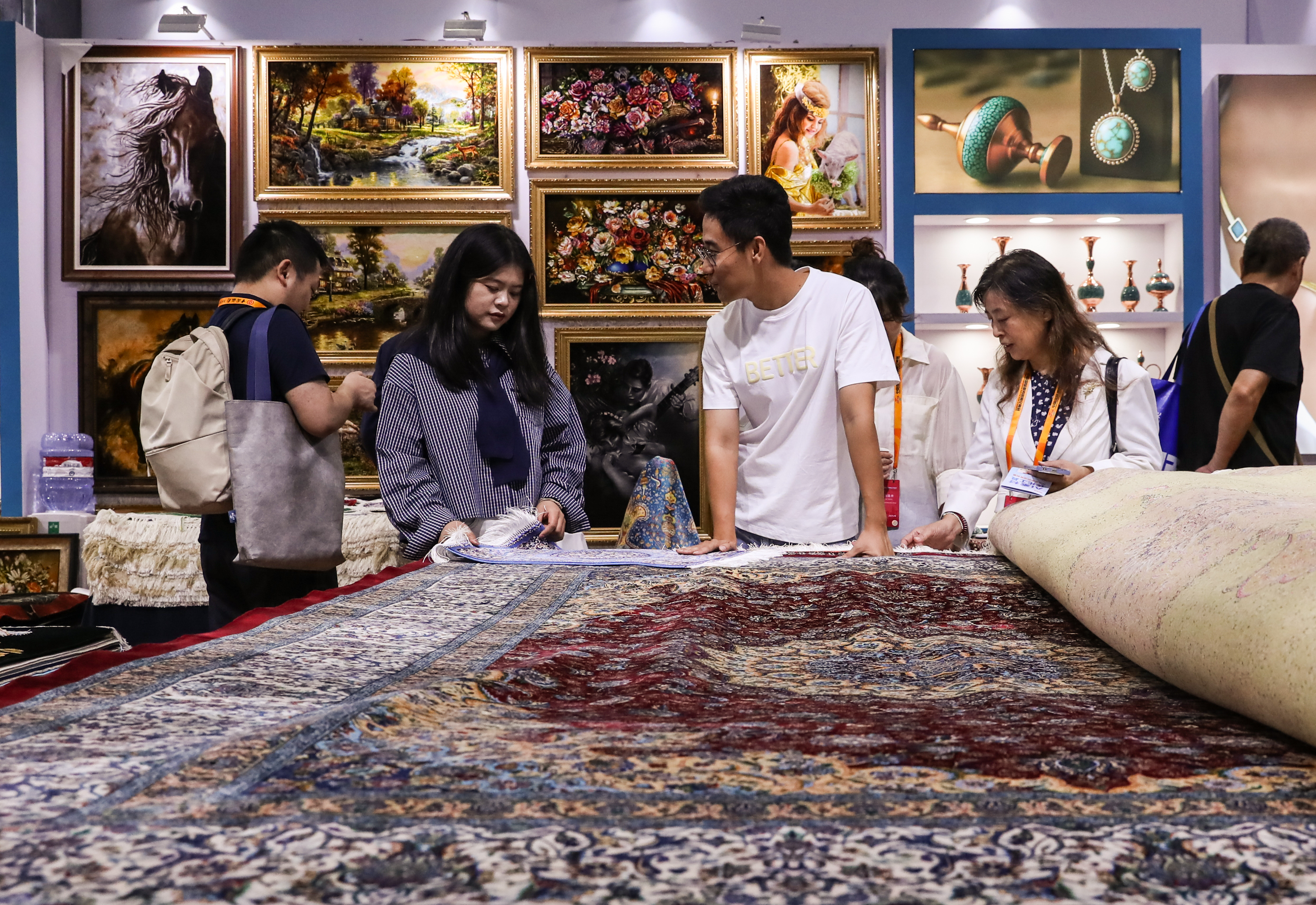
Visitors view exhibits at the booth of Iran during the 2025 China International Fair for Trade in Services (CIFTIS) in Beijing, capital of China, Sept. 10, 2025. (Xinhua/Shan Yuqi)
China leveraged the platform to reaffirm its commitment to opening up. In his keynote speech, Chinese Vice Premier Ding Xuexiang noted that the country’s services trade scale “broke new ground in 2024, exceeding 1 trillion U.S. dollars for the first time.” He linked this to China’s institutional opening of its services sector, including the rollout of a nationwide negative list for cross-border services trade, expanded market access in telecoms and healthcare, facilitated services trade and visa-free policies.
Official data showed that the total value of China’s services trade climbed 8 percent year on year to 3.9 trillion yuan (about 548.82 billion U.S. dollars) in the first half of 2025 — hitting a historic record.
China’s Commerce Minister Wang Wentao emphasized how the host venue, Shougang Park, blends industrial heritage with the Winter Olympics legacy to promote interaction between exhibitions, conferences, business, tourism, culture and sports.
The role of international collaboration proved a recurring topic on the opening day.
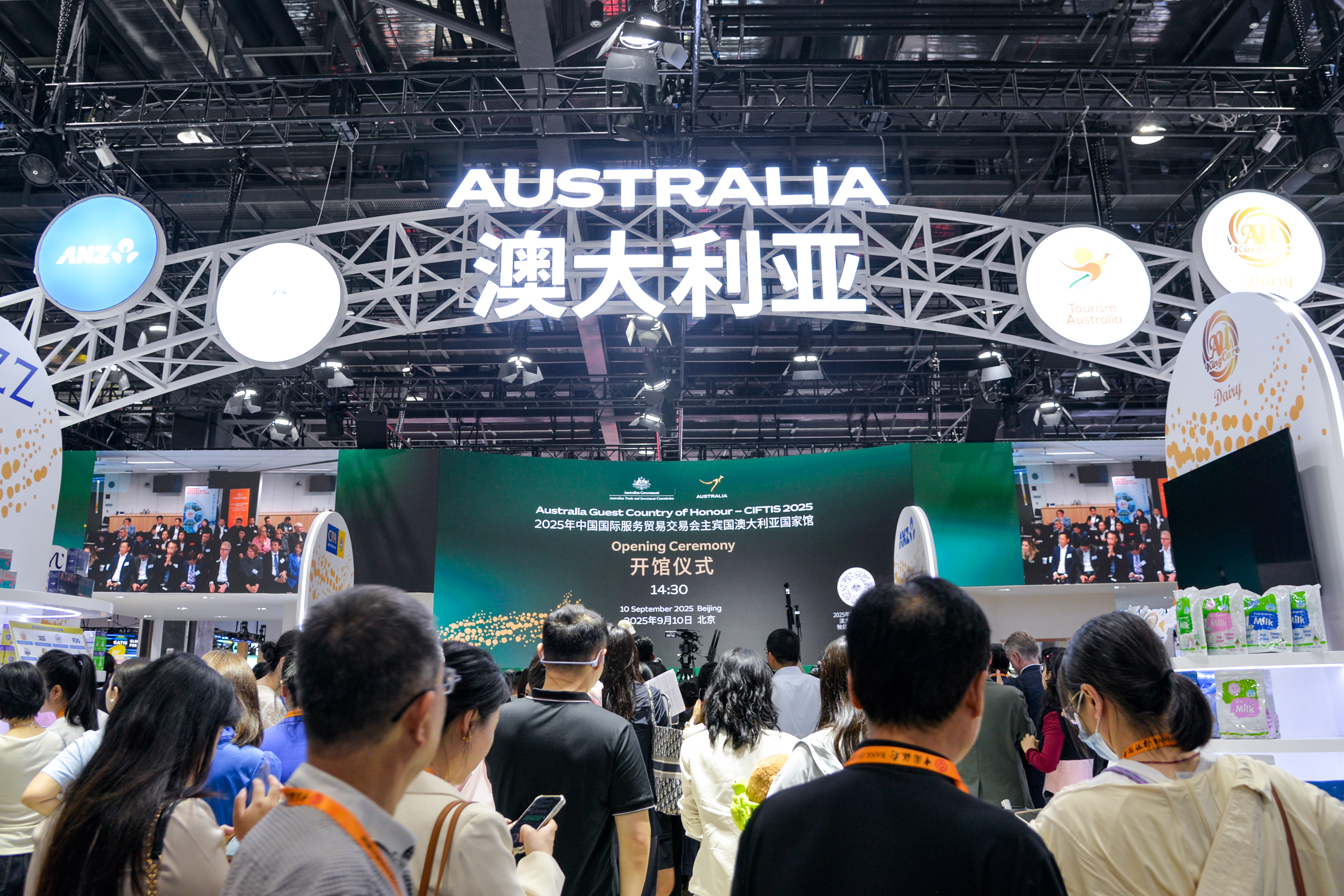
Australia is the guest country of honor at the 2025 CIFTIS. “It’s an important platform for us to build links between Australian and Chinese businesses,” said Scott Dewar, Australian ambassador to China. He highlighted the presence of 60 Australian companies at the 2025 edition of this fair — spanning sectors like education, tourism, finance, healthcare, architecture and food and beverages.
This sentiment was shared on the ground. “Australia and China have had a long collaboration in the education sector, which is a key area of the services trade,” said Christopher Hogg, global business development manager at Chisholm Institute of TAFE, a provider of vocational training and higher education in Australia.
Henning Kristoffersen, commercial counselor of the Norwegian Embassy in Beijing, attending this event for a third time, pointed to concrete business opportunities. “Chinese consumers are very health-conscious. And for the products that we have in Norway, this is great,” he said, mentioning Omega-3 supplements and fish oil as examples. “Our companies have a great chance to showcase their products and meet potential Chinese partners.”
More than a diplomatic and business gathering, the fair is also a launchpad for innovation. A total of 113 companies will unveil 198 new products and achievements at the 2025 edition — spanning the fields of artificial intelligence, healthcare and smart logistics, as well as the integrated development of business, tourism, culture, sports and wellness.
Alongside the core agenda of 13 themed forums, 82 special topic forums and 81 promotional business talks — there will be over 40 supportive activities ranging from cultural performances and pop-up markets to sports events, aimed at boosting consumption and enhancing the fair experience.
“I’m encouraged by the content that we’re about to see, including innovative technology and digitalization,” said Crystal Edn, executive director of member services for the World Trade Centers Association, who is attending her first CIFTIS.
The event will run for five days until Sept. 14 — with the first three days set aside for professional visitors and the last two open to the general public.
Hashtag: #2025CIFTIS
The issuer is solely responsible for the content of this announcement.
BEIJING, CHINA – Media OutReach Newswire – 11 September 2025 – On September 10, the 2025 China International Fair for Trade in Services (CIFTIS), themed “Embrace Intelligent Technologies, Empower Trade in Services,” opened as scheduled.
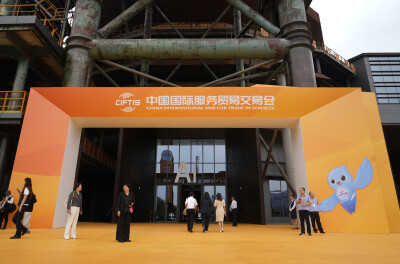
Caption:This photo taken on Sept. 10, 2025 shows an entrance of a venue of the 2025 China International Fair for Trade in Services (CIFTIS) in Beijing, capital of China. The 2025 CIFTIS opened in Beijing on Wednesday, themed Embra
More than 80 countries and international organizations have brought distinctive exhibits and events; nearly 500 Fortune Global 500 companies and global industry leaders have set up offline exhibitions; over 170 forums and business matchmaking sessions are underway; and more than 190 new products and achievements are making their debut… After 13 years, CIFTIS has evolved from a simple sector-specific exhibition into a major global platform for “Global Services, Shared Prosperity.” Beijing, the capital city of China, is leveraging this momentum to raise high the banner of opening up and set a new benchmark for opening up the services sector.
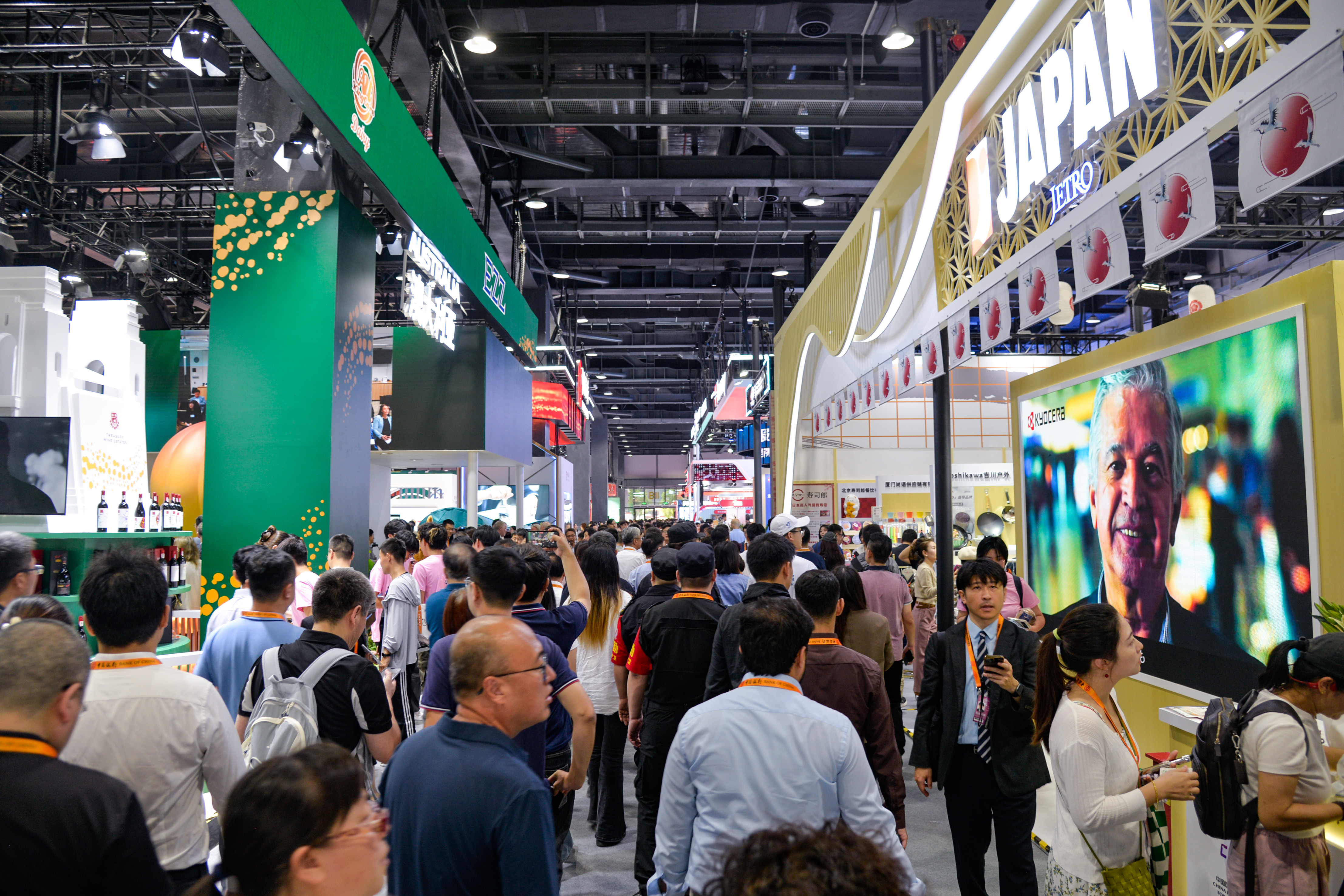
Caption: People visit the 2025 China International Fair for Trade in Services (CIFTIS) in Beijing, capital of China, Sept. 10, 2025. The 2025 CIFTIS opened in Beijing on Wednesday, themed Embrace Intelligent Technologies, Empower
The Evolution of CIFTIS: From Industry Showcase to a Global, Open Platform
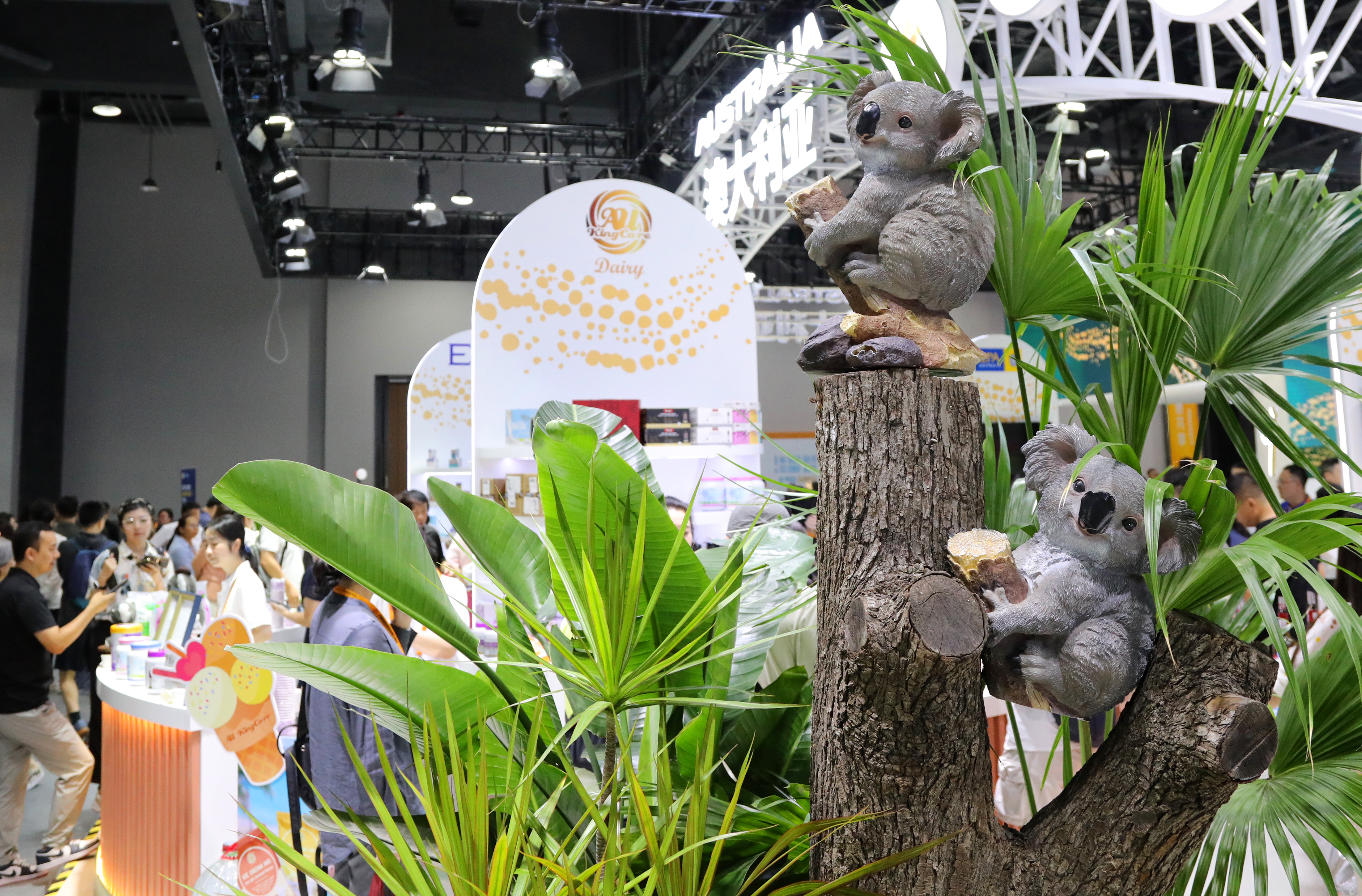
Inside Shougang Park, the exhibition spaces complement the industrial aesthetic of the Big Air and steel furnaces. At Australia’s Guest of Honor pavilion, spanning over 300 square meters, a miniature model of the Sydney Opera House, lifelike representations of kangaroos and koalas—national treasures of Australia, and interactive screens create an immersive experience that draws visitors in. This year, nearly 60 Australian institutions and businesses have brought their latest achievements to Beijing.
“CIFTIS offers a platform to raise brand visibility, expand institutional cooperation, and explore new partnerships,” said Dale Pinto, Global President and Chair of CPA Australia, who is attending for the second time. “Participation has not only increased our visibility but also strengthened relationships with our Chinese partners. We look forward to deepening cooperation and offering our expertise in areas such as digitalization.”
Such feedback reflects the growth of CIFTIS and China’s steady progress in trade in services. In 2012, the total value of China’s trade in services was USD 482.9 billion; by 2024, it had surpassed the 1-trillion-dollar mark. Once reliant on conventional sectors like logistics, China’s trade in services is now shifting toward high-value-added, knowledge-intensive, and innovation-driven fields. In 2023, knowledge-intensive services already accounted for 41.4% of the total.
Over the past 13 years, as China’s trade in services continued to expand, CIFTIS has undergone its own remarkable transformation: from an initial focus on outsourcing, it has fully embraced digital and intelligent technologies while integrating green and global development into its gene. The exhibition space has expanded from 50,000 square meters at the inaugural edition to a 3-square-kilometer “city showcase” today. What began as foreign businesses bringing products into China has evolved into dynamic Chinese companies taking AI algorithms and green solutions global. Discussions have shifted from logistics and exports of cultural products to digital trade, smart healthcare, and low-carbon services… To date, over 1.1 million exhibitors and professional visitors and more than 900 overseas institutions from 198 countries and regions have become regular participants.
Adapting to the latest global economic developments and trends, this year’s CIFTIS has proactively upgraded and readied itself with cutting-edge technologies and sharp industry insights to meet a new wave of international cooperation and competition.
First, cutting-edge technologies are employed to deliver “immersive experiences” for visitors. According to Sima Hong, Vice Mayor of Beijing, this year’s CIFTIS will highlight specialized fields such as artificial intelligence, healthcare, and smart logistics—showcasing not just products, but the services behind the technology. Interactive features include a digital avatar promoting “Beijing Solutions” and a full-process demonstration of AI-enabled biopharmaceutical R&D.
Second, debuts and launches showcase the strength of “China Services.” More than 190 new products and solutions are being unveiled, including a 3D-printed polymer fatigue-resistant absorbable vascular stent and a professional-scale optical quantum computer exceeding 1,000 qubits. Demonstration cases in AI and green innovation will also be released, further enhancing the reputation of “Beijing Services” and “China Services.”
Third, idea exchanges chart a “roadmap” for global cooperation. Thirteen thematic forums and over 80 specialized sessions will address hot topics such as technological innovation, digital services, and eco-environmental protection. More than 200 ministerial-level guests and heads of international organizations will gather to discuss trends and tackle challenges. A guide on trade in services data and policies for developing countries, co-developed by China’s Ministry of Commerce and UNCTAD, will be released during the fair.
By aligning with the latest trends of digital, intelligent, and green development in trade in services, CIFTIS has achieved a historic leap over the past 13 years. With its high level of professionalism and openness, it has grown into a truly international and open platform.
Beijing’s Breakthrough: Pilot Reforms Drive Leap in Trade in Services
CIFTIS exemplifies China’s commitment to high-standard opening-up. In recent years, a series of pioneering policies have delivered tangible benefits, driving the opening-up of the services sector, improving the business environment, and turning blueprints displayed at exhibitions into market reality.
In May, inside a temperature-controlled warehouse at Beijing Tianzhu Comprehensive Bonded Zone operated by Beijing Kyuan Pharmaceutical, Co., Ltd., a batch of vosoritide—a drug used to treat a rare pediatric disease—was quickly inspected by customs officials and transported to Beijing Children’s Hospital.
These critical medicines, which had not yet received formal market approval in China, reached patients swiftly thanks to special policies under Beijing’s pilot zone for rare disease drug access. The Work Plan for Supporting Beijing in Developing the Integrated National Demonstration Zone for Opening Up the Services Sector, approved by the State Council, supports the city in establishing this zone, using a “white list” system to help patients access urgently needed treatments. So far, more than 10 rare-disease drugs have been temporarily imported through this “express channel.”
This case reflects the potential of institutional opening-up: well-designed policy innovations can elevate the entire services sector. In recent years, Beijing has been advancing the development of the Integrated National Demonstration Zone for Opening Up the Services Sector and the China (Beijing) Pilot Free Trade Zone. Focusing on technological innovation, services opening-up, digital economy, and coordinated development of the Beijing-Tianjin-Hebei region, the city has built a tiered system of institutional innovations, testing new systems for the nation, pursuing regional development, and improving the business environment.
First, Beijing is exploring the path forward for the nation and sees its opening-up upgraded across fields. Beijing has introduced a number of groundbreaking policies: preferential corporate income tax for technology transfers, instant filing-and-approval for high-tech enterprise certification, the first pilot program for equity and venture capital share transfers, and pilot equity investments for financial asset investment companies… These measures act like magnets, attracting technology, capital, talent, and other innovation-enabling factors.
Second,Beijing is accumulating strength for its development and opening up more areas.As one of China’s first pilot cities to seek institutional opening-up and align with high-standard international rules, Beijing has implemented over 30 pilot measures and established a diverse opening-up structure encompassing the Pilot FTZ, comprehensive bonded zones, and key parks for opening up the services sector. Over the past five years, actual utilized foreign investment in Beijing reached USD 66.18 billion, accounting for 8.4% of the national total. More than 90% of this went into the services sector, highlighting the resilience and vitality of Beijing’s open economy.
Third, Beijing is optimizing its business environment for multinational corporations. Setting up a foreign-funded enterprise in Beijing is no longer a time-consuming process. The city was among the first to enable online processing for the opening of foreign-funded companies, reducing the incorporation timeline from two to three months to just one day. Nearly 7,900 foreign-funded companies have been set up in Beijing over the past five years, with international pharma giants like Pfizer and AstraZeneca opening their new R&D innovation centers. “Beijing offers vast growth space and strong R&D capabilities. That’s why we continue to invest in China,” said AstraZeneca CEO Pascal Soriot, echoing the sentiment of many multinationals.
“When the China (Beijing) Pilot Free Trade Zone was first established, its actual utilized foreign capital accounted for less than 10% of the city’s total. Now the figure has risen to 30%. Since 2021, the average annual growth rate of trade in services in Beijing reached 9.4%, and the scale had remained above RMB 3.6 trillion for three consecutive years by 2024,” said Vice Mayor Sima Hong.
According to Xu Chen, a research fellow at the Beijing Opening Economy Research Institute, University of International Business and Economics, Beijing’s “Two Zones” Initiative is not merely about stacking policies. Instead, it involves systematic institutional innovation that breaks bottlenecks restricting the opening up of the services sector and cross-border flow of factors, creating a replicable “Beijing Model.”
Global Services: Building a New Benchmark for Opening up in Trade in Services
At Airbus China in Shunyi, Beijing, technicians analyze airline data for health monitoring to improve flight punctuality. As one of the first foreign companies in Beijing to obtain a value-added telecommunications service license, Airbus China can now expand into Internet access, online data processing, and information services, broadening its business scope.
Airbus’s expansion reflects how Beijing’s opening-up policies attract multinational companies. Since the “Two Zones” Initiative was launched five years ago, Beijing has recorded 33,900 projects in its database, with 22,900 already implemented. With the “Two Zones” as the engine and CIFTIS as the window, Beijing is advancing opening-up at a deeper and higher level with a broader vision and more effective policies.
Since 2024, policies such as the Regulations of Beijing Municipality on Foreign Investment have been introduced, aiming to keep the city’s trade in services among the top three in China by 2030, with digital service exports accounting for 70% of the total. Beijing is also implementing high-standard international economic and trade rules on a trial basis, such as expanding cross-border use of RMB and optimizing international talent mobility, contributing “Beijing proposals” to global trade in services.
“Via the CIFTIS platform, we have expanded from Beijing to the whole country,” said Xu Shaofeng, Senior Vice President of Schneider Electric. “Supported by Beijing’s opening-up policies, we are driving growth through innovation and talent, expanding our cooperation ecosystem, and deepening the integration of services and industries.”
As a key platform for China’s high-standard opening-up, CIFTIS serves as a bridge for international display and cooperation in Beijing’s “Two Zones” development: it helps Beijing showcase the achievements of “China Services,” attract high-end international resources, and support domestic enterprises in expanding into overseas markets.
Amid a complex and changing global economy, trade in services faces challenges despite scale expansion and structural optimization. Beijing is accelerating institutional opening-up by implementing the latest version of the plan for opening up the services sector and advancing reform in key areas to empower development.
Through reform-driven endogenous growth, Beijing is promoting open development in industrial parks with tailored guidance. Beijing Daxing International Airport Economic Zone, a comprehensive bonded zone spanning Beijing and Hebei, saw its total import-export value reach RMB 9.892 billion in 2024, a fourfold year-on-year increase. “We aim to fully leverage the zone’s favorable policies to attract more businesses,” said Zhang Jizhou, deputy head of Beijing Daxing International Airport Customs.
Accelerating regional coordinated opening-up, Beijing, Tianjin, and Hebei are strengthening synergy: they have harmonized 230 government service items across pilot free trade zones. They will strengthen collaboration in institutional innovation, industrial development, government services, and port cooperation, to enhance the flow of benefits generated by opening up across the region.
“Beijing will focus on building the ‘Beijing Services’ brand, promoting digital, green, and intelligent services,” said Pu Xuedong, Director of the Beijing Municipal Commerce Bureau. “We will consolidate our strengths in modern services, enhance the supply of high-quality services and the level of service facilitation, create international consumption scenarios, and help more high-quality ‘Beijing Services’ go global.” Hashtag: #CIFTIS
The issuer is solely responsible for the content of this announcement.
LONDON, Sept. 11, 2025 /PRNewswire/ — Today, Corero Network Security (AIM: CNS) (OTCQX: DDOSF), a recognized leader in DDoS protection and champion of adaptive, real-time service availability, announced a strategic partnership with Nextwave (Thailand) Co., Ltd., a premier cybersecurity and IT solutions distributor headquartered in Bangkok. The agreement highlights Corero’s expansion and commitment to network availability in Southeast Asia amid rising resilience needs.
Thailand is experiencing a sharp rise in cyber threats, with DDoS activity increasing while resilience strategies lag behind. Government and public sector organizations are frequent targets, yet few businesses have adopted comprehensive protection. At this critical moment, the Corero–Nextwave partnership delivers local expertise to help Thai organizations safeguard networks and maintain availability. For enterprises and institutions, the partnership strengthens protection of revenues, operations, and customer trust.
Nextwave becomes Corero’s sole distributor in Thailand, delivering availability solutions for business continuity. These include Layer 3–7 DDoS defense with SmartWall ONE™, and the new CORE platform with Zero Trust Admission Control and Traffic Analysis. Together, these technologies provide always-on protection as organizations advance digital transformation and depend on network resilience.
“It’s an honor to serve the Thai community and partner with a leading distributor. Both companies are committed to customer success, making this a natural fit. Together we look forward to helping businesses remain not only resilient but to thrive,” said Carl Herberger, CEO at Corero Network Security.
The addition of Nextwave to Corero’s partner ecosystem underscores the company’s mission to deliver advanced availability, security, and resilience solutions worldwide.
” We are proud to be the first to bring Corero’s world-class DDoS protection solutions into Thailand. This partnership reinforces our commitment to delivering cutting-edge cybersecurity technologies that safeguard our customers and strengthen the nation’s digital resilience,” said Mr. Krisada Cheevamongkol, CEO at Nextwave (Thailand) Co., Ltd.
About Corero Network Security
Corero Network Security is a leading provider of DDoS protection solutions, specializing in automatic detection and protection solutions with network visibility, analytics, and reporting tools. Corero’s technology protects against external and internal DDoS threats in complex edge and subscriber environments, ensuring internet service availability. With operational centers in Marlborough, Massachusetts, USA, and Edinburgh, UK, Corero is headquartered in London and listed on the London Stock Exchange’s AIM market (ticker: CNS) and the US OTCQX Market (OTCQX: DDOSF).
SHANGHAI, Sept. 11, 2025 /PRNewswire/ — Daqo New Energy Corp. (NYSE: DQ) (“Daqo New Energy,” the “Company” or “we”), a leading manufacturer of high-purity polysilicon for the global solar PV industry, today announced that its subsidiary Xinjiang Daqo has provided an update on a lawsuit.
In April 2024, Xinjiang Daqo New Energy Co., Ltd. (“Xinjiang Daqo”), a subsidiary of Daqo New Energy (the “Company”), received a court summons relating to a contract dispute lawsuit filed against it by Xinjiang Xian’an New Materials Co., Ltd. and its affiliate, Xinjiang Dengbo New Energy Co., Ltd. The plaintiffs previously provided silicon core processing services to Xinjiang Daqo. The plaintiffs requested for termination of the business cooperation agreement with Xinjiang Daqo and for compensation from Xinjiang Daqo for their economic losses totaling RMB1,958.5 million (which was later reduced to RMB742.7 million), which consisted largely of alleged consequential damages of the plaintiffs. This litigation was previously disclosed in the Company’s annual report on Form 20-F for the year ended December 31, 2023 filed with the Securities and Exchange Commission on April 29, 2024, its press release dated July 17, 2024, and its Form 6-K dated March 17, 2025 and Form 6-K dated April 22, 2025.
In July 2024, the Company received the first instance court’s verdict, which affirmed termination of the business cooperation agreement and ordered Xinjiang Daqo to compensate the plaintiffs for their losses and attorney fees totaling RMB3.16 million, while rejecting the plaintiffs’ claims for consequential damages. The plaintiffs appealed to the second instance court. In March 2025, the Company received the second instance court’s verdict, which vacated the decision of the first instance court and remanded the case for a retrial.
Recently, the Company received the verdict of the first instance court’s retrial, which affirmed termination of the business cooperation agreement and ordered Xinjiang Daqo to compensate the plaintiffs for their losses and attorney fees totaling RMB3.30 million, while rejecting the plaintiffs’ claims for consequential damages. The litigation’s impact on Xinjiang Daqo will be contingent upon the final verdict.
About Daqo New Energy Corp.
Daqo New Energy Corp. (NYSE: DQ) (“Daqo” or the “Company”) is a leading manufacturer of high-purity polysilicon for the global solar PV industry. Founded in 2007, the Company manufactures and sells high-purity polysilicon to photovoltaic product manufacturers, who further process the polysilicon into ingots, wafers, cells and modules for solar power solutions. The Company has a total polysilicon nameplate capacity of 305,000 metric tons and is one of the world’s lowest cost producers of high-purity polysilicon.
This announcement contains forward-looking statements. These statements are made under the “safe harbor” provisions of the U.S. Private Securities Litigation Reform Act of 1995. These forward-looking statements can be identified by terminology such as “will,” “expects,” “anticipates,” “future,” “intends,” “plans,” “believes,” “estimates,” “might,” “guidance” and similar statements. The Company may also make written or oral forward-looking statements in its reports filed or furnished to the U.S. Securities and Exchange Commission, in its annual reports to shareholders, in press releases and other written materials and in oral statements made by its officers, directors or employees to third parties. Statements that are not historical facts, including statements about the Company’s beliefs and expectations, are forward-looking statements. Forward-looking statements involve inherent risks and uncertainties, all of which are difficult or impossible to predict accurately and many of which are beyond the Company’s control. A number of factors could cause actual results to differ materially from those contained in any forward-looking statement, including but not limited to the following: the demand for photovoltaic products and the development of photovoltaic technologies; global supply and demand for polysilicon; alternative technologies in cell manufacturing; the Company’s ability to significantly expand its polysilicon production capacity and output; the reduction in or elimination of government subsidies and economic incentives for solar energy applications; and the Company’s ability to lower its production costs. Further information regarding these and other risks is included in the reports or documents that the Company has filed with, or furnished to, the U.S. Securities and Exchange Commission. All information provided in this press release is as of the date hereof, and the Company undertakes no duty to update such information or any forward-looking statement, except as required under applicable law.
ANTA’s Executive Highlights Its Multi-Brand Growth and Operational Success at 2025 Asia New Vision Forum in Singapore
SINGAPORE, Sept. 11, 2025 /PRNewswire/ — Will Wang, Vice President of ANTA Group and Chairman & President of ANTA Southeast Asia, revealed ANTA brand’s ambition to achieve its 1000-store target in the region in the next three years during a panel discussion at 2025 Asia New Vision Forum held in Singapore. He also reaffirmed Southeast Asia’s critical role in ANTA Group’s global growth plan and said ANTA brand’s retail sales in Southeast Asia nearly doubled year-on-year in the first half of year.
Will Wang, Vice President of ANTA Group and Chairman & President of ANTA Southeast Asia
Titled “Shaping the Pulse: How Asia’s Brands Drive Experience, Identity, and Connection,” the panel brought together executives from across industries in Southeast Asia to discuss how brands build connections and meet consumer needs in the region and internationally.
ANTA Group attributes the achievement in in this market to its high- value products, localization and digitalization progresses and its unique “Brand+Retail” business model.
Wang emphasized at the panel: “True globalization means achieving localization in every market while staying true to the brand’s DNA. It’s not just about selling products in Southeast Asia; it’s about delivering brand value and high-quality service to local consumers with standardized excellence. Our team is confident we will achieve our 1000-store target for Anta brand in the next three years.” Leveraging its direct-to-consumer approach and a strong alignment with local market dynamics, ANTA fully leverages its unique “Brand + Retail” model and sharpens its core capabilities of multi-brand management, multi-brand retail operations, and global resource integration to achieve early wins in Southeast Asia.
Southeast Asia serves as a strategic launchpad and blueprint for ANTA’s global expansion efforts, with Singapore as its regional headquarters and operational hub. Under ANTA’s “single-focus, multi-brand, globalization” strategy, the Southeast Asia headquarters oversees local operations for multiple brands under ANTA Group in Southeast Asia, including ANTA, FILA, DESCENTE, etc., and is gradually expanding to neighboring markets such as South Asia, Australia and New Zealand. This integrated structure enables seamless coordination across online and offline channels, allowing each brand to build a comprehensive, closed-loop sales ecosystem. The company said it is ready to serve consumers across Southeast Asia and neighboring markets.
Localization is at the heart of ANTA’s Southeast Asia strategy. This is reinforced by its global resource integration capabilities, including a streamlined supply chain powered by an overseas logistics platform that enhances operational efficiency. ANTA is committed to delivering high-value products tailored to local consumer needs, creating differentiated advantages to strengthen brand positioning. In addition, ANTA partners with local organizations and ambassadors to foster community engagement and promote sports development, leveraging its international resources to contribute to local growth. The Singapore headquarters exemplifies this commitment, having created over 400 local jobs, with nearly 80% of employees being hired locally. ANTA has also significantly invested in digitalization and local infrastructure, including logistics and retail sites. Through its network of self-operated local retail stores, ANTA gains direct consumer insights, while its logistics center, built on international expertise and resource integration, drives efficiency and reduces operational costs.
ANTA Group is using this model in Southeast Asia as a blueprint for its strategy across international markets. In the first half of 2025, ANTA brand’s overseas revenue grew over 150% year-on-year, primarily driven by the Southeast Asia market growth and new offline business launches in the United States and the Middle East. Flagship stores in prime Singapore locations such as Marina Bay and Orchard Road and expanded e-commerce channels are fueling new growth in Southeast Asia. In the Middle East and North Africa (MENA), ANTA Group’s retail network now covers key markets such as the UAE, Saudi Arabia, Qatar, Egypt, and Kenya. This model is also showing promise in North America through strategic partnerships with leading distributors, deep engagement with local sports communities, as well as the coming first U.S. flagship store in Beverly Hills, California.
BEIJING, CHINA – Media OutReach Newswire – 11 September 2025 – The 2025 China International Fair for Trade in Services (CIFTIS) reflects the deepening cooperation between China and Australia in services trade, experts said at an event in Melbourne on Wednesday.
The Australian Exhibition Stand as the Guest Country of Honor at the 2025 CIFTIS
Addressing the official event that coincided with the opening of the Australia National Pavilion at CIFTIS, Chi Jiechao from the Chinese Consulate-General in Melbourne said that the economy of Australia and China are “highly complementary.”
“This event fully reflects the positive momentum of deepening cooperation between China and Australia in the field of services trade,” he said.
“It also provides a high level platform for exchanges and collaboration between businesses and institutions from both countries,” the counsellor said.
The event in Melbourne was the first CIFTIS overseas launch, with Australia holding the position of Guest Country of Honor for the first time at the conference in Beijing.
Helen Kronberger, director of International Education at the Australian Trade and Investment Commission (Austrade) Melbourne Office, said that nearly 60 Australian exhibitors will be participating in CIFTIS.
“Our exhibitors symbolize a modern, world-class innovative and inclusive services sector,” Kronberger said.
The Australian Exhibition Stand as the Guest Country of Honor at the 2025 CIFTIS
“The strength of Australia’s participation this year also signals the capability and competitiveness of Australian services firms, and their ability to bring value to their Chinese partners and consumers across finance, education, health, food, consumer tourism and more.”
Wednesday’s event in Melbourne was hosted by CPA Australia, one of the world’s largest and oldest professional accounting bodies and a CIFTIS partner for the second consecutive year.
Chief Executive Officer of CPA Australia Chris Freeland said that Australia is proud to be the guest country of honor at CIFTIS and that it sends a “strong positive signal” of strengthening collaboration in trading services between the two countries.
Xie Zhibin, deputy general manager of the Bank of China Sydney Branch, echoed the sentiment, describing Australia’s status at CIFTIS as a “clear testament” to the growing relationship in services trade.
Hashtag: #CIFTIS
The issuer is solely responsible for the content of this announcement.