Home Blog Page 3298

New Report Calls for Collective Action to Combat Asia’s Growing Antimicrobial Resistance Threat

  • The Centre for Impact Investing and Practices and the World Economic Forum’s GAEA (Giving to Amplify Earth Action) initiative, supported by the Philanthropy Asia Alliance, have released a study urging cross-sector investment to tackle antimicrobial resistance (AMR) in Asia.
  • AMR could cost Asia up to US$700 billion by 2050 and surpass cancer as the world’s leading cause of death.
  • Report outlines four high-impact intervention areas – from education and prevention to surveillance and treatment – to guide funders and partners.

SINGAPORE – Media OutReach Newswire – 5 May 2025 – The Centre for Impact Investing and Practices (CIIP) and the World Economic Forum’s GAEA (Giving to Amplify Earth Action) initiative, supported by the Philanthropy Asia Alliance (PAA), today launched the report — Targeted Action and Financing the Fight Against Antimicrobial Resistance in Asia.

The report underscores the urgent threat of antimicrobial resistance (AMR) in Asia and outlines four key areas where cross-sector funders can drive meaningful impact. It draws on insights from 15 case studies and examples of funding mechanisms, and contributions from 26 organisations, including international organisations, corporations, philanthropic funders, public institutions, and solution providers.

Often called the silent pandemic, AMR was linked to 4.7 million deaths annually in 2021.[1] It is estimated to become the leading cause of death by 2050, claiming more than 8 million lives[2] and surpassing cancer[3]. Beyond human health, AMR threatens global food systems by reducing global livestock production and polluting waterways. Tackling this growing crisis requires a unified, whole-of-ecosystem approach.

“Antimicrobial resistance is a mounting crisis that threatens to reverse decades of medical progress, with Asia at the epicenter of this challenge. We have identified clear needs, but no single organisation can tackle this alone and substantial philanthropic and catalytic funding is required. It demands all actors — across sectors and borders — to step up, pool resources, and collaborate. Together, we hope that through active partnerships, we can build a future where effective treatments remain within everyone’s reach,” said Ms. Dawn Chan, Chief Executive Officer, CIIP.

“The Davos Compact on Antimicrobial Resistance (AMR), launched earlier in January this year, seeks to mobilise public-private-philanthropic, cross sectoral collaboration to reduce the global and increasing threat of AMR. This report builds on the Davos Compact, highlighting practical, high impact interventions where catalytic investments can help safeguard health and well-being, reducing risks and deaths associated with AMR,” said Ms. Gim Huay Neo, Managing Director, Member of the Managing Board, World Economic Forum.

Asia: A Crucible for the Multifaceted AMR Challenge

Globally, nearly one in five AMR-related deaths occur in children under five[4], and two in three in adults over 65[5]. However, Asia bears the brunt of the disease incidence, accounting for more than half of the 4.71 million deaths worldwide associated with AMR in 2021[6]. Rising temperatures and extreme weather events are accelerating bacterial growth and disease transmission, while disrupting healthcare and immunisation services – particularly in regions with inadequate healthcare infrastructure and sanitation. These climate-related pressures are also driving the increased use of antimicrobials in livestock and crops, contaminating freshwater sources and fuelling drug resistance.

In Asia Pacific alone, AMR-related costs are projected to reach up to US$700 billion by 2050, accounting for up to 1% of the region’s GDP[7]. However, timely investment in AMR solutions could generate US$10–15 billion in annual healthcare savings, and cut annual socio-economic costs by up to US$40 billion for Asia Pacific within the next decade.[8] Tackling AMR is essential for health security, as well as ensuring long-term economic resilience and sustainable development.

A Unified Approach to Antimicrobial Development and Use

Despite research advancements, market and policy gaps make it challenging to bring new drugs to patients as the costs involved in development and regulatory approval tend to outweigh the immediate returns upon product launch. A One Health approach — one that recognises the interconnectedness and interdependence across humans, animals, plants, and the wider environment — is essential to tackle AMR sustainably.

While new therapeutics such as drugs and vaccines can take 10 to 15 years to develop and launch to market[9] (a marathon), immediate and practical interventions (sprints) are needed to curb resistance today and pave the way for long-term solutions.

The report thus proposes interventions in four areas:

  • Sprint 1: Educate – Improving knowledge and behaviour by strengthening awareness of AMR among clinicians, patients, and farmers; emphasising the importance of avoiding the overuse or abuse of antimicrobials; as well as introducing strategies to prevent infections in the first place.
  • Sprint 2: Prevent – Strengthening health systems and services by boosting preventive measures such as improving diagnostic capabilities and investing in better water, sanitation, and hygiene (WASH) measures.
  • Sprint 3: Monitor – Enhancing regional surveillance, and data collection and sharing between actors, especially in lower-income countries.
  • Marathon: Treat – Investing in research and development for new antimicrobials, and increasing access to novel and essential medicines.

Financing AMR Solutions At Every Stage

Private funders, impact investors, and philanthropists have a vital role to play in closing critical gaps – particularly in late-stage drug development, where funding is scarce. By pooling resources, funders can help bring life-saving treatments to market, strengthen the antibiotic pipeline, and build more sustainable and widespread access to essential medicines.

“This report is a catalyst for deeper involvement from all sectors — philanthropic, public, and private. It highlights the scale of the AMR threat and the opportunity for collective action. We are encouraged by the ongoing work of organisations – including PAA members like the Gates Foundation, Wellcome Trust, and Novo Nordisk Foundation – in driving AMR research and greater access to affordable solutions. Now is the time for more partners to come together, pool resources, and support high-impact solutions that safeguard health and resilience across Asia and beyond,” said Mr. Shaun Seow, Chief Executive Officer, PAA.

The AMR threat demands urgent, coordinated, and sustained action across healthcare, agriculture, and food systems to protect communities in Asia.

Read the full report here: https://ciip.com.sg/knowledge-hub/research-insights/Details/targeted-action-and-financing-the-fight-against-antimicrobial-resistance-in-asia


[1] Naghavi, M., Vollset, S. E., Ikuta, K. S. et al. (2024). Global burden of bacterial antimicrobial resistance 1990–2021: a systematic analysis with forecasts to 2050. The Lancet, Volume 404, Issue 10459, p1199-1226. https://www.thelancet.com/journals/lancet/article/PIIS0140-6736(24)01867-1/fulltext

[2] Naghavi, M., Vollset, S. E., Ikuta, K. S. et al. (2024). Global burden of bacterial antimicrobial resistance 1990–2021: a systematic analysis with forecasts to 2050. The Lancet, Volume 404, Issue 10459, p1199-1226. https://www.thelancet.com/journals/lancet/article/PIIS0140-6736(24)01867-1/fulltext

[3] Gavi (2022). Antimicrobial resistance now causes more deaths than HIV/AIDS and malaria worldwide – new study. 20 January 2022. Available at: https://www.gavi.org/vaccineswork/antimicrobial-resistance-now-causes-more-deaths-hivaids-and-malaria-worldwide-new.

[4] Antimicrobial Resistance Collaborators. (2022). Global burden of bacterial antimicrobial resistance in 2019: a systematic analysis. The Lancet, Volume 399, Issue 10325, p629-655. https://www.google.com/url?q=https://www.thelancet.com/journals/lancet/article/PIIS0140-6736(21)02724-0/fulltext%23supplementary-material&sa=D&source=docs&ust=1744866648294504&usg=AOvVaw0fopMXnonRugpe_OJ7JhIx

[5] Naghavi, M., Vollset, S. E., Ikuta, K. S. et al. (2024). Global burden of bacterial antimicrobial resistance 1990–2021: a systematic analysis with forecasts to 2050. The Lancet, Volume 404, Issue 10459, p1199-1226. https://www.thelancet.com/journals/lancet/article/PIIS0140-6736(24)01867-1/fulltext

[6] Institute for Health Metrics and Evaluation (IHME). (2024). The Lancet: More than 39 million deaths from antibiotic-resistant infections estimated between now and 2050, suggests first global analysis. https://www.healthdata.org/news-events/newsroom/news-releases/lancet-more-39-million-deaths-antibiotic-resistant-infections.

[7] L.E.K. Consulting (2021) Asia-Pacific in the Eye of AMR Storm: Nurturing Innovation To Fight Antimicrobial Resistance. https://www.lek.com/sites/default/files/PDFs/Nurturing-Innovation-AMR-management.pdf?trk=article-ssr-frontend-pulse_little-text-block

[8] L.E.K. (2021). Asia-Pacific in the Eye of AMR Storm: Nurturing Innovation To Fight Antimicrobial Resistance. https://www.lek.com/sites/default/files/PDFs/Nurturing-Innovation-AMR-management.pdf

[9] Derep, M. (2022). What’s the average time to bring a drug to market in 2022? N-Side. https://lifesciences.n-side.com/blog/what-is-the-average-time-to-bring-a-drug-to-market-in-2022.

The issuer is solely responsible for the content of this announcement.

About the Centre for Impact Investing and Practices

The Centre for Impact Investing and Practices (CIIP) was established in 2022 as a non-profit entity by Temasek Trust to foster impact investing and practices in Asia and beyond by building and sharing knowledge, bringing together stakeholders in the community, and bringing about positive action that accelerates the adoption of impact investing principles and practices. CIIP is the anchor partner for the United Nation Development Programme’s Private Finance for the SDGs, providing Asia investors and businesses with clarity, insights and tools that support their contributions towards achieving the SDGs. Temasek and ABC Impact are CIIP’s strategic partners. For more information, please visit .

About GAEA (Giving to Amplify Earth Action)

To reach net zero, reverse nature loss and restore biodiversity by 2050, funding for equitable climate and nature transitions must be stepped up by more than $3 trillion annually. No actor can solve these issues alone; only together – through partnerships, elevated ambition and accelerated learning – can the most pressing problems facing the planet be solved. The World Economic Forum launched the GAEA (Giving to Amplify Earth Action) initiative to convene 4P – Public, Private and Philanthropic Partnerships – for climate and nature, activating systemic bold partnerships to improve the state of the world.

About Philanthropy Asia Alliance

Philanthropy Asia Alliance (PAA) is a Temasek Trust initiative dedicated to catalysing collaborative philanthropy in Asia through dynamic multi-sector partnerships. By harnessing collective strengths, PAA multiplies impact, accelerates positive change, and takes urgent action to address the pressing environmental and social challenges of our time. PAA’s flagship programme is the annual Philanthropy Asia Summit. For more information, visit .

Co-Axis Secures S$1.25 Million in Catalytic Capital to Scale Climate and Health Solutions in Asia


SINGAPORE – Media OutReach Newswire – 5 May 2025 – Co-Axis, a digital impact marketplace connecting funders with impact opportunities advancing the UN SDGs, has secured S$1.25 million in catalytic capital from the Richardson Family (RF), a UK based family office, and Catalytic Capital for Climate and Health (C3H), a catalytic vehicle by Temasek Trust, to support and scale solutions in climate, health, and their intersection.

RF has committed S$250,000 over two years to co-fund impact opportunities curated by Co-Axis, with the support of C3H. RF will leverage the due diligence conducted by C3H and align with its investment terms and post-investment reporting framework. C3H is also committing S$1 million to co-fund Co-Axis impact opportunities focused on climate, health, and their intersection.

“We see great value in being able to co-invest in curated opportunities where the intent is clear, the due diligence is robust, and the additionality we bring is meaningful,” said a spokesperson for the Richardson Family.

“Catalytic capital plays a vital role in de-risking early-stage opportunities and unlocking additional funding,” said Mr Ryan Tan, Head, C3H. “At C3H, we back bold, scalable solutions in climate, health, and their intersection. By harnessing Co-Axis and a collaborative ecosystem, we can accelerate capital deployment and scale impact where it matters most.”

Bridging the SDG Financing Gap Through Catalytic Capital

The global push to achieve the United Nations Sustainable Development Goals (SDGs) by 2030 faces a significant financing shortfall, with estimates indicating an annual gap of approximately US$4.2 trillion[1]. This deficit is particularly pronounced in developing regions, where public funding for international development has stagnated over the past decade.

Catalytic capital – patient, risk-tolerant, and flexible – has emerged as a key enabler in bridging this gap. Unlike conventional investments, it is designed to unlock additional private capital and absorb higher risk to drive positive social and environmental outcomes. In Asia, momentum is growing: the ASEAN Catalytic Green Finance Facility is helping mobilise funds for sustainable infrastructure, while other initiatives such as the Climate Innovation and Development Fund or the Southeast Asia Clean Energy Facility II (SEACEF II) further signal a regional shift towards more innovative, impact-focused financing.

While still nascent, the catalytic capital ecosystem is gaining traction as more funders recognise its potential to transform how capital is deployed. Co-Axis contributes to this momentum by channelling funding into SDG-aligned opportunities with strong governance, measurable outcomes, and potential for systems-level change.

Unlocking Catalytic Capital for Impact Opportunities Advancing the UN SDGs

Since being launched at the Philanthropy Asia Summit (PAS) in April 2024, Co-Axis now has about 100 impact opportunities from over 40 countries on its platform. It works with a range of partners across the Temasek Trust ecosystem to offer:

  • A robust pipeline of impact opportunities sourced from the Temasek Trust network, which have undergone thorough screening and adhere to internationally recognised standards.
  • Expert philanthropy advisory services from TT Foundation Advisors (TTFA) to guide giving strategies.
  • Knowledge and capacity-building programmes through partners such as the Centre for Impact Investing & Practices (CIIP) and Tri-Sector Associates (TSA).

Through its efforts, Co-Axis is cultivating a thriving community of impact innovators, funders, and stakeholders working together to accelerate transformative solutions to global challenges.

“By connecting values-driven capital with curated impact opportunities, Co-Axis is creating new pathways across the capital spectrum to accelerate and scale collective impact,” said Ms Joycelyn Ong, Head, Co-Axis. “Momentum is building – we invite impact innovators to join us, and like-minded funders to explore and support the many high-impact solutions available on Co-Axis.”

To find out more, visit Co-Axis at www.coaxis.network.


[1] ‘2024 Financing for Sustainable Development Report‘, United Nations Department of Economic and Social Affairs

The issuer is solely responsible for the content of this announcement.

About Richardson Family

The Richardson family business is a multi-generational, independent, investment and trading business, founded in UK the first half of the 20th Century. To find out more visit .

About Catalytic Capital for Climate and Health

Catalytic Capital for Climate and Health (“C3H”) is a catalytic vehicle by Temasek Trust that provides capital to innovative, early-stage companies in Climate, Health, and their intersection. C3H focuses on companies that deliver tangible impact through bold, scalable solutions. Its activities are anchored by Temasek Trust’s impact areas of Planet, People, Peace, and Progress. Follow C3H on for updates.

About Co-Axis

Co-Axis – Collaborative Action to Xcelerate Impact and Sustainability – is a digital impact marketplace that catalyses high-impact solutions at speed and scale by unlocking capital across the spectrum and galvanising action within the global impact community. It curates opportunities ranging from research and early-stage innovations to new business models, connecting them with a diverse network of funders, solution providers, and expert advisors. Beyond transactions, Co-Axis fosters knowledge exchange and capacity-building through forums, a knowledge hub, and workshops – empowering global leaders to seed capital, spark ideas, and scale impact for a better tomorrow. Learn more at and follow Co-Axis on for updates.

CoolBitX Launches CoolWallet Go: The World’s First Cold Wallet with Lifetime Warranty

TAIPEI, May 5, 2025 /PRNewswire/ — CoolBitX officially introduces CoolWallet Go, a minimal, ultra-portable cold wallet designed for new crypto users and seasoned holders alike. It’s a next-generation card wallet focused on simplicity, cost-efficiency, and everyday utility—without compromising on security fundamentals.

CoolWallet Go Final Call

Pre-Order Offer (April 21 – May 10)

CoolWallet Go is now available for pre-order at $59.99 USD for a 2-card set. Customers can optionally add a lifetime warranty plan for $39 USD per set—a rare offering in the cold wallet space.

Simple, Secure, and Built for Daily Use

CoolWallet Go is built around a CC EAL6+ certified secure element, a proven protection standard used in many high-assurance security chips. The wallet’s minimalist design includes no screen, no buttons, no battery, and no Bluetooth pairing, relying instead on tap-to-sign NFC to streamline transactions.
The device generates private keys directly on-card, minimizing exposure during wallet setup. Users manage assets via the CoolWallet App, with integrated support for Bitcoin, Ethereum, 40+ blockchains, and EVM-compatible tokens.

Security and Risk Awareness by Design

CoolWallet Go has undergone independent third-party security testing and has been continuously reviewed through a public bug bounty program over the past two years. No vulnerabilities have been found that compromise the safety of users’ private keys or assets. CoolBitX remains committed to continuous security improvement and transparent security practices.

Optional Lifetime Warranty Plan

CoolWallet Go introduces a unique warranty add-on that provides long-term coverage for registered users:

  • Coverage is per 2-card set, with a quota of free replacements per year.
  • Registration is required within 30 days of purchase.
  • Shipping costs for replacements are customer-borne.
  • Warranty resets yearly and is not cumulative.

This initiative reflects CoolBitX’s commitment to sustainable product longevity, moving beyond traditional short-cycle hardware support.

Built for Beginners, Trusted by Pros

CoolWallet Go is ideal for:

  • First-time hardware wallet users transitioning from exchanges or hot wallets.
  • Experienced holders looking for a compact, secure backup or daily-use wallet.

Shipments begin mid-May.
Pre-order and learn more here: https://reurl.cc/Lanld7
Download the CoolWallet App

  • Google Play
  • Apple App Store

About CoolWallet

CoolWallet is a pioneering hardware wallet brand that offers a secure and convenient solution for storing and managing digital assets in the Web3, DeFi, and NFTs arenas. The company’s flagship product, the CoolWallet Pro, is a credit card-sized device that combines the security of a hardware wallet with the convenience of a mobile device. With its unique design and advanced security features such as an EAL6+ secure element, biometric verifications, and military-grade Bluetooth encryption, CoolWallet is committed to providing a safe and user-friendly platform for crypto users worldwide.

Laos Halts Meat Imports from Thailand Following Fatal Anthrax Case

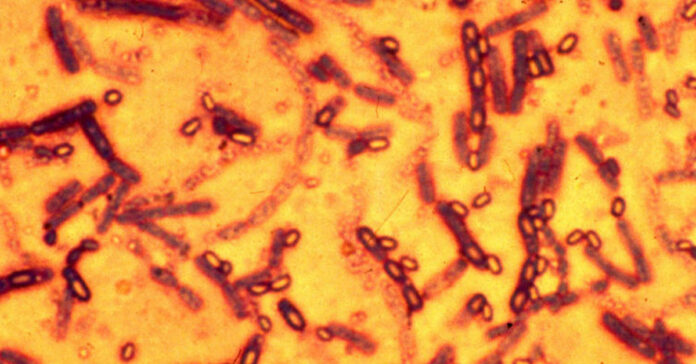
Spores and vegetative cells of Bacillus anthracis through microscope (Photo: Bangkok Post)

Laos has suspended the import of beef, pork, horse, and lamb from Thailand in an effort to prevent the spread of anthrax, following the death of a Thai man from the disease.

Apacer Powers the Future of AI and Green Computing with Next-Gen Storage Solutions at COMPUTEX 2025

TAIPEI, May 5, 2025 /PRNewswire/ — Under the theme “Access the Intelligent Transformation,” Apacer (TWSE: 8271), a global leader in industrial-grade digital storage, returns to the COMPUTEX main hall to showcase next-generation storage innovations that drive intelligent, sustainable, and high-performance computing — and meet the evolving demands of enterprise and consumer markets alike.

Apacer Powers the Future of AI and Green Computing with Next-Gen Storage Solutions at COMPUTEX 2025

At Booth J1217a, Hall 1, Nangang Exhibition Center, Apacer will present a full product lineup featuring:

  • CoreEnergy allows users to customize performance settings to meet the demands of power-sensitive applications.
  • CoreVolt 2 utilizes real-time voltage detection and tantalum polymer capacitors to instantly stabilize power during fluctuations, ensuring uninterrupted SSD operation and data protection.
  • New-generation BiCS 8 SSDs offer high capacity and lower power consumption.
  • PT25R-Pi HAT SSD, a highly customized and Raspberry Pi-compatible solution, delivers advanced performance.
  • A new fully lead-free SSD series designed in response to global ESG trends.
  • The award-winning, eco-friendly AS712 Portable SSD with Essential Oil Diffuser incorporates recycled materials to support sustainability goals
  • PCIe Gen5 high-performance SSDs empower creators to redefine their user experience.
  • With read/write speeds up to 810/700 MB/s, the high-speed microSD Express card is built for next-gen game consoles.
  • The ASUS TUF co-branded NOX TUF RGB DDR5 delivers immersive, high-performance gaming experiences.

“Storage plays a pivotal role in advancing AI, edge computing, and green infrastructure,” said Gibson Chen, President of Apacer. “We are pleased to return to COMPUTEX and showcase how Apacer enables businesses to access intelligent transformation, driving forward the next phase of technological evolution.”

Apacer invites global partners and media to experience its innovations firsthand at COMPUTEX Taipei 2025.

Radio Free Asia Shuts Down Lao Service After 27 Years Amid Funding Cut

Radio Free Asia (RFA) office. (Photo credit: RADIO TAIWAN INTERNATIONAL)

Radio Free Asia (RFA) has terminated its Lao language service after 27 years of operation, initiating a cascade of shutdowns that will eliminate half of the organization’s language services by the end of May.

The closure of the Lao service, which has immediately ceased all operations, precedes mass layoffs that will affect approximately 90 percent of RFA’s United States-based workforce, according to an announcement released by RFA on 2 May.

After nearly three decades, the RFA Lao service has ceased all operations. It provided critical reporting on governance issues, human rights concerns, and environmental problems.

RFA President Bay Fang expressed profound regret regarding the closure, noting that after 27 years of service, RFA’s Lao Service would no longer be able to produce news content. Fang acknowledged the support of listeners and pledged to make every effort to eventually restore the service.

The Lao service is not alone in its fate. RFA’s Tibetan, Burmese, and Uyghur services, the latter being the world’s only independent Uyghur-language news outlet, are also slated for closure.

Fang described the situation as “unconscionable”, explaining that RFA could no longer depend on the United States Agency for Global Media (USAGM) to distribute congressionally allocated funds as intended. As a consequence, RFA has been forced to implement mass layoffs and discontinue multiple language services.

Fang stated that RFA’s primary focus remains preserving the organization and its congressionally mandated mission, while simultaneously protecting its most vulnerable journalists.

The funding crisis began on 15 March when the USAGM terminated its grant agreement with RFA, forcing the organization to place three-quarters of its United States-based employees on unpaid leave and terminate most overseas contractors. 

As a result, over 280 staff members will be laid off by 9 May, with affected employees’ health insurance covered through the end of May.

Geniushub Launches 1-Hour Marketing Consultation to Help Hong Kong SMEs Seize Digital Opportunities


HONG KONG SAR – Media OutReach Newswire – 5 May 2025 – As artificial intelligence (AI) and mobile technology rapidly reshape the digital landscape, the online behaviors and media consumption habits of Hong Kong consumers are evolving at an unprecedented pace. According to the latest 《Digital 2025: Hong Kong》report, local internet penetration has reached 96%, while mobile device adoption has soared to 235%. Consuming video content and engaging across multiple platforms have become the norm. To help businesses respond to this transformation, Geniushub has announced the launch of a 1-hour marketing consultation service, offering professional advice to Hong Kong’s small and medium-sized enterprises (SMEs) and supporting them in seizing new opportunities in digital transformation.

In response to these trends, Geniushub has identified six key marketing insights for 2025 to help local SMEs tackle new challenges and enhance their competitiveness:

  1. Proactively Adopt AI Tools: Accelerate the use of AI for content creation, data analysis, and advertising optimization to boost marketing productivity and responsiveness.
  2. Implement AI Search Optimization (GEO): In addition to traditional SEO, optimize content to meet the emerging needs of AI-powered search tools and increase brand exposure.
  3. Cross-Platform Content Strategy: Integrate search engines, social media, official websites, and video platforms to drive diverse brand exposure and increase conversion opportunities.
  4. Leverage Short-Form Video Marketing: Platforms such as YouTube Shorts, Instagram Reels, and TikTok have become mainstream, making video strategies a fundamental requirement rather than just an option.
  5. Mobile-First Design: Ensure websites and advertising materials are fully optimized for mobile devices, streamline checkout and payment processes, and enhance user experience to increase conversion rates.
  6. Implement Diversified Marketing Strategies: Avoid relying on a single platform; design layered marketing strategies targeting different audience segments to reach potential customers comprehensively.

To help SMEs capitalize on digital transformation opportunities, Geniushub is now offering a 1-hour marketing consultation service. Its team of professional consultants will provide tailored recommendations on advertising budget planning, platform selection, content strategies, and marketing approaches based on each enterprise’s industry and market situation.

Geniushub invites interested businesses to schedule a consultation and join forces to embrace the new wave of digital marketing in 2025.

Hashtag: #Geniushub

The issuer is solely responsible for the content of this announcement.

About Geniushub

Geniushub Marketing (GH), established in 2014, has offices in both Taiwan and Hong Kong. The company specializes in SEO optimization, Google Ads, Meta Ads, and YouTube advertising, providing a multi-faceted approach to reach targeted customers based on client needs.

Most Thai Children Immune to Covid-19, No Need for Vaccines, Thai Doctor Says

Most Thai Children Immune to Covid-19, No Need for Vaccines, Thai Doctor Says
This image is used only for representational purpose (photo credit: Forbes)

Most healthy Thai children under five have already contracted Covid-19 and developed natural immunity, suggesting vaccination may not be necessary for this age group, according to Dr. Yong Poovorawan, Head of the Center of Excellence in Clinical Virology at Chulalongkorn University in Thailand.