Home Blog Page 8

Yeebo Announces Interim Results for FY26/27 Revenue Increases by 45.5% to HK$806.7 Million Profit Attributable to Owners Surges 87.6% to HK$2,284.7 Million

AI Business Revenue Soars More Than Eightfold Strategic Investments Portfolio Generates Substantial Value


HONG KONG SAR – Media OutReach Newswire – 20 November 2026 –Yeebo (International Holdings) Limited (“Yeebo” or the “Company”, stock code: 00259.HK, together with its subsidiaries, the “Group”) announces its unaudited interim results for the six months ended 30 September 2026 (the “Period”).

During the Period, the Group recorded consolidated revenue of HK$806.7 million, representing a year-on-year increase of 45.5%, driven by steady growth in its Display business and the continued expansion of its AI compute and related business (“AI business”). Gross profit amounted to HK$53.2 million. Profit attributable to owners of the Company increased by 87.6% to HK$2,284.7 million, primarily attributable to the substantial fair value gains from the Group’s equity interests in Nantong Jianghai Capacitor Co., Ltd. (“Nantong Jianghai”). Basic earnings per share were HK248.7 cents.

Commenting on the interim results of the Group, Mr. Fang Yan Tak, Douglas, Chairman of Yeebo, said, “Against this mixed operating backdrop, Yeebo continued to strengthen its core Display business, develop the commercial foundation of its AI business and benefit from the performance of its financial asset portfolio. We remained focused on disciplined investment, customer development and positioning the Group for opportunities arising from the expansion of AI infrastructure and high-tech manufacturing.”

Display Business Maintains Steady Growth with Progress in Automotive Solutions

During the Period, the Group’s Display business recorded revenue of approximately HK$563.4 million, representing a year-on-year increase of 7.4%. Revenue from the sales of liquid crystal display modules (“LCMs”), thin film transistor modules (“TFTs”) and capacitive touch panel modules (“CTPs”) increased to HK$202.9 million, HK$84.4 million and HK$195.8 million, respectively, up from HK$181.9 million, HK$72.0 million and HK$182.6 million in the corresponding period of last year.

The Group continued to upgrade and strengthen its capabilities to deliver customer-focused products across industrial, automotive, energy and consumer electronics industries. In particular, the Group received verification from several tier-one suppliers in the electric vehicle (“EV”) industry and successfully produced and delivered display modules tailored to specific vehicle brands. The Group further advanced its automotive display solutions, including LCD modules for camera monitor systems (“CMS”), demonstrating its technical know-how and capability in this specialised segment. Building on this progress, the Group intends to broaden both its customer base and product offerings in this market.

The Group remains committed to product innovation and customer diversification to drive sustained revenue growth. Key initiatives include expanding investments in CTP-related equipment and technology upgrades are addressing the rising demand, particularly in automotive and industrial applications, where CTPs are increasingly critical.

AI Business Achieves Significant Growth and Strengthens Ecosystem Partnerships

The Group continued to develop the commercial foundation of its AI business. Revenue from the segment rose significantly to approximately HK$243.3 million from HK$29.7 million in the corresponding period of last year, as the Group proactively scaled its AI business amid the rapid expansion of the AI compute market. Its revenue share grew from 5.4% to 30.2% of total revenue, as the Group accelerates its pivot toward high-growth AI markets.

Suanova Technology Limited (“Suanova”), the Group’s wholly owned subsidiary, continued to strengthen its leadership within the Chinese AI ecosystem, particularly in Shanghai. During the Period, Suanova attracted talent and expanded its regional presence by establishing offices in Hangzhou and Beijing to support its business development.

Suanova’s participation in World Artificial Intelligence Conference 2026 in Shanghai marked another important milestone. Together with its partners, Suanova was the first in China to launch a heterogeneous computing cluster integrating quantum processing units and graphics processing units (“GPUs”). Suanova also hosted a conference entitled “The Real World Application and Governance Mechanisms of AI in Global Healthcare”, featuring speakers and panellists from the United States, Singapore, Hong Kong and various parts of China. The conference underscored the Group’s commitment to “AI + Healthcare” by bringing together medical experts, clinical practitioners and AI engineers, and advancing its aim to provide efficient, safe, low-cost and compliant AI infrastructure.

In Hong Kong, Suanova served as the key AI partner to Hong Kong Broadband Network Limited (“HKBN”) in the successful launch of its “HKBN AI+” service, the first of such platforms offered by a telecom service provider in Hong Kong. Building on this progress, the Group expects to further expand its collaboration with HKBN.

Strategic Investments Portfolio Generates Substantial Value

The Group maintains a strategic investment portfolio focused on high-growth sectors, including advanced manufacturing, AI infrastructure and digital transformation, to align with long-term value creation. As at 30 September 2026, investments in Nantong Jianghai and MetaX Integrated Circuits (Shanghai) Co., Ltd. remained the two largest investments in the Group’s portfolio. During the Period, the net gain from fair value changes of financial assets at fair value through profit or loss (“FVTPL”) rose significantly to HK$2,490.6 million, up from HK$1,342.2 million in the corresponding period of last year. This primarily reflected a gain of HK$2,747.5 million related to fair value changes of the Group’s equity interests in Nantong Jianghai.

On the other hand, the Group is cautious that its gain from fair value changes of financial assets at FVTPL is dependent on the share price of the underlying investments, some of which have experienced a certain degree of correction since 30 September 2026.

Outlook

Mr. Fang Yan Tak, Douglas, Chairman of Yeebo, concluded, “We believe that the current momentum in AI-related investment will continue to shape corporate capital expenditure and investment activity. Accordingly, we are positioning the Group’s principal business segments to participate in this transition while maintaining a disciplined approach to capital allocation and business development.

Looking ahead, we are confident in our ability to deliver sustainable growth and create long-term value for our shareholders. In particular, our AI business is well positioned to play a pivotal role in China’s rapidly evolving and expanding AI market. As global AI adoption accelerates across industries – from autonomous systems to generative technologies – the demand for advanced computing infrastructure will continue to surge. With our proven capabilities, strategic investments, and strong ecosystem partnerships, we are committed to capturing these opportunities, driving innovation, and reinforcing our leadership in this transformative sector. We remain focused on building sustainable long-term value for shareholders while responding carefully to changes in demand, technology and capital markets.”

Hashtag: #Yeebo

The issuer is solely responsible for the content of this announcement.

About Yeebo (International Holdings) Limited

Founded in 1988, Yeebo (International Holdings) Limited is a diversified electronic component company with a well-established presence in the global market. The Company’s core business spans flat panel displays and computing power, serving a broad spectrum of industrial and consumer applications. Headquartered in Hong Kong, Yeebo operates its manufacturing operations primarily in the Guangdong province, supporting a global sales network that ensures localized service and support for its international clientele.

In alignment with its long-term strategic vision, Yeebo is leveraging its robust operational foundation to expand into the Artificial Intelligence (“AI”) compute and related sectors. This initiative reflects the Company’s commitment to innovation and technological advancement, with the objective of positioning Yeebo as a leading and influential participant in the rapidly evolving AI industry across Chinese Mainland and Hong Kong.


Sighting Dragons in the Field: An Exhibition of Dinosaur Fossils from Port Island and the Chinese Mainland


HONG KONG SAR – Media OutReach Newswire – 20 November 2026 – The opening ceremony of “Sighting Dragons in the Field: An Exhibition of Dinosaur Fossils from Port Island and the Chinese Mainland” was held today (November 19) at the Hong Kong Heritage Discovery Centre. Jointly presented by the Development Bureau (DEVB) and the Institute of Vertebrate Paleontology and Paleoanthropology (IVPP) of the Chinese Academy of Sciences, the exhibition features dinosaur fossils discovered on Port Island, unveiling the mystery of Hong Kong’s giant dinosaur. It also offers a comprehensive overview of the evolution and paleoecological landscape of dinosaurs in China by showcasing fossil treasures from other parts of the Guangdong-Hong Kong-Macao Greater Bay Area (GBA) and various parts of the country.

Sighting Dragons in the Field

Speaking at the opening ceremony, the Secretary for Development, Ms Bernadette Linn, said that excavation work for the dinosaur fossils on Port Island commenced in October 2024. With preparation and research work gradually completed, the exhibition not only marks the rare discovery of dinosaur fossils in Hong Kong for the first time, but also highlights the fossils’ reflection of the prominence of the dinosaurs in their era, the history they preserved, and Hong Kong’s palaeoenvironment. She expressed special gratitude to the IVPP for providing professional guidance and assistance in the excavation, preparation and research of the dinosaur fossils, as well as in exhibit selection, curation and the loan of precious fossil specimens for display. She also thanked the Natural History Museum of Guangxi, the Zhejiang Museum of Natural History and the Zhucheng Dinosaur Culture Research Center in Shandong for co-organising the exhibition and lending valuable collections. Through the curatorial team’s careful planning, the exhibition brings together dinosaur fossils from different places for joint display and dialogue, telling good stories of dinosaurs.

The Director of the IVPP, Professor Xu Xing, said in the ceremony that the collaboration marks an important milestone in Hong Kong’s palaeontological research. He expressed gratitude to the DEVB for its full support of the collaborative research and popular science education initiatives. Professor Xu hoped that through the exhibition, members of the public can learn about the latest research findings on the Port Island dinosaur fossils, recognise Hong Kong’s unique position in the evolutionary history of dinosaurs in China and worldwide, and gain opportunities to closely engage with palaeontology to enhance their interest in and knowledge of prehistoric life.

Other officiating guests at the opening ceremony were the Permanent Secretary for Development (Works), Mr Ricky Lau; the Chairman of the Antiquities Advisory Board, Professor Desmond Hui; and the Chairman of the Advisory Committee on Built Heritage Conservation, Professor Douglas So.

The exhibition features 66 sets of invaluable exhibits, including all the dinosaur fossils unearthed on Port Island, as well as Cretaceous dinosaur fossils from other parts of the GBA and areas of the Mainland beyond Guangdong Province. Of the 46 sets of fossils from the Mainland, 34 are National Class I key protection fossils. Most of the fossils from the Mainland are on display in Hong Kong for the first time. Highlights of the exhibition include the dinosaur fossils unearthed from Port Island (several bones of which are likely from a single titanosauriform dinosaur); the Asiatyrannus xui skeleton with a complete cranium; the Banji long cranium fossil featuring a prominent bony crest and no teeth in either the upper or lower jaws; the gigantic Zhuchengtyrannus magnus jawbone fossils; elongated eggs laid by oviraptorosaurs; and dinosaur egg fossils preserved with embryos.

Supplemented by models, the exhibition illustrates the evolution of dinosaurs in China in an easy-to-understand manner. To promote palaeontology-related knowledge, the Hong Kong Heritage Discovery Centre will organise a series of public talks and diverse workshops, offering the public an in-depth understanding of palaeontological fossils and palaeoecology.

Admission to the exhibition is free. Details are as follows:

Date: November 20, 2026, to May 12, 2027
Opening hours:
Monday to Wednesday and Friday: 10am to 6pm
Saturday, Sunday and public holidays: 10am to 7pm
Closed on Thursdays (except public holidays), the first and second days of Chinese New Year
Venue: Hong Kong Heritage Discovery Centre, Kowloon Park, Haiphong Road, Tsim Sha Tsui

For details of the exhibition, related activities, and highlight videos, please visit the Antiquities and Monuments Office’s website (www.amo.gov.hk/en/visitor-centre/exhibitions/heritage-discovery-centre/dinosaur-exhibition/index.html).

For event photos, please visit: https://drive.google.com/drive/folders/1AzF0o9VD-E_Dcs1xxLPgLHbbxf9AZfn2

For factsheet and exhibit photos, please visit: https://drive.google.com/drive/folders/1r_HSkQnByy_rTHx-kZtCOULN8Ti9LmZJ

Hashtag: #SightingDragonsintheField

The issuer is solely responsible for the content of this announcement.

A New Grassland Hub Connecting to the World: Hohhot Shengle International Airport Set to Open


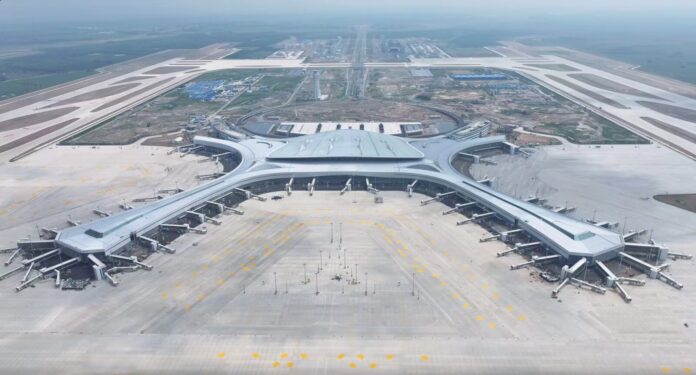
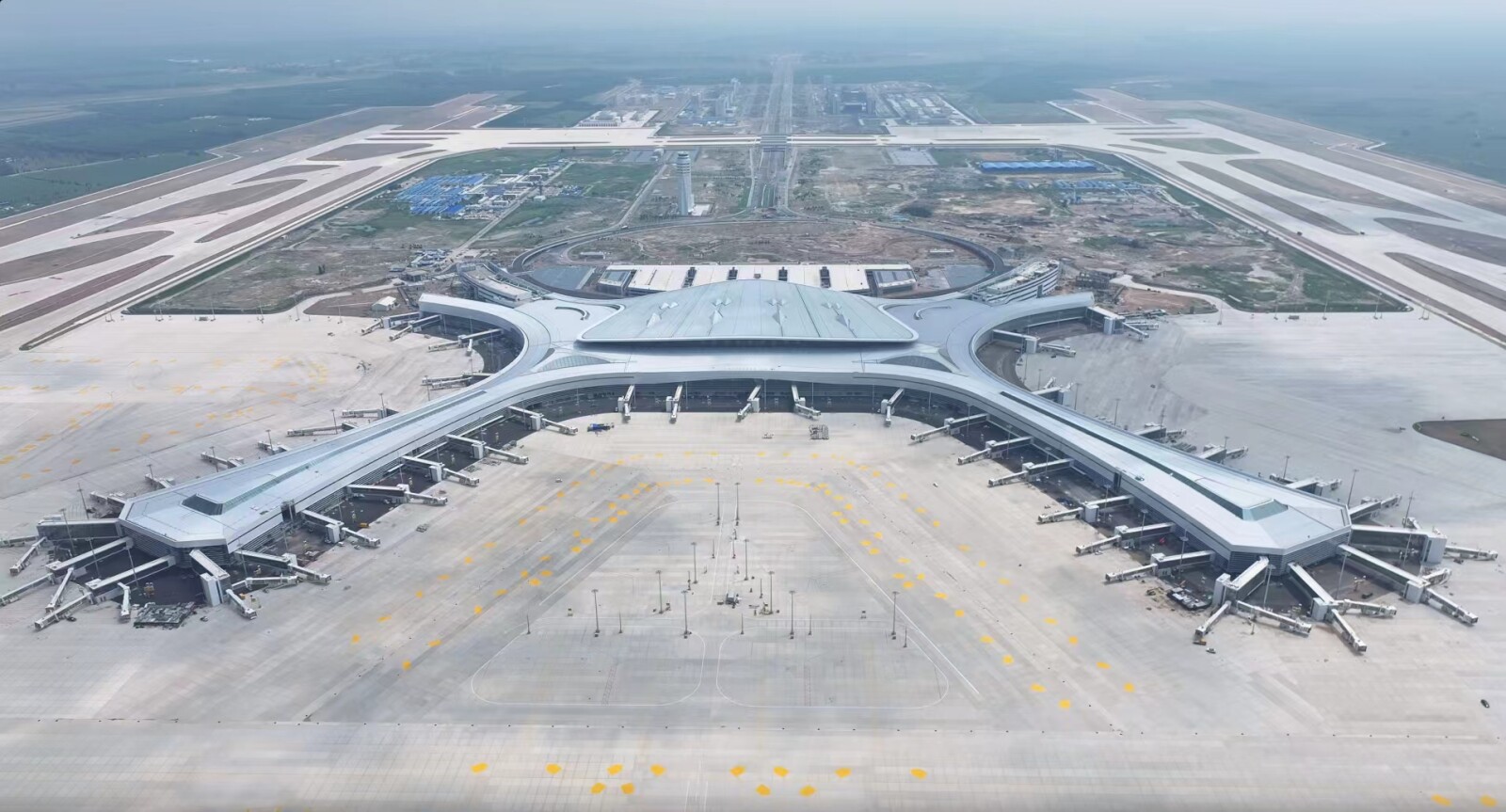
HOHHOT, CHINA – Media OutReach Newswire – 20 November 2026 – Hohhot Shengle International Airport will officially begin operations on November 26, with final preparations now under way for Inner Mongolia Autonomous Region’s first 4F-class international airport. The move from Baita to Shengle represents more than a change of location: it marks a major increase in the capacity of Inner Mongolia’s air links with the outside world.

The construction site of Hohhot Shengle International Airport.

As Inner Mongolia Autonomous Region’s first 4F-class international airport, Shengle will replace Baita International Airport after 68 years of service. It will serve as a regional aviation hub, one of the main alternate airports for the Beijing–Tianjin–Hebei airport cluster, a national Class I air port of entry, and an important transport node for the Belt and Road Initiative.

Expanding Infrastructure and Capacity

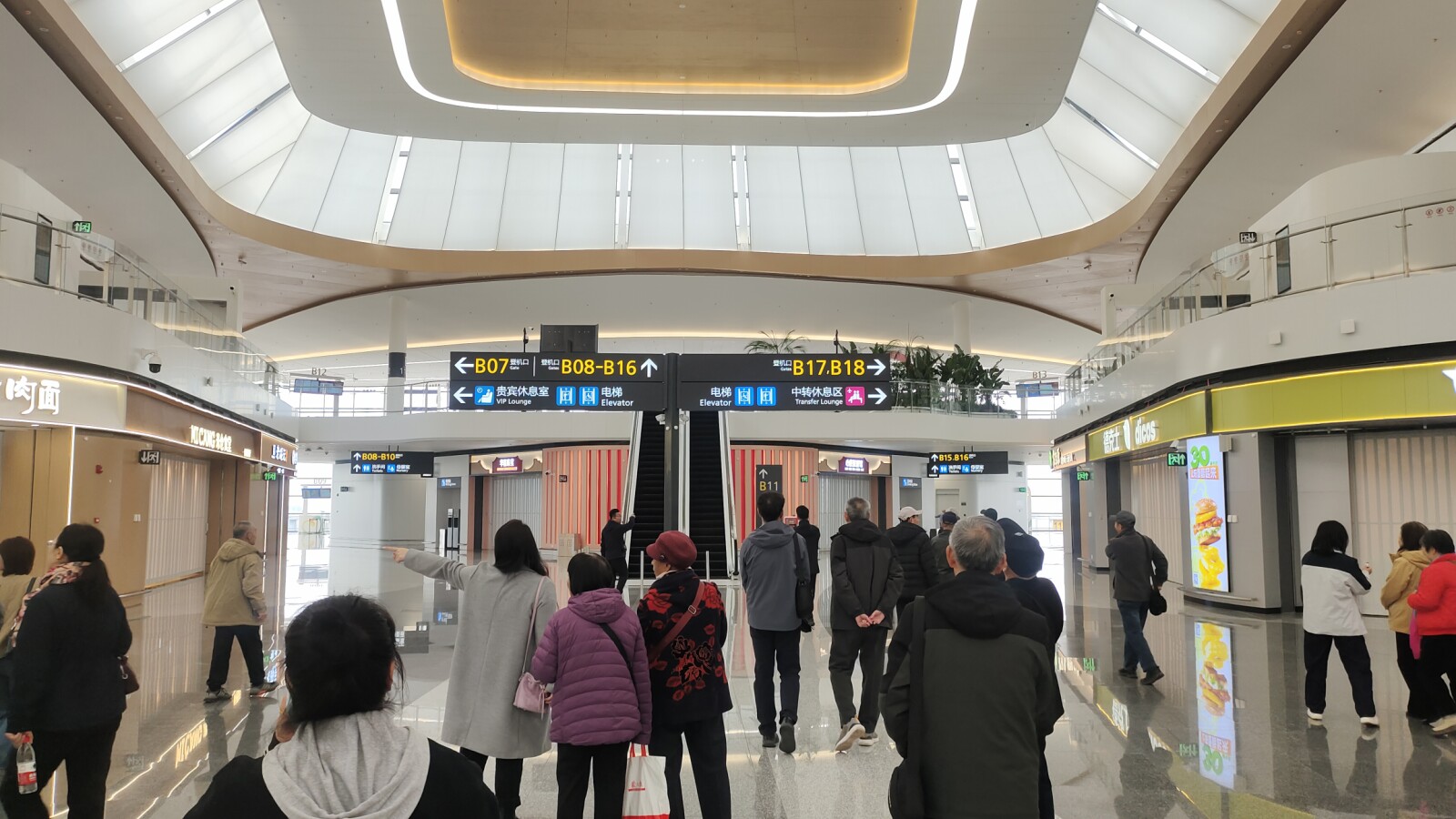
Shengle International Airport has a terminal building with a floor area of 320,000 square metres and two widely spaced parallel runways, 2,000 metres apart, that can operate independently. Its apron provides 130 aircraft stands. The airport is designed to handle 28 million passengers, 320,000 tonnes of cargo and mail, and 244,000 aircraft movements annually. In the departures hall, clearly defined areas for international departures, departures to Hong Kong, Macao and Taiwan, and international check-in islands, together with bilingual Chinese–English signage, help passengers navigate their journeys. In March 2026, the airport’s port-of-entry facilities passed the autonomous region’s acceptance inspection. With customs, immigration and other inspection facilities fully in place, the airport met the requirements for international operations. It will be a key hub supporting Hohhot’s role as a gateway for opening up to the north, drawing together flows of people, goods, information and capital and driving the development of the airport economy.

Inside the terminal at Shengle International Airport.

Connecting Europe and Asia through a Broader Route Network

Ahead of the transfer, Hohhot already operates six regular international passenger routes: to Ulaanbaatar in Mongolia; Seoul, Daegu and Busan in South Korea; Vladivostok in Russia; and Bangkok in Thailand via Chongqing. The Ulaanbaatar service is Inner Mongolia’s most frequent direct air link between China and Mongolia. From January to July this year, Baita handled 997 inbound and outbound cross-border flights, up 69.9% year on year, and 69,200 cross-border passengers, up 89.3%, reflecting increasingly active cross-border exchanges and cooperation in culture and tourism.

Once Shengle International Airport opens, the entire existing route network will transfer to the new airport. Inner Mongolia will use the hub’s wider reach to steadily expand international routes to Russia and Mongolia, increase flight frequencies to key domestic regions including the Yangtze River Delta, Guangdong–Hong Kong–Macao, and Chengdu–Chongqing, and improve its network of regional feeder services. Air and overland links will complement each other: Hohhot has launched 22 international transport routes, while its China–Europe and China–Central Asia freight train services reach more than 70 stations in over 10 countries across Europe and Asia. An integrated multimodal transport network supporting international connectivity is rapidly taking shape.

Removing Bottlenecks and Extending Regional Reach

Baita International Airport opened in 1958. Its original capacity plan envisaged handling 3 million passengers annually by 2015, but traffic has long exceeded that limit as Hohhot’s economy and cultural tourism sector have grown. The new airport will resolve the regional capital’s aviation capacity bottleneck, marking a new stage in the development of Inner Mongolia’s modern integrated transport network.

The new airport’s reach will extend well beyond a single city or locality. It will connect with the air networks of China’s key economic regions, Northeast Asia and the Russian Far East, while feeder routes will link the grasslands with border ports of entry. It will also connect with platforms for international trade and cooperation, including pilot free trade zones, China–Europe freight train services and cross-border e-commerce. Wherever its routes reach, cultural and tourism exchanges, trade and industrial cooperation will follow. An aviation hub is taking shape that will support international engagement across Inner Mongolia and Hohhot’s opening up to the north.

Winds rise from the Chilechuan grasslands, and sails are raised towards the world. The opening of this new grassland hub will mark both a major advance in the regional capital’s aviation capacity and a further step in Inner Mongolia’s opening up to the north. From this new starting point, Shengle will connect China’s key economic regions with markets in Northeast Asia and across Eurasia, building closer cooperation through its air routes and embarking with the world on a new journey of openness and shared prosperity.

Hashtag: #Hohhot

The issuer is solely responsible for the content of this announcement.

Beyond Electrification: Inside VinFast’s Technology Strategy for the Next Generation of Intelligent Vehicles

With investments in proprietary software, advanced driver-assistance systems and AI-powered automated driving, the Vietnamese automaker is building the engineering capabilities to compete in an increasingly software-defined automotive industry.


NHA TRANG, VIETNAM – Media OutReach Newswire – 20 November 2026 – The automotive industry’s next technological race extends well beyond batteries, electric motors and driving range. Increasingly, comp1.270etitive advantage is being defined by computing power, software architecture and artificial intelligence — technologies that determine how vehicles perceive their surroundings, anticipate hazards and evolve throughout their lifecycles.

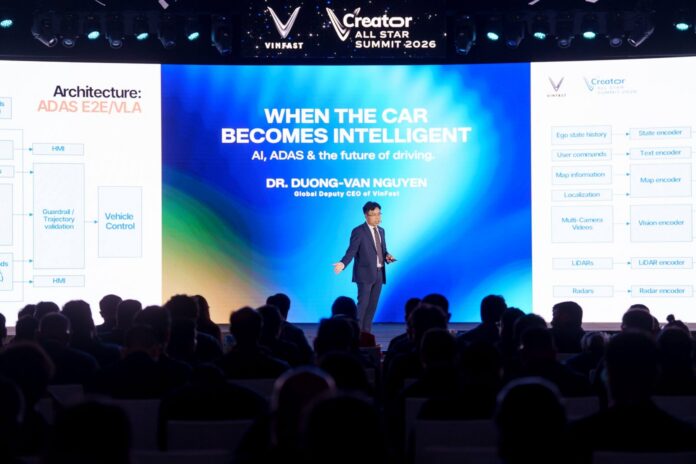
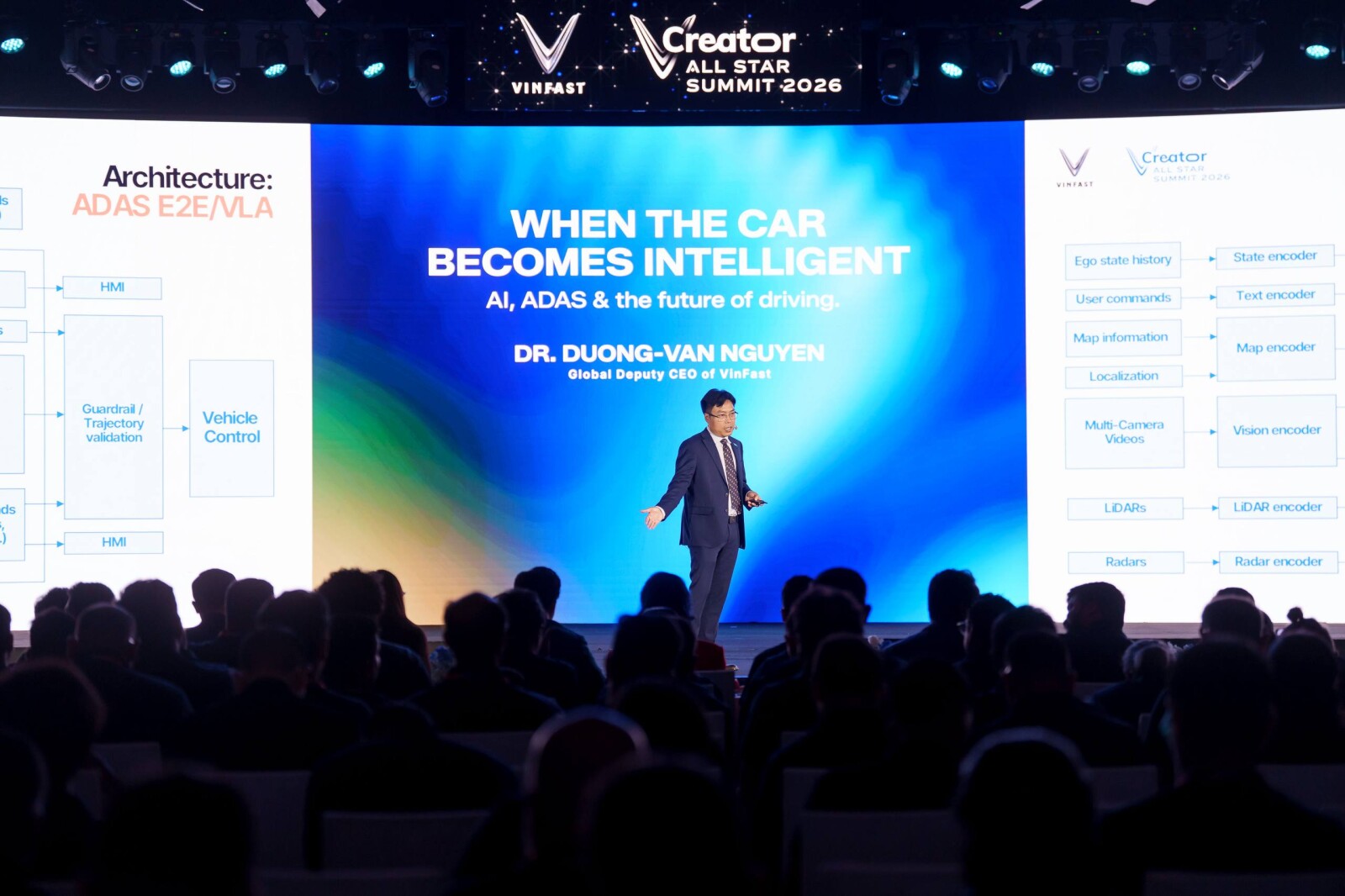
Mr. Nguyen Van Duong, VinFast Deputy CEO of ADAS Development, shares insights on ADAS and the future of intelligent driving.

As established automakers and technology companies invest heavily in software-defined vehicles (SDVs) and automated driving, Vietnam’s VinFast is accelerating its own technological transformation.

At the V-Creator All Star Summit 2026, held in Nha Trang, Vietnam, from November 15 to 19, VinFast offered international media a closer look at its engineering strategy, combining in-house technology development, global partnerships and the resources of parent company Vingroup.

While electrification established VinFast’s presence on the global automotive stage, vehicle intelligence is increasingly shaping its next chapter.

From electric vehicles to software-defined vehicles

The transition toward software-defined vehicles represents a fundamental shift in automotive engineering. Rather than relying on numerous distributed electronic control units, automakers are moving toward centralized computing architectures that enable greater software integration, more efficient development and scalable vehicle functionality.

For VinFast, this transition is already taking shape in production vehicles. Launched in Vietnam in May 2026, the all-new VF 8 marks a significant milestone in the company’s engineering evolution. Beyond improvements to its chassis, suspension and driving dynamics, the electric SUV introduces a next-generation electrical/electronic (E/E) architecture developed in-house.

At its core is a Central Vehicle Computer (CVC), designed to coordinate vehicle functions and support more integrated software development.

The new VF 8 also marks the first commercial deployment of VinFast’s internally developed advanced driver-assistance systems (ADAS), encompassing highway driving assistance, adaptive cruise control, lane-keeping assistance, automatic emergency braking, blind-spot warnings and surround-view monitoring.

The significance extends beyond individual features. Developing the underlying architecture and software gives VinFast greater control over system integration, engineering costs and the evolution of future vehicle platforms.

According to its 2025 annual report, VinFast had nearly 2,500 in-house research and development professionals at year-end, including more than 600 software engineers.

For an automaker founded less than a decade ago, that engineering investment underscores the growing importance of proprietary technology in its long-term competitive strategy.

Two technology paths, one long-term ambition

At the summit, Prof. Dr. Duong-Van Nguyen, VinFast’s Deputy CEO overseeing ADAS and autonomous driving, outlined a dual-track development strategy: advancing Level 2 and enhanced Level 2 driver-assistance systems for passenger vehicles, while developing Level 4 automated driving technology for future mobility applications.

For near-term ADAS development, VinFast is pursuing a hybrid architecture that combines AI-powered perception, sensor fusion and conventional rule-based algorithms for motion planning and vehicle control.

This approach seeks to balance computational efficiency, predictable system behavior, safety validation and affordability — considerations that are particularly important when deploying advanced technologies across mass-market vehicle segments.

Nguyen also presented advanced automated parking and vehicle-summoning capabilities, illustrating how software could address everyday challenges such as maneuvering in confined parking spaces.

These technologies form part of a broader effort to advance driver assistance. Level 2 systems, however, still require continuous driver supervision and do not constitute autonomous driving.

For higher levels of automation, VinFast is exploring more sophisticated AI architectures, including end-to-end learning and Vision-Language-Action (VLA) models.

An emerging area of automotive AI research, VLA technology connects visual perception with contextual reasoning and action generation. The objective is to enable vehicles to interpret complex traffic scenarios, anticipate potential hazards and make increasingly context-aware driving decisions.

Although these technologies remain under development and validation, their inclusion in VinFast’s roadmap reflects the company’s efforts to keep pace with advances in intelligent vehicle engineering worldwide.

Southeast Asia as a proving ground for automotive AI

One of the more distinctive aspects of VinFast’s technology strategy is the environment in which its systems are being developed.

Vietnam’s urban roads present formidable challenges for automated driving systems. Dense motorcycle traffic, complex interactions among road users and constantly changing traffic conditions create a demanding environment for perception, prediction and motion planning.

For automotive AI engineers, these conditions represent both a technical challenge and a potentially valuable source of real-world driving data.

VinFast is seeking to leverage this opportunity through the broader Vingroup ecosystem, particularly Green SM, its affiliated electric mobility services operator.

Access to commercial fleet operations could provide diverse driving datasets, supporting the training, testing and continuous refinement of AI-powered driving systems.

VinFast’s development framework encompasses data collection, scenario identification, AI training, simulation, benchmarking and vehicle-level validation. Complex driving scenarios can be reconstructed in virtual environments to evaluate system performance and refine subsequent software iterations.

The approach reflects the automotive industry’s growing emphasis on data-driven engineering, in which software development and real-world validation become increasingly interconnected.

Successfully addressing Southeast Asia’s complex traffic environments could help VinFast build engineering expertise with applications well beyond its home market.

VinFast's V-Creators All-Star Summit 2026 in Nha Trang, Vietnam.
VinFast’s V-Creators All-Star Summit 2026 in Nha Trang, Vietnam.

Global expertise, proprietary engineering

“Partner to move fast. Build in-house capabilities to go far.”. Presented by Nguyen at V-Creator, that principle encapsulates VinFast’s approach to technology development.

In January 2026, VinFast announced a strategic partnership with automotive AI specialist Autobrains to develop enhanced Level 2 driver-assistance systems and explore more cost-efficient automated driving architectures. Initial pilot testing had begun on VF 8 and VF 9 vehicles.

In June, the collaboration expanded to include a next-generation Level 4 automated driving program built on the NVIDIA DRIVE Hyperion platform.

By combining international expertise in automotive computing and AI with its own engineering resources, vehicle platforms and mobility ecosystem, VinFast is seeking to accelerate technological development while strengthening its proprietary engineering capabilities.

The roadmap presented at V-Creator identifies 2026 as a period of technology validation and platform selection, followed by industrialization and planned initial service deployment in 2027, including applications at Vinhomes Green Paradise in Can Gio, Vietnam.

These milestones remain subject to further engineering development, safety validation and applicable regulatory requirements.

Bringing automotive intelligence to the mass market

For VinFast, the ultimate measure of automotive intelligence is not the sophistication of its underlying algorithms, but the tangible value delivered to customers.

As Tapan Ghosh, CEO of VinFast Asia, explained at the summit: “A smart car should give drivers fewer things to worry about and more time to enjoy life.”

VinFast envisions increasingly connected vehicles capable of learning from usage patterns, anticipating maintenance needs, recommending charging locations and delivering more personalized assistance.

This philosophy is particularly relevant in fast-growing automotive markets such as India, Indonesia and the Philippines, where affordability, practicality and ease of ownership remain central to purchasing decisions.

The challenge is not simply to develop advanced technology, but to make it reliable, intuitive and accessible across a broad range of vehicle segments.

As the global automotive industry moves toward increasingly intelligent, connected and software-defined vehicles, the ability to develop, integrate and continuously refine core technologies is becoming a critical differentiator.

VinFast’s investments in proprietary software, AI, advanced driver assistance and automated driving reflect an ambition that extends beyond electrification: to build the technological depth required to compete in the next era of automotive innovation.

For a young automaker that entered the global industry during one of its most disruptive transitions, the next defining milestone may lie not in how its vehicles are powered, but in how intelligently they operate — and how effectively VinFast can bring that intelligence to the mass market.

Hashtag: #VinFast

The issuer is solely responsible for the content of this announcement.

Phancy Announces Business Performance for the Nine Months Ended September 30, 2026

Revenue Growth Accelerates; Operating Profit Increases Substantially


HONG KONG SAR – Media OutReach Newswire – 20 November 2026 – Phancy Group Co., Ltd. (“Phancy” or “the Group”, stock code: 6682.HK), a leading full-stack enterprise-AI cloud services platform, today announced its business performance for the nine months ended September 30, 2026 (“the period”).

During the period, the Group recorded an acceleration in revenue growth across its businesses and a substantial increase in operating profit. The Group achieved revenue of RMB6,747 million, up 53.3% year on year. Gross profit amounted to approximately RMB2,260 million, up 39.4% year on year, representing a notable acceleration from the same period last year. Overall gross profit margin stood at approximately 33.5%, a steady improvement from the first half of the year. The Group’s revenue growth was accelerated by rising enterprise demand for more efficient AI resource management and the deployment of large model inference across a wider range of business scenarios.

The Group further optimized its cost structure. In the first nine months of 2026, its operating expense ratio declined by more than two percentage points compared with the first half of the year. Operating cash flow improved significantly, and the cash collection cycle shortened significantly. The Group’s overall financial leverage remained low, and the cost of its RMB-denominated borrowings in the third quarter decreased to 2.25% to 2.80%, reflecting a sound financial position.

Dr. Dai Wenyuan, Founder, Chairman and Chief Executive Officer of Phancy, said, “In the first nine months of the year, revenue growth accelerated across the Group’s businesses, operating profit increased substantially and profitability improved further. For Phancy, high-quality growth is not only about expanding scale, but also about building sustainable profitability. Enterprise demand for AI is eevolving. Clients need not only more capable models, but also better management of computing power and models, so that AI can operate efficiently and reliably in real business settings. As AI reaches more industries, the next priority is to strengthen the infrastructure that supports its development and operation. . Over the past 12 years, we have worked to bring AI to more people. Looking ahead, we want to enable more people to contribute to making AI better, so that better AI can truly improve people’s lives. This is the thinking behind the new vision we introduced on our 12th anniversary: ‘Everyone for AI’.”

AI Platform Delivers Strong Growth and Steadily Improving Profitability

In the first nine months of 2026, the AI Platform business recorded revenue of RMB5,392 million, up 32.0% year on year. Its gross profit margin improved steadily in the third quarter compared with the first half of the year. As of September 30, 2026, the business’ orders on hand amounted to approximately RMB9 billion, representing significant growth both year on year and quarter on quarter.

AI Platform is the Group’s main revenue contributor and operates under an asset-light model. The business accelerated growth while further improving profitability and continuing to expand its market share. As clients place greater emphasis on AI sovereignty, data security, and internal control and governance, the Group remains confident in the business’s long-term growth prospects.

During the period, Phancy continued to enhance the capabilities of its AI Platform products. In computing resource management, the Group uses technologies including HAMi vGPU to schedule heterogeneous computing resources. Launched in October, subsequent to the period, ModelSphere further covers model adaptation, inference performance optimization, and Token management and scheduling, helping clients use their existing resources more efficiently and reduce the cost of deploying and operating AI applications. Customer stickiness continues to increase alongside improvements in product capabilities.

API Business Sustains Rapid Growth with Further Gross Margin Improvement

In the first nine months of 2026, the API business recorded revenue of RMB1,014 million, up 1,556% year on year. Building on the year-on-year improvement in its gross profit margin in the first half of 2026, the API business’s gross profit margin continued to achieve significant improvement in the third quarter compared with the first half.

As client demand for Tokens continued to grow, the Group also focused on the operational efficiency and resource utilization of the API business. As of September 30, 2026, the available computing power resources for the API business increased to 40,000 PFLOPS, an increase of 42.9% from the end of the first half of the year.

With client demand for Tokens remaining strong and the API business’s financing costs remaining at a low level, the API business is expected to sustain its growth, and its profit margin is expected to improve further.

From a business portfolio perspective, the AI Platform business continues to deliver high-quality growth on an asset-light model, while the API business serves fast-growing demand for model inference. The two businesses complement each other operationally and financially, laying a solid foundation for the Group’s long-term, steady growth and continued improvement in profitability.

Enhancing Enterprise AI Resource Management and Expanding the Model Portfolio

The Group continued to advance core product iteration and technology capabilities around the key needs of enterprise AI adoption.

In September 2026, Phancy was included in the first batch of enterprises publicly announced by the Ministry of Industry and Information Technology (MIIT) for development as demonstration enterprises of the National Emerging Industry Development Demonstration Bases, one of 18 enterprises nationwide selected in the first batch. In addition, Phancy ranked first overall in the China AI Computing Power Management Platform Technical Capability Assessment, 2026, published by International Data Corporation (IDC) in September. It was also the only vendor to receive full marks across all four dimensions: compute resource management, compute operations, technical architecture and delivery services.

In model development, subsequent to the period, Phancy launched its Phai series of models in November, comprising Phai-A1, a general-purpose language model, and Phai-M1, a video generation model. Phancy plans to make the weights for both models available to developers worldwide in the near future. Phai-A1 is designed for applications such as software development and AI assistants, with a focus on efficient inference and long-context processing. It supports a one-million-token context window and can be deployed locally on a personal computer. Phai-M1 is designed for live-action film and television content and AI-generated short-form dramas, with a focus on improving visual detail and synchronizing visuals with audio.

Phancy also completed end-to-end post-training of Phai-A1 on a leading domestic compute platform, including reinforcement learning, enabling close integration between model training and the platform. This makes Phancy one of the few enterprises in China to have completed the full post-training process, including reinforcement learning, on that platform. The achievement further demonstrates the Group’s capabilities in developing in-house models, integrating them with domestic compute platforms and deploying enterprise AI technologies.

Outlook: From “AI for Everyone” to “Everyone for AI”

In November 2026, Phancy introduced its new vision “Everyone for AI” on its 12th anniversary. Over the past 12 years, Phancy has brought AI to various industries and more people. As the adoption of large models and AI agents accelerates and AI applications become more widespread, the infrastructure that supports the development and operation of AI has become increasingly important.

Looking ahead, Phancy will continue to deepen its commitment to AI infrastructure, addressing critical bottlenecks in AI development and operation and enabling broader deployment of AI applications through continued infrastructure improvements. Moving from helping more people use AI to making AI better, Phancy aims to work with partners and the wider AI community to build a stronger foundation for AI development—so that more efficient, more trustworthy AI can better serve people and improve their lives.

Hashtag: #Phancy

The issuer is solely responsible for the content of this announcement.

About Phancy Group

Phancy Group (6682.HK) is a leading full-stack AI cloud services platform, providing comprehensive solutions for the AI 2.0 era. Our offerings include SageAIOS, HAMi vGPU and ModelHub XC, delivering efficient and scalable AI infrastructure with end-to-end capabilities. We provide a complete solution from heterogeneous compute resource management and optimization to the deployment of intelligent agent models. These solutions empower digital transformation across a wide range of industries, supporting our vision of building a large-scale and efficient “Token Factory.”

Guided by the vision of “Everyone for AI,” Phancy Group is committed to bringing together more technologies, enterprises and developers to advance AI together.

Clean Energy Helps Close Latin America’s Electricity Gap

In coastal Oaxaca, Mexico, Huawei and its local partner provide solar power and battery storage solutions to deliver electricity in areas where extending the grid is too expensive.


OAXACA, MEXICO – Media OutReach Newswire – 20 November 2026 – At 3 a.m., Eray Garcia Rivera gets up to tend his fishing nets in San Dionisio Pueblo Viejo, an island village in the coastal lagoons of Oaxaca, Mexico. Before, his family relied on candles after sunset. Now, a solar power system with battery storage runs a small refrigerator and lightbulbs, giving him room to store 15 to 20 kilograms of fish or shrimp.

Eray says the household can now refrigerate 15 to 20 kilograms of fish or shrimp.

For a household that relies on fishing for food and income, that means some of the day’s catch can be kept for later. The same system keeps the lights on after sunset and powers a Wi-Fi modem that the family uses to stay in touch with people outside the village.

“Electricity gives us time,” Eray says in a documentary,The Island that Follows the Sun , about the project. “It gives you time to do other things.”

The gap behind the coverage figures

Across Latin America and the Caribbean, an estimated 17 million people lack access to electricity, and another 60 million have unreliable service, according to the nonprofit Global Energy Alliance for People and Planet.¹ For a household, frequent outages make it hard to keep food cold for long, increasing the risk of spoilage. At a clinic, they can force staff to move vaccines to another facility.

In Mexico, more than 137,000 people still live without electric power, according to the country’s Federal Electricity Commission, or CFE. Over the next two years, the government aims to expand electricity coverage through Justicia Energética, a program that brings electricity to communities that still lack service.²

But the cost of extending the grid rises when homes are spread far apart or power lines have to cross difficult terrain. Some communities rely on diesel generators, which are costly to run when fuel has to be transported long distances. In the Brazilian Amazon, isolated power systems serve more than 1.96 million people outside the national grid, according to the Global Energy Alliance. Brazil’s Energies of the Amazon program aims to replace diesel generation in those systems.¹

Keeping the catch cold

Through CFE’s Justicia Energética initiative, Mexican solar company Solarvatio and Huawei installed 73 solar and storage systems serving 107 households in San Dionisio Pueblo Viejo. Solarvatio provided the panels while Huawei supplied the energy storage technology.³

With the equipment now installed, Eray says his small refrigerator can make ice and hold up to 20 kilograms of fish or shrimp. Before he had refrigeration at home, keeping his catch fresh was much harder.

When the power goes out

Health centers in Peru’s Huancavelica region faced a different problem. When the electricity failed, staff had to take vaccines and other temperature-sensitive supplies to another health center. Under an Electroperú program, local installer Novum Solar fitted health facilities with solar panels and Huawei batteries. Novum Solar estimates that the systems can keep the vaccine cold chain operating for about 48 hours during a power interruption.⁴

The installations supplement the existing electricity supply. For health workers, the added time can mean keeping vaccines on site while power is restored. The project also helps keep medical equipment running.

In Brazil’s Amazonas state, energy services company Aggreko plans to use solar power and Huawei battery storage in local electricity networks, known as microgrids, across 24 locations. Aggreko estimated the investment at about 850 million reais and said it expected the first plants to come online in 2027 or 2028. The companies said existing thermal plants would remain in service to help maintain supply as the solar and battery systems are added.⁵

In San Dionisio Pueblo Viejo, refrigeration could give fishermen more say over when they sell their catch. If they can keep fish or shrimp cold overnight, they may be able to take it to market the following day or wait for a buyer who offers a better price.

Reliable electricity could also give residents new ways to earn a living. A shopkeeper could sell refrigerated food, while someone with enough power to run a freezer could make and sell ice to local fishing crews.

Eray still gets up at 3 a.m. to tend his nets. With electricity from solar power, he can now keep his catch fresh. He and his neighbors also have the chance to explore new ways to earn a living.

Eray Garcia Rivera's family outside their home in San Dionisio Pueblo Viejo.
Eray Garcia Rivera’s family outside their home in San Dionisio Pueblo Viejo.

Editorial endnotes

1. Global Energy Alliance for People and Planet, February 11, 2026. Regional estimates for lack of electricity and unreliable service, and the population served by isolated power systems in Brazil’s Amazon. Source

2. Mexico electricity coverage and target. EnergyNews, September 28, 2026, reporting CFE’s August figures. Mexico’s presidency announced the 2028 target on June 17, 2026. EnergyNews · Presidency of Mexico

3. Huawei, Earth Day 2026. Confirms 73 systems serving 107 households, with Solarvatio and CFE’s Justicia Energética initiative. Eray’s account and household details come from the supplied video transcript and article. Project announcement

4. Novum Solar. Describes the emergency transfer of medical supplies before the installations and estimates about 48 hours of cold-chain operation during an outage. Project account

5. Reuters, March 2, 2026. Reports the figures and expected schedule given by Huawei and Aggreko for the planned Amazonas project. Source

Hashtag: #Huawei

The issuer is solely responsible for the content of this announcement.

DTC2026 | World’s First Mass Production of Ultrahigh-Mobility Oxide Technology Paves the Way for a New Generation of Displays

SHENZHEN, China, Nov. 20, 2026 /PRNewswire/ — TCL CSOT became the world’s first to achieve mass production of ultrahigh-mobility oxide technology (electron mobility of ~50 cm² V⁻¹ s⁻¹) on an 8.6-generation line. The major technical breakthrough marks the first time high mobility oxide technology has gone beyond the 50 cm² V⁻¹ s⁻¹ threshold in mass production, presenting exciting new possibilities in display applications.

The world's first product made using an ultrahigh-mobility oxide backplane, the 18-inch NB High-Refresh Gaming Display
The world’s first product made using an ultrahigh-mobility oxide backplane, the 18-inch NB High-Refresh Gaming Display

| Keywords: Ultrahigh mobility, 50 cm² V⁻¹ s⁻¹, 8.6-generation mass production, world’s first ultrahigh-mobility oxide product

Beyond 50 cm² V⁻¹ s⁻¹: Premium Displays Without the Compromise

For years, the production of high-end displays has involved a series of trade-offs: high refresh rates versus lower power consumption, high resolution versus brightness, and narrow bezels versus cost. The mass production of ultrahigh-mobility oxide technology breaks this deadlock by enabling drive currents that surpass the critical threshold needed to deliver these properties without such compromises.

All-Round Excellence in Image Quality, Energy Efficiency, and Cost

Traditionally, gains in image quality have come at the expense of power consumption. However, the properties of ultrahigh-mobility oxide technology change this on several fronts. Firstly, like all oxide TFTs, the technology offers extremely low off-state current, enabling static images to be held at an ultra-low refresh rate, thereby reducing refresh power consumption. Secondly, higher current drive allows GOA (gate driver on array) and driver circuits to operate with lower voltage swings and shorter charging times. Combined with optimization across the full signal chain, power consumption is also reduced when displaying dynamic images. As a result, ultrahigh-mobility oxide technology allows for improvements in image quality without requiring extra power.

By enabling displays to switch between ultra-low and ultra-high refresh rates in the same panel, the technology also allows high-performance gaming and video applications to exist alongside power-efficient office and reading in one device.

Shrinking the TFT also increases aperture ratio, enabling higher pixel density without sacrificing brightness, so high-resolution screens no longer appear dim. Substantially reduced edge routing greatly improves the screen-to-body ratio, making ultra-narrow bezels a reality for mass-produced displays.

The real value of ultrahigh-mobility oxide technology is in turning what was once a series of trade-offs into a best-of-all-worlds scenario that delivers premium display experiences. Leveraging the scale of TCL CSOT’s 8.6-generation production line, these premium displays can now be widely adopted at an affordable cost.

At DTC 2026, TCL CSOT unveiled its own ultrahigh-mobility display technology, setting a new standard for display excellence that will redefine the future for both consumer and professional display applications.

Technology Reimagined: A Seamless Loop from Process to Product

Developing ultrahigh-mobility oxide technology is the result of significant engineering achievements made by TCL CSOT and the team at the Institute of Science Tokyo’s MDX Research Center for Element Strategy, led by Prof. Hideo Hosono. Together with Prof. Hosono’s team, TCL CSOT has advanced the technology across three fronts—film deposition, device design, and architecture—transforming isolated processes into manufacturable products.

Film Deposition: Ultra-Uniform Oxide Semiconductor System

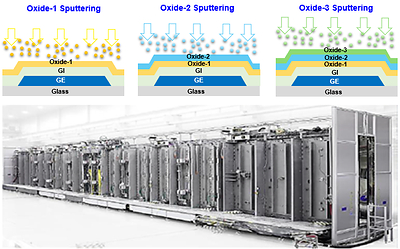
TCL CSOT has taken film deposition beyond conventional processes with the use of continuous rotary-target sputtering and a composite stacked oxide layer design that suppresses defects. A defect repair process further improves the interface, overcoming the stability challenges associated with ultrahigh-mobility materials.

The new continuous oxide deposition process achieves three-layer film formation in a single chamber

| Key Metrics: Film thickness uniformity U% < 5%, average mobility 51.6 cm² V⁻¹ s⁻¹

Device Core: Precise Control of the Hydrogen–Oxygen Balance in the Insulator

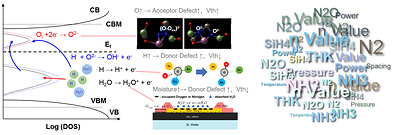
Ultrahigh-mobility devices are highly sensitive to moisture, hydrogen, and oxygen, and any deviation from the optimal hydrogen–oxygen ratio in the insulator can degrade performance. To address this, TCL CSOT has developed a hydrogen–oxygen balance control system for both the front- and back-channel insulators, providing threefold protection.

H/O Balance Control for Front- and Back-Channel Insulators: Low-Defect Interface and High-Density Barrier

New Circuit Architecture Unlocks the Potential of Ultrahigh-Mobility Oxide

Alongside its clear benefits, higher mobility also brings new challenges, including weaker gate control, threshold-voltage drift, and increased self-heating. To address these challenges, TCL CSOT has introduced a new GOA architecture alongside optimized device design and improved thermal management to enable the full potential of ultrahigh-mobility oxide to be realized.

Redefining the Limits of LCD Technology

The mass production of ultrahigh-mobility oxide technology gives LCD a major competitive edge in applications such as high-refresh-rate notebooks and high-end monitors, enabling it to compete directly with OLED. Its inherent advantages—low cost, long lifetimes, and no burn-in—combined with high image quality and low power consumption, will offer users a wider choice of high-quality options at a lower price point compared with OLED.

Meanwhile, ultrahigh-mobility oxide technology also shows strong potential in emerging areas such as VR/AR, medical displays, and automotive displays, where its high refresh rates can help reduce motion sickness, its high color fidelity meets high professional requirements, and its high reliability supports use in diverse environments.

From the Laboratory to the Production Line

TCL CSOT has built extensive expertise in oxide technology over the years, progressing from mass production of conventional IGZO in 2024 to 30 cm² V⁻¹ s⁻¹ high-mobility oxide in 2025, and achieving mass production of ultrahigh-mobility oxide in 2026. The latest breakthrough combines device stability comparable to conventional IGZO with excellent voltage endurance and reliability, marking a major step from the laboratory to production and lays the foundations for future product iterations and scale expansion.

About TCL CSOT

Established in 2009, TCL China Star Optoelectronics Technology Co., Ltd. (TCL CSOT) is a leading global innovator in display technologies. Its LCD, OLED, and MLED solutions power applications across TVs, smartphones, tablets, laptops, monitors, automotive systems, VR/XR, and commercial displays. With a clear strategic direction set by its advanced display technology brand APEX, TCL CSOT invests continuously and strategically in R&D, driven by a mission to amaze, protect and inspire all people through endlessly innovative display technology. As part of TCL’s Worldwide Olympic Partnership, TCL CSOT is proud to deliver display solutions that elevate experiences on the global stage.

AGIBOT Launches Australian Cloud Node to Accelerate Market Expansion and Local Robotics Deployment Across Australia and New Zealand

MELBOURNE, Australia and AUCKLAND, New Zealand, Nov. 20, 2026 /PRNewswire/ — AGIBOT, a global embodied intelligence and humanoid robotics company, is expanding its presence across Australia and New Zealand through investment in local infrastructure, technical support and partnerships. The company highlighted its Australian cloud node deployment at the Physical AI on AWS: ANZ Roadshow 2026 in Sydney and showcased its robots at the New Zealand–China Products Expo in Auckland.

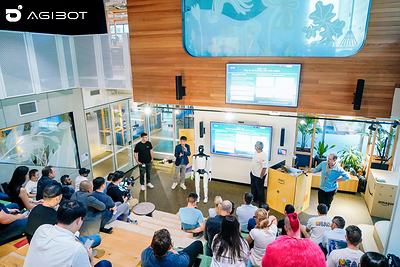
Gary Sun, General Manager of Australia and New Zealand at AGIBOT at the AWS Roadshow in Sydney

At the AWS Roadshow in Sydney on 10 November 2026, Gary Sun, General Manager of Australia and New Zealand at AGIBOT, spoke at an invited session about the company’s embodied intelligence innovations and its approach to deploying robots in real-world settings. AGIBOT has deployed a cloud node in Australia to support local robot operations. The company’s Australian team works with customers and partners to assess site requirements, support deployments and provide ongoing technical services.

“The completed deployment represents more than an infrastructure milestone. It reflects AGIBOT’s commitment to investing in localized capabilities and establishing a sustainable foundation for long-term market development,” said William Zhang, President of Asia Pacific Region at AGIBOT.

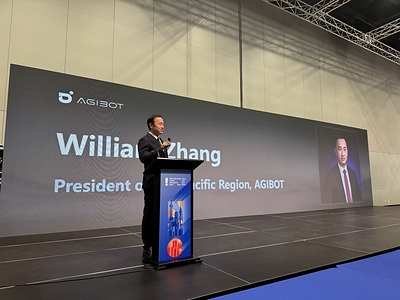
William Zhang, President of Asia Pacific Region at AGIBOT at the New Zealand–China Products Expo

At the New Zealand–China Products Expo, held in Auckland from 20 to 22 November 2026, William Zhang shared AGIBOT’s approach to deploying robots in New Zealand. Through live demonstrations, the company showed how its robots combine Interaction Intelligence, Manipulation Intelligence and Locomotion Intelligence to respond to people, handle objects and carry out tasks in physical environments.

AGIBOT sees New Zealand as a high-end priority market, with potential for robot deployment in commercial cleaning, security patrol and premium services. In premium services, robots could improve customer experiences and assist with routine service tasks. AGIBOT’s existing New Zealand team provides technical and after-sales support, and the company aims to pilot applications with local partners and develop local robotics talent.

Across both markets, AGIBOT will continue working with customers and partners to identify where robots can add value, test applications in operating environments and help businesses integrate robots into everyday work.