

UPDATED on 12 June at 11PM with a correction on the number of provinces covered by EV stations
Fuel prices in Laos have declined steadily over the past two months, bringing some relief to motorists as inflation and transport costs ease. But for many households, fuel remains a major expense, and some consumers are beginning to consider electric vehicles as a long-term way to reduce transport costs.
As of 11 June, premium and regular gasoline were selling at LAK 31,300 (USD 1.42) per liter, while diesel was priced at LAK 27,620 (USD 1.25) per litre.
The reductions followed six rounds of fuel price adjustments between 1 May and 11 June. According to the Lao Statistics Bureau (LSB), lower fuel costs helped reduce transport expenses by 6.3 percent and contributed to inflation slowing from 10.2 percent in April to 9 percent in May.
Fatavan, a finance employee at a fuel station in Vientiane, said lower fuel prices have slightly reduced daily expenses, although fuel remains expensive for many households.
She noted that fuel prices affect a wide range of goods and services because transport costs influence the final price consumers pay.
As a result, lower fuel prices can make day-to-day expenses slightly easier to manage, but the overall impact remains limited. Fatavan said many Lao consumers would still not consider fuel affordable.
“Even though prices have fallen, fuel is still one of the major expenses for many people, especially office workers, transport operators, and others who rely on vehicles every day,” he said.
EV Interest Growing
Fatavan noticed that electric vehicles (EVs) have become more attractive as a way to reduce long-term transport costs, but several practical barriers remain.
She has considered purchasing an EV but remains hesitant because charging infrastructure is still limited across the country.
“Public charging stations are still not widely available, which makes daily use and long-distance travel less convenient,” Fatavan said. “There are different charging systems, so people are not always sure if their vehicle will be compatible with every public charging station.”
A fuel station owner expressed a similar view, saying EV adoption is likely to increase over time but will not replace fuel-powered vehicles in the near future.
The station owner added that consumers have historically been more concerned about fuel availability than price fluctuations, especially during periods of supply uncertainty.
Government Pushes EV Adoption
Despite concerns about charging access and affordability, the Lao government has intensified efforts to promote electric transport as part of broader plans to reduce fuel imports and improve energy security.
In March, the Prime Minister ordered authorities to encourage a shift away from fossil fuel-powered vehicles through tax measures and incentives. Under current regulations, electric vehicles are subject to a 3 percent excise tax, compared to 25 to 90 percent for conventional fuel-powered vehicles.
The government has also set a target for EVs to account for 30 percent of vehicle usage by 2030. In May, authorities announced a suspension on imports of most fossil fuel-powered vehicles until the end of 2026, while introducing price controls on EVs to improve affordability and accelerate adoption.
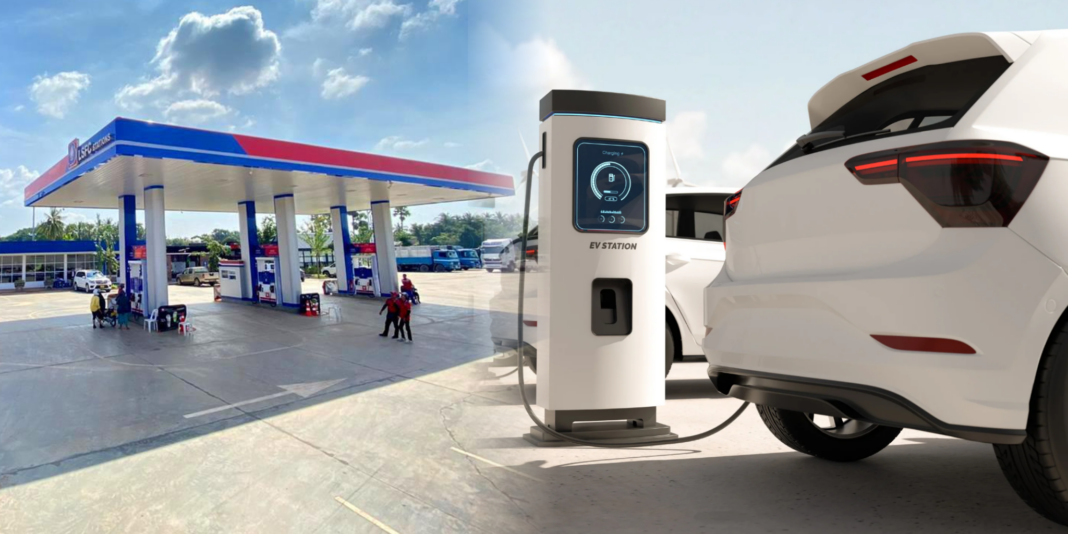
According to a May report from the Ministry of Public Works and Transport, Laos registered more than 14,400 electric vehicles between 2020 and 2025. Based on data from LOCA, an online ride-hailing and private taxi application in Laos, EV Charging stations now cover all 18 provinces in Laos.
