Home Blog Page 1753

Put Children’s Education at the Heart of Discussions at COP30 in Brazil

Education Cannot Wait and Geneva Global Hub for Education in Emergencies Call for Sustained Support

NEW YORK, Nov. 7, 2025 /PRNewswire/ — Members of the Geneva Global Hub for Education in Emergencies (EiE Hub), including Education Cannot Wait (ECW), are calling on world leaders and other stakeholders to put children’s education at the heart of discussions when they gather in Belém, Brazil for the COP30 climate summit in November 2025.

The climate crisis is having a devastating impact on children and youth’s education, in particular the most at-risk and vulnerable. Globally, at least 242 million students – from pre-primary to upper secondary education – saw their learning disrupted due to climate-related events in 2024. Heatwaves alone affected more than 118 million children’s learning just in the month of May 2024 alone.

The climate crisis is having a devastating impact on children and youth’s education, in particular the most at-risk and vulnerable. Globally, at least 242 million students – from pre-primary to upper secondary education – saw their learning disrupted due to climate-related events in 2024. Heatwaves alone affected more than 118 million children’s learning just in the month of May 2024 alone. Climate-induced hazards and shocks can severely affect the quality of education, for example by damaging the learning environment or impacting teachers’ well-being and capacity. Such interruptions expose children to critical protection risks, while also drastically increasing the chances of drop-out.

The impacts of climate change on education also exacerbate existing risks and inequalities, including related to gender, ethnicity, disability, age and displacement status. Rising temperatures and other climate-related stressors are aggravating other situations that can hinder access to education, such as armed conflict and violence, loss of livelihood opportunities, health impacts or child, early and forced marriage.

Despite this, education has long been chronically neglected in climate discussions and financing. From 2006 to March 2023, only 2.4% of financing from key multilateral climate funds supported projects incorporating child-responsive activities. Similarly, governments have often overlooked children’s rights generally, and education specifically, in political strategies to tackle climate change. During the last cycle of Nationally Determined Contributions (NDCs 2.0), less than half of the NDCs met the standards for being child-sensitive.

Education is a powerful tool to tackle the climate crisis. Making education systems more climate-responsive will help create safe and effective learning environments and ensure learning continuity, while equipping students with the skills, knowledge and mindsets to promote climate-resilient families and communities.

At the same time, investment in education is a cost-effective tool to address the effects of the climate crisis. More broadly, a small investment can deliver returns for decades, fostering safer and more stable societies. Every USD 1 a government spends on education increases GDP on average by USD 20.

Without urgent action, tens of millions more children and youth risk missing out on education due to the climate crisis. This will have far-reaching consequences not just for their own lives, but for their wider communities’ economic development, social cohesion and long-term stability.

The statement called on governments, civil society, philanthropy and other donors, as well as other actors to:

  • Ensure that education is resourced and prioritised in national climate action strategies and related processes, including in NDCs and National Adaptation Plans (NAPs).
  • Increase investments in climate resilient education strategies, leveraging opportunities for more strategic co-financing across sectors. This includes prioritising education for all children and youth—especially in climate-vulnerable, conflict-affected and fragile contexts—while enabling the continuity of learning and the resilience of education system.
  • Ensure education is integrated in loss and damage strategies, assessments, costings and funding proposals of fragile and crises-affected countries.
  • Enhance inclusion, participation and representation of children and youth in climate policymaking, including through child-friendly mechanisms in NDCs, NAPs and other climate plans.
  • Invest in climate-resilient school infrastructure and climate-related teachings and learnings, for example by embedding green skills and climate education in national curricula, including in emergencies, to empower children, youth and teachers as agents of change for resilience, climate action and a just green transition.

Harbour BioMed and Evinova China Announce Strategic AI Collaboration to Accelerate AI-Enabled Drug Development

CAMBRIDGE, Mass., ROTTERDAM, Netherlands and SHANGHAI, Nov. 7, 2025 /PRNewswire/ — Harbour BioMed (“HBM” or the “Company”; HKEX: 02142), a global biopharmaceutical company committed to the discovery and development of novel antibody therapeutics in immunology and oncology, and Evinova, a global health-tech company accelerating the delivery of better health outcomes by propelling the life sciences sector forward in digital health, announced a strategic collaboration in artificial intelligence (AI).

Under the terms of the collaboration, Harbour BioMed and Evinova China will jointly apply AI and digital technologies to enhance the efficiency of innovative biologics development. Building on their own strengths, the two companies aim to build an open ecosystem for AI-driven drug R&D.

Dr. Jingsong Wang, Founder, Chairman and CEO of Harbour BioMed, stated, “We are pleased to collaborate with Evinova to advance the application of AI in biotherapeutic development. Harbour BioMed has built a robust and differentiated product pipeline based on our industry-leading Harbour Mice® technology platform. Through this collaboration, we look forward to applying AI to improving clinical study efficiency and accelerating the delivery of innovative therapies to patients around the world.”

Nate Zhang, General Manager of Evinova China, stated, “Evinova leverages the digital transformation insights of top global pharmaceutical companies to design our AI-powered clinical development solutions and digital strategy consulting services, so that we can accelerate the delivery of better health outcomes. To realize our mission, Evinova China needs to partner with innovative companies like Harbour BioMed, which are rooted in China while harboring global ambitions. Together, through our world-class AI technology platforms and deep therapeutic expertise, we can help take China-originated breakthrough assets from the laboratory to the world.”

About Harbour BioMed

Harbour BioMed (HKEX: 02142) is a global biopharmaceutical company committed to the discovery and development of novel antibody therapeutics in immunology and oncology. The company is building a robust and differentiated pipeline through internal R&D capabilities, strategic global collaborations in co-discovery and co-development, and selective acquisitions.

Harbour BioMed’s proprietary antibody technology platform, Harbour Mice®, generates fully human monoclonal antibodies in both the conventional two heavy and two light chain (H2L2) format and the heavy chain-only (HCAb) format. Building upon HCAb antibodies, the HCAb-based immune cell engagers (HBICE®) bispecific antibody technology enables tumor-killing effects that traditional combination therapies cannot achieve. Additionally, the HCAb-based bispecific immune cell antagonist (HBICATM) technology empowers the development of innovative biologics for immunological and inflammatory diseases. By integrating Harbour Mice®, HBICE®, and HBICATM with a single B-cell cloning platform, Harbour BioMed has built a highly efficient and distinctive antibody discovery engine for developing next-generation therapeutic antibodies. For more information, please visit www.harbourbiomed.com.

About Evinova

Evinova is a global health-tech business, accelerating the delivery of better health outcomes by propelling the life sciences sector forward in digital health, from the inside. Through our application of science-based expertise, evidence-led rigour, and human experience-driven insight, our digital solutions are deliberately designed so that everyone can reach better health outcomes together. Evinova is a separate health-tech business within the AstraZeneca Group. Please visit evinova.com or follow the company on social media @Evinova.


HCGZ showcased a variety of new products at CeMAT ASIA 2025

HANGZHOU, China, Nov. 7, 2025 /PRNewswire/ — From October 28 to 31, CeMAT ASIA 2025 was grandly held in Shanghai. HCGZ showcased a variety of new products at the fair, demonstrating multiple application scenarios including goods-to-person and pallet-to-person solutions, providing efficient and flexible logistics solutions for domestic and international visitors.

In the goods-to-person display area, the YT50 robot from our Flash Ladder Series shuttles back and forth on the shelves. It adopts natural contour navigation technology, which allows for rapid deployment without the need for site modification and supports cluster scheduling of over a hundred units and 7×24-hour non-stop operation. With a maximum load capacity of 50 kilograms, and a positioning accuracy of ±3mm, the YT50, in combination with the AM50, can flexibly adjust the robot fleet according to the on-site demand, smoothly handling the peaks and troughs of on-site traffic with a smooth and efficient picking process.

Our “Ants + Picking” combination forms an ultra-high-density and ultra-efficient intelligent picking solution. By integrating two types of robots with shelves, totes, and an intelligent warehouse management system, it efficiently handles tasks such as inbound and outbound operations, inventory, and sorting within the warehouse. This mode provides a standardized solution for order picking operations that require high throughput, high storage density, and high flexibility.

In the pallet-to-person display area, the new handling robot EzGo made its debut. This is an ultra-high-density and ultra-efficient intelligent handling robot, characterized by simple implementation, intelligent obstacle avoidance and stopping, rapid battery replacement, and optimized close-range scheduling collaboration.

The three-point counterbalanced AGV combines high adaptability with intelligent scalability, capable of fitting various hydraulic side shift attachments, accurately identifying and handling different pallets, and is widely applicable to fully automatic indoor operations and complex scenarios such as indoor and outdoor container loading.

The Z Series Four-way Shuttle Warehouse is a master of high-density storage, capable of quickly shuttling and flexibly changing directions in shelf aisles to maximize the use of every inch of space. At the fair, the Four-way Shuttle Warehouse is linked with a 1.5t laser-guided mini stacker to achieve pallet picking and handling. This solution will significantly improve logistics efficiency and offer more choices for customers.

The various products displayed at the exhibition site.


ARTERY Strengthens Global Developer Ecosystem with 2025 AT32 MCU Training in Seoul, Driving AIoT and Edge Computing Innovation

TAIPEI, Nov. 7, 2025 /PRNewswire/ — ARTERY Technology, in collaboration with its Korean distributor IGM, held the “2025 ARTERY WORKSHOP – AT32 IDE & Work Bench Practical Training” in Seoul on November 6, 2025. As an important stop in ARTERY’s global developer training program, the event attracted engineers and professional developers from industrial control, motor drive, smart home appliances, and AIoT fields. The enthusiastic participation reflected the strong interest and technical influence of AT32 MCU in the Korean market.

ARTERY's Instructor presenting AT32 MCU solutions for AIoT and edge intelligence.
ARTERY’s Instructor presenting AT32 MCU solutions for AIoT and edge intelligence.

The training centered on the AT32F457 development board, combining “theory explanation × hands-on practice” through a dual-track teaching approach. Participants gained firsthand experience with the AT32 IDE and Work Bench tools, mastering the full development process from project creation and programming to debugging and verification. The course emphasized practical development and AI integration, helping engineers combine embedded design with intelligent algorithms to build a stronger foundation for AIoT and edge computing applications.

Enhancing Development Efficiency – Mastering Embedded Core Technologies

The training provided an in-depth introduction to the core functions and security architecture of the AT32 MCU series:

  1. TRNG (True Random Number Generator): Based on physical noise sources and compliant with NIST SP800-90B standards, it provides secure and stable key and initialization vector (IV) generation, strengthening data protection capability.
  2. AES Hardware Encryption/Decryption Module: Based on physical noise sources and compliant with NIST SP800-90B standards, it provides secure and stable key and initialization vector (IV) generation, strengthening data protection capability.
  3. CAN-FD High-Speed Communication Protocol: Compliant with ISO 11898-1:2015 standards, supporting 64-byte data length and multiple receive filters to meet real-time communication requirements in automotive and industrial applications.

With the integrated development environment of AT32 IDE and Work Bench, participants could intuitively complete pin configuration, module setup, and code generation, significantly improving development efficiency and project consistency. This demonstrated AT32 MCU’s advantages in software-hardware integration for AI and embedded applications.

Diverse Application Demos Showcasing AT32 Ecosystem Integration Strength

In addition to hands-on training, multiple AT32 MCU-based application demos were showcased onsite, highlighting ARTERY’s diverse technical capabilities in display, imaging, and motor control:

  1. F437 LVGL LCD Demo: Driven by AT32F437 to control a high-resolution LCM graphical interface, demonstrating smooth UI rendering and graphical performance.
  2. F435 DVP Camera Demo: Integrating AT32F435 with a DVP camera module for real-time image capture and display, showcasing flexibility in embedded vision applications.
  3. F421 Motor Demo: Using AT32F421 for motor control demonstration, presenting stable and efficient performance in compact drive and control systems.

Through live demonstrations and interactive showcases, participants gained a clearer understanding of how AT32 MCUs support AI algorithms, sensor fusion, and intelligent control—reflecting ARTERY’s innovation and integration capabilities in the AIoT era.

Deepening Presence in Korea – Expanding the Global Developer Network

ARTERY stated that Korea is an important innovation hub for embedded systems and AI applications in the Asia-Pacific region, with a highly skilled engineering community and a dynamic AIoT industry ecosystem. This Seoul training not only deepened technical exchanges with local partners but also marked a key milestone in ARTERY’s continued expansion of its global developer network and promotion of intelligent technology adoption. Moving forward, ARTERY will continue collaborating with global partners to advance AI-embedded applications and smart manufacturing, helping customers accelerate product innovation and intelligent transformation.

With the rapid growth of AIoT, edge computing, and automation control, ARTERY Technology will continue to uphold its core values of “Professionalism, Innovation, and Co-Creation.” Through its high-performance AT32 MCUs and comprehensive AI development toolchain, ARTERY aims to deliver smarter, more efficient, and more secure embedded solutions—partnering with industries worldwide to enter a new era of intelligent technology.

About ARTERY Technology

ARTERY Technology is a fabless IC design company specializing in the research and design of 32-bit Arm® Cortex®-M4/M0+ microcontrollers. The AT32 MCU series offers high performance, reliability, and AIoT-oriented design, and is certified under ISO 9001 quality management, AEC-Q100 automotive reliability, and IEC 60730 household appliance safety standards. The company is dedicated to advancing embedded applications in AI edge computing, intelligent control, and secure communication, providing innovative and reliable solutions for global industrial, automotive, and AIoT markets.

The Battery Show Asia to Spark Innovation Again in March 2026

The Battery Show Asia (TBSA) 2026 is set to make a grand return at AsiaWorld-Expo in Hong Kong.

HONG KONG, Nov. 7, 2025 /PRNewswire/ — Following the success of the inaugural Asia edition of The Battery Show in July 2025, which attracted 17,893 professional attendees from 132 countries and regions and 314 exhibitors (co-located with Data Center Asia and Build4Asia), TBSA 2026 is poised to surpass expectations. The event will feature an expanded exhibition area of 22,000 square meters and host over 350 global exhibitors and 20,000 professional buyers.

Comprehensive Industry Coverage

TBSA 2026 will be co-located with Mobility Tech Asia and the inaugural Energy Storage Asia. These events will create a platform that spans the entire new energy industry chain, showcasing:

  • Advanced battery technologies
  • Energy storage systems and engineering
  • Battery recycling and management systems
  • Cutting-edge charging and swapping infrastructure

Global Participation and Networking Opportunities

TBSA 2026 is expected to attract over 20,000 international professionals, including policymakers, technical experts, engineers, and manufacturers from key markets such as Europe, North America, Japan, South Korea, Southeast Asia, India, and the Middle East. Notably, more than 65% of attendees will be senior-level decision-makers.

Additionally, TBSA 2026 will organize 100+ domestic and international buyer delegations from governments, organizations and leading companies and host VIP activities to facilitate precise business matchmaking, fostering high-efficiency global collaborations.

Knowledge Sharing and High-Level Dialogues

TBSA 2026 Conference will focus on the latest policies, innovative technologies, and market trends in batteries, energy storage, and new energy mobility. With 15 tracks and over 150 expert speakers and industry leaders from around the world, the event will provide a premium platform for knowledge exchange and technical discussions. Senior-level speakers from CATL, Siemens, Schneider Electric and Henkel have confirmed their participation.

Strategic Partnerships for Global Expansion

TBSA 2026 will collaborate with over 50 global partners, including Malaysia External Trade Development Corporation (MATRADE), Department of Energy Philippines, Light Electric Vehicle Association (LEVA), European Association for Storage of Energy (EAEST), and Korea Electric Vehicle Industry Association (KEVIA). These partnerships aim to drive international exchange and foster win-win development opportunities.

Whether it’s showcasing the latest products, exploring industry trends, or expanding global business networks, TBSA 2026 is the ideal platform for companies to seize emerging opportunities and position themselves for future growth.

Hainan FTP gains momentum, underscoring China’s commitment to opening up

BEIJING, Nov. 7, 2025 /PRNewswire/ — A report from People’s Daily:

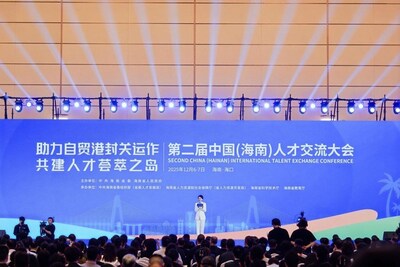
China’s Hainan Free Trade Port (FTP) will officially launch an island-wide independent customs operations on December 18, 2025. This milestone in the development of the Hainan FTP sends a clear and unequivocal message to the world: China remains steadfast in its commitment to expanding high-level opening up, even amid rising protectionist headwinds.

The establishment of the Hainan FTP is a major reform and opening up initiative personally planned and advanced by Chinese President Xi Jinping. Over the past seven years, the FTP has steadily taken shape, leveraging the advantages of China’s vast domestic market while aligning with high-standard international trade rules. It has increasingly become a focal point for both domestic and global investors.

As a hallmark of China’s reform and opening up in the new era, the Hainan FTP is emerging as a pioneering platform of institutional innovation, a hub for regional cooperation, and a new engine for global economic integration. It embodies China’s readiness to share its development opportunities and work in partnership with the rest of the world.

The launch of independent customs operations does not imply isolation; rather, it marks a deeper level of opening up. The number of tariff items eligible for zero-tariff treatment will expand to around 6,600 – about 74 percent of all tariff items – representing a sharp increase of nearly 53 percentage points. A targeted, low-intervention regulatory model will be adopted, featuring streamlined supervision for zero-tariff goods and goods under relaxed management.

Two distinct customs “lines” will facilitate these operations. The “first line” will connect the Hainan FTP with economies outside China’s customs territory, enabling the smooth flow of zero-tariff goods through simplified policies. The “second line” will link the FTP with the Chinese mainland, where tailored oversight will help safeguard the broader domestic market. Within the FTP, zero-tariff goods and processed products can be stored without time restrictions, offering businesses greater operational flexibility.

The Hainan FTP will also introduce more favorable tariff policies, simplified trade measures, improved travel and logistics procedures, and targeted regulatory oversight. With both institutional “software” and physical “hardware” in place, Hainan is set to become a modern, globally connected hub of vitality and openness, injecting strong momentum into China’s high-quality development and setting a benchmark for higher-level opening up.

Unlike traditional opening-up models that primarily focus on the flow of goods and production factors, institutional opening up – centered on rules, regulations, management, and standards – represents a higher standard of openness. The Hainan FTP is designed to align with the most advanced open economies in the world, providing a more stable and predictable regulatory environment and broader opportunities for businesses worldwide.

The results are already evident. In 2024, despite global economic uncertainties, the number of newly registered foreign-invested firms in Hainan exceeded 2,000, representing a year-on-year increase of approximately 20 percent. At the 2025 Global Industrial Investment Promotion Conference for the Hainan Free Trade Port held in April, 265 projects were signed with a combined contract value of roughly 233.6 billion yuan ($32.44 billion). To date, investors from 176 countries and regions have entered the Hainan market, and the province’s economic openness has reached 35 percent. This continued inflow of global capital underscores the international business community’s confidence in China’s high-level opening up.

At a time when unilateralism and protectionism are on the rise and economic globalization is encountering severe challenges, China’s determination to remain open is particularly significant.

Since the launch of its first pilot free trade zone (FTZ) in Shanghai in 2013, China has leveraged FTZs and the Hainan FTP to dismantle institutional barriers, reduce trade costs, and enhance the free flow of resources. Institutional opening up has thus become increasingly substantive, providing fresh momentum for global economic growth and creating new opportunities for win-win cooperation.

China continues to shorten its negative list for foreign investment and expand its global network of high-standard free trade agreements. As the breadth, depth, and quality of its opening up increase, the benefits of reform and opening up are being shared more widely with the world.

Time and again, facts have demonstrated that China’s pursuit of high-level opening up is not a short-term tactic, but a strategic choice aligned with global development trends and the country’s long-term development goals. China was, is, and will remain an attractive, safe, and promising destination for global investors.

The rise of the Hainan FTP offers a vivid testament to China’s evolving model of opening up. Looking ahead, China will continue to pursue high-level opening up as a driver of high-quality growth and will contribute even more actively to building an open world economy and a community with a shared future for humanity.

RINA Expands in Southeast Asia with New Open Innovation Hub in Singapore

RINA Open Innovation Hub in Singapore strengthens its position by marking a key step in its global strategy. To underscore the significance of this development, the company organised the first Singapore Open Innovation Hub Advisory Committee. The event set the stage for further strategic collaborations, including the signing of Memoranda of Understanding (MoUs) with the Singapore Institute of Technology (SIT) and the Maritime and Port Authority (MPA) of Singapore. RINA also supported the Smart Port Challenge by PIER71, reinforcing its commitment to innovation and partnerships in Singapore’s ecosystem.

SINGAPORE, Nov. 7, 2025 /PRNewswire/ — RINA, the multinational consulting engineering, inspection and certification group, has this week marked crucial milestones in its open innovation strategy with the activation of its Singapore Open Innovation Hub. First announced at the end of 2024, the hub, one of seven RINA is establishing worldwide, is now operational and designed to integrate seamlessly into Singapore’s dynamic innovation landscape, further reinforcing the city-state’s role as a global decarbonisation and maritime leader, and a hub for advanced technologies.

RINA Singapore Open Innovation Hub Advisory Committee_Nov 4 2025

By aligning with Singapore’s strategic vision for growth and sustainability, the objective of RINA’s Open Innovation Hub is to accelerate collaboration, drive technological breakthroughs, and contribute to the city-state’s central role in shaping the future of the maritime sector and beyond.

Carlo Luzzatto, Chief Executive Officer and General Manager of RINA, commented, “Singapore is a global innovation powerhouse and a knowledge-driven, entrepreneurial economy. Innovation at scale, advancing sustainability and fostering knowledge sharing are the pillars of RINA’s growth strategy. By investing in research, building strong partnerships, and attracting talent, we aim to deliver tangible impact for the region’s ecosystem and create lasting value across its strategic industries.”

Reflecting its strategic focus and investments in Singapore, RINA hosted and took part in a series of events from 3 to 5 November, led by senior management, to actively strengthen ties with the city-state:

Singapore Open Innovation Hub Advisory Committee – to leverage shared knowledge

Held on 4 November, RINA inaugurated its first Singapore Open Innovation Hub Advisory Committee, bringing together industry leaders, advanced research and education organizations, innovators, technology specialists, maritime experts and policymakers to advance the dialogue on innovation and sustainability.

The event showcased Singapore community’s continued commitment to exploring opportunities presented by emerging technologies and collaborative innovation. During the meeting, participants discussed strategic priorities including the development of port digital twins, the use of digitalisation as a pathway to decarbonisation, and insights from the marine fuels sector to support the industry’s energy transition. Case studies on learning in the marine market along with discussions on ecosystem development and scaling innovation further enriched the agenda.

Michael Phoon, Senior Adjunct Fellow, MPA Academy, and Chairman of RINA’s Singapore Open Innovation Hub Advisory Committee, said “Innovation thrives when knowledge flows freely. By bringing together diverse expertise this Committee creates a unique platform for collaboration. In Singapore, where innovation is rapidly shaping global trade, initiatives like this not only accelerate the exchange of ideas but also empower industries to turn vision into actionable growth.”

MoU with the Singapore Institute of Technology – to nurture next-generation maritime talent

RINA and the Singapore Institute of Technology (SIT), Singapore’s premier university of applied learning, signed a strategic Memorandum of Understanding (MoU) on 3 November to drive innovation and nurture talent in the maritime sector.

The partnership integrates RINA’s global industry expertise with SIT’s applied learning approach through the university’s work-study and industrial postgraduate programmes. Students will gain practical experience in ship and offshore inspection, guided by RINA professionals, preparing them for certification and leadership roles in maritime safety and engineering assurance.

The MoU outlines joint efforts in academic exchanges in Singapore and the co-development of SIT programmes to equip participants with the skills needed to meet the evolving demands of the maritime industry. RINA and SIT will also collaborate on research in maritime technologies, sustainable energy, process certification, and infrastructure. These initiatives will contribute to the Future Ship and System Design programme focused on next-generation vessels, digital simulation, and systems integration.

Bernard Nee, Deputy President (Industry & Community Group) at SIT, commented: “The Singapore Institute of Technology’s partnership with RINA offers SIT students and researchers exposure to real-world maritime operations and inspection work. Through applied learning, joint research and industry collaboration, we are committed to nurturing future maritime leaders, and strengthening the talent pipeline for a safer, resilient and more sustainable maritime future.”

MoU with the Maritime Port Authority of Singapore – to establish technology demonstration centre and accelerate digitalisation and decarbonisation

On 5 November, the Maritime and Port Authority of Singapore (MPA) and RINA signed a Memorandum of Understanding (MoU) to establish a technology demonstration centre and collaborate on maritime innovation, digitalisation, decarbonisation, and talent development.

The partnership will establish a technology demonstration centre as part of RINA’s Open Innovation Hub in Singapore, to serve as a collaborative platform to co-create innovative solutions for maritime digitalisation and decarbonisation. It will support the development of smart maritime systems, and provide integrated platforms to validate new technologies and accelerate their deployment in real-world operations.

The parties will collaborate with Singapore’s research ecosystem, accelerating the adoption of technologies in areas such as smart ships, low-carbon marine fuels, battery systems, and digital ports. Talent development is another key focus, with education, training, internship and scholarship opportunities aimed at preparing the next generation of maritime professionals.

Ang Wee Keong, Chief Executive, Maritime and Port Authority of Singapore, said, “The MoU with RINA marks an important step in strengthening Singapore’s maritime innovation ecosystem. By working with international partners like RINA, as well as our local industry and research community, we aim to accelerate the testing and adoption of emerging technologies that will make the sector smarter, safer, and more sustainable.”

PIER71: Smart Port Challenge Grand Finals – to empower startups in driving innovation

To further support Singapore’s dynamic start-up landscape and vibrant maritime innovation scene, RINA is honoured to be an Innovation Partner of the PIER71 (Port Innovation Ecosystem Reimagined at BLOCK71) Smart Port Challenge 2025. Through this platform driving maritime innovation, RINA has priority access to high-potential maritime start-ups and technologies, opening doors for co-creation and pilot projects aligned with its strategic focus on digitalisation and sustainability.

In addition, RINA was privileged to serve as a member of the judging panel for the Smart Port Challenge semi-finals. At the Great Circle Grand Finals on 5 November, RINA sponsored and presented the Digitalisation award to OneCare Group for its holistic, tech-enabled approach to crew wellness, through a proactive, predictive, and preventative approach. Their solution addresses a critical industry gap in seafarers health and wellbeing thanks to digital integration, exemplifying how innovation can humanize maritime operations and enhance safety at sea. PIER71‘s initiative accelerates innovation and technology adoption in Singapore’s maritime industry, encouraging exploration of new growth areas through collaboration with start-ups.

PIER71 was founded in 2018 by the Maritime and Port Authority of Singapore (MPA) and the National University of Singapore (NUS), through its entrepreneurial arm NUS Enterprise, PIER71 aims to grow Singapore’s maritime innovation ecosystem by creating opportunities for the exchange of knowledge and ideas, attracting investments into start-ups and accelerating ventures. The PIER71 Smart Port Challenge is an annual innovation challenge, driven by innovation opportunities put forth by the maritime industry, to attract start-ups with breakthrough technology-driven solutions.

RINA, leading consulting and engineering certification company, provides a wide range of services across the Energy, Marine, Infrastructure & Mobility, Certification, Industry and Real Estate sectors. In December 2023, alongside the majority shareholder Registro Italiano Navale, Fondo Italiano d’Investimento SGR entered the shareholding structure guiding a pool of co-investors. With revenues in 2024 of 915 million euros, over 6,600 employees and 200 offices in 70 countries worldwide, RINA is a member of key international organizations and an important contributor to the development of new legislative standards. www.rina.org   

SC Asset Wins HR Asia Best Companies to Work for in Asia 2025

Showcasing a Strong Workplace Culture and Genuine Care for Its People


BANGKOK, THAILAND – Media OutReach Newswire – 7 November 2025 – SC Asset Corporation Public Company Limited has been honored with the HR Asia Best Companies to Work for in Asia 2025 award—one of the region’s most prestigious recognitions. The award reflects the company’s success in human resource management, its strong organizational culture, and its commitment to employee well-being in all dimensions.

SC Asset Wins HR Asia Best Companies to Work for in Asia 2025

The HR Asia Best Companies to Work for in Asia award is organized by HR Asia Magazine, a leading human resources publication across Asia. Selection is based on people strategies, workplace culture, and the level of employee engagement.

Ms. Chomchada Kuldiloke, Senior Executive Vice President-Corporate Brand and Communications, SC Asset, shared her thoughts on this achievement:

“This award highlights our genuine devotion to treating employees with fairness and care. At SC Asset, we are committed to fostering a workplace where individuals can thrive—growing in their careers, feeling fulfilled, and discovering purpose in collaboration. We believe our people are the driving force that will carry the company forward sustainably.”

For over 20 years, SC Asset has been dedicated to developing high-quality real estate, encompassing single-family homes, condominiums, office buildings, hotels, and warehouses. Guided by its vision to lead in Living Solutions, the company addresses every aspect of modern living while staying true to its guiding principles: Freedom to be Our Best and Thriving Together. These values ensure employees work in an environment that supports professional growth, personal well-being, and social contribution.

SC Asset also places great importance on fostering a modern corporate culture through its Employer Brand Inside SC. This initiative reflects the belief that “employees are the heart of the business.” To support this, SC Asset has designed flexible and inclusive benefits that meet the needs of every generation—from Hybrid Workplace, Workation, Flexi Benefits models and opportunities to comprehensive learning and career development support.

Together, these efforts affirm SC Asset’s position not only as one of the most desirable companies to work for in Asia, but also as an organization deeply committed to caring for, supporting, and growing alongside its employees, customers, and communities—sustainably and for the long term.

Hashtag: #SCAsset #SCTheDreamWorkplace

The issuer is solely responsible for the content of this announcement.