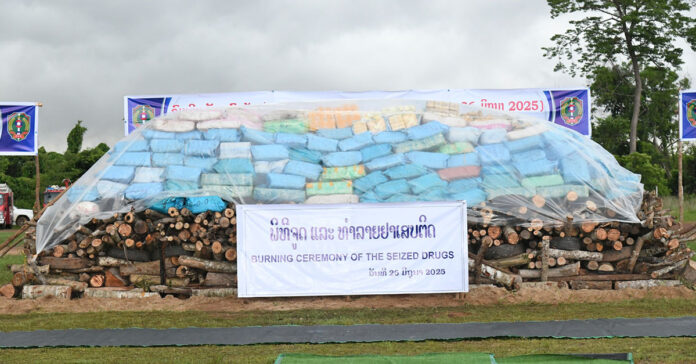
Illegal drugs that are about to be burned (Photo: ວາລະສານ ປ້ອງກັນຄວາມສະຫງົບ)
Laos marked the International Day Against Drug Abuse and Illicit Trafficking on 26 June with nationwide drug-burning ceremonies, showcasing its ongoing anti-narcotics efforts and reporting the resolution of over 4,000 drug cases in 2024.
HONG KONG SAR – Media OutReach Newswire – 27 June 2025 – Amid an era of unprecedented generational transformation, The 4th Forum of the New Generation of Entrepreneurs kicked off on June 17 in Beijing, sparking a groundbreaking dialogue on the future of private enterprise succession in China. Jerry Lu, Chairman of Jinshang Technology Group, set the stage with a powerful and inspiring keynote titled “Carry on the Second Half, Writing a New Chapter“ captivating the audience and setting the tone for this pivotal event.
Jerry Lu delivered an inspiring keynote at the 4th China Next-Gen Entrepreneurs Forum, sharing his journey and insights on generational succession.
The event brought together over 1,000 participants, including distinguished experts such as Ji Weimin, Deputy Director of the Institute of Industrial Economics at the Chinese Academy of Social Sciences and President of China Business Journal, Prof. Peng Qian, Director of Roger King Center for Asian Family Business and Family Office at the Hong Kong University of Science and Technology, along with representatives from the new generation and private enterprises.
Bridging Generations: From Conflict to Understanding
Jerry Lu’s keynote began with a personal story of accompanying his father on a business trip at age 12, planting the seed of his desire to one day stand shoulder-to-shoulder and lead alongside him.
Jerry Lu reflected on the complexities of generational succession, sharing his personal journey of transformation—from feelings of frustration to a deep sense of understanding, and from reluctantly inheriting a legacy to actively embracing it. He likened the first generation’s contributions to a powerful “threefold fuel”—resources, experience, and spirit—that not only provide a foundation for the next generation but also serve as a launchpad for bold innovation and future growth.
Turning Challenges into Opportunities: 68% Attrition vs. 71.2% Survival
Jerry Lu highlighted critical insights into the generational succession crisis, revealing that 68% of successors forced into leadership roles leave within three years, and only 3% of such businesses survive beyond five generations. In contrast, businesses led by proactive successors boast a remarkable 71.2% survival rate over three generations, underscoring the importance of intentional, forward-thinking leadership transitions.
To address these challenges, Lu outlined five strategic pathways for successful succession: cultural governance, technology-driven transformation, digitalization, industry upgrades, and cross-sector integration.
As a testament to these principles, Lu shared his own approach—leveraging the TOJOY’s Platform to build a comprehensive health and legacy service platform tailored for high-net-worth clients. This integrated innovation model not only harnesses the resources and networks of previous generations but also positions businesses for sustainable growth in a rapidly changing landscape.
Academic and Media Perspectives on Family Business Succession
Ji, a seasoned media expert, shared insights from a decade of research on over 2,000 family businesses across China, identifying three pivotal shifts essential for successful succession. The first shift urges the next generation to move beyond the passive role of “inheritors” and embrace the proactive role of “co-creators,” taking responsibility for driving innovation and growth. The second shift emphasizes the importance of utilizing professional tools, such as insurance and trusts, to effectively protect and transfer family wealth. The third shift highlights the need to establish a sustainable ecosystem by integrating financial tools, family culture, and legal frameworks.
Building on this perspective, Prof. Peng Qian shed light on the growing trend of family businesses transitioning into family offices. She emphasized that the longevity and success of family enterprises rely on shared values, a long-term vision, and strategies focused on creating impact. As family businesses confront challenges like a shortage of successors and intergenerational conflicts, family offices are emerging as a vital solution. These offices not only manage wealth but also foster family unity and uphold values through philanthropy, education, and social impact investments. Peng stressed that this transition is essential for preserving family legacies while ensuring their growth and relevance in an ever-evolving business landscape.
An 84 Trillion Yuan Shift: From Family Mission to National Legacy
Over the next 30 years, approximately 84 trillion yuan in private wealth will transition to the next generation, shaping the backbone of China’s economy. This forum, blending academic research, media insights, and practical case studies, presented a bold new blueprint for succession. With private enterprises contributing over 50% of tax revenue, 60% of GDP, 70% of technological advancements, 80% of employment, and more than 90% of all businesses, the next generation’s responsibility extends far beyond their families—it is deeply tied to the nation’s future. As Jerry remarked, “We inherit a legacy forged by our predecessors’ perseverance, and we write a new chapter under the banner of national rejuvenation.”
A new era of collaboration, innovation, and shared responsibility has begun, paving the way for the future of China’s private economy
Hashtag: #TOJOY
The issuer is solely responsible for the content of this announcement.
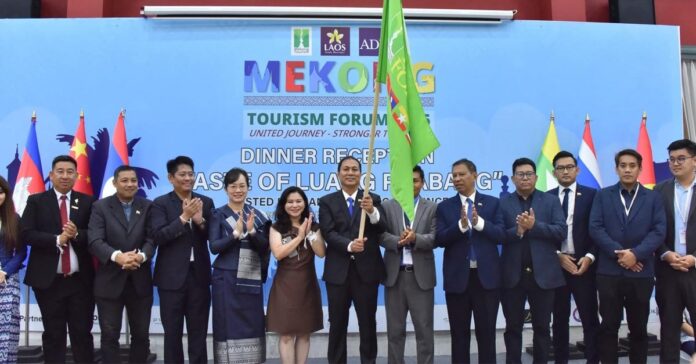
ASEAN officials pose for a group photo at the Mekong Tourism Forum 2025 (photo credit: CMG FM93)
Laos hosted the Mekong Tourism Forum 2025 in Luang Prabang from 24 to 27 June, spotlighting the proposed ASEAN Rail Tourism Corridor (ARTC) as a key initiative to boost regional travel and connectivity.
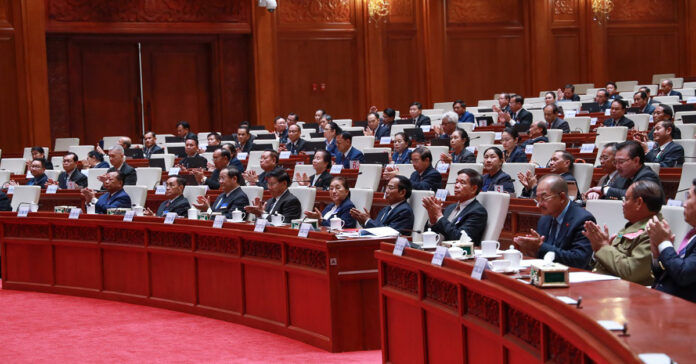
The 9th Ordinary Session of the 9th Legislature of the National Assembly. 26 June 2025. (Photo credit: Lao People's Army News)
The final day of the 9th National Assembly session closed with the approval of a total of ten laws, including five newly drafted and five revised.
Throughout the 14 days session from 9 to 26 June, members of the Assembly thoroughly reviewed the proposed laws, examining each article to ensure they are complete, consistent, and practical for enforcement by relevant authorities.
The five newly adopted laws focus on key areas of governance and social welfare. These include the Law on Civil Servants of the People’s Prosecutor’s Office, the Law on Social Work, the Law on Cultivation, the Law on General Education, and the Law on Cybersecurity.
Meanwhile, the five amended laws were introduced to update and strengthen existing legal frameworks. The revisions covered the Law on Medicines and Medical Products, the Law on Irrigation, the Law on Income Tax, the Law on Advertising, and the Law on the People’s Assembly which includes updates to judicial procedures.
According to the Assembly, these amendments are essential for aligning national legislation with current socio-economic conditions and improving regulatory enforcement.
Government Restructuring
Previously, the National Assembly approved a significant cabinet reshuffle to enhance government efficiency by reducing ministries from 17 to 13.
The reform involved reassigning or replacing nine ministers and appointing Bounkham Vorachit as the new Governor of the Bank of Laos
Major mergers included the Ministry of Planning and Investment combining with Finance under Santiphab Phomvihane, and the Ministry of Agriculture and Forestry with the Ministry of Natural Resources and Environment, creating the new Ministry of Agriculture and Environment, led by Linkham Douangsavanh. The Ministry of Energy and Mines was integrated into the Ministry of Industry and Commerce.
The Ministry of Home Affairs was dissolved, with its responsibilities transferred to the Prime Minister’s Office, where four ministers, Khamjane Vongphosy, Buakhong Nammavong, Sonexay Sitphaxay, and Sinava Souphanouvong, now serve directly.
Other notable appointments included Thongsalith Mangnomek as Minister of Education and Sports, Baykham Khattiya as Minister of Health, and Bounkham Vorachit as the new Governor of the Bank of the Laos, moving from her previous role as Minister of Natural Resources and Environment.
Several ministers retained their positions, ensuring continuity in key areas. These include Suansavanh Viyaket in Information, Culture and Tourism, Khamlieng Outhakaisone in National Defence, Vilay Lakhamfong in Public Security, Boviengkham Vongdara in Technology and Communications, Phaivi Siboualipha in Justice, and Thongsavanh Phomvihane in Foreign Affairs. Leklay Sivilay succeeded Gnampasong Meuangmany as Minister of Public Works and Transport.
Economic Priorities and Performance
The National Assembly placed strong focus on economic recovery and inflation control, targeting single-digit inflation by the end of 2025. To achieve this, the government is working to stabilize the kip, increase domestic production, and restructure Électricité du Laos (EDL)’s debt. Supporting measures include stricter market regulations, electricity tariff reviews, and improved debt management.
According to the Assembly report, recent data showed positive signs: inflation dropped to 11.76 percent in the first five months of 2025, compared to 24.77 percent during the same period in 2024. GDP grew by 4.5 percent, with contributions from agriculture (3.3 percent), industry (4.6 percent), services (4.7 percent), and tax revenue (4.4 percent).
To meet the 4.8 percent GDP target, the Assembly highlighted agriculture as a key sector to boost food security and reduce imports.
Lawmakers also stressed the need for infrastructure investment, especially in road repairs, to improve logistics, lower transport costs, and support growth in tourism and trade.repairs for both national and rural routes. These improvements are expected to enhance logistics efficiency, reduce transportation costs, and boost both tourism and trade sectors, contributing to broader economic recovery.
Social and Regulatory Reforms
The Assembly session also tackled a wide range of pressing social issues, including combating drug abuse, eliminating illegal trade and human trafficking networks, resolving labor shortages across various sectors, enhancing education system quality, reducing traffic accidents, and shutting down illegal entertainment venues that violate national regulations.
The session called for strict measures against non-compliant mining projects and halted approvals for new exploration except construction materials.
The government committed to improved tax collection and targeted support for vulnerable groups as part of economic recovery efforts.
Understanding Asian Cancers and Diabetes Through an Asian Lens
SINGAPORE – Media OutReach Newswire – 27 June 2025 –Tanoto Foundation today announced the funding of two transformative, Singapore-based medical research projects focused on diseases that disproportionately affect Asian populations: prevalent and aggressive cancers, and young-onset Type 2 diabetes. The multi-year initiatives aim to generate data-driven insights that can accelerate diagnosis, improve patient outcomes, and guide public health policy.
NCCS and SGH secure research funding from Tanoto Foundation for projects tackling Asian-prevalent cancers and young-onset diabetes to drive breakthroughs in regional health
Despite global strides in medicine, Asia continues to face rising rates of cancer and diabetes – diseases that are biologically and clinically distinct in Asian populations but remain under-researched due to a lack of region-specific data. The two research projects, from National Cancer Centre Singapore and Singapore General Hospital, will focus on filling these gaps through deep genomic studies and innovative risk-prediction models.
Imelda Tanoto, Member of the Board of Trustees, Tanoto Foundation said: “Singapore is well-positioned to lead in medical science. It has strong research institutions and a population that reflects the diversity of Asia. By supporting researchers here who are focused on health issues that affect Asians, we hope to help drive discoveries that make a real difference to people’s lives — both in Singapore and across the region.”
Tackling Asian-Prevalent Cancers
Led by Dr Jason Chan, Medical Oncologist, National Cancer Centre Singapore, the research will investigate four types of cancers with high prevalence and poor outcomes in Asia:
Breast Cancer in Asian Women, marked by earlier onset and biological differences compared to Western populations
T/NK-Cell Lymphomas, an aggressive blood cancer dominant in East Asians with limited treatment options
Bile Duct Cancer (Cholangiocarcinoma), increasingly linked to environmental exposures specific to Asia
Rare Asian Cancers, collectively neglected but accounting for up to 25% of all cases in the region
These cancers are devastating but remain poorly understood because most research has focused on Western populations,” said Dr Chan. “By decoding their molecular and genomic landscapes in Asian patients, we want to uncover new diagnostic and therapeutic opportunities to benefit patients.”
A key feature of the project is its open-access commitment: anonymised data will be freely available to the broader research community to accelerate further discovery and collaboration.
Unmasking Diabetes Risk in Young Singaporeans
The second research project, led by Dr Daphne Gardner, Endocrinologist, Singapore General Hospital, will address the rising incidence of Type 2 diabetes in young adults, particularly prevalent in Singapore, where 1 in 5 young adults have prediabetes or diabetes, despite being of normal weight.
Unlike traditional assessments that rely heavily on BMI and family history, this project will develop a next-generation risk prediction tool by incorporating non-traditional indicators such as body fat distribution, continuous glucose monitoring, and health-seeking behaviour.
“Many young Asians with diabetes don’t fit the usual risk profile. They’re lean, active, and often overlooked by current screening models,” said Dr Gardner. “We want to change that by identifying new risk signals and developing tools that are tailored to Singapore’s population and beyond.”
Findings from the study aim to inform national diabetes screening guidelines and lead to earlier interventions that can curb long-term complications.
Singapore as a Hub for Medical Research Advancement
In addition to previously supported research projects, these two initiatives reflect a growing recognition of Singapore’s role in advancing precision medicine for Asian populations, driven by strong clinical infrastructure, genomic capabilities, and public-private partnerships.
Imelda Tanoto added: “We believe precision health can change how we treat and prevent diseases. We’re supporting researchers who are not only breaking new ground, but also making sure their work reaches people and communities across Asia. This is something deeply personal to us — it’s about improving lives in a way that’s inclusive, meaningful, and lasting.”
This announcement marks a key milestone in Tanoto Foundation’s continuing effort to improve the quality of healthcare and health standards, leading to longer and better healthspans.
Hashtag: #TanotoFoundation
The issuer is solely responsible for the content of this announcement.
About Tanoto Foundation
At Tanoto Foundation, we unlock human potential, help communities thrive, and create lasting impact. Founded in 1981 by Sukanto Tanoto and Tinah Bingei Tanoto, we are an independent family foundation that believes in providing every person with the opportunity to realize his or her full potential. To do so, we catalyse systems change in education and healthcare. Our approach is impact-first, collaborative, and evidence-based. We invest for the long term and strive to develop leaders who can drive sustained, positive outcomes.
KUALA LUMPUR, MALAYSIA – Media OutReach Newswire – 27 June 2025 – Crypto has been booming for quite a while now. But for those who missed the hype train or find the highly volatile crypto market unsuitable, contracts for difference (CFD) present a viable—and arguably more secure—asset type. The experts at Octa, a global broker since 2011, explain why CFDs are worth exploring to expand experience with the financial markets.
New trends, old problems The crypto market experienced turmoil throughout 2024. Bitcoin reached multiple all-time highs in a span of one year, and altcoins tried to follow suit. In early 2025, the appearance of the TRUMP coin reinforces the global trend for crypto’s increasing media presence and violent fluctuations of the crypto market.
However, even with the current uptrend, the downsides of the crypto market persist. Excessive volatility and the speculative nature of most crypto assets make it a bumpy ride for anyone who aims for consistent outcomes.
Among the most popular assets that can be traded instead of crypto, one stands apart for flexibility and accessibility: contracts for difference, or CFDs. These financial instruments allow traders to speculate on the price movements of an asset without owning it. Instead of buying or selling the actual asset, traders enter into an agreement with a broker to exchange the difference in the asset’s price from when the contract is opened to when it is closed. This asset price difference constitutes CFD traders’ profits or losses.
Below are some of the main advantages of CFD trading over investing in traditional crypto assets.
Ride with the wave
One of the worst situations crypto investors can face in their journey is sudden and prolonged downtrends that appear out of nowhere. Profit potential disappears when the entire market suddenly begins to fall. In cases like these, even portfolio diversification won’t help.
In contrast, the contract nature of CFDs allows for more flexibility, enabling traders to act on both upward and downward trends. CFD trading enables positions to be opened in anticipation of both rising and falling prices. In other words, CFDs as an asset hold twice as much potential for gains—any swing in asset price can turn into a profit opportunity.
Better conditions, lower costs Top CFD brokers can often offer superior trading services, and here’s why. Crypto traders regularly face slow order execution, high slippage, and unexpected fees imposed by crypto exchanges. On the other hand, CFD brokers often offer lower spreads and more efficient order execution, which can affect profits significantly if the markets show high volatility.
For example, Octa, a CFD broker boasting extensive market experience, offers some of the best trading conditions on the market. The broker’s portfolio contains a wide variety of CFD assets, including CFDs on crypto, gold, and indices.
Octa’s clients have the option to replenish their accounts using cryptocurrency and withdraw funds directly to their cryptocurrency wallets. It is important to note that while Octa facilitates these transactions, the broker does not directly engage in providing services related to cryptocurrency. Instead, it operates through reputable partners who possess the necessary licenses to conduct cryptocurrency-related activities.
No wallet, no worries
Stories about astronomical amounts of cryptocurrency gathering digital dust on an unrepairable hard drive or unused e-wallet inaccessible because of a lost password have been filling the web for ages. But the risks of losing digital capital due to some transactional or e-wallet issues are more than real.
CFD traders don’t own cryptocurrencies—or any other underlying asset, for that matter. Instead, they are speculating on the price movement of the underlying asset and can, therefore, tap into the asset’s profit potential while avoiding the risks of owning it.
CFD traders don’t have to manage e-wallets, and that frees them from significant cognitive load—not to mention obvious risks. What’s more, the risk of a crypto exchange being hacked and all their digital capital stolen doesn’t concern them either.
With their flexibility, security, and accessibility, CFDs allow traders to step up their game and avoid many of the drawbacks cryptocurrencies are so famous for as a tradable asset. On top of that, with CFDs, traders can diversify their portfolios since these instruments encompass the whole gamut of various underlying asset types, including precious metals, stocks, and indices.
___
Disclaimer: This press release does not contain or constitute investment advice or recommendations and does not consider your investment objectives, financial situation, or needs. Any actions taken based on this content are at your sole discretion and risk—Octa does not accept any liability for any resulting losses or consequences.Hashtag: #octa
The issuer is solely responsible for the content of this announcement.
Octa
Octa is an international CFD broker that has been providing online trading services worldwide since 2011. It offers commission-free access to financial markets and various services used by clients from 180 countries who have opened more than 52 million trading accounts. To help its clients reach their investment goals, Octa offers free educational webinars, articles, and analytical tools.
The company is involved in a comprehensive network of charitable and humanitarian initiatives, including improving educational infrastructure and funding short-notice relief projects to support local communities.
In Southeast Asia, Octa received the ‘Best Trading Platform Malaysia 2024’ and the ‘Most Reliable Broker Asia 2023’ awards from Brands and Business Magazine and International Global Forex Awards, respectively.
HONG KONG SAR – Media OutReach Newswire – 27 June 2025 – Today, IX Asia Indexes announced the 1st Half 2025 Review of the IX Digital Asset Industry Classification System (“DAICS®“), aiming to provide professionals worldwide with a transparent and standardized classification scheme to determine sector and exposure of particular digital assets. DAICS® classifies digital assets into 2 main categories: a) Cryptocurrencies and b) Asset Backed Tokens in a 3-tier system for each category. For Cryptocurrencies: Tier 1-Industry/ Tier 2-Sector/ Tier 3-Sub-sector; for Asset Backed Tokens: Tier 1-Asset Type/ Tier 2-Branch/ Tier 3-Sub-branch. The results are as follows:
DAICS® coin coverage: top 50 coins by average market capitalization across the past 90 days
DAICS®market capitalization coverage: 97.53%*
The % coverage of market capitalization of the 50th ranked coin: 0.060%**
Member changes within the Top 50 Coins in DAICS®: eight coins added and eight coins deleted
Additions: Hyperliquid (HYPE), Pi (PI), Bitget Token (BGB), Mantra (OM), Ondo (ONDO), Gate Token (GT), Official Trump (TRUMP), and Ethena (ENA)
Deletions: Artificial Superintelligence Alliance (ASI), Stacks (STX), Dogwifhat (WIFG), Arbitrum (ARB), ImmutableX (IMXG), Injective Protocol (INJ), Optimism (OP), Fantom (FTM): Renamed to Sonic (S)
The rankings of additions and deletions for the DAICS® top 50 cryptocurrencies are listed in Appendix 1. All classification changes, including the ixCrypto Infrastructure Index and ixCrypto Stablecoin index, will take effect on 18th July 2025, with market capitalization, rankings, and weightings available at www.ix-index.com.
*Special currency treatment of DAICS®applies, where any wrapped or second-level cryptocurrency is not considered in the calculation for the market capitalization of DAICS® **Based on 6th June 2025
1. Cryptocurrencies
1.1. Structure and Definitions
Tier 1: Industry Changes The industry groups remain unchanged, with 5 industries and the respective weightings as follows:
Industry
Weighting (%)
Payment (110)
78.35%
Infrastructure (120)
15.78%
Financial Services (130)
4.17%
Tech & Data (140)
0.24%
Media & Entertainment (150)
1.46%
Tier 2: Sector Changes The number of sectors has increased from 16 to 17. There is one new sector added under the industry group “Financial Services (130)”:
Financial Asset Tokenization (13040) Definition: Cryptocurrencies/protocols that facilitate the tokenized issuance and management of financial assets, including but not limited to real-world assets (treasuries, bonds, real estate). Emphasis is on compliance, institutional integration, fractional ownership, and financial product innovation. The crypto itself is not backed by a corresponding real-world asset.
1.2. Classification Changes This review doesn’t have any reclassification of the existing coins. The DAICS® 1H 2025 cryptocurrencies classification is available in Appendix 2.
1.3. Green Coin Label
This review identifies 9 Green Coins, classified based on their energy-per-unit-transaction, which is defined as the amount of energy consumed for a successful single unit transaction of the coin in the blockchain network. These coins rank in the top 20 percentile of the least energy-consuming cryptocurrencies out of the 50 DAICS® constituents. The top 20 percentile’s threshold is ≤ 0.005 Wh. The table below lists these low-energy coins.
Industry
Low Energy-per-transaction (≤ 0.005 Wh)
Payment (110)
DAIG USDeG KASG FDUSDG
Infrastructure (120)
NIL
Financial Services (130)
LEOG OKBG AAVEG
Tech & Data (140)
TAOG
Media & Entertainment (150)
PEPEG
Note:G as ‘Green Coin‘ labelling for cryptocurrencies that adhere to the principles of sustainability
2. Asset Backed Tokens (ABT)
2.1. Structure and Definitions Tier 1: Asset Type Changes The asset types remain unchanged as follows: 1) Culture (205), 2) Real Estate (215), 3) Financials (235), 4) Entertainment (255), 5) Natural Resources (265), and 6) Green Economy (275)
Tier 2: Branch Changes The branches remain unchanged at 31.
2.2. Classification Changes This review doesn’t have any reclassification of the existing assets.
2.3. Coverage of DAICS® IX Asia Indexes has not started classifying ABTs. As of June 6, 2025, ABTs comprised only 0.67% of the total market capitalization of digital assets, a rise from 0.11% in the 2024 2H review.
A classification summary and definition table of both cryptocurrencies and Asset Backed Tokensare available in Appendices 3 and 4. For further information regarding the methodology of the DAICS®, please refer to the “IX Digital Asset Industry Classification System”- principle and guiding methodology on the company website https://ix-index.com/daics.html.
For more details on DAICS® qualification criteria, please email daics@ix index.com.
Appendix 1
Additions and Deletions in DAICS® Top 50 Cryptocurrencies
Additions
Current Rank
Cryptocurrencies
20
Hyperliquid (HYPE)
23
Pi (PI)
24
Bitget Token (BGB)
34
Mantra (OM)
35
Ondo (ONDO)
41
GateToken (GT)
43
Official Trump (TRUMP)
49
Ethena (ENA)
Deletions
Prev. Rank
Cryptocurrencies
Current Rank
29
Artificial Superintelligence Alliance (ASI)
54
37
Stacks (STX)
63
39
Dogwifhat (WIFG)
93
42
Arbitrum (ARB)
53
44
ImmutableX (IMXG)
67
47
Injective Protocol (INJ)
66
48
Optimism (OP)
59
50
Fantom (FTM), Renamed to Sonic (S)
55
G: Green Coin
Appendix 2
Classification of the Top 50 Coins by Industry and Sector
Category
Industry
Sector
Cryptocurrencies
Cryptocurrencies (1)
Payment:
Blockchain based money, designed for transactional purposes. This includes daily transactions usage and stablecoins.
Transaction & Payment
BTC XRP XLM BCH LTC
PI XMR CRO KASG
Stablecoin
USD USD DAI G
USDeG FDUSDG
Infrastructure:
Bedrock blockchain that facilitates the operation of other decentralised applications. This includes the creation and running of dedicated blockchain platforms, achieving interoperability between networks, increasing the amount or speed of transactions etc
Application Development Protocol & Smart Contract
ETH SOL ADA TRX SUI AVAX TON HBAR
HYPE APT NEAR ICP ETC GT VET
Interoperability
LINK DOT
ATOM
Scaling & Sharding
MNT
POL
Supporting System
NIL
Financial services:
Tokens that provide on-chain asset management services, crypto-exchange services, funding, lending and other capital markets related services
Exchange Tokens
BNB LEOG BGB
UNI OKBG
Lending & Borrowing
AAVEG
Staking
ENA
Financial Asset Tokenization (NEW)
OM ONDO
Tech & Data:
Provision of data management and storage, and development of innovative crypto technology
Storage & Sharing
FIL
RENDER
Data Management
NIL
Artificial Intelligence
TAO G
Media & Entertainment:
Recreational and media services. Including content creation and distribution, advertising through crypto-asset incentive mechanisms, gaming and collectibles
Social Media & Community
DOGE SHIB
PEPEG TRUMP
Streaming
NIL
Gaming
NIL
Metaverse
NIL
Note: G as ‘Green Coin‘ for cryptocurrencies that adhere to the principles of sustainability NEW for newly added sector
Appendix 3 DAICS® Industry and Sector Definition
Category
Industry
Sector
Sector definition
Cryptocurrencies (1)
Payment: (110)
Definition Blockchain based money, designed for transactional purposes. This includes daily transactions usage and stablecoins.
Transaction & Payment (11010)
Cryptocurrencies that are used for store of value, unit of account, medium of exchange
Stablecoin (11020)
Cryptocurrencies where price is pegged to a / a basket of, reference asset
Infrastructure: (120)
Definition Bedrock blockchain that facilitates the operation of other decentralised applications. This includes the creation and running of dedicated blockchain platforms, achieving interoperability between networks, increasing the amount or speed of transactions etc.
Application Development Protocol & Smart Contract (12010)
layer-1 blockchain network that facilitates DApp creation and smart contract execution and smart contract
Interoperability (12020)
Network that increases inter-connectivity and integration of the fragmented cryptocurrency ecosystem
Scaling & Sharding (12030)
Networks that increase the ability to cope with the influx of many transactions at a time and blockchain network that can be split into smaller partitions, to improve scalability and process transactions quicker
Supporting System (12040)
Networks/sidechains that improve functionality of layer-1 network
Financial services: (130)
Definition Tokens that provide on-chain asset management services, crypto-exchange services, funding, lending, and other capital markets related services
Exchange Tokens (13010)
Cryptocurrencies that represent the stable coin in the exchange ecosystem and allow users to covert from digital asset on decentralised or centralised system int fiat currencies
Lending & Borrowing (13020)
Borrowing and lending crypto assets with interest in return and other secondary financial tools derived from primary underlying asset, such as crypto futures and options
Staking (13030)
Holding and “staking” of certain amount of cryptocurrency in a wallet to facilitate network operations
Financial Asset Tokenization (13040) (new)
Cryptocurrencies/protocols that focus on the tokenized issuance and management of financial assets
Tech & Data: (140)
Definition Provision of data management and storage, and development of innovative crypto technology
Storage & Sharing (14010)
Crypto protocols that provide decentralized storage and/or sharing of data filing and resources.
Data Management (14020)
Networks/Protocols that facilitate the indexing and querying of data from blockchain(s), enabling efficient data retrieval and management for decentralized applications
Artificial Intelligence (14030)
Cryptos/Protocols that facilitate the use of AI powered apps or projects directly using blockchain platform.
Media & Entertainment: (150)
Definition Recreational and media services. Including content creation and distribution, advertising through crypto-asset incentive mechanisms, gaming and collectibles
Social Media & Community (15010)
Cryptos that provides mast social community and followers without a close secondary industry sector
Streaming (15020)
Cryptos that provides rights to access decentralised video-streaming sites
Gaming (15030)
Cryptos which mainly used in gaming or gaming supporting industry
Metaverse (15040)
Cryptos that is commonly used in collective virtual open space, created by the convergence of virtually enhanced physical and digital reality. This includes the use of VR and/or AR and/or 3D.
Note: NEW for newly added sector Appendix 4 DAICS® Asset Type and Branch Definition
Category
Asset Type
Branch
Sub -branch
Asset-Backed Tokens (2)
Culture: (205)
Definition Real asset relating to sports, art, cultural drama, festive collectibles and design IPs etc.
Art (20510)
This shall be further developed in the future with more digital assets available in the market
Sports (20520)
Festive Collectibles (20530)
Design IPs (20540)
Drama and Play IPs (20550)
Real Estate:(215)
Definition Assets that mainly derived its valuation from property, real estate, and land
Commercial Property (21510)
Residential Property (21520)
Governmental Property (21530)
Residential and Commercial Land (21540)
Financials: (235)
Definition Real financial asset including listed company shareholdings on regulated centralised exchanges and private company shareholdings; debt instruments; property trusts and derivatives that settled on regulated exchange (CeFi and DeFi).
Definition Ownership of the IPs assets in the area of entertainment in real world such as concert, play, shows, circus, musicals, songs, movies, games, events and programs, and souvenir collectibles that is derived from the above areas.
Movies (25510)
This shall be further developed in the future with more digital assets available in the market
Songs (25520)
Concerts (25530)
Gaming (25540)
All Other Entertainment Events and Collectibles (25550)
Natural Resources: (265)
Definition
Natural resources asset that derived directly from sea, sky, atmosphere and underground and can be classified as a commodity with standardisation such as precious metals, agricultural, energy and metals.
Precious Metals
(26510)
Agricultural
(26520)
Energy
(26530)
Metals
(26540)
Green Economy (275)
Definition
Ownership of Projects Asset that falls under the definition of the UN 17SDG²s, with over 80% of the income or jobs provided on these 17 initiatives.
No Poverty & Zero Hunger (27510)
Following definition of the United Nations 17 sustainable development goals²
Good Health and Well-Being (27520)
Quality Education (27530)
Gender Equality (27540)
Clean Water and Sanitation/Affordable and Clean Energy (27550)
Decent Work and Economic Growth/ Industry, Innovation, and Infrastructure/ Partnerships for the Goals (27560)
Reduced inequalities/ Peace, Justice and Strong Institutions (27570)
Sustainable Cities and Communities/Responsible Consumption and Production (27580)
Climate Action (27590)
Life Below Water & Life on Land (27500)
² United Nations 17 sustainable development goals covering 1) No Poverty 2) Zero Hunger 3) Good Health and Well-Being 4) Quality Education 5) Gender Equality 6) Clean Water and Sanitation 7) Affordable And Clean Energy 8) Decent Work and Economic Growth 9) Industry, Innovation and Infrastructure 10) Reduced inequalities 11) Sustainable Cities and Communities 12) Responsible Consumption and Production 13) Climate Action 14) Life Below Water 15) Life on Land 16) Peace, Justice and Strong Institutions and 17) Partnerships for the Goals https://sdgs.un.org/goals
The issuer is solely responsible for the content of this announcement.
About DAICS®
DAICS® covers both cryptocurrencies and asset-backed tokens (“ABT”), to be reviewed semi-annually at the end of June and December. On the cryptocurrency side, it is a three-tier system that groups cryptocurrencies into 5 main industries: 1) Payment, 2) Infrastructure, 3) Financial services, 4) Technology & Data, and 5) Media & Entertainment. These industries are further divided into 16 sectors and sub-sectors to be introduced in the future. Under asset-backed tokens, there are 6 asset types: 1) Culture, 2) Real Estate, 3) Financials, 4) Entertainment, 5) Natural Resources, 6) Green Economy. These asset types are further divided into 31 branches and sub-branches to be introduced in the future.
About the IX Asia Tokenization Advisory Committee and Working Group
The establishment of the IX Asia Tokenization Advisory Committee (“Advisory Committee”) is to pursue the goal and vision of formulating a standard for a global tokenization framework in a compliant and transparent way. The key role of the Advisory Committee is to formulate the guidelines and references for tokenization in terms of infrastructure, business, financial stability, sustainability, internal control, and classification. The Advisory Committee is comprised of industry-recognised leaders from blockchain consultancy, sustainable projects, and the field of the Art industry.
The establishment of the Working Group is to identify, evaluate and recommend key directions and founding principles according to their specific industry knowledge and expertise in relating to the creation of the specified token. It will examine and propose improvements to the guidelines and references for tokenization. The working group is formed of a diverse group of market experts representing relevant sectors and markets, to provide input and discuss case studies for creation of tokenization framework, best practices and development of real-world projects.
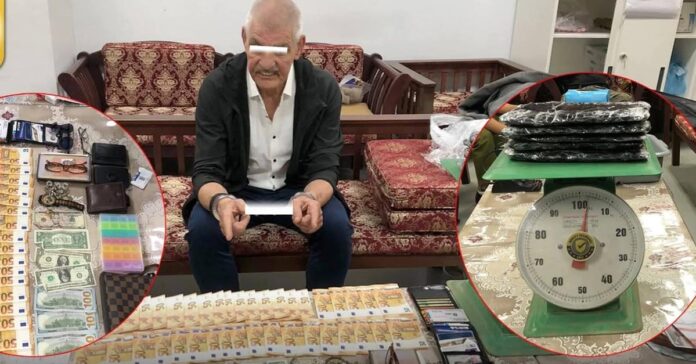
On 25 June, customs officers at Wattay International Airport arrested a 70-year-old Dutch national after discovering nearly three kilograms of heroin concealed in his luggage as he prepared to board a flight to Belgium.





 www.tanotofoundation.org/en/.


 Octa is an international CFD broker that has been providing online trading services worldwide since 2011. It offers commission-free access to financial markets and various services used by clients from 180 countries who have opened more than 52 million trading accounts. To help its clients reach their investment goals, Octa offers free educational webinars, articles, and analytical tools.
 https://ix-index.com/tokenization-committee.html.