Home Blog Page 6226

Waters Refreshed, Wishes Released: Retreating Rain As Laos Lights Up

Celebrations for end of Vassa (Rains Retreat/Buddhist Lent)
Seasons change as monsoonal rains yield to bluer skies, pleasantly cooler days with celebrations in Laos for finale of Buddhist Lent at temples, riversides.

Rain has made way for blue skies as annual festivities and devotions inside and outside the nation’s temples and on water for the finale of the annual Vassa (Buddhist Lent) brought the light and colour to both day & night in Laos again this week.

Ancient, atmospheric Luang Prabang saw its colourful annual procession captured by professional photographers and keen amateurs snappers alike.

In Vientiane, the focal point for the night was downtown temple Vat Ong Tue. Focus quickly moved to the annual boat racing festivities that provide a crescendo to the nation’s annual wet season.

Imperfectly analogous to Lent in the Christian faith (which it predates by at least half a millennia), Vassa is a three-month annual retreat observed by Theravada Buddhist practitioners who form a majority in Laos and many more beyond.

Taking place during the wet season, Vassa lasts for three lunar months.

For the duration of Vassa, monastics remain in one place, typically a monastery or temple grounds.

In some monasteries, monks dedicate their Vassa to intensive meditation while many but far from all Buddhist lay people choose to observe Vassa by adopting more ascetic practices, such as giving up meat, alcohol, or smoking.

Commonly, the number of years a monk has spent in monastic life is expressed by counting the number of vassas (or rains) since ordination.

Celebrations in Vassa in Laos included lighted sculptures and traditional boat races with 55+ member and 22 member crews in the capital.

Victorious in the men’s traditional boat race in the capital was the Nam Khan Resort crew, leaving the aspirations of the Noy-Itthilit crew, sponsored by the Joint Development Bank, in their wake and denying a third successive victory.

The modified boat race category for smaller crews was won by the Xangphet Company (Elephant Diamond) boat crew from Luang Prabang.


Plastic-free, Climate-friendly: Mekong Boat Race Crew, UN Hit the H20 in Laos

Thapha village boat racing team
The United Nations in Lao PDR supported Thapha village boat racing team is turning the tide against plastic pollution this Boat Racing Festival!


“The recent floods around the country have made it clear; Water is both a life resource and a threatening factor. The Thapha village team, in Vientiane province’s Hadxayfong district, takes a leap towards climate action, in urging us all to stop using single-use plastic bags, cups and bottles, to keep the beautiful Mekong river clean.

– United Nations in Lao PDR,
October 24, 2018
#UNDay2018

With the full moon finale to Buddhist Lent Wednesday and annual boat racing events Thursday, Laos and its capital’s downtown riverside are alive with festive fever once again.

In a certain corollary with traditional New Year celebrations in April, water will once again be at the heart of the celebration in the Lao capital.

This time, the precious element will provide centre stage as crews of 20 odd battle for supremacy on the Mekong River in front of cheering multitudes once again.

Sadly, another similarity between this and other festivals will bin the tonnes of waste generated in the form of single-use plastics, some of which will end up in the famed waterway.

Reducing this is toll is a goal shared by policymakers and urban authorities in the capital with support from civil society groups and from the UN and its relevant agencies.

Of course, the boat racing celebrations are a popular release after three lunar months of Lenten “rains retreat” observed in various forms by the ordained monks and novices and a great many lay devotees among the majority Buddhist nation.

Amid celebrations sacred and civil, there is also a time to reflect upon the power of water to give and take.

The flash flooding disaster in Sanamxay district, Attapeu province as a result of a saddle dam collapse was the most damaging and high profile of several weather-related or exacerbated disasters in Laos this year.

Water was a major factor in the disasters that exerted costs on peoples lives. At the same time, water also makes life possible.

At the same time, single-use plastic is choking rivers and oceans, posing the water that we drink. Water-related disasters such as flash floods and tsunami lead not only to human losses but also the release of vasts amounts of plastic and other pollution.

Putting people at the heart of the solutions has seen the UN in Lao PDR put its shoulder behind a crew of rowers from a rural part of the rapidly urbanizing capital to help spread the message of individual and collective climate action and the reduction of single-use plastic, as captured in this video:

UN in Lao PDR supports Thapha village boat racing team

[Scroll down for English] ໄພນໍ້າຖ້ວມໃນທົ່ວປະເທດເມື່ອບໍ່ດົນມານີ້ ເຫັນໄດ້ຊັດເຈນວ່າ ນໍ້າເປັນທັງແຫຼ່ງຊັບພະຍາກອນສຳລັບການດຳລົງຊີວິດ ແລະ ເປັນທັງໄພຄຸກຄາມຕໍ່ການດຳລົງຊີວິດ. ການປ່ຽນແປງຂອງສະພາບດິນຟ້າອາກາດ ໄດ້ກໍ່ໃຫ້ເກີດເຫດການໄພພິບັດທາງທຳມະຊາດທີ່ຮ້າຍແຮງ ແລະ ພວກເຮົາທັງໝົດຕ້ອງມີສ່ວນຮ່ວມໃນການຮັບມືກັບການປ່ຽນແປງຂອງສະພາບດິນຟ້າອາກາດ.ປີນີ້, ອົງການສະຫະປະຊາຊາດ ໄດ້ໃຫ້ການສະໜັບສະໜຸນເຮືອຊ່ວງໜຶ່ງລໍາ ຕິດພັນກັບຂໍ້ຄວາມສຳຄັນທີ່ວ່າ: ທີມບ້ານທ່າພະ, ເມືອງຫາດຊາຍຟອງ, ນະຄອນຫຼວງວຽງຈັນ, ຮ່ວມສົ່ງເສີມການຮັບມືກັບການປ່ຽນແປງຂອງສະພາບດິນຟ້າອາກາດ ໂດຍຮຽກຮ້ອງໃຫ້ພວກເຮົາຢຸດຕິການໃຊ້ຖົງຢາງ, ຈອກຢາງ ແລະ ກະຕຸກຢາງທີ່ໃຊ້ໄດ້ພຽງຄັ້ງດຽວ ເພື່ອຮັກສາຄວາມສະອາດຂອງແມ່ນໍ້າຂອງທີ່ສວຍງາມ. ຂໍເຊີນທ່ານມາທີ່ທ່າວັດຈັນ, ນະຄອນຫຼວງວຽງຈັນມື້ອື່ນ ເພື່ອໃຫ້ກຳລັງໃຈທີມບ້ານທ່າພະ ແລະ ສະໜັບສະໜຸນໃຫ້ແມ່ນໍ້າຂອງກາຍເປັນແມ່ນໍ້າທີ່ປອດພລາສຕິກ! ແລ້ວພົບກັນເດີ້!The recent floods around the country have made it clear: Water is both a life resource and a threatening factor. Climate change exacerbates extreme weather events, and we all have our own stake in climate action. This year, the United Nations is supporting a boat racing team with a special message: The Thapha village team, in Vientiane province’s Hadxayfong district takes a leap towards climate action, in urging us all to stop using single-use plastic bags, cups and bottles, to keep the beautiful Mekong river clean. Come to the river bank in Vientiane tomorrow to root for the Thapha team and a river free of plastic! See you there!#MyChoiceOurFuture#BeatPlasticPollution#UNDay2018UN Environment Asia Pacific UNDP in Asia and the Pacific UNFCCC Global Environment Facility European Union in Laos U.S. Embassy Vientiane Ambassade de France au Laos / ສະຖານທູດຝຣັ່ງ ປະຈຳ ສປປ ລາວ UNV Regional Office: Asia & the Pacific UN Volunteers Programme in Lao PDR @Unicef Laos @World Bank Laos – ທະນາຄານໂລກ JICA Laos -ອົງການຮ່ວມມືສາກົນຢີ່ປຸ່ນ- KOICA 라오스 사무소 KOICA Office in Lao PDR YOUTH Development Center, Vientiane Capital STELLA – ສະເຕ່ວລ້າ Lao Youth Radio FM 90.0 Mhz Lao Youth Union GIZ Laos IUCN IUCN Water Programme Break Free From Plastic Greenpeace Southeast Asia Global Water Forum World Water Council – Conseil Mondial de l'Eau WWF-Laos Vientiane Times ໂທລະໂຄ່ງ TholaKhong Mahason Magazine Laos Briefly

Posted by United Nations in Lao PDR on ວັນອັງຄານ ທີ 23 ຕຸລາ 2018

The UN in Lao PDR on Facebook writes:


The recent floods around the country have made it clear; Water is both a life resource and a threatening factor.

Climate change exacerbates extreme weather events, and we all have our own stake in climate action. 
This year, the United Nations is supporting a boat racing team.

The Thapha village team, in Vientiane province’s Hadxayfong district, takes a leap towards climate action, in urging us all to stop using single-use plastic bags, cups and bottles, to keep the beautiful Mekong river clean.

Come to the river bank in Vientiane tomorrow to root for the Thapha team and a river free of plastic! See you there!”

#MyChoiceOurFuture #BeatPlasticPollution #UNDay2018 

Employment, Social Impact Has Samsung, Sustainable Straws Opening Doors for the Disabled in Laos

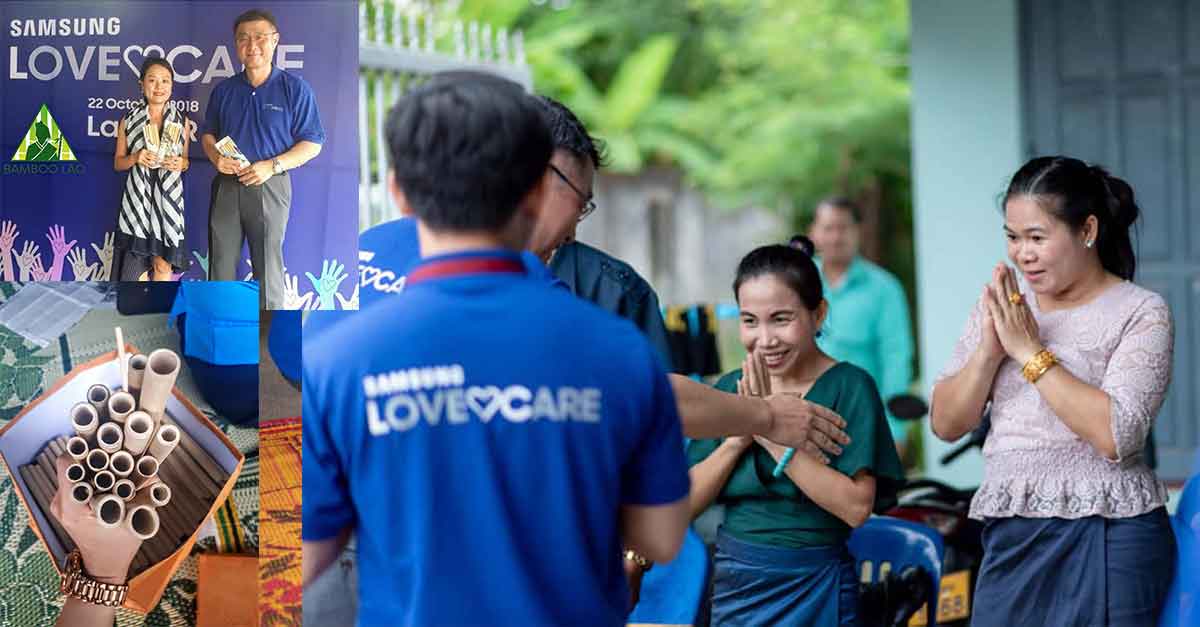
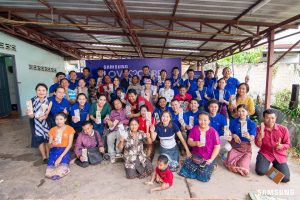
Samsung Love & Care in Laos
Samsung Love & Care in . Laos

Samsung Love & Care Project a Success

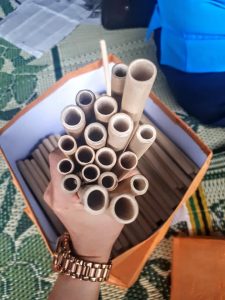
An innovative sustainable drinking straw project has teamed up with Xonpao Lao Disabled People Working Group and Lao Samsung Electronics.

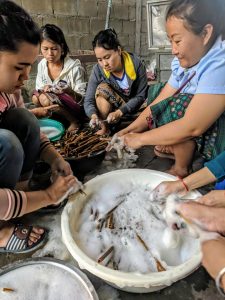
In order to create long-term income, the project held training on the production of bamboo drinking straws.

This was led by Ms Arounothay Khoungkhakoune, the founder of Bamboo Lao, who is an expert and has many years of experience in the production of bamboo straws, with regional recognition via MIST USD10,000 innovation grant as reported by Laotian Times on October 22.

In addition, Lao Samsung delivered 2000 bamboo straws made by the Xonpao Lao Disabled People Working Group to 10 cafes around Vientiane Capital in order to promote these products.

On the morning of October 22, 2018, some 22 employees of Lao Samsung, led by Managing Director Mr Seungho Choi, volunteered to assist the disabled people in crafting bags from paper, picture frames made from newspapers and magazines, earrings, and bamboo drinking straws, which are the main products the Xonpao Lao Disabled People Working Group creates to sell.

Besides the volunteering done by Samsung employees, both parties learned more about each other, their individual livelihoods, obstacles, and inspirations in creating handicrafts.

#SamsungLoveAndCare


Buddhist Lent, Boat Racing Festivities as Vientiane’s Riverside Roads Close

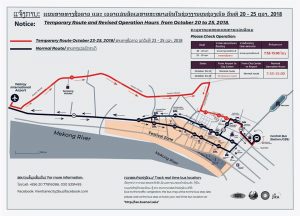
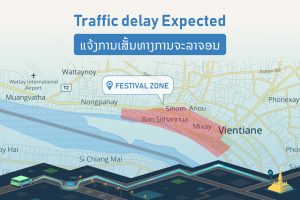
Pedestrians & Cyclists rule! Road closures for Boat Racing Festival 2018 in Vientiane Capital

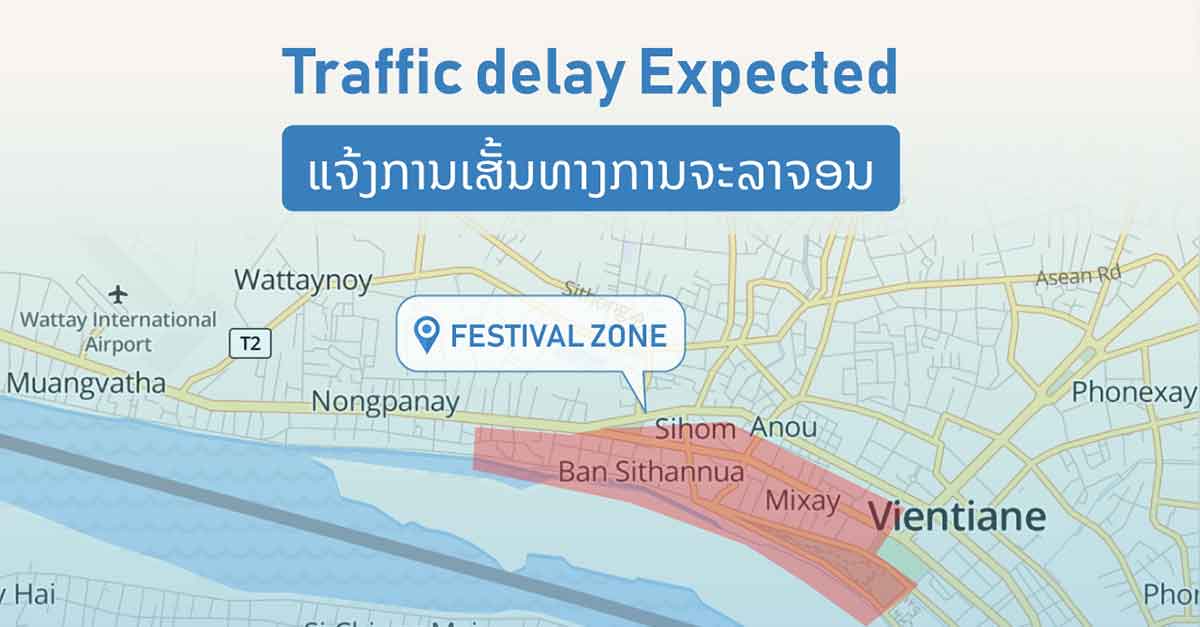
Vientiane’s Mekong Riverside Don Chanh & Fa Ngum roads are closed temporarily from 22-27 October to mark the end of Buddhist Lent and the annual Boat Racing Festival.

The Security Department of Civil Works and Transport announced affected areas as:

  1. Donchanh Road (along the riverside from Pakpasak to Chao Anouvong Statue)
  2. Chao Fa Ngum Road (from the Pakpasak traffic light to Hophakeo museum)


Road Closure announcement in Vientiane Laos

Vientiane’s City 2 Bus has also announced route changes during the festival.

Vientiane City 2 Bus Route Changes
Vientiane City 2 Bus Route Changes for 2018 Boat Racing Festival

Ride sharing App Loca advises passenger patience and a safe trip. Drive safely! Don’t drink!

Loca Advises Driver and Passenger patience during festivities.


Simple, Natural, Innovative As BambooLao Straws Slurp Up Tourism Award

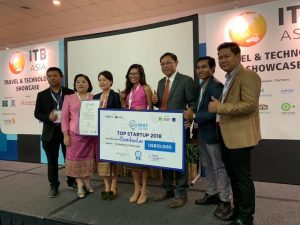
Winner of MIST’s 2018 Startup Accelerator, Laos' Luang Prabang's BambooLao.

Luang Prabang’s very own BambooLao has captured the top prize and a US$10,000 Innovation Grant in the 2018 Mekong Innovative Startups in Tourism (MIST) challenge, which is described as “an elite travel startup competition, supported by the Australian Government and Asian Development Bank, (including) Asia’s most prominent travel-specialized venture capitalists among its advisors.

“BambooLao is on a mission to eliminate single-use plastics from hotels and resorts across Asia. They have produced more than 80,000 reusable bamboo straws and other bamboo utensils, using indigenous bamboo varieties and a proprietary natural treatment process.

“Their straws are used by Aman Group, Pullman, Rosewood Group, and Sofitel properties, as well as EXO Travel tours. BambooLao estimates their environmentally-friendly products have displaced the use of 5 million single-use plastic straws.”

MIST’s top prize comes with a USD10,000 innovation grant.


BambooLao
Winner of MIST’s 2018 Startup Accelerator, Laos’ Luang Prabang’s BambooLao.

“The MIST innovation grant will help us scale–up production from one to three villages. We must invest in capacity to meet growing international demand,” said BambooLao founder Arounothay Khoungkhakoune was reported as saying.

Bamboo Straws Production
Bamboo straw production a community process.

Vietnamese startup Ecohost reportedly captured MIST’s second prize and received a USD5,000 grant. Ecohost facilitates quality tourism experiences in the Vietnamese countryside, working with rural communities to develop tours and activities while improving the capacity of local homestays to serve international guests.

“BambooLao, Ecohost, and other MIST finalists demonstrate how the Mekong region’s bright, innovative entrepreneurs are finding practical solutions to solve industry problems while striving to make tourism more inclusive and sustainable,” said Jens Thraenhart, co-organizer of MIST and executive director of the Mekong Tourism Coordinating Office.

According to the organisation, “MIST supports high-growth-potential emerging market startups in travel and hospitality, particularly startups that generate positive impacts for communities, culture, and the environment. The program’s five 2018 finalists refined their business acumen and pitching skills during MIST’s weeklong business fundamentals boot camp, five months of customized coaching by industry experts, and MIST pitch competitions in Ho Chi Minh City, Nakhon Phanom, Thailand, and ITB-Asia’s Mekong Travel Startup Forum in Singapore.”


Underweight Kids On Road To Recovery with Nutrition, Ante-Natal Efforts

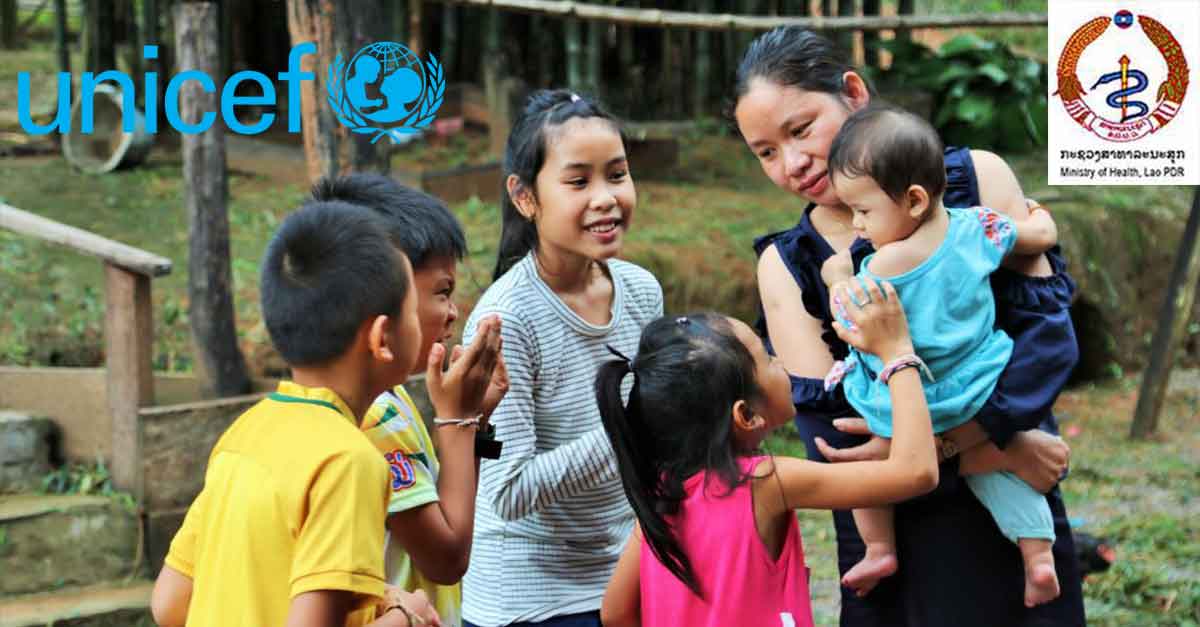
Nutrition makes for a happier five month-old Loulli with her mother and family members.
Five month-old Loulli is easy to smile and respond to her playful sister and cousins, despite her recent diagnosis with moderate acute malnutrition. To address this, her mother Khamvilay has doubled her efforts to breastfeed her and give nutritious complementary food and the therapeutic meals from UNICEF. (UNICEF/UN0248332/Saycon)

Nutrition is still an issue in developing countries including Laos.

Causing delayed growth and resulting in long-term impairments if not addressed, is both a result and cause of poverty in rural areas including Savannakhet’s Xepon.

In Laos, UNICEF supports the Ministry of Health to help mothers and children in disadvantaged communities to access key health and nutrition services, including antenatal care and immunization to achieve the Sustainable Development Goals (SDGs), Mike Saycon writes.

After her daughter was diagnosed with malnutrition, a mother commits to restoring her health.

Loulli has just woken up from her nap, eager to play with her older sister and cousins. At eight months old, she is full of energy and laughter and tries to stand on her feet. But until recently, her story was very different.

Three months ago, Loulli was getting recurrent fevers and weighed noticeably less than the other children in the neighbourhood. At first, her mother simply attributed Loulli’s low weight to her poor appetite.

“She seemed healthy and was growing taller, but had little appetite for breastmilk or for other food.” Khamvilay says.

But as the bouts of fever and lack of appetite continued, her mother became increasingly worried and took her to the hospital.

Loulli was diagnosed with Moderate Acute Malnutrition, or low weight-for-height. The condition can increase children’s risk of dying.

A group of children look at a mother holding an infant, Lao PDR
Five-month-old Loulli is easy to smile and respond to her playful sister and cousins, despite her recent diagnosis with moderate acute malnutrition. To address this, her mother Khamvilay has doubled her efforts to breastfeed her and give nutritious complementary food and the therapeutic meals from UNICEF.  (UNICEF/UN0248332/Saycon)

Nutrition averting serious health problems

In addition to treating Loulli, doctors and nurses at the hospital monitored Khamvilay’s health to be sure she was also healthy. The mother was initially worried that her daughter’s condition was caused by her low milk supply, but staff assured her this was not entirely the problem, and introducing other nutritious foods could help.

After leaving the hospital, Khamvilay redoubled her efforts to breastfeed her daughter. She also started feeding her rice porridge mixed with mashed vegetables and SuperKid (a mix of vitamins and minerals added to food to prevent micronutrient deficiencies, which UNICEF provides to local health centres.

Around 45% of the deaths among children under five globally are linked to nutrition.

Today Loulli is well on her way to recovery. She has gained 1.3 kg in just three months, growing to 7.3 kg. “Still slow compared with other children,” says a nurse who attended to Loulli at the clinic, “but I am confident she is on a steady recovery – especially with the way she responds to stimuli around her environment, and her level of energy.”

If left untreated, Loulli could have suffered in the long run. Undernutrition can harm brain development irreversibly, weaken health and immunity making children susceptible to infections and diseases, hinder performance in school, and decrease productivity as an adult. Even worse, around 45% of the deaths among children under five globally are linked to undernutrition.

A baby smiles, Lao PDR
Loulli is well on her way to recovery.

The urban-rural divide

Khamvilay now vows to continue breastfeeding Loulli, although she says she may have to stop when her daughter reaches 18 months. This is still below the recommended two-year threshold, but she will have to return to her job as a secondary school teacher.

For working mothers like Khamvilay, there are ways to get around this: she can either take advantage of the Government policy of an hour-long break to return home and feed Loulli, or she can express milk in advance and keep it in the freezer.

But there is wide disparity in access to maternal and child health care in Laos, and women from poorer, rural villages often do not have these options.

Only around half of rural women get sufficient antenatal care, while coverage for women in urban areas is 90%.

In rural areas, many of the health centres are too far away and women cannot afford to take the time off work or have no means of transport.

In other cases, their husbands, mothers or other family members may keep them from seeking medical care.

And because most women in poorer villages do not have any form of maternity leave, they are forced to choose between working and breastfeeding their children, and often choose the former.

Investing in health centres, especially in remote areas, and increasing the number of skilled health workers is essential. But equally important is to keep mothers informed of the services that are available to them, and changing the attitudes that prevent them from providing proper nutrition to their newborns.

UNICEF supports the Ministry of Health to help mothers and children in disadvantaged communities to access key health and nutrition services, including antenatal care and immunization.

As part of this effort, UNICEF and partners raise awareness and provide counselling on infant and young child feeding practices, including breastfeeding.

UNICEF also helped the Government develop a nutrition communication strategy for social and behaviour change, as well as a parenting package to be rolled out in 2019.

For more, visit  unicef.org/stories/preventing-harmful-effects-malnutrition-lao-pdr


Tourism Access, Urban Services Improvements Attract $US125.5 Million Boost via ADB in Laos

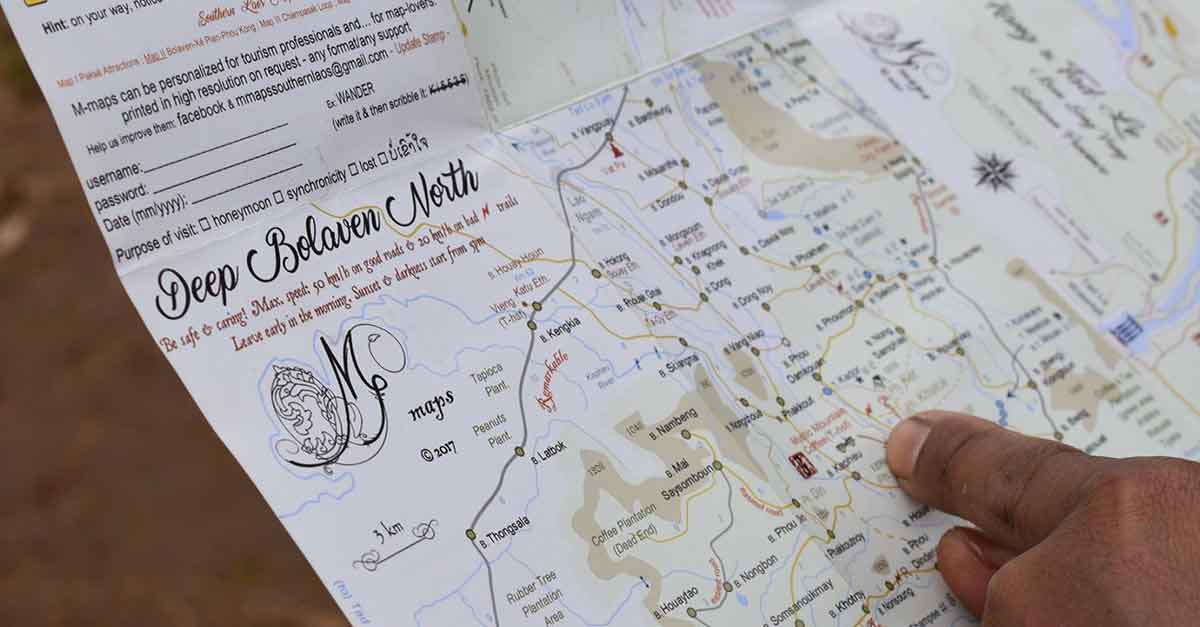
Tourist Map of Bolaven, Champasak Province
ADB, Lao PDR Sign Deals to Improve Tourism, Urban Services (image via Laos Briefly)

Better roads to ease access to tourist hotspots, improved urban water supplies and sewage treatment are among the sweeteners revealed in the announcement of funds totalling $125.5 million for three projects in the tourism and urban sectors announced by the Asian Development Bank (ADB) and the Lao Government.

Agreements were signed by Deputy Minister of Finance Ms Thipphakone Chanthavongsa and ADB Country Director to the Lao PDR Mr Yasushi Negishi at a ceremony in Vientiane. Representatives of the nation’s Ministry of Finance; Ministry of Planning and Investment; Ministry of Public Works and Transport (MPWT); Ministry of Information, Culture, and Tourism (MICT); and other line ministries also attended the event.

The announcement comes after the ADB forecasted a revision in Laos’ economic growth rate to 6.6% as floods dampened prospects in September’s Asian Development Outlook (ADO) 2018.

Managing urbanization, tourism, attracting investments for vibrant, livable cities and towns 

“Vibrant, livable cities and towns play an important role in the development of industry and services, particularly manufacturing, agribusiness and tourism”, Asian Development Bank‘s Lao PDR Country Director Mr Yasushi Negishi told the gathering.

“The three grants demonstrate ADB’s commitment to help the Lao PDR sustainably manage urbanization, tourism, and attract investments that create good jobs in a wide range of economic sectors, helping the country to be eligible to graduate from the least developed country status.”

The $47 million grant for the Second Greater Mekong Subregion (GMS) Tourism Infrastructure for Inclusive Growth Project will support MICT’s efforts to rehabilitate last mile access roads to tourism destinations, improve tourist-related urban environmental services, and enhance sustainable tourism management in Louangphabang, Vientiane, and Champasak provinces. The grant was approved by ADB’s Board of Directors in August 2018.

The project’s climate resilient transport and urban infrastructure investments and support for tourist-related capacity building are designed to boost tourism development and deepen the Lao PDR’s economic integration with neighbors in the GMS and Association of Southeast Asian Nations (ASEAN).

Meanwhile, a $48 million grant for the Fourth GMS Corridor Towns Development Project to improve urban environmental services, including the construction of wastewater treatment plants and sewerage networks, solid waste management, and river embankments for flood protection in two corridor towns of Pakxan and Thakhek will be implemented by MPWT.

Approved in September 2018, the project will also support the preparation of town master plans with climate-resilience and gender-responsive measures for both areas to support growth and regional connectivity.

A third grant, amounting to $30.5 million, is an additional funding for an ongoing ADB-assisted Water Supply and Sanitation Sector Project also to be implemented by MPWT.

This additional financing will expand access to safe and reliable water supply and sanitation services in six towns in Attapeu, Xekong, Huaphan, and Luang Prabang provinces, as well as improve the operational and financial efficiency of provincial water utilities in the provinces.

According to the Bank’s press statement, the “ADB is committed to achieving a prosperous, inclusive, resilient, and sustainable Asia and Pacific, while sustaining its efforts to eradicate extreme poverty. Established in 1966, it is owned by 67 members—48 from the region. In 2017, ADB operations totaled 32.2 billion, including $11.9 billion in co-financing.”

Maybank Foundation Expands Silk Weaving Centre in Laos

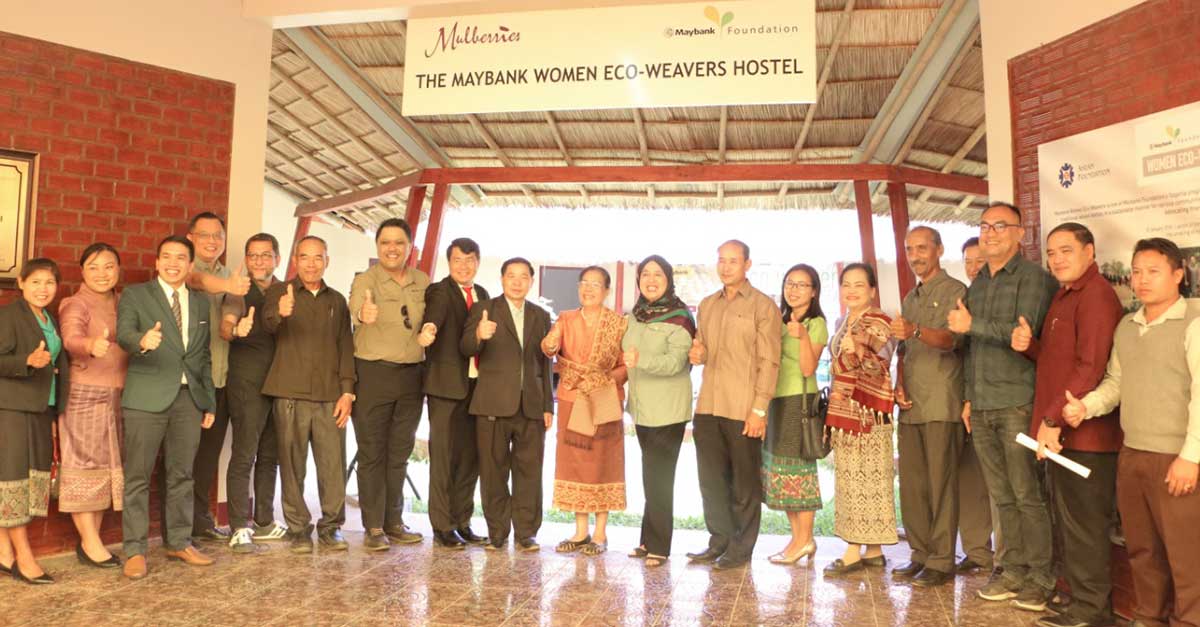
Maybank Women Weavers Laos

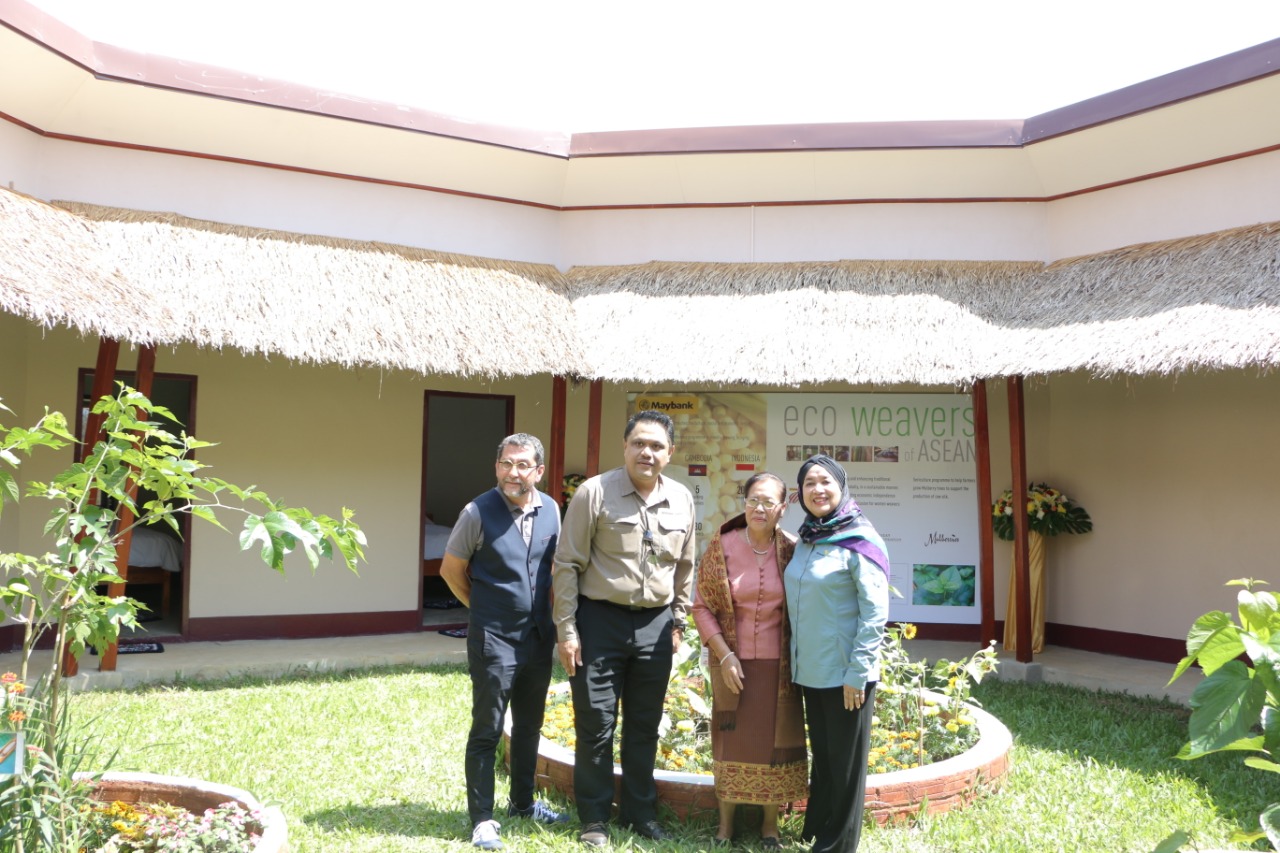
Maybank Foundation has expanded its Maybank Women Eco-Weavers centre in Laos with the addition of a hostel for the women who are being trained in this traditional skill.

The construction of the weaving centre, located in the Xiangkhouang Province of Laos, some 386 kilometres away from Vientiane, began in January this year as part of Maybank Foundation’s breakthrough initiative, a first-of-a-kind regional programme which provides business opportunities and empowers underprivileged women weavers and mulberry farmers to become financially independent.

The setting up of this new hostel is to address the transportation and geographical problems faced by the trainees, some of whom have to travel for up to two days to reach the farm to attend the 15-day on-site training programme. The hostel will be able to accommodate 20 trainees at any one time and also comes with a meeting room for use during their training session.
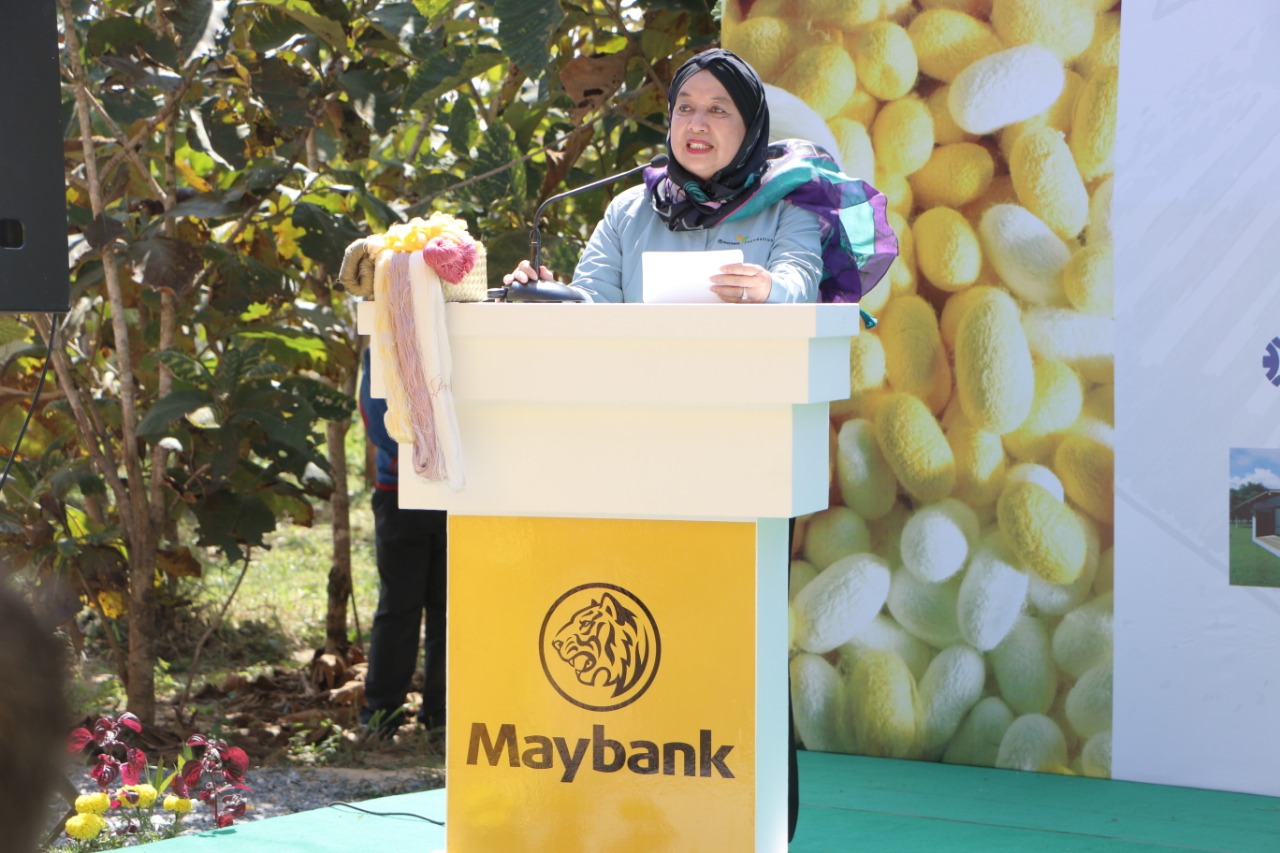
Maybank Speaker

The launch of the hostel was officiated by Datuk Mohaiyani Shamsudin, Chairman of Maybank and Maybank Foundation and Madam Kommaly Chantavong, founder of Mulberries, a social enterprise which is Maybank Foundation’s partner in Laos. It was held at the Mulberries Farm in Xiangkhouang Province, a flat but high plateau in the mountainous north-east of Laos.

Also present at the launch were Bounhom Thepthani, Cabinet Deputy of the Governor’s Office, Xiengkhouang Province; Sivilay Sengchalern, Paek District Governor, Xiengkhouang Province; Visone Xaysongkham, Head of the Bank of Lao PDR, North Branch, Xiengkhouang Province; Johan Arief Jaafar, First Secretary of the Malaysian Embassy and Colonel Mohd Mahmud Ahmad, Defence Attaché, Embassy of Malaysia as well as Shahril Azuar Jimin, the CEO of Maybank Foundation.

Speaking at the event, Datuk Mohaiyani said, “I am pleased to see how we have developed ever since we started this programme in 2016, beginning in Cambodia and then Indonesia. The Maybank Women Eco-Weavers initiative is not only exceptional in its objective to preserve, sustain and promote traditional textile making techniques highlighting the ASEAN identity but also to help disadvantaged women achieve economic independence which is in line with our mission to humanise financial services.”

“Another unique feature of this programme is that it is designed to also support the ecosystem of textile weaving, including by supporting small farming families by growing mulberry trees, in which the leaves are essential for silk worm rearing,” Datuk Mohaiyani added.
Maybank Participants at Hostel

Meanwhile, Shahril said that through the training, capacity building and production-related financial incentives, these women are given the opportunity to help themselves and their families become economically stable and financially inclusive.

“To further demonstrate our seriousness in ensuring the sustainability and continuity of this programme as well as the empowerment of these women weavers, Maybank Foundation has not only provided financial aid to support the project but also invested time and effort to ensure the rigorous training is beneficial in the development of the women weavers. This is to ensure that they can continue to create a financially conducive environment for their dependents in hopes of continuing with their livelihoods in this challenging environment.”

The Maybank Women Eco-Weavers programme was launched in 2016 and is currently running in three countries namely Cambodia, Indonesia and Laos. To date, this programme has successfully trained a total of 345 women providing them with an average monthly income between USD100 to USD240. Maybank hopes to also expand the programme soon in Malaysia.

The Maybank Women Eco-Weavers programme aims to help sustain local heritage and culture, build the capacity of new weavers and promote traditional textiles globally in a sustainable manner. The programme is endorsed by the ASEAN Foundation and showcases Maybank Foundation’s role towards a more inclusive ASEAN, by strengthening women’s empowerment and gender equality in the region, to support the ASEAN Community Vision 2025

Maybank Foundation is the corporate responsibility arm of the Maybank Group, which seeks to positively impact communities in markets that Maybank operates. The Foundation’s programmes are focused on six key pillars which are Education, Community Empowerment, Healthy Living, Arts & Culture, Environmental Diversity and Disaster Relief.