Home Blog Page 6445

Why Do The Chinese Come to Laos?

Chinese Come to Laos

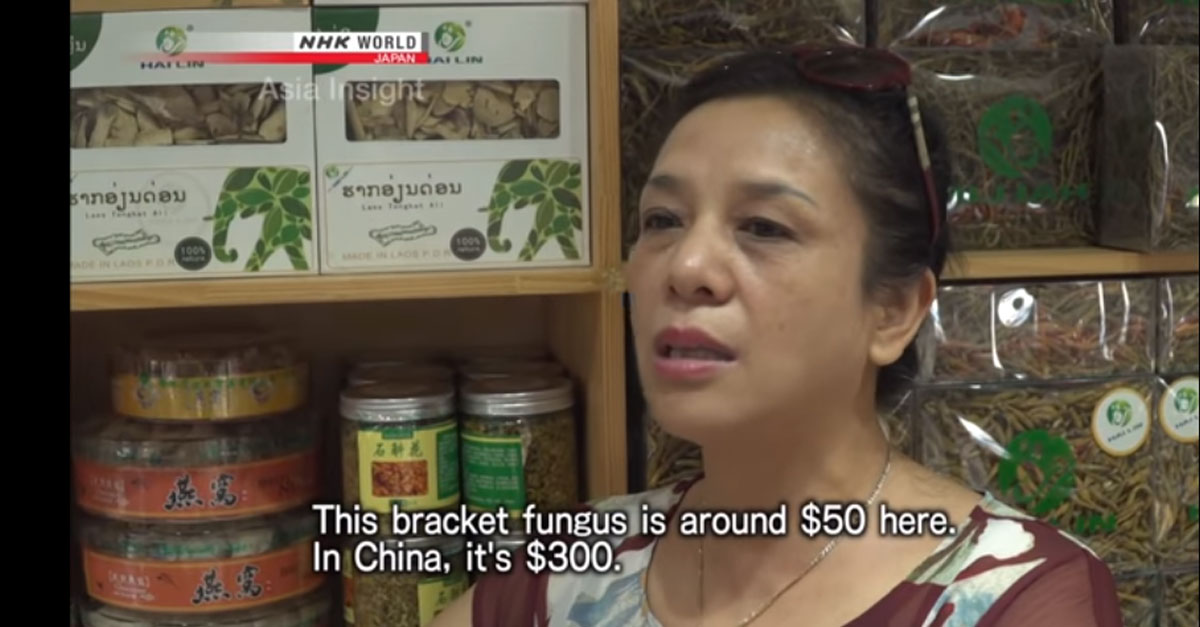
The number of Chinese immigrants to Laos increases daily, with men and women who struggled to succeed in rapidly developing China now seeking new lives for themselves in Laos. More than wealth or opportunity, these Chinese business people wish to begin anew in a country where life moves at a slower pace, without any the stress of their homeland. Around them grow new communities and groups, reflecting the unique presence they bring to Laos.


Source: Asia Insight, NHK World

Tunnel Boring for Laos-China Railway 68 Percent Completed

tunnel
tunnel

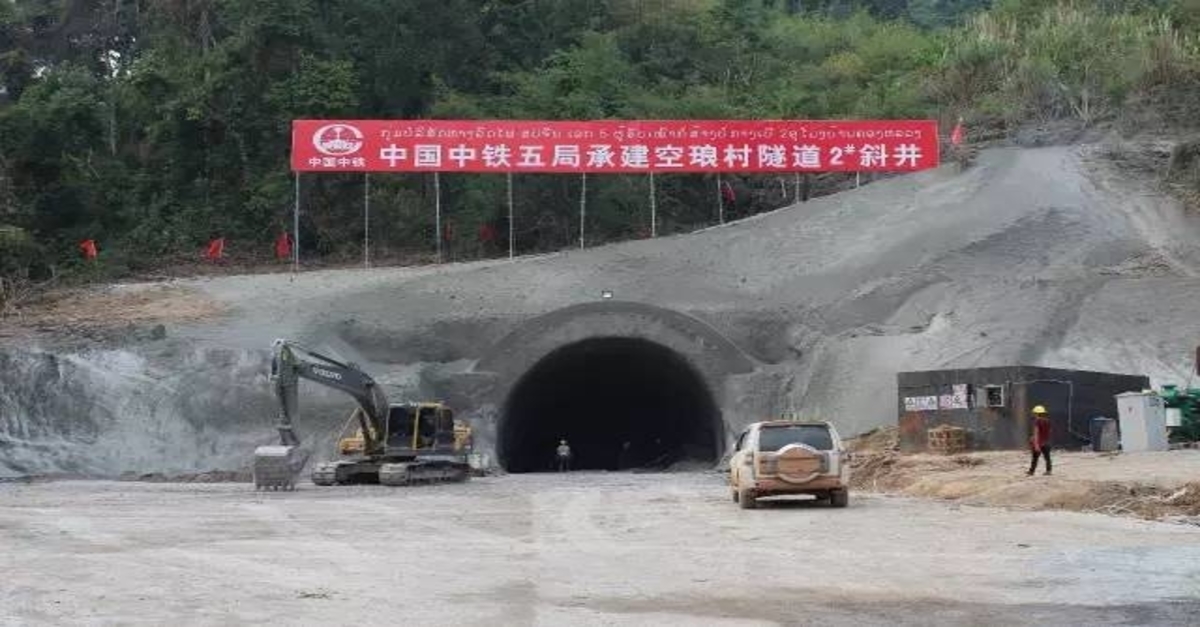
Development on the Laos-China railway has gained traction, with 51 of 75 tunnel entrances successfully bored. The railway is scheduled to be officially operational in December 2021, with tunnels making up 197.83 km of  the 414.332 km rail line linking Vientiane with the Chinese border.

The US$5.8 billion project began in December of last year, with six Chinese contractors carrying out construction of the 1.435-meter single-track railway, with pressure to finish on schedule.

The project coordinator for Luang Namtha province,  Mr Chanthachone Keolakhone, confirmed that all three tunnels in northern Luang Namtha province were being bored with the Boten Tunnel, and have progressed at more than 50 meters.

As previously reported and closely followed by The Laotian Times, as many as 75 tunnels totaling 197.83 km and 167 bridges of 61.81 km will be built along the 414.332 km rail line, linking Vientiane with the Chinese border. The electricity-powered passenger train is designed to run at 160 km per hour and 120 km per hour for freight.

Deputy Minister of Public Works and Transport and Chairman of the Laos-China Railway Project Management Committee, Mr Lattanamany Khounnivong, explained that the Lao People’s Revolutionary Party’s central committee and the government perceives the railway to be the most efficient transport mode in the context of landlocked Laos.

He stated that rail transport is cheaper, safer and reduces travel time with less impact on the environment. The Party and government has prioritized railway development as an essential solution in transforming Laos from a landlocked country into a land-linked country.

“The opportunity is the implementation of the One Belt One Road Initiative,” stated the deputy minister, referring to the China-proposed Belt and Road Initiative of which the Laos-China railway is a crucial part.

Governments from both countries endorsed a Memorandum of Understanding (MoU) on the project development on April 7, 2010. Both sides then proposed on project details which included performing an economic feasibility study, design and investment models that resulted with China contributing 70 percent of the funding, and Laos investing in the remainder.

Once the project is completed and operational, the railway is anticipated to significantly boost trade, investments, tourism and assist in creating employment opportunities for locals, resulting in better livelihoods and alleviating poverty for the Lao economy.

The deputy minister urged for local villagers, especially those living along the rail route, to offer full support and cooperation to the project’s implementation.

Mahosot Houses First Heart Specialized Care Facility

heart
heart

A Cardiac Catheterization Laboratory has officially opened its doors to the public on Friday, at Mahosot Hospital in Vientiane. The first of its kind in Laos, the center focuses on providing the highest quality diagnosis and treatment of heart conditions.

With over 9 billion kip in support from the government and a local private company, the center includes patient treatment rooms, an examination room, laboratory, counseling room and other various facilities.

Previously, due to the lack of facilities, patients with heart issues were left with no option but to seek treatment at hospitals in neighboring countries, assuming they could afford it.

The Minister of Health, Assoc Prof. Dr Bounkong Syhavong, former Deputy Prime Minister, Mr Somsavad Lengsavat, Director of Mahosot Hospital, Assoc Prof. Dr Bounthapany Bounxouei, Director of the CBF Pharma Co., Ltd, Vientiane, Dr Chinda Vongsouly along with senior officials from the ministry, all attended the official opening.

Speaking at the ceremony, Professor Dr Bounkong Syhavong stated that the heart center was necessary due to the rate of cardiac diseases steadily increasing every year.

“We think this centre will respond to public demand in line with government policy by providing the highest quality of screening, early detection, and treatment for the best results,” he added..

CBF Pharma Co., Ltd, Vientiane also donated medical equipment (angiography system) to the center on Friday.

WHO Commends Laos on Efforts to Reduce Tobacco Demand

world-no-tobacco-day

Whether you are a smoker, ex-smoker or non-smoker, the graphic health warnings on a cigarette packaging has more than likely caught your attention.

The use of graphic images as a health warning on tobacco packaging, along with the introduction of tobacco tax has been proven effective in reducing the demand for tobacco products, and World Health Organization (WHO) has praised the Lao Government for its proactiveness in the cause.

On May 26th, the Ministry of Health in partnership with WHO and ASEAN Tobacco Control Alliance convened in Vientiane, to mark the 29th anniversary of World No Tobacco Day and to recognize the various achievements and efforts Laos has made on enforcing WHO Framework Convention on Tobacco Control.

According to the Minister of Health, Dr Bounkong Syhavong, smokers aged 15 and over make up 27.9 percent of the country’s population, deeming Laos the second worst in ASEAN countries.  Smoking related deaths, where tobacco is considered to be the main contributor, is estimated at 4,387 deaths per year.

Despite being a member of the International Convention on Tobacco Control for the last eight years, Laos has done an inadequate job of enforcing the laws on tobacco control previously. Vital measures such as maintaining non-smoking areas, collection of tobacco tax and money for the Tobacco Control Fund were continuously ignored year after year.

Dr Dapeng Luo, acting WHO Representative stated, “Tobacco use was rising fast in many countries where control measures are relatively new. But it is not just health that tobacco damages. Tobacco use is a major barrier to sustainable development on several fronts including food security, gender equity, education, economic growth and the environment.”

On a global scale, tobacco kills more than 7.2 million people every year with an estimated 80% of them living in low- to middle-income countries. These countries carry 40 percent of the global economic cost of smoking, from health expenditures and lost productivity estimated at over US$1.4 trillion.

The 2030 Agenda for Sustainable Development entails increased multi-sectoral collaboration and support from other ministries to implement the WHO Framework Convention on tobacco control. If executed, it will play a critical part in meeting the Sustainable Development Goal target of reducing premature deaths from noncommunicable diseases by one-third in 2030.

Thanks to legislative measures, several countries have seen a decline in smokers. A WHO report shows that the majority of male smokers have decreased in 125 countries.

However, with tobacco companies losing their share of the market amongst male smokers, they have shifted their focus on to the next generation of smokers, primarily targeting adolescent teens and women.

The use of tobacco among young people aged 13-15 years old has decreased slightly from 8% in 2011 to 6.4% in 2016. However, some young people have shifted to using electronic cigarettes which is up to 5.0% of male and 3.7% of female.

For those aged 15 years and older, there is an increase in the number of male smokers from 43% in 2012 to 50.8% in 2015, but female smokers fell from 8.4 % in 2012 to 7.1 %.

Statistics show that  80-90 % of smokers initiate the habit before the age of 18.

“We need to remain true to the evidence that tobacco kills and be bold in implementing measures that protect our young people. We need to adopt measures that will reduce the demand for tobacco products and promote a healthier, more sustainable world,” said Dr Dapeng.

On World No Tobacco Day, Dr Dapeng urged the government of Laos and its partners to work in unison to combat against the emerging epidemic and reduce the disease burden of noncommunicable diseases as a result of tobacco use.

Laos Urges Thailand to Extend Border Hours

border
border

In an attempt to maximize further opportunities for tourism in both countries, Laos has strategically requested Thailand for longer hours at border checkpoints.

Lao tourism operators are urging Thai government officials to consider extending closing hours from 10PM to midnight at all border checkpoints linked to Laos. In a recent meeting with the Tourism and Sports Minister for Thailand, both countries discussed more tourism cooperation between the two.

Laos presented the notion that if border checkpoint hours were extended, tourists traveling to Thailand through Laos would also be able to spend more time in either country.

In addition to extending checkpoint hours, Laos is urging Thailand to consider investing in more accommodations in the country. Thailand and Laos have been driving cross-border tourism for years, both promoting the “Two countries one destination” campaign to attract tourists from other countries.

Laos and Thailand both play a big part in stimulating each other’s economy. An estimated 1.4 million Lao nationals crossed into Thailand last year, ranking Laos as the fifth largest source of international arrivals for the country. While 2 million Thai nationals visited Laos in 2016, representing half of the 4 million foreign visitors recorded. Of the 2 million, an estimated 70% of Thai’s spent at least one night in Laos, while 600,000 made day trips.

Both countries are actively discussing the possibility of opening two more border checkpoints in Chiang Rai and Phayao in the Northern Thailand.

Small But Steady: Lao Businesses Expanding Abroad

Lao Business

When people think of Laos, they think of a third world country that has been somewhat eclipsed by larger, surrounding nations for centuries. 

However, within the past 5 years, Laos has caught the attention of foreign investors worldwide. The untapped market and land offers ample resources and opportunities, giving venture capitalists a vision of transforming the small landlocked country into a necessary component linking ASEAN, which will boost trade and commerce for all countries involved.

The popular misconception is that because Lao people strive to be ‘humble’ they are often mistaken as ‘weak’, and due to that, many people falsely believe that the country is only capable of being invested in, and that Lao people don’t have the ingenuity or capability of conducting foreign businesses abroad. This is simply not the case.

Lao people are progressively broadening their horizons and pursuing business opportunities across borders and overseas, particularly in neighbouring countries.

The success stories that have emerged from Lao entrepreneurs venturing abroad has served as encouragement to Lao-owned companies, that they too can thrive just as other ASEAN businesses have. With proper funding, management, proficiency and human resources, Lao entrepreneurs can expand their operations both regionally and internationally, enhancing trade, investment, tourism, and transportation in other regions.

With Myanmar being touted as one of the most favorable investment destinations in the world, Ms Somsavath Khemsuliyajack, has been the first Lao national to successfully launch a business there.

After proving lucrative in her home country, the ambitious young business woman stepped out of her comfort zone into uncharted territory, looking for new opportunities in Myanmar.

In 2013, Ms Somsavath partnered up with a Thai cosmetics company to produce a high quality cosmetics line for Myanmar’s market, producing, distributing, and marketing cosmetics under the brand name ‘SK Herbal’.

SK Herbal’s line of beauty products has rapidly become a popular brand in Myanmar; garnering positive responses and reviews from consumers and has found its way into the Lao market as of last year.

In addition to her profitable beauty line, Ms Somsavath also runs a beverage company that produces a healthy herbal drink for the Myanmar market, which has plans to mobilize into neighbouring countries eventually.

Another small business success story is one that belongs to a well known Lao noodle franchise, Sep Eeli. Vientiane capital is home to eight of its locations, with three branches set to open in Luang Prabang, Champasak and Attapeu provinces shortly.

The franchise owner and founder, Ms Latsamy Vetsaphong, has voiced that many potential business partners have expressed interest in buying the franchise to operate restaurants in both Europe and the ASEAN.

Ms Latsamy is eagerly searching for opportunities to migrate into 5 other ASEAN countries over the next 10 years after successfully launching a Sep Eeli franchise in Phuket, Thailand.

The Sep Eeli brand is currently opening a branch in Myanmar, with plans to kick off in Cambodia, Malaysia and Vietnam soon after. Ms Latsamy explained, “We are in the process of quality checks of our products to make sure they are in line with international standards; we’d also like to become a supplier of instant noodles and ingredients in the future.”

In hopes of becoming a big investor in the ASEAN, Phongsavanh Bank, a major Lao private bank, also has set its sights on mobilizing its operations internationally, planning to expand its services overseas and  to having offices in 10 Asean countries within the next five years.

The Phongsavanh Group’s Chairman of the Shareholders’ Committee, Mr Somboun Phongsavanh has stated that the bank now has offices in Vietnam and Thailand, and expects to have service units and operating branches there in the very near future.

Currently the bank has business cooperation and investments with the tourism, education, medical health and property service sectors in Thailand.

An official with the Ministry of Planning and Investment’s Investment Promotion Department has stated that not only does the government not want to restrict businesses from expanding abroad but is in support of their endeavor.

Source: Vientiane Times

Government Issues Order to Cut Superfluous Spending

budget
budgetbudget

In an effort to decrease frivolous spending, government officials have announced that new vehicle purchases for State administrative affairs will be restricted for 2018, advising State agencies to accordingly utilize existing vehicles already at their disposal.

A five-page Prime Ministerial Order No.09 signed by Prime Minister Thongloun Sisoulith on May 19, highlighted the frugal and effective use of the State budget in an attempt to maximize the interests of the nation.

Ministers, governors, the Vientiane Mayor, the President of Lao Front for National Construction, chiefs of State organizations and directors of State owned enterprises have all been notified of the new order.

The Prime Ministerial decree declared that new vehicles purchases would not be authorized for administrative affairs until further official notice.

However, the decree does not apply to new vehicle purchases funded by Official Development Assistance (ODA) but luxury vehicles will not be permitted.

The order instructed that repairs to State vehicles will be made through a bidding process; however, vehicles used for private affairs needing repair will be paid out of pocket by the officials.

State sectors have also been advised to cut government expenses by utilizing their current offices for meetings, seminars and workshops instead of renting conference venues at hotels.       

Expenditure for receiving domestic and foreign guests must closely follow regulations issued by the Ministry of Finance and the Ministry of Foreign Affairs to gain approval.

Officials are instructed to purchase locally made souvenirs, and using the State budget to purchase expensive alcoholic beverages for parties or receptions is strictly prohibited.

Annual meetings of various ministries and government agencies in Vientiane and provinces must be held locally, while international meetings/trainings must limit the number of delegates attending and must be strategically selected based on topics that benefit the country.

Government sectors have also been warned to cut down usage on electricity, water, telephone and internet by frequently monitoring budgets for the amount accrued.

All State service fees must be included in the national budget ,which will be approved by the National Assembly, and calls for State agencies to allocate the amount in the budget.

The PM Order No.09 is a significant move by the government following the withdrawal of luxury cars previously provided to the country’s top leaders.


Maternal Mortality Rates Still Unacceptable in Vientiane Hospitals

maternal
maternal

With so much effort and focus being directed towards free healthcare for mothers, it has been made clear by an obstetrics expert from the Ministry of Health, that if mortality rates within mothers are to drop, national obstetrics and gynecology services must improve.

Due to the lack of medical training and treatment experience of staff members, mothers giving birth in Vientiane hospitals are still at risk of death similar to those at local community healthcare centers.

During the 10th National Congress in Obstetrics and Gynecology, obstetrics expert from the Ministry of Health, Dr Alongkone Phengsavanh insisted that medical professionals must continue to expand and improve national obstetrics and gynecology services, even though the maternal mortality rate has declined in recent years.

Statistics have shown that in 2015, the maternal mortality rate was 220 per 100,000 live births; 30 percent occurring in Vientiane hospitals, 70 percent transpiring in local healthcare centers. And though the national maternal mortality rate has decreased to 190 per 100,000 live births in 2016, 50 percent of these deaths have occurred at hospitals within the capital.

Dr Alongkone suggested that the issues were caused by physicians not having the ability or experience to properly deal with a medical emergency adequately. He stated, “The only way to solve this is that physicians must improve their knowledge aiming to make pregnancy safer for women.”

According to the doctor, due to experience and equipment levels being so drastically different between facilities, officials need to review the status and capacity of all its hospitals individually. He emphasized that city hospitals should be the first  to be upgraded so it can afford to provide emergency obstetrics and neonatal care services.  

Vice President at the University of Health Sciences, Dr Phouthone Mangkonevilay, confirmed that obstetrics and gynecology services in the country remains behind where it needs to be, despite upgrades and expansions.

He indicated that  the number of medical staff remained the same, or even fallen, compared to the number of jobs available. He stated, “There are only 100 doctors in the country who have expertise in obstetrics, with around 40 bachelor certified medical staff in the subject and 30 midwives who have passed the official training course.”

By 2018, the health sector is to add 1,500 properly trained obstetrical staff who will be qualified and equipped to attend to mother and child health services.